
The world’s deepest lakes are far more than large ponds; they are ancient, mysterious basins that plunge thousands of feet into the Earth. Carved by shifting continental plates, collapsing volcanoes, and grinding glaciers, they hold vast reserves of fresh water and species found nowhere else. Here are ten of the planet’s deepest lakes, ranked by how far down their waters reach.
1. Lake Baikal: The deepest and oldest of them all
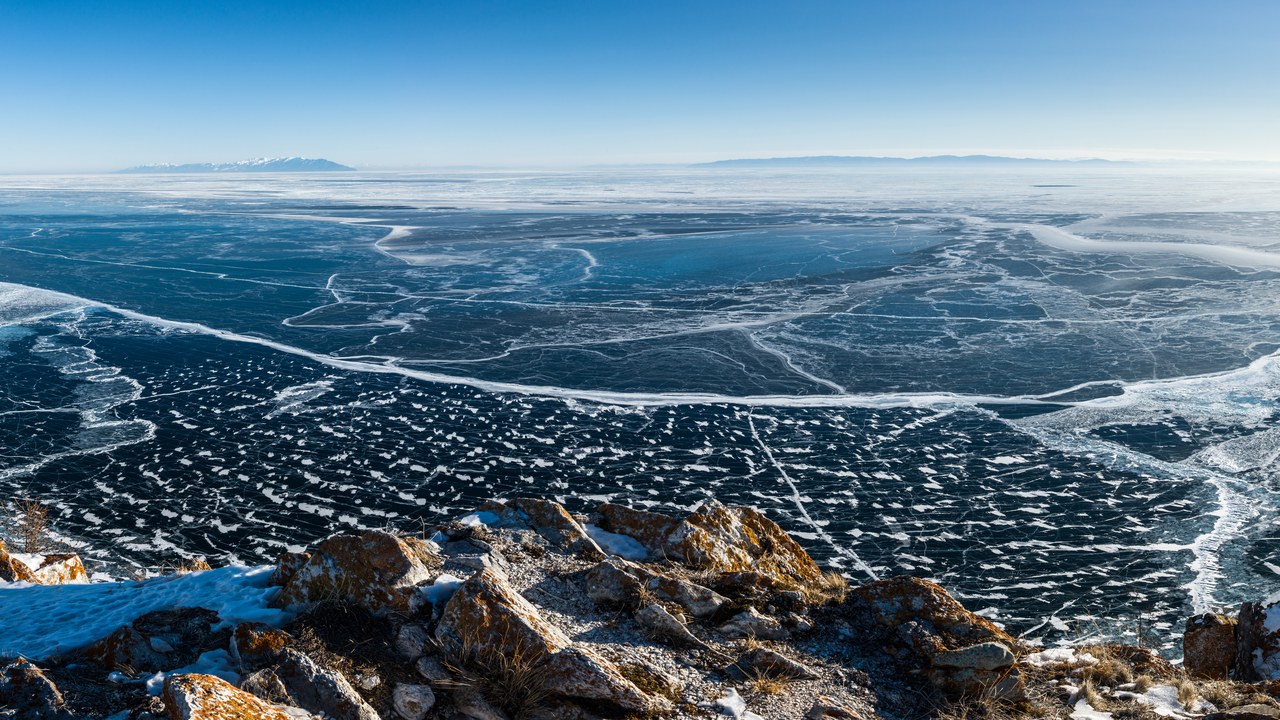
Deep in southern Siberia, Lake Baikal plunges to about 1,642 meters (5,387 feet), making it the deepest lake anywhere on the planet. It is also the oldest, formed in an ancient rift valley roughly 25 million years ago as the Earth’s crust slowly pulled apart.
The scale of its water is hard to grasp: Baikal alone holds close to a quarter of all the fresh, unfrozen water on Earth’s surface, more than all the North American Great Lakes combined. Ice locks its surface for months each winter, yet its clear depths shelter creatures found nowhere else, including the freshwater seal known as the nerpa.
2. Lake Tanganyika: Africa’s long, ancient giant
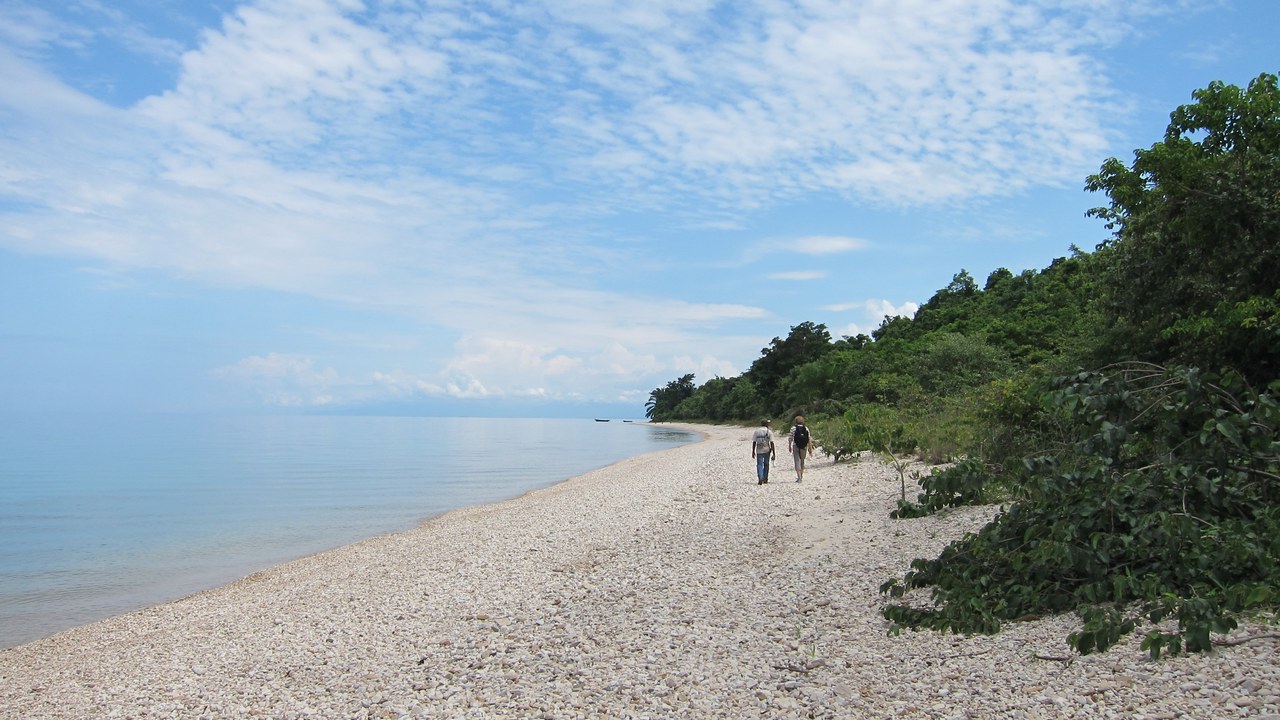
Stretching some 673 kilometers along the East African Rift, Lake Tanganyika reaches a maximum depth of roughly 1,470 meters (4,820 feet), ranking it the second-deepest lake on Earth. Its shores are shared by Tanzania, the Democratic Republic of the Congo, Burundi, and Zambia.
It is also among the oldest and longest freshwater lakes in the world, and it stores an estimated 16 percent of the planet’s available fresh water. Because its deepest layers never mix with the surface, they hold little oxygen, so most of its famous fish, including hundreds of colorful cichlid species, live in the sunlit upper waters near the coast.
3. Caspian Sea: The largest lake on Earth
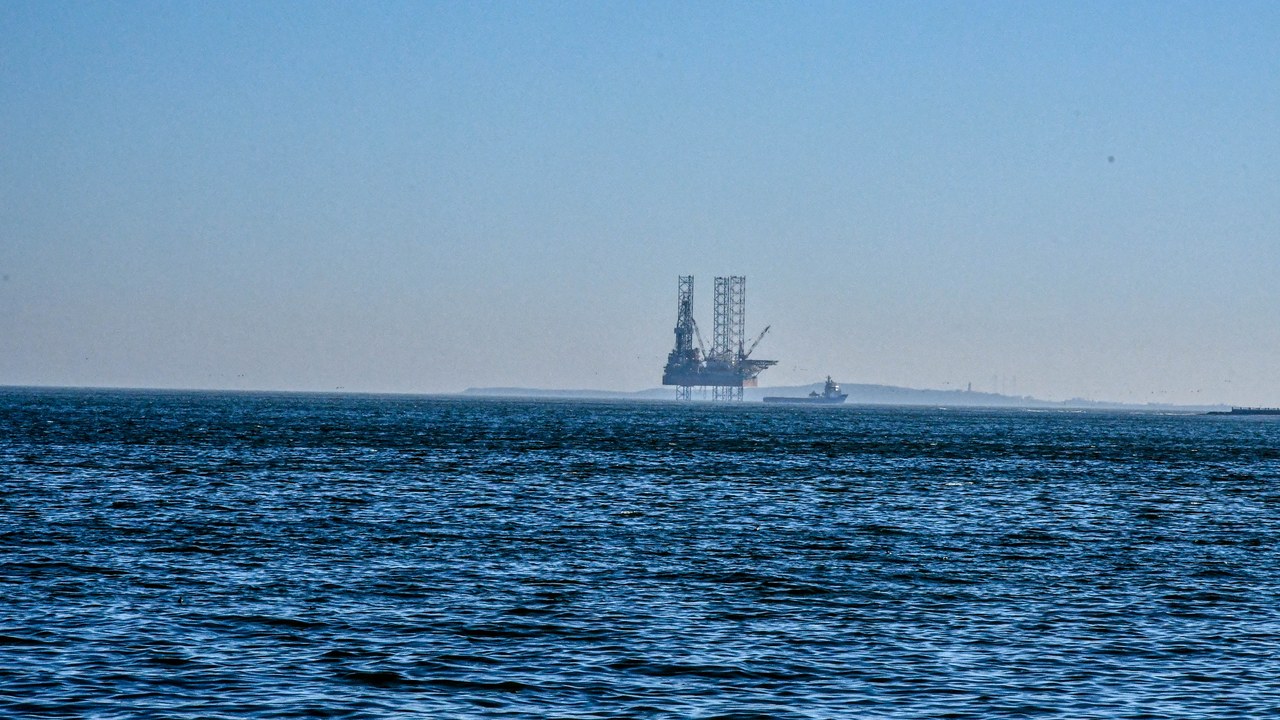
Despite its name, the Caspian Sea is technically the largest lake on Earth, a vast landlocked basin bordered by Kazakhstan, Russia, Turkmenistan, Iran, and Azerbaijan. Its southern reaches sink to about 1,025 meters (3,363 feet), deep enough to place it among the world’s deepest bodies of inland water.
The Caspian is a relic of an ancient sea, and its water is mildly salty rather than fresh. It has no outlet to any ocean, so rivers such as the Volga pour in and leave only through evaporation. Sturgeon prized for caviar swim its depths, while oil and gas rigs dot the surface above one of the region’s richest energy basins.
4. Lake Malawi: A rift lake teeming with life
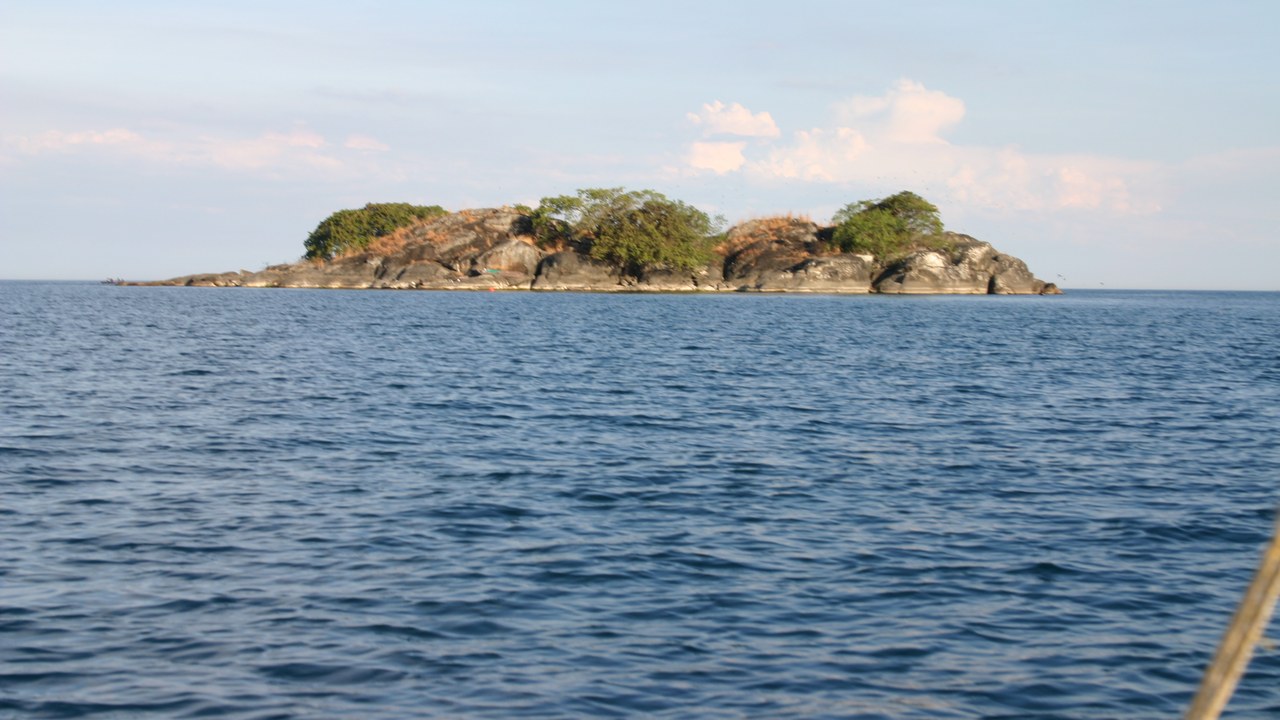
Filling another arm of the East African Rift, Lake Malawi descends to roughly 706 meters (2,316 feet) and washes the shores of Malawi, Mozambique, and Tanzania. Its great depth and warm, clear water have earned it a reputation as one of the most biologically rich lakes on the planet.
No other lake is home to as many fish species. Scientists estimate that hundreds, and possibly more than a thousand, kinds of cichlids evolved here, most of them found nowhere else. Like several deep African lakes, its lower waters stay permanently separated from the surface, so life concentrates in the bright, oxygen-rich shallows that fringe its rocky coastline.
5. Crater Lake: America’s deepest, born from a volcano
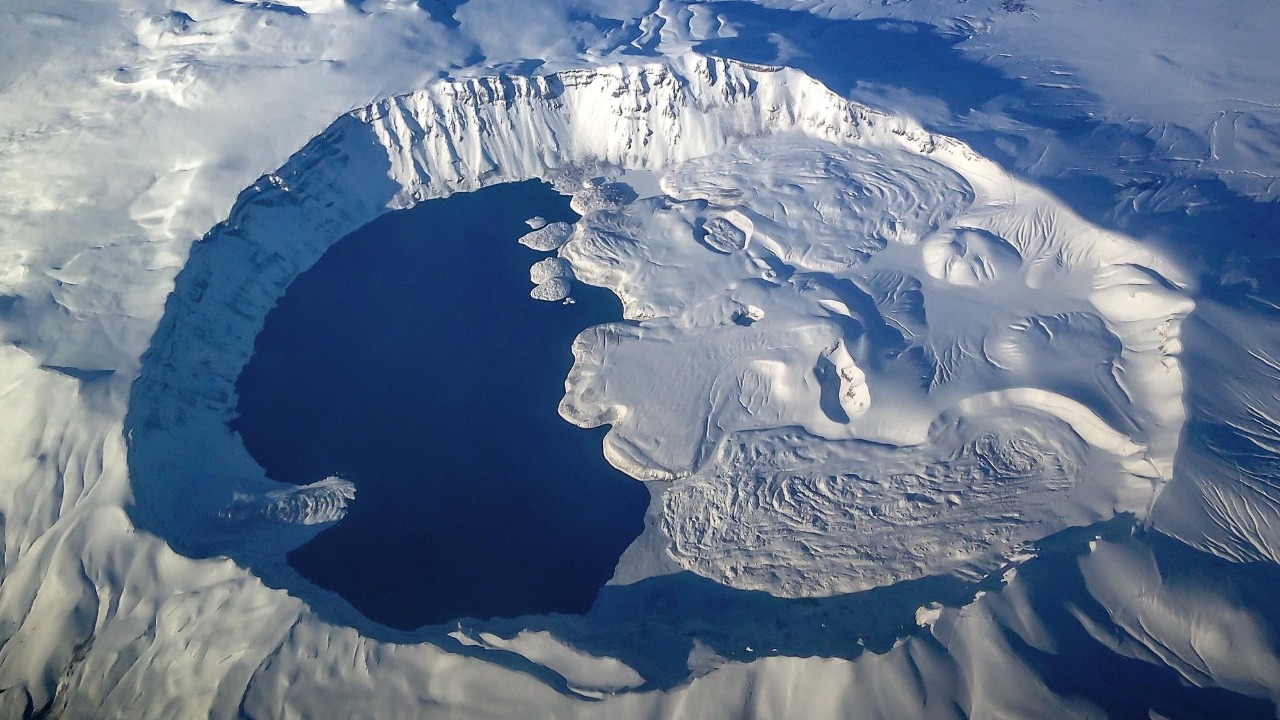
High in the Cascade Range of Oregon, Crater Lake is the deepest lake in the United States, reaching about 594 meters (1,949 feet). It sits inside the collapsed caldera of Mount Mazama, a volcano that erupted and caved in on itself roughly 7,700 years ago.
No rivers flow in or out. The basin fills entirely with rain and melting snow, which helps explain the lake’s astonishing clarity and its intense, almost unreal shade of blue. A small volcanic cone, Wizard Island, breaks the surface near one shore, a reminder that this serene pool rests atop a sleeping mountain.
6. Great Slave Lake: North America’s deepest water
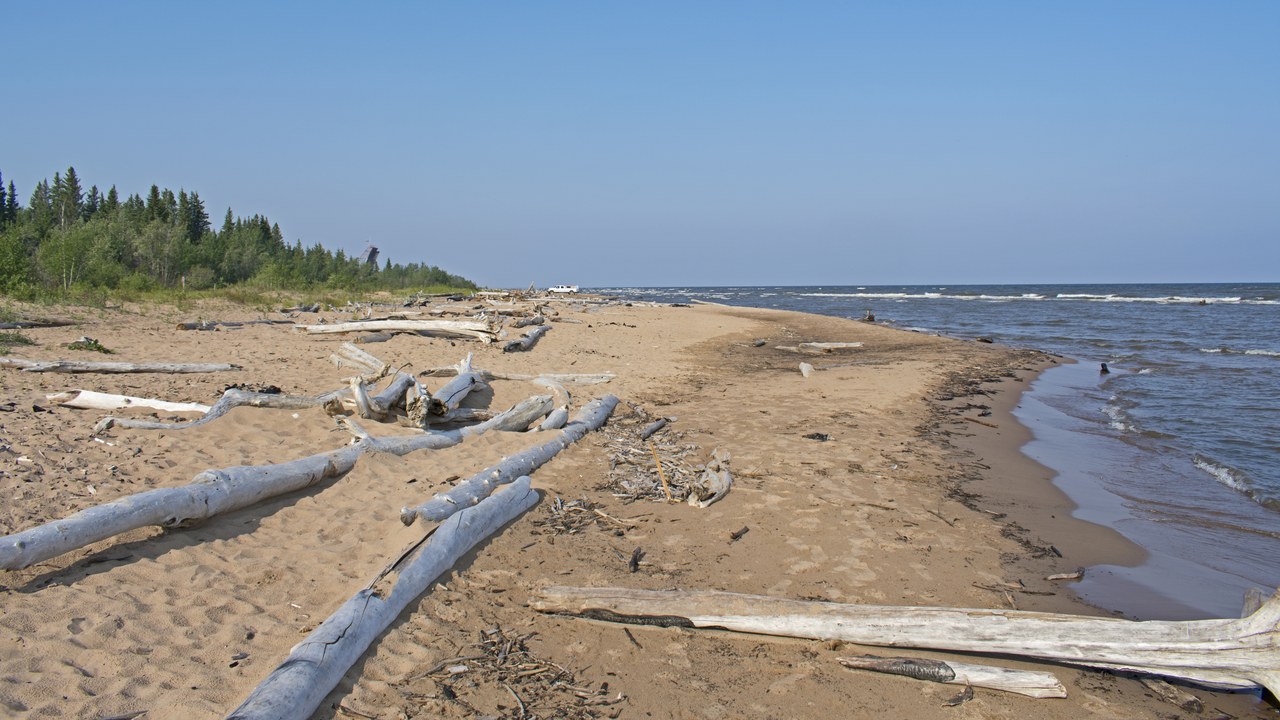
Named for the Slavey people of the region, Great Slave Lake lies in Canada’s Northwest Territories and holds the title of deepest lake in North America, dropping to around 614 meters (2,014 feet). Its cold, sprawling waters stretch across the subarctic landscape near the city of Yellowknife.
For much of the year the lake is frozen solid, and its ice road once carried trucks across the surface to remote diamond mines. Fed largely by the Slave River and drained by the Mackenzie, it forms a crucial link in one of the continent’s great watersheds. Forested shores, sandy beaches, and floatplane traffic define its remote northern character.
7. Lake Issyk-Kul: A deep lake that never freezes
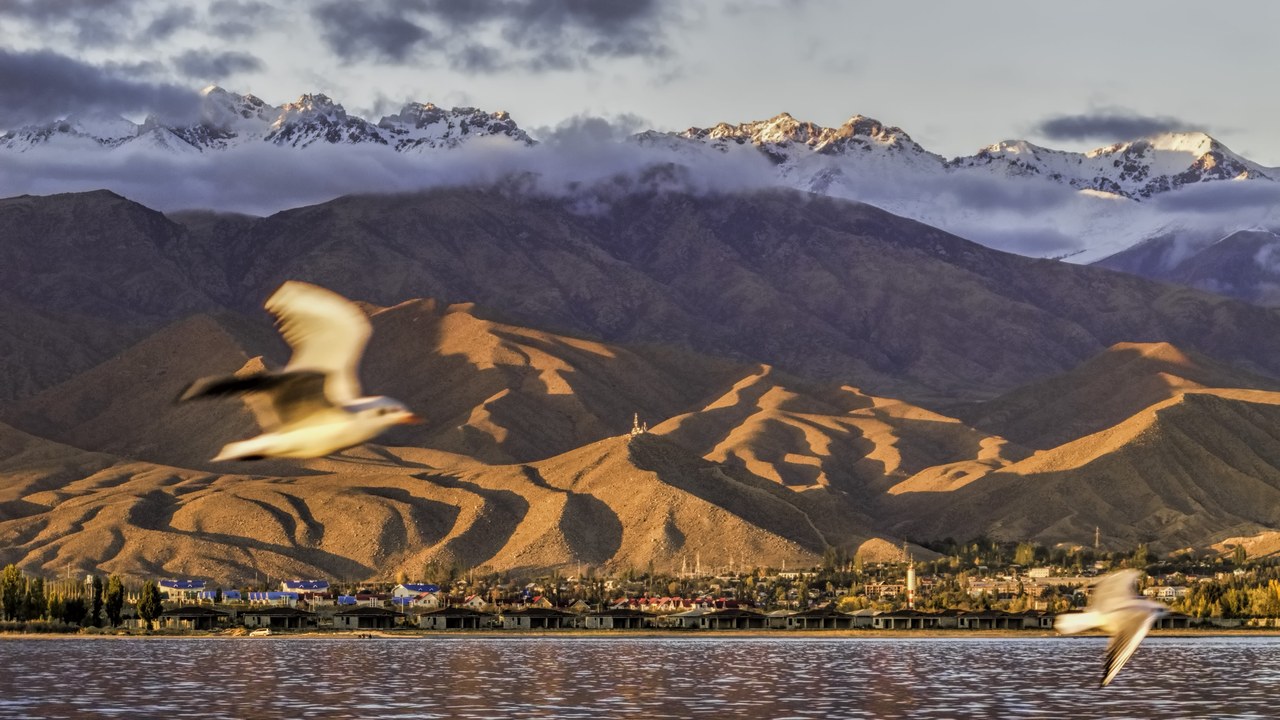
Cradled among the Tian Shan mountains of Kyrgyzstan, Lake Issyk-Kul sits more than 1,600 meters above sea level yet still plunges to roughly 668 meters (2,192 feet). That combination makes it one of the deepest and highest large lakes found anywhere on Earth.
Its name translates as warm lake, and despite the surrounding peaks and frigid winters, its mildly salty water never freezes over. Ringed by snow-capped summits and gently sloping shores, Issyk-Kul has no natural outlet, so the rivers feeding it simply evaporate away. Long a Silk Road landmark, it remains a popular retreat prized for its scenery and clear mountain air.
8. Lake Matano: Southeast Asia’s hidden abyss
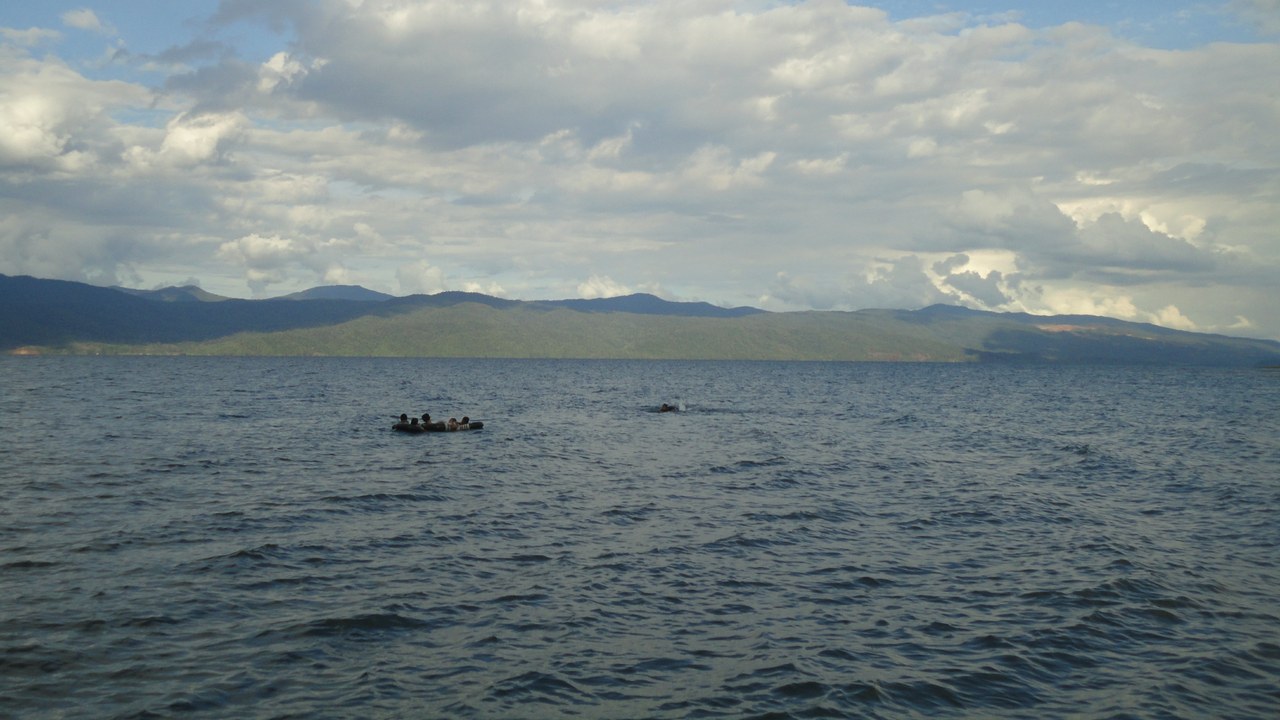
On the Indonesian island of Sulawesi, Lake Matano ranks as the deepest lake in Southeast Asia, reaching about 590 meters (1,936 feet). Because its surface sits only a few hundred meters above sea level, its floor actually lies well below the level of the distant ocean.
This ancient tectonic lake formed along a fault line, and its long isolation has produced a remarkable cast of endemic creatures, from unique fish to distinctive freshwater crabs and shrimp. The surrounding hills are rich in nickel, and mining has raised concerns about protecting the clear, deep water and the rare species that depend on this fragile ecosystem.
9. Lake Tahoe: A clear alpine jewel
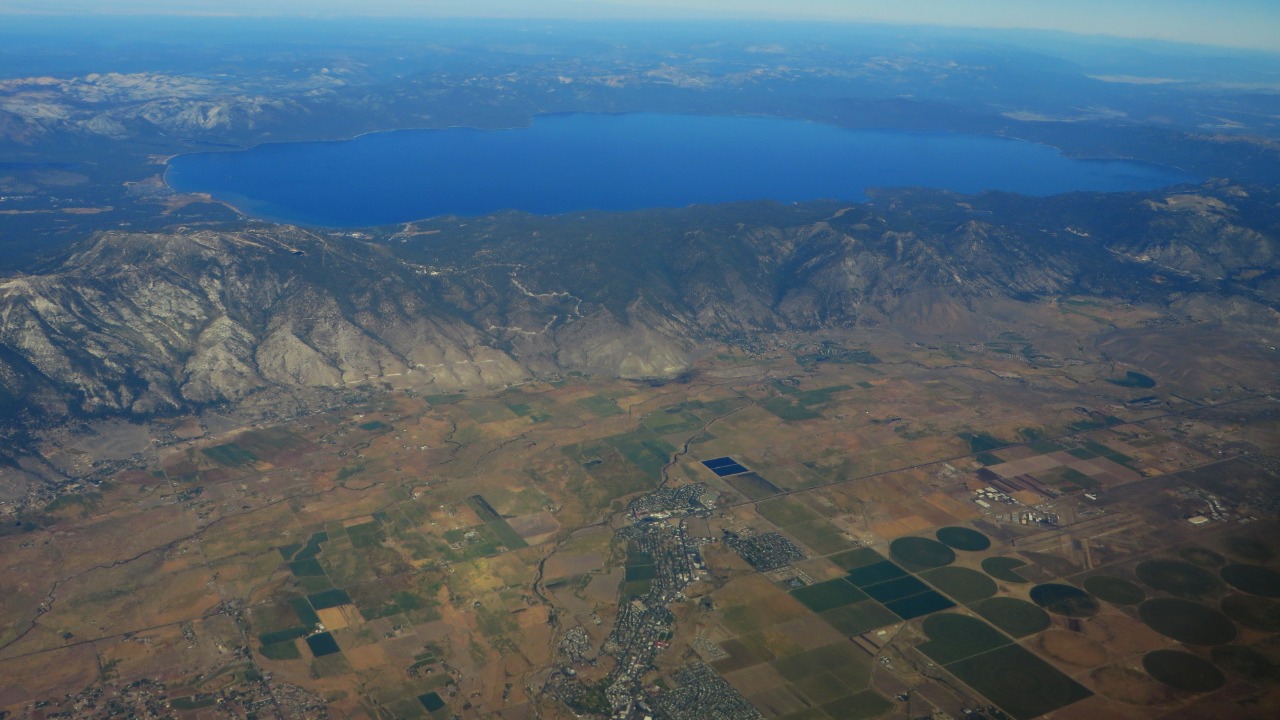
Straddling the border of California and Nevada in the Sierra Nevada, Lake Tahoe reaches a depth of about 501 meters (1,645 feet), making it the second-deepest lake in the United States after Crater Lake. It rests at nearly 1,900 meters above sea level, ringed by granite peaks.
Tahoe is celebrated for its cobalt-blue water and famous clarity, a quality researchers have monitored for decades as development pressures grow. Formed by faulting and shaped by ancient glaciers, the lake never freezes over thanks to its enormous volume. Its shoreline draws millions of visitors each year for skiing in winter and boating and hiking through the warmer months.
10. Hornindalsvatnet: Europe’s deepest, in Norway’s fjords
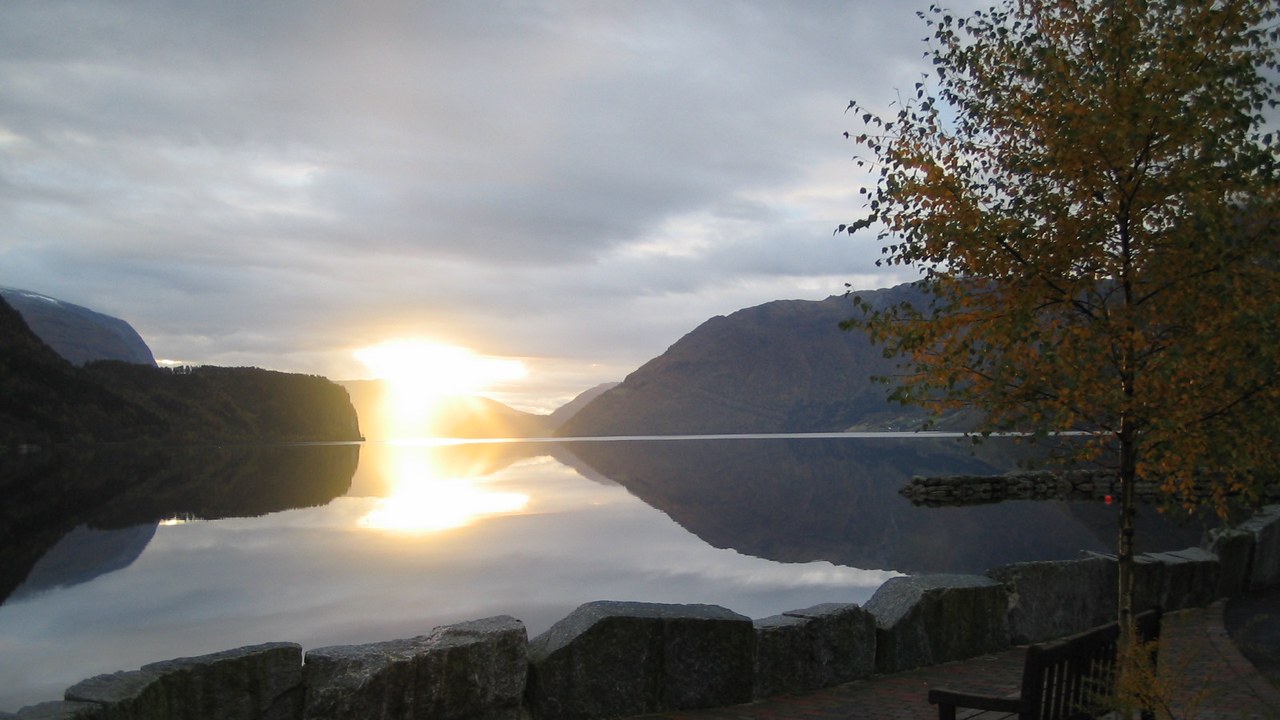
Tucked into the fjord country of western Norway, Hornindalsvatnet is the deepest lake in Europe, plunging to about 514 meters (1,686 feet). Because its surface lies only around 50 meters above sea level, the bottom of the lake sits far below the level of the nearby sea.
Steep, forested mountains rise directly from its shores, giving the water a still, mirror-like quality on calm days. Carved by glaciers during past ice ages, the lake stretches for kilometers through a narrow valley. Small villages and old farmsteads dot its banks, and the surrounding district has long drawn hikers and travelers seeking the quiet beauty of Norway’s deep inland waters.
More from Morning Overview
- A handful of SUVs keep hitting 300,000 miles, and they share one engine trait
- Supplements now rank as the fifth-leading cause of death from liver disease.
- A study names the one SUV most likely to reach 250,000 miles
- More than 60,000 people flee the Spokane area as complex fires overrun 600 structures
