
Few natural forces have reshaped human history as violently as an erupting volcano, burying cities, darkening skies, and drowning coastlines within hours. From the ash that entombed Pompeii to the mudflows that swallowed entire towns, these mountains have claimed staggering tolls across the centuries. Here are ten of the most catastrophic volcanoes recorded in history.
1. Mount Vesuvius: The mountain that buried Pompeii
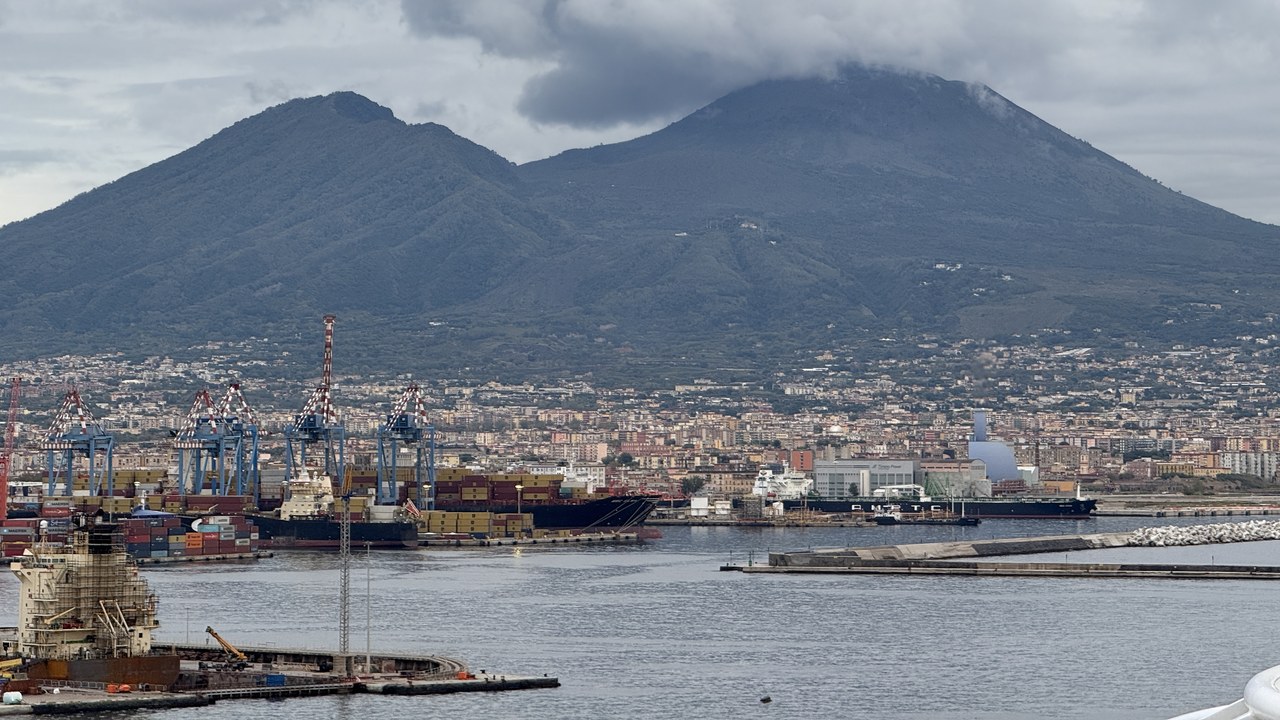
In 79 AD, Mount Vesuvius erupted with a fury that buried the Roman towns of Pompeii and Herculaneum under meters of ash and pumice. Superheated surges and falling debris killed thousands of residents, entombing bodies so completely that plaster casts still capture their final moments.
The volcano has erupted many times since, most recently in 1944, and remains dangerously active today. Roughly three million people now live within reach of its slopes around the Bay of Naples. Scientists rank it among the most perilous volcanoes on Earth, given how densely the region below it is populated.
2. Krakatoa: An explosion heard around the world
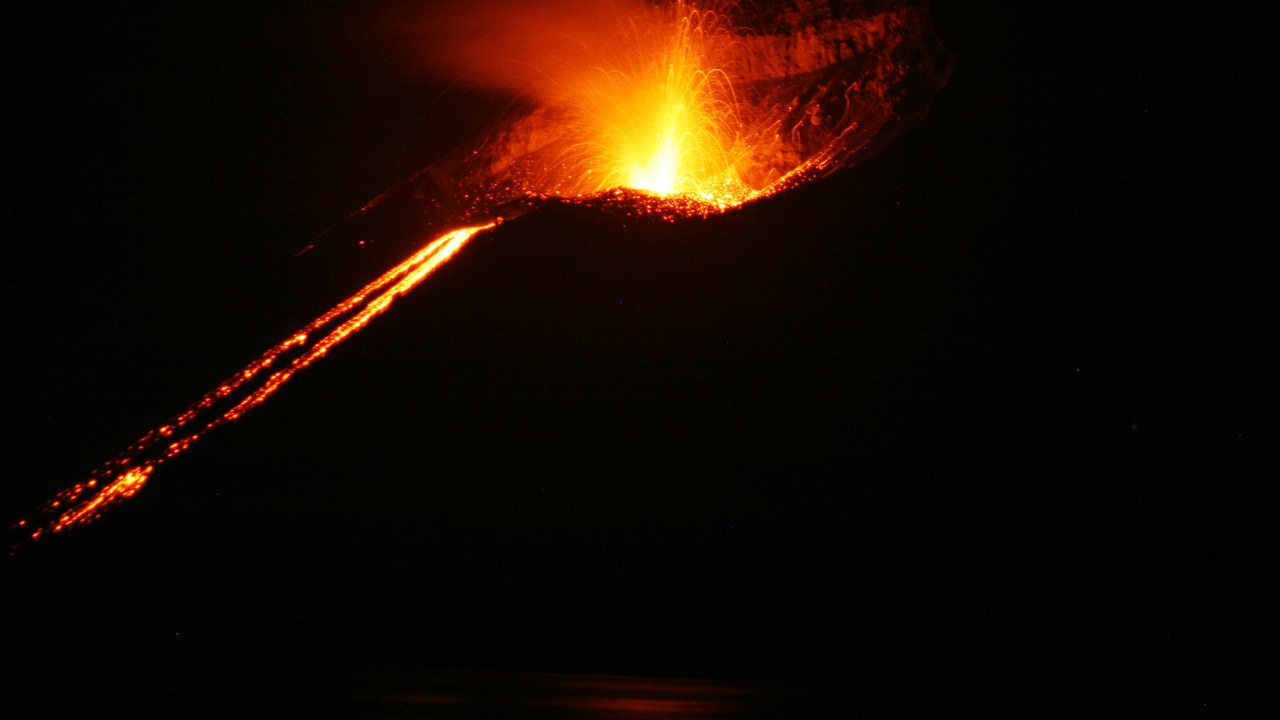
The 1883 eruption of Krakatoa, an island volcano in the Sunda Strait, ranks among the most violent events ever recorded. Its climactic explosions were so loud they were heard nearly 3,000 miles away, and the blast pressure registered on instruments around the globe.
Most of the roughly 36,000 deaths came not from lava but from towering tsunamis that swept across nearby coastlines of Java and Sumatra. Ash blanketed the sky and dimmed sunsets worldwide for months afterward. Decades later a new cone, Anak Krakatau, rose from the collapsed caldera and remains restless.
3. Mount Tambora: The eruption that stole a summer
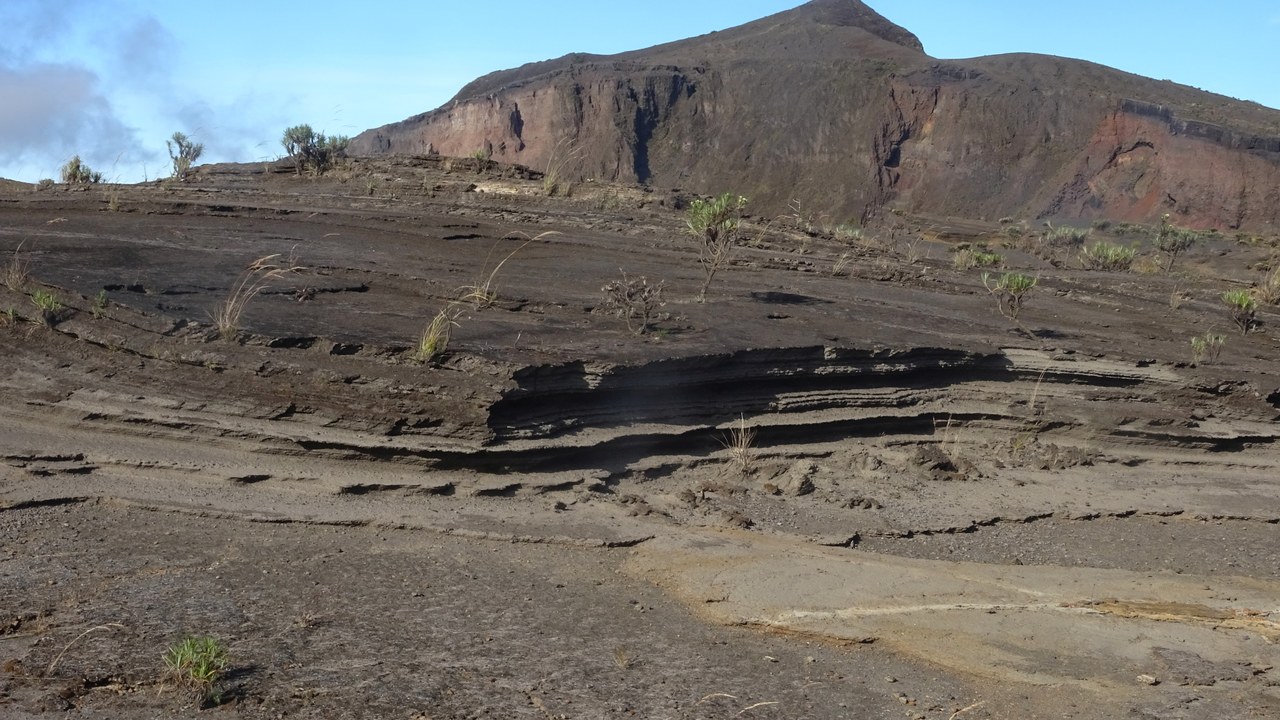
When Mount Tambora erupted on the Indonesian island of Sumbawa in April 1815, it produced the largest volcanic explosion in recorded history. The blast tore roughly a mile off the mountain’s height and killed an estimated 10,000 people almost immediately across the surrounding region.
Ash and famine that followed pushed the death toll far higher, with tens of thousands more perishing from starvation and disease. The eruption injected so much material into the atmosphere that global temperatures dropped, giving 1816 its grim nickname as the year without a summer. Harvests failed across Europe and North America.
4. Mount Pelee: A city erased in minutes
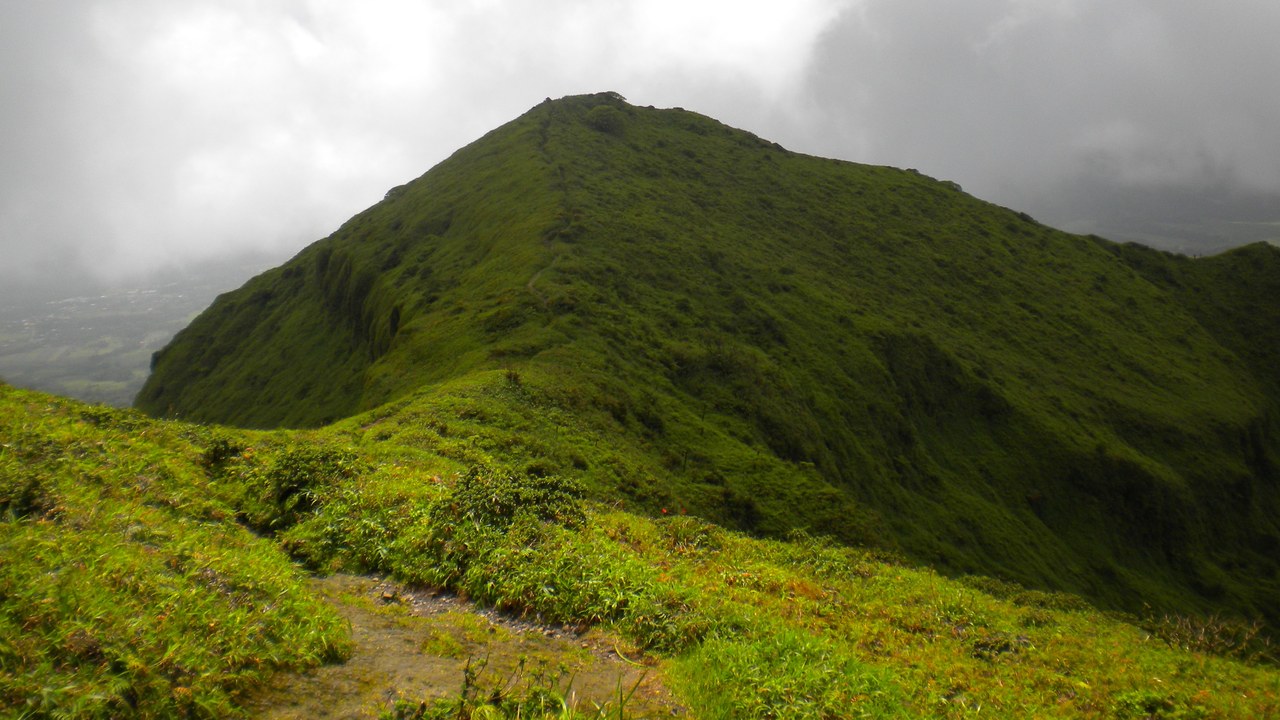
On the morning of May 8, 1902, Mount Pelee on the Caribbean island of Martinique unleashed a searing cloud of gas and ash. The glowing avalanche raced down the slope and engulfed the port city of Saint-Pierre in a matter of minutes.
Around 28,000 residents died almost instantly, making it the worst volcanic disaster of the twentieth century. Only a handful of people survived, among them a prisoner sheltered in a thick stone cell. The catastrophe introduced the world to the term pyroclastic flow and reshaped how scientists study eruptions.
5. Mount St. Helens: The blast that reshaped a mountain
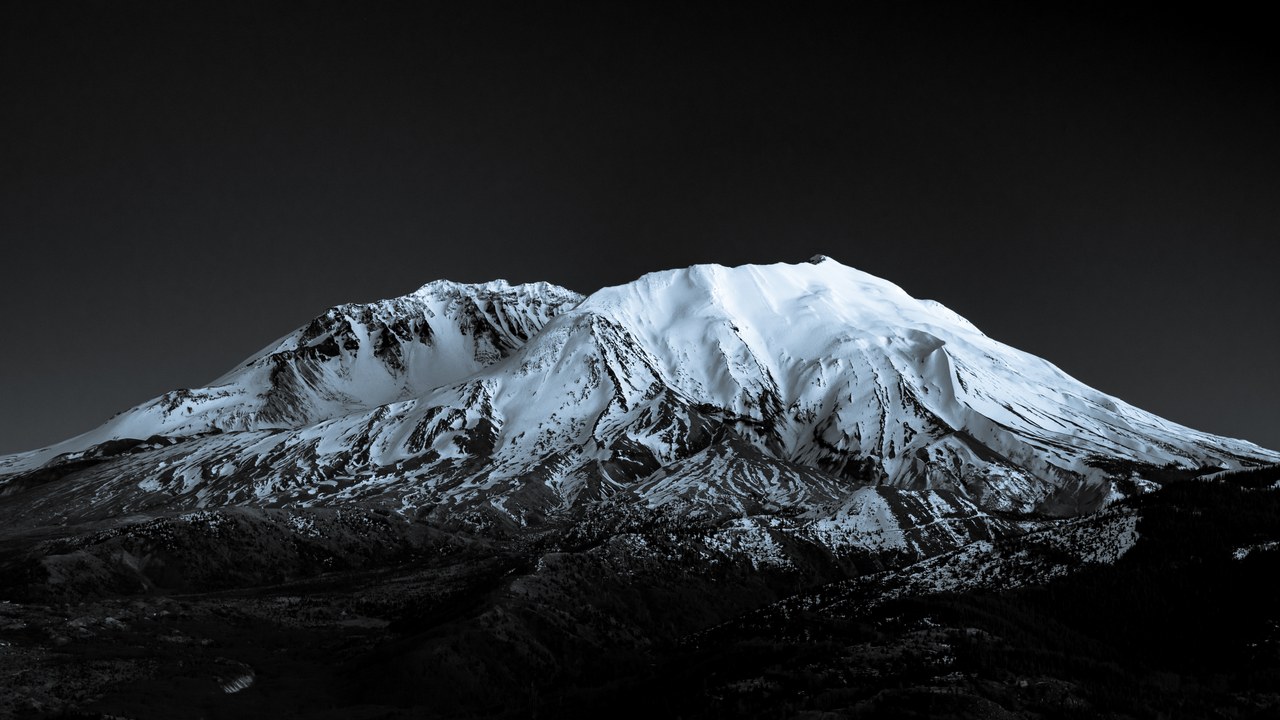
On May 18, 1980, Mount St. Helens in Washington State erupted after a massive landslide uncovered its pressurized core. A powerful sideways blast flattened forests across some 230 square miles and stripped the mountain of about 1,300 feet of its summit in seconds.
The eruption killed 57 people, including a geologist and a stubborn lodge owner who refused to leave. Mudflows choked rivers, and ash drifted across several states within days. It stands as the most destructive and economically costly volcanic event in United States history, a stark reminder of Cascade danger.
6. Mount Pinatubo: A volcano that cooled the planet
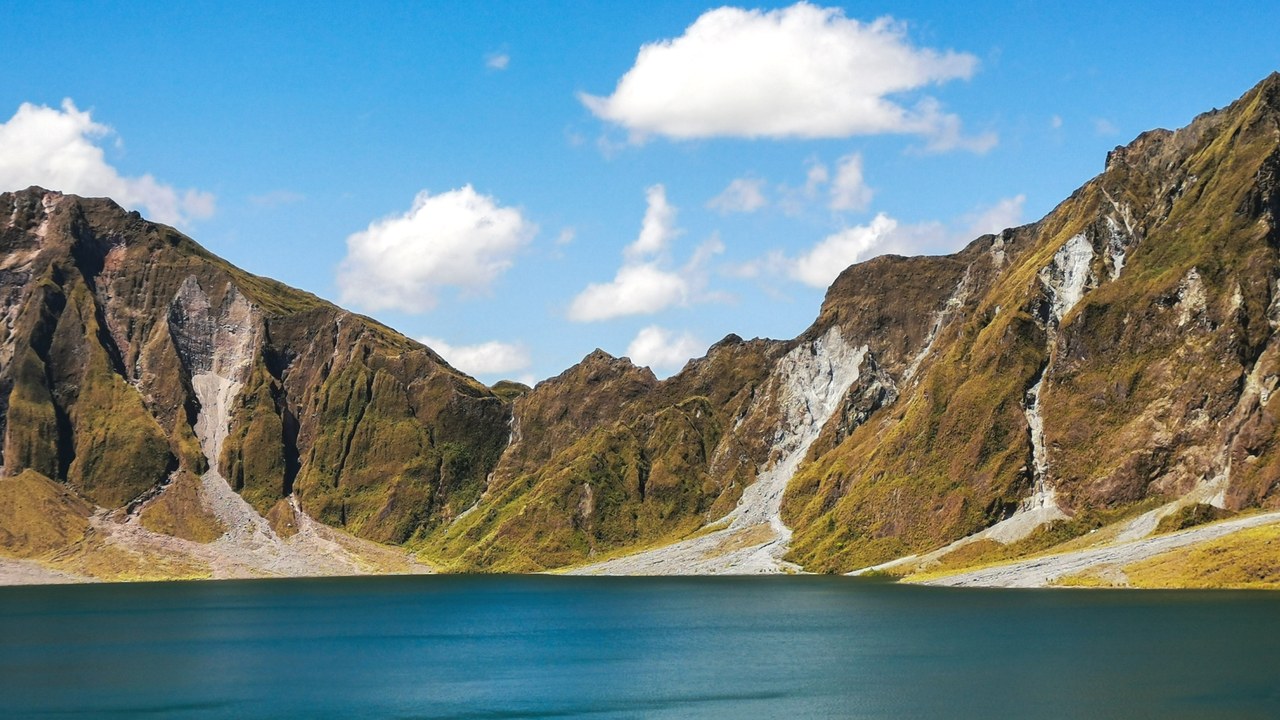
After lying quiet for centuries, Mount Pinatubo in the Philippines roared back to life in June 1991 with the second-largest eruption of the twentieth century. Timely evacuations spared countless lives, yet more than 800 people still died, many when ash-laden roofs collapsed during a passing typhoon.
The eruption blasted some 20 million tons of sulfur dioxide into the stratosphere, forming a haze that circled the planet. That veil reflected sunlight and cooled average global temperatures by roughly half a degree Celsius for about two years, a rare case of a volcano measurably chilling the entire world.
7. Nevado del Ruiz: The mudflow that swallowed Armero
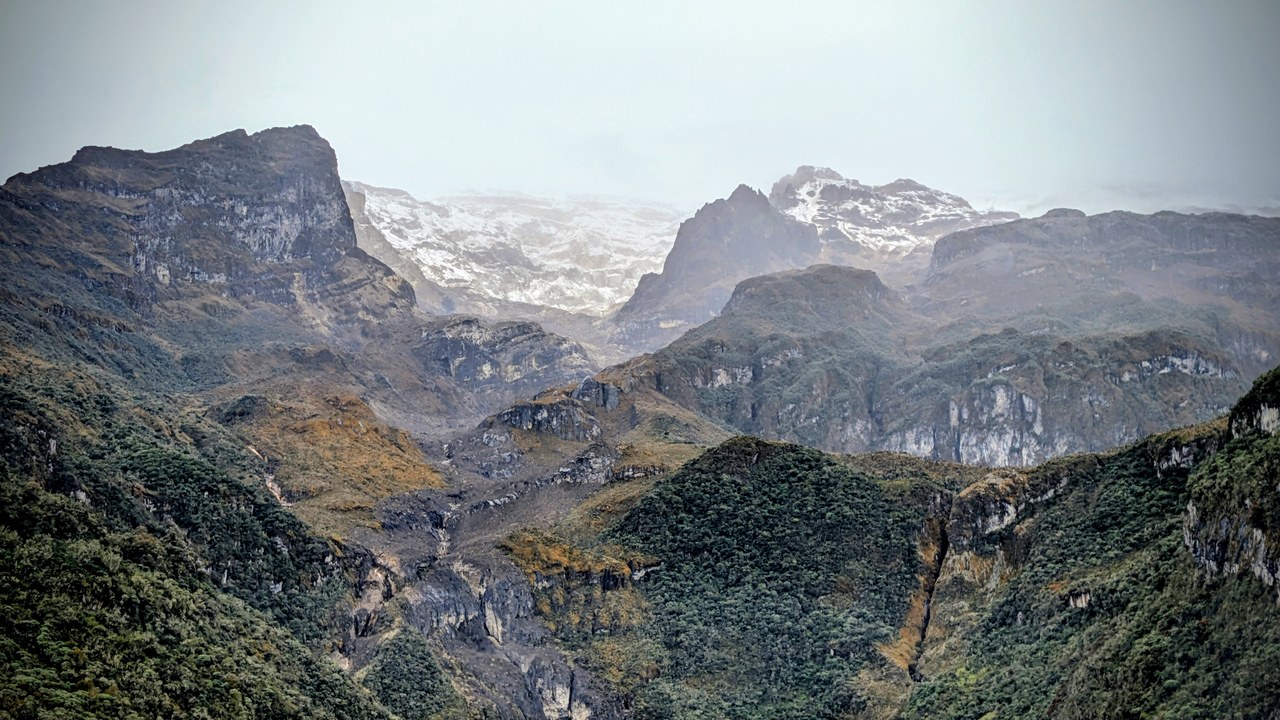
On November 13, 1985, a modest eruption at Nevado del Ruiz in Colombia melted the glaciers capping its summit. The meltwater mixed with ash and rock to form fast-moving mudflows, or lahars, that surged dozens of miles down the volcano’s river valleys under cover of darkness.
One of those flows buried the town of Armero as its residents slept, killing roughly 23,000 people. The disaster became a symbol of tragic warnings ignored, since scientists had flagged the danger for weeks beforehand. It ranks as the most lethal lahar catastrophe ever recorded, and the worst disaster in Colombia’s history.
8. Mount Unzen: Deadly flows that stunned Japan
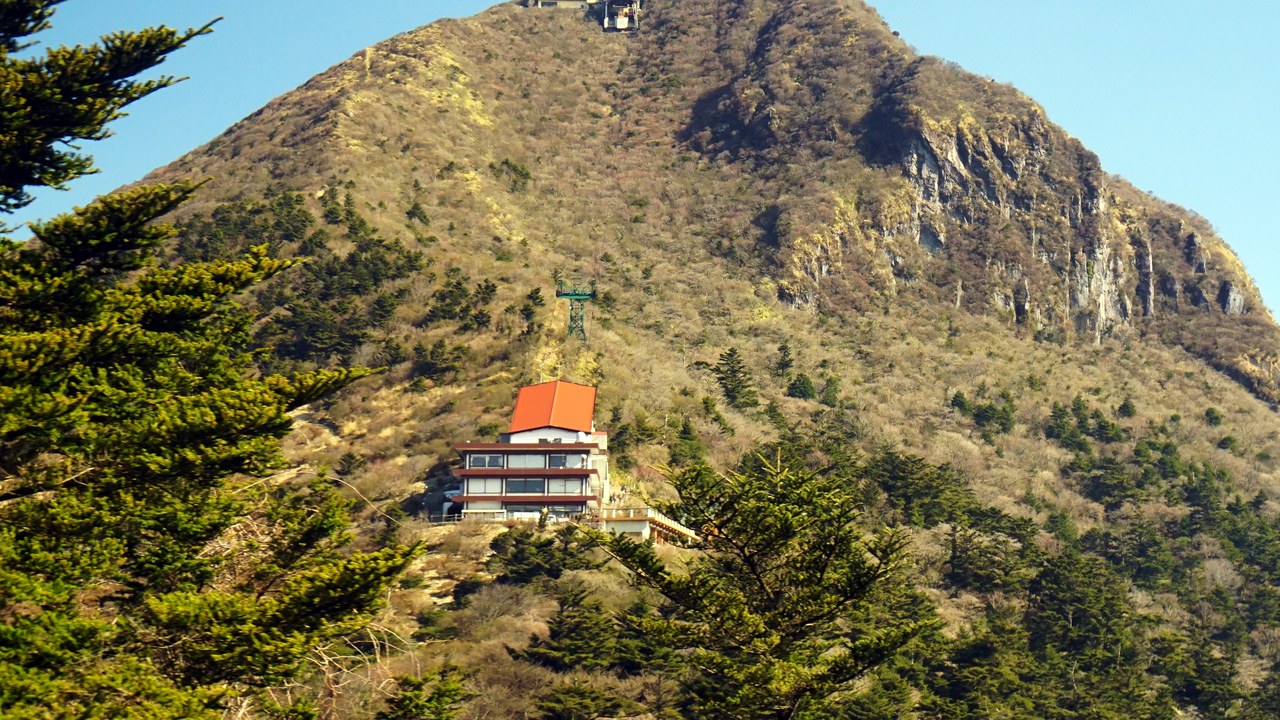
Rising near the city of Shimabara in Japan, Mount Unzen awoke in 1990 after roughly two centuries of dormancy. As a lava dome grew and crumbled, it repeatedly sent pyroclastic flows racing down the slopes, culminating in a devastating surge on June 3, 1991 that swept over the mountainside.
That single flow killed 43 people, among them three renowned volcanologists and dozens of journalists documenting the eruption. An earlier catastrophe in 1792, when part of the volcano collapsed and triggered a tsunami, claimed about 15,000 lives, making it the worst volcanic disaster in Japanese history.
9. Mount Merapi: Indonesia’s restless fire mountain
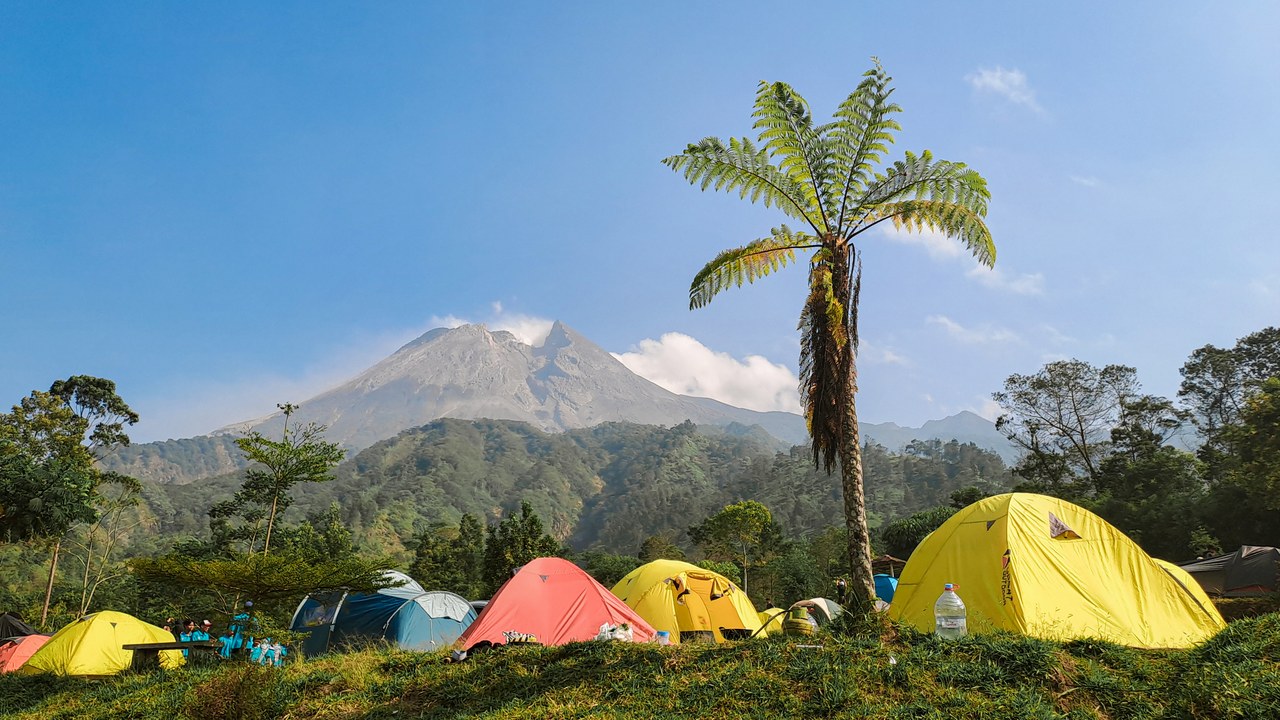
Towering over the densely settled plains of central Java, Mount Merapi is one of the most active volcanoes in Indonesia and has erupted regularly for centuries. Its name roughly translates to Mountain of Fire, and it looms only miles from the crowded city of Yogyakarta.
A violent eruption in 2010 killed more than 350 people and forced hundreds of thousands to flee their homes. An earlier blast in 1930 claimed around 1,300 lives when hot flows swept through nearby villages. Frequent smaller eruptions keep the surrounding communities under near-constant threat from ash and pyroclastic surges.
10. Mount Rainier: A looming threat over the Northwest
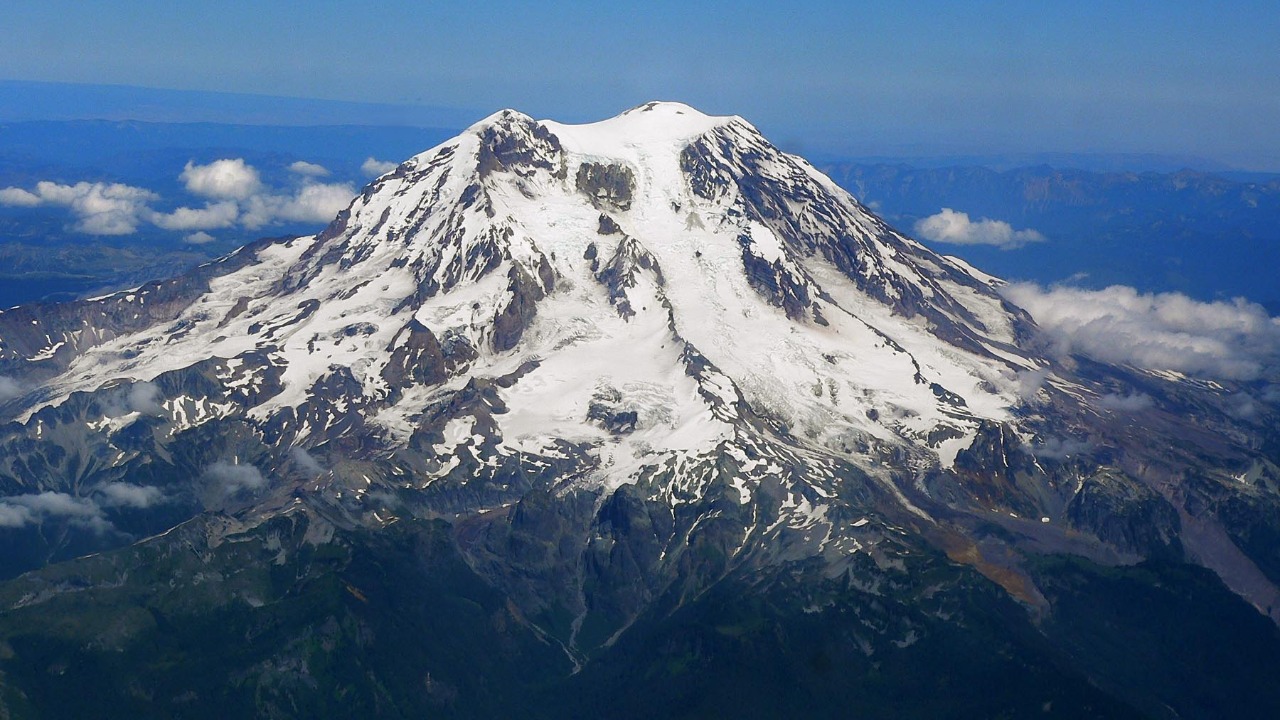
Though it has not erupted violently in recent memory, Mount Rainier in Washington State is widely regarded by scientists as one of the most dangerous volcanoes in the country. Its towering, glacier-clad summit sits near densely populated valleys south of Seattle and Tacoma.
The greatest danger is not lava but lahars, enormous mudflows that could form if heat or an eruption melts its ice cap. A massive flow thousands of years ago reached the site of present-day suburbs. Tens of thousands of residents now live atop those old deposits, prompting elaborate warning systems.
More from Morning Overview
- The NSA is again telling phone owners to switch off one location setting
- A handful of car transmissions are so tough mechanics say they almost never fail
- A handful of SUVs keep hitting 300,000 miles, and they share one engine trait
- Supplements now rank as the fifth-leading cause of death from liver disease.
