
American nuclear plants are ranked here by the electricity they actually send to the grid over a year, not by the size of the reactors on paper. Output at that scale comes from running several large units almost continuously, with only brief interruptions for refueling. Here are ten nuclear power plants that generate more electricity than any others in the country.
1. Palo Verde Generating Station: America’s Largest By Output
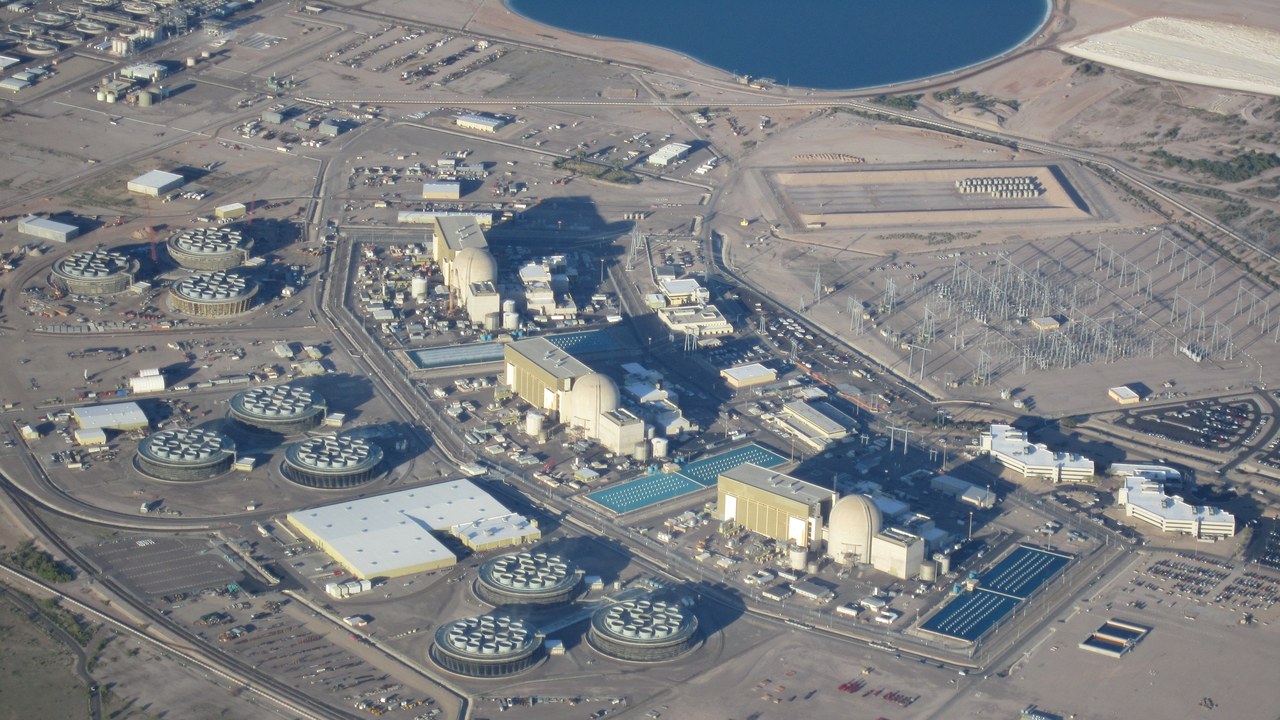
Palo Verde, in Arizona, is the largest nuclear plant in the United States when stations are ranked by output. The Arizona generating station holds that position on the electricity it actually delivers across a year, not on the maximum rating its reactors carry on paper.
The distinction shapes this entire ranking. A site reaches the top by keeping its units on line month after month, and a plant with an impressive nameplate figure but frequent outages will never appear near the front of a generation table.
2. Vogtle Electric Generating Plant: Four Reactors In Georgia
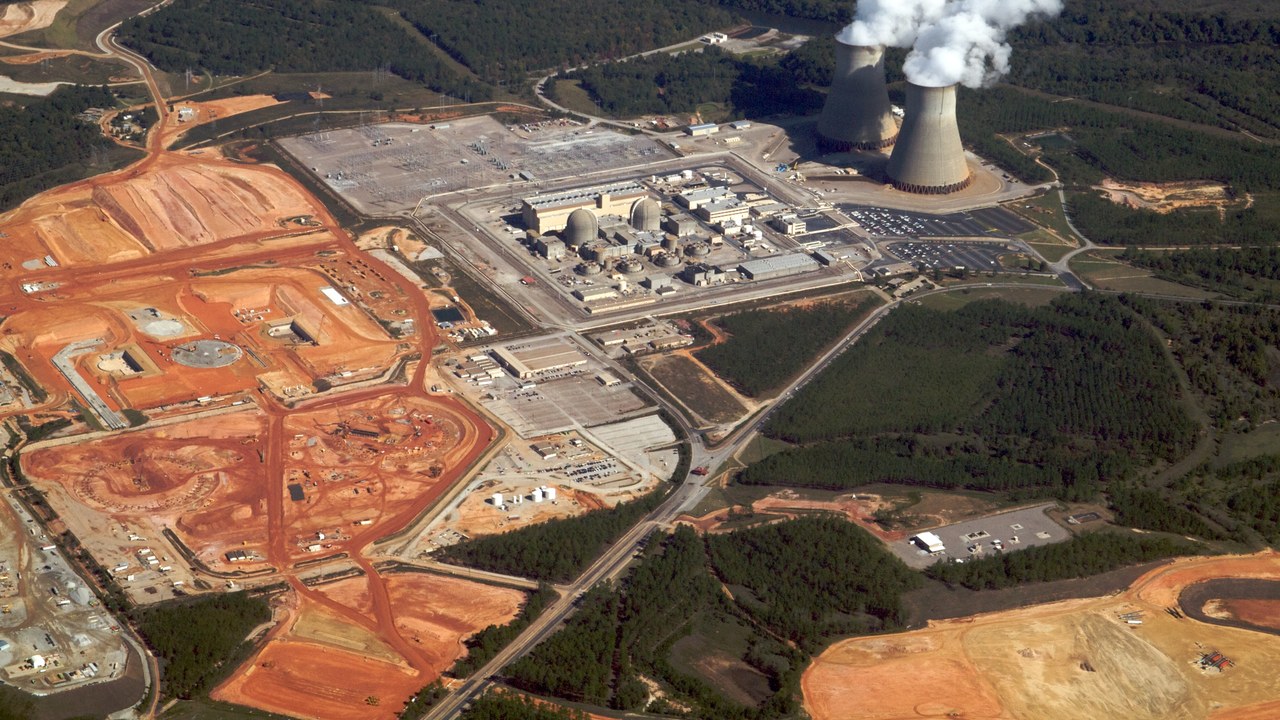
Georgia’s Vogtle plant operates four reactors, an unusually high count for an American station, and that scale has carried it into the front rank of national producers. The four-reactor Georgia plant reached its current standing by adding units rather than by squeezing more from old ones.
Expansion is the rarest route onto a list like this. Almost every other entry earned its place decades ago and has held it since, which makes a plant that climbed recently the exception rather than the pattern.
3. Browns Ferry Nuclear Plant: Three Units On One Site
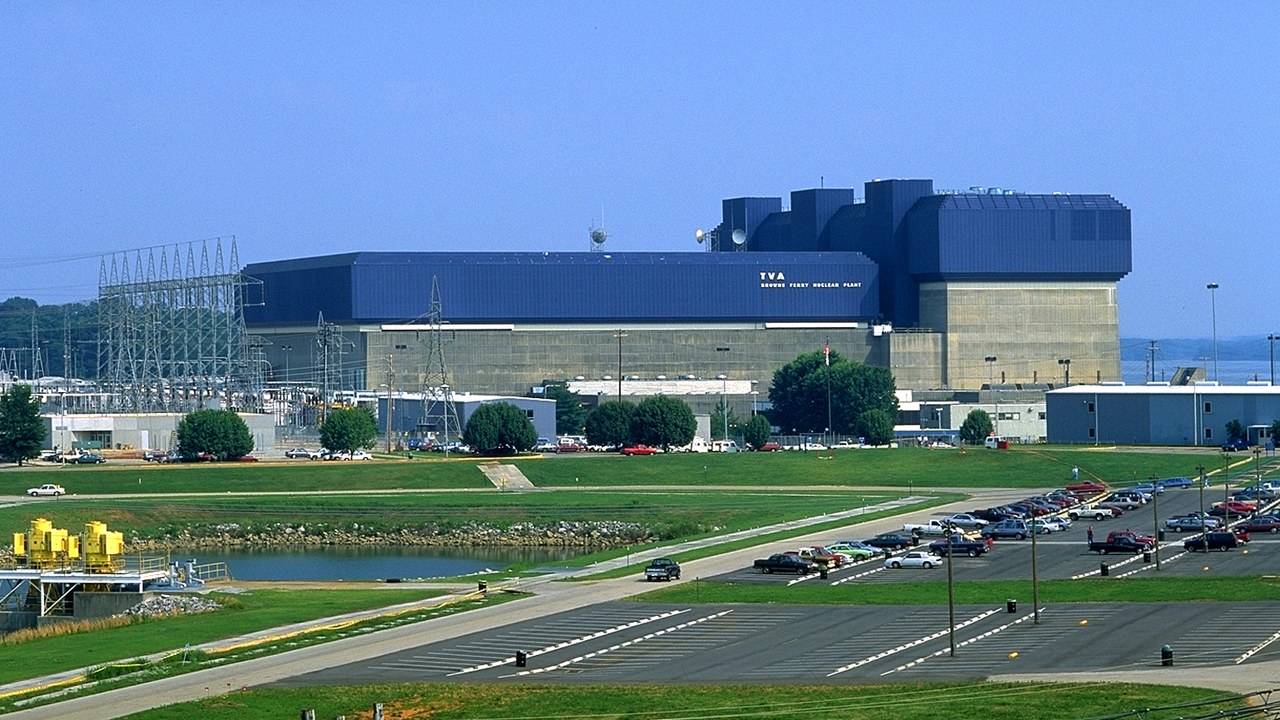
Three reactors operate at Browns Ferry in Alabama, giving the site one of the largest generating capacities in the American fleet. Multi-unit stations crowd the top of this ranking because the Alabama station and its peers can stagger refueling outages and keep most of the site producing at any given moment.
Concentration cuts the other way too. A fault traced to a shared reactor design can idle more than one unit at once, so the best and worst years at a three-unit plant swing wider than at a single-reactor site.
4. Peach Bottom Nuclear Generating Station: High Output On The Susquehanna
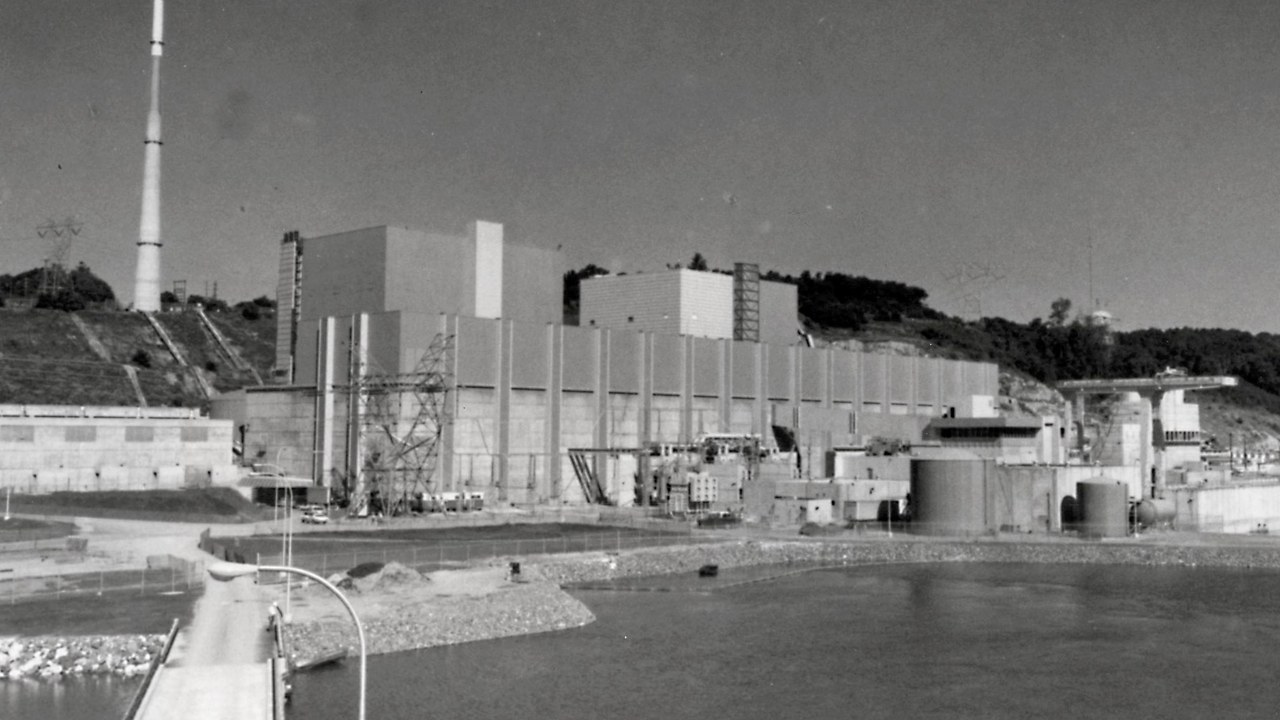
Peach Bottom sits on the Susquehanna in Pennsylvania and ranks among the highest-output nuclear stations in the country. River siting hands the Pennsylvania station the steady supply of cooling water that sustained full-power running actually requires, which is why so many large plants were built on major waterways.
The same siting creates a dependency operators cannot manage. Drought or unusually warm water can force a reduction in power, and those cutbacks tend to arrive in high summer, precisely when regional demand is at its heaviest.
5. Oconee Nuclear Station: A Long-Running South Carolina Trio
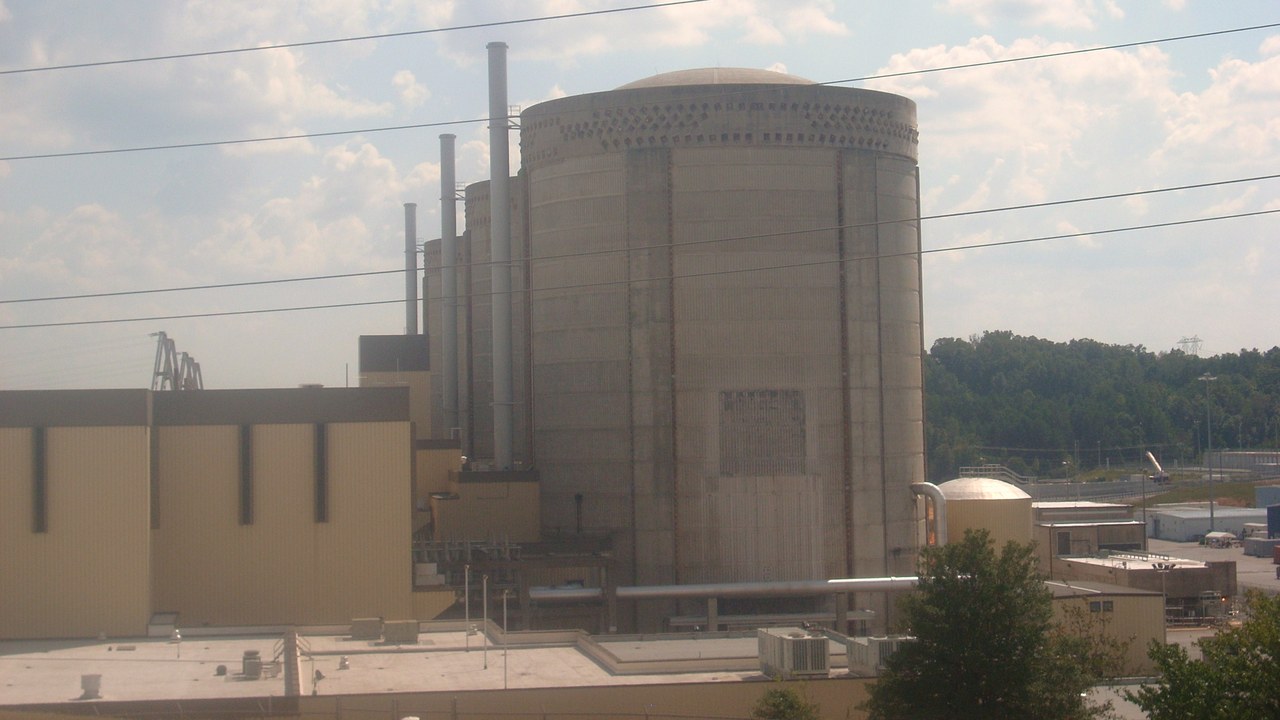
Longevity sets Oconee apart. The South Carolina site has run three units for years and has long counted among the country’s biggest generators, a standing that depends less on any single reactor than on keeping all three producing. Maintenance at the three-unit station is sequenced so that work on one reactor leaves the other two producing.
For the utility’s customers, a station of that size is a hedge against fuel price swings. Nuclear output costs roughly the same to produce whether gas is cheap or expensive, so a large steady generator dampens the bill volatility that a gas-heavy fleet passes straight through.
6. Susquehanna Steam Electric Station: Boiling Water At Scale
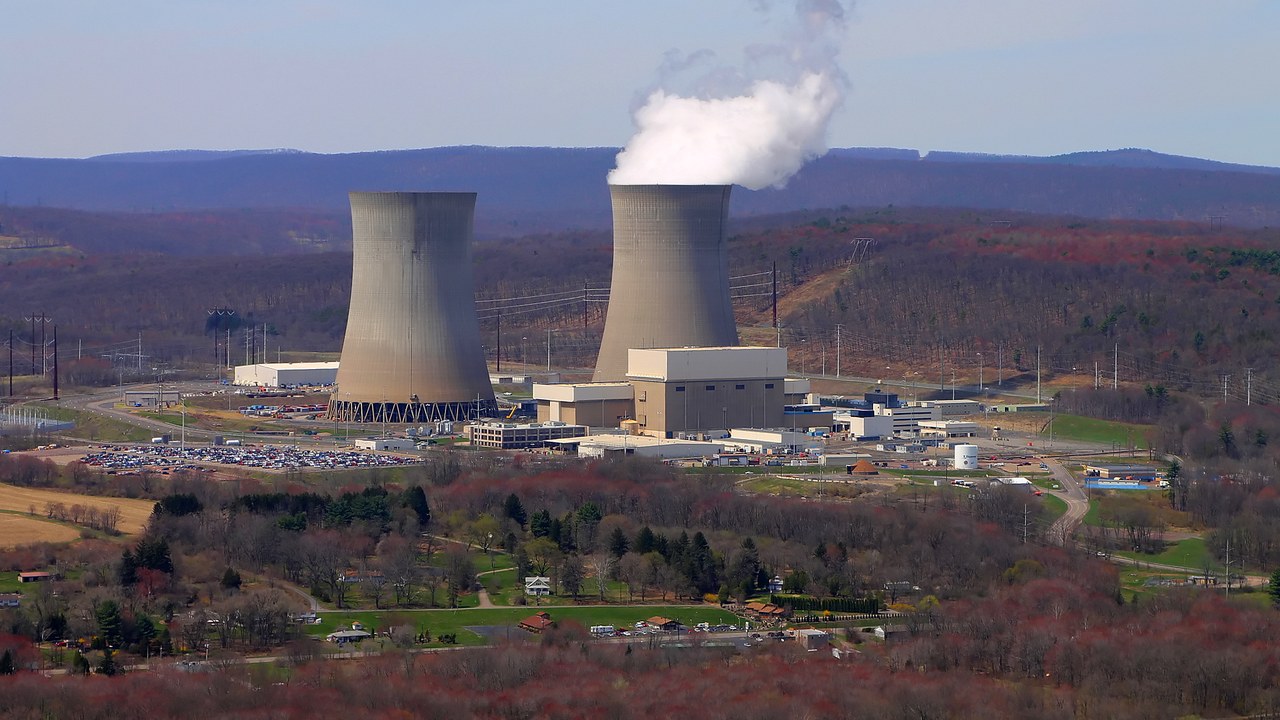
Boiling-water reactors drive the Susquehanna Steam Electric Station, one of the most productive nuclear sites in Pennsylvania. Steam is raised inside the reactor vessel itself in that design, a simpler arrangement than the pressurized-water plants that dominate the American fleet, and the Pennsylvania plant has run it at high output for years.
Power uprates have been the usual route to higher generation at stations of this type. Extracting more from reactors that already exist costs a fraction of new construction, which is why output totals can climb without a single new unit.
7. Limerick Generating Station: A Two-Unit Pennsylvania Giant
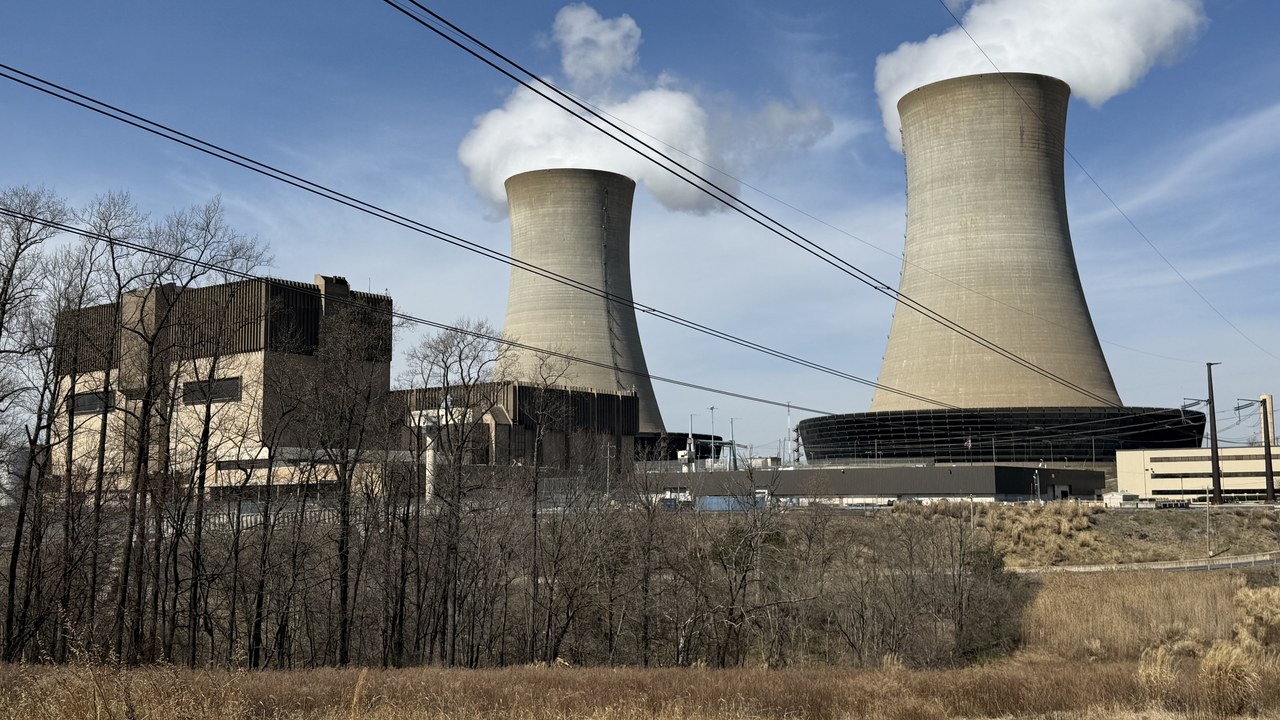
Pennsylvania turns up on this list more than once, and Limerick is a large part of why. Two units operate there, enough to place the two-unit Pennsylvania plant among the largest generators in the country without the third reactor that several rivals here rely on.
Clustering of that kind matters to a regional grid. When several of the country’s heaviest producers sit inside a single state, the timing of their refueling outages becomes a planning problem for the whole interconnection, not just for the utilities that own the reactors.
8. Byron Nuclear Generating Station: An Illinois Twin-Reactor Workhorse
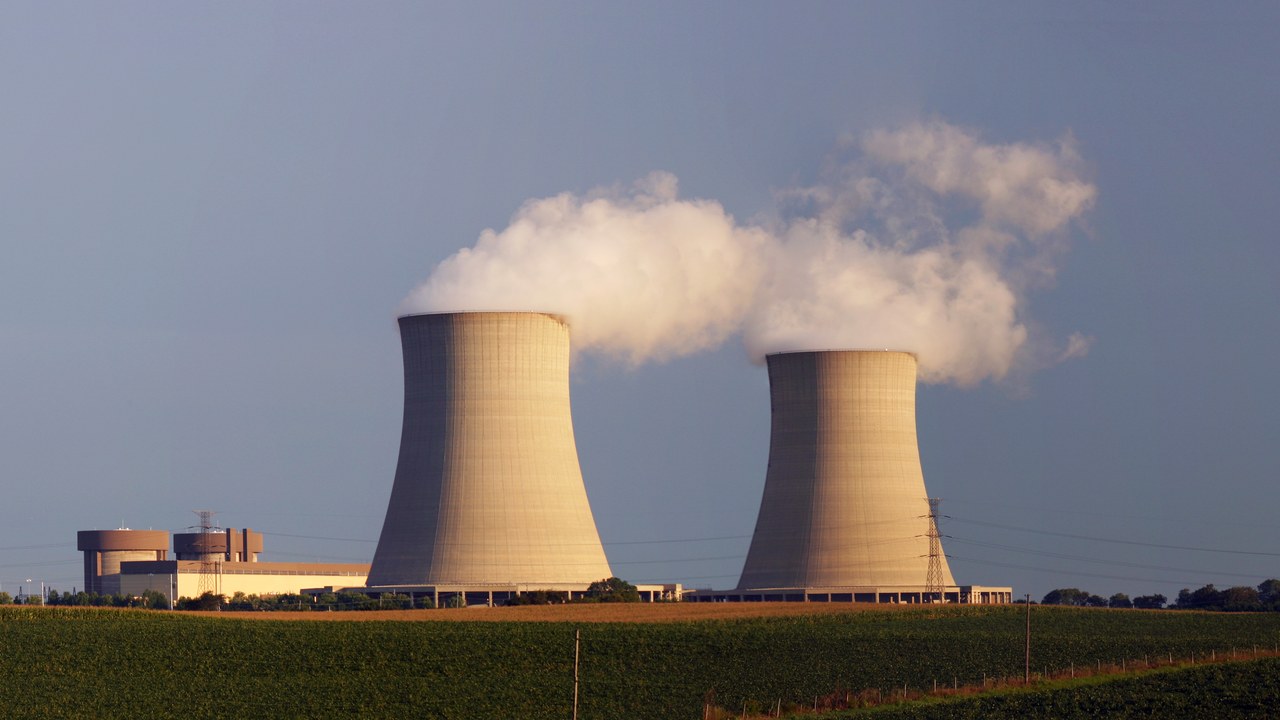
Byron pairs two reactors on a single Illinois site, a configuration that appears again and again near the top of this ranking. The twin-reactor station gains from everything the two units share: one control staff, one switchyard, one refueling organization covering both reactors.
Those economics explain the shape of the whole list. Single-reactor plants are largely absent from it, whatever an individual reactor is rated at, because one unit alone rarely produces enough across a year to compete with a paired or tripled site.
9. Diablo Canyon Power Plant: California’s Last Reactor Site
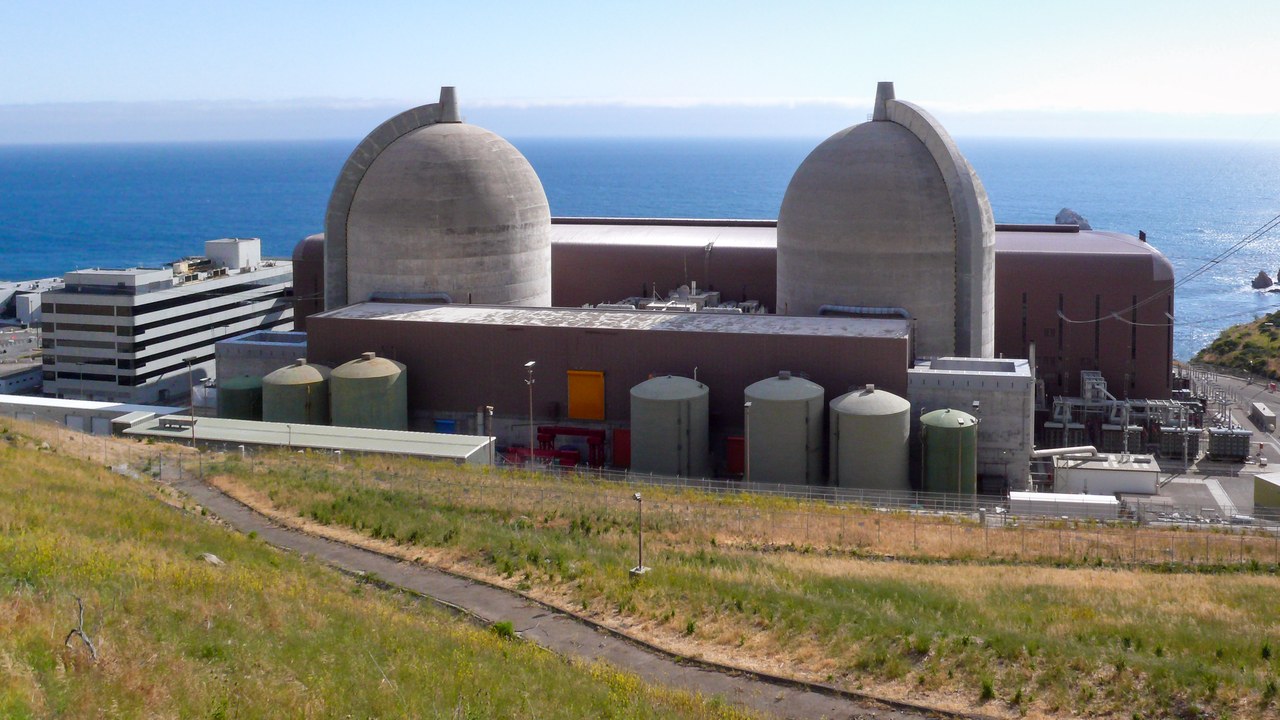
Diablo Canyon is California’s last operating nuclear plant, and it still generates at a level that ranks it among the largest producers in the country. Every other reactor in the state has shut down, which leaves the California plant carrying the entirety of California’s nuclear output.
Concentration of that kind makes a single site unusually consequential. What happens at this one plant now decides whether nuclear power features in the state’s electricity mix at all, a question no other state settles with one facility.
10. Comanche Peak Nuclear Power Plant: North Texas Heavy Hitter
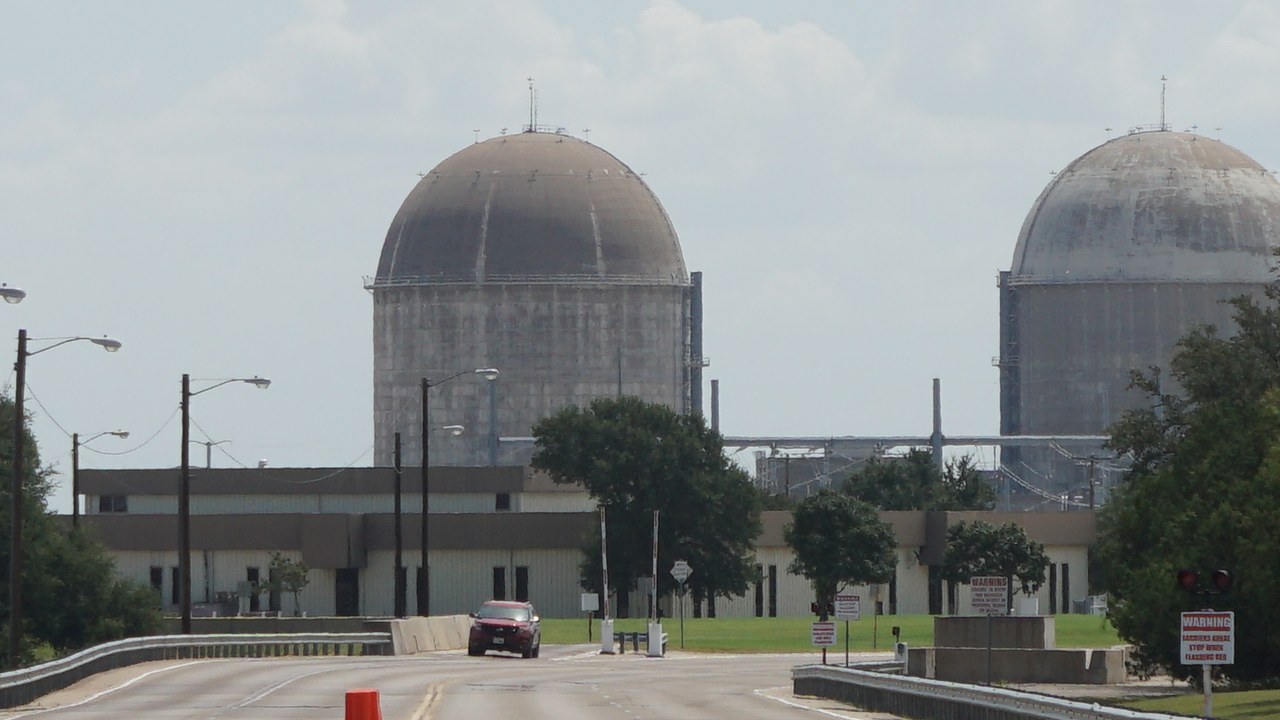
Comanche Peak runs two reactors in north Texas, producing at a level that places it among the biggest nuclear stations in the nation. Inland siting keeps the north Texas plant clear of the coastal storm risk that periodically interrupts generation elsewhere along the Gulf.
Its electricity lands on a grid known for extremes of heat and cold. Large units that hold full power straight through a demand peak are worth considerably more to such a system than their flat annual totals suggest.
More from Morning Overview
- A handful of SUVs keep hitting 300,000 miles, and they share one engine trait
- Supplements now rank as the fifth-leading cause of death from liver disease.
- A study names the one SUV most likely to reach 250,000 miles
- More than 60,000 people flee the Spokane area as complex fires overrun 600 structures
