
Volvo has sold cars and SUVs in America for decades, from small postwar sedans to modern electric flagships. The company’s models mix safety firsts, sports coupes and huge production runs that few rivals matched. Here are eleven Volvos that Americans drove, each tied to a specific milestone.
Tech news worth reading: Get Techpresso, the daily email with the most interesting tech news and insights, read by 400,000+ professionals from Google, Apple and OpenAI.
We may earn a commission if you sign up.
1. Volvo PV444: Long Beach Arrival
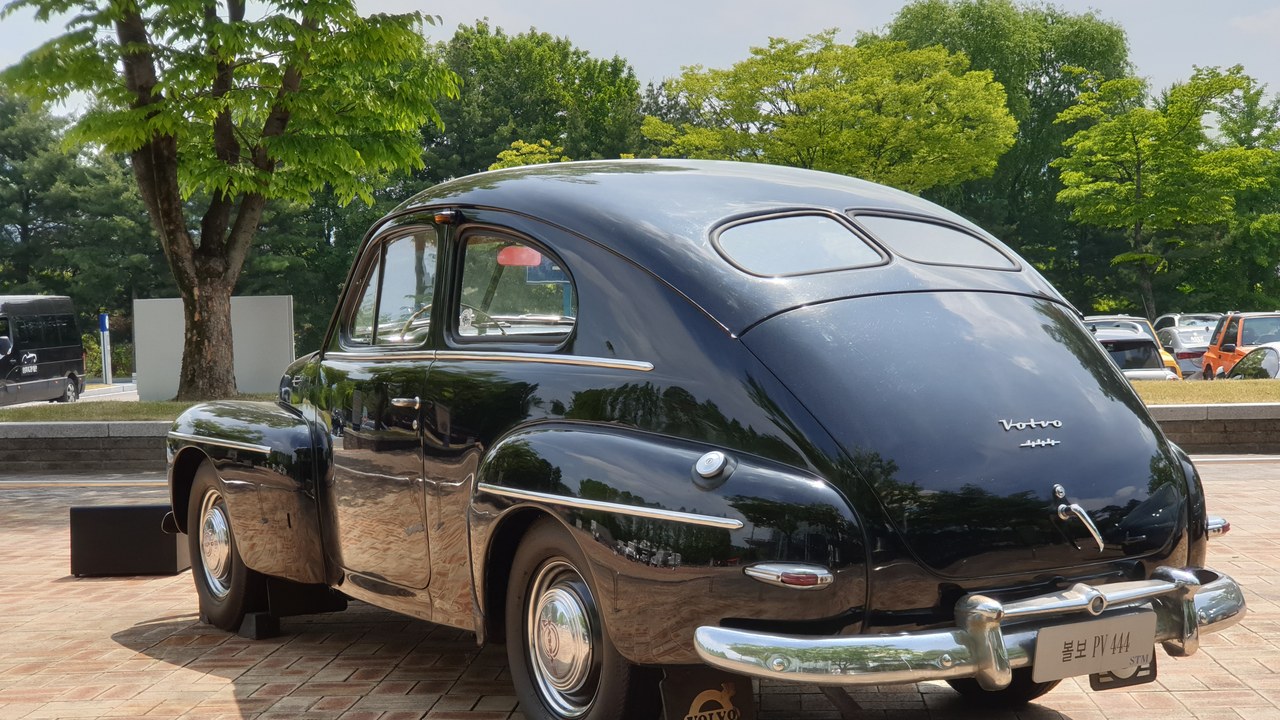
Unveiled in 1944, the PV444 drew 2,300 orders within two weeks of its debut, and the small sedan later reached America through Long Beach in August 1955.
That wartime-era design became the car that introduced many American buyers to the brand. Its modest size and sturdy build set the tone for the Volvos that followed on U.S. roads. The order figure also shows how much appetite existed for the car before the first one even left the factory, a reputation that crossed the Atlantic with it.
2. Volvo Amazon (121/122): The Seat Belt Pioneer
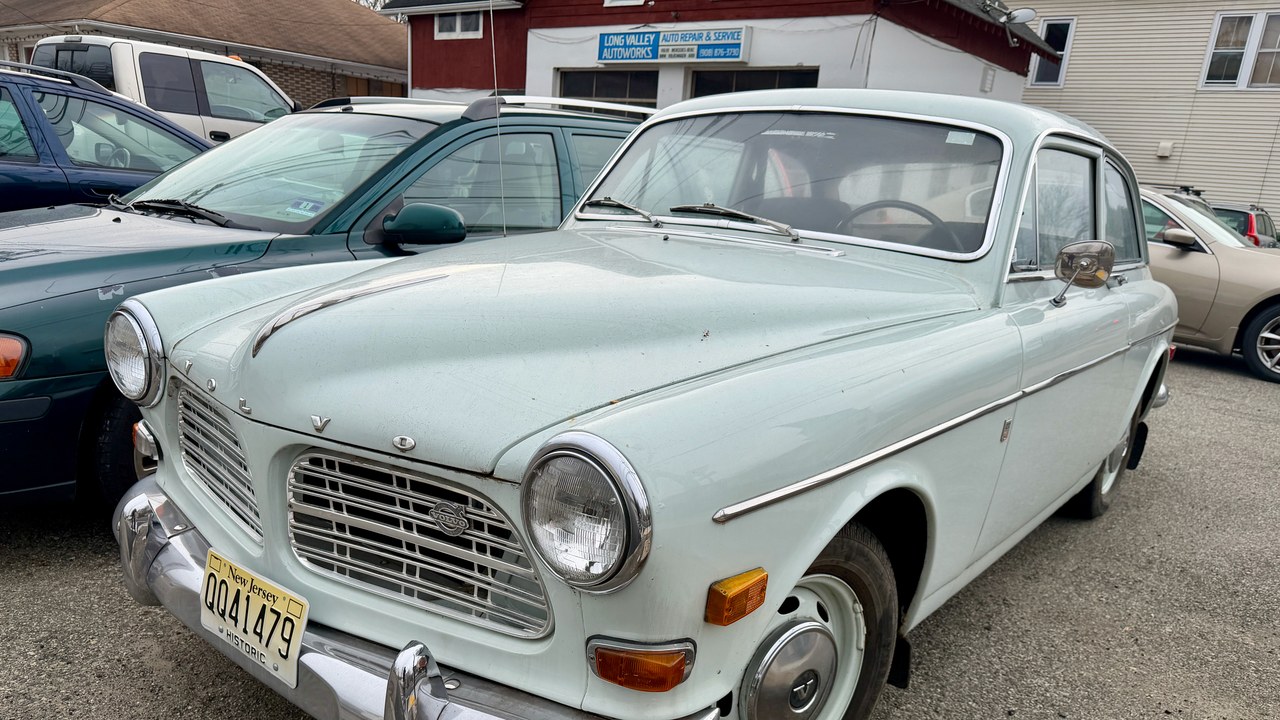
In 1959 Volvo became the world’s first manufacturer to provide front seat belts as standard equipment on the Amazon, and 667,791 Amazons were built between 1956 and 1970.
The model, sold in sedan form as the 121 and 122, linked the brand with occupant protection long before safety became a marketing staple. Production across fourteen years gave it a long run in showrooms. For buyers today, the claim is a reminder that a feature now taken for granted once counted as a genuine selling point, and that the company chose to make it standard rather than optional.
3. Volvo P1800: The Saint’s Sports Coupe

Built from 1961 to 1973, the P1800 reached 47,492 units, and a white 1962 car wearing plate ST1 starred in television’s The Saint, which ran from 1962 to 1969.
The small run and the screen role turned a Swedish coupe into an unlikely style icon. Few Volvos before or since have carried that much glamour for such modest production. Collectors who look for one now are chasing both the coupe’s distinctive shape and its link to a famous television character, which together keep the model well known.
4. Volvo 240: The Brick That Kept Going
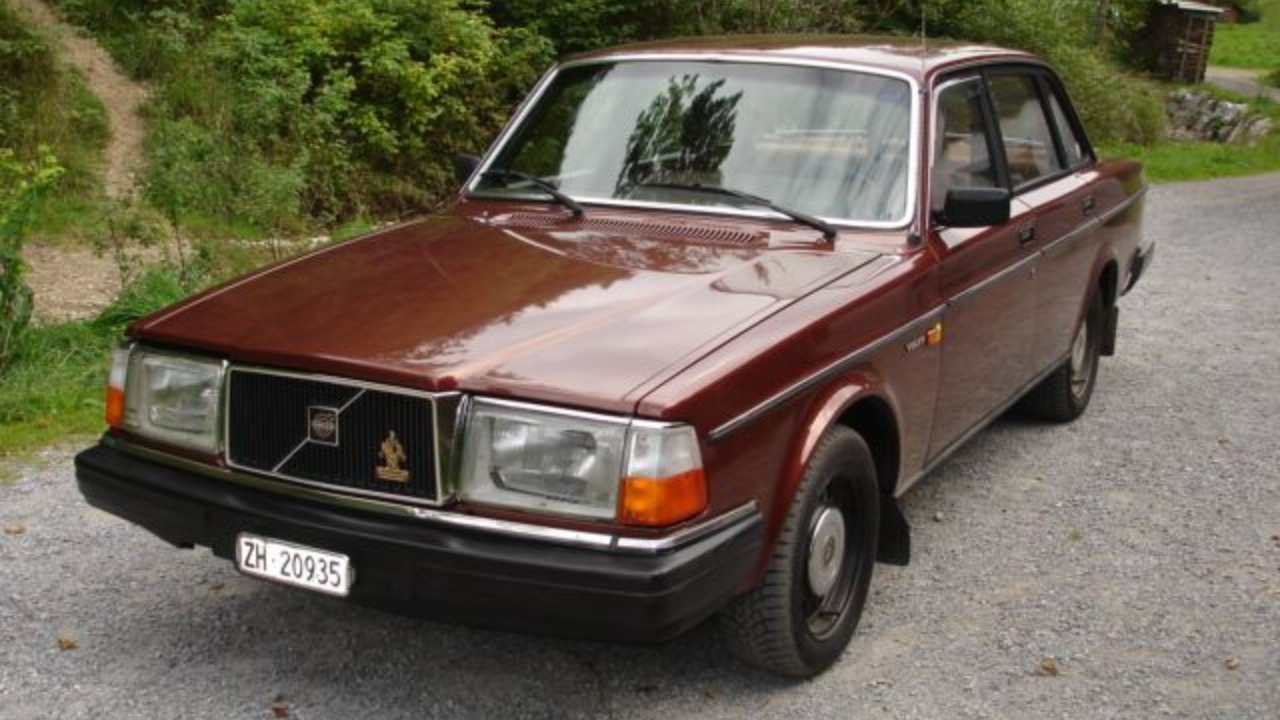
According to Volvo’s end-of-production release, 2,862,573 of the cars were built, with the last one leaving the line on May 5, 1993.
No other Volvo in this lineup approaches that volume, and the headline total comes directly from the company’s own announcement. The square sedans and wagons became a familiar sight on American streets through the years of its run. The scale of that total helps explain why the 240 remains the car many people picture first when they think of an older Volvo.
5. Volvo 740: The Boxy Flagship Family
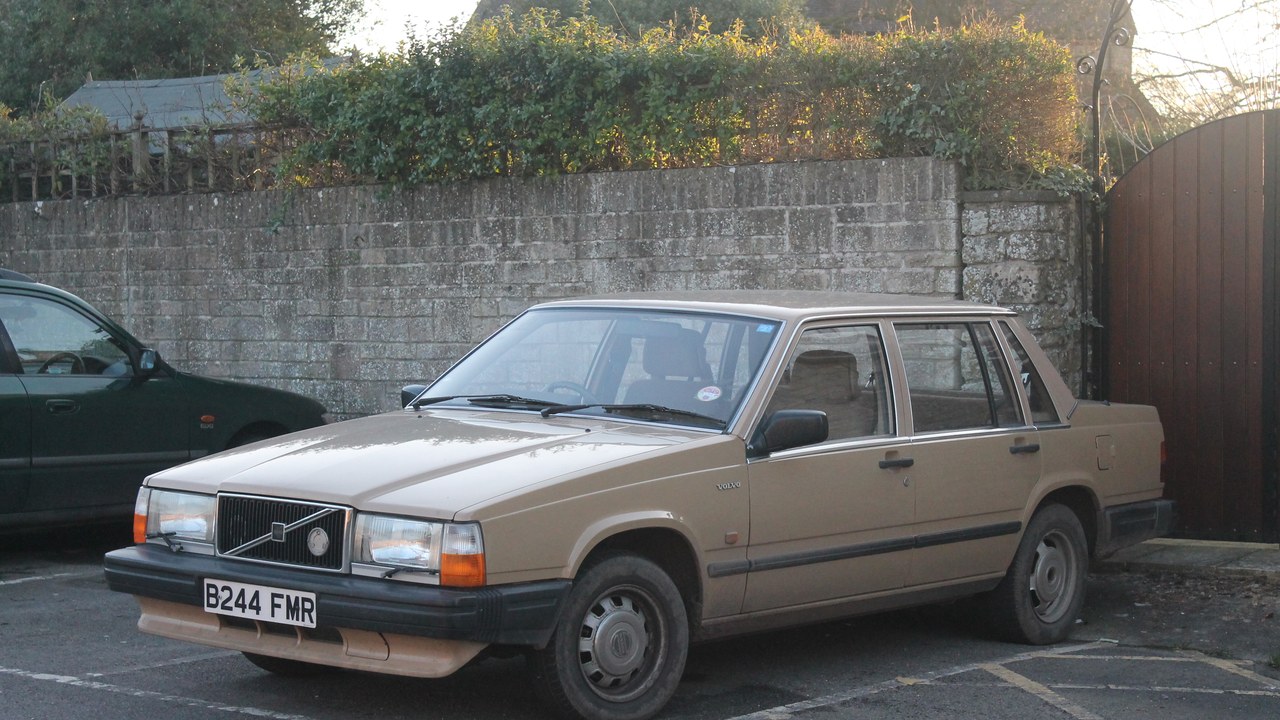
Volvo’s heritage list dates the 740 sedan and wagon to 1984 through 1992, running alongside the larger 760, which spanned 1982 to 1990.
The 740 formed part of the 700 series that carried Volvo’s rear-drive family cars through the 1980s and early 1990s. Its boxy shape and overlapping run with the 240 gave dealers two distinct choices in the same showroom. The date ranges are the main verified detail here, so the listing works best as a timeline marker for where the car sits in the brand’s history.
6. Volvo 850 T-5R: The Airbag Breakthrough
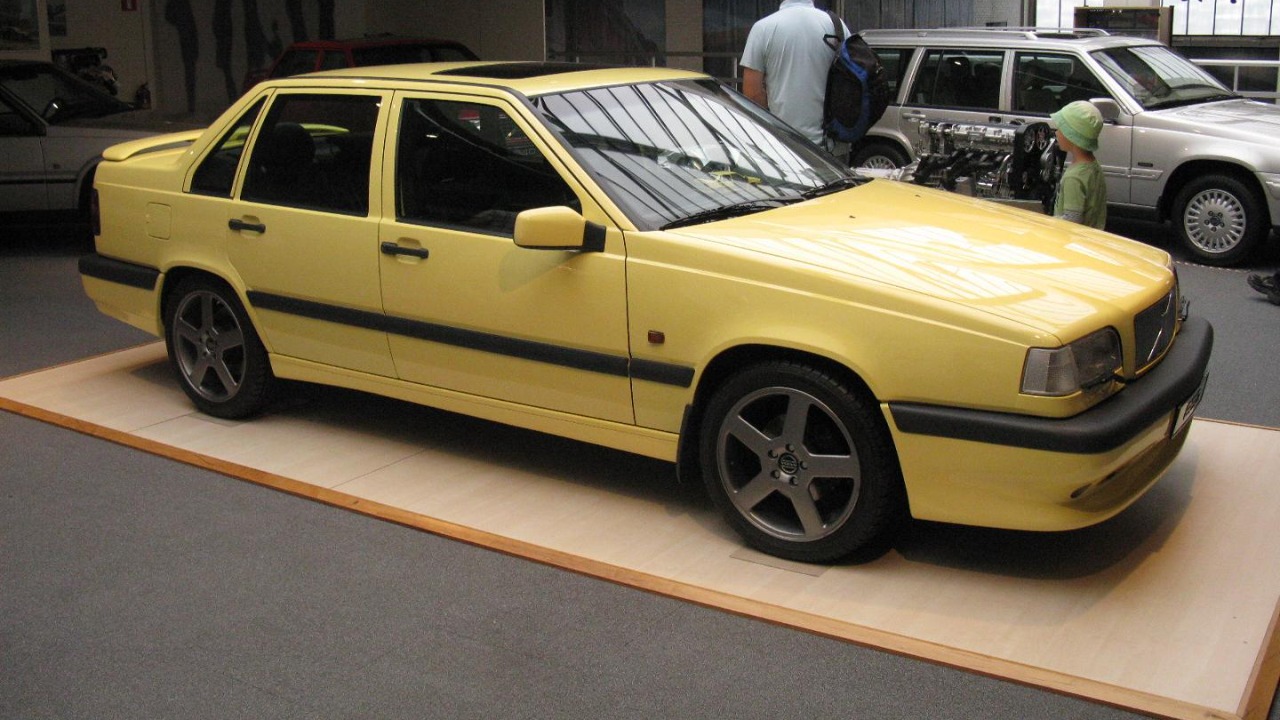
The 850 launched with side-impact protection, and its 1995 SIPS-Bag made it ‘the first mass-produced car in the world to feature the side-impact airbags’; only 6,964 T-5R models were built.
The T-5R was the rare, sporty edition of a front-drive family car, so the airbag milestone and the low build count point to different strengths. Scarcity makes the performance version far less common than the standard sedan or wagon. Anyone shopping for one is dealing with a small pool of cars, which is a very different proposition from the everyday 850 models that filled dealer lots.
7. Volvo V70 / XC70: The Wagon With Boots
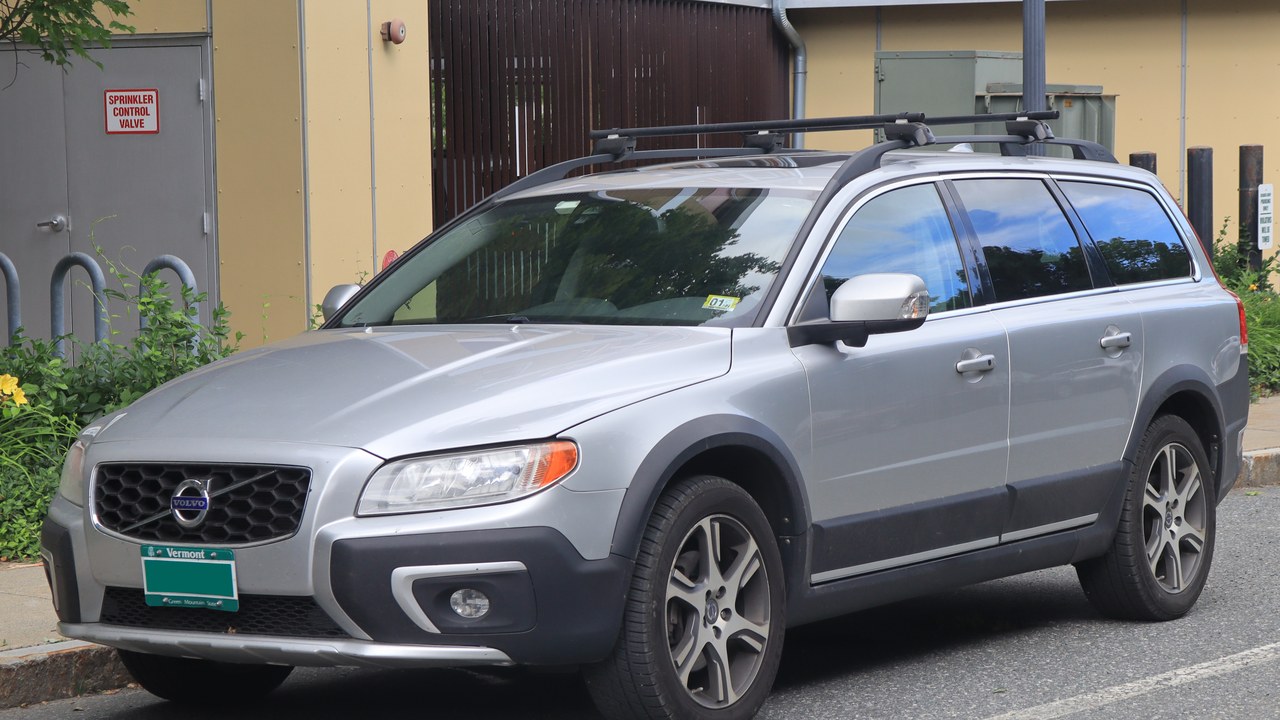
Volvo lists the V70 and V70 XC wagons as built from 1996 to 2000, while the XC70 followed with a 1998 to 2016 production span.
The raised, all-road wagon helped Volvo hold a place with buyers who wanted an estate rather than a crossover. Its long XC70 run shows how durable the idea proved across nearly two decades. The dates also show the overlap, with the XC70 name appearing in 1998 while the V70 wagon was still on sale, so the two names share a few years of history.
8. Volvo XC90: The First Volvo SUV
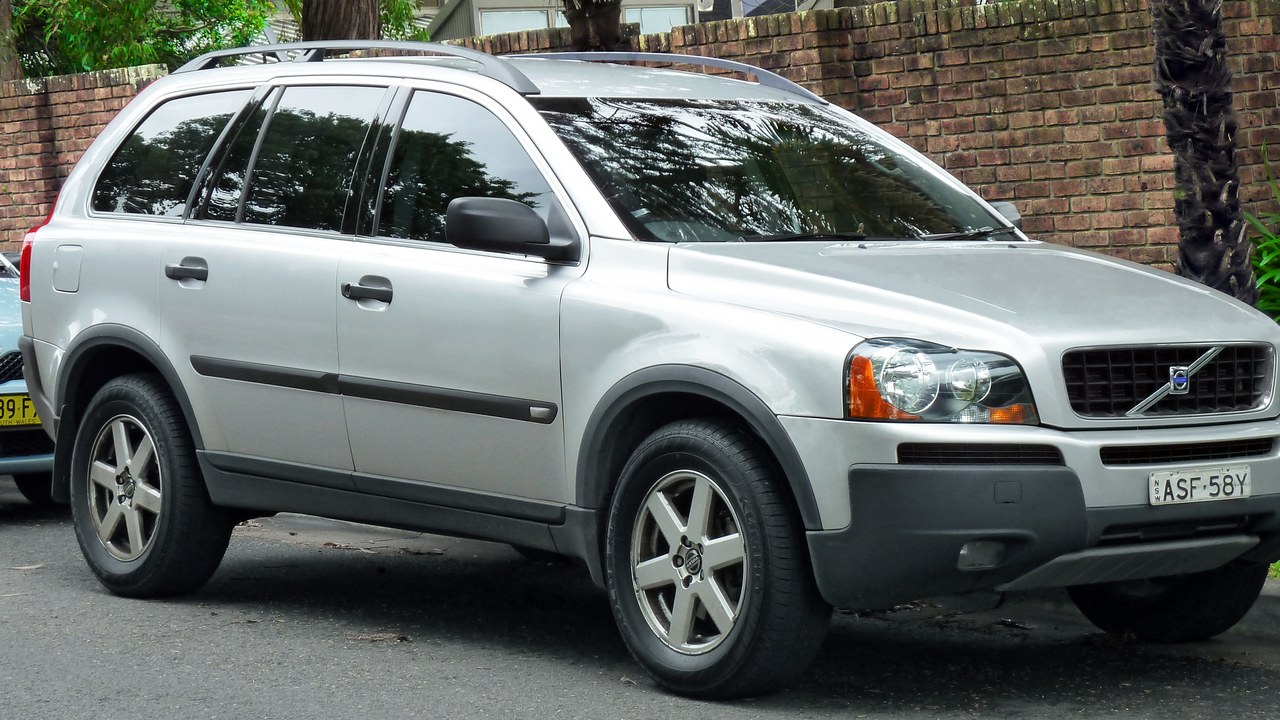
Volvo’s first SUV, the XC90 was unveiled in January 2002 at the Detroit auto show, and the retail sales table showed 4,379 U.S. sales for 2002, climbing to 35,791 in 2003.
The jump from a partial first year to a full year of sales shows how quickly American buyers took to the tall Volvo. It set the template for the brand’s SUV push that followed. Those two sales totals are the clearest published measure of the XC90’s early U.S. reception, and they mark the point where the company began moving from wagons toward tall vehicles.
9. Volvo XC60: The Sales Leader
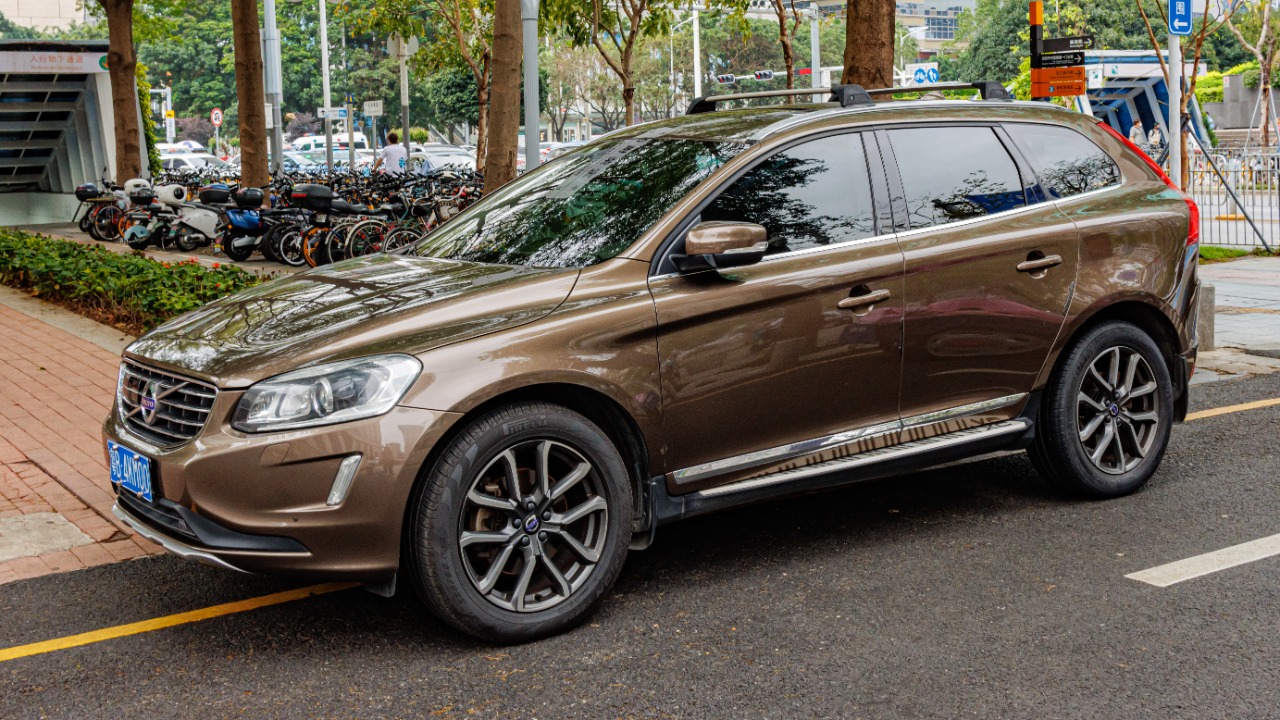
Described as Volvo’s best-selling car since 2009, the XC60 sold 230,853 units in 2024, and City Safety debuted on it.
A compact luxury crossover now anchors the brand’s volume, a long way from the sedans and wagons that built its reputation. The pairing of strong sales and a headline safety feature explains its central role. With the 2024 total as the latest cited figure, the XC60 stands as the clearest example of how the brand’s fortunes now rest on a single crossover nameplate.
10. Volvo XC40: The Compact Platform Debut
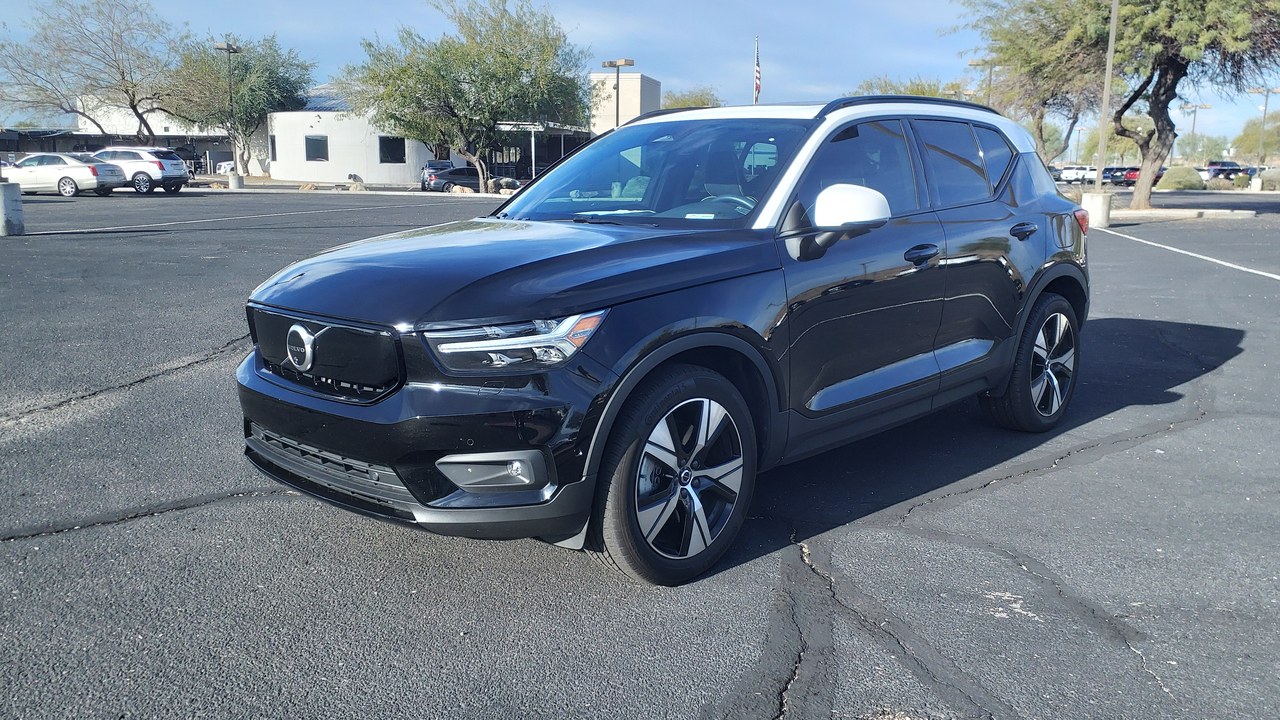
Volvo’s 2017 compact SUV was the first model built on its Compact Modular Vehicle Architecture.
That platform allowed the brand to extend its lineup below the XC60 with a smaller, urban-friendly vehicle. The XC40 also gave buyers a lower entry point into the Volvo SUV range. Because the same architecture was meant to underpin later small models, its debut matters less for its own size than for the engineering foundation it introduced to the company.
11. Volvo EX90: The Electric Flagship
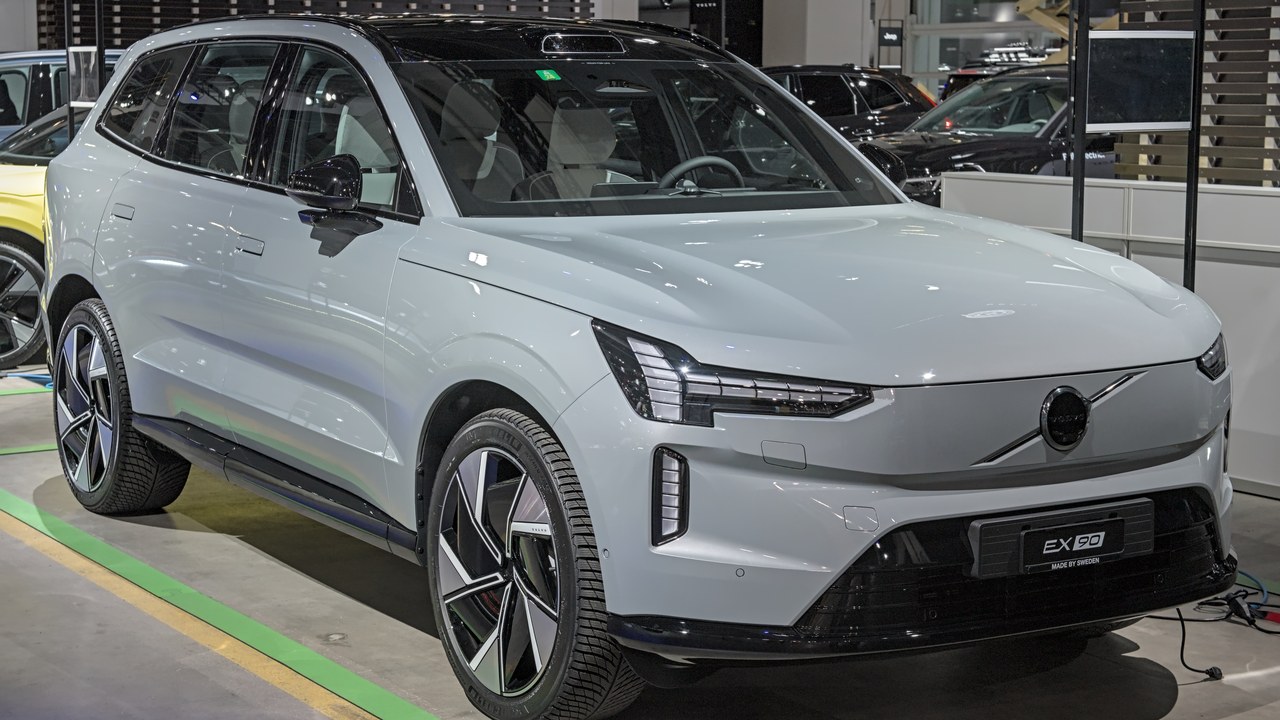
Volvo’s first bespoke electric SUV, the EX90 carries standard Luminar lidar that detects pedestrians up to 250 m, and U.S. sales were 858 in 2024 and 3,913 in 2025.
The sales figures show a slow start followed by a clear increase in its second year on sale. It brings the lineup from a 1944 sedan to an electric SUV packed with sensing hardware. Standard lidar is the notable choice, and the EX90 therefore marks a clear shift toward sensor-heavy driver assistance for the company.
Tech news worth reading: Get Techpresso →
We may earn a commission if you sign up.
More from Morning Overview
- Doctors warn a silent liver disease now affects one in three American adults
- The FBI told the rest of ShinyHunters to surrender after a 24-year-old was arrested
- Two passengers died at an Ohio toll plaza, and the NTSB now wants the cash lanes shut
- Long use of a common prostate pill is tied to a higher chance of glaucoma
