
The 1930s produced everything from hand-built luxury giants to cheap cars sold by the hundreds of thousands. Engineers and stylists experimented with wind tunnels, hidden headlights, supercharging and Art Deco curves while the Great Depression squeezed budgets everywhere. Here are twelve cars that defined the decade.
Save more, waste less: The Cool Down’s newsletter sends smart, simple changes that help you and the planet in your everyday life.
We may earn a commission if you sign up.
1. Duesenberg Model J: The 265-Horsepower Showpiece
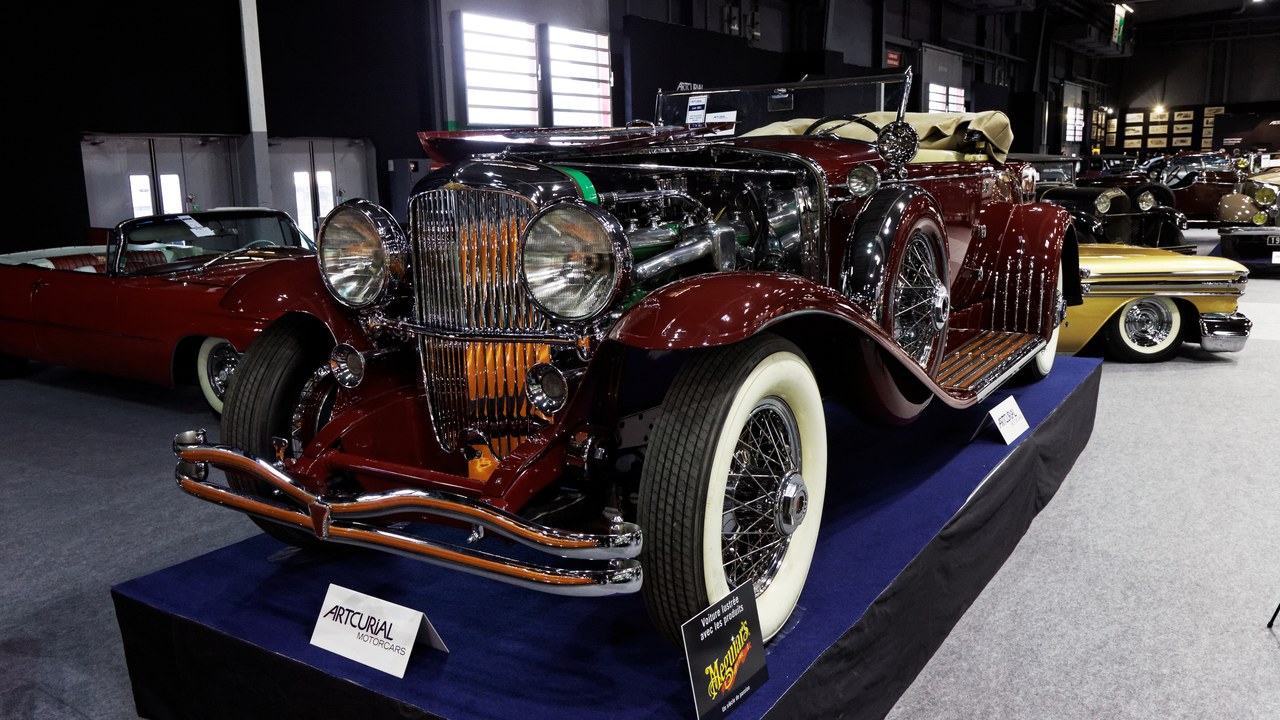
Launched in 1928 and built on into the 1930s, the Duesenberg Model J made 265 hp in normally aspirated form, and the supercharged SJ was rated at 320 hp. A bare chassis alone cost above $9,000, before any coachbuilder had added a body.
Fewer than 500 were built, so the car was a rarity even in its own day. The power and the price together made it the decade’s emblem of excess, and those figures still anchor most talk of 1930s luxury.
2. Cord 810: Headlights That Hid Away
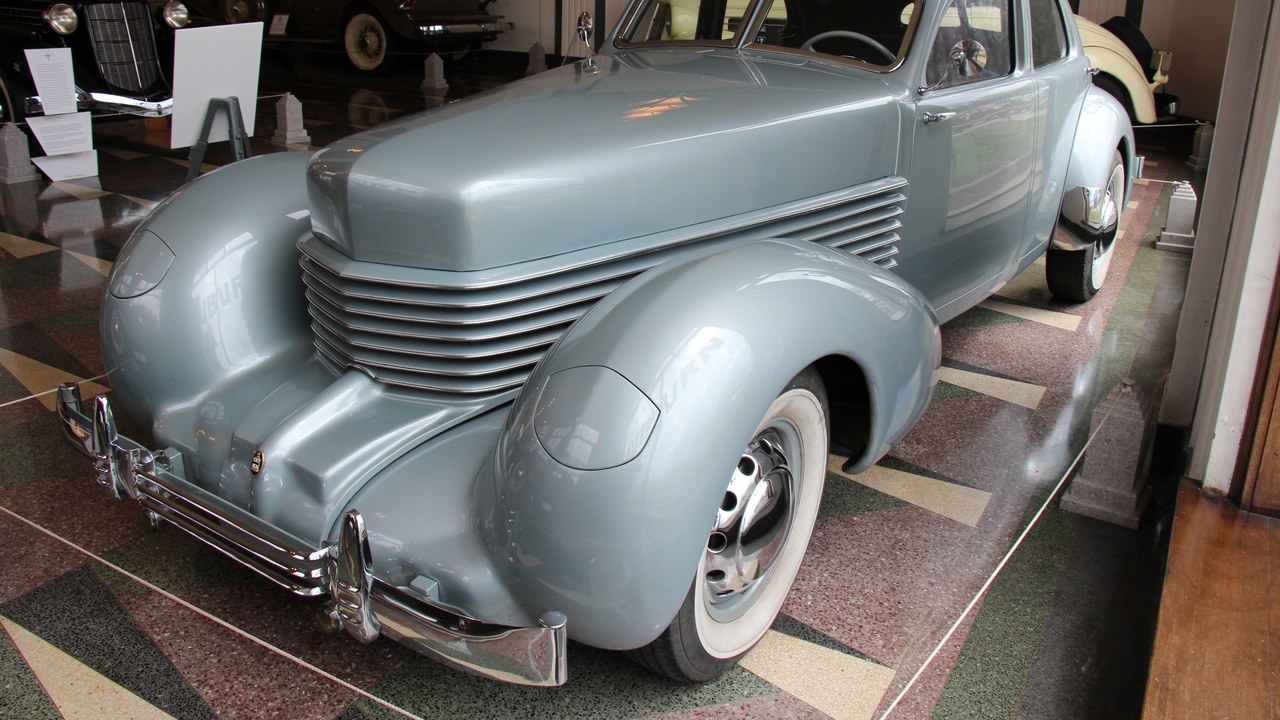
Gordon Buehrig’s 1936 Cord 810 was the first production car with hidden headlights, and the landing-light cranks that operated them were turned by hand. Hagerty counts it as the starting point in its history of pop-up lights.
The idea outlived the Cord by decades, which says something about how far ahead the styling was. The mechanism was manual rather than motorized, a reminder of how new the concept still was when the car appeared.
3. Chrysler Airflow: The Wind-Tunnel Flop
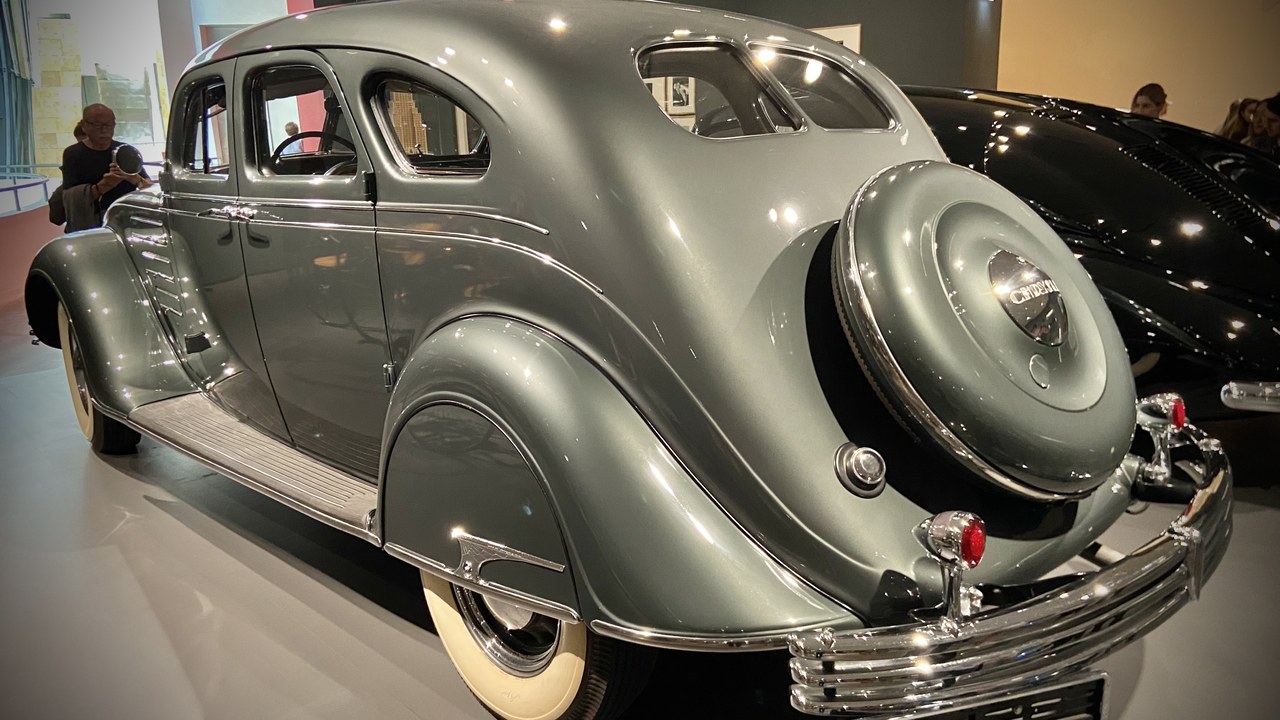
Designed with the help of wind-tunnel testing, the Chrysler Airflow sold 10,838 cars in 1934 and 7,751 in 1935. Despite those modest results it was the first car with room for three across the front seat.
Buyers stayed away, and the Airflow is remembered as a commercial failure. Its legacy rests on the engineering approach and the interior packaging rather than on sales, which shows that a defining car of the decade was not always a popular one.
4. Lincoln-Zephyr: Lincoln’s Affordable Lifeline
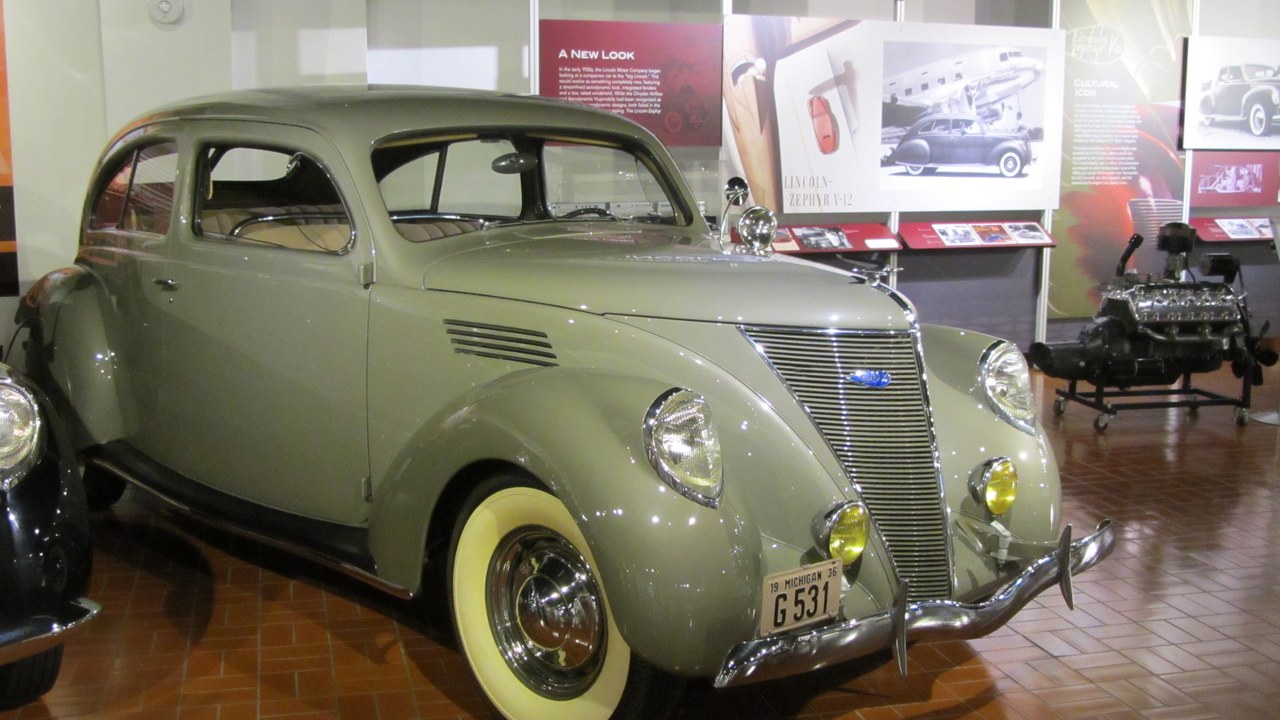
At about $1,300, against more than $4,000 for the Model K, the 1936 Lincoln-Zephyr accounted for more than 90 percent of Lincoln’s production in its first model year. Roughly 15,000 were sold.
That share shows how thoroughly a cheaper model carried the brand through the Depression. The Zephyr’s price sat far below the big Lincolns, and buyers responded in numbers the expensive cars could not approach, which made the small car the real engine of the company’s first year.
5. Cadillac V-16: The Custom-Built Luxury Benchmark
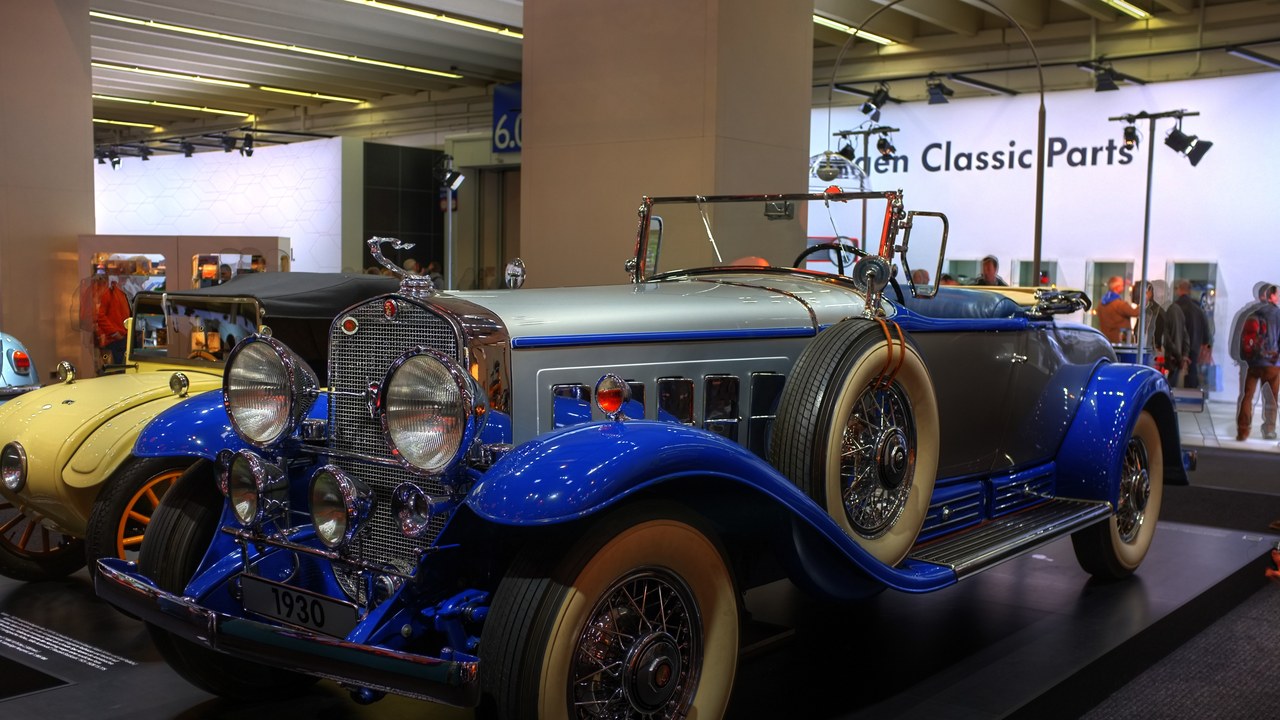
Cadillac’s 7.4-liter V-16 arrived in 1930 and became a luxury benchmark of the decade. Each car was custom-built, which meant that no two were identical.
That approach put the V-16 at the top of the market just as the Depression took hold. Because every example differed, the car is less a single model than a family of individually specified machines, which is part of why it still draws attention from collectors and historians.
6. Packard Twelve: Smooth Twelve-Cylinder Refinement
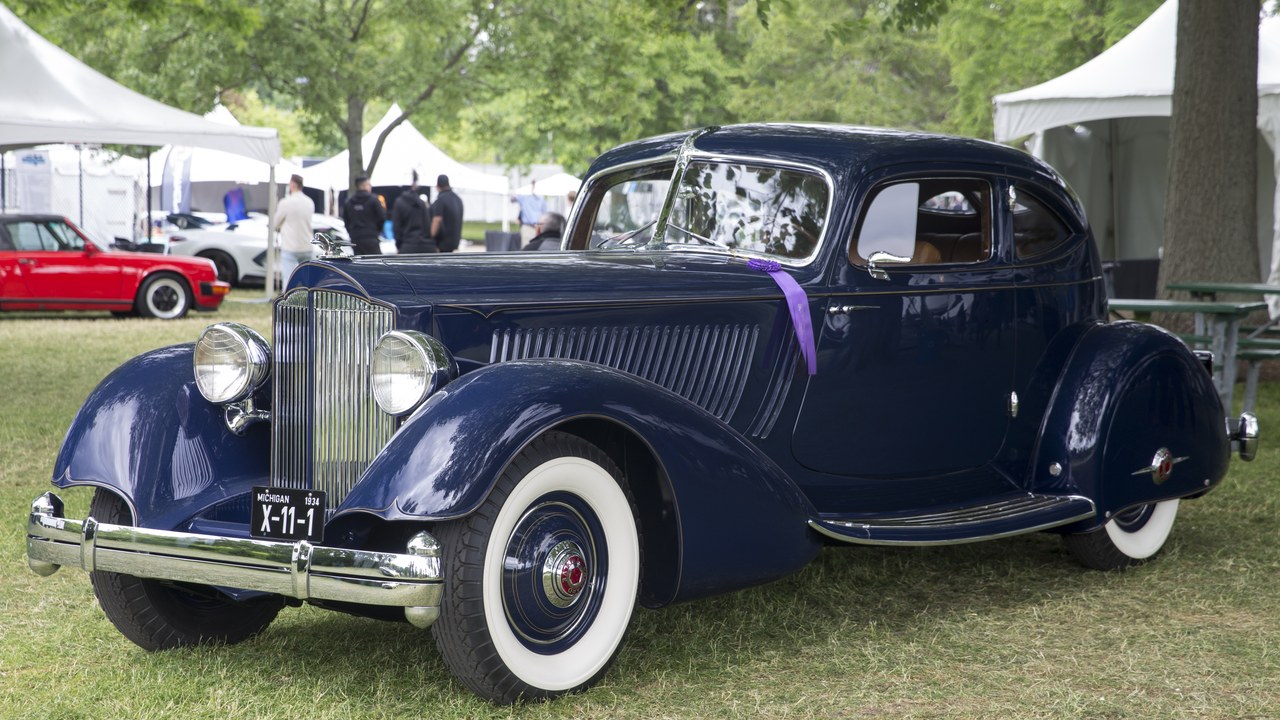
The 1933 Packard Twelve paired a V12 engine with smooth, refined luxury and advanced suspension. It stood among the premium cars of the early Depression years.
The source offers no sales or performance figures for it, so its place on this list rests on character and reputation rather than numbers. It marks the top end of Packard’s range, well above the mid-priced model that would soon keep the company solvent.
7. Packard One-Twenty: The $980 Rescue Plan
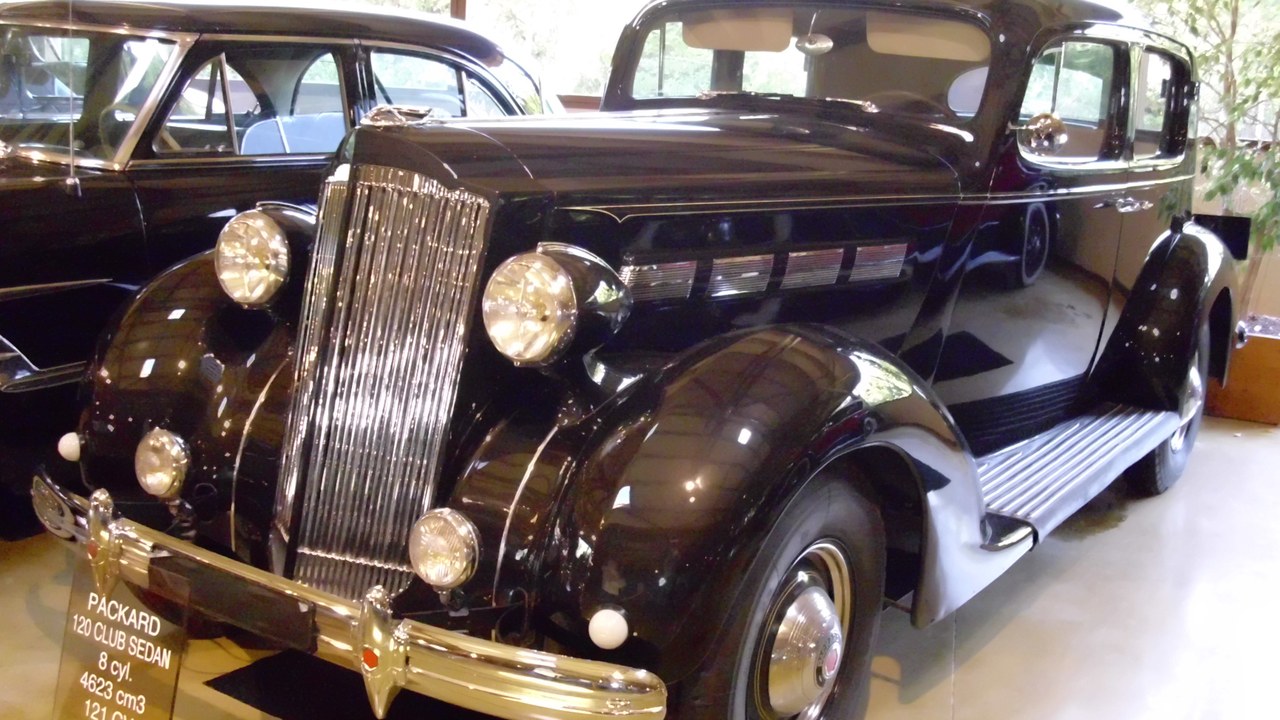
Packard’s mid-priced One-Twenty started at $980 in 1935, and 24,995 were built that year against 7,000 of all other Packards combined. Production peaked at 55,042 in 1936.
Wikipedia describes the model as a necessary move to keep Packard in business during the final years of the Great Depression. The numbers back that up: a cheaper car outsold the rest of the line several times over in a single season, a clear sign of where the demand was.
8. Ford Model 18 V8: The V8 for the Masses
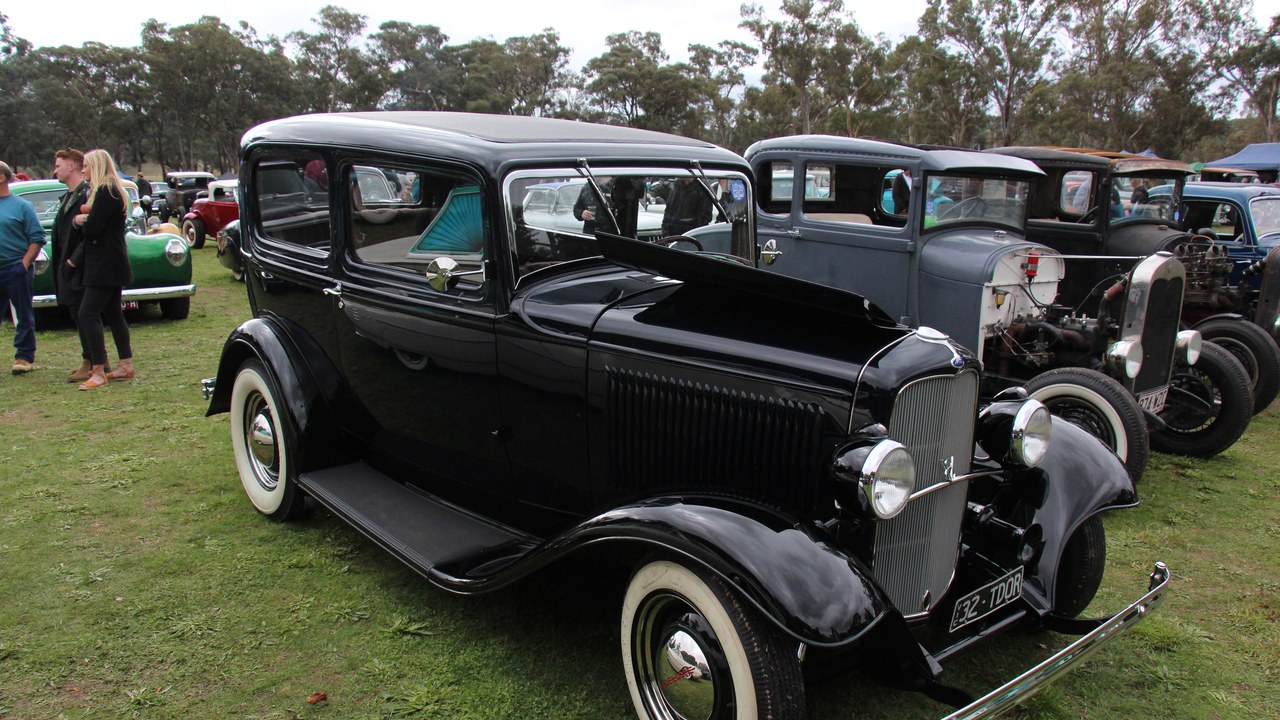
Ford sold 298,647 V8-powered Model 18 cars in 1932, making it the first low-priced mass-market V8. The engine made 65 hp, and the roadster was priced at $495.
Putting eight cylinders within reach of ordinary buyers changed what a cheap car could offer. The combination of a low sticker price and a V8 gave Ford a selling point that rivals in the low-price field did not have at the time.
9. Chevrolet Master: Chevy’s Six-Cylinder Workhorse
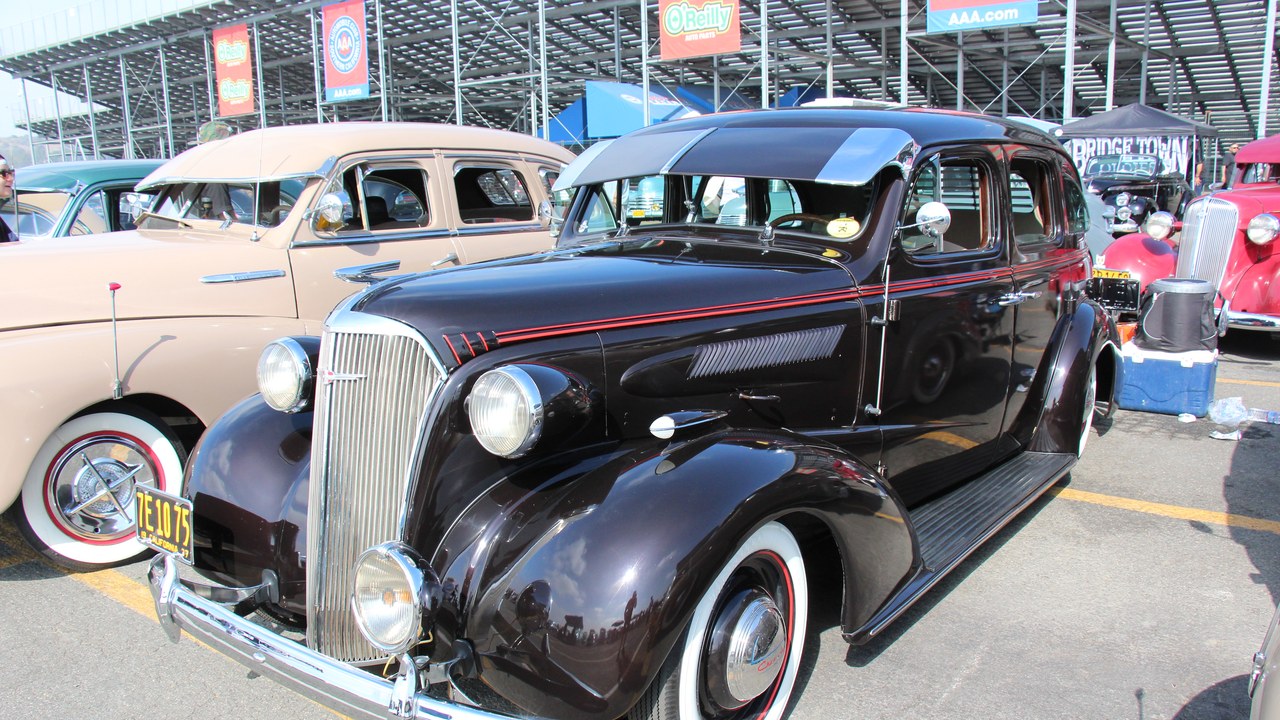
In 1937 alone, Chevrolet built 302,728 Master Deluxe cars and 162,430 standard Master units. Both were powered by a six-cylinder engine rated at 85 hp.
Those totals, more than 465,000 cars across the two lines, show where the real volume of the 1930s car market sat. Ordinary family transportation, rather than the exotic machinery, was what filled the roads, and a car like the Master represents that everyday side of the decade.
10. Plymouth P8 Deluxe: Art Deco for the Mass Market
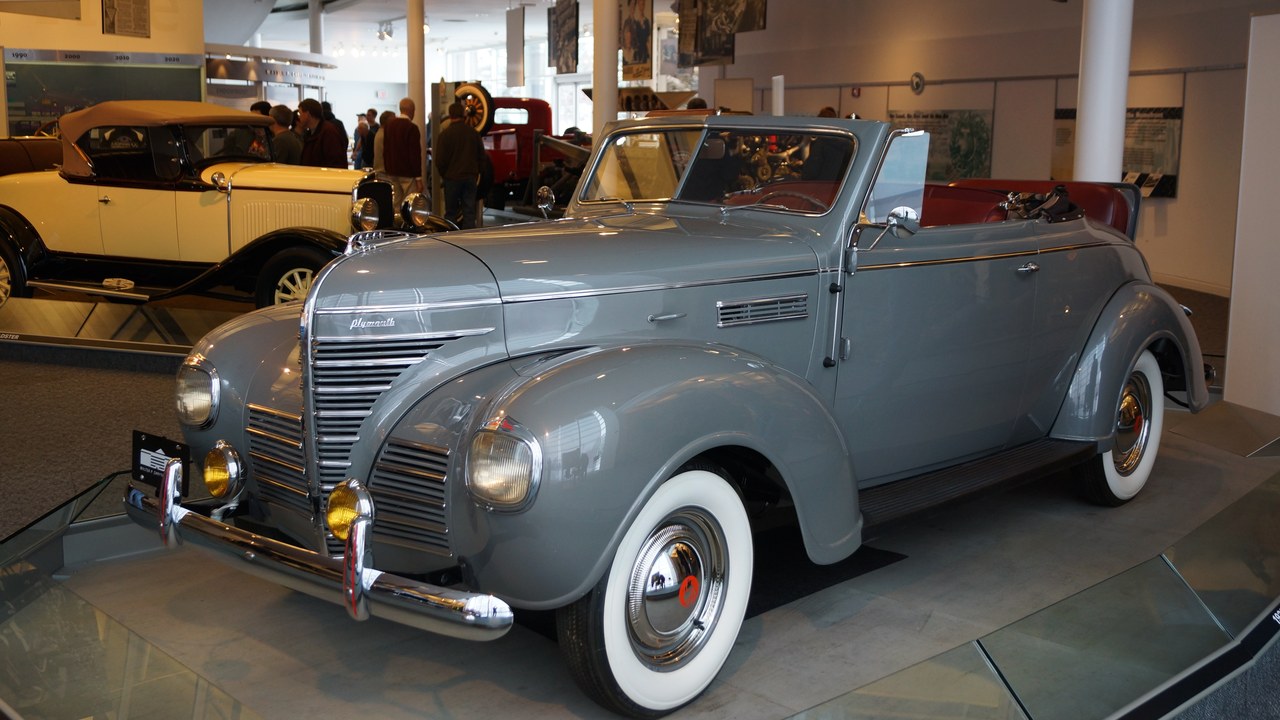
Plymouth was building about half a million cars a year by 1936, and the 1939 P8 Deluxe brought Art Deco to a mass-market brand. Jalopnik calls it one of the strongest examples of automotive Art Deco of its time.
Style that had been reserved for expensive coachbuilt cars was now available in a car that ordinary households could buy. The scale of Plymouth’s output meant that the look reached far more driveways than any luxury marque could manage.
11. Auburn 851 Speedster: Supercharged and Streamlined
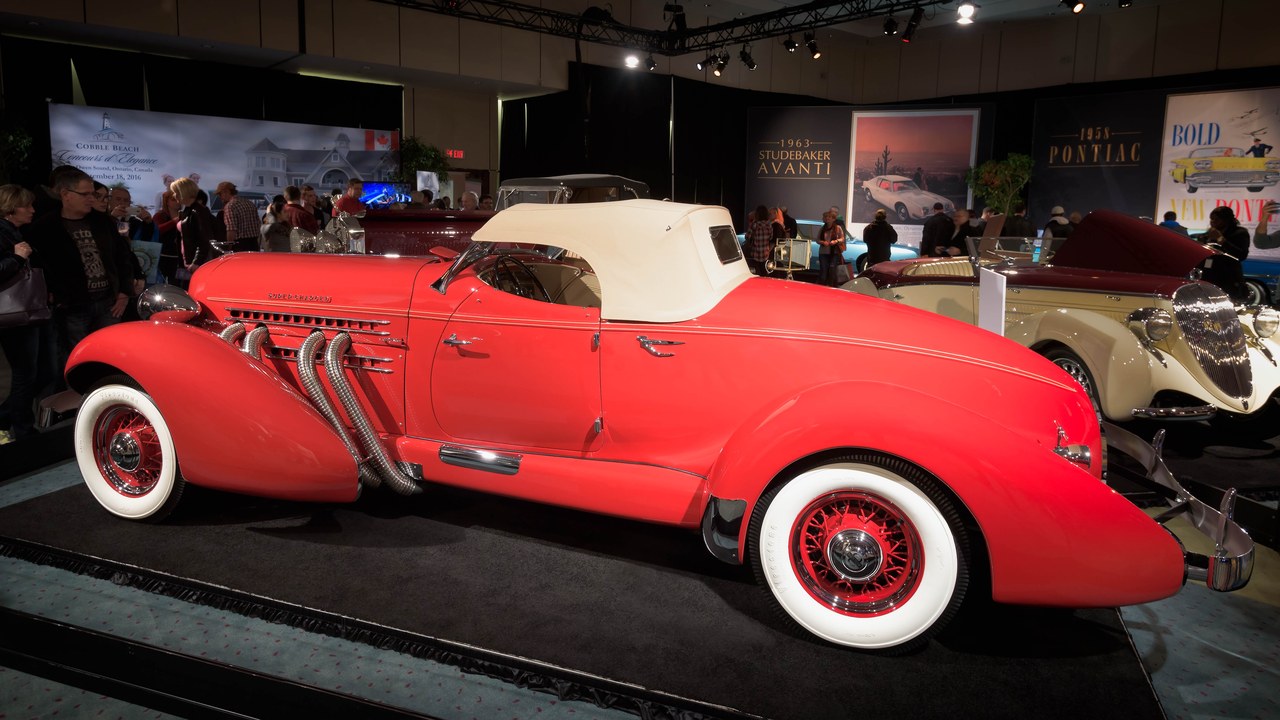
The 1935 Auburn 851 Speedster paired a supercharged straight-eight with Art Deco styling and a concealed convertible top. It was one of the decade’s most dramatic open cars.
The source gives no sales or output figures for the Speedster, so its inclusion rests on design and engineering rather than numbers. The combination of forced induction and flowing bodywork made it a symbol of the era’s performance ambitions, and the hidden top kept the lines clean when the car was open.
12. LaSalle (1937): The Cadillac Companion’s Best Year
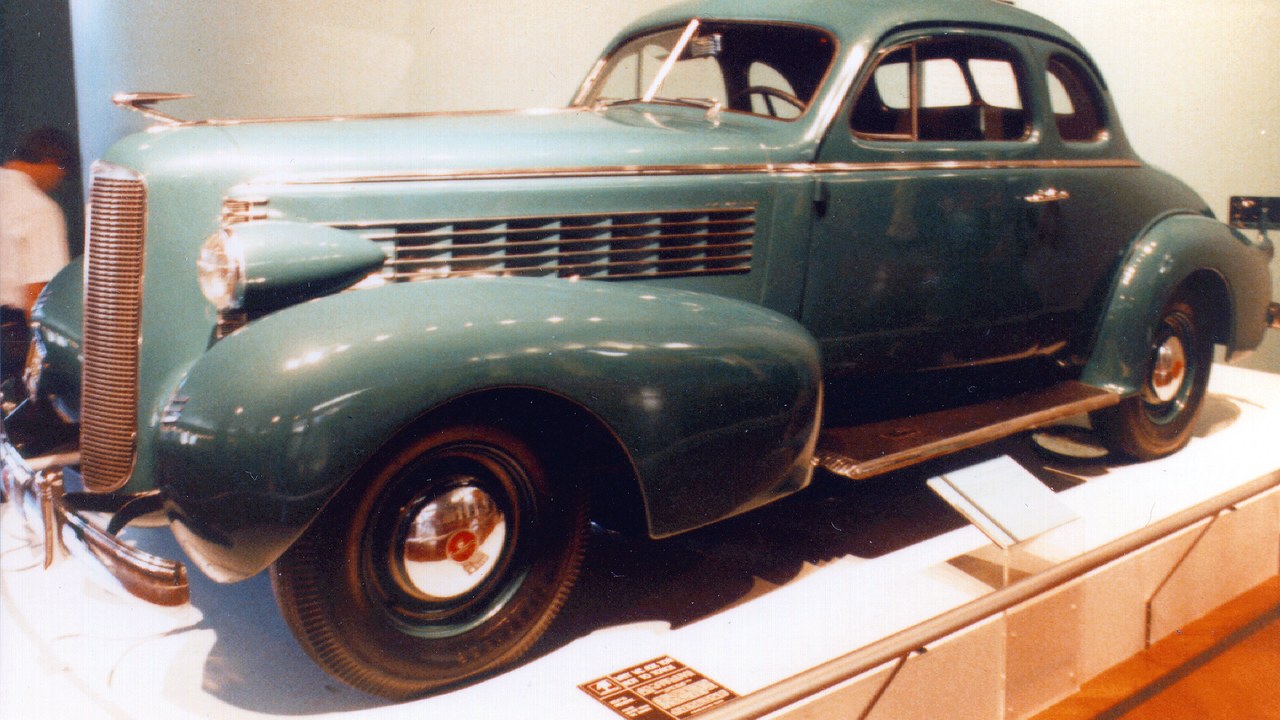
Roughly 32,000 LaSalles were sold in 1937, its strongest year. The car used a 322-cubic-inch V8 shared with Cadillac, and it took a turn as pace car at the Indy 500.
The LaSalle was built to give buyers a step toward Cadillac ownership, and the shared V8 meant that it carried real hardware rather than just badge appeal. A pace-car appearance at Indianapolis added visibility that few cars in its price class received.
Save more, waste less: Subscribe to The Cool Down →
We may earn a commission if you sign up.
More from Morning Overview
- Regulators cleared the first U.S. small modular reactor, 4 months early
- Lake Powell sank to a record 3,517 feet, nearing the level that stops Glen Canyon Dam’s turbines
- Seven of Earth’s nine planetary boundaries are breached, and all seven are worsening
- The NSA says three phone features should be off whenever you aren’t using them
