
Window-sticker range is a useful yardstick, but independent drivers often find that real roads and highway speeds tell a different story. Tests from Edmunds, Consumer Reports and others show several popular models finishing below their EPA ratings. Here are twelve electric vehicles that fell short, one by a full 66 miles.
Help yourself and the planet: The Cool Down makes it easy to help yourself while helping the planet, with smart, simple changes to save more and waste less in your everyday life.
We may earn a commission if you sign up.
1. Tesla Cybertruck: Biggest Miss of All
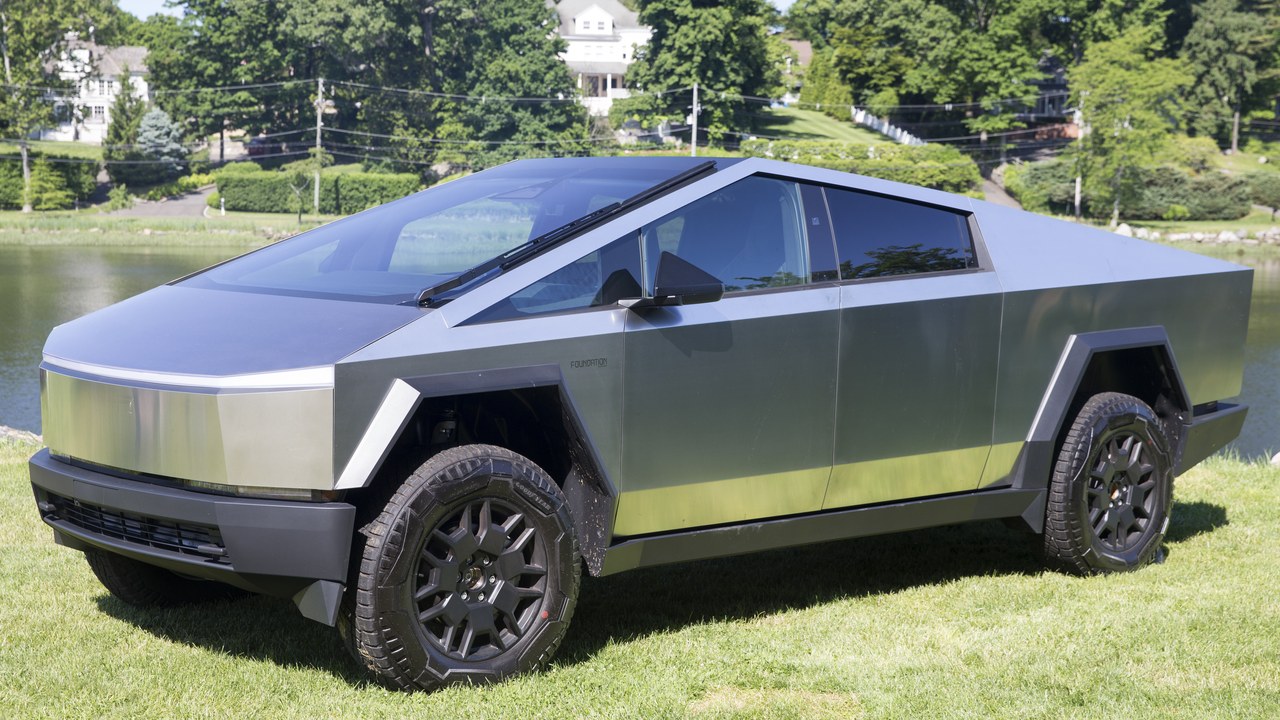
In an InsideEVs drive-to-empty highway test, a 2024 dual-motor Cybertruck on all-terrain tires covered 254 miles against its 320-mile EPA range. That left it 66 miles and 20.6% short of the number on the window sticker.
Tire choice and steady highway speeds both matter for a heavy truck like this one. Owners planning long trips should treat the sticker figure as a ceiling and leave a generous cushion between chargers.
2. Jeep Recon: Off-Road Range Gap
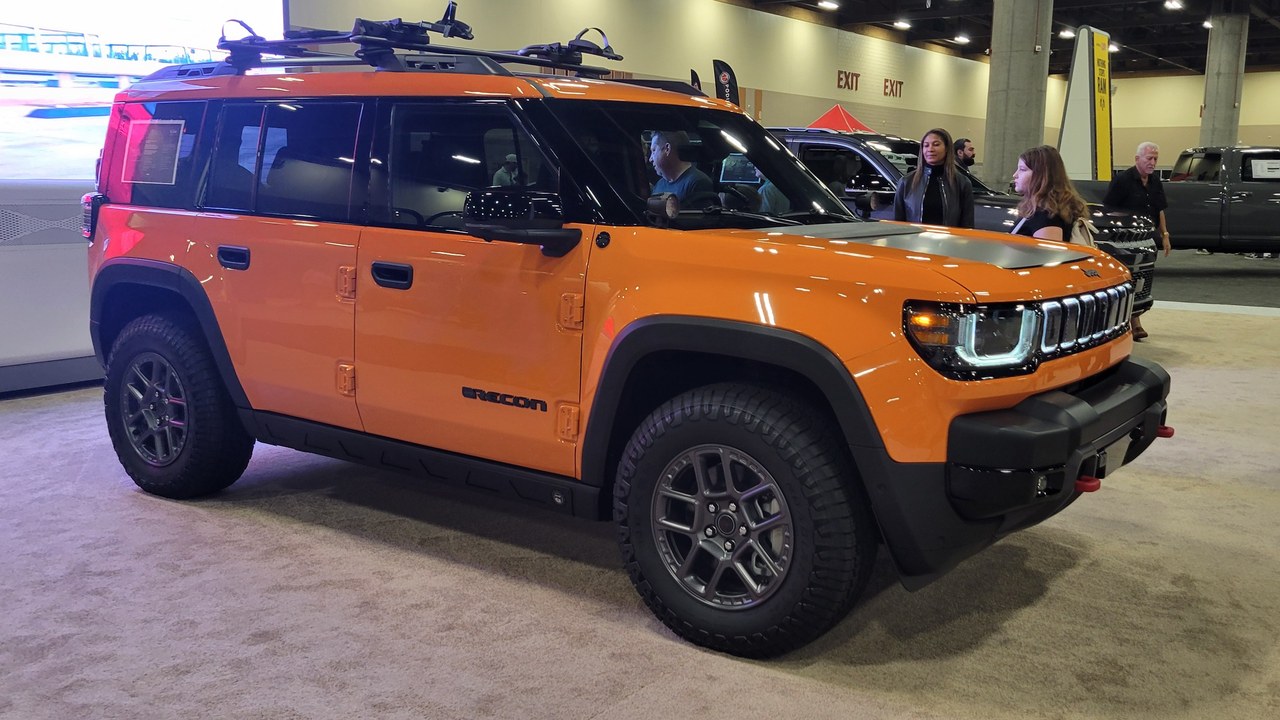
Jeep’s off-road EV drove 160 miles in a real-world highway range test published by Electrek, well short of its 222-mile EPA estimate. The gap shows how much a boxy, trail-focused body can cost at sustained speed.
Buyers who expect mostly highway commuting should plan around the lower figure. The EPA estimate blends city and highway driving, so a cruise at steady freeway speed is a harder test than the label suggests.
3. Rivian R1S: Tied for Largest Gap
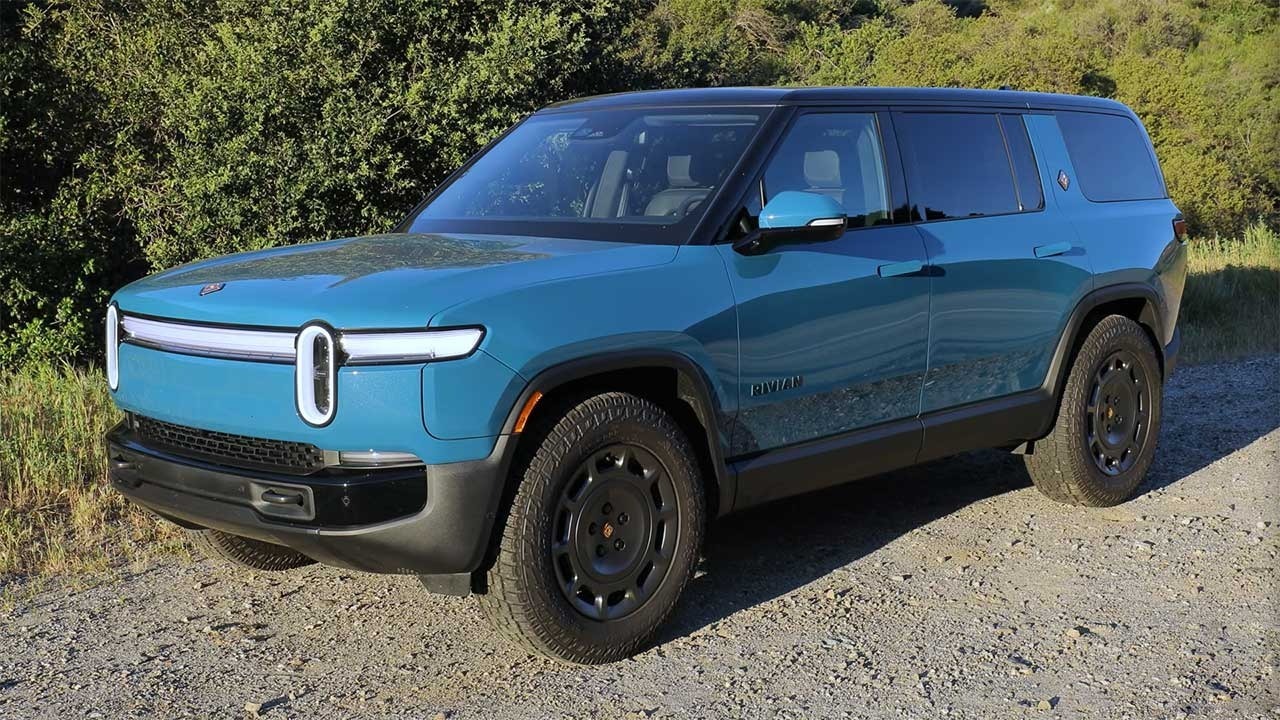
In Consumer Reports’ 70-mph highway test, the Rivian R1S came up 52 miles short of its EPA rating, tied for the biggest miss in the group. The result comes from the magazine’s highway-only method, not from the blended rating used on the label.
Families who tow or road-trip in a large electric SUV should plan charging stops with that margin in mind. Real results will vary with temperature, load, wheels and speed.
4. Ford F-150 Lightning: Lightning Runs Dry Early
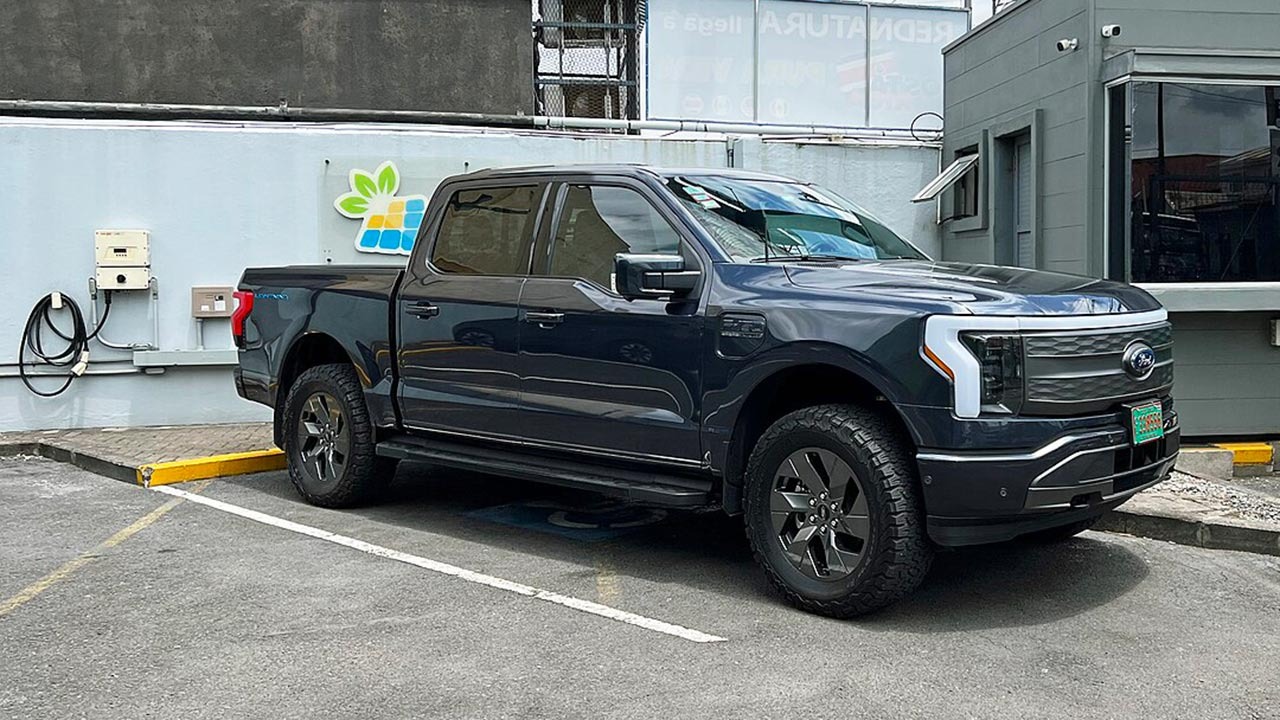
Consumer Reports’ 70-mph highway test drained the F-150 Lightning’s battery after 270 miles, 50 miles short of its 320-mile EPA estimate. The magazine published the result as part of a December 2023 release on highway-only range.
A pickup’s shape and weight make steady freeway driving especially demanding on the battery. Anyone hauling cargo or a trailer should expect shorter legs still, and should plan fast-charging stops well before the battery runs low.
5. Lucid Gravity: Worst on the Chart
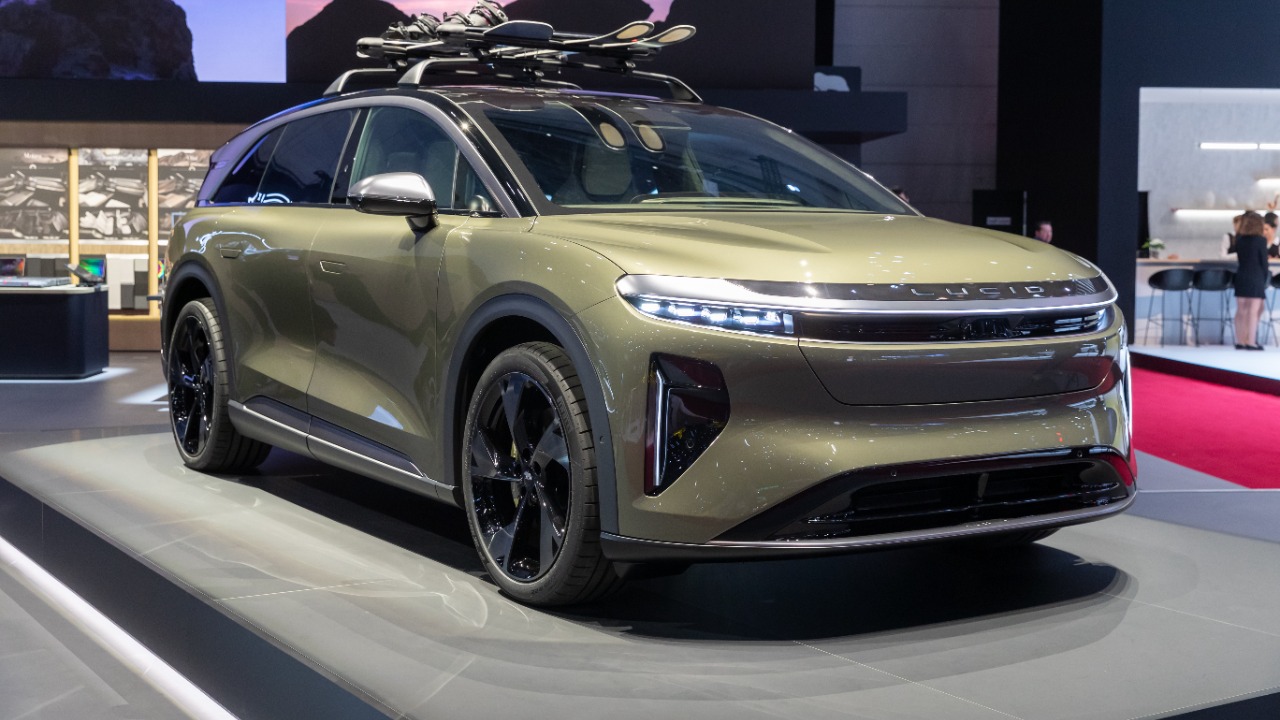
Edmunds measured a 2026 Lucid Gravity Grand Touring on all-season tires at 400 miles against a 450-mile EPA rating, an 11.1% shortfall on the Edmunds range leaderboard. That made it the worst result on the chart.
Even with a 400-mile real-world result, the Gravity remains a long-legged SUV in absolute terms. The lesson for shoppers is to compare measured distance across models rather than relying only on the EPA label.
6. Tesla Model S: Long Range Falls Short
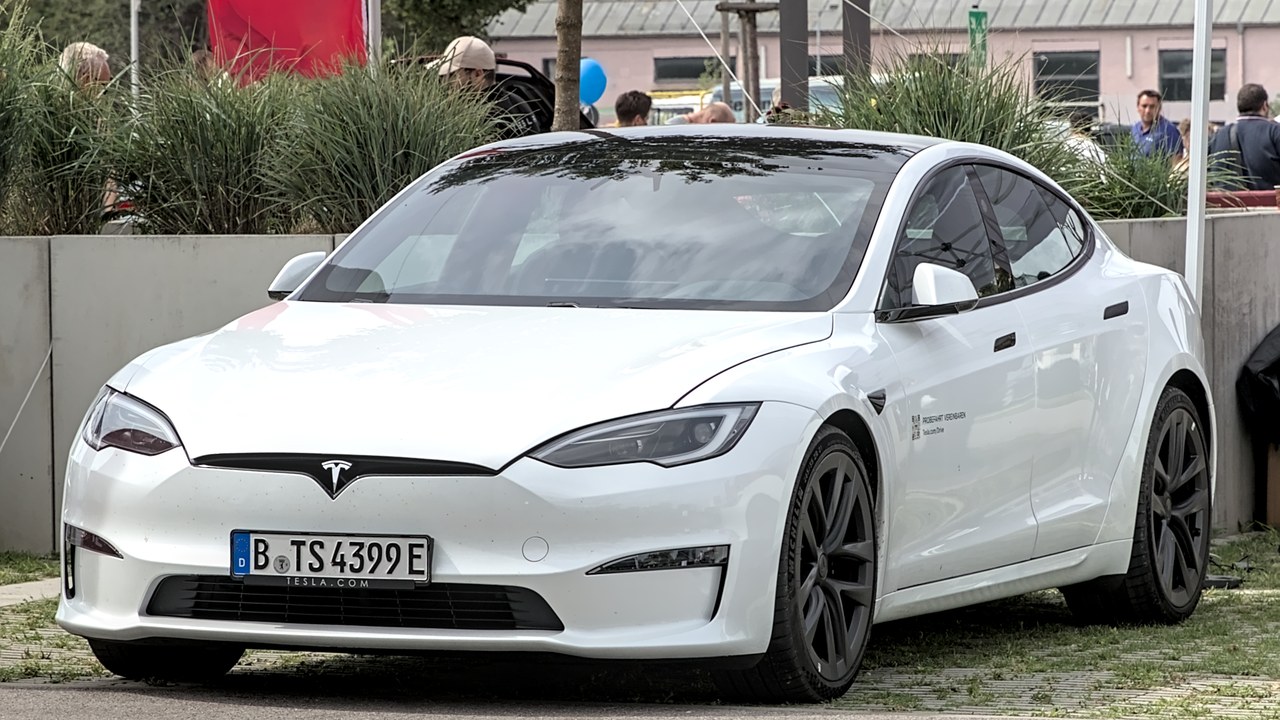
The Tesla Model S Long Range finished Consumer Reports’ 70-mph highway run 44 miles, or 10.7%, short of its EPA estimate, according to an InsideEVs summary of the results. It was one of several models that missed the label figure in the same test.
Highway speed is the likely culprit, since aerodynamic drag grows quickly above 60 mph. Drivers who mostly commute in town may see results closer to the label, while freeway road-trippers should plan for less.
7. Polestar 3: Small Miss, Real Gap
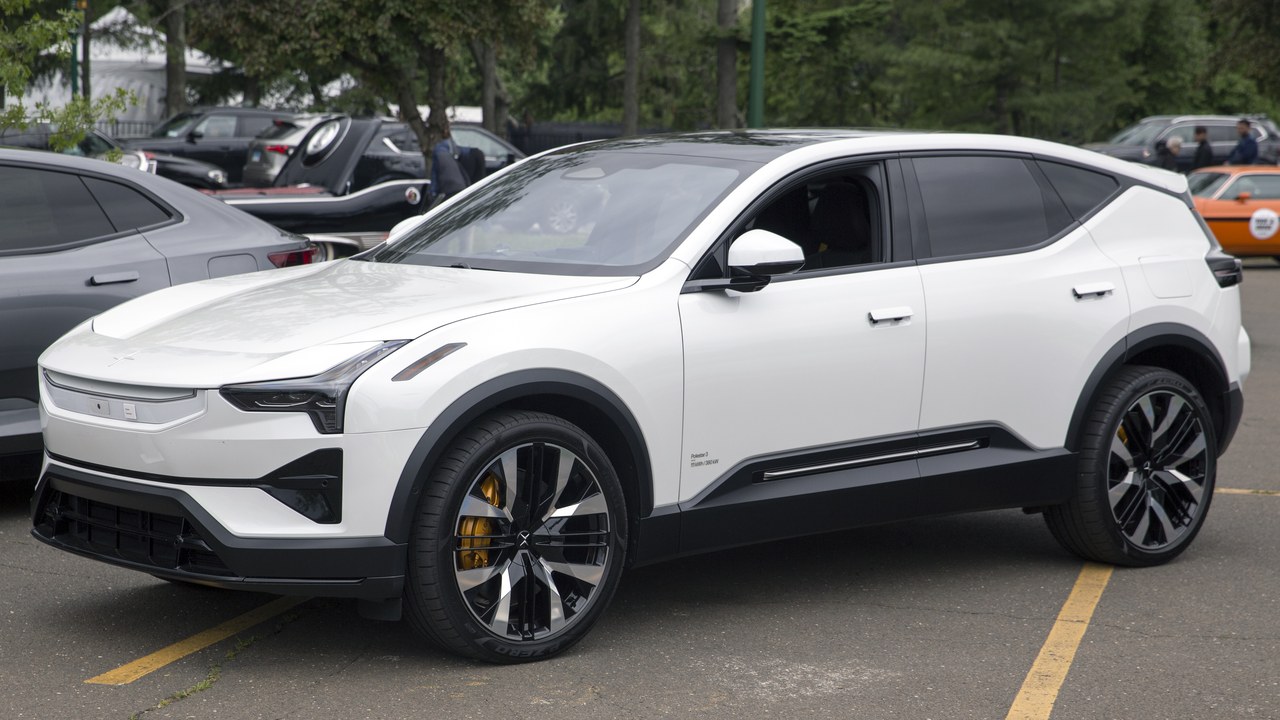
Edmunds measured a 2025 Polestar 3 Single Motor on 21-inch wheels at 344 miles against a 350-mile EPA rating, just 1.6% short. It is the smallest shortfall in this group, and a reminder that a miss does not have to be large to count.
For most owners a 6-mile gap will be invisible in daily use. The bigger takeaway is that wheel size and driving conditions can shift real results, so test-drive and check the specific trim.
8. Rivian R1T: Truck Misses by Six Percent
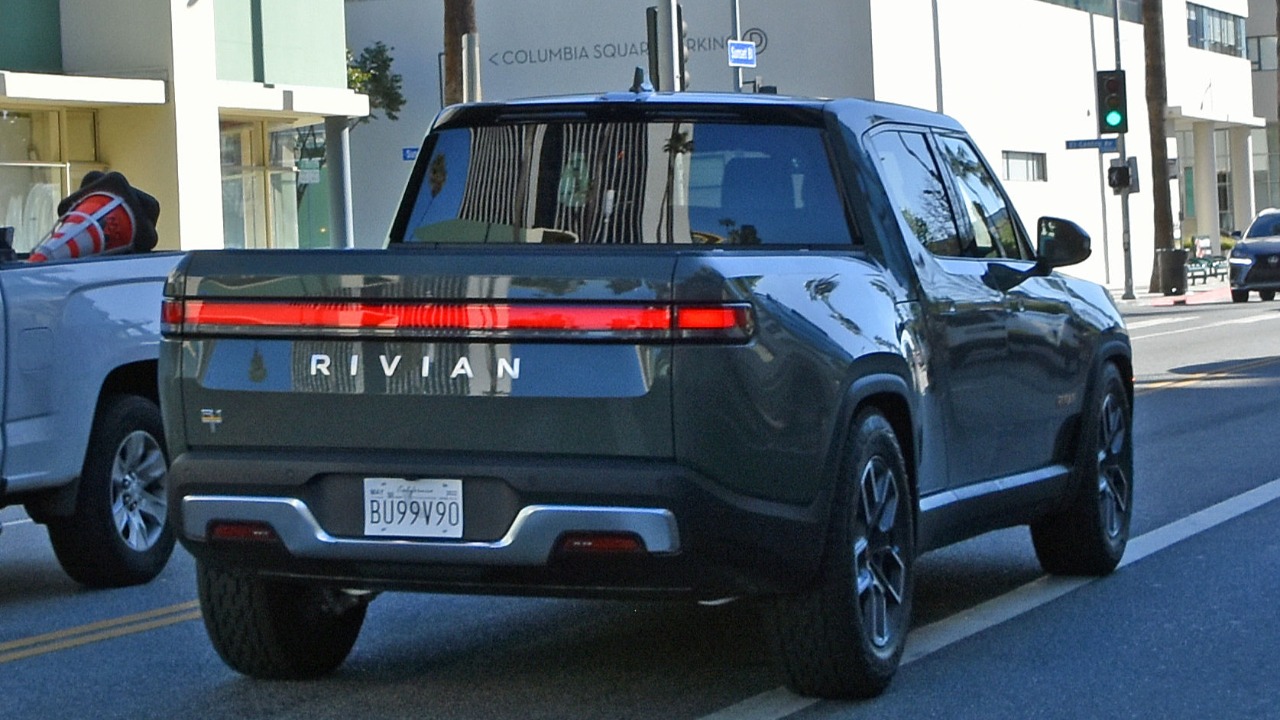
Edmunds got 356 miles from a 2024 Rivian R1T Performance Dual Motor Max on 22-inch wheels, compared with a 380-mile EPA rating, a 6.4% miss on the Edmunds list. The test used large wheels, which tend to reduce efficiency.
Buyers choosing bigger wheels for looks should know the trade-off may show up as fewer miles per charge. The same truck on smaller wheels could land closer to its rating, so it pays to check which wheel package a quoted range assumes.
9. Chevrolet Silverado EV: Electric Silverado Shortfall
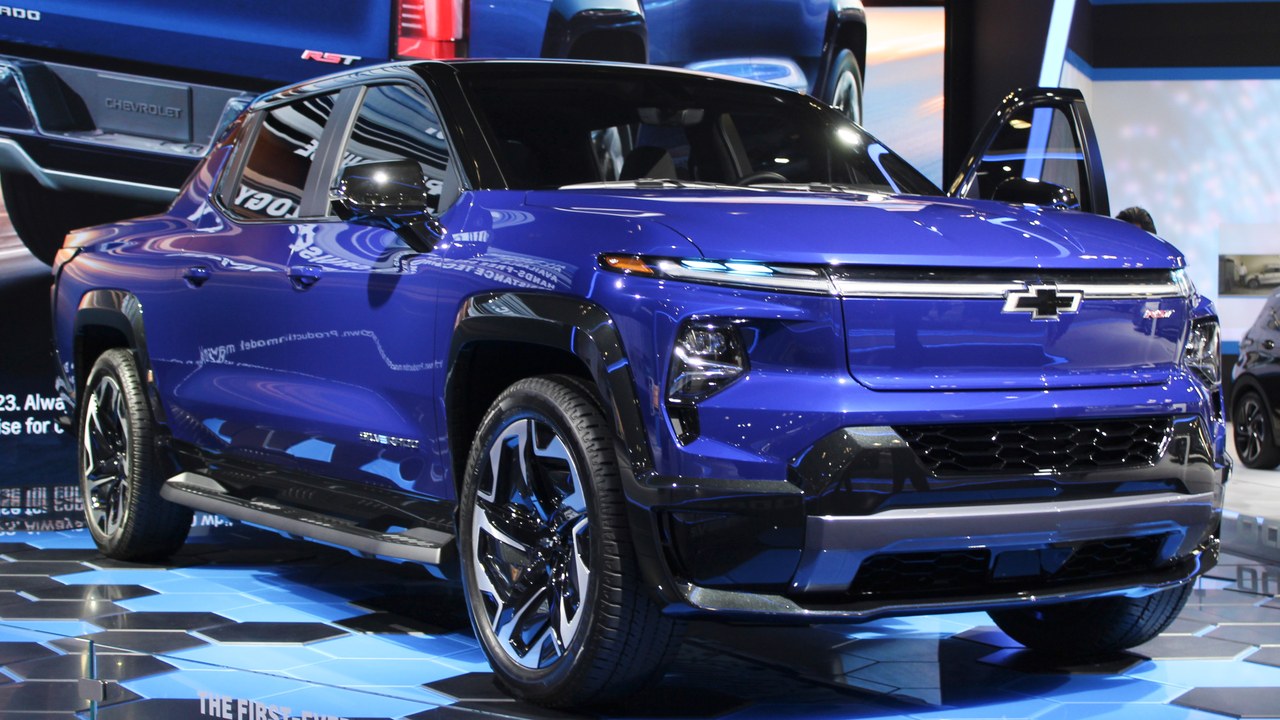
Chevy’s electric Silverado fell 21 miles short of its EPA estimate in Consumer Reports’ 70-mph highway test, as reported by InsideEVs. That puts the truck behind its label, a gap owners should keep in mind on long highway trips.
Owners considering the Silverado EV for towing should leave room in any trip plan, since loads usually cut range further. Checking the exact trim and battery option matters before comparing numbers.
10. Hyundai Ioniq 6: Sedan Trails Its Rating
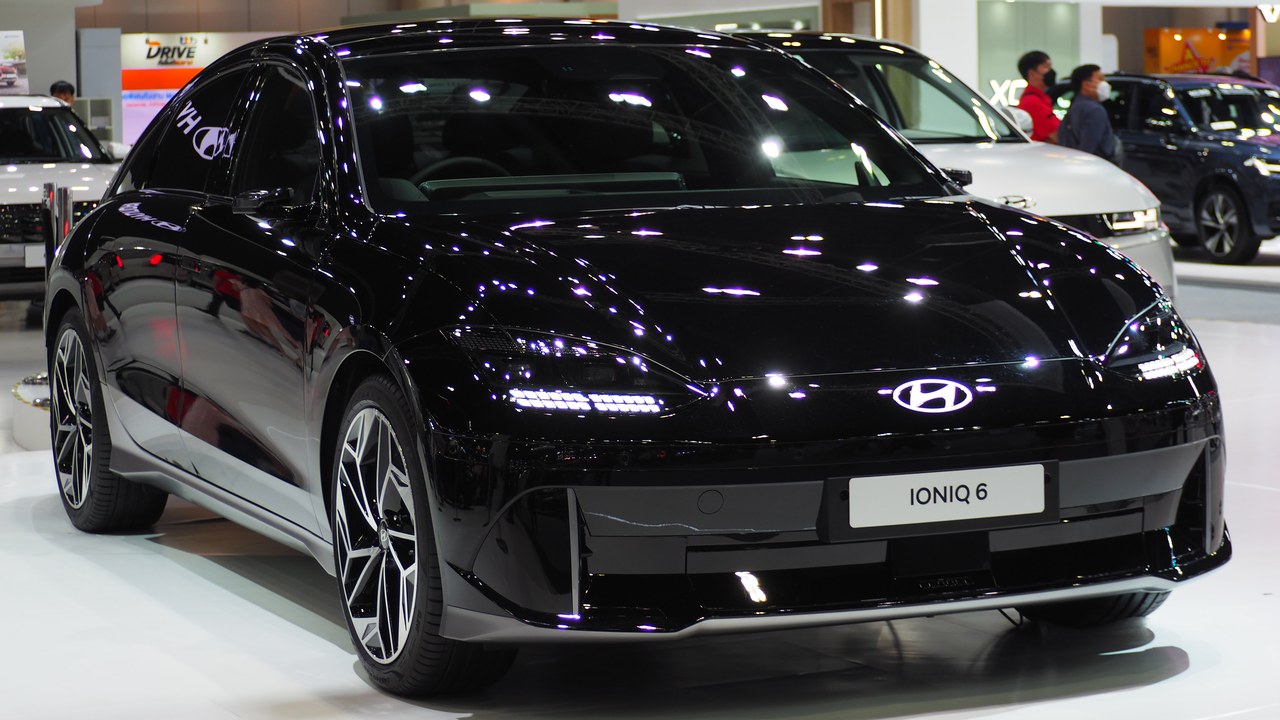
Edmunds measured a 2024 Hyundai Ioniq 6 Limited RWD at 343 miles against a 361-mile EPA rating, a 5.1% shortfall in its range test. The slippery sedan still delivered a long distance despite missing the label.
The Ioniq 6 shows that an efficient shape does not guarantee an exact match with the EPA number. Shoppers should view the shortfall as modest, still expect a strong highway range, and confirm which trim and wheel size a given figure covers.
11. Kia Niro EV: Niro Comes Up Short
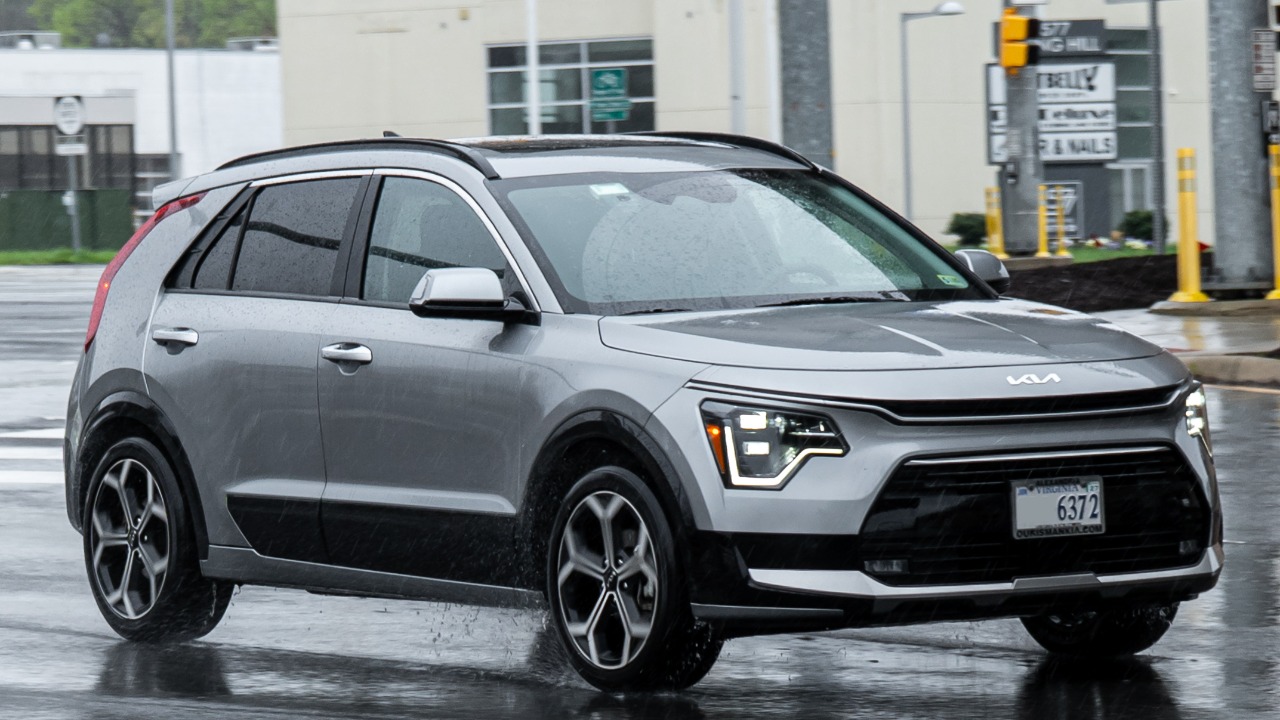
The Kia Niro EV came up 14 miles, or 5.5%, short of its EPA estimate in Consumer Reports’ highway test, according to InsideEVs. It is a modest miss compared with the largest in the group, and it came from a compact crossover.
For a commuter-focused crossover, a 14-mile gap rarely changes daily plans. It matters more for owners who drive long interstate stretches at 70 mph, where the label figure is hardest to reach.
12. Subaru Trailseeker: New Trailseeker Test
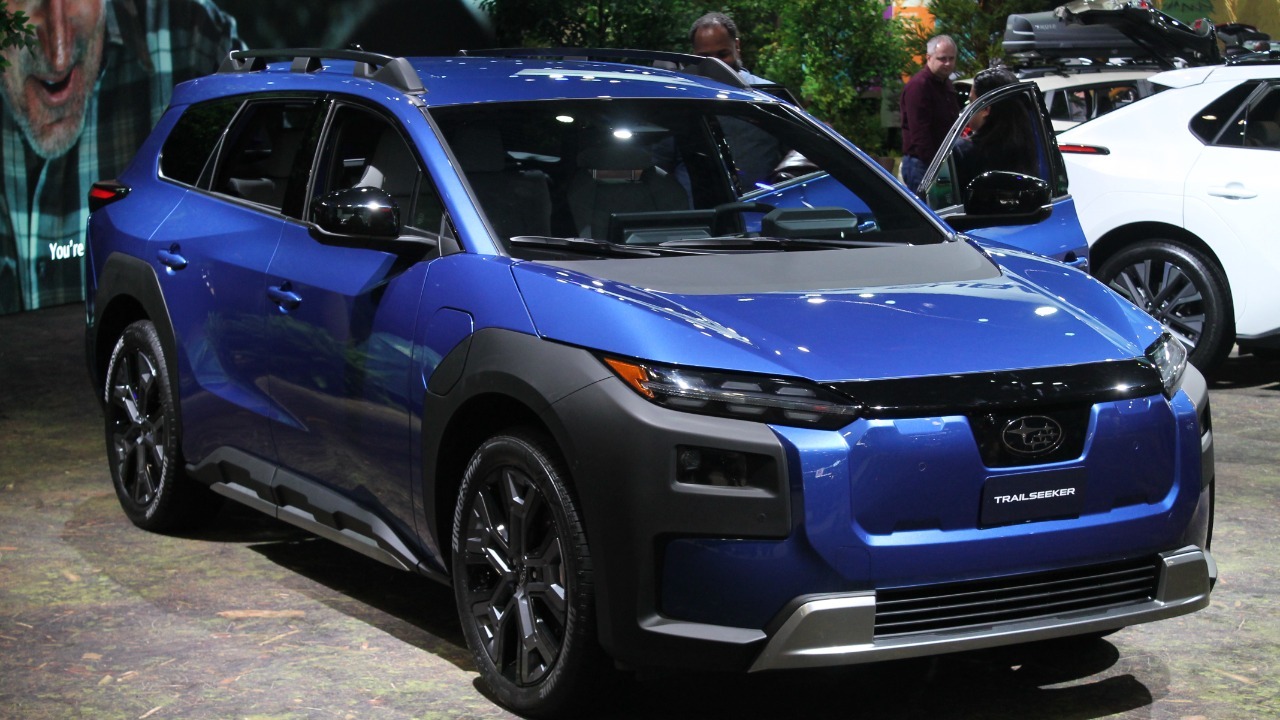
The 2026 Subaru Trailseeker covered 262 miles in the Edmunds EV Range Test, finishing 12 miles short of its 274-mile EPA estimate. The result gives early buyers a measured number to compare with the sticker.
A 12-mile gap is modest, and shoppers should weigh it alongside the Trailseeker’s all-weather appeal. As with every test here, results depend on tires, speed, load and temperature, so individual experiences will differ from the published figures.
Help yourself and the planet: Get The Cool Down →
We may earn a commission if you sign up.
More from Morning Overview
- Common allergy, bladder and sleep pills tied to sharply higher dementia odds
- NOAA now gives this winter a 75% chance of the strongest El Nino since 1950
- Doctors warn a silent liver disease now affects one in three American adults
- The FBI told the rest of ShinyHunters to surrender after a 24-year-old was arrested
