
Full-size pickups have long been synonymous with frequent fuel stops, but the powertrains underneath them have quietly changed. Hybrid assist, turbo-diesels, cylinder deactivation and full battery-electric drivetrains now sit in showrooms beside the traditional V8. Here are ten full-size trucks whose configurations stretch a tank, or replace it entirely.
1. Ford F-150 PowerBoost: The Hybrid That Leads The Class
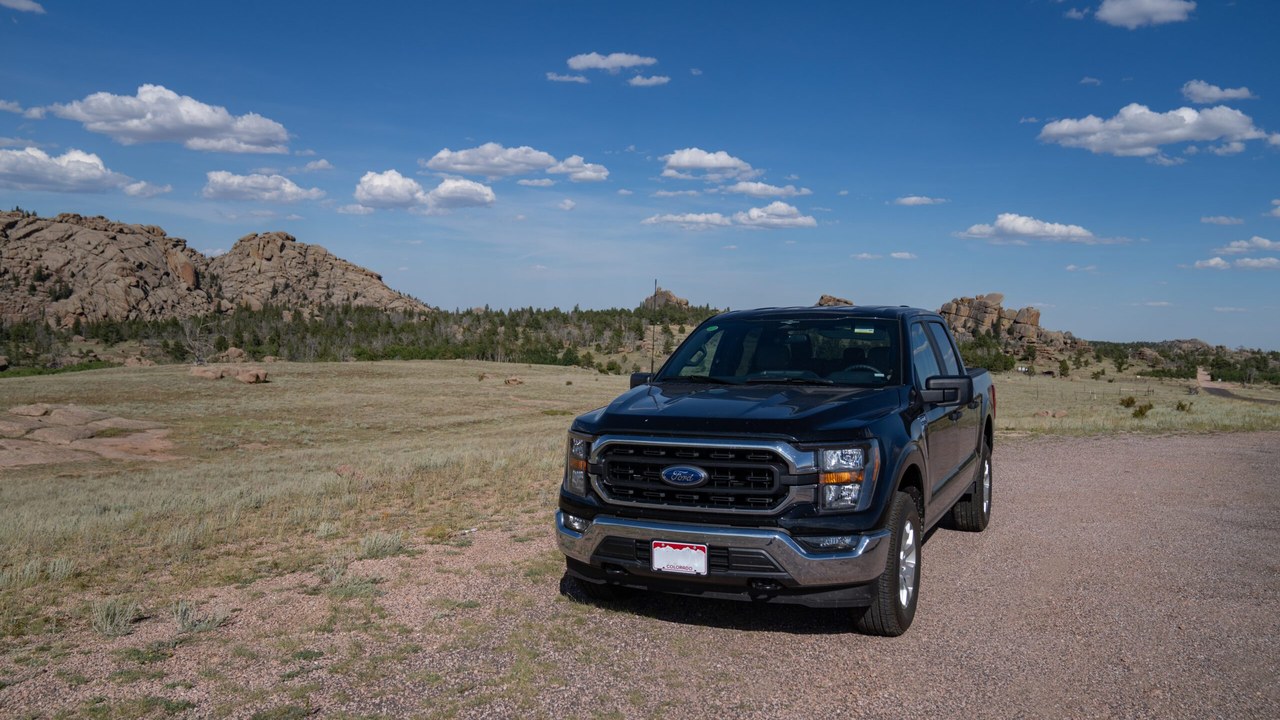
The PowerBoost trim pairs Ford’s twin-turbocharged 3.5-liter EcoBoost V6 with an electric motor built into the ten-speed automatic transmission. That assist handles low-speed launches and lets the engine rest in traffic, where a heavy pickup normally wastes the most fuel. Ford’s full-size pickup lineup treats the hybrid as its efficiency flagship.
Buyers who spend more time in town than on the interstate recover the hybrid premium fastest, since the electric assist does its best work below highway speed. The same battery feeds an onboard generator capable of running tools or a few household circuits, a feature that often justifies the option on its own.
2. Ram 1500: Mild Hybrid As Standard Equipment
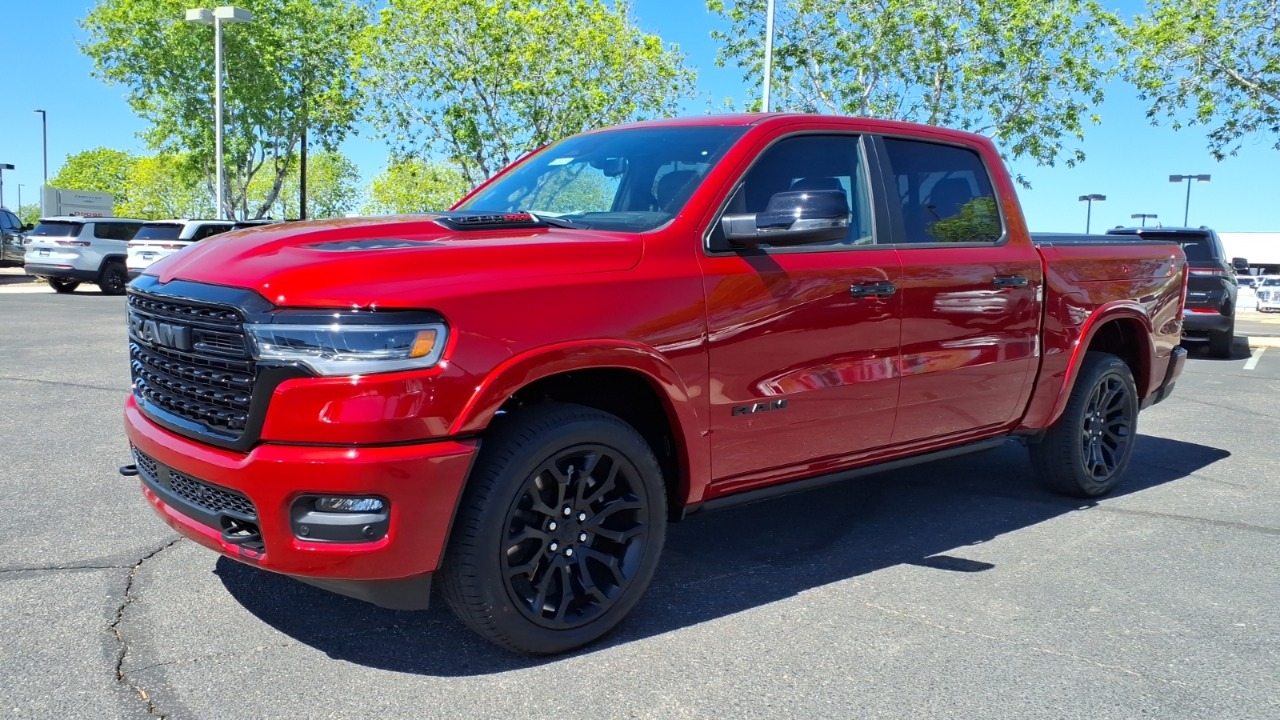
Ram’s eTorque system swaps the alternator for a belt-driven motor-generator tied to a 48-volt battery, restarting the engine instantly at stops and recovering braking energy. It appears across the Ram 1500 pickup range rather than one costly halo trim, so the gain reaches ordinary configurations. An eight-speed automatic and active grille shutters do the rest.
The saving is modest next to a full hybrid, measured in fractions of a gallon per hundred miles rather than whole ratings. Its appeal is that it costs the buyer almost nothing in capability: payload, towing and bed size are unchanged, and the driver mainly notices a quieter, smoother stop-start cycle.
3. Chevrolet Silverado Duramax: Diesel Torque On The Highway
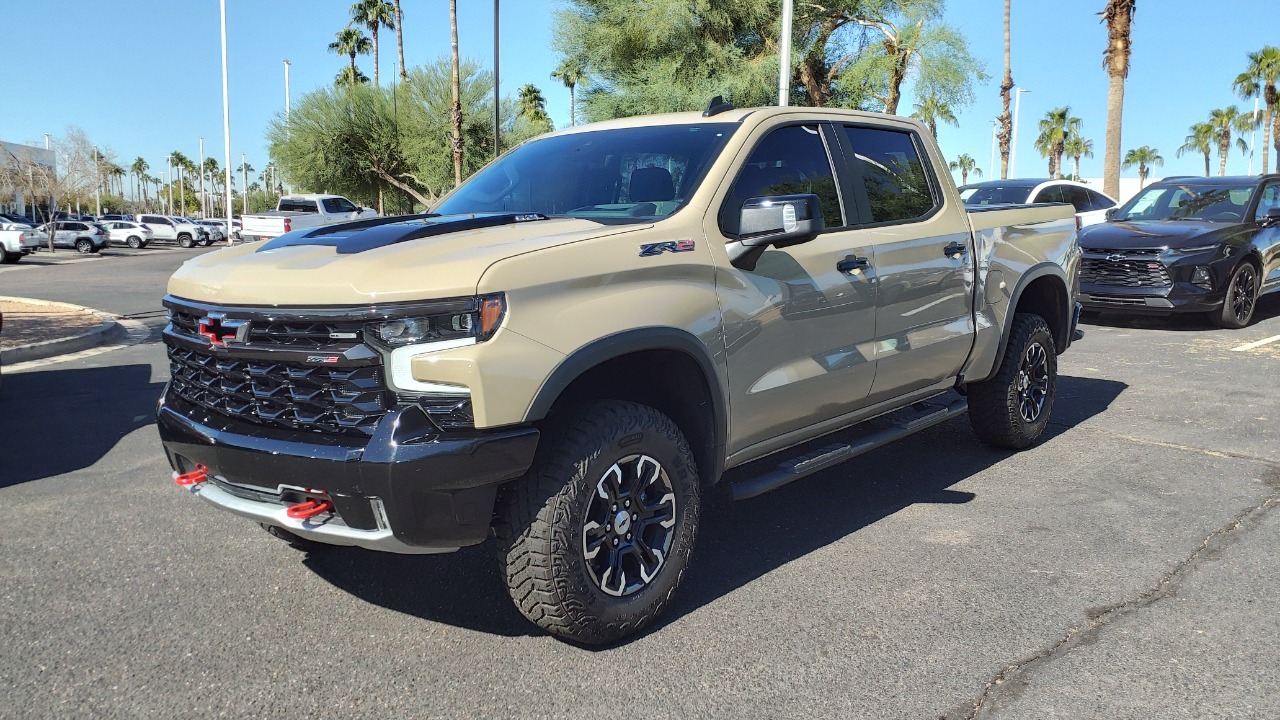
The 3.0-liter Duramax inline-six turbo-diesel is the efficiency choice in the Chevrolet Silverado range, and its advantage is structural: diesel carries more energy per gallon, and the engine’s high compression converts it at low revs. Paired with a ten-speed automatic, it loafs at highway speed with the turbo barely working, which is where the largest gap over a gasoline V8 opens up.
Diesel fuel usually costs more per gallon than regular gasoline, so the payback depends on annual mileage rather than on the rating alone. Long-distance drivers and anyone towing at steady speed benefit most; a truck used for short errands may never recoup the option price.
4. GMC Sierra 1500: Diesel Economy In A Premium Suit
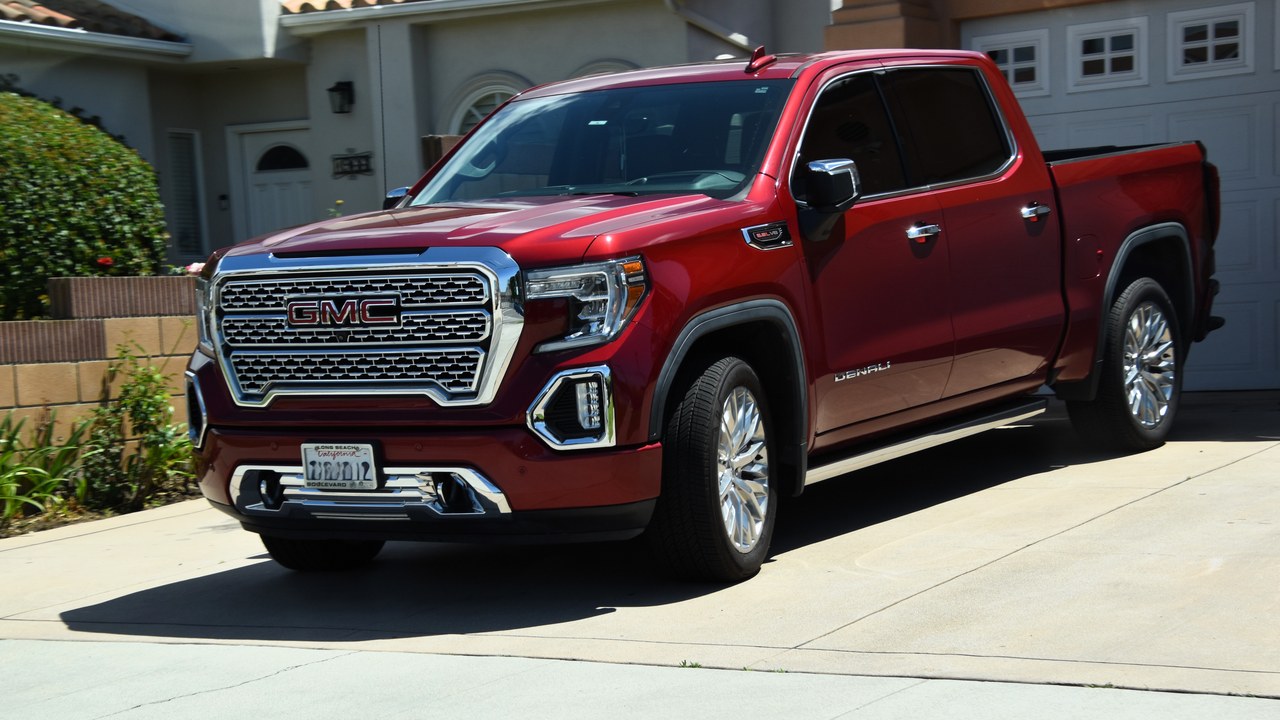
GMC sells the same 3.0-liter Duramax six in the Sierra 1500 lineup, where it is frequently ordered on well-equipped trims that would otherwise carry a thirsty V8. The engine’s variable-geometry turbocharger and common-rail injection let it cruise lean and slow-turning, while stop-start keeps a heavy truck from idling at lights.
Choosing the diesel costs some maximum payload against the equivalent V8 and adds diesel exhaust fluid to the maintenance routine. In exchange, owners get a broad torque plateau that makes a loaded trailer feel lighter, and the fuel advantage survives the added weight better than a gasoline engine’s does.
5. Toyota Tundra i-Force Max: Twin Turbos With Electric Backup
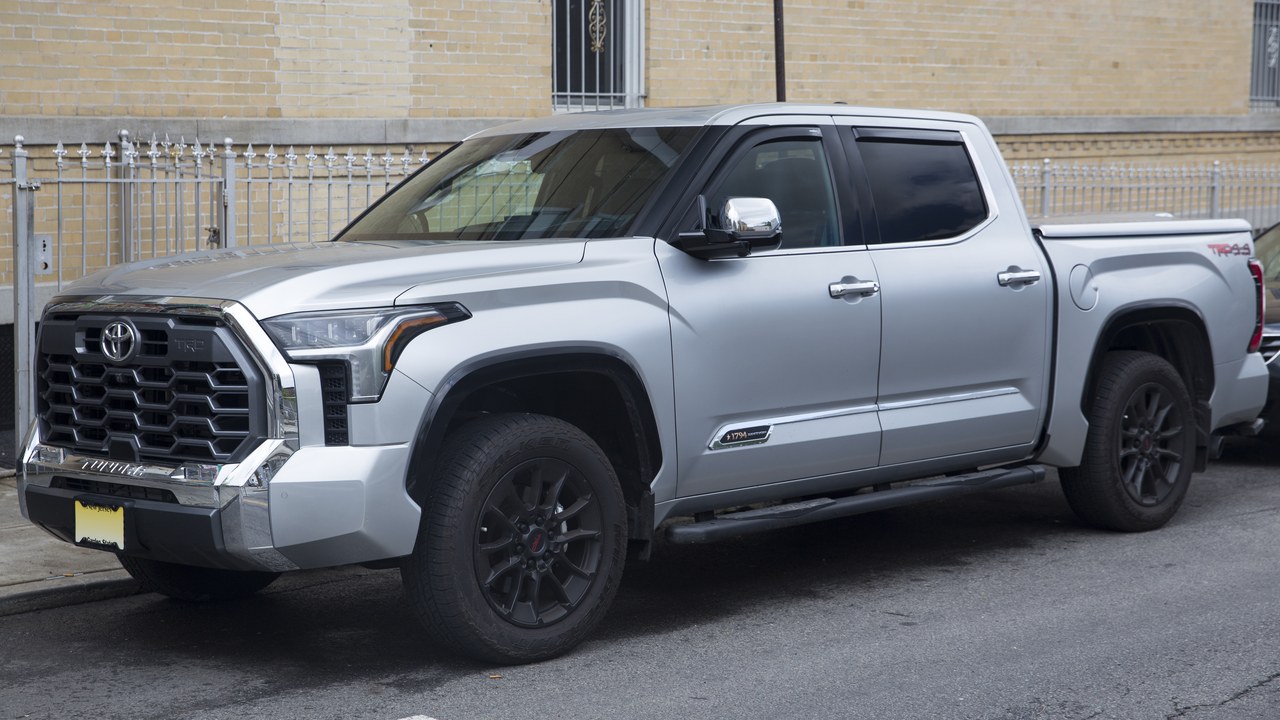
Toyota’s i-Force Max drops the V8 entirely: a twin-turbocharged 3.4-liter V6 works alongside an electric motor mounted between the engine and the ten-speed automatic. The motor fills in torque at low speed so the turbochargers are not asked to spool from idle, the moment when a downsized engine typically drinks fuel. It anchors the Tundra’s current generation.
The hybrid is the more powerful Tundra as well as the more efficient one, which removes the usual trade-off between economy and capability. Its weakness is weight: the battery and motor add mass, so the gain shrinks on a long, flat highway run where the electric side has little to contribute.
6. Ford F-150 Lightning: A Pickup With No Tailpipe
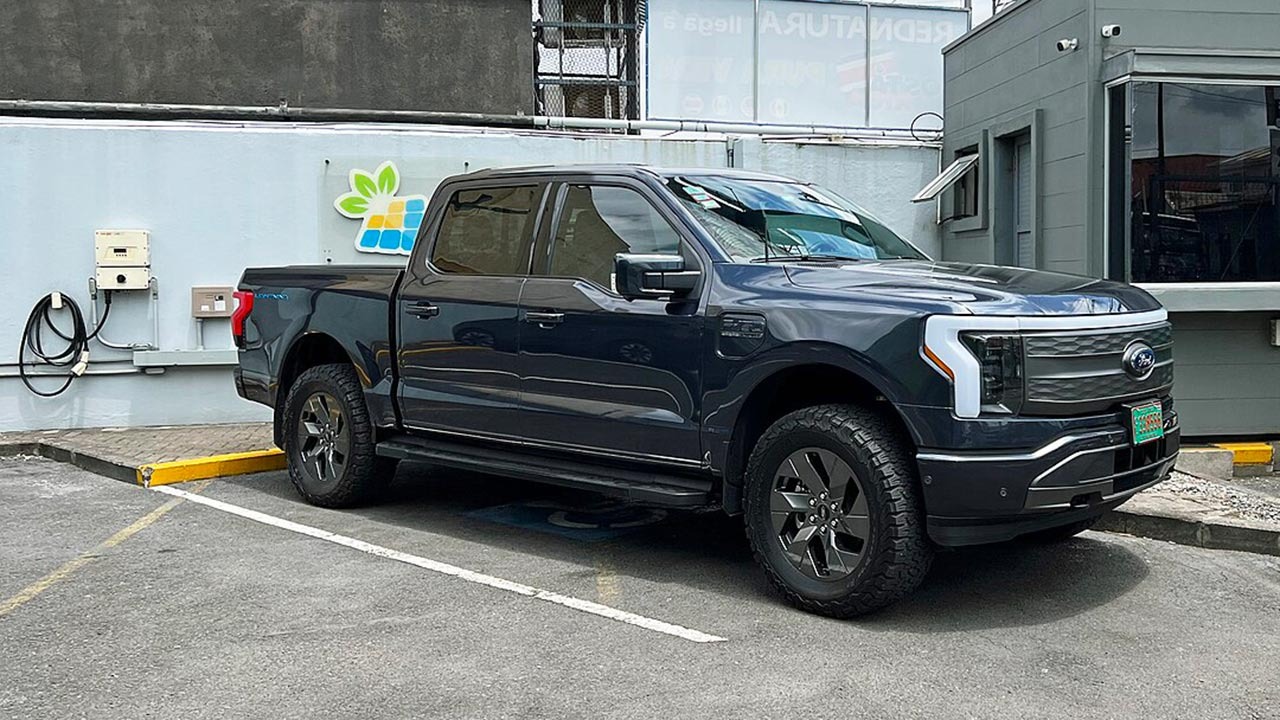
The Lightning’s electric platform removes fuel consumption from the equation entirely: two motors, one per axle, draw from a floor-mounted pack, and regenerative braking recovers energy a combustion truck sheds as heat. An electric drivetrain also converts far more of its stored energy into motion than any engine can, which is why efficiency here is quoted in miles per kilowatt-hour.
The trade-off is range under load. Towing or hauling cuts an electric truck’s usable distance sharply, and fast chargers remain sparse on the rural routes where pickups do much of their work. For an owner charging at home overnight, running costs are the lowest here.
7. Ram 1500 REV: Range Built Into The Frame
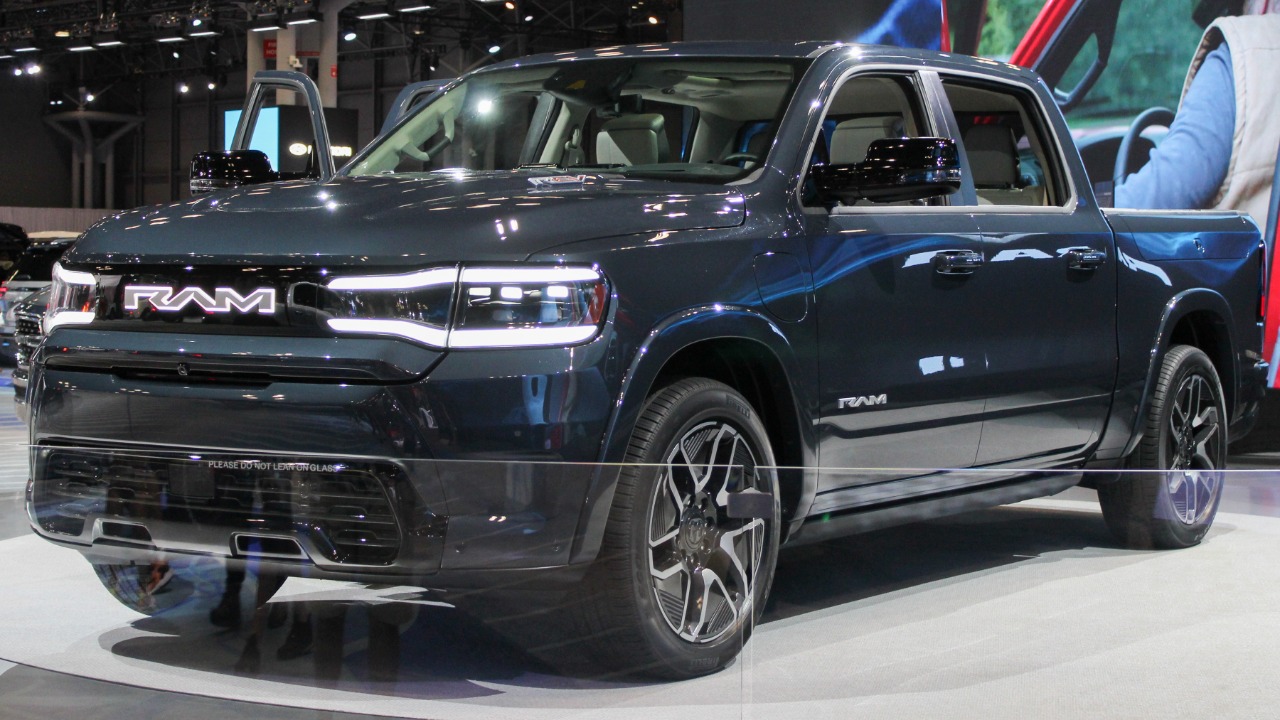
Stellantis designed the Ram 1500 REV around a large battery from the start, offering an extended pack aimed at buyers who consider current electric pickups too short-legged. The truck rides on a dedicated electric architecture with a flat floor, front trunk and a high-voltage fast-charging system, all of which exist to make a heavy vehicle cover distance without a fuel stop.
Bigger batteries carry their own penalty: mass, cost and a larger share of payload consumed by the pack itself. Whether the extended version pays off depends on how often a driver actually needs the distance, since a smaller battery charged nightly covers most weeks at lower expense.
8. Chevrolet Silverado EV: Ultium Underneath The Bed
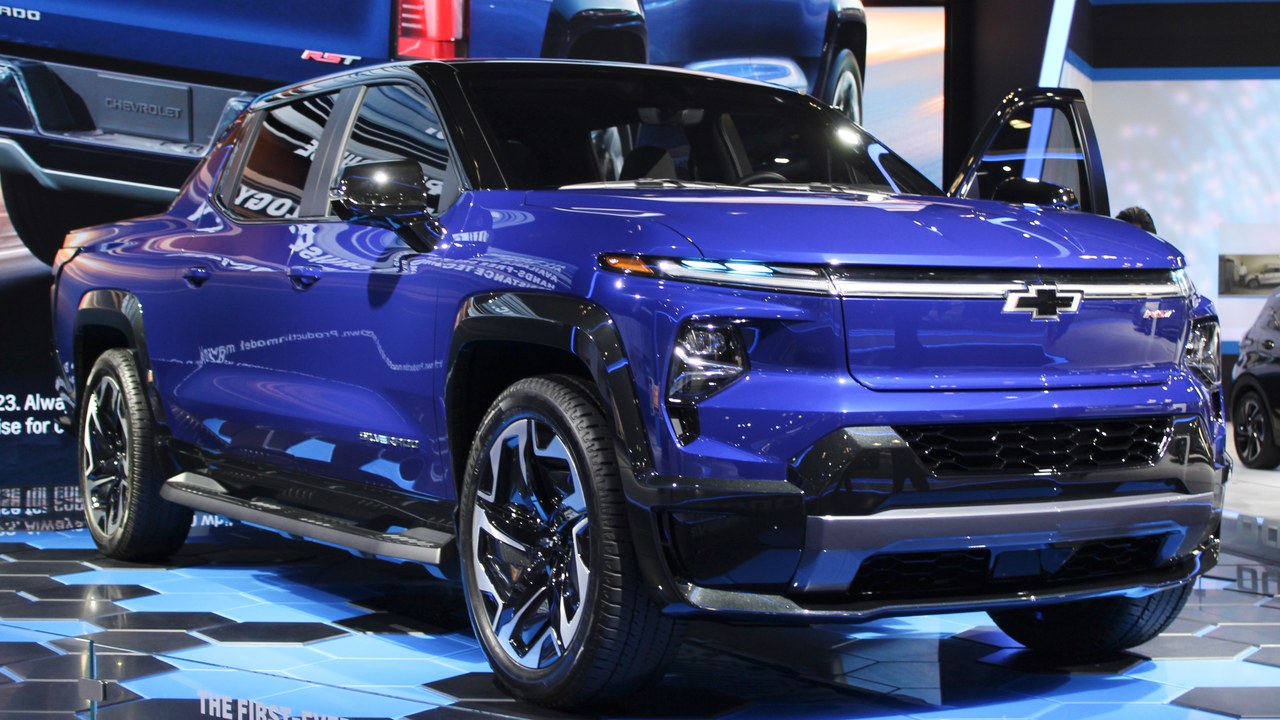
The Silverado EV uses General Motors’ Ultium battery architecture, a modular pack laid flat between the axles and paired with motors that can drive one axle or both. Its work-truck versions were pitched at fleets on running cost rather than badge appeal, because an electric drivetrain’s advantage compounds for a vehicle covering high mileage on predictable routes.
A midgate behind the cab lets long items pass into the cabin, a packaging trick that matters more when the bed is shared with charging hardware. The catch remains price and charging access: the cheapest configurations arrived late, and depot or home charging is what turns the efficiency into savings.
9. Nissan Titan: The Plainest Approach On The List
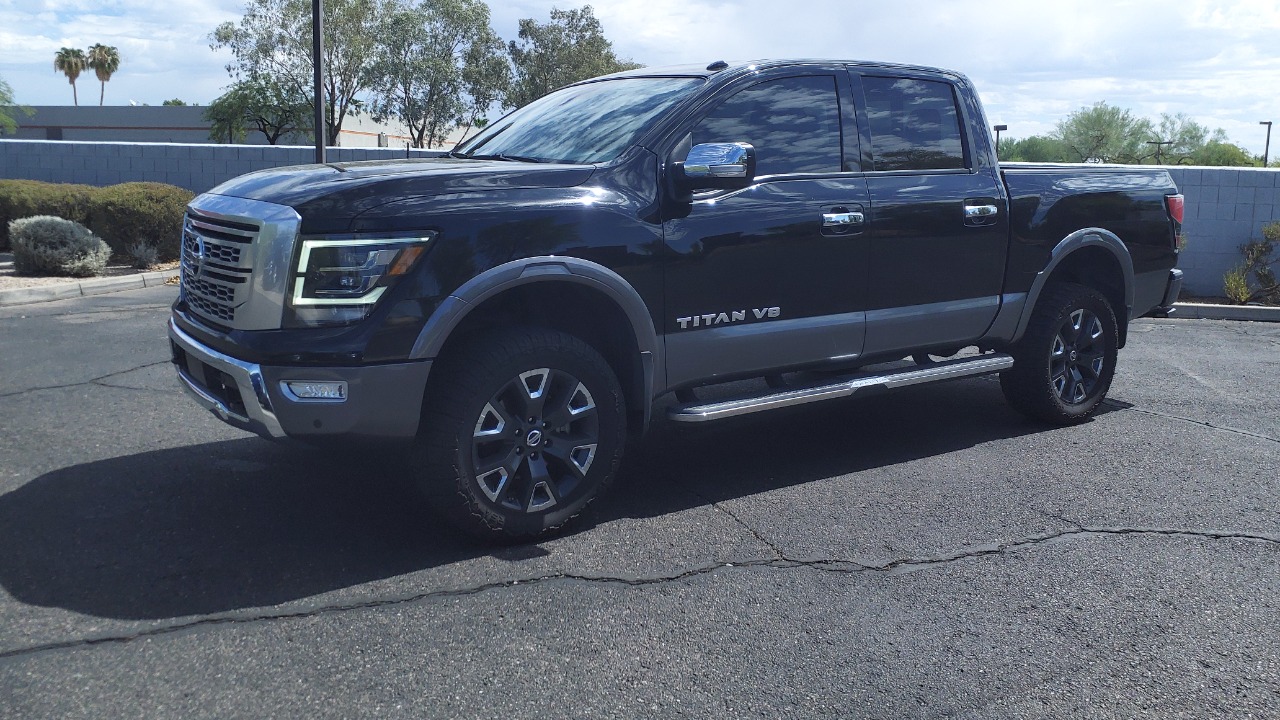
The Nissan Titan takes the opposite approach to everything else here, sticking with a naturally aspirated 5.6-liter V8 and no electrification at all. Its economy comes from transmission ratios rather than a battery: a nine-speed automatic keeps engine speed low on the highway, and the drivetrain avoids the parasitic weight that hybrid hardware adds.
That makes it the honest floor of this list: thirstier than the hybrids and diesels above it, but mechanically simpler, with no battery pack to degrade and no diesel exhaust fluid to refill. Shoppers weighing a Titan are usually trading a few miles per gallon for a lower price and a familiar service routine.
10. GMC Hummer EV: Brute Force Without A Fuel Gauge
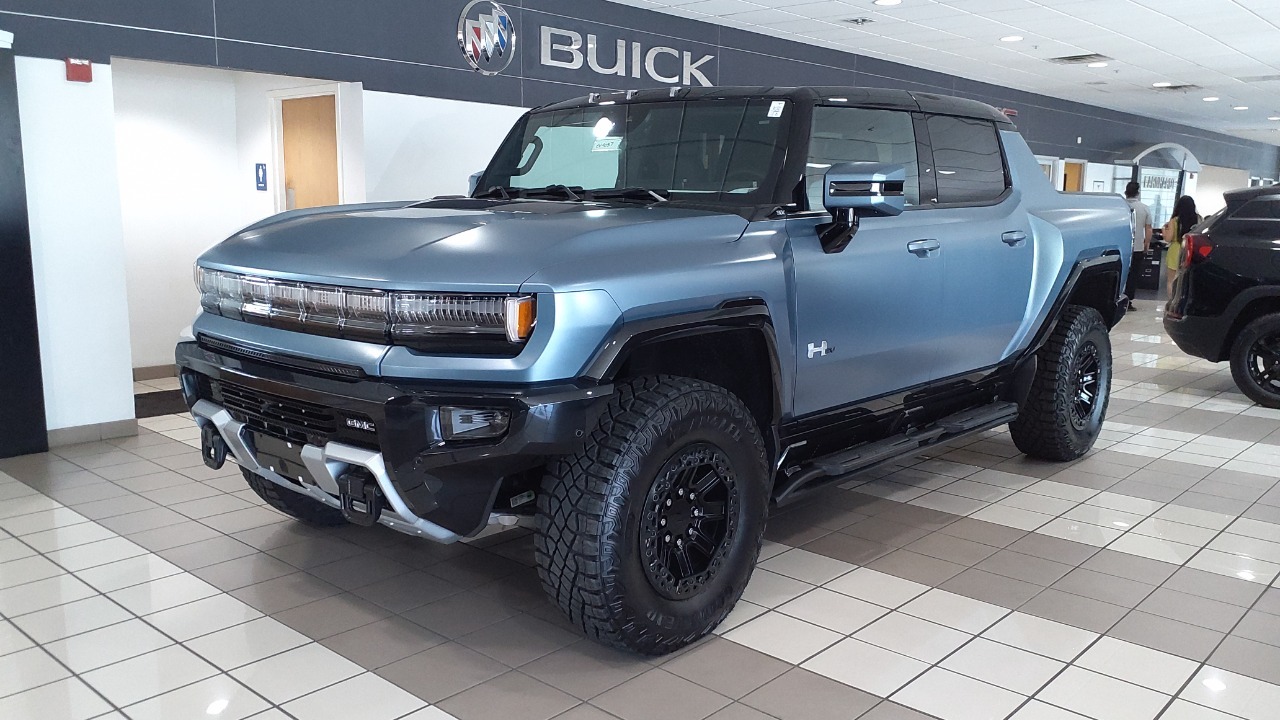
The Hummer EV pickup is the extreme case: an enormous battery, four-figure horsepower and a curb weight approaching that of a heavy-duty truck, yet it consumes no gasoline or diesel. Efficiency per mile is poor by electric standards, because moving that much mass costs energy no drivetrain can refund, but the fuel bill itself disappears.
It belongs on a fuel-economy list only because it uses none, which is a useful reminder that zero fuel and low energy use are different claims. Owners pay for the mass in charging time, tire wear and electricity, and the truck suits a driver who wants capability and home charging more than a low cost per mile.
More from Morning Overview
- Long-term use of common heartburn pills is tied to kidney and dementia risk
- A California supervolcano has bulged upward about two and a half feet since 1978
- The FTC is warning about a scam quietly draining thousands from victims
- The NSA is again telling phone owners to switch off one location setting
