
Few automakers carry a back catalog as varied as Jaguar’s, running from postwar roadsters to supercars and an electric hatchback. Racing wins, record speeds and awkward platform-sharing experiments all sit within the same lineage. Here are twelve Jaguars that show how the marque changed shape over the decades.
Save more, waste less: The Cool Down’s newsletter sends smart, simple changes that help you and the planet in your everyday life.
We may earn a commission if you sign up.
1. Jaguar XK120: Speed Before Style
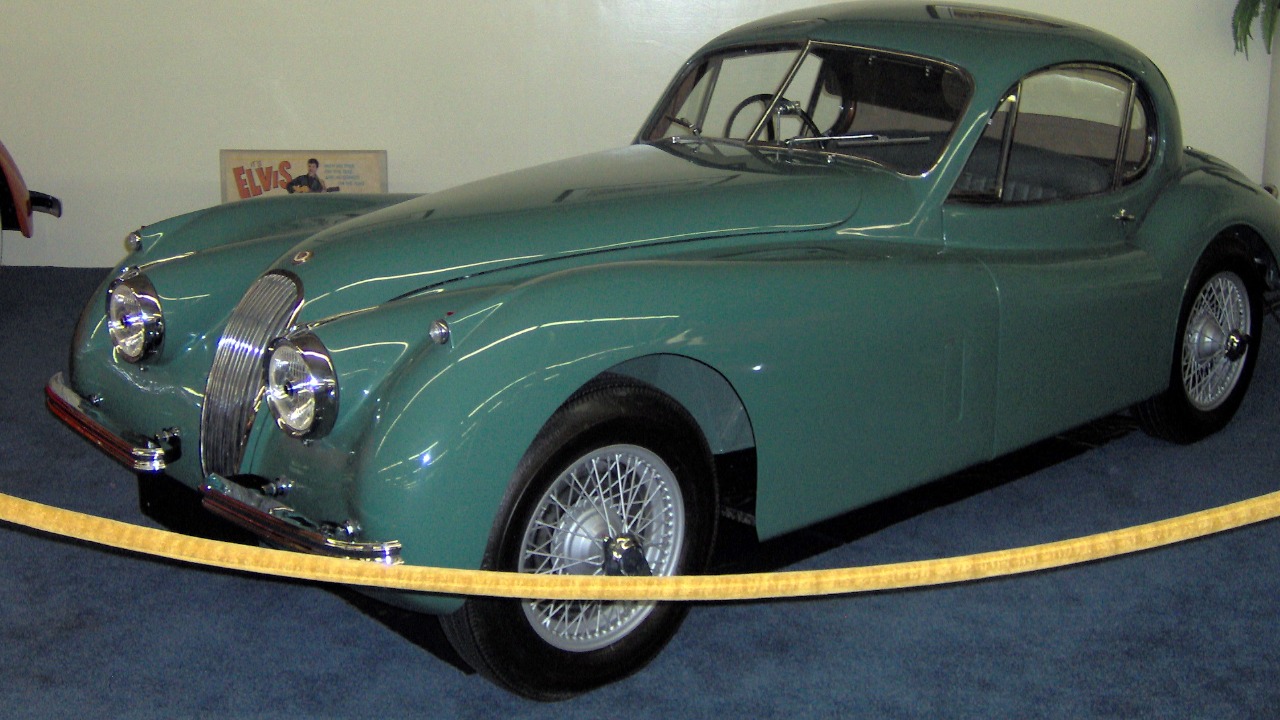
Unveiled at the 1948 Motor Show at GBP 998 before tax, the XK120 earned its name on the road. According to Jaguar’s own history of the model, a standard car reached 126 mph at Jabbeke, Belgium, and 133 mph once the windscreen was removed.
Those runs gave the roadster a credibility that advertising could not buy. The name itself promised 120 mph, and the Belgian results showed the figure was no idle boast for a production car of that era. Any owner or admirer of the model has a ready answer when someone asks how quick it really was.
2. Jaguar Mark 2: Sedan With Two Names
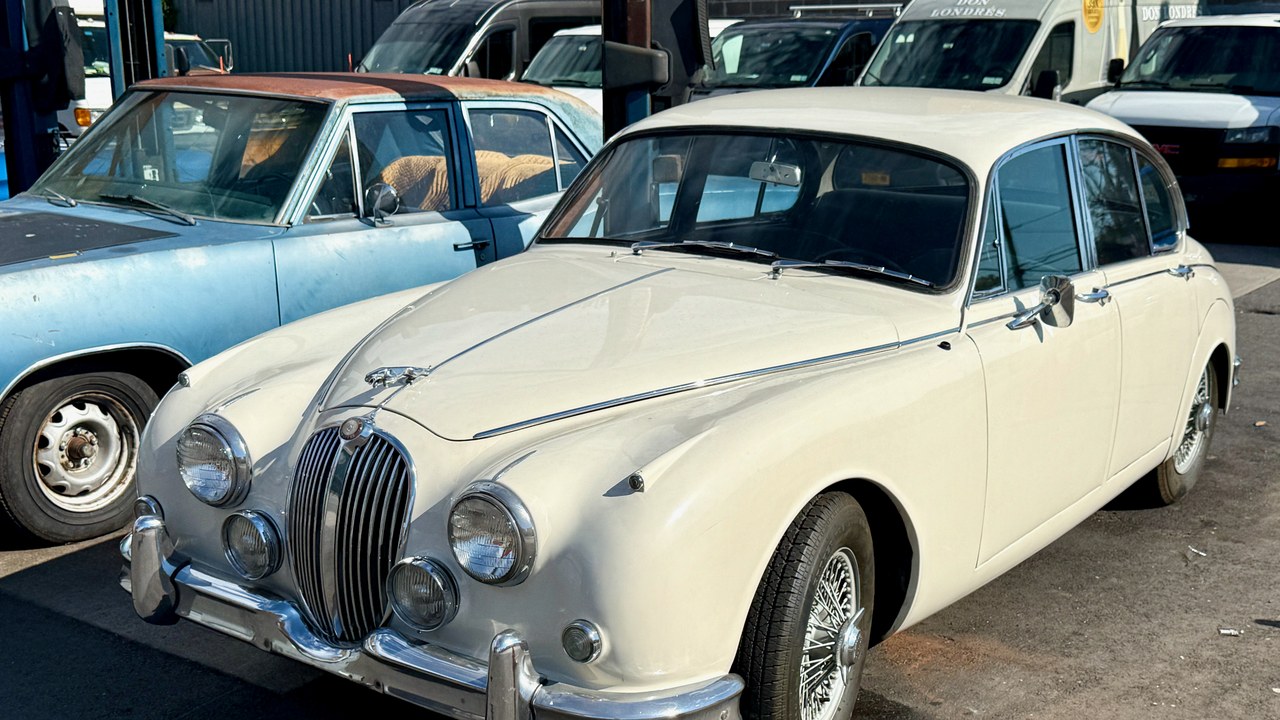
Between 1959 and 1967, Jaguar built 83,976 Mark 2 saloons, according to production history of the Mark 2. The 3.8-litre version reached 125 mph, which was formidable for a four-door of the period.
American buyers knew the car as the 3.8 Sedan, so listings and club references on that side of the Atlantic may use either name. Shoppers comparing examples should check which engine a given car carries, because the quoted top speed belongs to the 3.8-litre version and not to every Mark 2.
3. Jaguar E-Type: The Most Beautiful Car
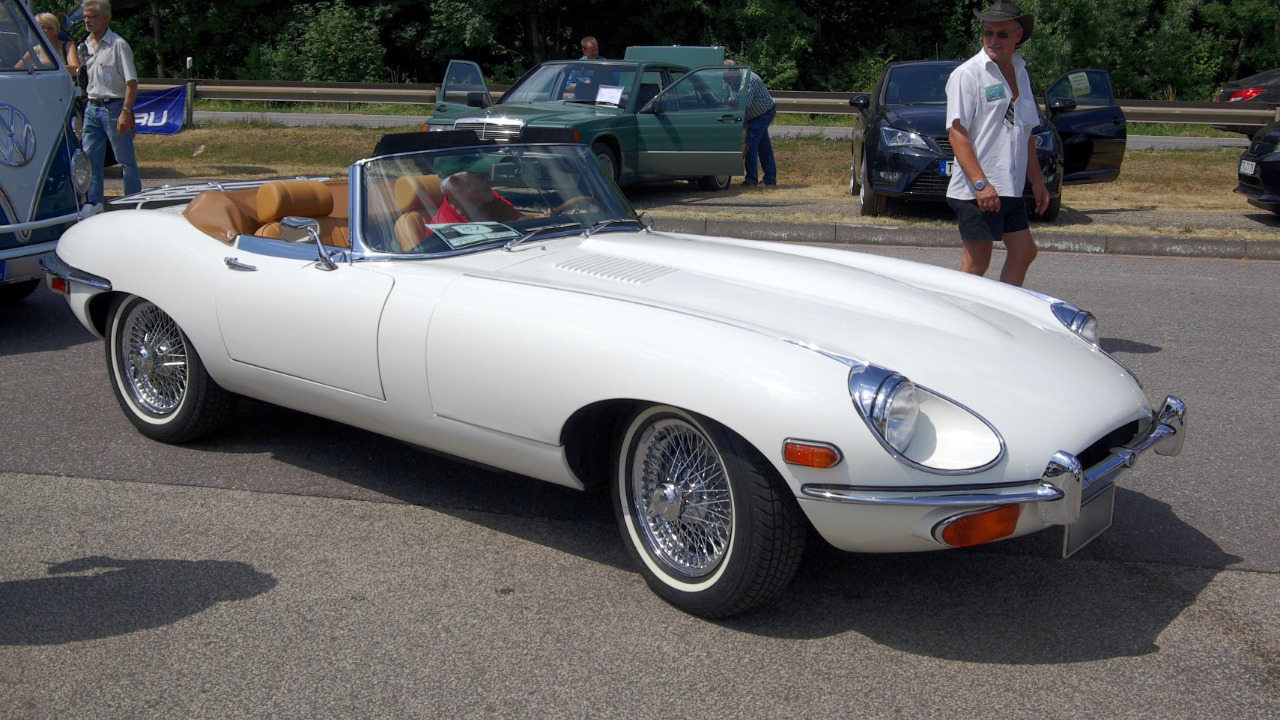
Unveiled at Geneva in March 1961, the E-Type was capable of 150 mph. Jaguar Land Rover’s Jaguar Land Rover’s anniversary release notes that more than 70,000 were sold over 14 years, and that Enzo Ferrari called it the most beautiful car in the world.
Praise from a rival founder did much to cement the reputation. For collectors the sales total matters too: a run that long means survivors exist in many states of originality and condition.
4. Jaguar XJ6: Luxury At A Fair Price
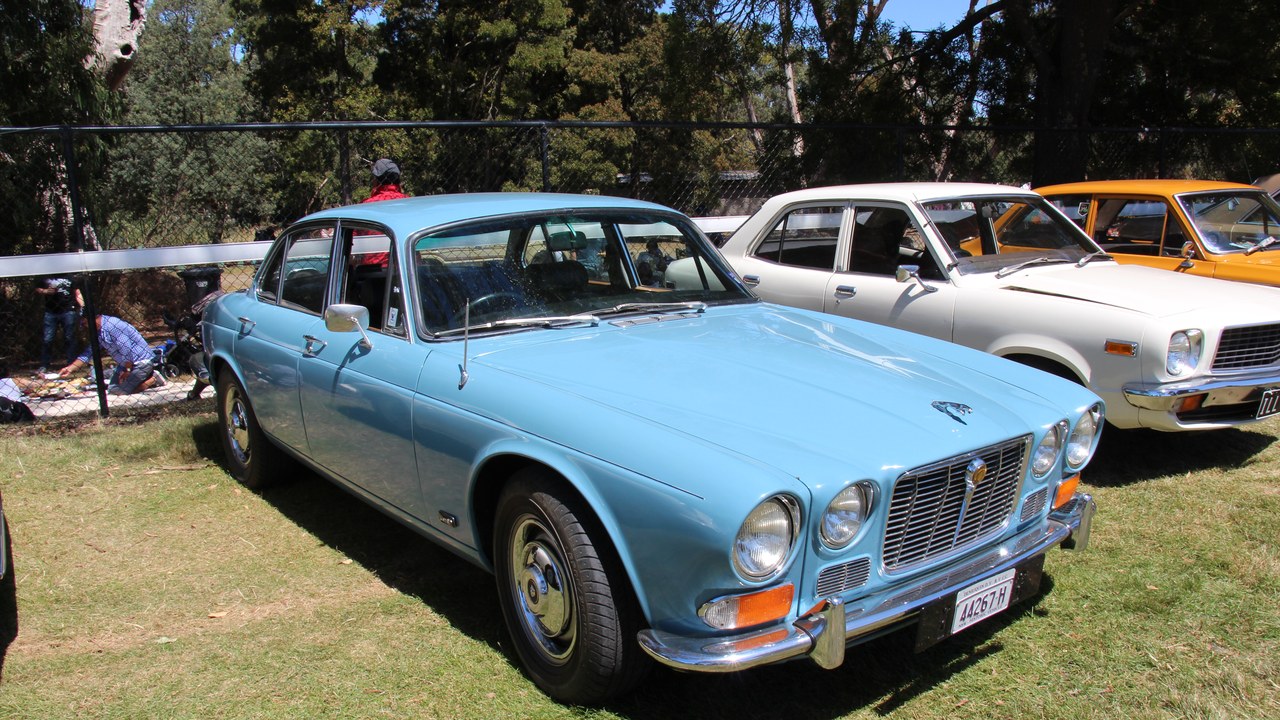
The XJ6 launched on 26 September 1968 and was named Car of the Year after its Paris debut. Jaguar’s Jaguar’s XJ series retrospective lists a price of only GBP 2,258, a top speed of 124 mph, and Series 1 production that reached 98,527 cars.
Pairing a modest price with that performance was the whole pitch. Series 1 cars are now old enough that buyers should expect condition and history to matter more than the original sticker ever did.
5. Jaguar XJ-S: V12 For The Road
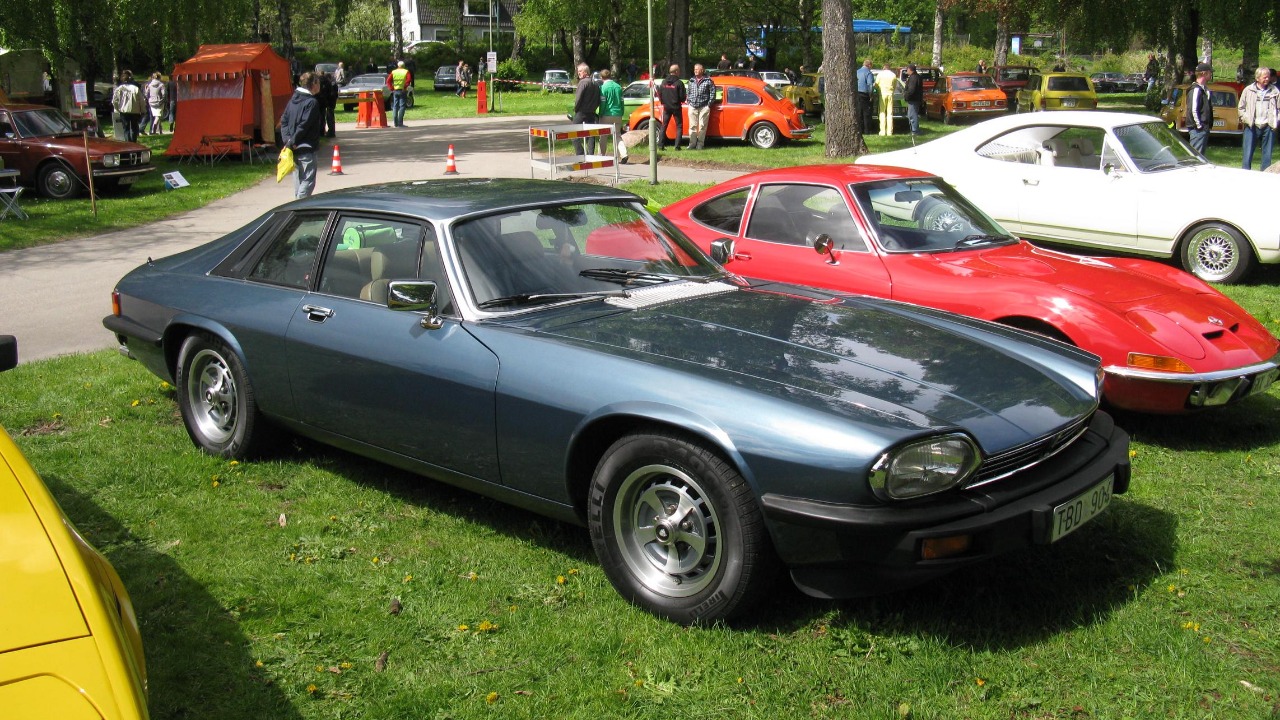
Unveiled at the 1975 Frankfurt show to replace the E-Type, the XJ-S carried a 5.3-litre V12 making 285 bhp and a 142 mph top speed. Jaguar’s Jaguar’s XJ series retrospective adds that it won the 1984 European Touring Car title and the 1985 Bathurst race.
A grand tourer with racing silverware behind it was an unusual mix for the period. Anyone shopping for one is buying a large V12 and the upkeep that comes with it, so running costs deserve as much attention as the badge or the competition record.
6. Jaguar XK8: Supercharged Sibling
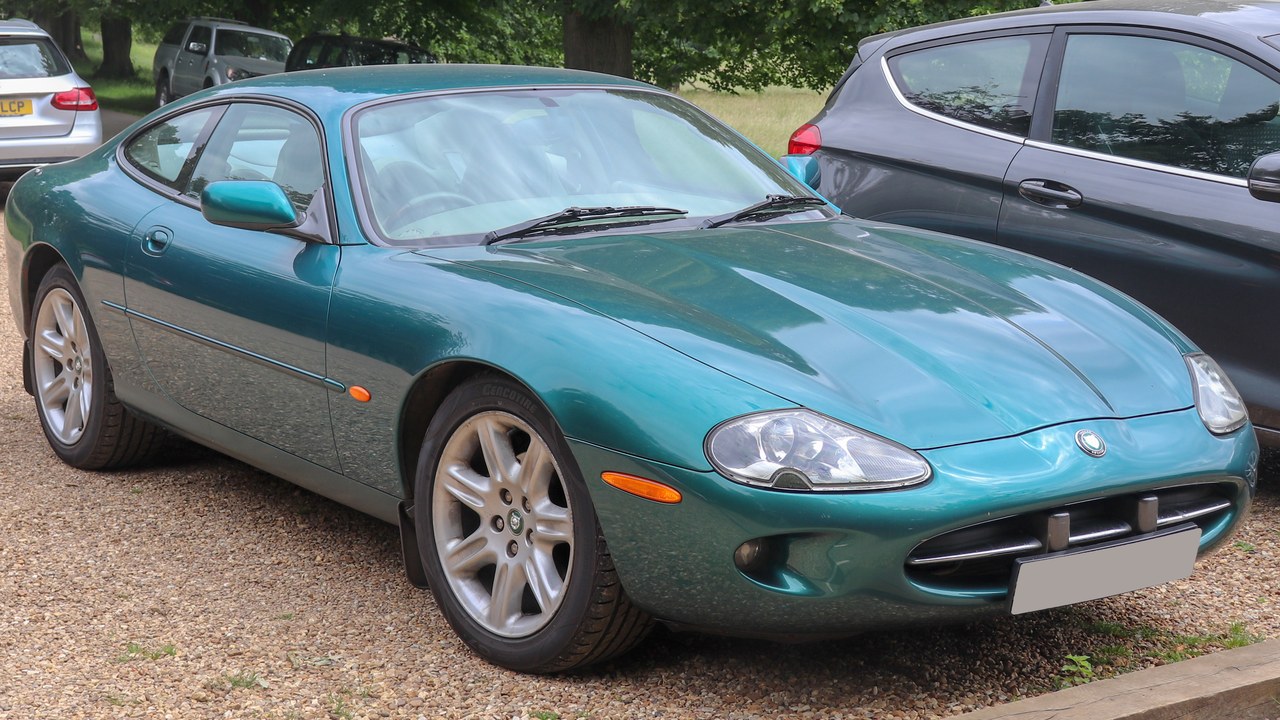
From 1996 to 2005, Jaguar built 90,064 XKs, according to the Wikipedia entry on the X100 generation. The range began with the 290-hp XK8 and grew to include the supercharged XKR, which reached 370 hp and arrived in May 1998.
The gap between 290 and 370 hp makes the XKR the clear choice for drivers wanting more urgency. Both cars share one family and one basic shape, so the engine and the badge are what separate them. Buyers should confirm which version a listing really describes before comparing prices.
7. Jaguar S-Type: Reliability Reset

Launched in 1999 and built until 2008, the S-Type had a rocky start. The Wikipedia history of Jaguar Cars says its early reliability problems were mostly resolved by the 2004 model year.
That detail is useful for used-car shoppers, since model year can matter as much as mileage with this saloon. Later cars are the safer starting point, while the earliest examples call for a careful inspection and a thorough look at service records before any money changes hands.
8. Jaguar X-Type: Mondeo Underpinnings
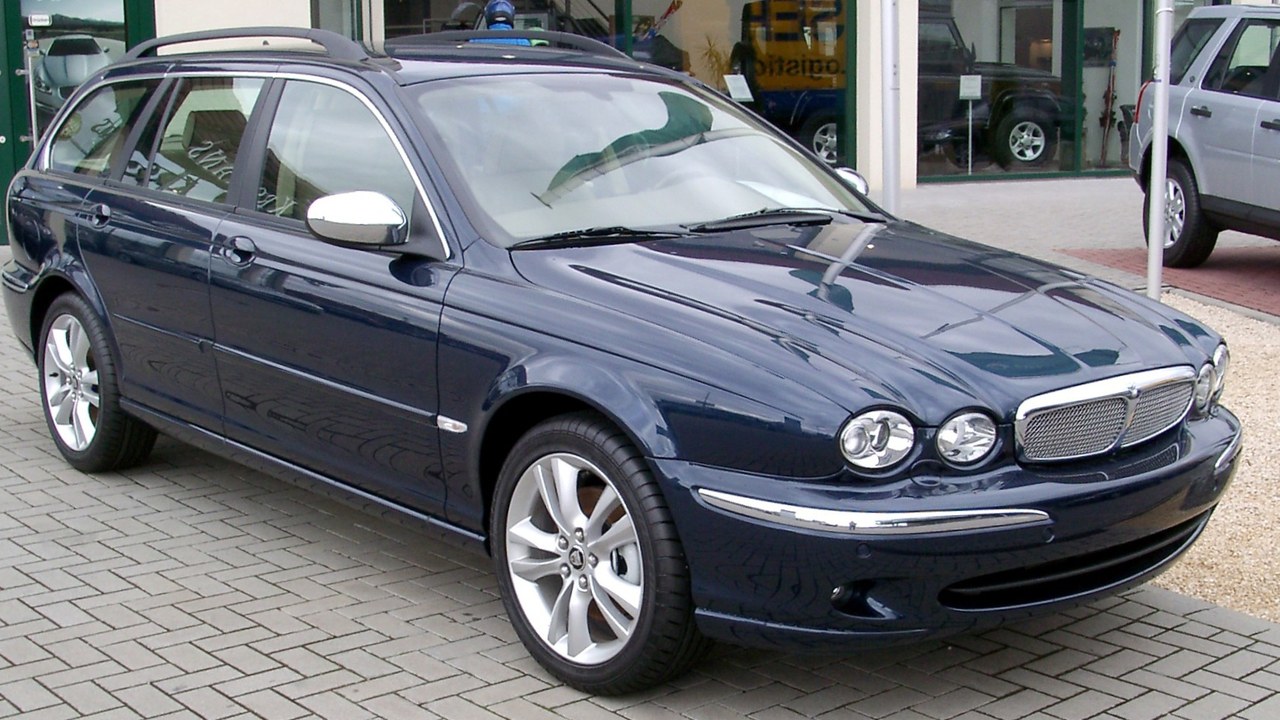
Built on the Ford Mondeo platform, the X-Type totalled 355,227 cars from 2001 to 2009, per the Wikipedia entry on the X-Type. The U.S. was its primary market, yet sales there fell from 21,542 in 2004 to 10,941 in 2005.
Sales roughly halving in a single year shows how quickly demand for an entry-level Jaguar could shift. For owners today, the shared Ford underpinnings are a practical point worth checking when it comes time to source parts or find a mechanic familiar with the car.
9. Jaguar XJ220: Nardo Record
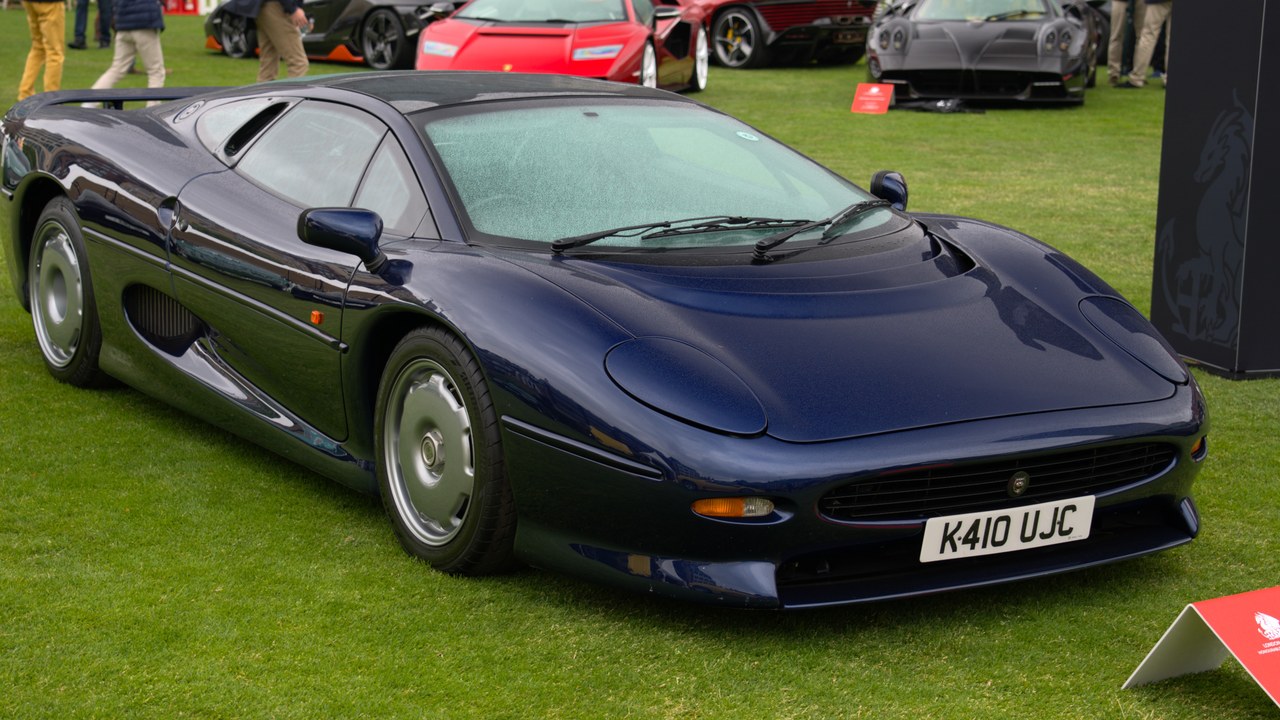
Launched in 1992 with a 542-bhp twin-turbo V6, the XJ220 reached 217 mph at the Nardo track with Martin Brundle driving, per the Wikipedia history of Jaguar Cars. It was confirmed as the fastest production car of its day.
Few cars wear a top-speed claim so squarely at the center of their reputation. The Nardo result gave the supercar a figure that enthusiasts could quote without qualification, and it remains the number most often attached to the model whenever its story is retold.
10. Jaguar F-Type: Sports Car Revival
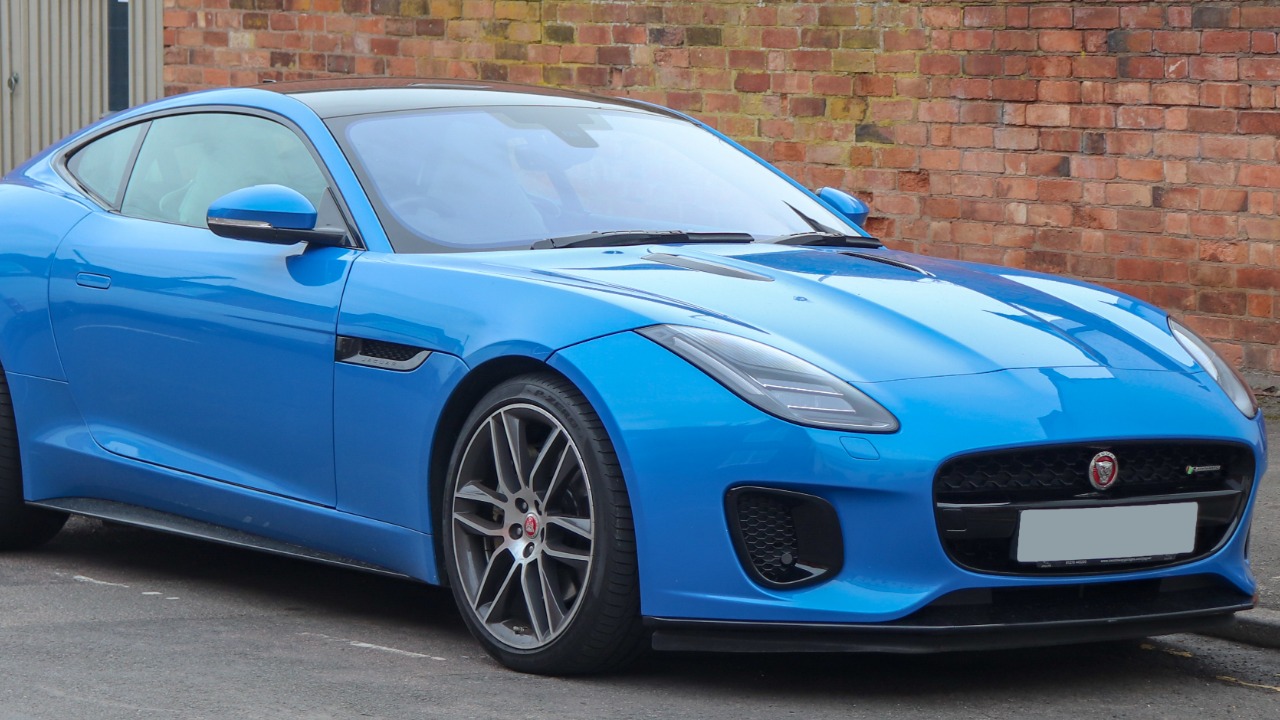
Shown at the 2012 Paris Motor Show and on sale from 2013, the F-Type ended production in June 2024. The Wikipedia history of Jaguar Cars records that 87,731 examples had been built by then.
That total makes it a fairly common modern Jaguar on the used market, so shoppers have choices. Because production has finished, buyers now shop a fixed supply instead of a model still being refreshed, and condition and history are the best guide to a fair price.
11. Jaguar F-Pace: First Jaguar SUV
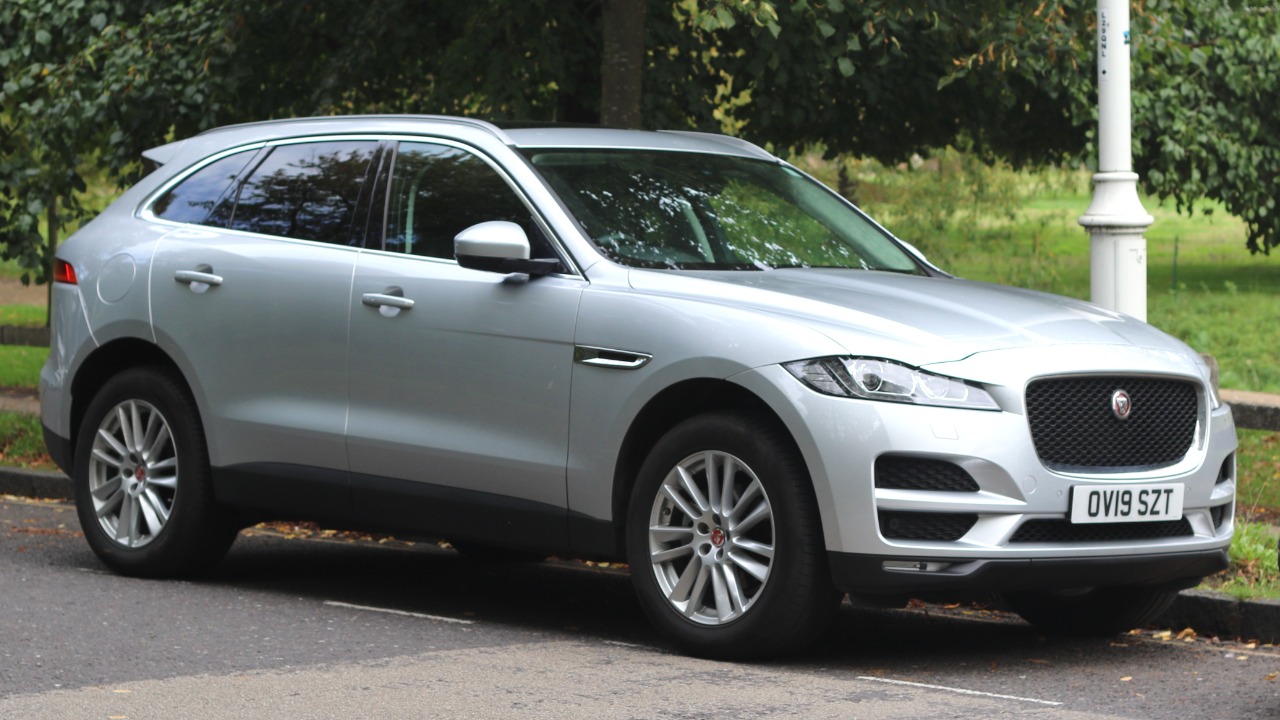
Unveiled in September 2015 as Jaguar’s first SUV, the F-Pace stayed in production for about a decade. The Wikipedia history of Jaguar Cars states that the last one was built on 19 December 2025.
The end date matters for owners, who now drive a discontinued model and may want to think about long-term parts and service support. It also marks a clear chapter, since the brand’s first move into SUVs now has a defined beginning and a defined end.
12. Jaguar I-Pace: Treble Winner
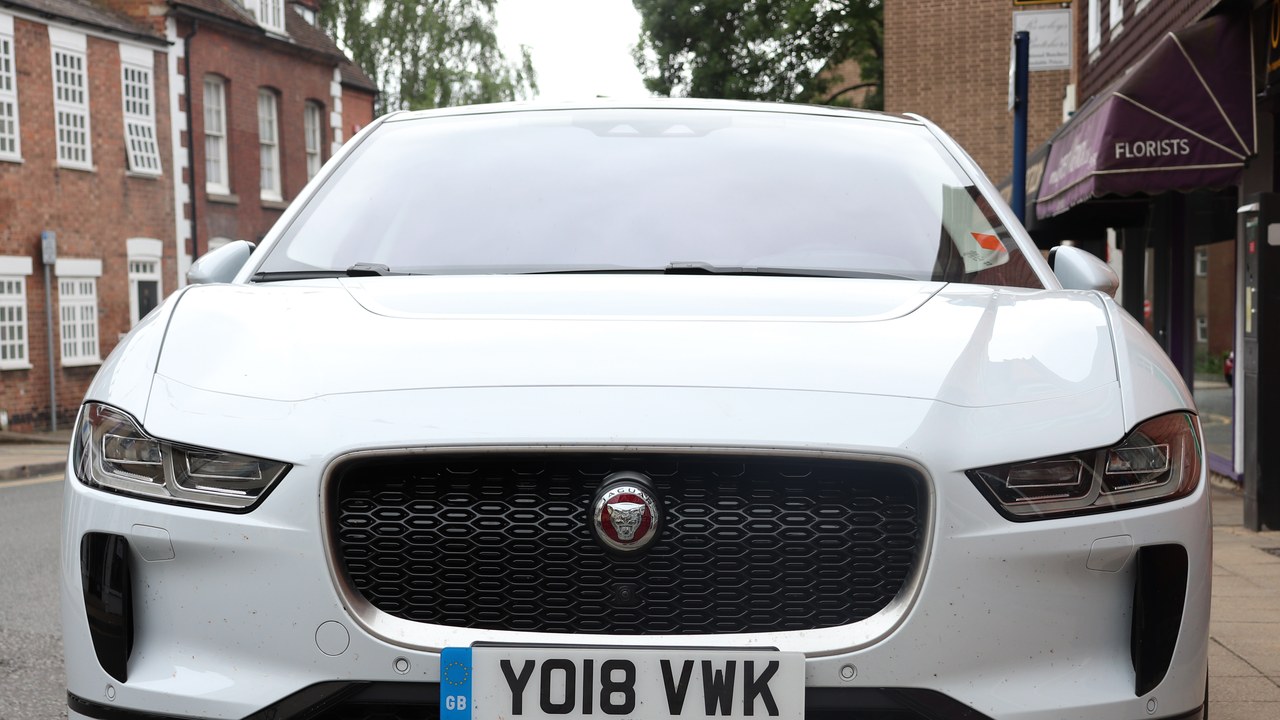
Jaguar’s first battery-electric car won World Car of the Year, Design of the Year and Green Car in April 2019. Jaguar Land Rover’s awards announcement calls it the first model ever to win three World Car titles in the awards’ 15-year history.
Pricing started at $69,500, with an EPA estimate of up to 234 miles. Those figures set the baseline for judging how far electric range and cost have moved since, and they give used-EV shoppers a benchmark to hold against whatever claims a seller makes today.
Save more, waste less: Subscribe to The Cool Down →
We may earn a commission if you sign up.
More from Morning Overview
- Regulators cleared the first U.S. small modular reactor, 4 months early
- Lake Powell sank to a record 3,517 feet, nearing the level that stops Glen Canyon Dam’s turbines
- Seven of Earth’s nine planetary boundaries are breached, and all seven are worsening
- The NSA says three phone features should be off whenever you aren’t using them
