
Building a car’s structure mostly from carbon fiber rather than steel or aluminum cuts weight dramatically while adding stiffness, at the cost of far higher manufacturing complexity and price. The technique moved from Formula 1 into road cars gradually, starting with a handful of exotic hypercars before a few manufacturers pushed it toward wider production. The following gallery counts down ten cars with bodies built mostly that way.
1. McLaren F1: The First Carbon Road Car

McLaren gave the F1 a full carbon-fiber monocoque in 1992, the first road car ever built that way, and hand-laid each tub over roughly 3,000 man-hours of skilled labor. That carbon tub came directly out of McLaren’s Formula 1 program, applied to a street car years before any rival attempted it.
Every carbon-tubbed hypercar built since, from the Bugatti Veyron to the Ferrari LaFerrari, effectively followed a path the F1 opened first, which is part of why the car still commands such outsized respect among engineers.
2. BMW i3: A Carbon Cell Built By The Millions

BMW built the i3’s passenger cell entirely from carbon-fiber-reinforced plastic, the first time any automaker had put the material into true mass production rather than a low-volume halo car. BMW’s Life module sat atop an aluminum drive module, splitting the car’s structure into two purpose-built layers.
BMW built a dedicated carbon-fiber plant specifically to make the i3 affordable at scale, a level of manufacturing investment that no other carmaker had committed to a material once reserved for cars costing many times as much.
3. Pagani Huayra: Pagani’s Own Carbon Blend

Pagani developed its own proprietary composites for the Huayra, called Carbo-Titanium HP62 G2 for the body panels and Carbo-Triax for structural sections of the tub. Those in-house materials let a tiny, independent automaker match the carbon construction of far larger rivals.
Founder Horacio Pagani came out of Lamborghini’s composites department before starting his own company in the 1990s, and the Huayra’s blend of exotic proprietary weaves reflects a long-running obsession with carbon fiber that goes back to his earliest projects there, decades before the Huayra itself existed.
4. Ford GT: Carbon Bodywork, Cut Further For Track Use

Ford wrapped the modern GT’s chassis in full carbon-fiber bodywork and gave it carbon-fiber wheels as well, an unusually complete commitment to the material for a car sold through regular Ford dealerships. The Carbon Series variant went further still, trimming about 40 additional pounds by leaving more of the weave exposed.
Ford built the GT in extremely limited numbers and required buyers to apply for the privilege of purchasing one, treating the carbon-intensive supercar as a halo project rather than a volume model.
5. Lexus LFA: A Toyota-Woven Carbon Structure

Lexus built roughly 65 percent of the LFA’s structure from carbon-fiber composite, woven on custom looms that parent company Toyota developed specifically for the project rather than buying finished carbon parts from an outside supplier. That in-house weaving process took years to perfect before the car ever reached production.
Lexus built only 500 LFAs at a reported loss on every single one over two model years, treating the whole program as a technology showcase for carbon-fiber manufacturing techniques the wider Toyota brand would go on to apply elsewhere afterward.
6. Lamborghini Aventador: A Carbon Tub Under Aluminum Skin

Lamborghini built the Aventador around a carbon-fiber monocoque tub weighing roughly 147.5 kilograms, with composite body panels covering the structure rather than forming it. That carbon monocoque replaced the aluminum spaceframe Lamborghini had used in the outgoing Murciélago, a major structural jump for the brand.
Lamborghini developed the Aventador’s carbon tub with direct help from its parent company Audi’s motorsport-honed composites expertise, marrying Italian styling with German manufacturing discipline in a way the brand had not really managed to do before that partnership.
7. Mercedes-Benz SLR McLaren: Formula 1 Crash Structures On The Street

Mercedes-Benz and McLaren built the SLR’s body and front crash structures from carbon fiber, borrowing crumple-zone engineering directly from their joint Formula 1 program at the time. Those carbon-fiber structures let the SLR absorb impact energy in a way steel bodywork of the same era struggled to match.
The SLR paired that F1-derived carbon safety technology with a supercharged front-mounted V8 rather than a mid-engine layout, an unusual choice for a carbon-intensive car that more typically puts its engine behind the driver instead.
8. Alfa Romeo 4C: A Featherweight Italian Carbon Tub
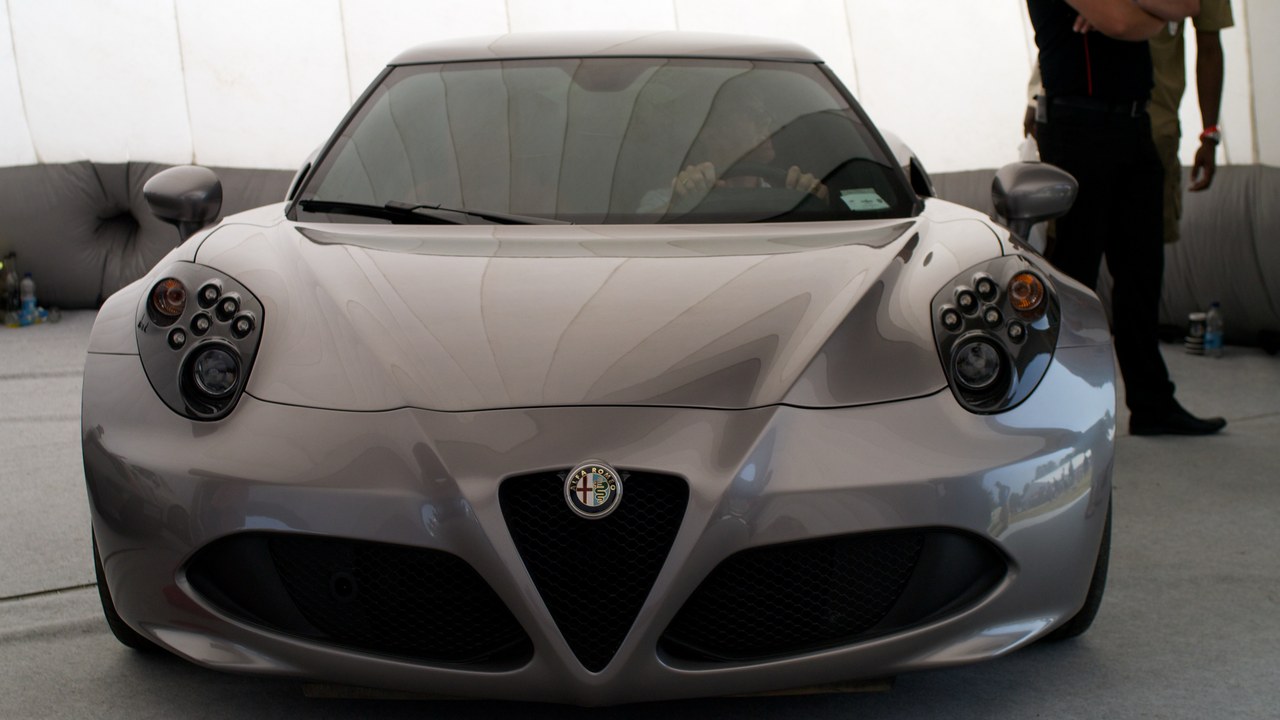
Alfa Romeo built the 4C around a carbon-fiber monocoque tub weighing only about 65 kilograms, a genuinely tiny figure that let the rest of the car stay light without exotic materials everywhere else. That carbon structure sat under mostly composite body panels, keeping the 4C’s overall weight well below most of its rivals.
Alfa Romeo used the 4C’s ultra-light carbon tub to justify skipping power steering entirely on early cars, betting that low weight alone would keep the steering manageable without hydraulic or electric assistance.
9. Ferrari LaFerrari: An F1 Department’s Hand-Laid Monocoque

Ferrari had its own Formula 1 department hand-lay the LaFerrari’s monocoque using four different types of carbon fiber, chosen for their differing stiffness and weight in different sections of the structure. That hand-built monocoque served as the load-bearing structure for both the V12 engine and the hybrid system’s electric motor.
Ferrari built only 499 coupes plus a later Aperta convertible version, all sold to hand-picked existing customers rather than through open order books, treating carbon-fiber construction as part of the car’s exclusivity.
10. Koenigsegg Regera: A Carbon Chassis, Left Bare By Choice

Koenigsegg built the Regera’s chassis and body entirely from carbon fiber, and offered exterior panels finished in bare, unpainted carbon weave for buyers who wanted the structure visible rather than hidden under paint. That naked-carbon option turned the manufacturing material itself into a visible styling feature.
Koenigsegg paired the Regera’s all-carbon structure with a direct-drive transmission that has no traditional gearbox at all, another example of the small Swedish manufacturer engineering its own solution rather than adapting an existing one.
More from Morning Overview
