
A soft convertible top drops speed and rattles at highway pace, so some sports and sporty coupes swapped it for a solid panel instead. Twin T-tops, a single targa roof, or a lift-out steel section let the sun in without sacrificing structural rigidity or a locking trunk. Here are ten cars that traded a folding fabric roof for a panel drivers lift, twist, or unbolt by hand.
1. Chevrolet Corvette C5: Three Latches One Lift
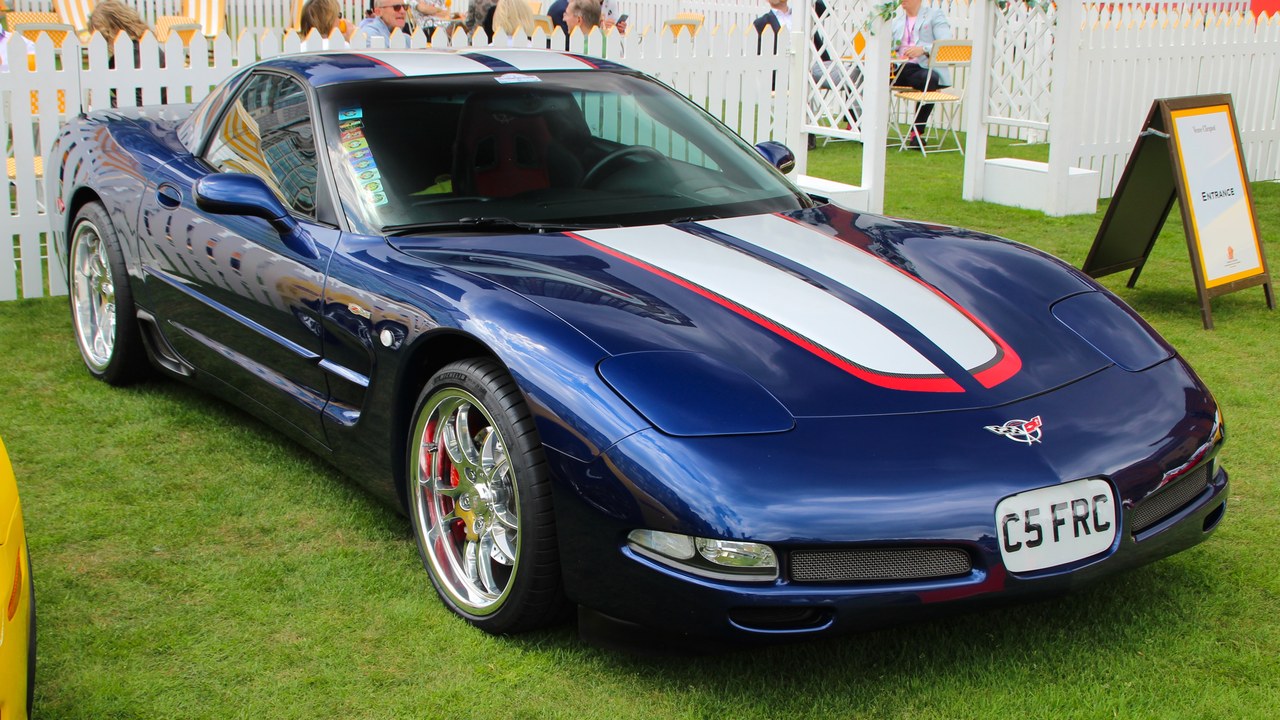
On the C5 generation, three interior latches free a body-colored targa panel that lifts straight out of the roof opening, and the panel slides neatly into a padded slot inside the trunk according to this Corvette feature rundown, leaving the rest of the structure just as rigid as the fixed-roof version.
Removing it takes one person about a minute, and reinstalling it restores a near-silent cabin, a trade-off buyers of the contemporary convertible never got at highway speed. Enthusiasts still track down an unmarked panel to swap paint schemes for weekend shows.
2. Porsche 911 Targa: Cabriolet Without The Compromise
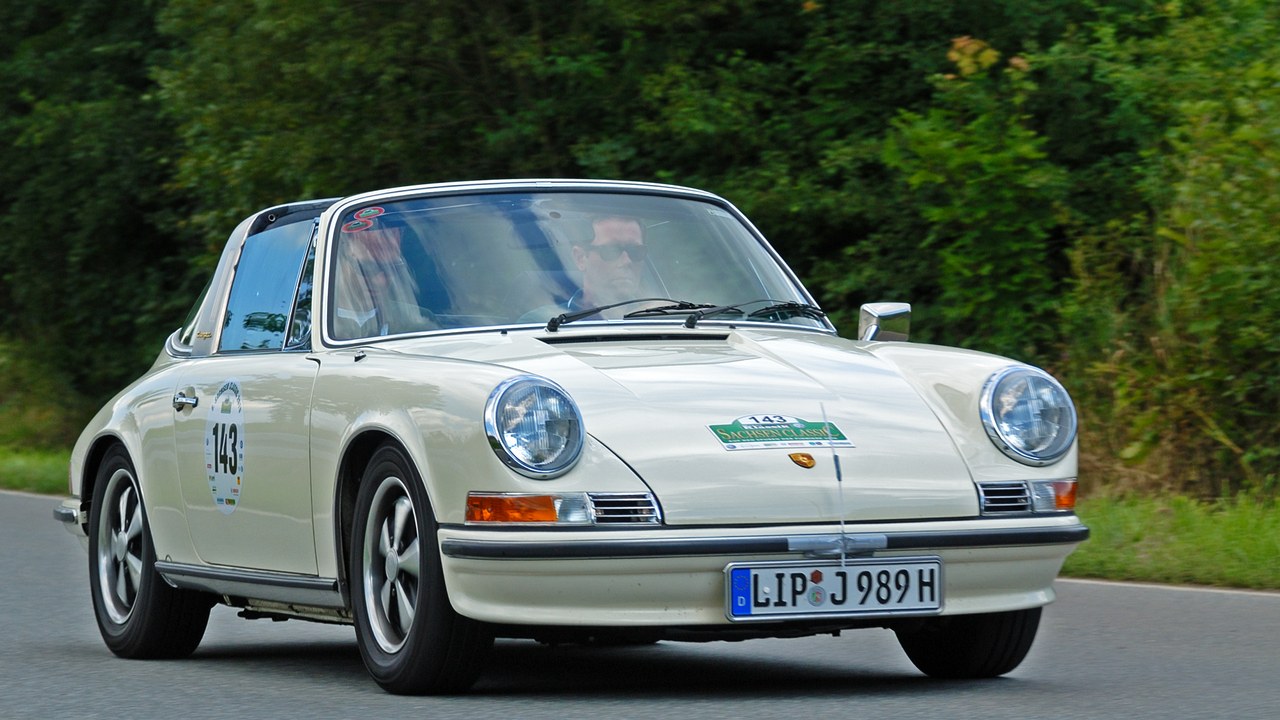
Porsche introduced the Targa in 1965 as what it called the first safety cabriolet, pairing a fixed stainless roll bar with a lift-out center roof panel that owners could stow in the trunk, a design detailed in Porsche’s own Targa history as a direct response to proposed American rollover rules.
The soft rear window folded down separately at first, and later cars swapped it for fixed glass, but the bar and the removable panel carried through every generation that followed.
3. Toyota Supra A70: Four Bolts To Open Air
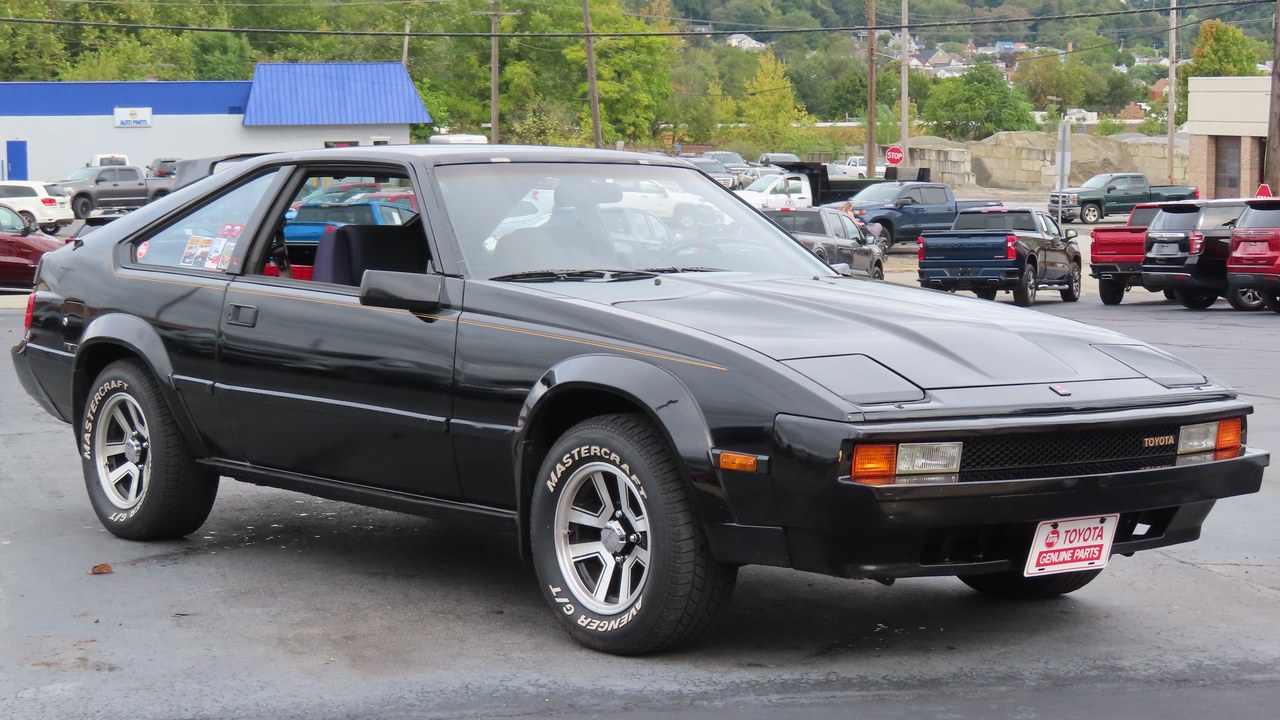
Toyota’s third-generation Supra offered a factory Sport Roof option, a steel targa panel secured by four bolts that a single owner could remove in a driveway, and a detailed buyer’s guide to the A70 notes the panel then rides in a felt-lined bag behind the seats.
Rust around the mounting bolts and a warped headliner are the two flaws inspectors check first, since either one turns a quiet cruiser into a rattling, leaky cabin at speed. Buyers who find both intact treat the car as the more usable alternative to the era’s targa-roofed rivals.
4. Nissan 300ZX: The Rare Solid Roof
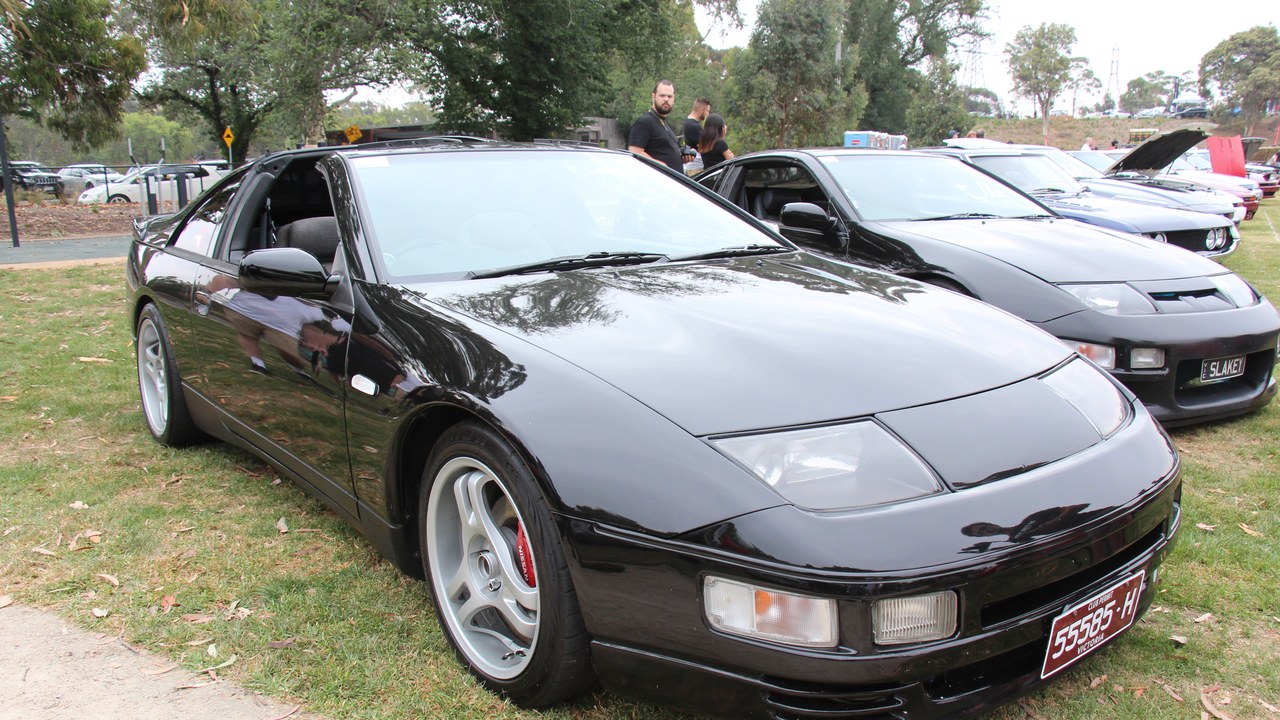
Nissan built most Z32-generation 300ZX coupes with a pair of removable T-top panels as the default configuration, and Hagerty’s Z32 buying guide notes that the fixed-roof version left showrooms in far smaller numbers.
Each panel locks into rubber-sealed channels along the windshield header and rear glass, and both stow in a shared trunk case so the car keeps its shape at any speed. Collectors now hunt the solid-roof cars specifically for that rarity. A worn seal is the one detail that turns those T-tops from a feature into a source of wind noise.
5. Ford Bronco: Four Panels One Person
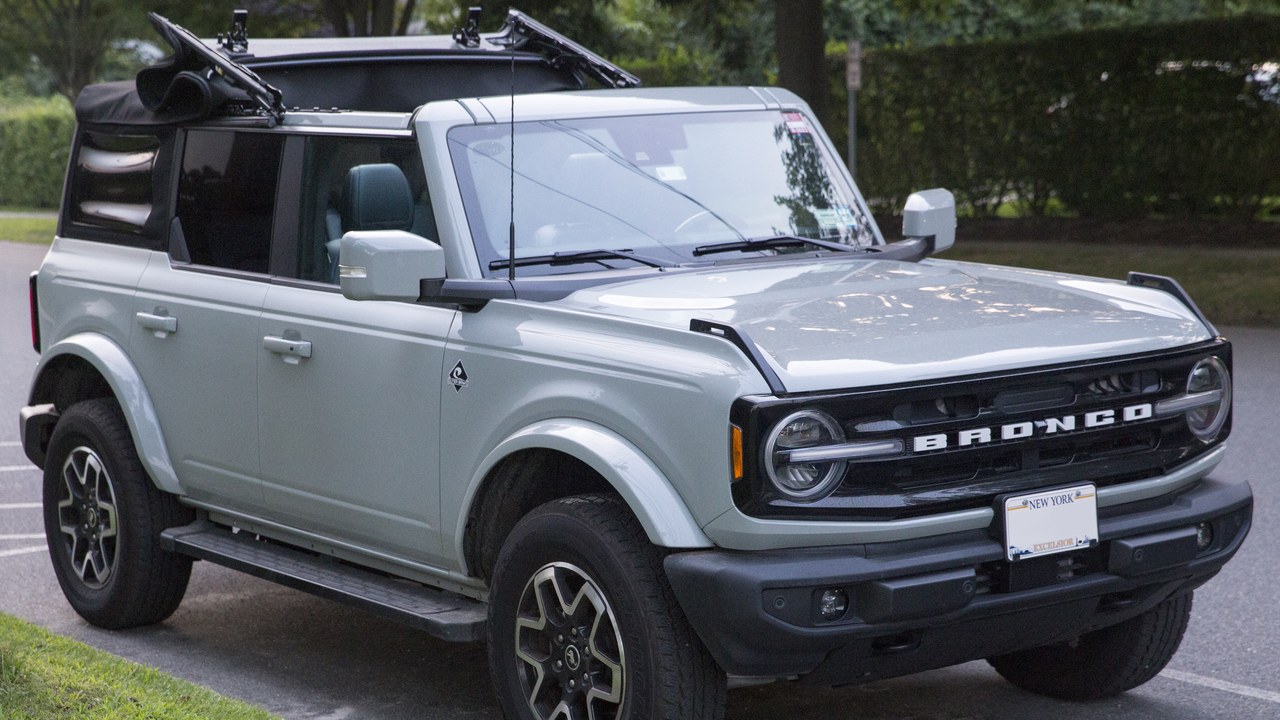
Ford engineered the four-door Bronco’s modular hard top to split into four separate panels, each light enough for one person to lift off without tools, a design Autoblog’s roof breakdown credited to lessons from the original Jeep-fighting SUVs of the 1970s and 1980s.
Two-door models get a simpler split-top arrangement, and every panel stores in the garage rather than the cargo area, freeing the whole trunk floor for gear on an open-air trail run. Owners still budget extra time for reinstalling the sound-deadening hardware correctly.
6. Fiat X1/9: Stow It Up Front
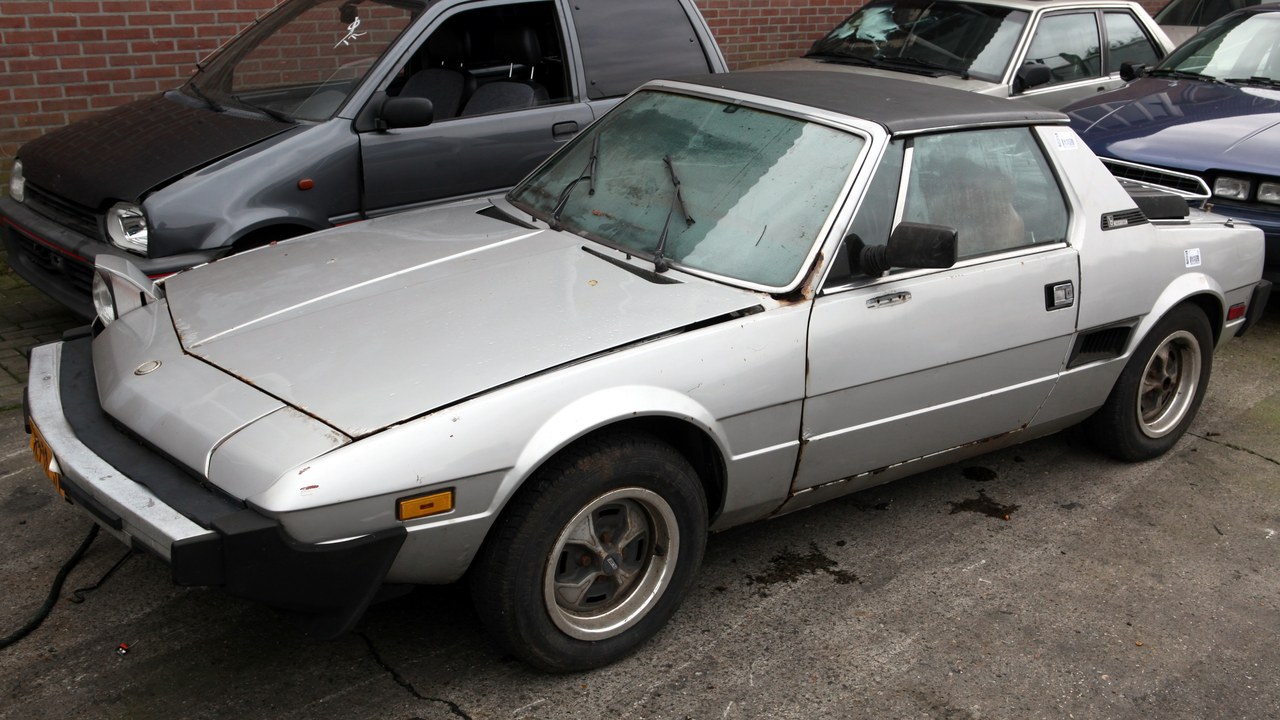
The Bertone-designed X1/9 carries its removable hardtop panel under the front bonnet once it comes off, a packaging trick the car’s Wikipedia entry ties to the mid-engine layout that left the rear boot completely free for luggage.
That arrangement gave the small wedge two separate cargo areas even with the roof stowed, a rare trick among targa-roofed cars of the 1970s, most of which sacrificed trunk space to store the panel. Rust around the bonnet hinges is the detail inspectors flag most on surviving cars today.
7. Honda CR-X del Sol: Honda’s Targa Take
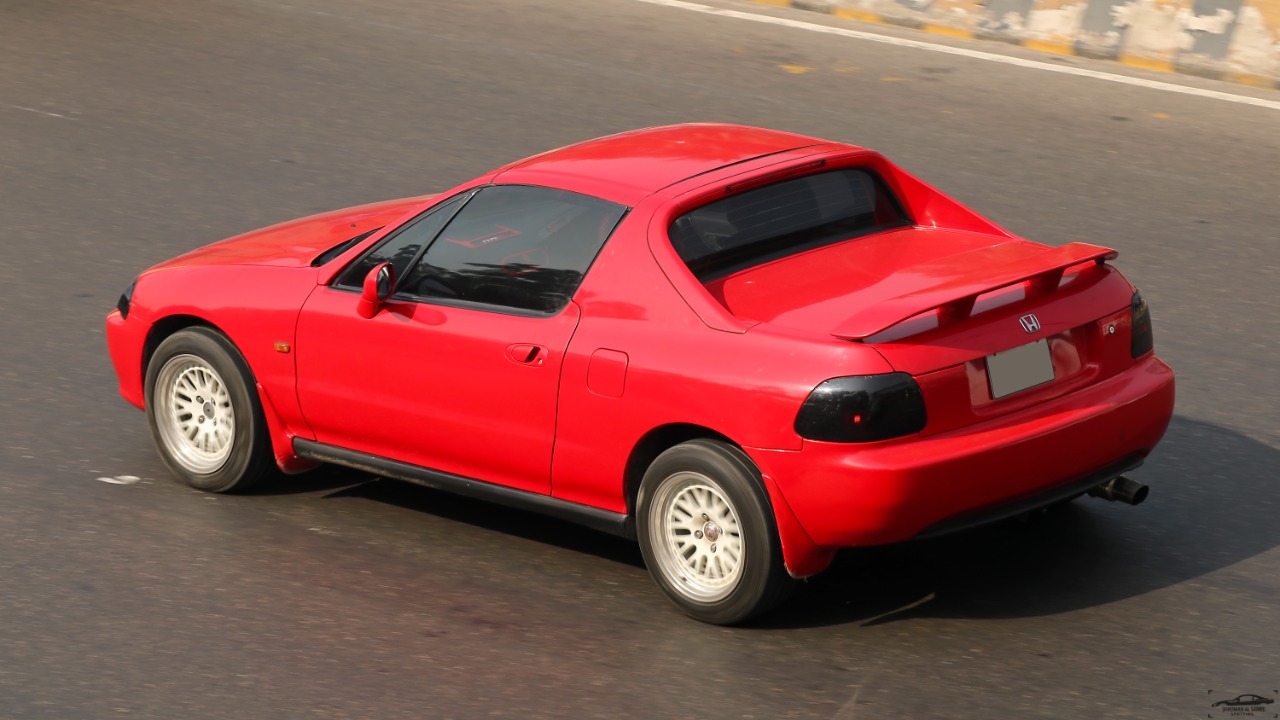
Honda built the CR-X del Sol around a lift-out targa panel, backed by a full-width structural bar mounted behind the seats to keep the body rigid once the roof came off, a layout the general targa-top reference entry lists alongside the format’s other mainstream examples.
Later versions added a power-retracting mechanism called Transtop that lowered the panel into the trunk automatically, though the manual lift-out version stayed lighter and simpler to maintain over time. Either way, the full-width bar behind the seats remained the structural key to the design.
8. Ferrari F355 GTS: Ferrari’s Middle Ground
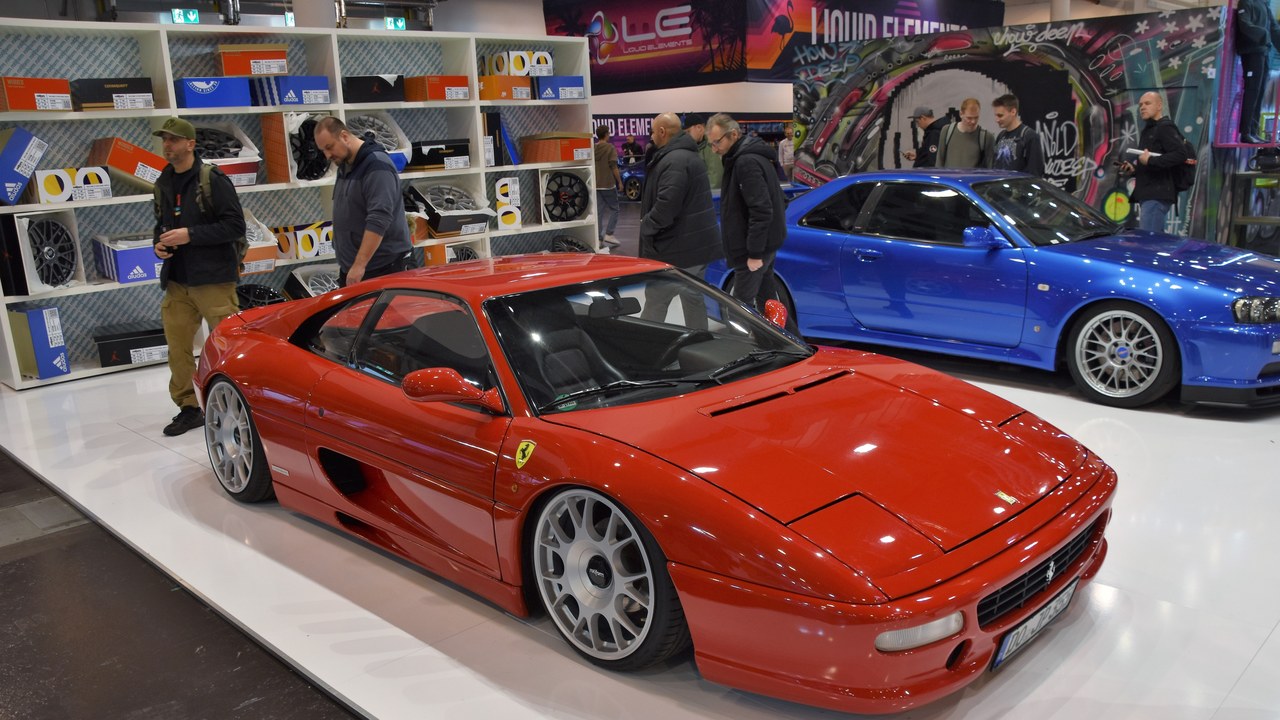
Ferrari positioned the F355 GTS between the fixed-roof Berlinetta and the fully open Spider, swapping the coupe’s solid roof for a lift-out targa panel that stows behind the seats, a configuration that targa-top format overview groups with other mid-engine exotics of the same era.
The panel adds a few extra pounds over the closed coupe, but owners get most of the Spider’s open-air feel while keeping the coupe’s stiffer chassis and lower cabin noise on the highway. Values for the GTS now track closely with the Spider despite the roof difference.
9. Pontiac Firebird: Twin Panels One Spine

Pontiac added T-tops to the Firebird lineup starting in 1976, splitting the roof into twin glass-and-steel panels on either side of a fixed center spine, an arrangement the T-top reference entry traces back to Detroit’s search for open-air feel without a full convertible’s cowl shake.
Each panel locks at the windshield header and unlatches at the spine, then stows in a pair of vinyl bags that came standard with the option well into the 1980s. The layout carried through later Firebird generations largely unchanged.
10. Toyota MR2: Two Panels One Bar
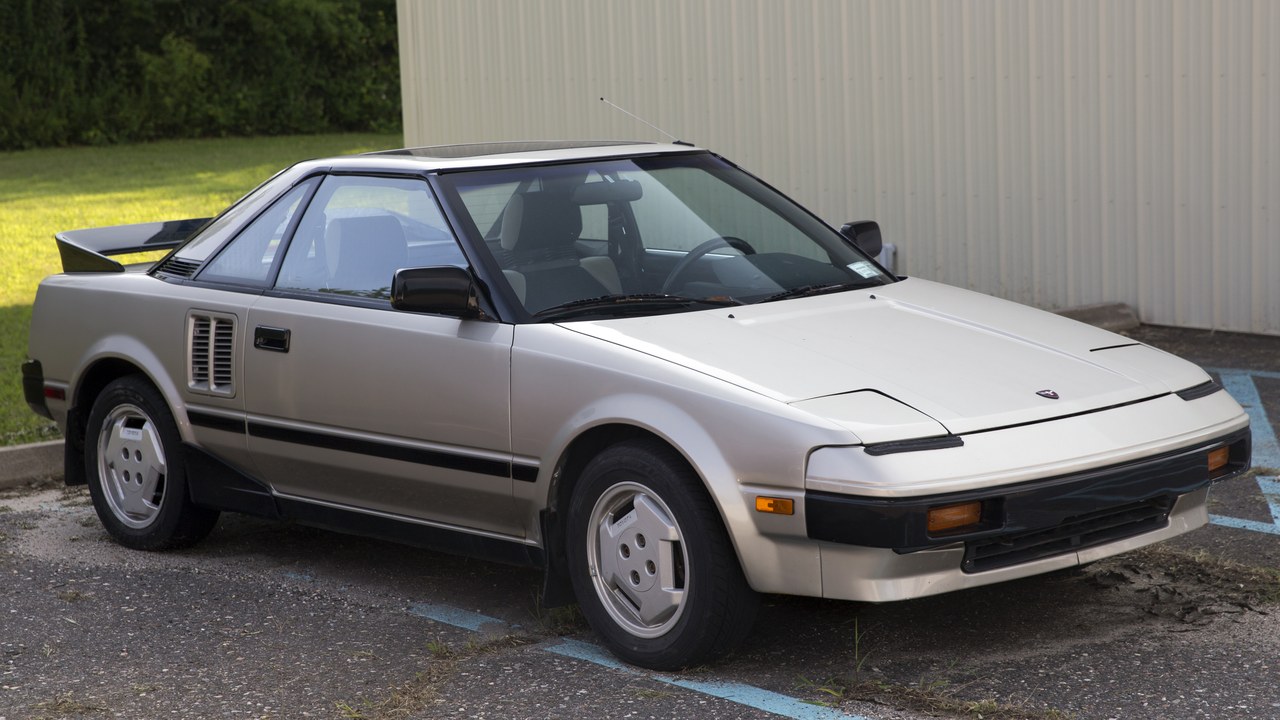
Toyota offered a T-bar roof on both the AW11 and SW20 generations of the MR2, fitting two lift-out panels around a fixed center bar rather than a single wide targa opening, a configuration the T-top format guide lists among the format’s smaller sports-car applications.
The bar keeps the mid-engine chassis stiff enough for the sharp handling the MR2 was known for, while both panels stow together in a shared trunk-mounted bag behind the engine cover. Later coupe-only trims dropped the option, making T-bar cars the ones enthusiasts seek out today.
More from Morning Overview
- Four U.S. startups fired up their first small nuclear reactors, aiming to power AI data centers on-site
- 11 engines built to run well past 200,000 miles
- A handful of car transmissions are so tough that mechanics say they almost never die
- Card skimmers hidden on gas pumps are draining accounts, and there’s a quick way to spot them
