
Automotive beauty is fiercely debated, yet a handful of designs earn near-universal reverence from collectors, critics, and enthusiasts alike. These machines pair sculpted bodywork with engineering ambition, becoming cultural touchstones far beyond any racetrack or showroom. From gullwing doors to endless curves, the following list gathers ten.
1. Jaguar E-Type: The Bonnet That Stopped Traffic
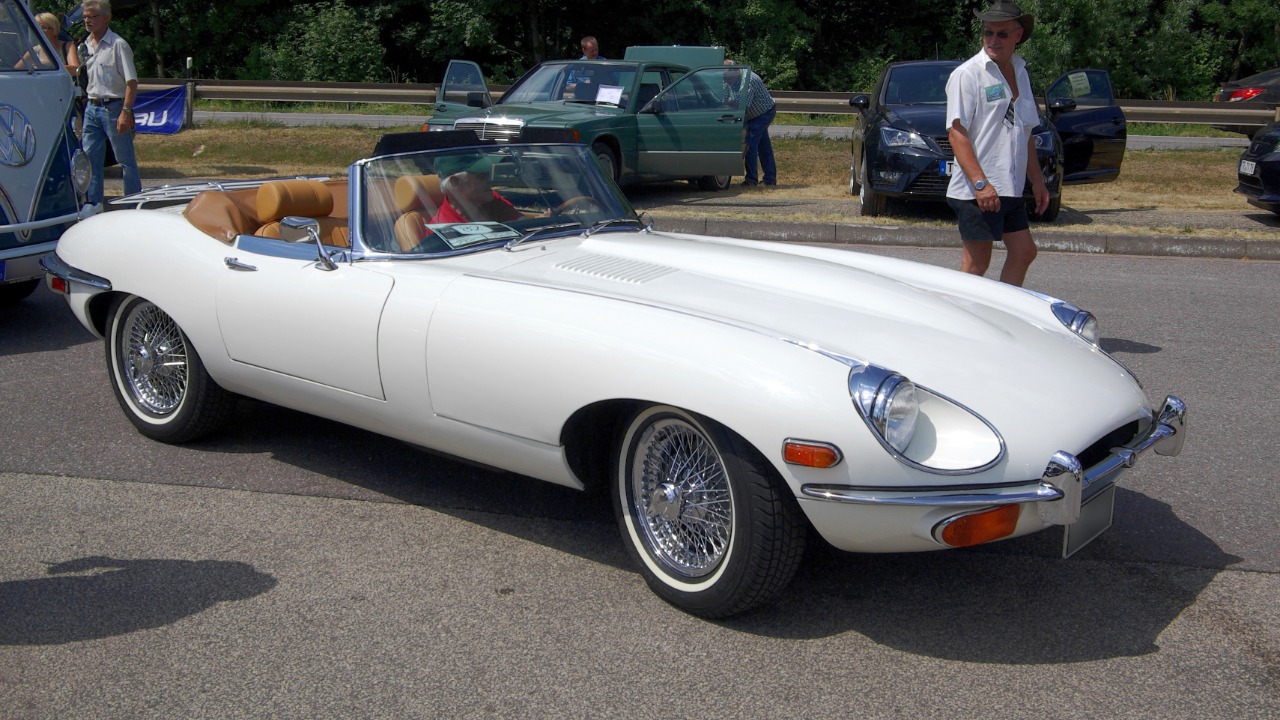
Few silhouettes command the reverence of the Jaguar E-Type, whose impossibly long bonnet and low haunches stunned crowds at the 1961 Geneva motor show. Enzo Ferrari reportedly called it the most beautiful car ever built, a compliment that has trailed the British grand tourer ever since.
That verdict proved durable rather than fleeting. The design still anchors museum retrospectives and commands strong auction prices, evidence that its curves have aged into something closer to permanence than nostalgia, admired even by people who have never once sat behind its wheel.
2. Aston Martin DB5: Understated Glamour On Screen
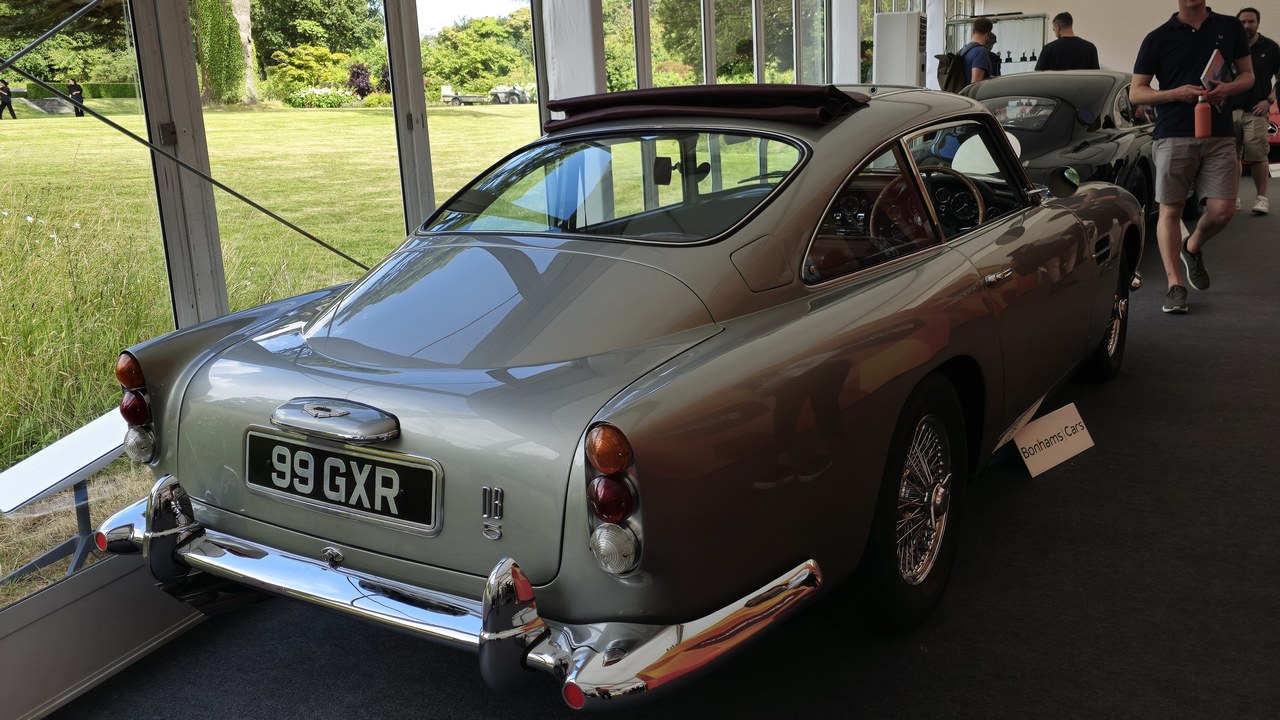
Elegance rarely finds a better ambassador than the Aston Martin DB5, the silver coupe forever linked to James Bond after its 1964 screen debut in Goldfinger. A restrained grille, gentle roofline, and hand-formed aluminum body made the Gaydon-built coupe a template for tailored luxury.
Cinematic fame only amplified an already exquisite shape. Restored examples now change hands for seven figures, and the design remains shorthand for a certain kind of unhurried, well-cut glamour that later Aston models have chased repeatedly but seldom matched with the same quiet confidence.
3. Chevrolet Corvette Sting Ray: The Split Window That Vanished
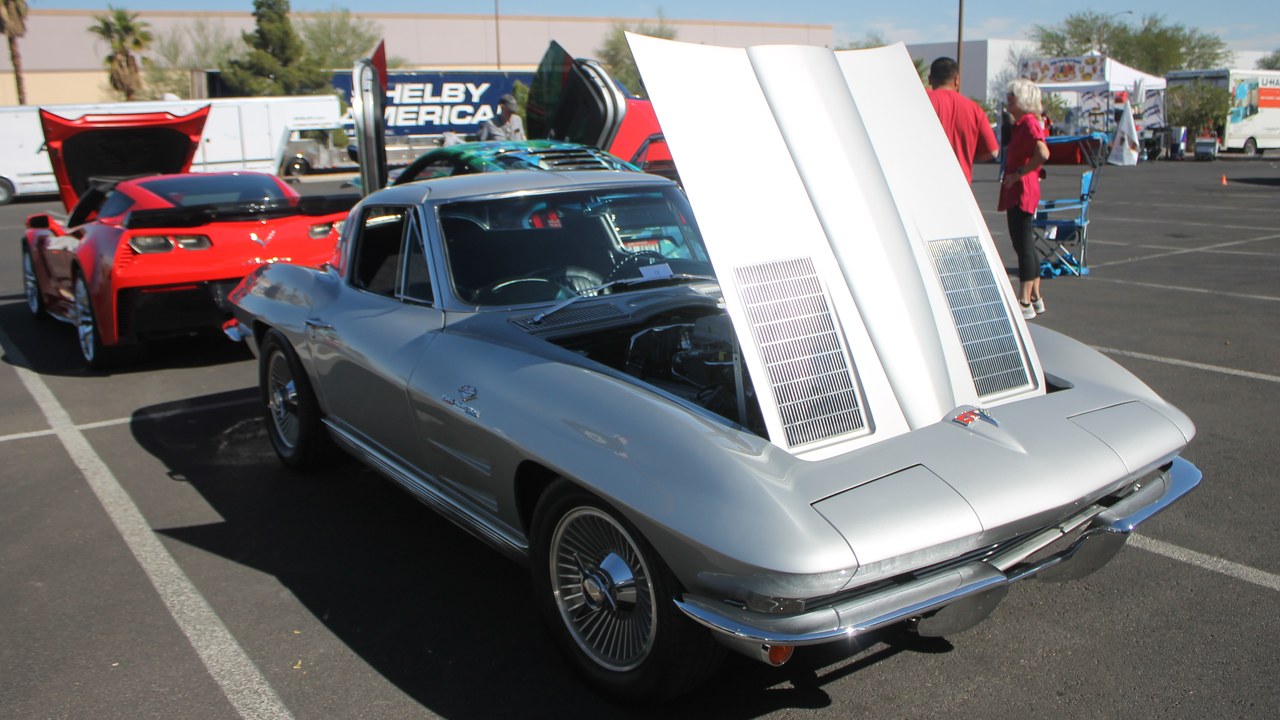
American design reached a high point with the Chevrolet Corvette Sting Ray, especially the 1963 coupe whose split rear window divided its glass into two dramatic panes. Bill Mitchell’s knife-edge fenders and pointed tail gave the second-generation Corvette a predatory stance.
The split window survived a single model year before visibility complaints ended it, which only deepened the mystique. Collectors now prize that 1963 coupe above nearly any other Corvette, treating its brief, controversial styling flourish as a genuine piece of rolling sculpture rather than a mere production quirk.
4. Ferrari 250 GTO: Shaped As Much By Wind
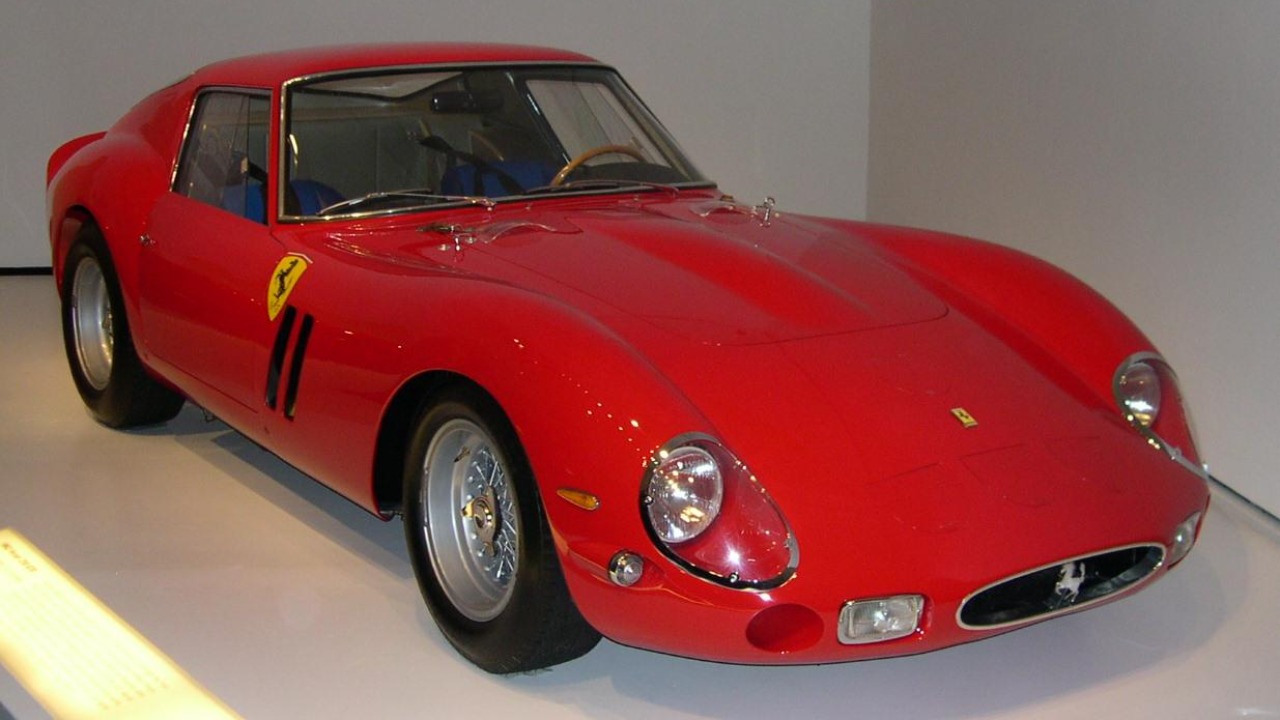
Racing pedigree and sensual bodywork converge in the Ferrari 250 GTO, a limited competition machine built in the early 1960s and formed as much by airflow as by intent. Only thirty-six were made, and the Maranello coupe now ranks among the most valuable cars alive.
Auction results tell the story bluntly. Individual examples have traded for tens of millions of dollars, figures that reflect scarcity and provenance yet also a shape enthusiasts routinely place at the summit of automotive art, far above its already formidable reputation as motorsport hardware.
5. Mercedes-Benz 300SL: Doors That Became Theater
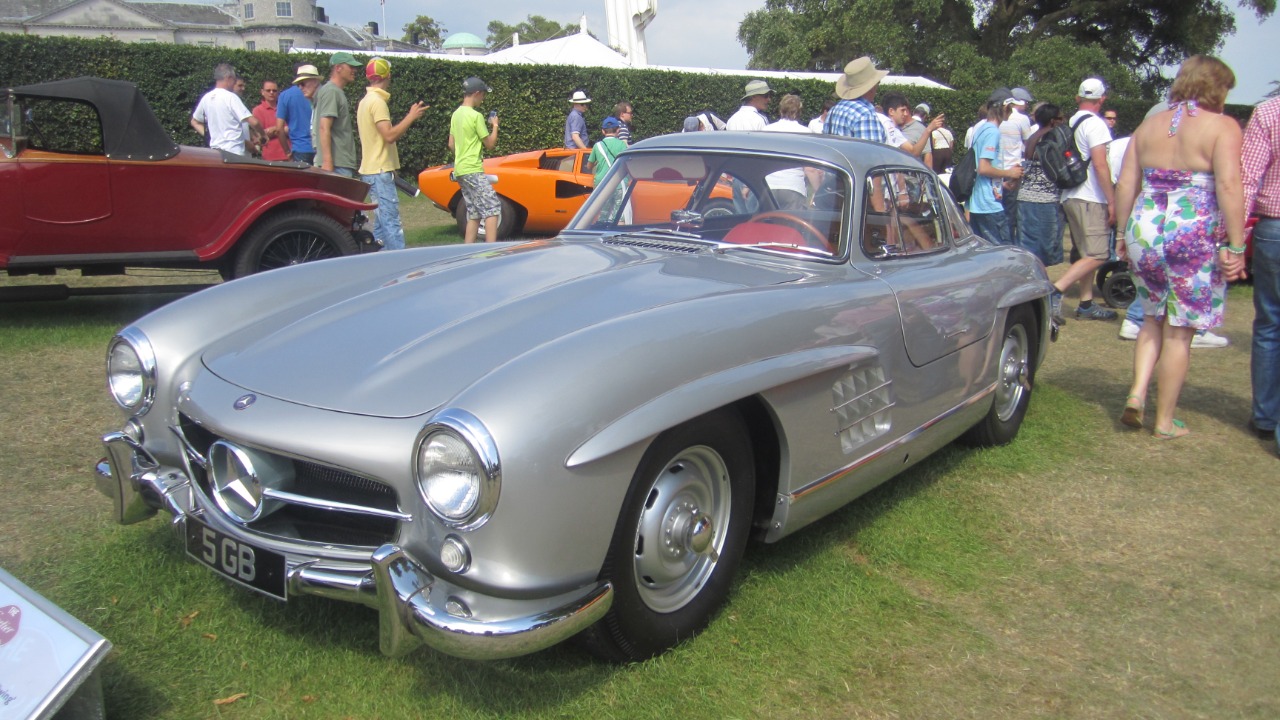
Engineering necessity produced unexpected drama in the Mercedes-Benz 300SL, whose upward-swinging gullwing doors arose from a tubular chassis too tall for conventional hinges. Introduced in 1954, the gullwing coupe paired that theatrical entry with a smoothly tapered aluminum body.
Function became spectacle almost by accident. Those doors turned a fast, fuel-injected sports car into an enduring icon, and surviving coupes remain among the most coveted postwar collectibles, celebrated as warmly in design circles as among the speed-obsessed vintage racers who campaign them today.
6. Porsche 911: One Profile Refined For Decades
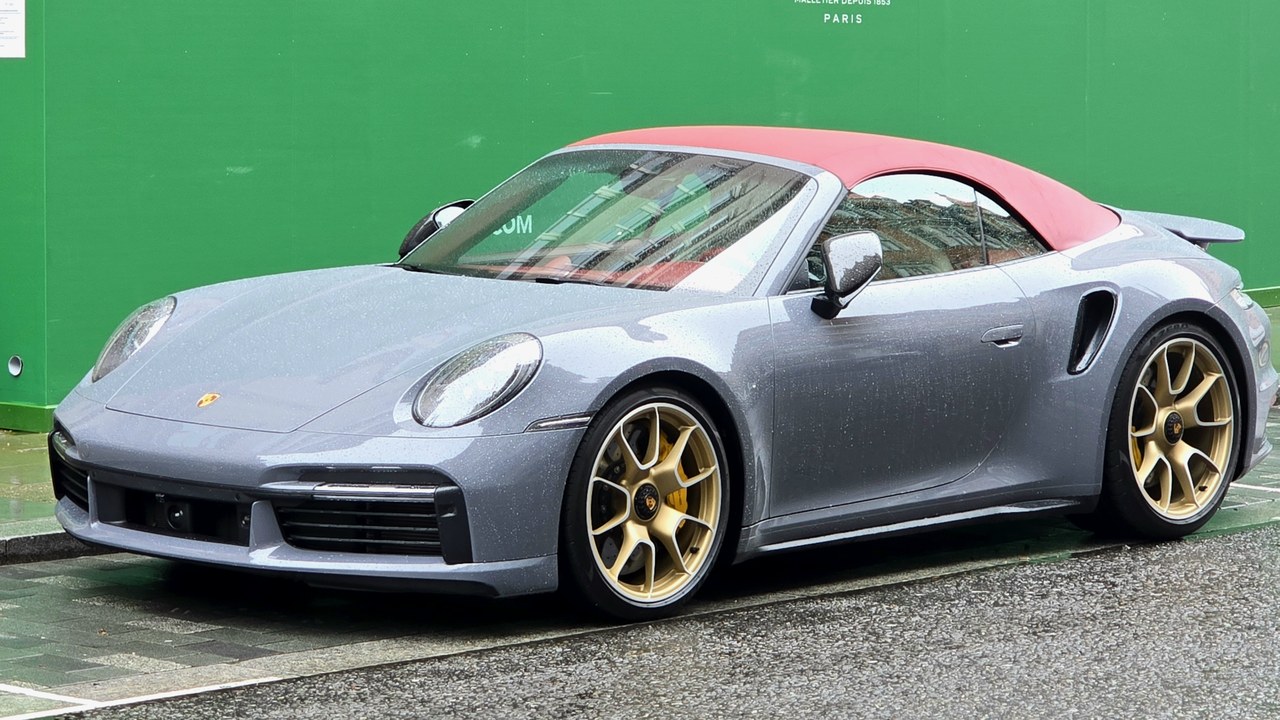
Consistency is its own kind of beauty, and the Porsche 911 has refined a single rear-engine profile since 1963 without ever abandoning it. A sloping roof, round headlights, and haunched rear fenders keep every generation of the Stuttgart sports car instantly recognizable.
Evolution rather than revolution defines the approach. Each redesign nudges proportions and technology forward while preserving the original outline, a discipline that has kept the model contemporary across six decades even as rivals reinvented themselves repeatedly and often misplaced their own identity along the way.
7. Ford GT40: Forty Inches Of Menace
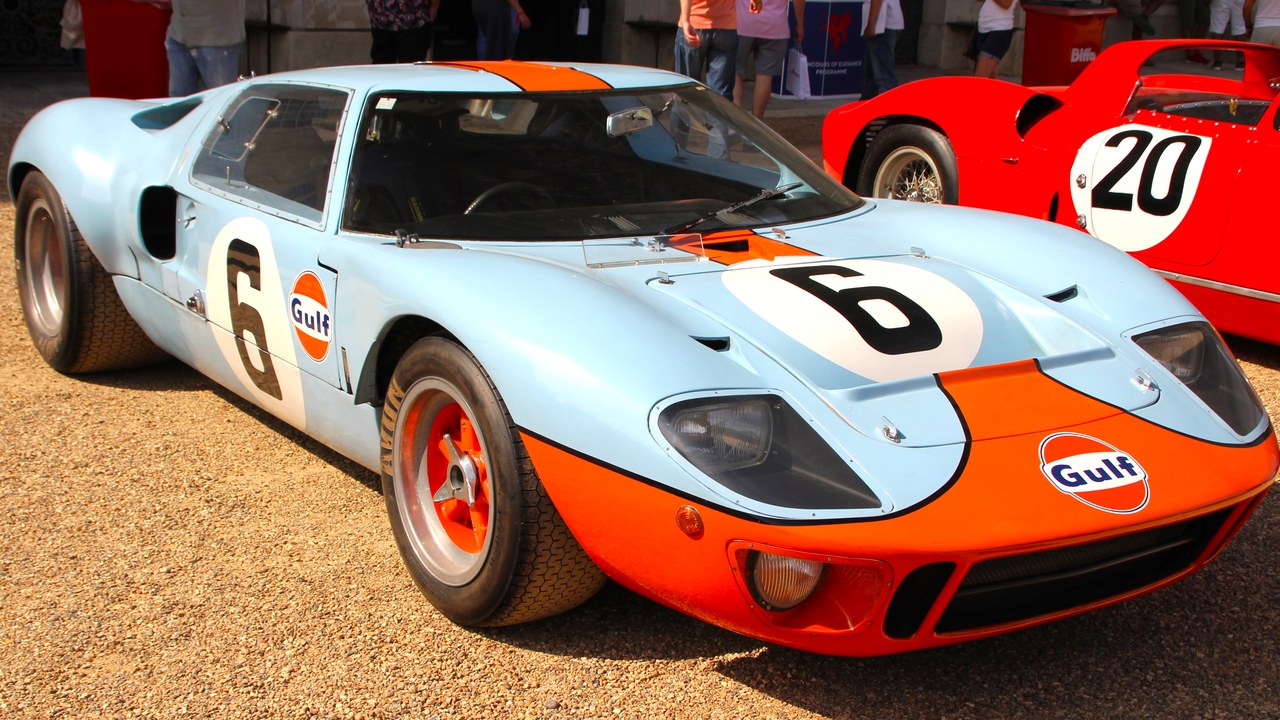
Purpose sculpted the Ford GT40, a car standing barely forty inches tall and built expressly to beat Ferrari at Le Mans during the 1960s. Its low, wide body and cab-forward stance gave the American endurance racer a menacing horizontal presence.
Beauty here followed from aerodynamics rather than ornament. The GT40 won Le Mans four consecutive times and later inspired a modern road-going tribute, proof that a shape dictated purely by speed can still read as one of the most striking machines ever to leave a workshop floor.
8. Lamborghini Miura: Where The Supercar Begins
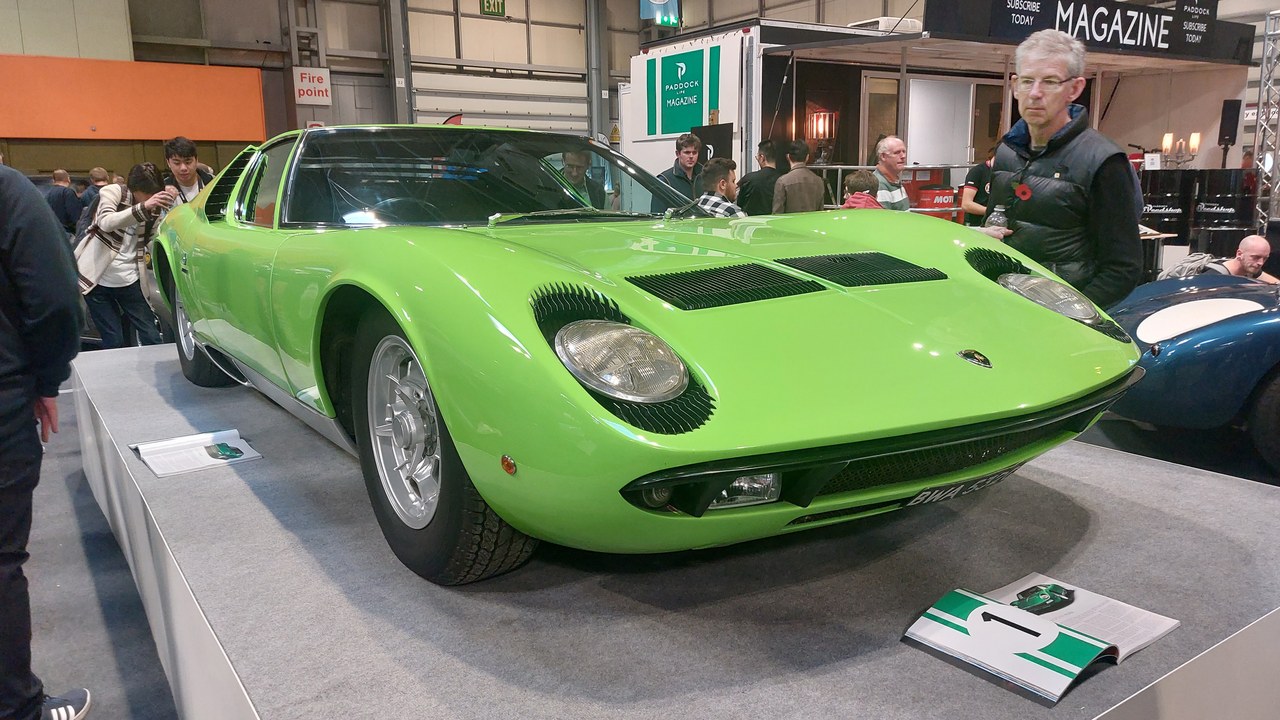
The modern supercar essentially begins with the Lamborghini Miura, unveiled in 1966 with a transverse mid-mounted V12 that dictated its dramatically low, wide silhouette. Marcello Gandini’s swooping bodywork and slatted engine cover gave the Sant’Agata coupe an almost animal presence.
That template reshaped an entire category. Nearly every exotic mid-engine car since owes a debt to its layout and its curves, and pristine Miuras now command prices that place them firmly among the most desirable collectibles of the postwar era, coveted by connoisseurs worldwide.
9. Alfa Romeo 33 Stradale: A Racing Prototype For The Road
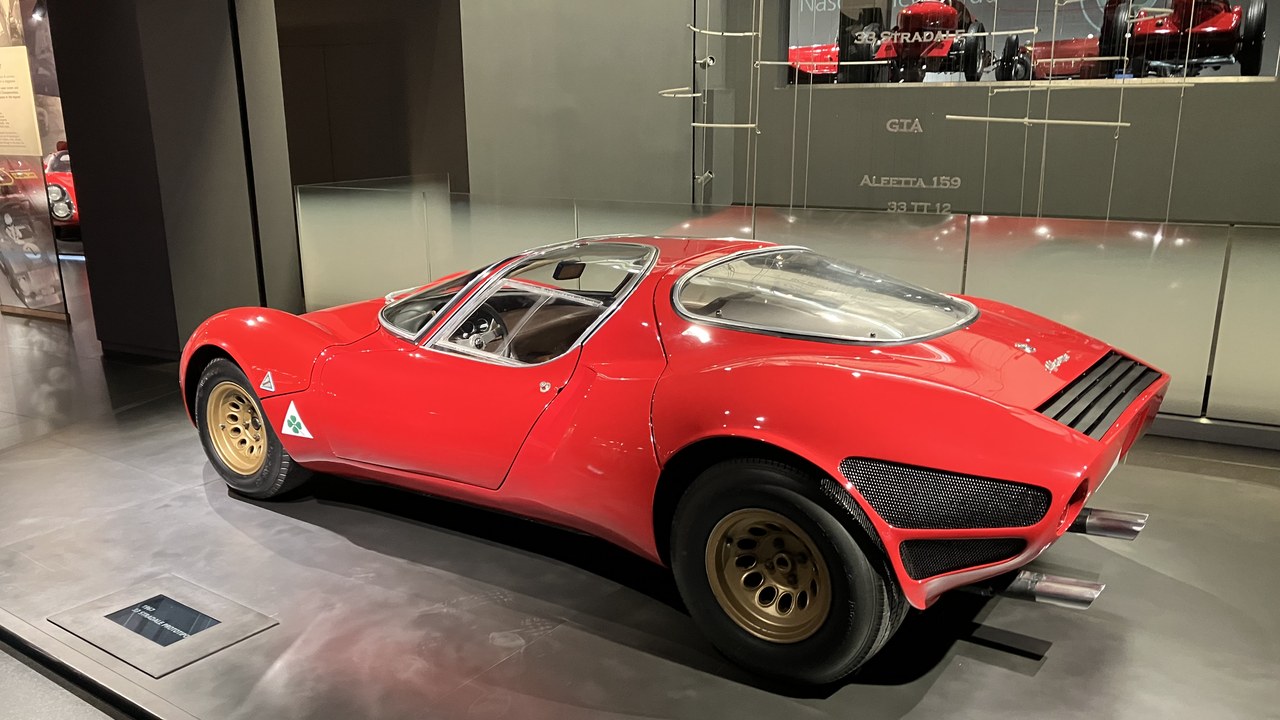
Few road cars approach the sculptural purity of the Alfa Romeo 33 Stradale, a late-1960s exotic derived from a sports-racing prototype and built in tiny numbers. Franco Scaglione’s flowing aluminum bodywork and butterfly doors made the Milanese berlinetta a rolling artwork.
Rarity magnifies the reverence. Only a handful were ever completed, so most admirers know the car through photographs and museum displays, yet its reputation as one of the loveliest shapes ever bodied endures across generations of designers who still study its proportions closely for lessons.
10. Citroen DS: Beamed In From The Future
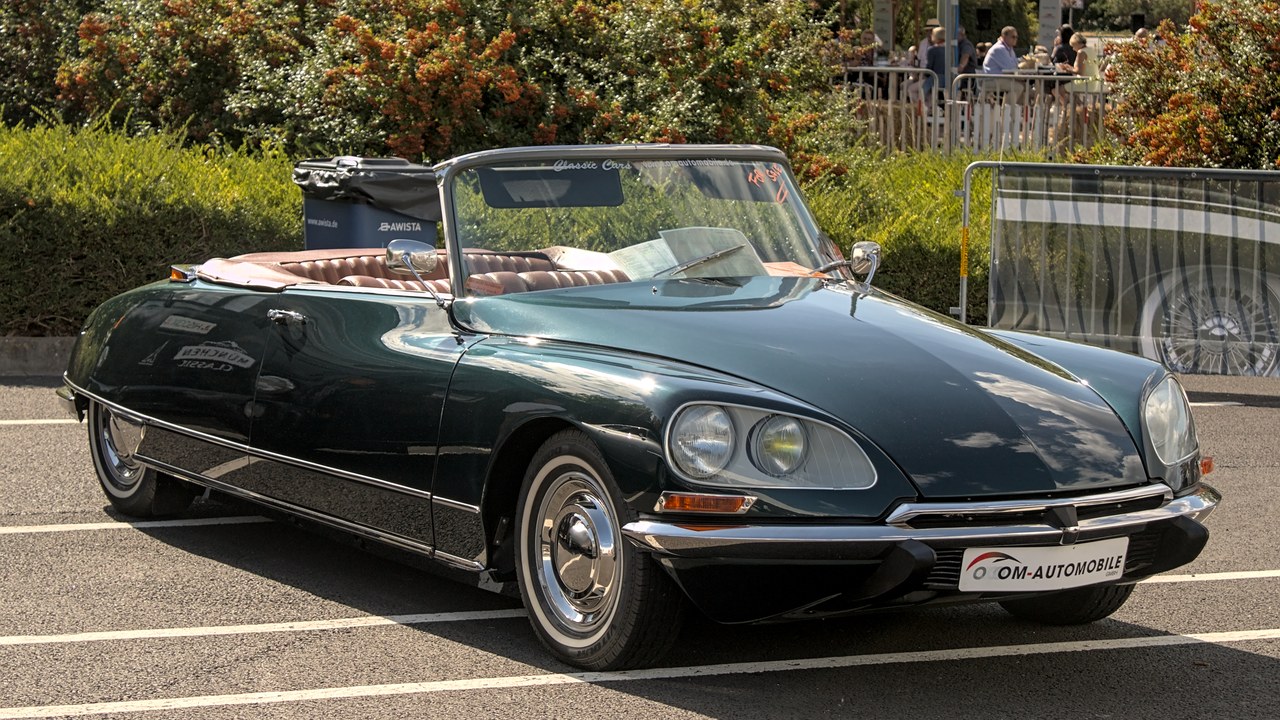
Radical thinking gave the Citroen DS a form that seemed beamed in from the future when it arrived in 1955. An aerodynamic teardrop body, hidden headlights, and self-leveling hydropneumatic suspension made the French sedan feel decades ahead of everything parked beside it.
Philosopher Roland Barthes famously likened it to a Gothic cathedral, and the comparison stuck. Even now the shape reads as boldly modern, a reminder that daring aerodynamic thinking, not muscular curves alone, can secure a lasting place in the history of great design.
More from Morning Overview
