
Most new vehicles leave the factory with a compact temporary spare, an inflator canister, or nothing at all under the cargo floor. A true full-size spare survives only where buyers tow, work, or drive far from a tire shop, so it now signals a deliberate engineering choice. Here are ten vehicles that still carry one.
1. Toyota Tacoma: Winched Beneath The Bed
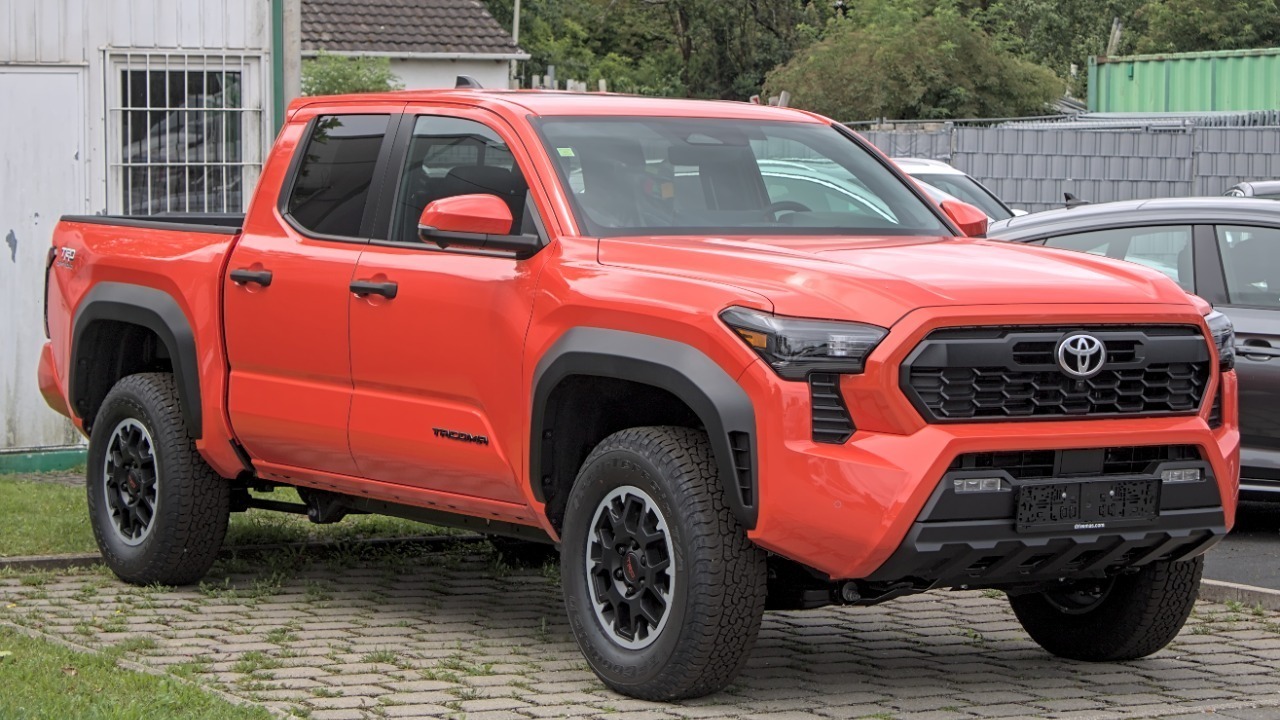
The midsize Toyota Tacoma stores its spare the old way, winched against the underside of the bed on a cable carrier reached from behind the bumper. Toyota has kept a full-size spare across most Tacoma configurations instead of a compact donut, a choice tied to gravel roads, job sites and trailheads where a temporary tire caps speed and range.
Owners should note the distinction between full-size and matching: on many trims the spare rides on a plain steel wheel rather than a copy of the road alloys. It still bolts on and runs at highway speed, which is what matters after a sidewall tear.
2. Toyota 4Runner: Body-On-Frame Insurance
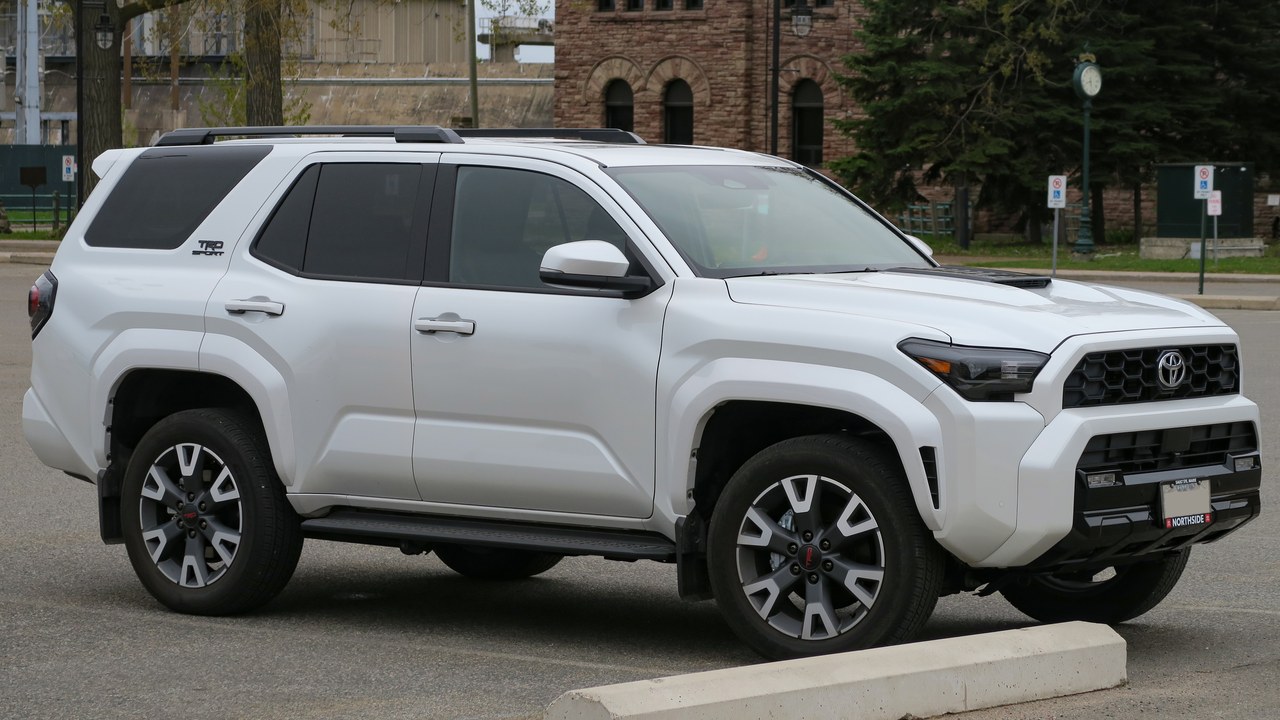
Body-on-frame construction gives the Toyota 4Runner the underbody real estate that unibody crossovers surrendered years ago, and Toyota has used it to hang a full-size spare beneath the cargo floor. The 4Runner’s brief, covering towing, unpaved surfaces and long distances between services, is precisely the case where a compact spare’s 50-mph limit becomes a problem rather than an inconvenience.
Provision does vary by trim and market, and off-road packages are the most likely to pair the spare with the same tire fitted at the corners. Anyone buying for backcountry use should confirm the wheel and tire match before signing, then check the spare’s pressure, which is the step almost everyone skips.
3. Chevrolet Tahoe: Room The Segment Kept
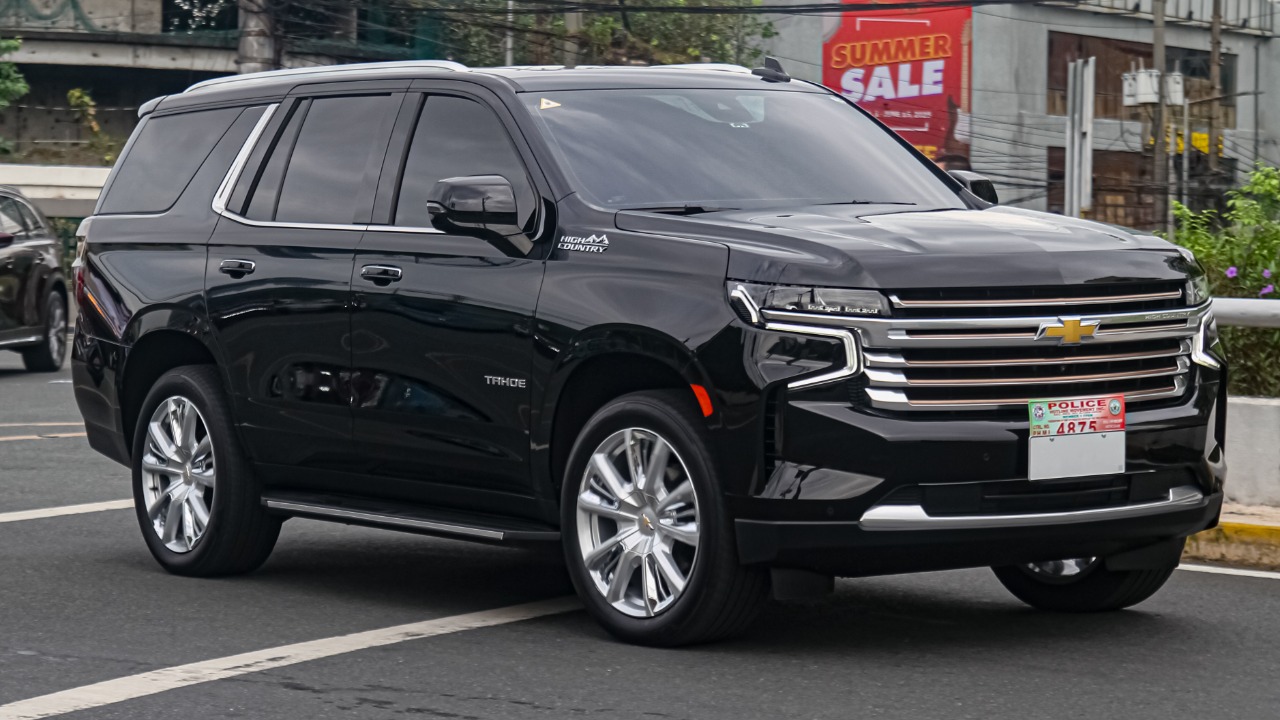
Full-size SUVs never faced the packaging squeeze that pushed small cars to inflator kits, and the Chevrolet Tahoe uses that space for a full-size spare slung under the rear of the body. Weight is why it matters: a loaded three-row SUV towing a trailer is the worst candidate for a narrow temporary tire.
The catch is retrieval. An underbody carrier means lying down at the roadside and working a lowering mechanism, often with a jack handle threaded through a bumper access hole, and corrosion in salt states can seize it. Exercising the mechanism once a year is cheaper than discovering it fails in the rain.
4. Ford F-150: Standard On The Best Seller
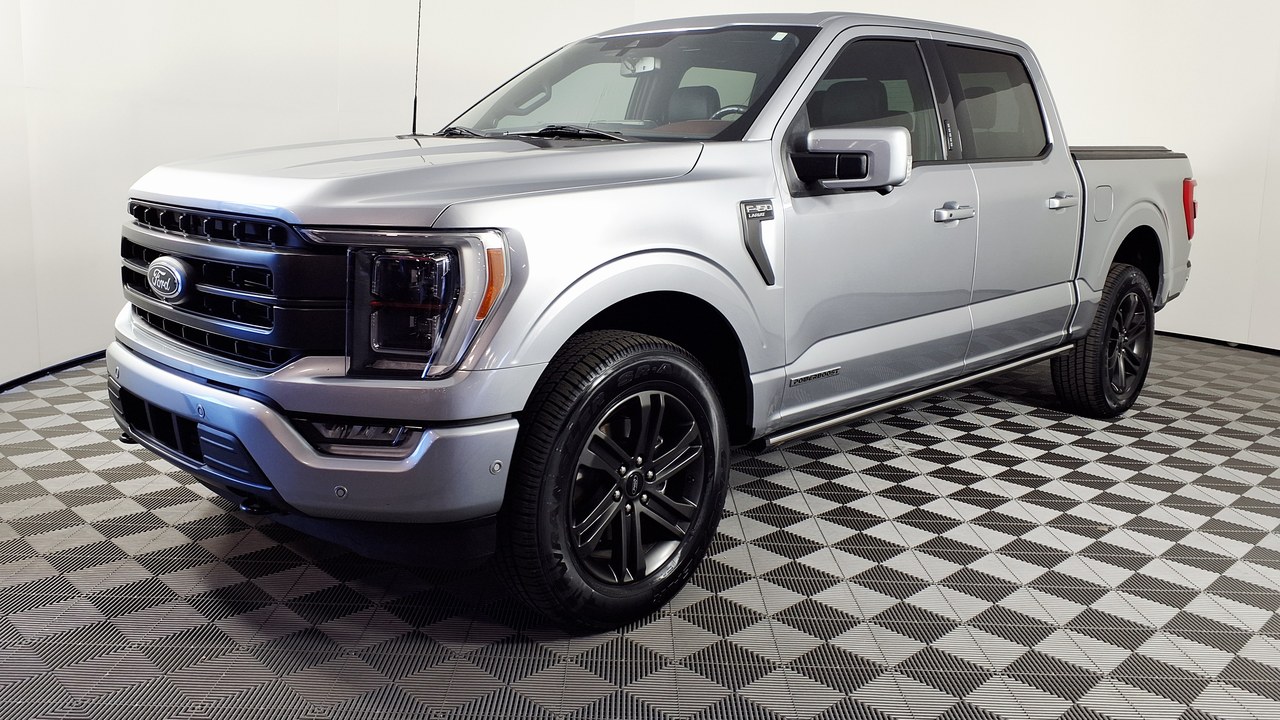
America’s best-selling vehicle keeps a full-size spare underneath the bed, where a cable winch drops it clear of the rear bumper. On the Ford F-150 the spare is sized to the truck’s payload and towing ratings, not to a limp-home speed limit, because a half-ton that hauls is expected to keep hauling after a puncture.
What varies is the wheel. Base configurations typically carry a steel rim, while a matching alloy spare is frequently an extra-cost option bundled with off-road or towing packages, and trims fitted with oversized tires need that option to keep the sizes consistent. Buyers should check the window sticker rather than assume.
5. Subaru Outback: The Trim-Dependent Exception
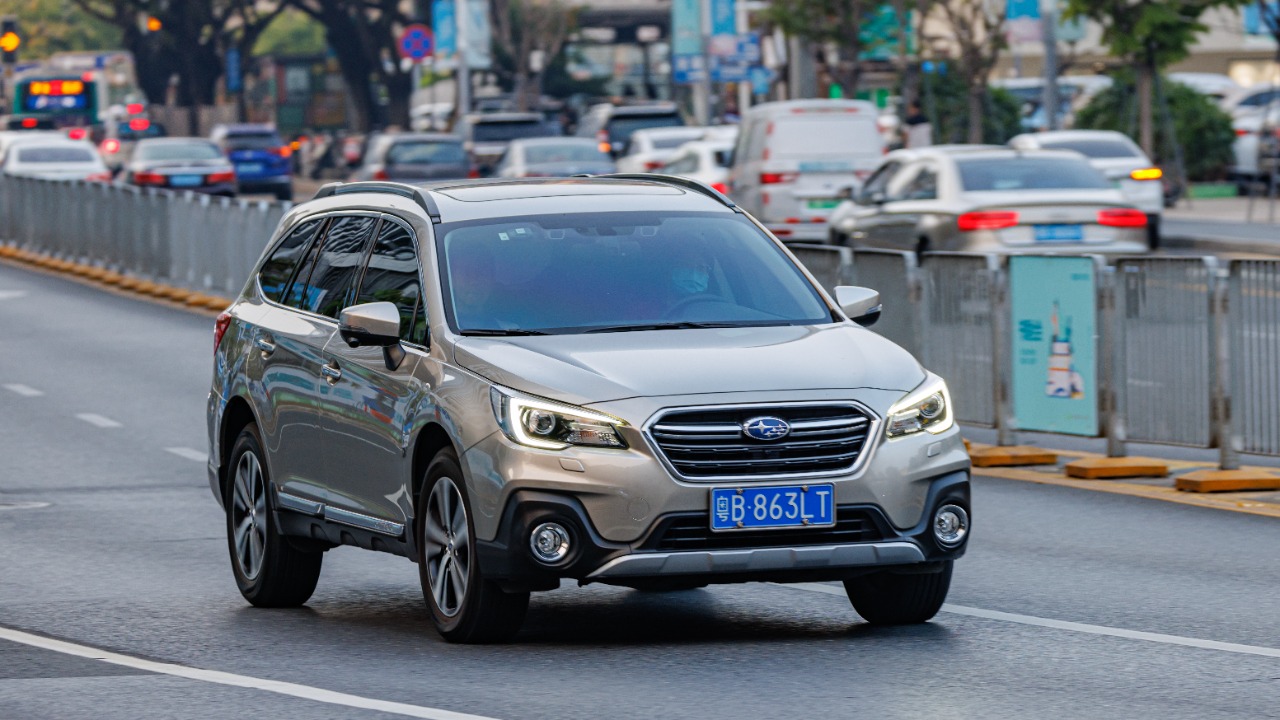
Among car-based vehicles the Subaru Outback is one of the few still associated with a full-size spare, though this is the clearest trim- and model-year-dependent case on the list. Subaru has fitted full-size spares to some Outback configurations and temporary compact spares to others, and the provision has moved as the wagon has been redesigned.
The practical advice is to lift the cargo floor before buying rather than trust the reputation. A full-size spare in an all-wheel-drive vehicle also carries a second benefit: matching rolling diameters at all four corners protect the driveline, which is exactly what a mismatched compact spare threatens.
6. Honda Ridgeline: Unibody, Full-Size Anyway
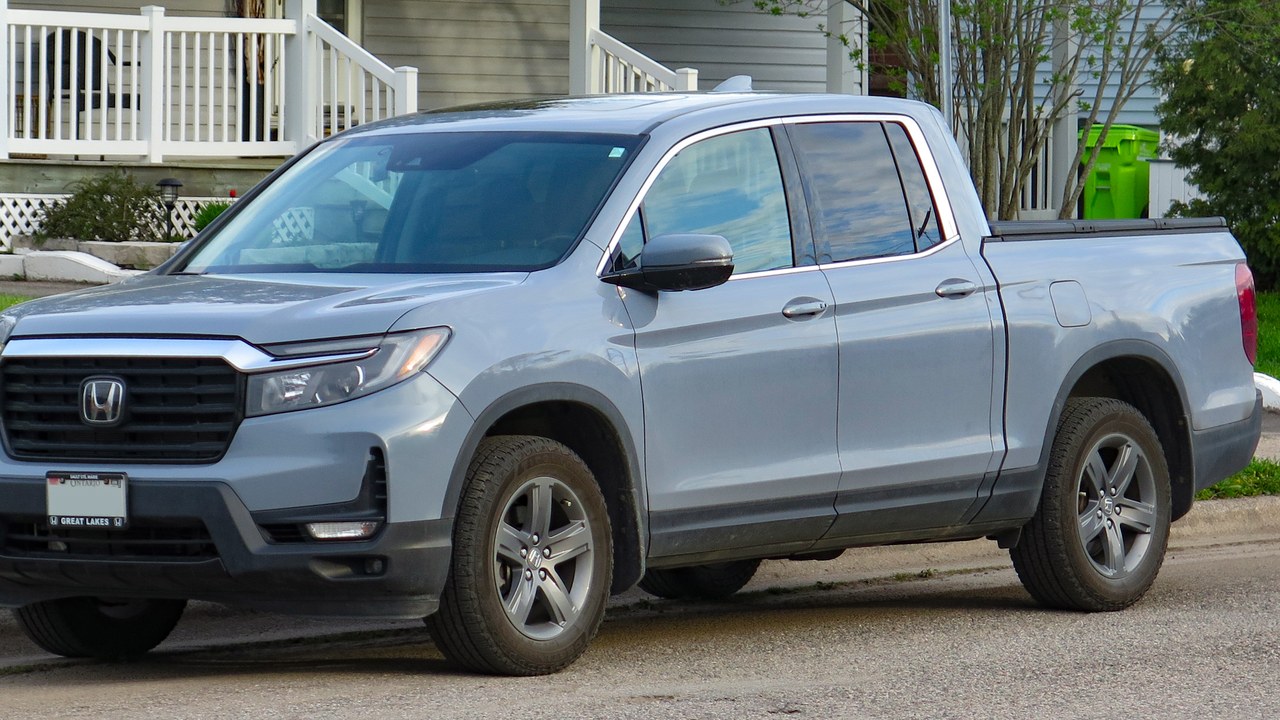
Unibody construction usually predicts a donut, but the Honda Ridgeline breaks that pattern by packaging a full-size spare rather than trading it for cargo volume. Honda designed the truck around a flat bed floor and an in-bed trunk, and the spare was engineered into that layout instead of being deleted to save weight and space.
For a buyer, the payoff is a truck that behaves like a crossover on pavement without the roadside compromise that usually comes with it. The trade is the space the spare occupies, which is the honest cost of the decision and the reason most car-based rivals went the other way.
7. Jeep Wrangler: Bolted To The Swing Gate
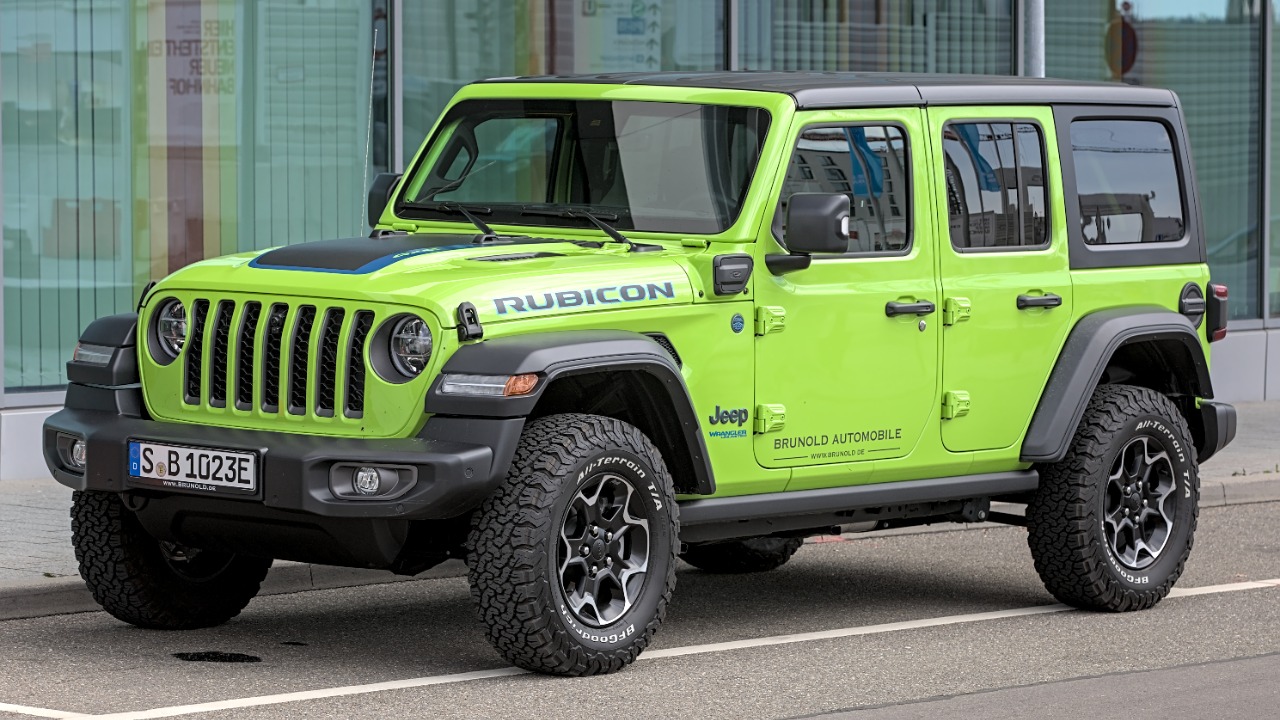
Nothing advertises the choice more plainly than a Jeep Wrangler, which mounts its full-size spare outside on the rear swing gate where the whole world can see it. The tailgate carrier is a functional decision as much as a styling one: a vehicle designed to leave pavement needs a spare that can be swapped in the dirt and driven on indefinitely.
Owners who fit larger aftermarket tires have to replace the spare too, or the carrier holds a wheel that no longer matches a four-wheel-drive system’s rolling diameter. That is an expensive fifth tire, and it is the usual reason a modified Wrangler ends up carrying the wrong one.
8. Ram 1500: Half-Ton, Full Wheel
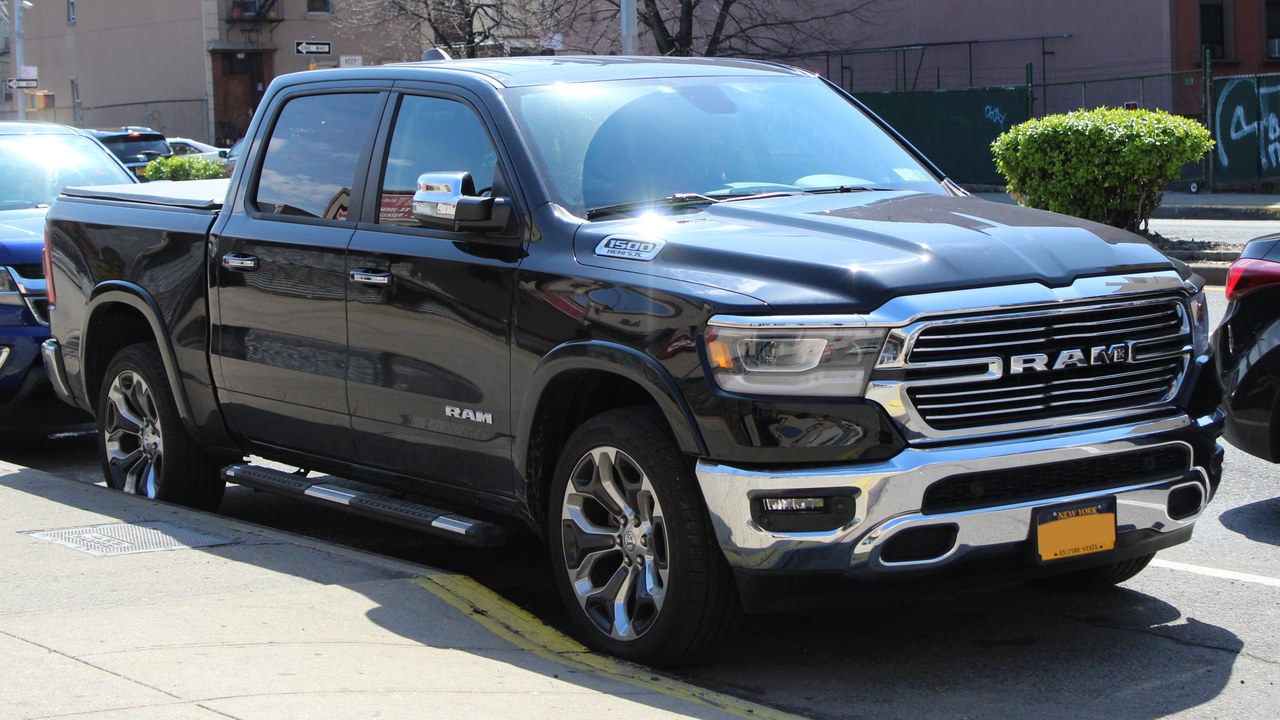
Half-ton pickups are judged on payload and towing, and the Ram 1500 reflects that by carrying a full-size spare on an underbody carrier behind the rear axle. A tire failure on a truck under load is a different event from one in a commuter car, which is why the segment as a whole has resisted the donut.
Specifics still depend on configuration: wheel size, tire type and whether the spare matches the road wheels change with trim, bed length and option package, and electrified variants are where a spare is most likely to disappear. The carrier and its release should be tested once before it is needed.
9. Nissan Frontier: Midsize Without The Donut
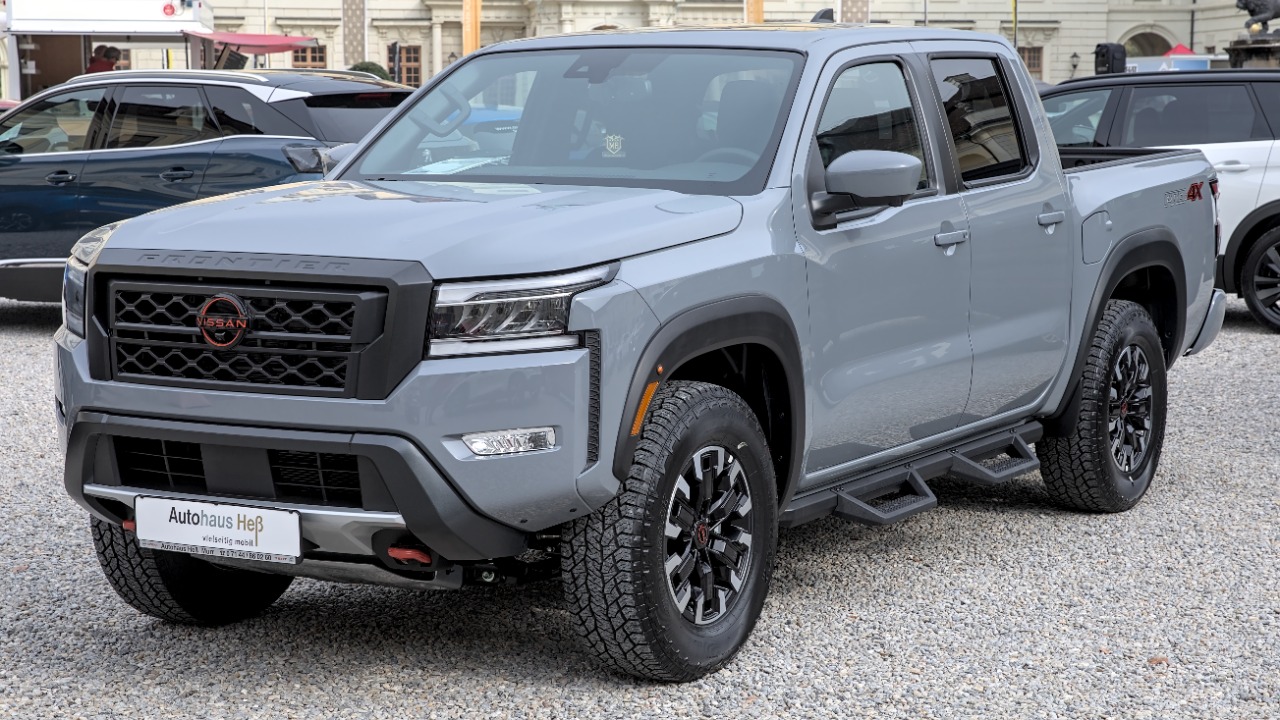
Midsize trucks sell on capability rather than fuel-economy ratings, and the Nissan Frontier keeps a full-size spare stowed under the bed on a cable carrier in line with that positioning. The truck’s buyers tend to use it away from town, where a temporary spare’s speed restriction turns a flat into a long, slow detour.
As with its rivals, the spare is commonly a steel wheel rather than a duplicate of the alloys, which is a cosmetic compromise rather than a functional one. The greater risk is neglect: an underbody spare loses pressure unseen for years, and a soft spare is no spare at all.
10. Toyota Sequoia: Full-Size, Fully Equipped
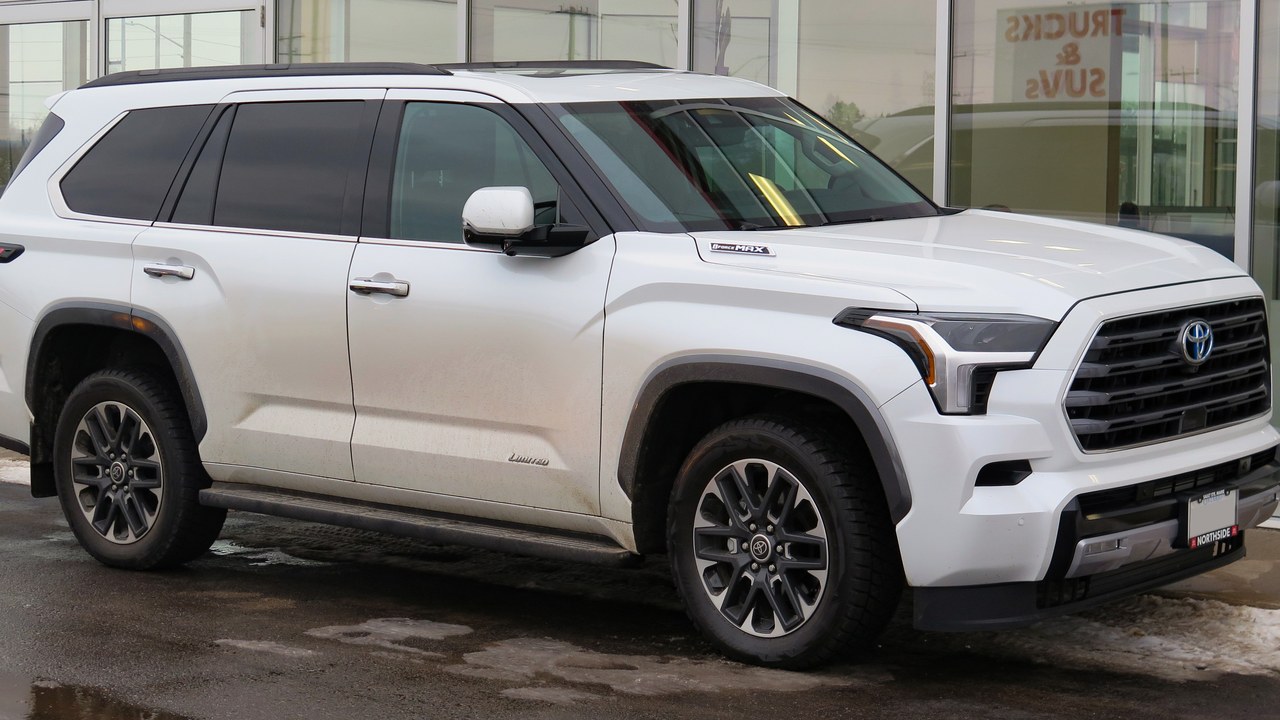
Sharing its truck underpinnings with Toyota’s full-size pickup, the Toyota Sequoia has the frame rails and ground clearance to carry a full-size spare underneath rather than a donut in the cargo well. That suits a three-row SUV routinely asked to tow a boat or a travel trailer over long distances.
Hybrid powertrains are the variable worth checking, since battery packaging is the usual reason a spare is downgraded or dropped, and equipment differs between trims and markets. The wider lesson across all ten vehicles is simple: a full-size spare now follows how a vehicle is used, not how much it costs.
More from Morning Overview
