
Modern cars bristle with safety systems that drivers barely notice: seatbelts that click into place, brakes that pulse on ice, airbags that deploy in milliseconds. Every one of those features started as a risky bet on a single production model, often mocked or ignored by rivals before it became mandatory. Here are ten cars that pioneered the safety technology drivers now take for granted.
1. Volvo PV544: The Belt That Changed Everything
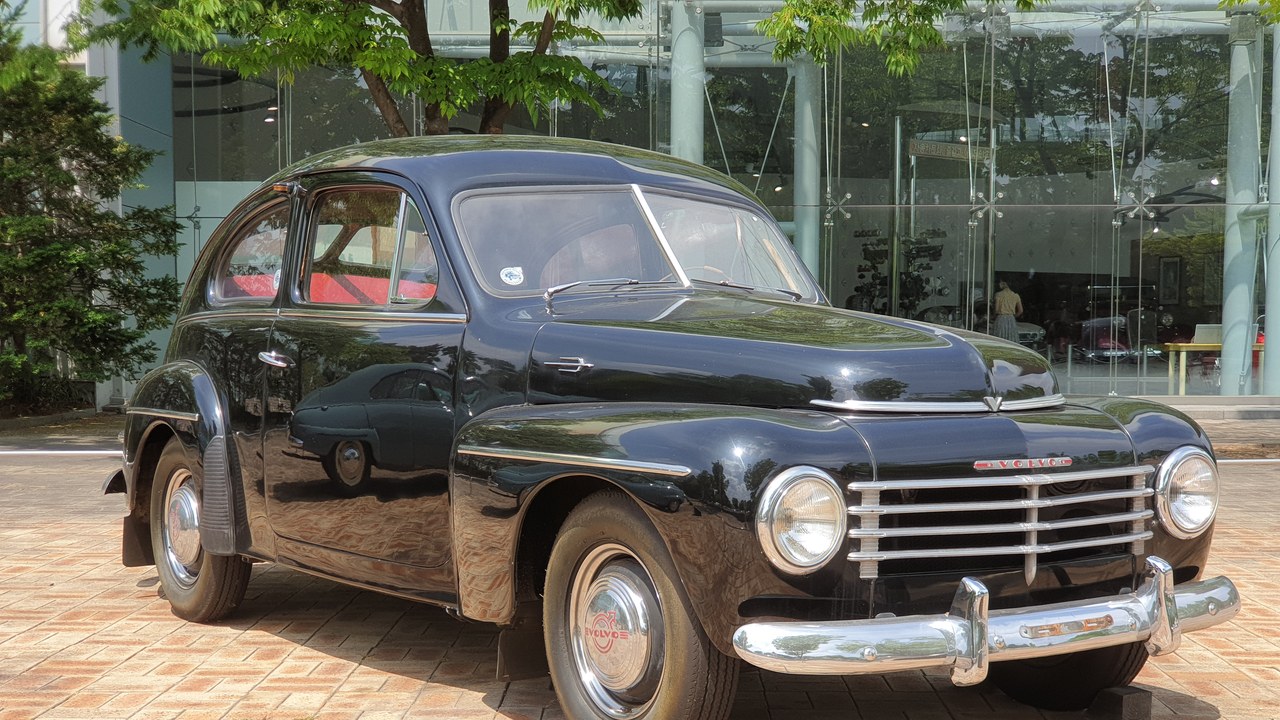
In 1959 Volvo fitted the PV544 with the world’s first production three-point seatbelt, an anchor-at-the-shoulder design engineer Nils Bohlin developed for Volvo after years of designing ejector seats for aircraft. Volvo held the patent but released it royalty-free to every competing automaker.
That single decision is credited with saving hundreds of thousands of lives worldwide, since rival brands adopted the same geometry rather than paying to engineer around it. The three-point belt in nearly every car built since traces its shape directly back to the PV544’s cabin.
2. Mercedes-Benz W116: Braking Without Locking Up

The W116, the first car to carry the S-Class name, introduced an electronic anti-lock braking system as a factory option in 1978, developed jointly with Bosch after more than a decade of testing. It let a driver stamp the brake pedal hard on a wet or icy road without the wheels locking and the car sliding straight through a turn.
ABS stayed a luxury option through the 1980s before regulators and insurers pushed it toward the rest of the industry. It is now a mandated feature on virtually every new car sold in the United States and Europe.
3. Oldsmobile Toronado: Detroit’s Early Airbag Bet
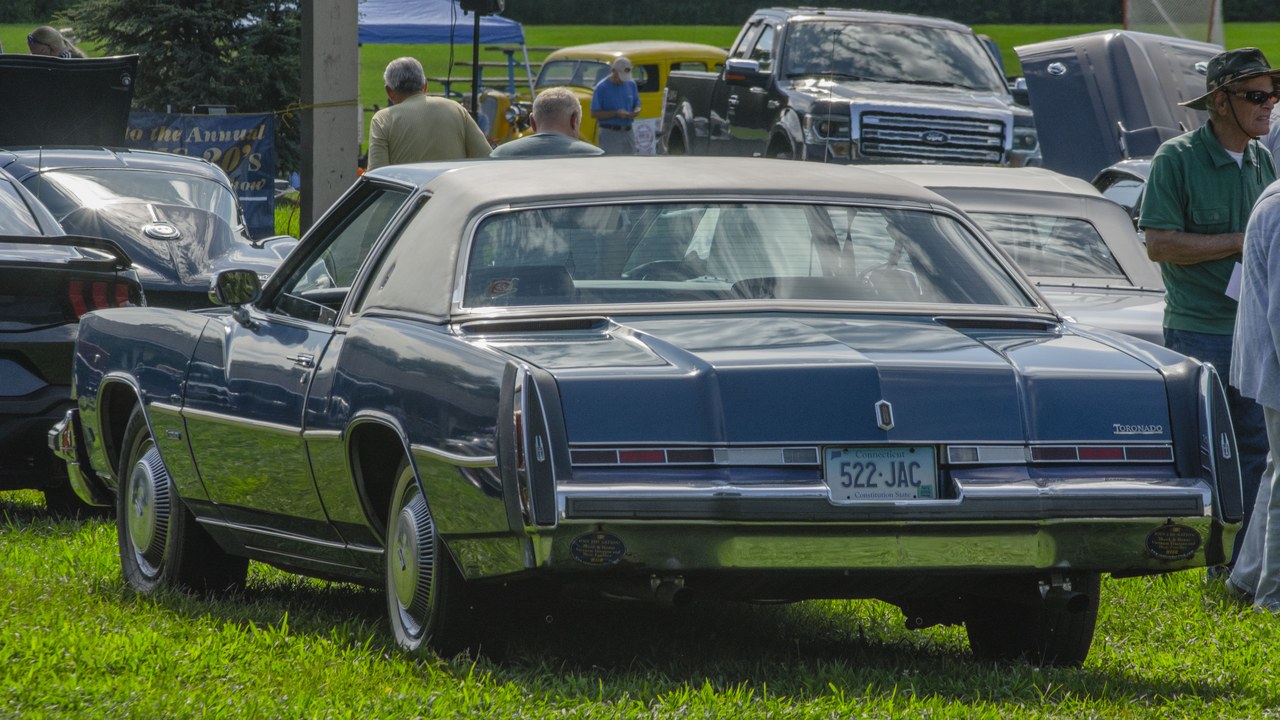
General Motors offered the Toronado with an option most American buyers had never heard of: an inflatable air cushion restraint system, an early production airbag fitted to the Toronado starting in the 1974 model year. Sensors in the front bumper triggered a bag that inflated from the steering column in a fraction of a second during a frontal impact.
Few buyers paid extra for a device they hoped never to test, and GM discontinued the option within a few years. The engineering behind it nonetheless became a blueprint federal regulators leaned on when airbags were later mandated nationwide.
4. Saab 99: Bumpers That Bounced Back
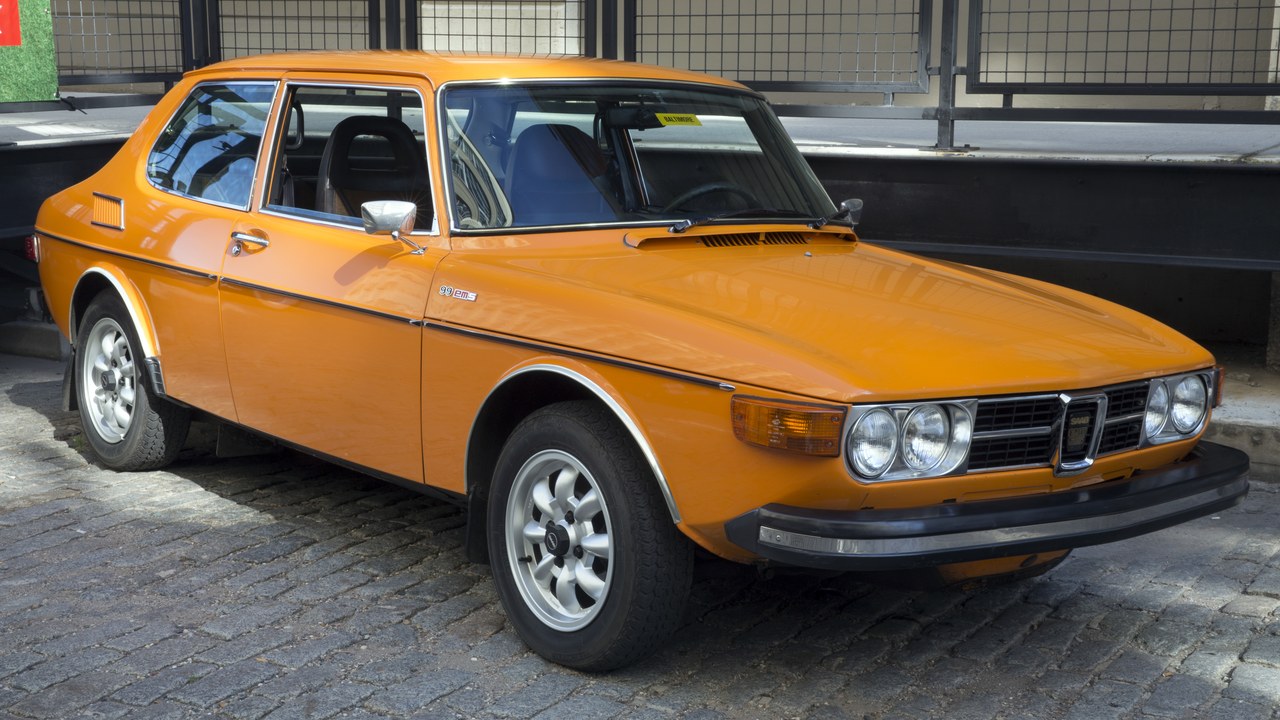
Saab built the 99 with a pair of features drivers now expect on every car sold in a cold climate: heated seats and headlamp washers to clear road grime and slush from the lenses. Saab also engineered the 99’s impact-absorbing bumper to shrug off low-speed parking-lot bumps without denting the bodywork underneath.
The self-restoring bumper let the 99 meet tougher low-speed crash standards years before most competitors bothered to try. Headlamp washers and heated seats, once seen as quirky Scandinavian extras, are now common equipment across the industry.
5. Tucker 48: A 1948 Sedan Ahead Of Its Time
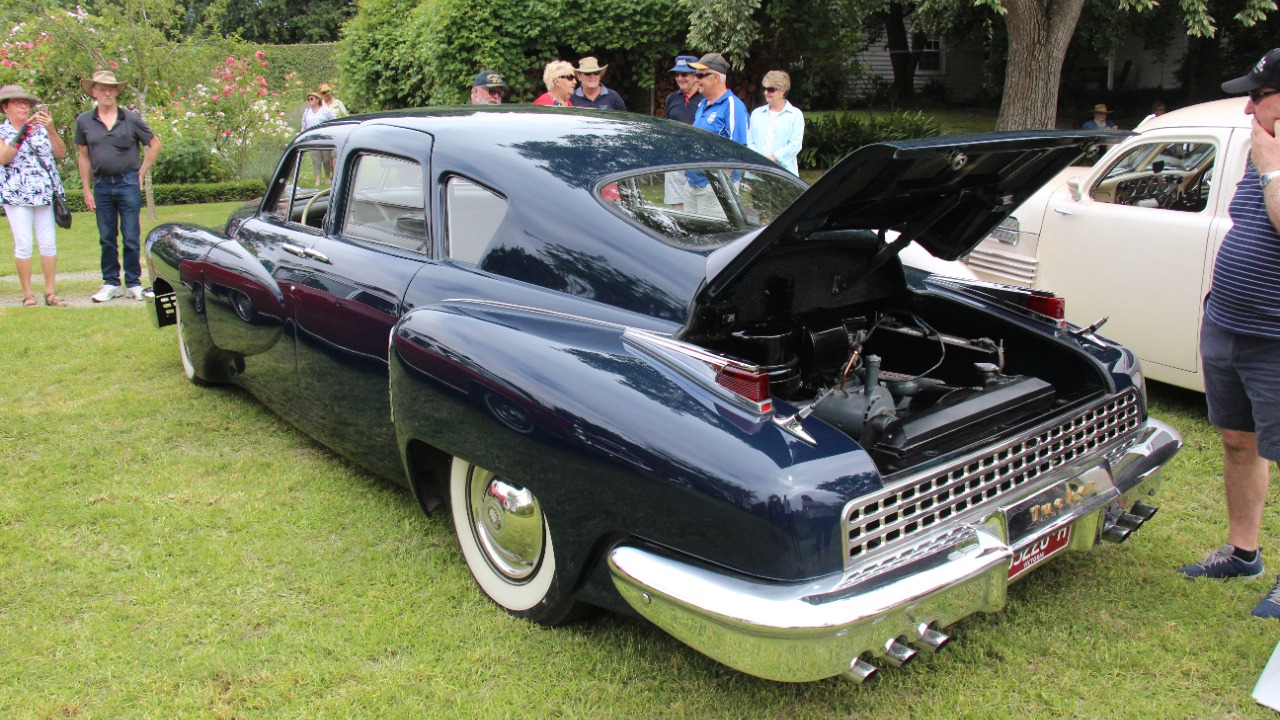
Preston Tucker built the 48 with a padded dashboard, a pop-out windshield designed to eject on impact rather than shatter inward, and a steel safety chamber ahead of the front seat where occupants could brace during a crash. A center-mounted headlight that swiveled with the Tucker 48’s steering lit up curves before the rest of the industry considered it.
Only 51 cars were built before the company collapsed under financial and legal pressure, so almost none of the buying public ever experienced the ideas firsthand. Decades later, padded interiors and breakaway glass became standard safety expectations across the industry.
6. Volvo XC90: Keeping SUVs On Their Wheels
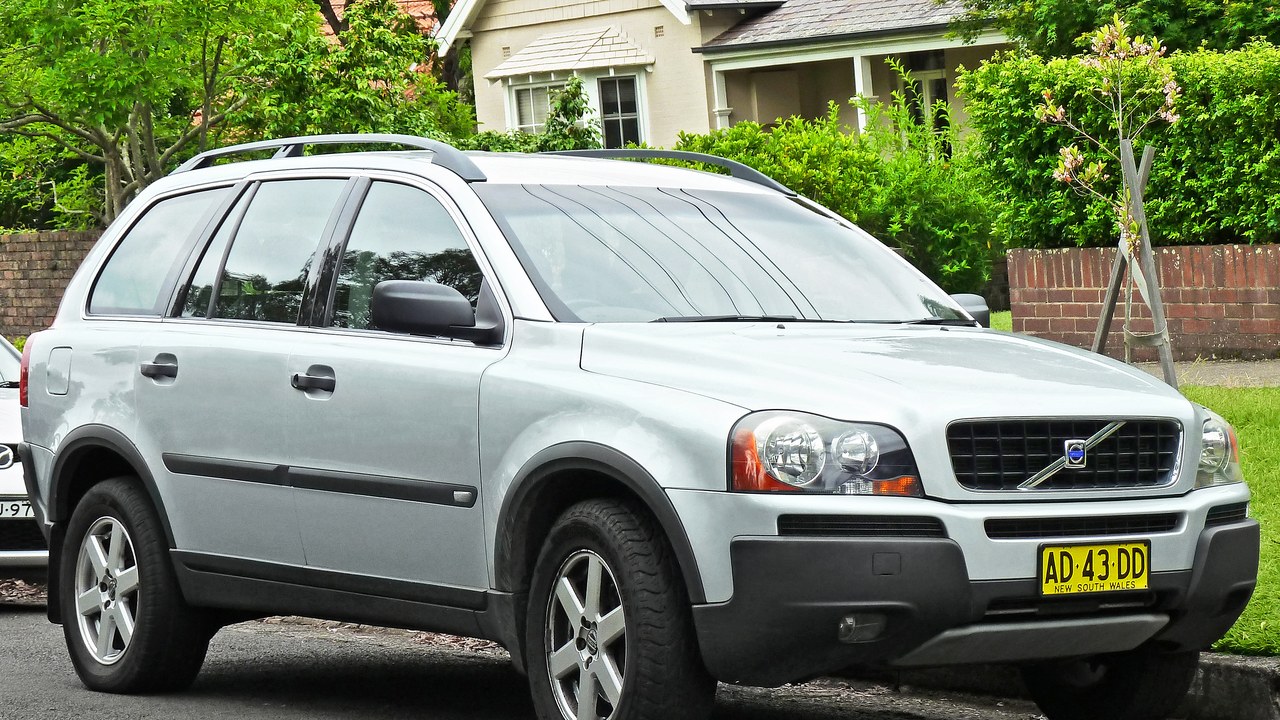
When it launched in 2002, the first-generation XC90 became the first SUV fitted with a Roll Stability Control system, using a gyroscopic sensor to detect a rollover starting and cut engine power while braking individual wheels. Volvo paired that system with curtain airbags across all three rows of the XC90’s cabin, a first for the SUV segment.
Rollovers had been a persistent killer in top-heavy SUVs through the 1990s, and Volvo’s system directly targeted that failure mode rather than just cushioning the aftermath. Stability control of this kind is now federally mandated on every new vehicle sold in the United States.
7. Cadillac Fleetwood: Luxury’s Early Airbag Push
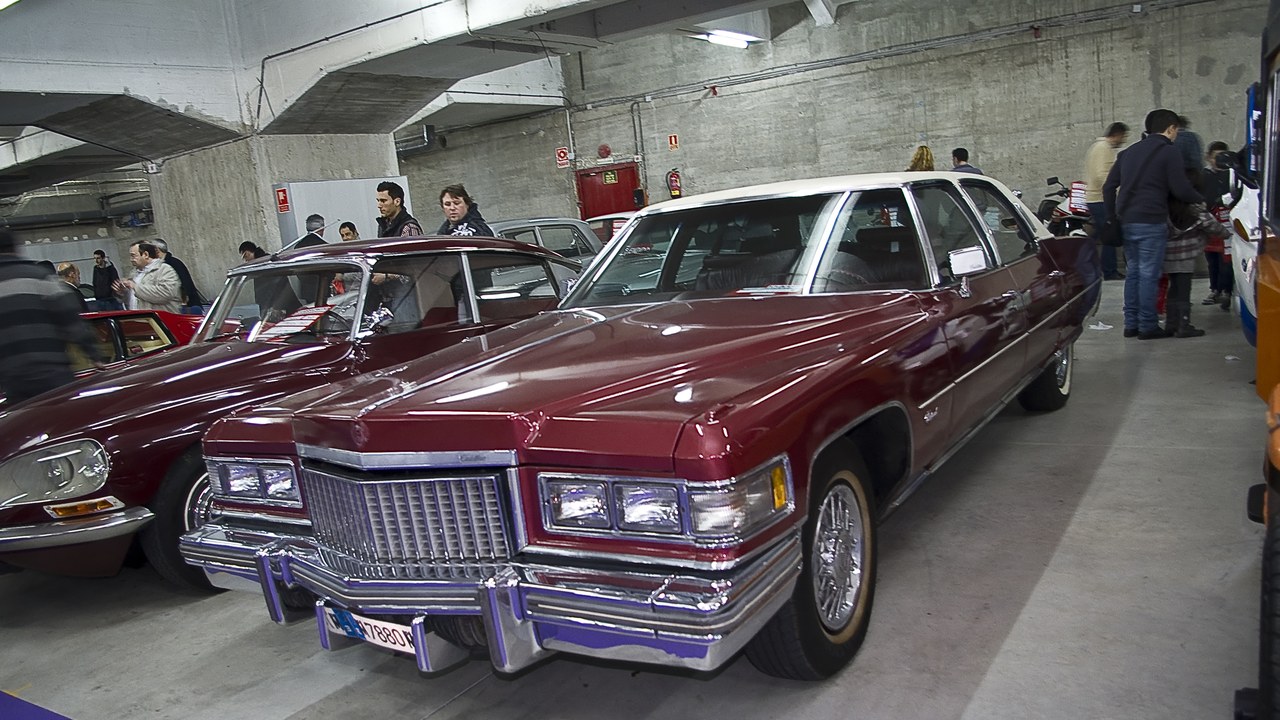
Cadillac put its air cushion restraint system into the flagship Fleetwood lineup in the mid-1970s, offering front airbags on some of the largest, heaviest sedans General Motors built at the time. The system used mechanical crash sensors rather than the electronic circuitry that would later become standard.
High option costs and low take rates meant GM pulled the feature from its lineup by the end of the decade, well before the technology matured. The Fleetwood’s early adoption nonetheless proved airbags could be engineered into a full-size production car rather than staying a laboratory concept.
8. Subaru Legacy: Cameras That Watch The Road
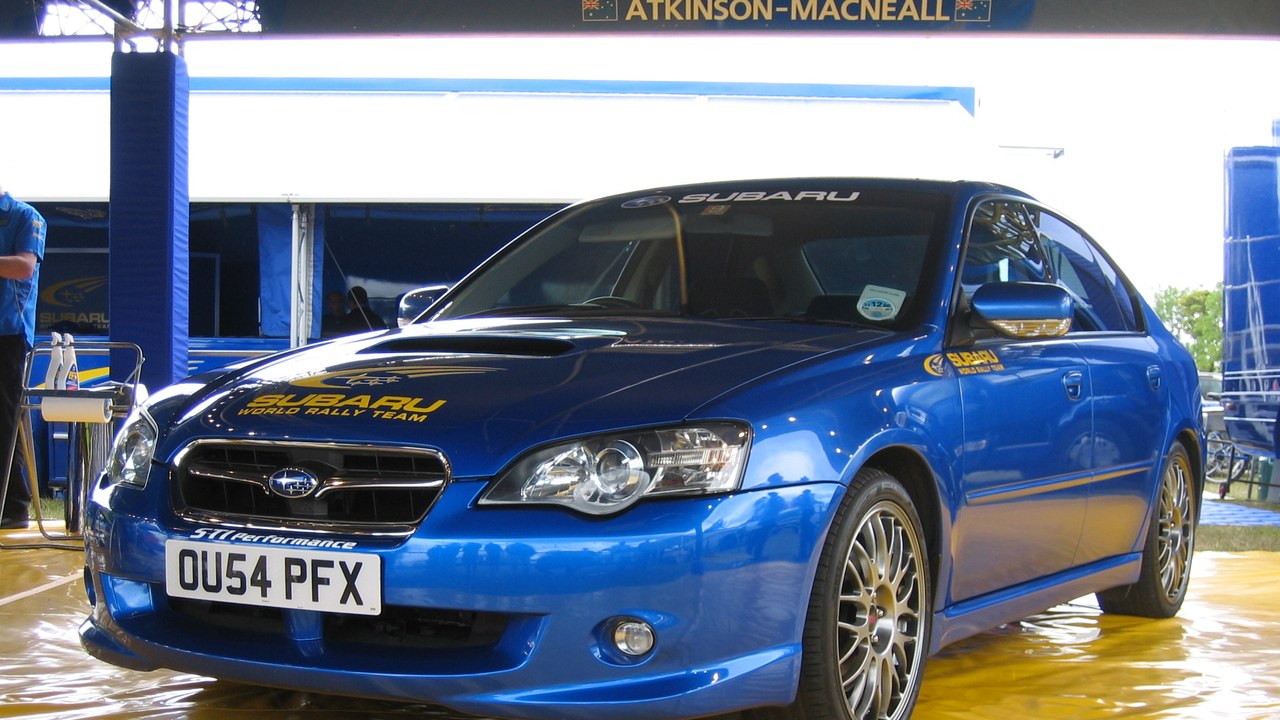
Subaru introduced its EyeSight driver-assist system on the Legacy sedan and wagon in Japan in 2008, using a pair of dashboard-mounted stereo cameras instead of radar to judge distance to the car ahead. The system could apply the brakes automatically when it detected an imminent collision the driver hadn’t reacted to.
Camera-based systems were cheaper to package than radar arrays, which helped Subaru push the technology down into mainstream trim levels rather than reserving it for flagship models. Automatic emergency braking descended from that early Legacy hardware is now standard equipment across most new vehicle lineups.
9. Mercedes-Benz W126: Crumple Zones Come Of Age
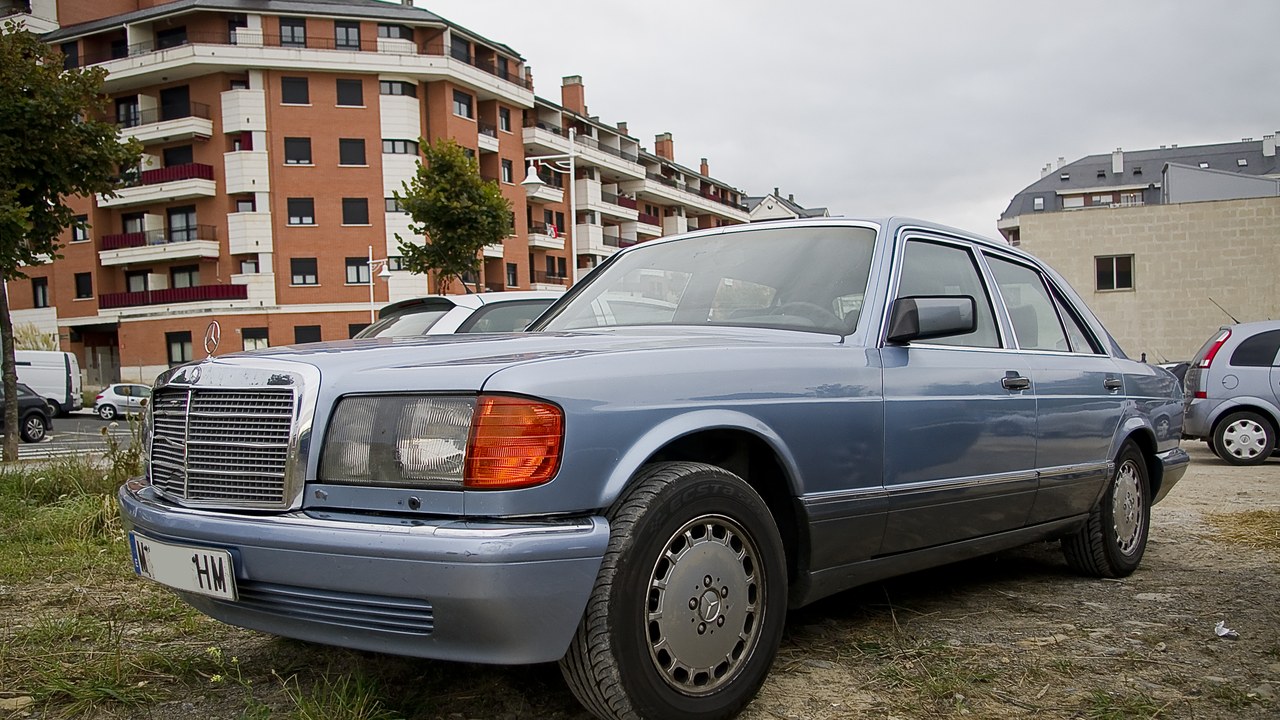
The second-generation S-Class refined the crumple-zone principle Mercedes-Benz had pioneered decades earlier, engineering the W126’s front and rear structure to collapse in a controlled sequence that absorbed impact energy before it reached the cabin. The generation also introduced a driver’s airbag and seatbelt pretensioners as production options.
Independent crash testing consistently ranked the W126 among the safest cars of its era, reinforcing the S-Class’s reputation as a rolling test bed for features that later trickled down to ordinary sedans. Controlled-collapse body structures are now standard engineering across the industry.
10. Volvo 240: The Boxy Benchmark
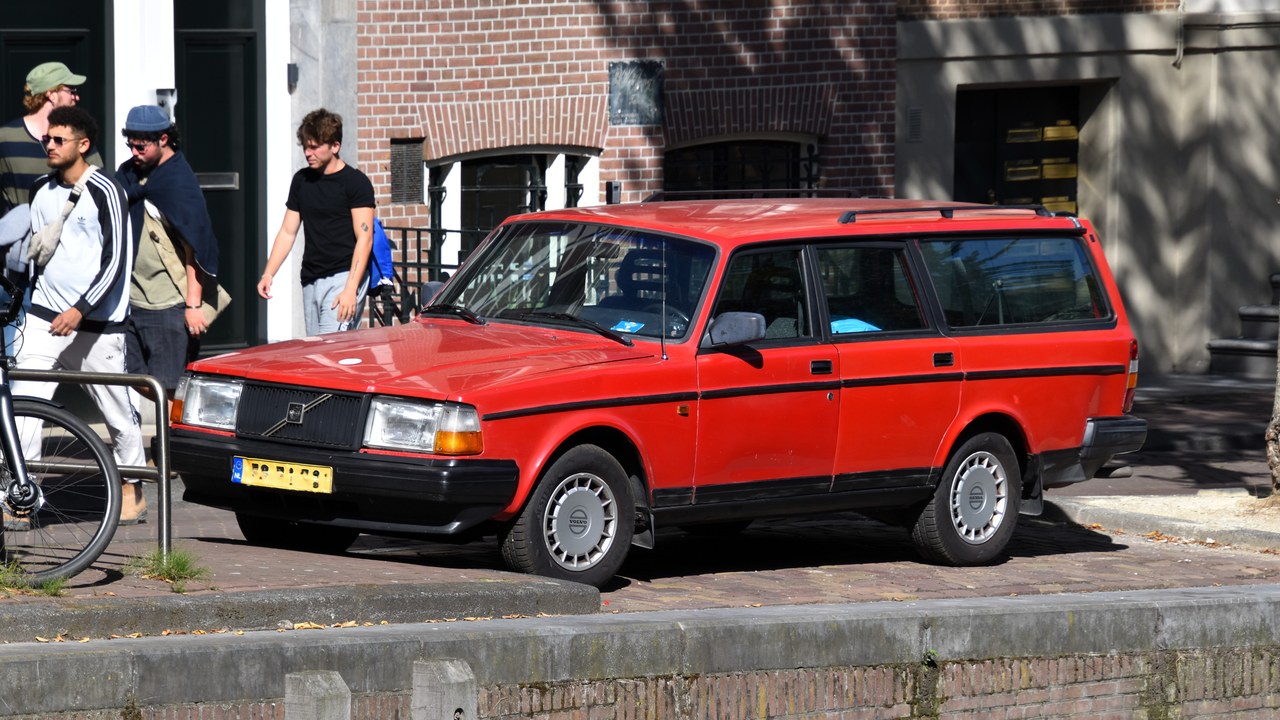
Built from 1974 through 1993, the boxy 240’s reinforced cabin combined a rigid passenger safety cage with front and rear crumple zones, laminated glass, and side-impact bars years before most manufacturers built them in as a matter of course. Insurance-industry crash data repeatedly showed 240 drivers surviving collisions that proved fatal in contemporary rivals.
The 240 became the car regulators and insurers pointed to when arguing for stronger cabin structures across the entire industry. Its blunt, slab-sided shape had nothing to do with style and everything to do with protecting the people inside it.
More from Morning Overview
