
The turbocharged inline-six has powered some of the most celebrated performance and utility vehicles ever built. From Japanese tuner icons to European luxury sedans and rugged off-roaders, the layout rewards drivers with smooth power delivery and serious boost potential once tuners or engineers push it further. Here are ten cars that built their reputation on a turbocharged straight-six.
1. Toyota Supra: The 2JZ Tuner Icon
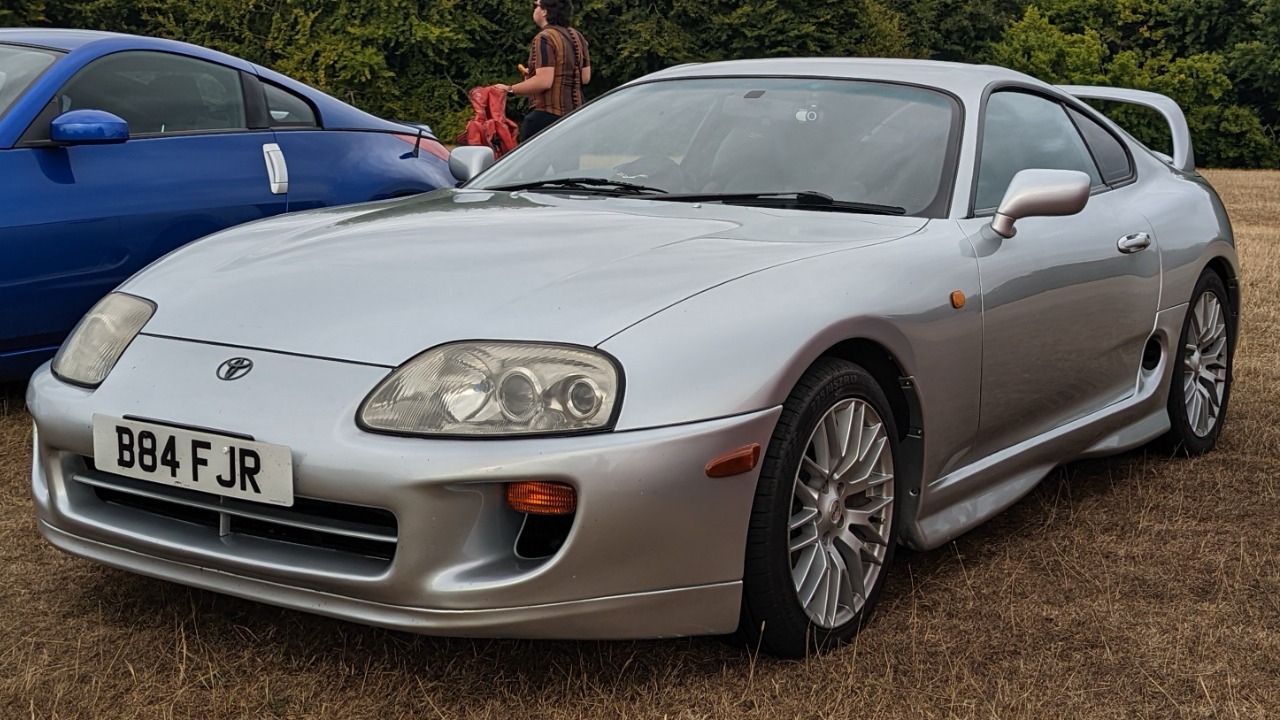
The fourth-generation Supra, built from 1993 to 2002, carried the twin-turbocharged 2JZ-GTE inline-six, an engine whose forged internals, iron block, and oversquare design proved capable of handling far more boost than Toyota ever rated from the factory floor in Japan.
That overbuilt bottom end turned the coupe into a fixture of tuning culture worldwide, where owners routinely doubled or tripled the factory horsepower figure without ever touching the core engine architecture underneath the original bodywork panels. Insurance data and auction results both reflect that scarcity, with tidy Mk4 Supras now routinely fetching six-figure sums at collector auctions across the United States.
2. Nissan Skyline GT-R: Godzilla’s Twin-Turbo Six
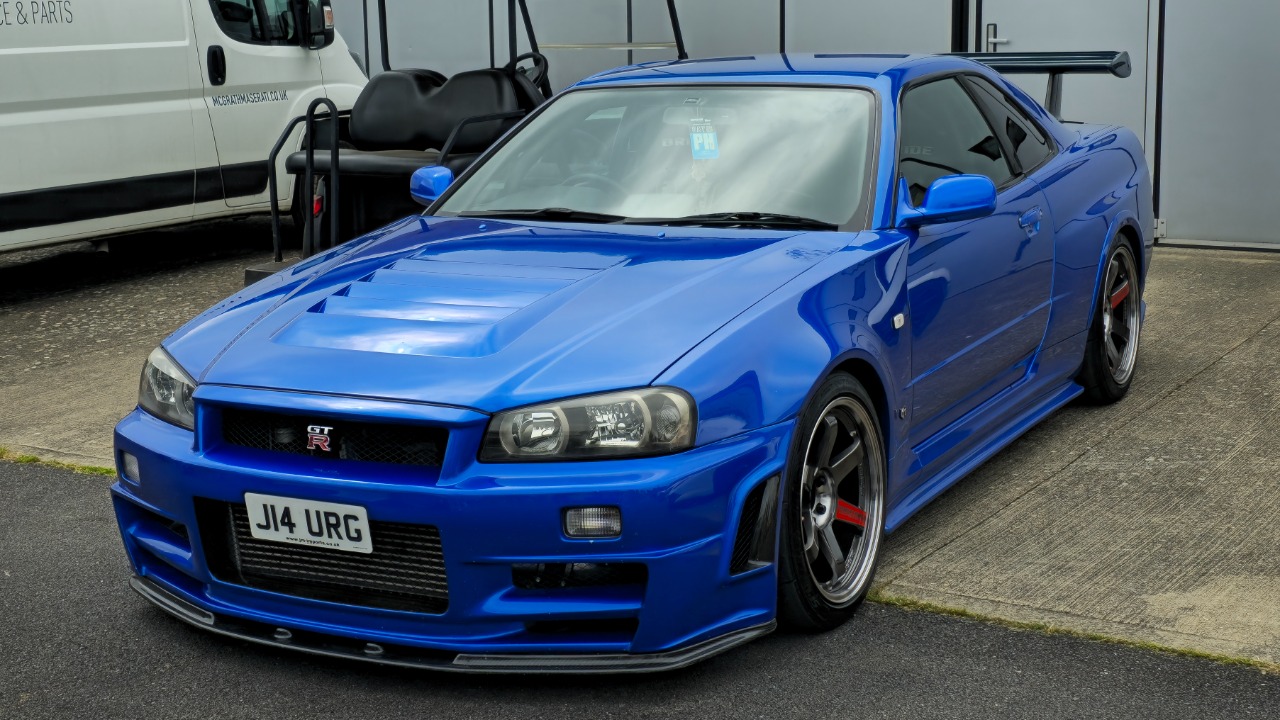
The R32 through R34 generations paired the twin-turbocharged RB26DETT inline-six with a sophisticated all-wheel-drive system called ATTESA, a combination that dominated Australian touring car racing so thoroughly the car earned the nickname Godzilla from frustrated rival teams.
Decades later the RB26 remains a benchmark among tuners chasing reliable big horsepower on stock internals, and clean surviving examples now command import prices that dwarf what the cars originally sold for new in Japan. Nissan itself has leaned into that legacy, referencing the RB26’s specifications directly when marketing the modern GT-R that eventually succeeded the Skyline nameplate.
3. BMW M3: The S58 Six Returns Boost
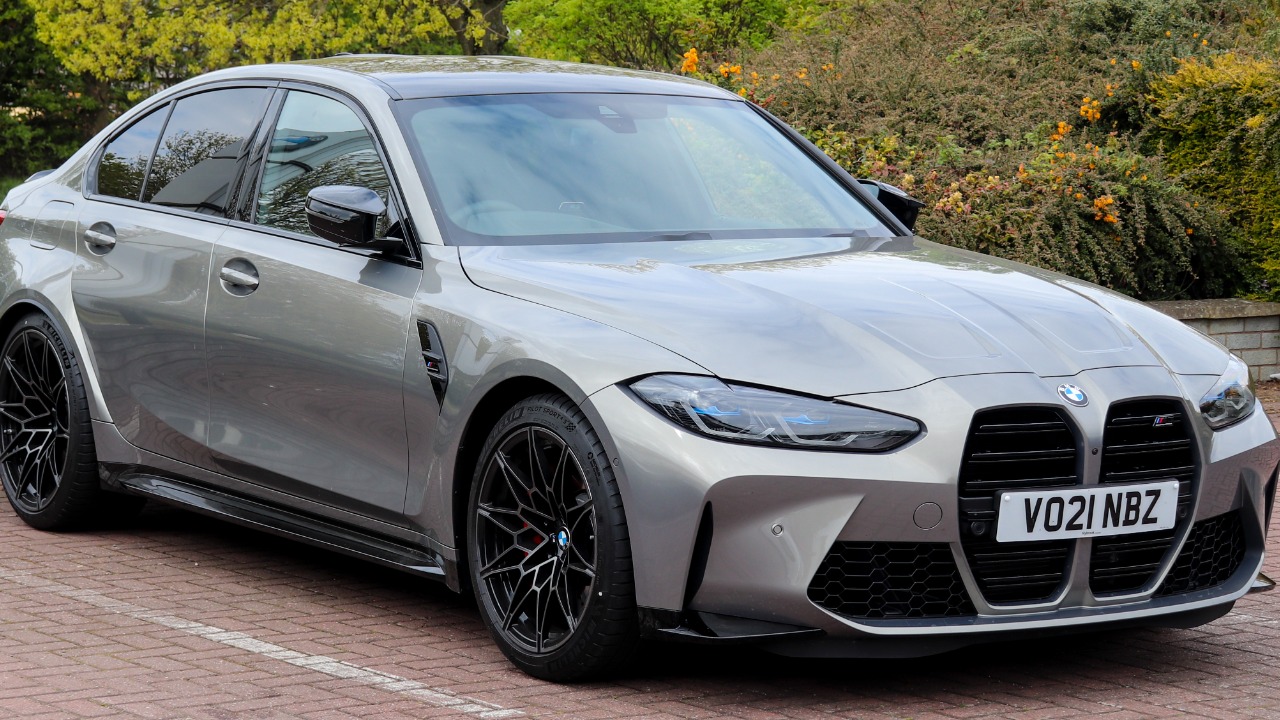
The current G80-generation M3 dropped naturally aspirated power entirely in favor of the twin-turbocharged S58 inline-six, an engine shared with the M4 coupe that pushes output well past 500 horsepower in top Competition trim levels.
The switch to forced induction drew mixed reactions from longtime purists who missed the old high-revving engines, but the added midrange torque makes the modern M3 dramatically faster in everyday driving than the naturally aspirated models it replaced. BMW also lengthened the wheelbase and widened the track versus the prior generation, changes engineers say help the chassis put the S58’s extra torque down more predictably.
4. Toyota GR Supra: A Borrowed BMW Heart
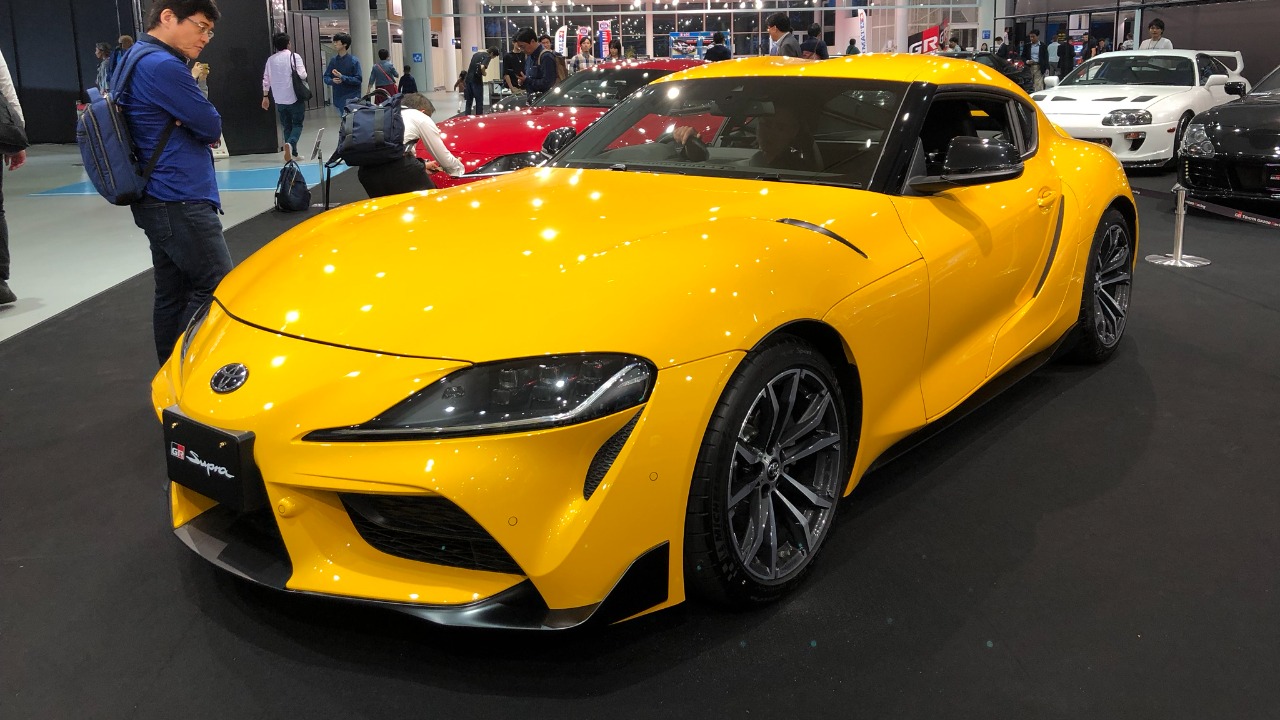
When Toyota revived the Supra nameplate in 2019 after a long hiatus, it turned to BMW for the entire drivetrain, fitting the B58 turbocharged inline-six under the hood of a coupe co-developed with the Z4 roadster.
Enthusiasts spent years debating online whether a German-engined Supra could rightfully carry the historic badge, but the B58’s generous tuning headroom has since won over much of the once-skeptical 2JZ-loyalist crowd. Toyota builds the car at Magna Steyr in Graz, Austria, the same contract manufacturer responsible for several other European performance models sold under different badges.
5. BMW Z4: The Roadster’s Shared Engine
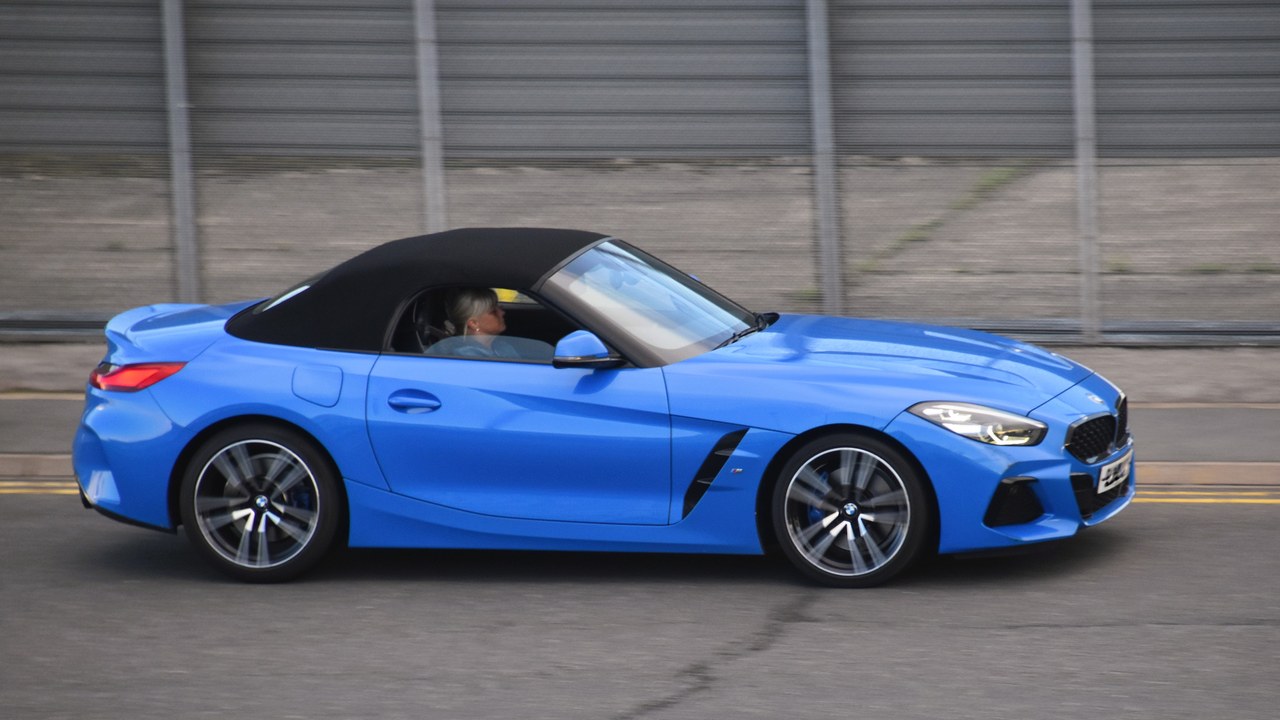
The G29 Z4, built alongside the GR Supra on the same Magna Steyr assembly line in Austria, offers its own tuned version of the turbocharged inline-six inside a folding-top roadster body instead of a fixed-roof coupe shell.
Buyers cross-shopping the two cars get nearly identical mechanical bones underneath, with the final choice largely coming down to open-top driving enjoyment versus the coupe’s added structural rigidity and slightly lower curb weight. Unlike the Supra, the Z4 has never offered a manual transmission on its turbo-six models, a distinction that still matters to some traditional roadster buyers.
6. Jeep Wagoneer: Hurricane Replaces the V8
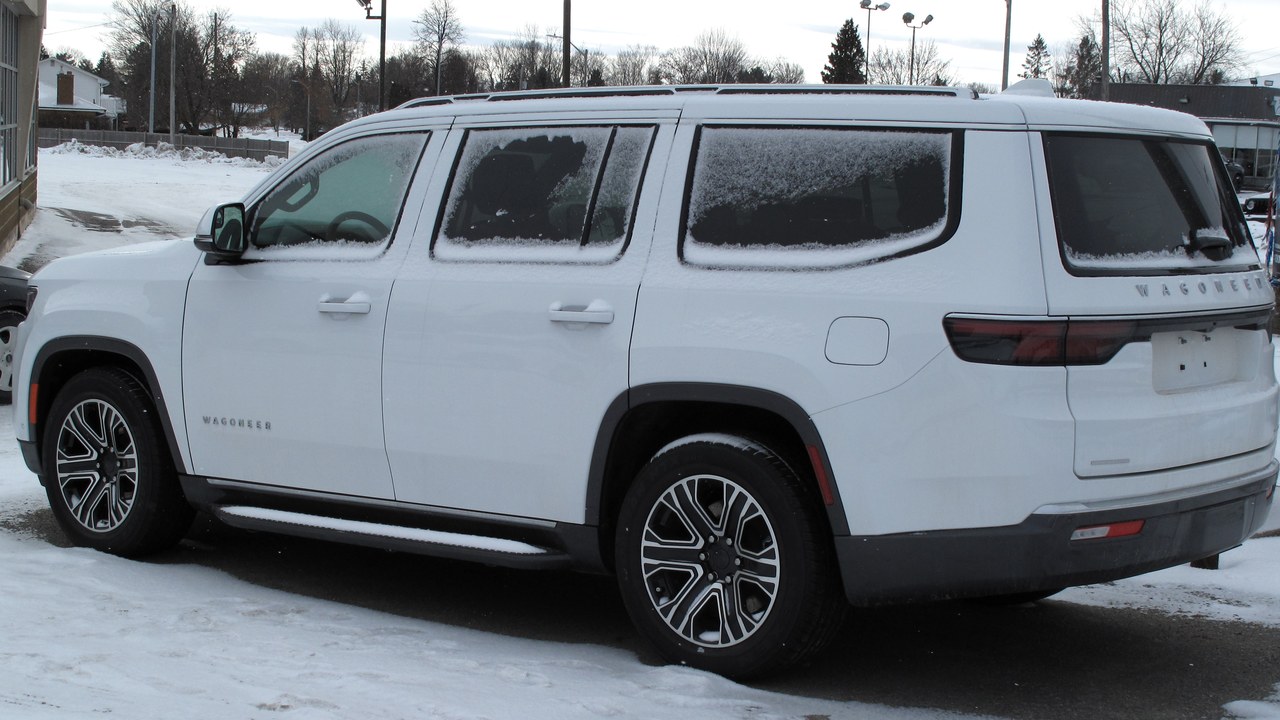
The current WS-generation Wagoneer, launched for the 2022 model year, moved away from Jeep’s traditional V8 lineup by offering the twin-turbocharged Hurricane inline-six as both its standard engine and a high-output performance option.
Stellantis positioned the Hurricane as a direct V8 replacement across its full-size trucks and SUVs, matching or beating the older engine’s towing figures while noticeably improving highway fuel efficiency for family road trips. Jeep also offers a diesel-adjacent version tuned specifically for towing, giving buyers a choice between outright horsepower and maximum low-end pulling power.
7. Mercedes-Benz E-Class: A Mild-Hybrid Turbo Six
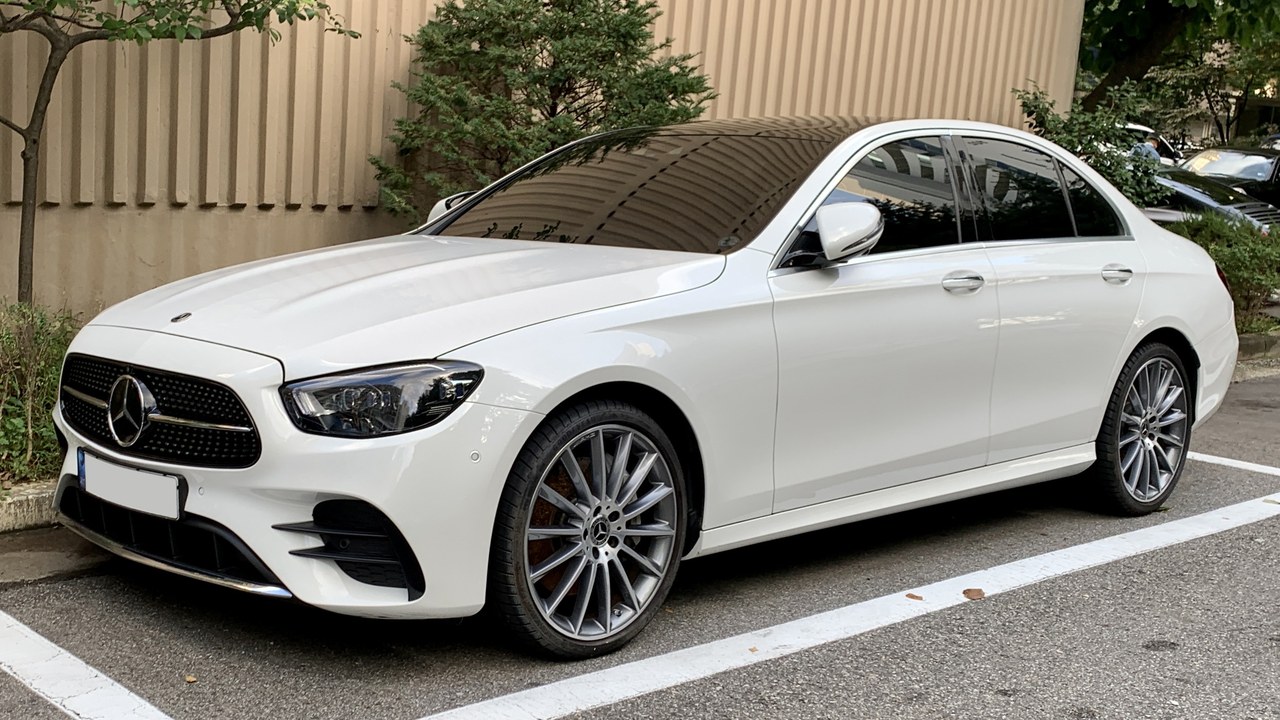
Mercedes-Benz fits the E-Class with the M256 turbocharged inline-six, an engine that integrates a 48-volt mild-hybrid starter-generator to smooth out turbo lag and add a brief electric boost of power under hard acceleration.
The hybrid assistance lets the executive sedan deliver quicker throttle response at low speeds while still returning the fuel economy figures buyers expect from a modern German luxury car in this competitive class. Mercedes-Benz pairs the M256 with a nine-speed automatic transmission as standard equipment, a gearbox tuned to keep the six-cylinder in its efficient operating range.
8. Ford Falcon: Australia’s Barra Legend
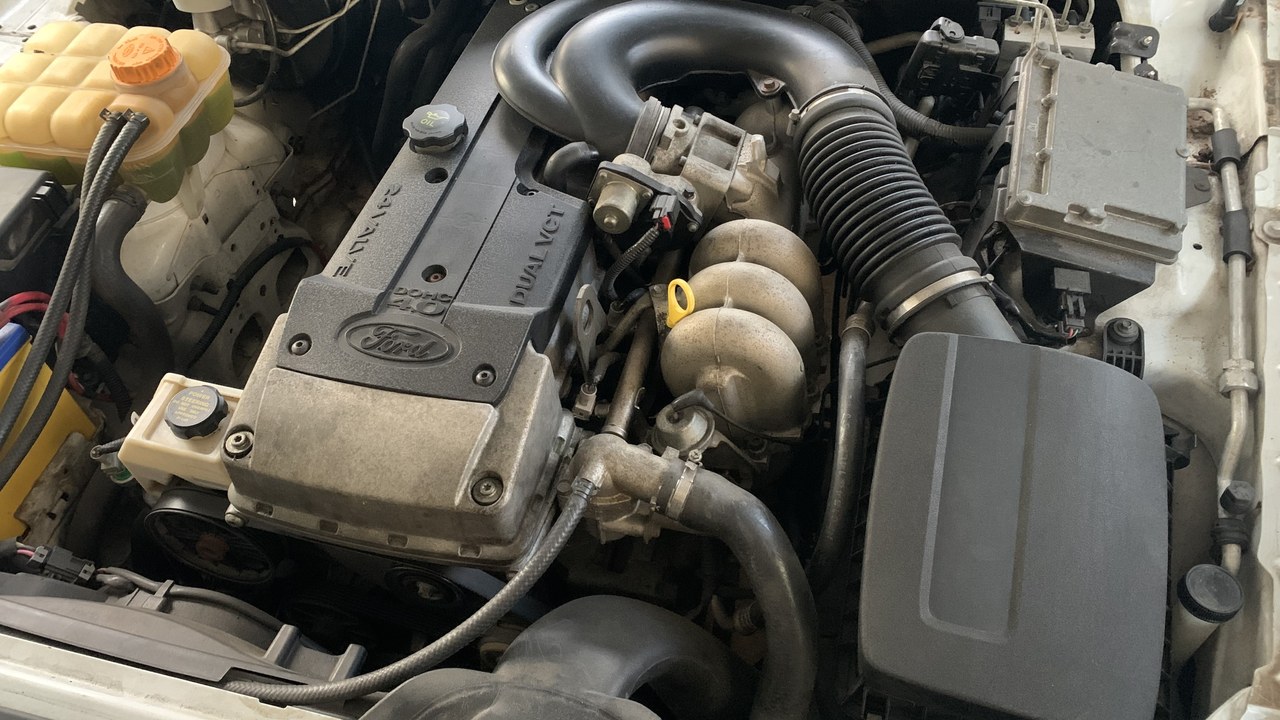
Ford Australia’s home-market Falcon carried the turbocharged Barra inline-six from 2002 until local production ended in 2016, an engine that became a cult favorite for its ability to survive enormous power increases while largely stock internally.
Australian enthusiasts still swap Barra sixes into unrelated project cars today, chasing the same reputation for durability under heavy boost that the Falcon built over more than a decade of local production runs. The engine takes its name from the Ford Australia engine plant location, and its aftermarket support network remains active even though the Falcon itself is discontinued.
9. Nissan Patrol: The Outback’s Rugged Six
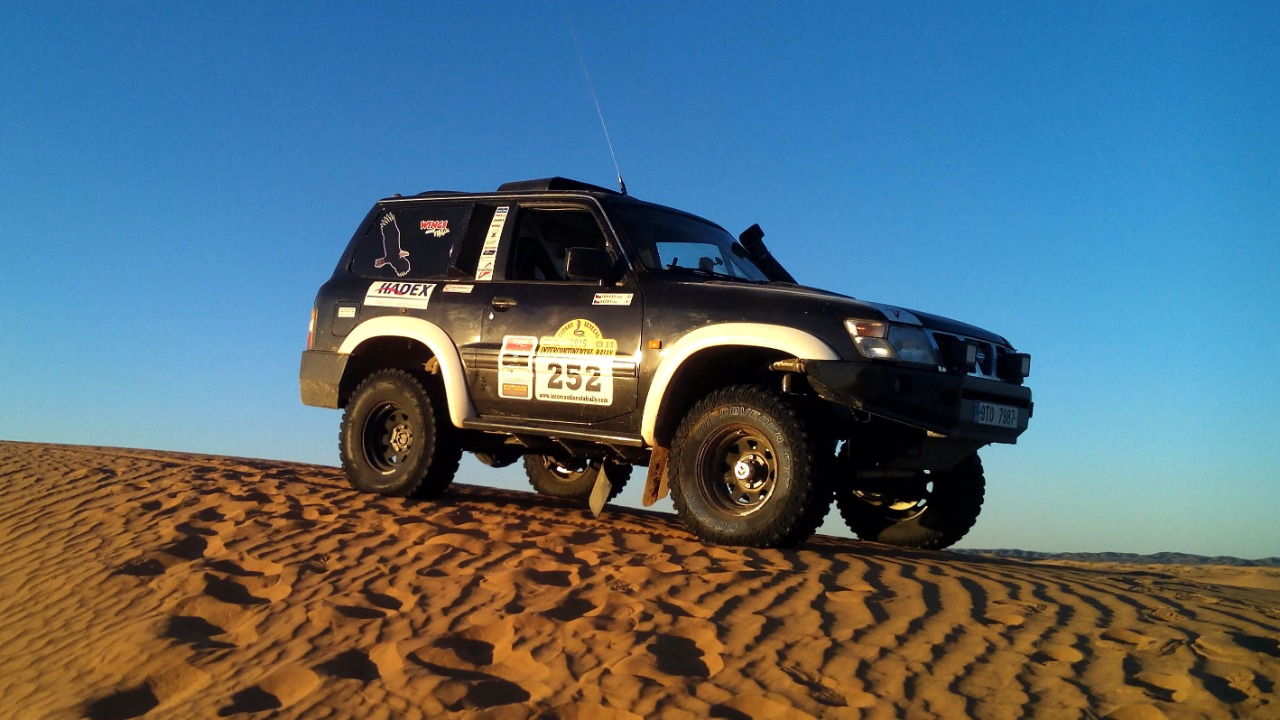
The Y61-generation Patrol offered the turbocharged TB48 straight-six, a torque-heavy engine favored across Australia and the Middle East for hauling heavy loads through remote, unforgiving terrain far from the nearest repair shop.
Owners prize the TB48 for its mechanical simplicity and long-term reliability, qualities that keep older Patrols in strong demand today, long after newer generations of the SUV moved to different engine layouts entirely. Later Patrol generations sold in North America and other markets eventually shifted toward V8 power, leaving the TB48 six as a distinctly regional favorite.
10. Genesis G80: A Quiet Twin-Turbo Luxury Six
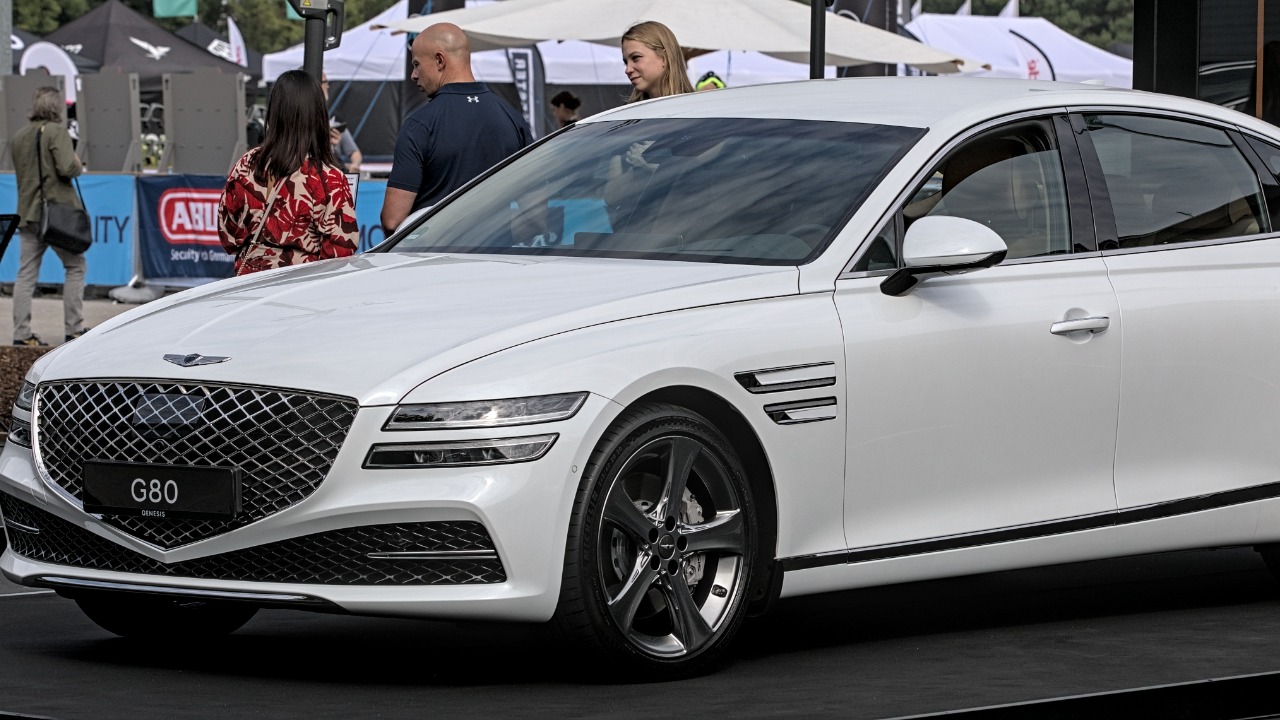
Genesis offers the G80 luxury sedan with a twin-turbocharged 3.5-liter inline-six, an engine shared across the brand’s broader lineup that delivers strong midrange torque without the boisterousness or fuel thirst of a traditional V8.
The refined, quiet power delivery fits the G80’s broader mission of undercutting established German rivals on price while still matching their performance credentials squarely on paper and out on the road. Genesis, the luxury arm spun off from Hyundai, continues to offer the inline-six alongside a four-cylinder option, letting buyers choose performance over base pricing.
More from Morning Overview
- A second Maya city, hidden 2,500 years, has surfaced from Campeche’s forest on LiDAR maps
- Doctors are rethinking who actually benefits from a daily low-dose aspirin
- Older Teslas are wearing out in ways early owners never saw coming
- Stanford doctors flag five risks that make cannabis dangerous after 65
