
The Wankel rotary engine promised smooth, compact power without pistons, and a handful of manufacturers built entire cars around that promise. Mazda pursued it longest and hardest, but European engineers at NSU and Citroën gambled on the same technology decades before hybrids made alternative powertrains fashionable. Here are ten cars that carried a factory-fitted rotary engine from the showroom floor.
1. Mazda RX-7: The Rotary Icon
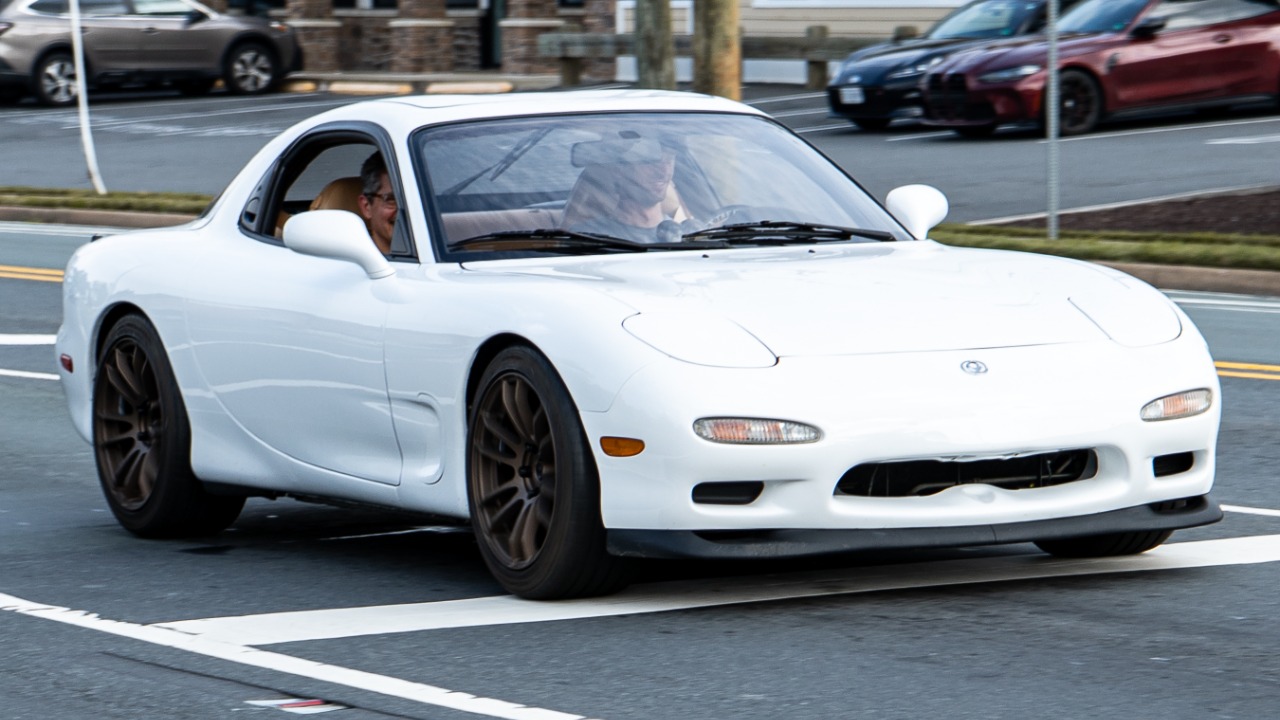
The RX-7 sports car carried Mazda’s twin-rotor engine across three generations, using the compact unit to keep the front-mid layout low and near perfectly balanced. Production ran for more than two decades, longer than any other rotary model, and the final turbocharged generation became one of Mazda’s most powerful factory cars.
That longevity made the RX-7 the rotary’s proof of concept: a platform buyers could trust for daily use, not just a one-off engineering showcase. Its reputation still anchors every rotary conversation among collectors today.
2. Mazda RX-8: The Suicide-Door Rotary
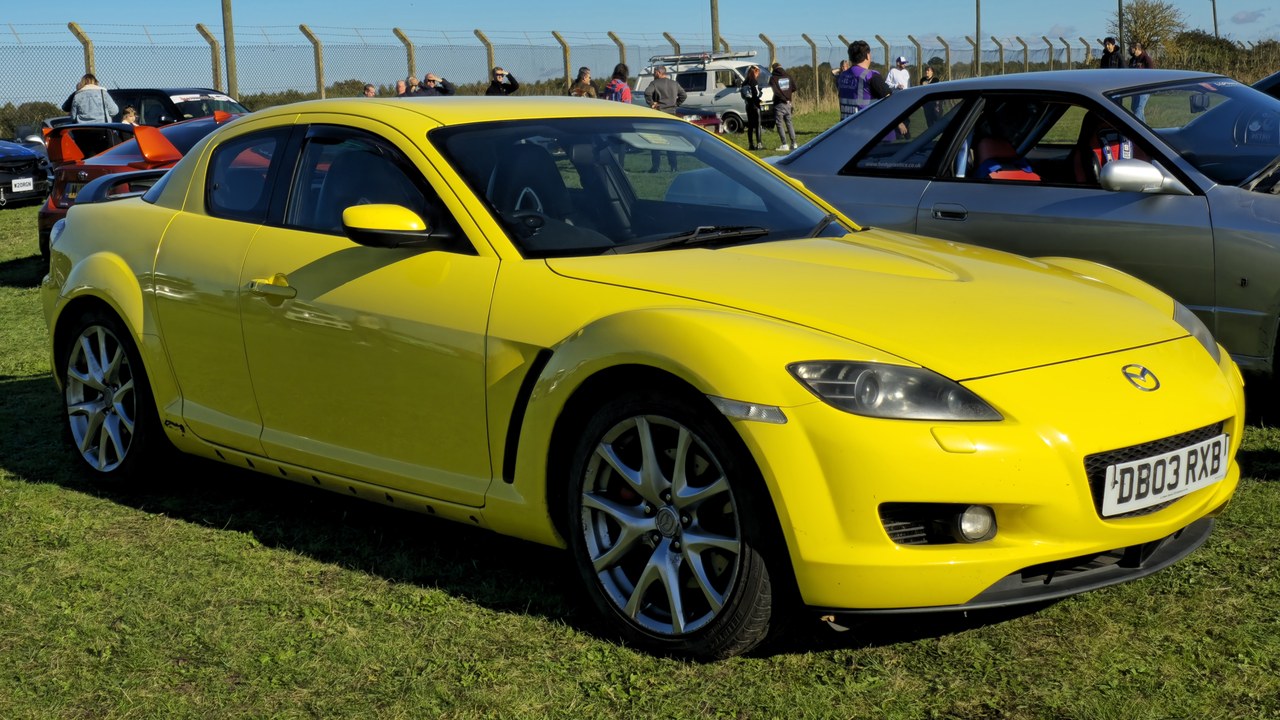
Rear-hinged half doors, opening only after the fronts, let Mazda squeeze four seats onto the RX-8’s rotary platform without a heavy B-pillar in the way. Beneath the hood, the Renesis engine breathed through side ports instead of the usual peripheral ports, a change that cut emissions and let it spin past nine thousand rpm.
That combination made the RX-8 the last mainstream car to sell a naturally aspirated rotary to ordinary buyers, not a boutique halo model. Its unusual door layout still shows up in used-car listings as the car’s most distinctive selling point.
3. Mazda Cosmo: Mazda’s First Rotary Bet
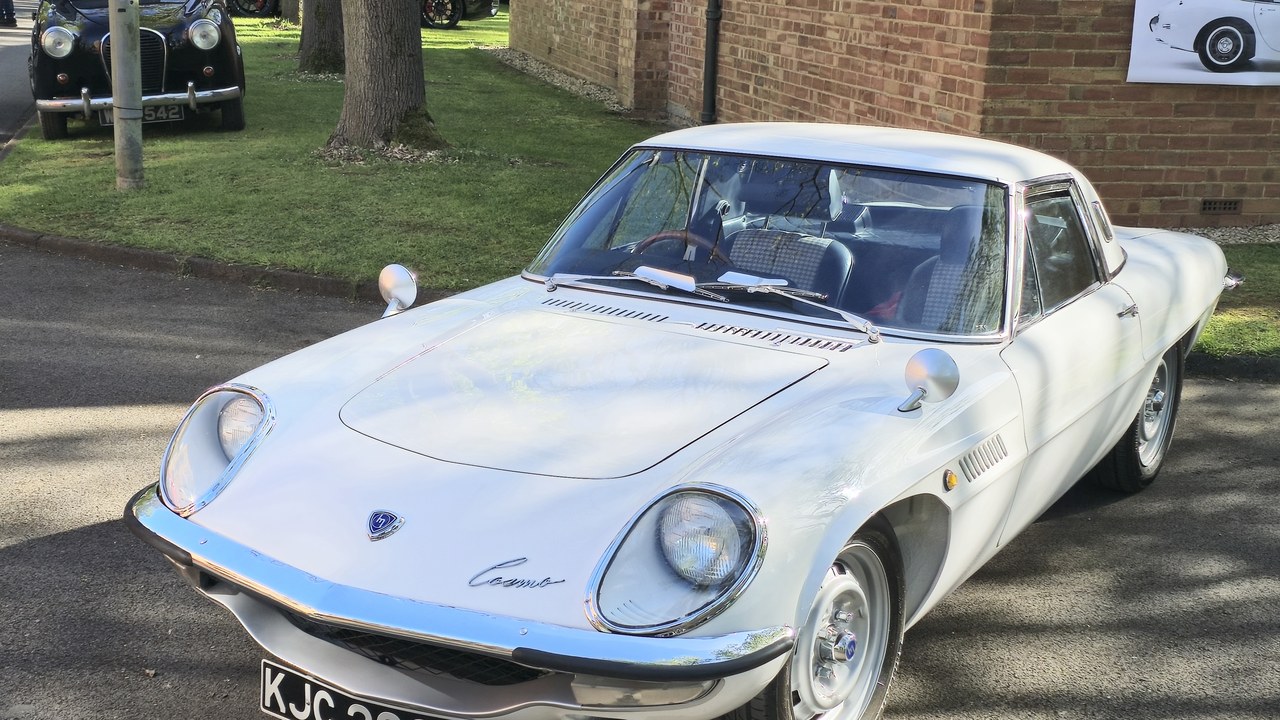
Mazda hand-built barely over a thousand examples of the Cosmo 110S coupe starting in 1967, using it to prove that a twin-rotor Wankel engine could survive daily driving after German engineers had struggled with seal wear and reliability. Its long, pointed nose and low two-seat body were designed specifically to showcase the compact new engine sitting behind the front axle.
The gamble worked well enough that Mazda kept building rotary cars for four more decades, long after other manufacturers abandoned the format. Every rotary Mazda that followed traces its engineering lineage back to this one low-volume coupe.
4. Mazda RX-3: The Skyline Giant-Killer
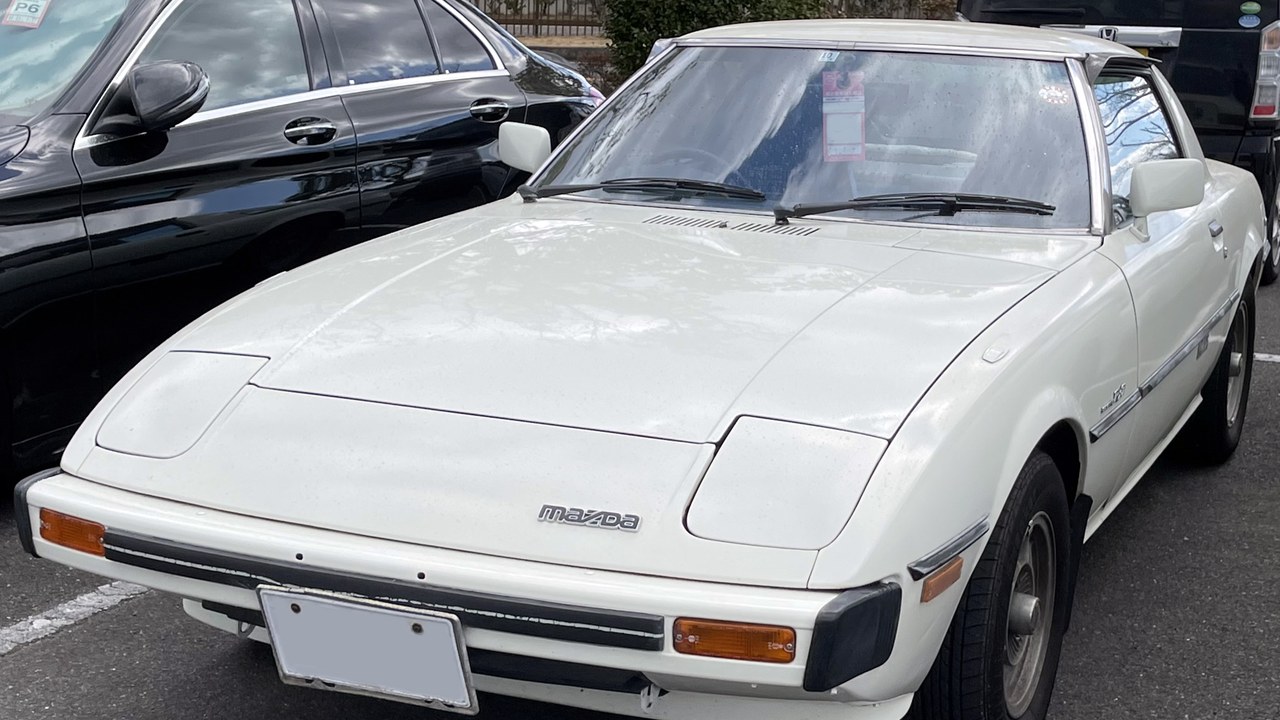
Sold in Japan as the Savanna and exported as the RX-3 rotary coupe, this lightweight racer ended the Nissan Skyline GT-R’s long unbeaten streak on Japanese touring-car grids in the early 1970s. Its small twin-rotor engine gave away displacement to rival piston motors but made up the difference with lighter weight and a much higher spinning limit.
That giant-killing reputation turned an otherwise ordinary compact into one of the most sought-after Japanese classics decades later. Surviving examples now draw serious money at auction specifically because of that racing history.
5. NSU Ro 80: The Aerodynamic Wankel Sedan
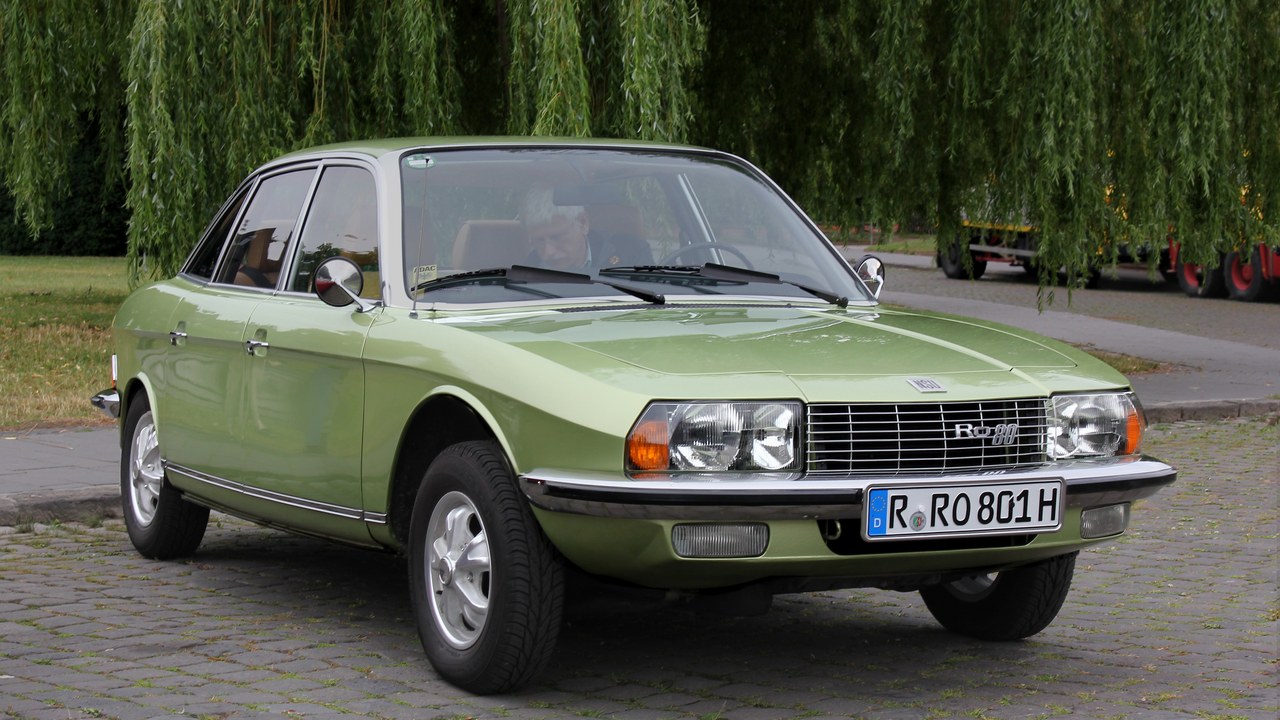
Two decades of sedan styling would later borrow from the aerodynamic shape NSU built around a twin-rotor Ro 80 engine, its boldest engineering bet of the era. Early apex seals wore out far faster than NSU had promised, and the company covered so many warranty engine replacements that the resulting losses pushed it into a merger that eventually folded NSU into Audi.
The Ro 80 remains the clearest cautionary tale in rotary history: brilliant engineering undone by a component failure nobody had solved before launch. Its styling legacy still outlasted the company that built it.
6. Citroën GS Birotor: The Hunted French Rarity
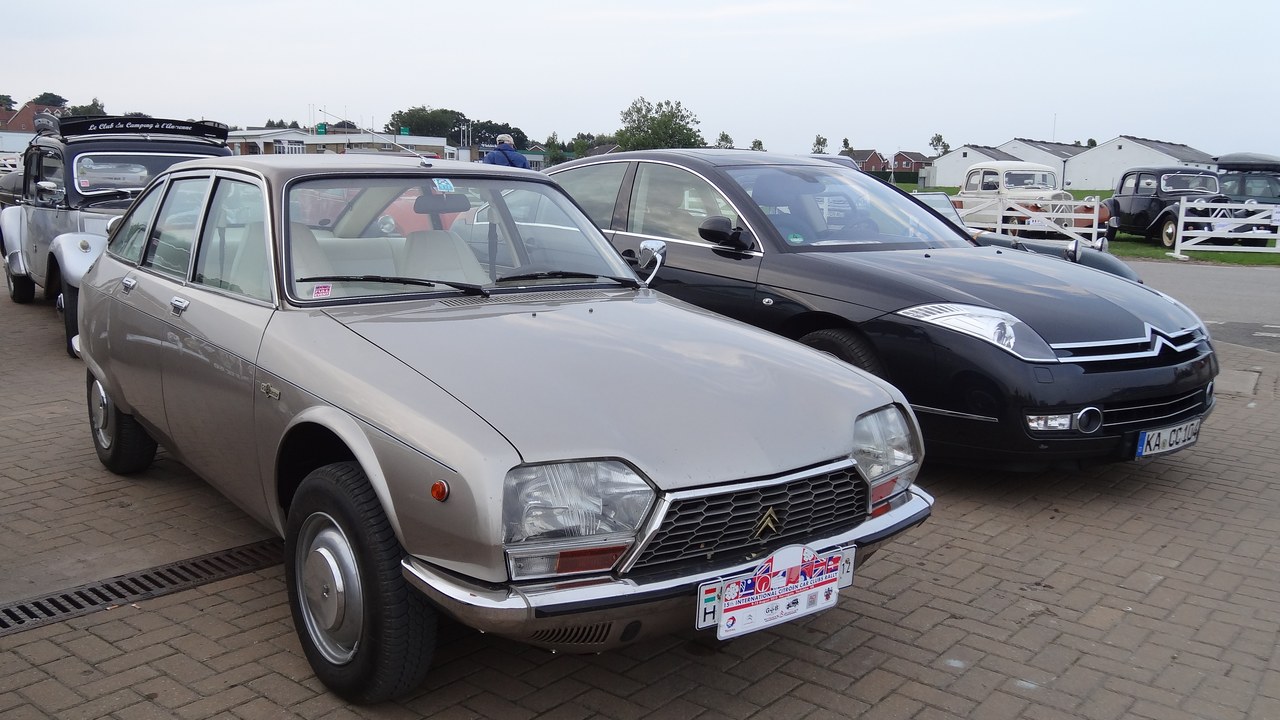
Citroën fitted barely over eight hundred examples of the GS Birotor with a twin-rotor Comotor engine built jointly with NSU, wrapping it in the standard GS body and its signature hydropneumatic suspension. The 1973 oil crisis crushed demand for a thirsty rotary almost immediately after launch, and Citroën later bought back and scrapped many unsold cars rather than support them long-term.
That deliberate destruction is exactly why so few survive today, turning a commercial failure into one of the rarest classic Citroëns collectors can chase. Finding one with its original engine intact is now genuinely difficult.
7. Mazda Luce: The Export Rotary Flagship
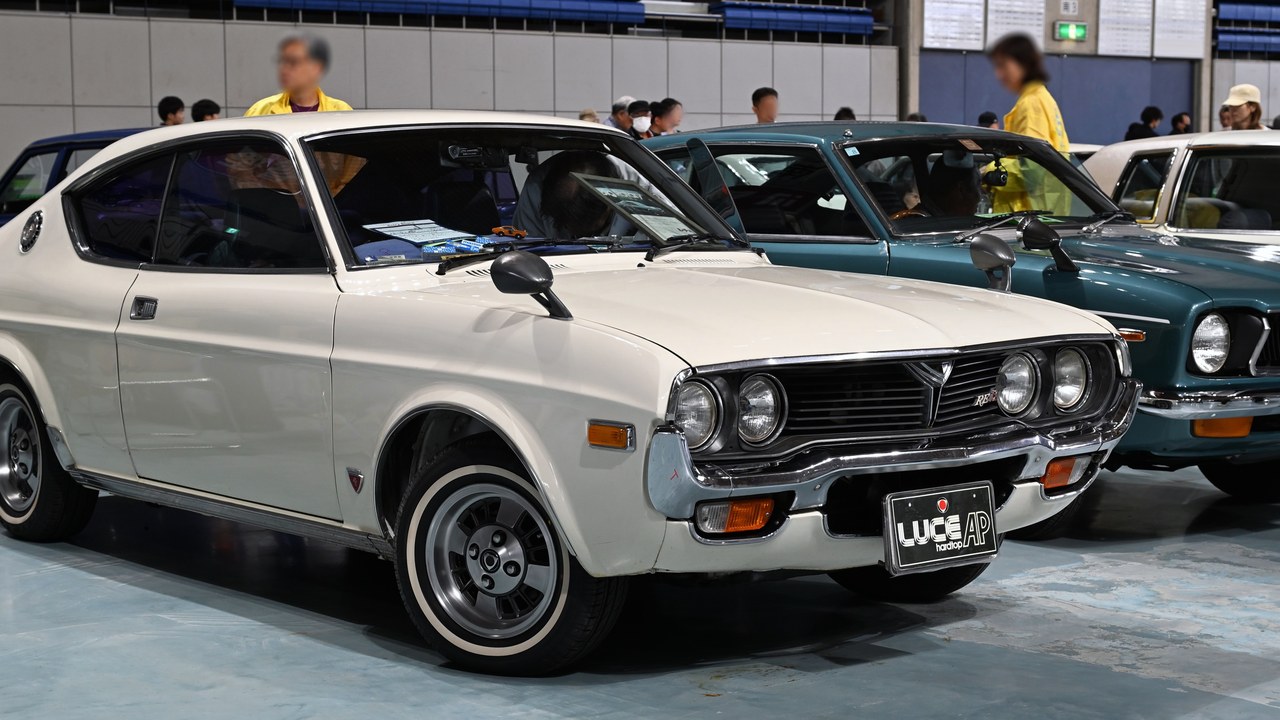
Mazda positioned the Luce as its flagship rotary sedan at home, then exported the same car to North America badged as the RX-4 so buyers unfamiliar with the Luce name would still recognize it as part of the rotary lineage. A companion two-door coupe variant, sold as the R130, paired the rotary engine with sharper styling aimed at a younger buyer.
Renaming a flagship for different markets was unusual for Mazda at the time, and it shows how central the rotary badge had become to selling the brand overseas. The Luce name itself largely disappeared from English-language car history as a result.
8. Mazda 787B: Le Mans’ Only Rotary Winner

Behind a four-rotor R26B engine, the 787B won the 24 Hours of Le Mans outright in 1991, the only rotary-powered car ever to take overall victory at the race. Painted in Renown’s bright orange and green livery, the car also made Mazda the first and still only Japanese manufacturer to win Le Mans outright.
Endurance racing’s governing body effectively banned rotary engines from top-level competition soon afterward, which means no rotary car can ever repeat the feat under current rules. That makes the 787B’s win a permanently unrepeatable record rather than just a historic one.
9. Mazda RX-2: The Overachieving Compact
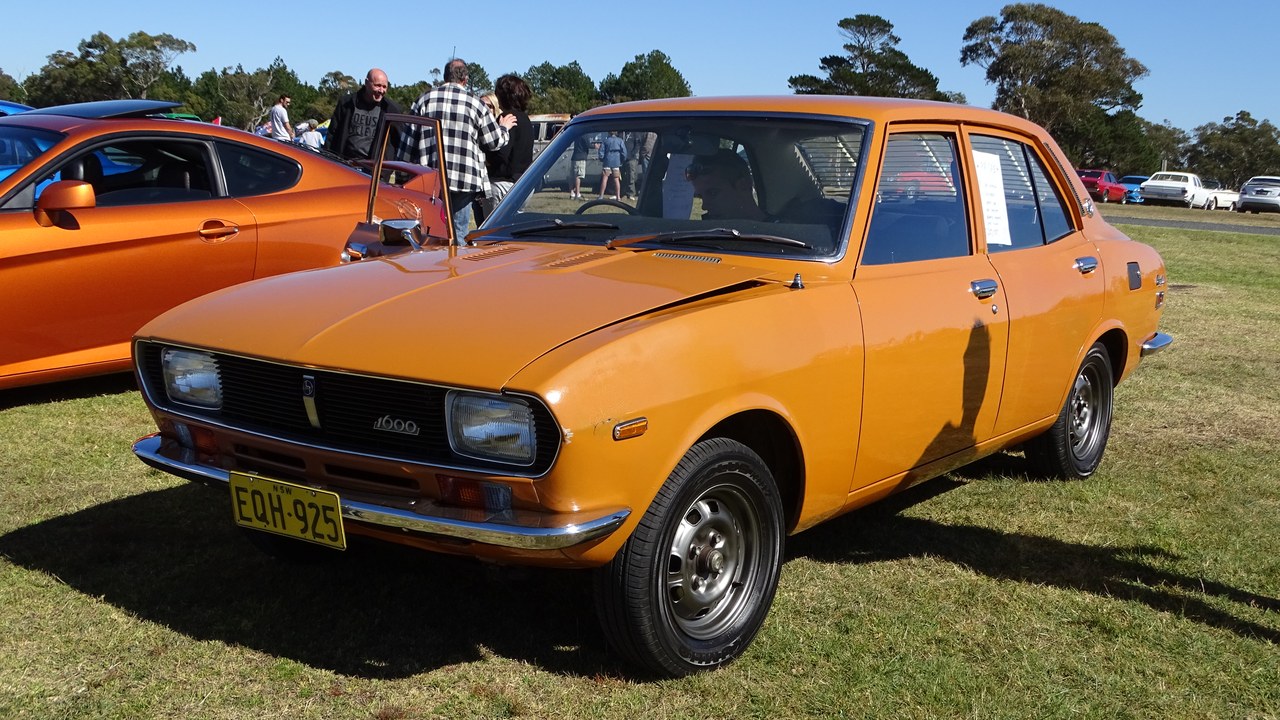
Mazda sold its Capella compact with a choice of conventional piston engines almost everywhere except the United States, where the rotary version was exported alone under the RX-2 name. Stripped of the extra weight a piston four-cylinder would have added, the RX-2 undercut rival compacts on power-to-weight and found its way onto American amateur racing grids.
That imbalance between markets meant American buyers judged an entire nameplate purely on its rotary performance, with no slower piston version around to compare it against. The RX-2 helped cement Mazda’s early reputation in the United States as a rotary specialist rather than a generalist import brand.
10. Eunos Cosmo: The Triple-Rotor Original
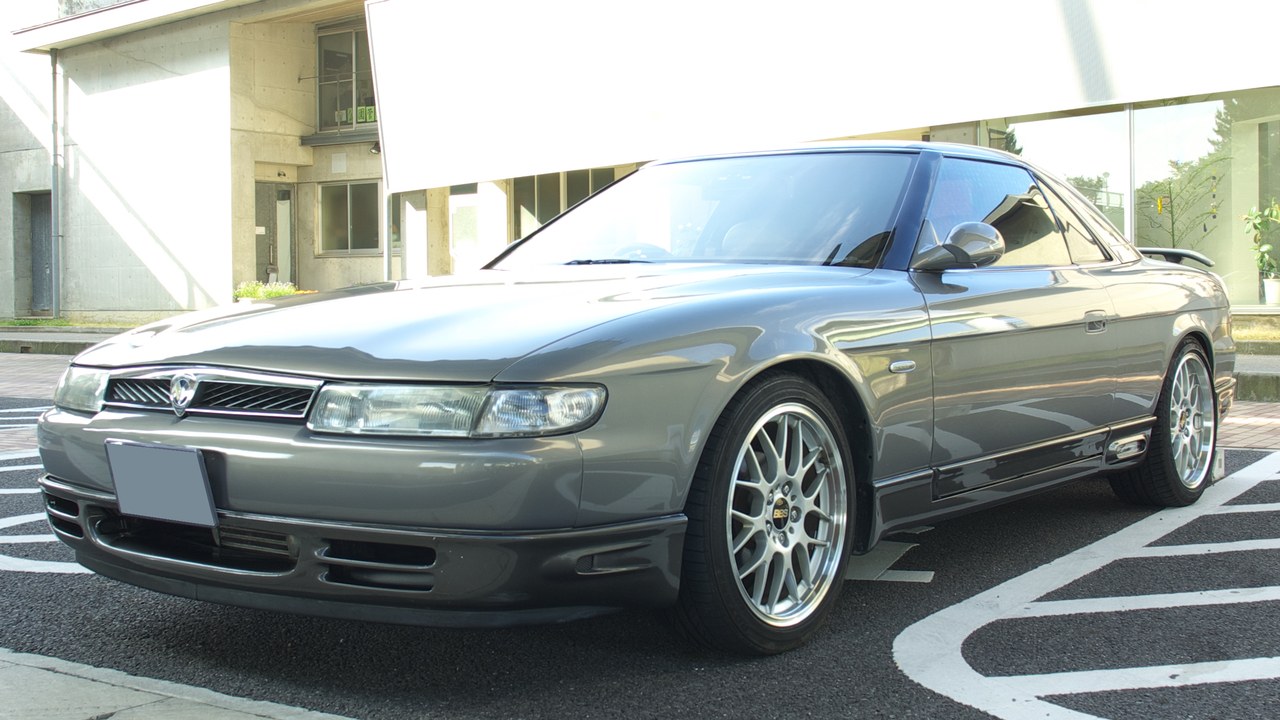
Only one production car has ever carried a triple-rotor engine: the Eunos Cosmo, launched in 1990 with a twin-turbocharged 20B unit built solely for this flagship coupe. Sold through Mazda’s short-lived Eunos luxury channel in Japan, it also debuted a factory touchscreen navigation system years before such technology reached most other cars.
Both firsts made the Cosmo a technical showcase rather than a volume seller, and Mazda never exported it or repeated the triple-rotor layout in any later model. It remains the rotary engine’s most extreme production expression, three decades on.
More from Morning Overview
- Card skimmers hidden on gas pumps are draining accounts, and there’s a quick way to spot them
- The NSA warns one messaging setting can clone your texts to a stranger
- Security experts still urge phone owners to switch off one location-tracking setting
- Automakers are quietly dropping the stop-start feature many drivers love to hate
