
Losing a limb, a tail or an entire set of internal organs is a death sentence for most animals, but a surprising number of species treat it as a temporary setback. Salamanders regrow limbs, sea stars regrow arms, and one tiny polyp can rebuild its whole body from a scrap of tissue. Here are ten animals that can regrow a lost body part.
1. Axolotl: Never Leaves The Water
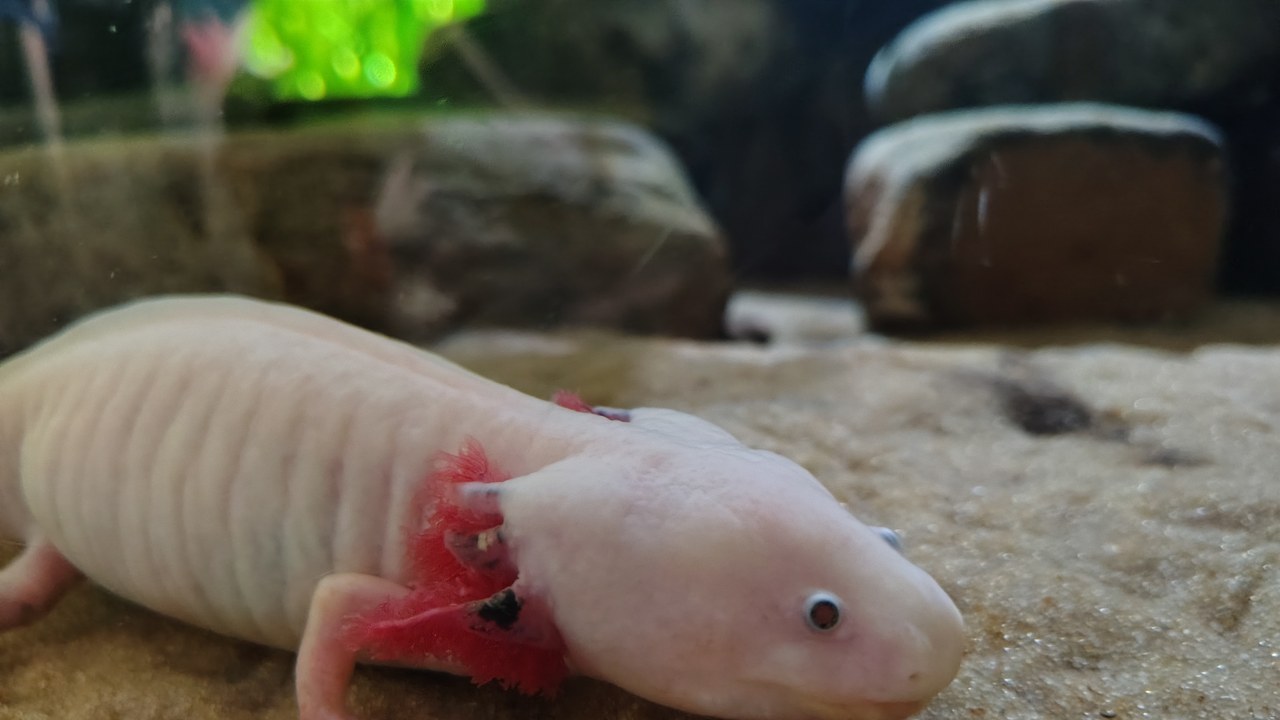
The axolotl is a Mexican salamander that regrows amputated limbs completely, rebuilding bone, muscle and nerve tissue rather than scarring over the wound. Unlike most salamanders it stays gilled and aquatic for its entire life, a trait documented by the U.S. Fish and Wildlife Service.
That permanent juvenile-like state, called neoteny, is part of why researchers study the species so closely for regenerative medicine, hoping to unlock similar healing in mammals. Wild axolotls now survive only in a shrinking network of canals near Mexico City, making captive-bred animals the main source for laboratory study.
2. Sunflower sea star: Two Dozen Arms, No Problem
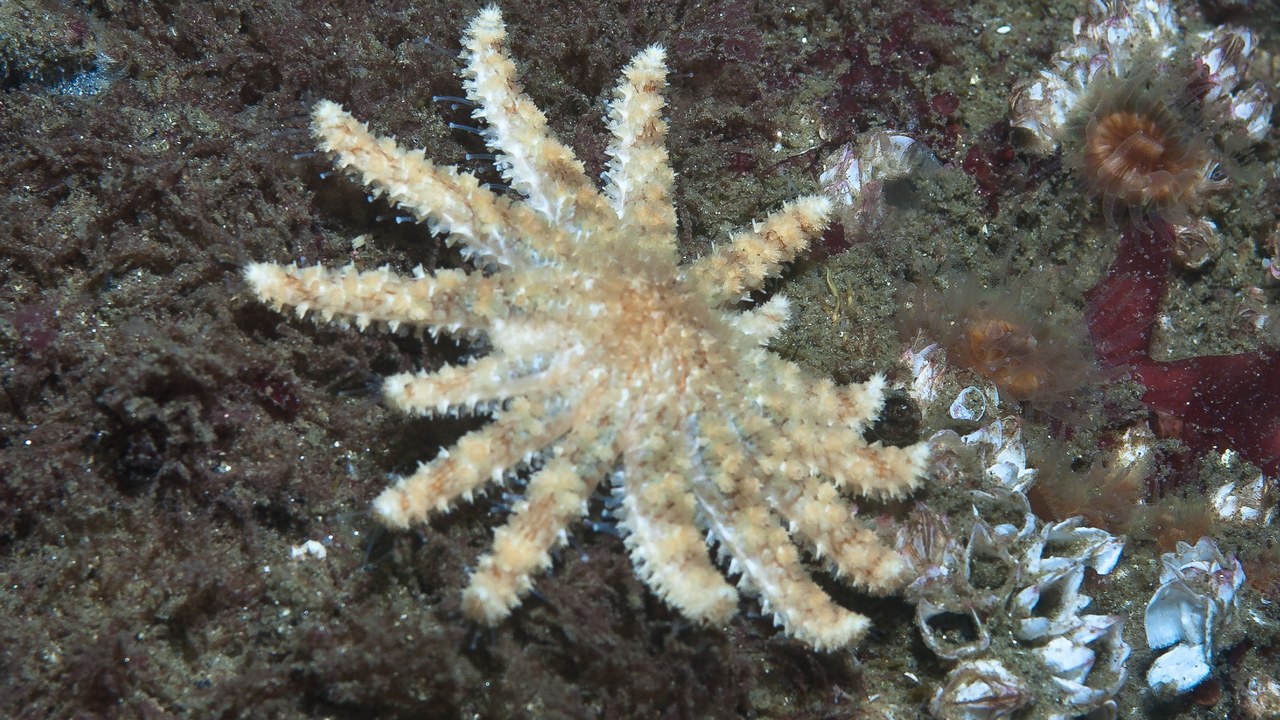
The sunflower sea star can carry up to 24 arms at once and regrows any that predators tear away during an attack. Federal fisheries scientists record that arm count in their official sunflower sea star profile.
Losing several arms to a hungry predator is rarely fatal for this species, since the central disc keeps functioning while replacements grow back in. A wasting disease has devastated populations along the Pacific coast in recent years, making the arm count itself harder to observe in the wild.
3. Planarian flatworm: One Cut, Two Worms
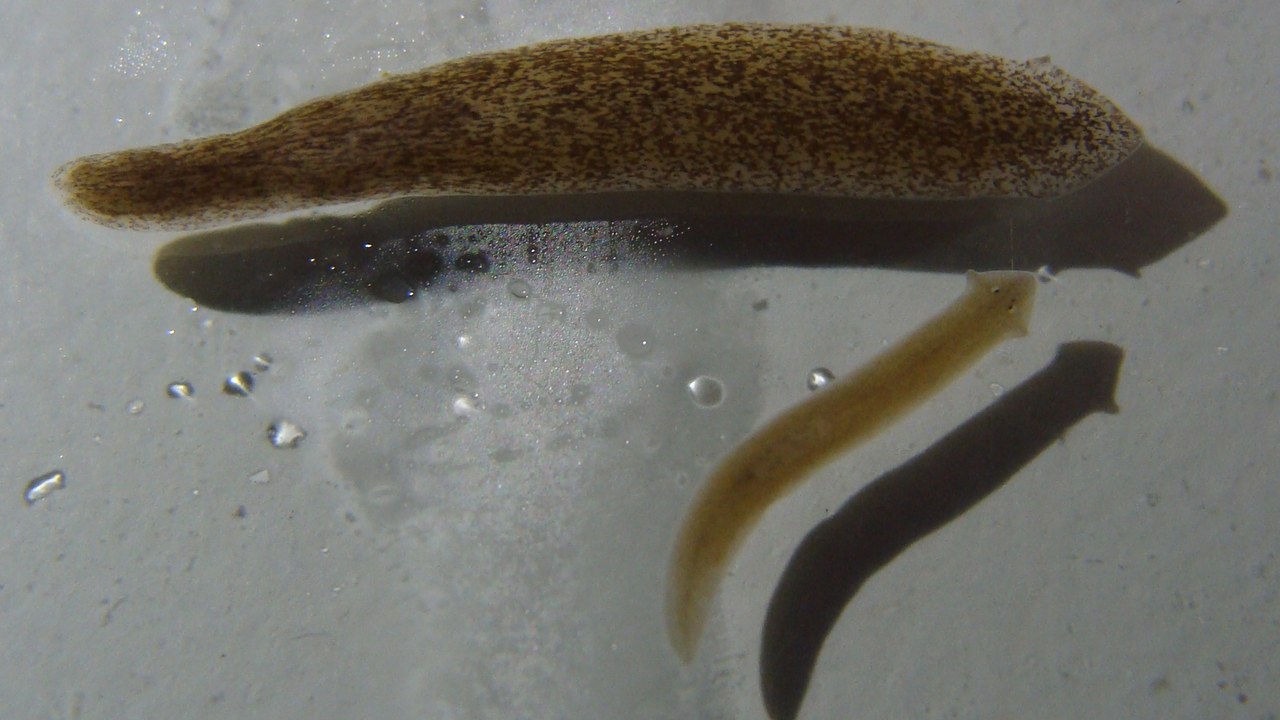
A planarian flatworm can be sliced into pieces, and a single fragment will rebuild an entire worm, head, brain and all, within about two weeks. That whole-body reconstruction from a small tissue sample is described in its species overview.
Scientists exploit this by cutting one worm into a dozen pieces and watching a dozen genetically identical worms emerge over the following days. The trick relies on a population of adult stem cells scattered through the worm’s entire body, ready to rebuild whatever tissue is missing.
4. Zebrafish: The Lab’s Favorite Fin Fixer
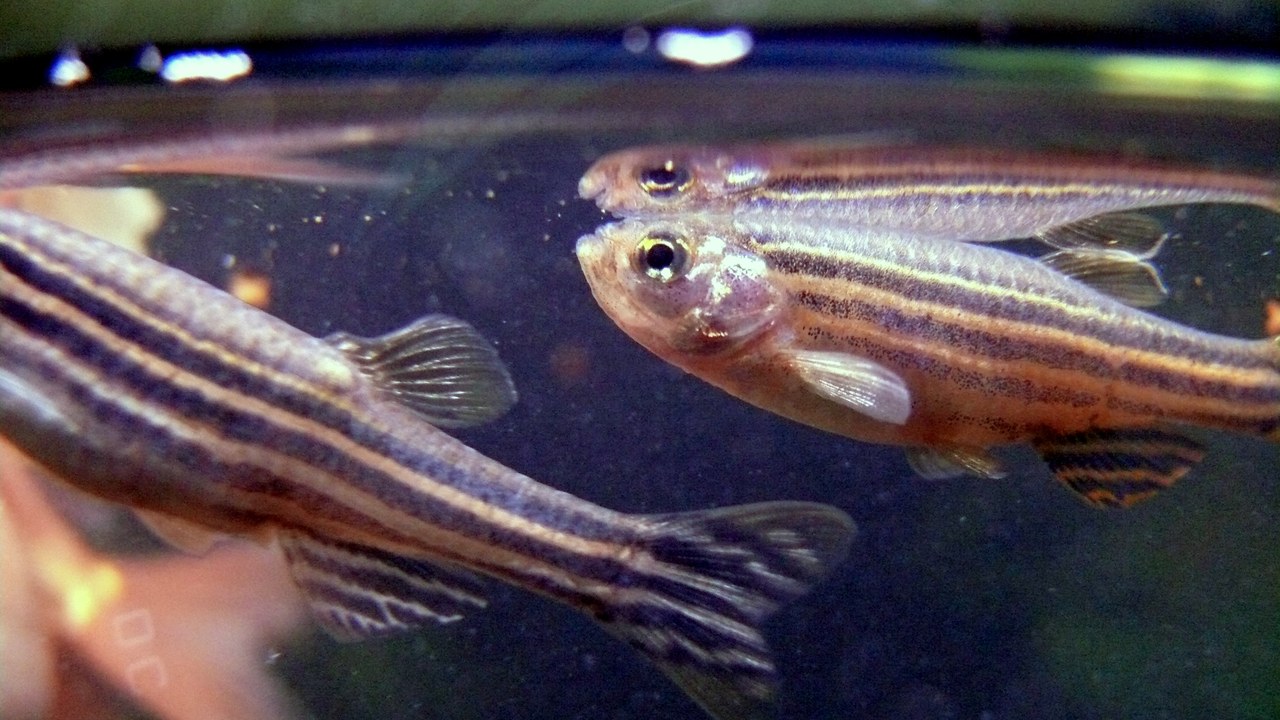
Zebrafish are small striped aquarium fish that regenerate fins and even damaged heart tissue after an injury, closing wounds that would leave permanent scars in most other animals. That regenerative ability is a key reason the species anchors so much lab work, as the genetics glossary entry on the species notes.
Because a zebrafish heart can regrow functional muscle after injury, researchers use it as a model for understanding why human hearts cannot do the same. Their transparent embryos make the entire regrowth process visible under a microscope in real time.
5. Tokay gecko: Drop It And Run
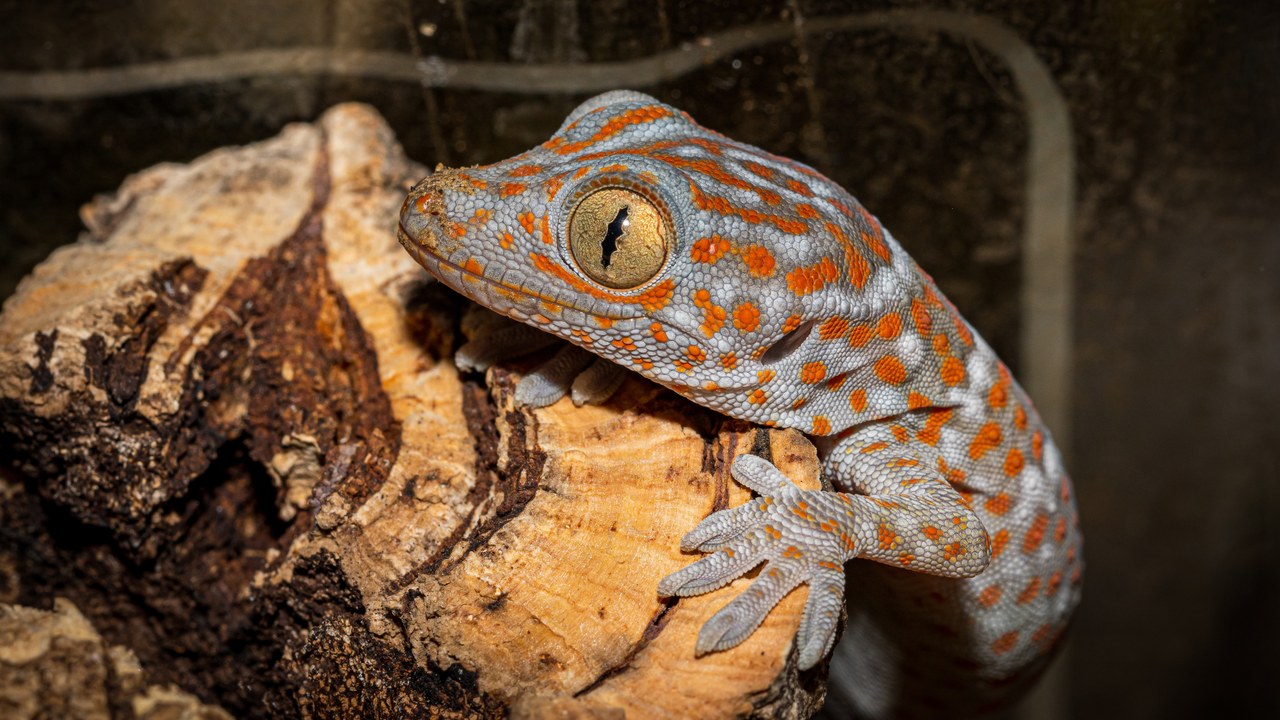
The tokay gecko sheds its own tail when a predator grabs hold, a defense called autotomy, then slowly grows a replacement over the following weeks. The species’ habits and range are outlined in its species overview.
The detached tail keeps twitching on the ground after separation, distracting a predator long enough for the gecko to escape into the trees or under bark. The regrown tail is usually shorter and duller in color than the original, a visible reminder of the close call.
6. African spiny mouse: Skin That Rips Away On Purpose
The African spiny mouse sheds patches of its own skin when a predator grabs it, then regrows the missing patch complete with hair follicles rather than a scar. That unusual self-defense and healing process is detailed in its species overview.
Most mammals heal a wound that size with tough scar tissue, so the spiny mouse’s follicle-rich regrowth has drawn attention from wound-healing researchers. The rapid skin loss also helps the small rodent slip free from a predator’s grip in the wild.
7. Sea cucumber: It Empties Itself To Survive
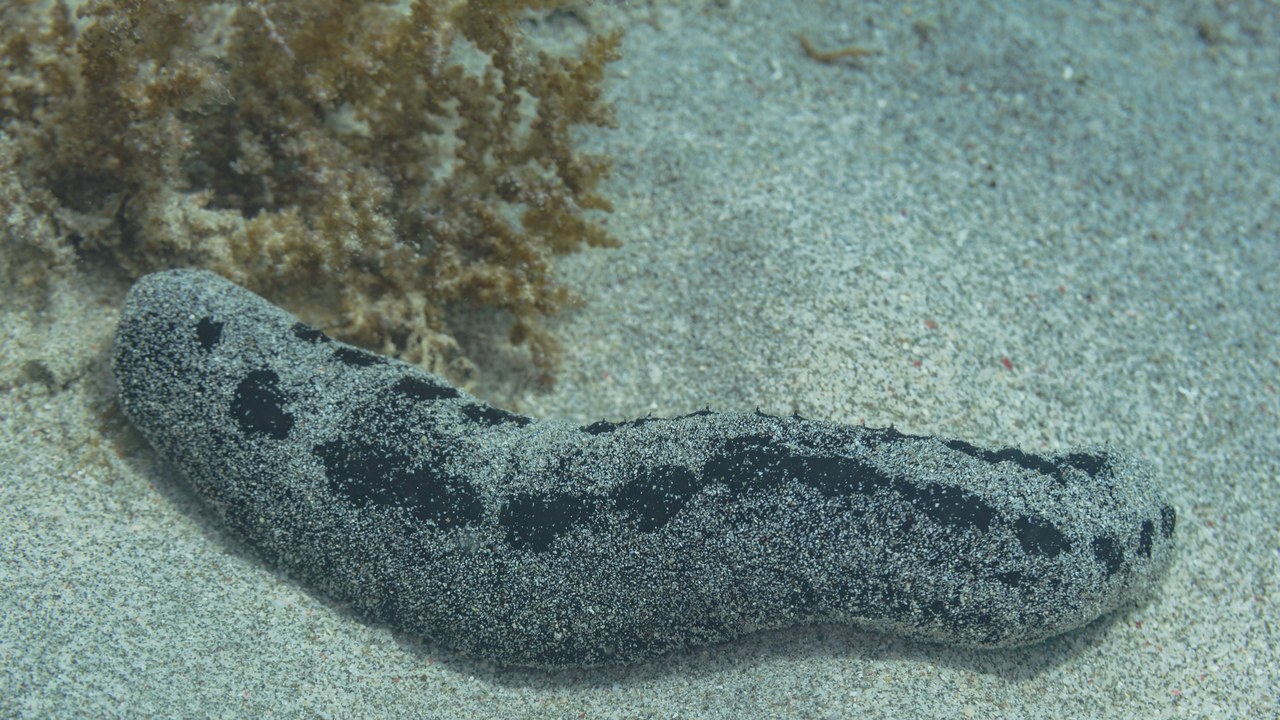
A sea cucumber can expel its own internal organs through its body wall when threatened, a dramatic defense that overwhelms or distracts a predator before the animal crawls away. The full mechanism appears in its species overview.
Over the following weeks the sea cucumber regrows its digestive tract and other lost organs from scratch, resuming normal feeding once the new tissue matures fully. Few animals can survive losing that much of their own internal anatomy in a single defensive event.
8. American lobster: New Claws With Every Molt
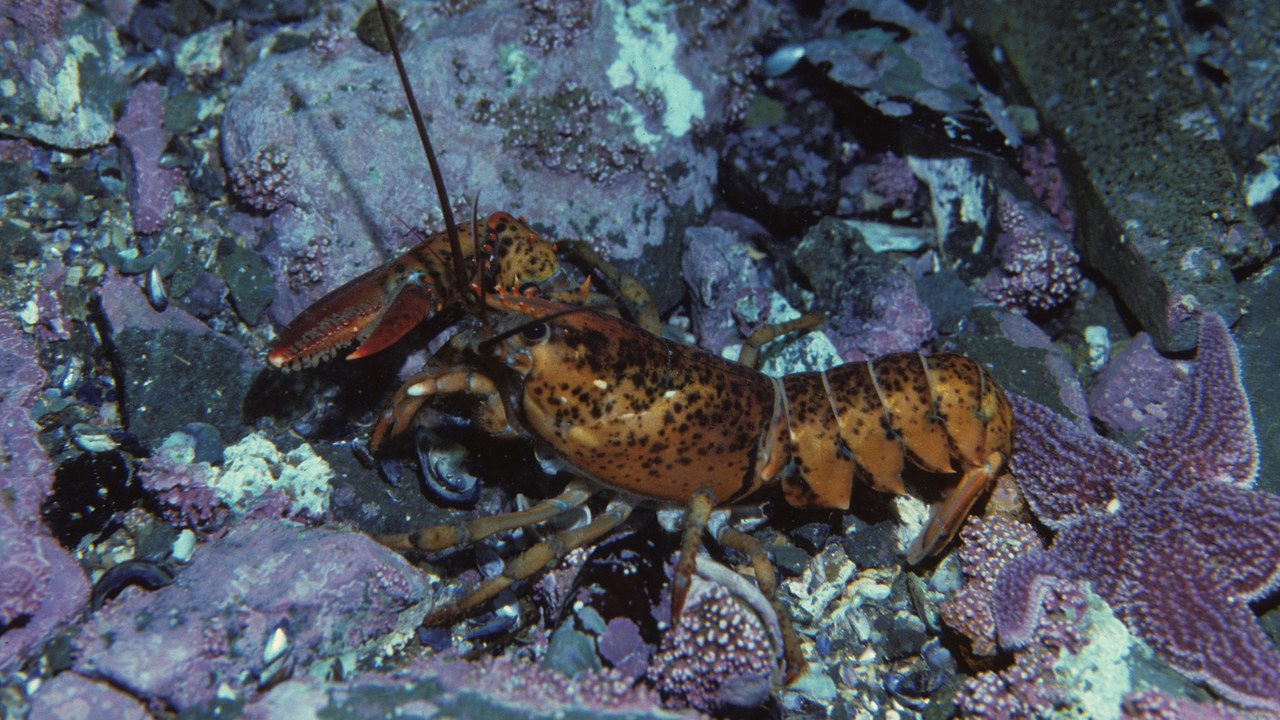
The American lobster regrows claws and legs it loses in fights or predator attacks, replacing them gradually across the successive molts it goes through as it grows. Federal fisheries researchers describe that pattern in their American lobster profile.
A lobster missing a claw after a fight is a common sight on the sea floor, and the new limb starts small before catching up in size over several molts. Fishermen sometimes see lopsided lobsters with one full-size claw and one still regrowing.
9. White-tailed deer: A New Rack Every Year
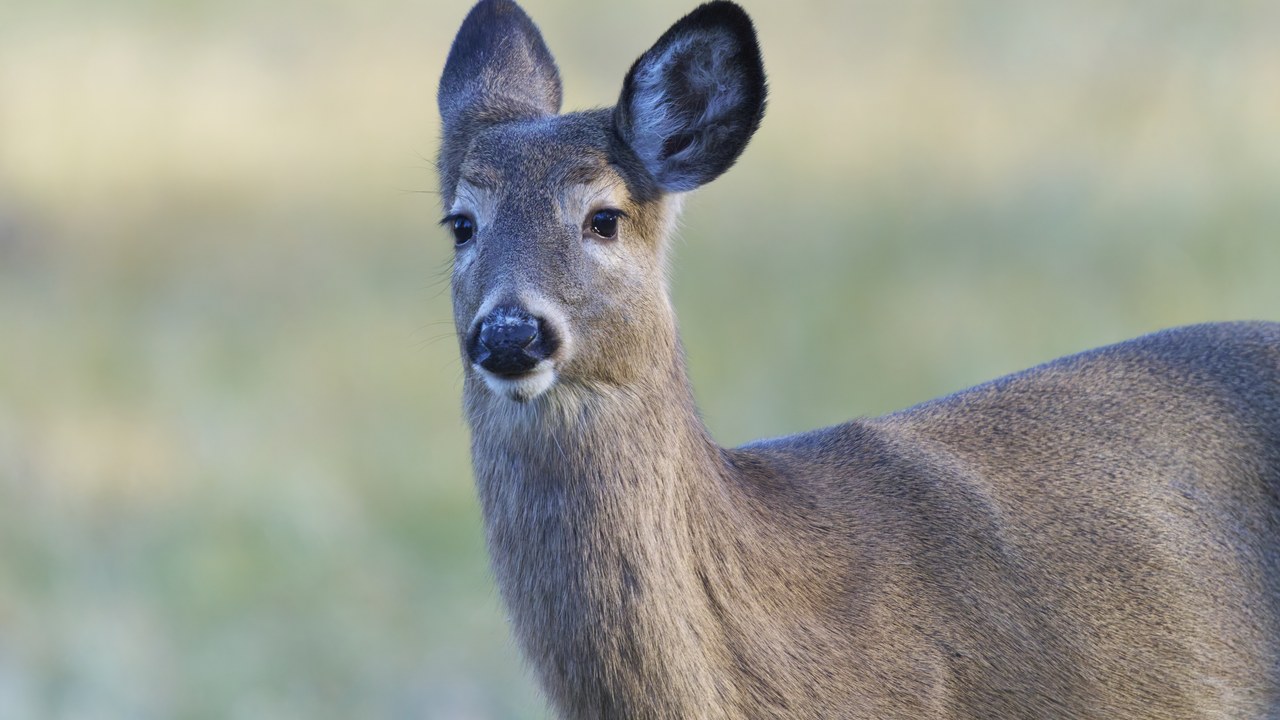
White-tailed deer bucks shed a complete set of bone antlers every year and regrow an entirely new set from scratch before the next mating season. That annual cycle is described in the species’ species overview.
Antlers are true bone, not the keratin that makes up horns on animals like cattle, which is part of why regrowing them so quickly each year is so metabolically demanding. Growth is fueled by a soft, blood-rich layer of skin called velvet that peels away once the antlers harden.
10. Hydra: A Whole Body From A Sliver
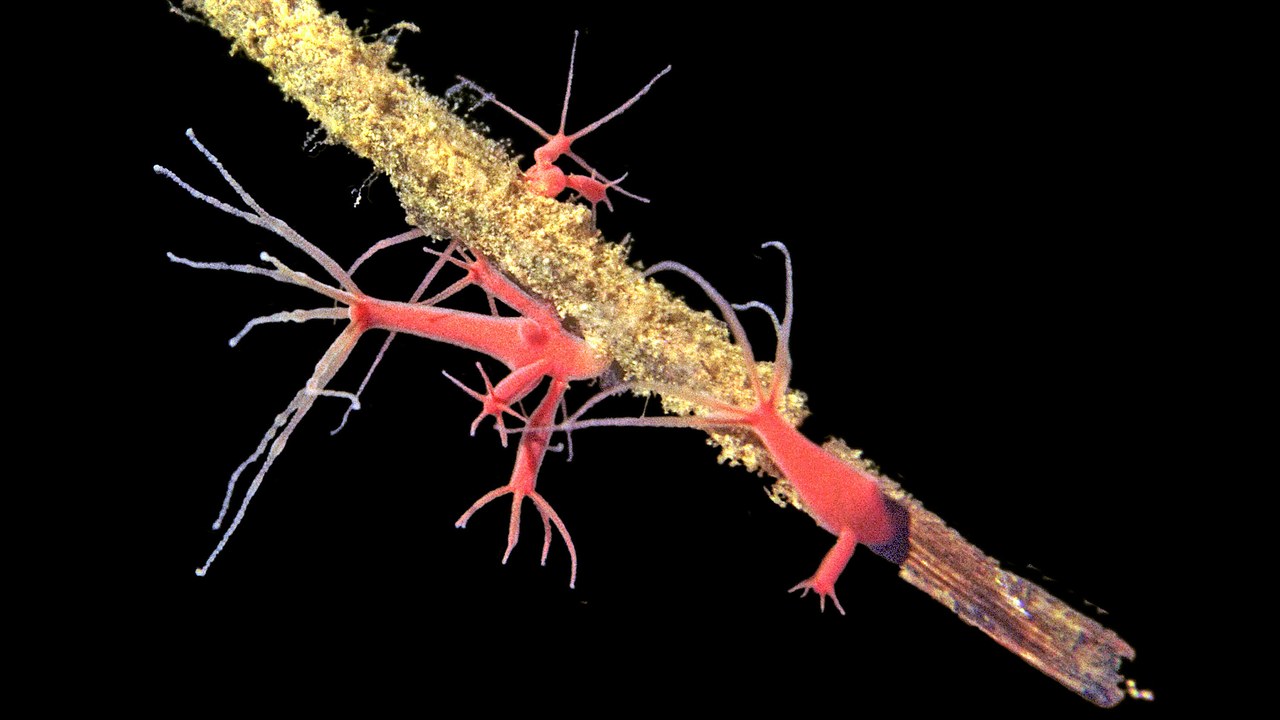
The freshwater hydra can rebuild its entire body from a small fragment of tissue, regenerating a new mouth, tentacles and gut in days rather than simply healing a wound. That capacity is described in the polyp’s genus overview.
Researchers have shown that even a tiny cluster of hydra cells reorganizes itself into a functioning polyp without any central command directing the process. The animal also shows few, if any, signs of aging, which keeps it a subject of ongoing regeneration research.
More from Morning Overview
- Four U.S. startups fired up their first small nuclear reactors, aiming to power AI data centers on-site
- 11 engines built to run well past 200,000 miles
- A handful of car transmissions are so tough that mechanics say they almost never die
- Card skimmers hidden on gas pumps are draining accounts, and there’s a quick way to spot them
