
Across the globe, cities and towns emptied by disaster, war, and economic collapse have been left to the elements. Where people once crowded streets and factories, forests, sands, and wildflowers now advance without resistance. These ten haunting sites reveal how swiftly the natural world moves back in once humans walk away.
1. Pripyat: Frozen Since The Chernobyl Disaster
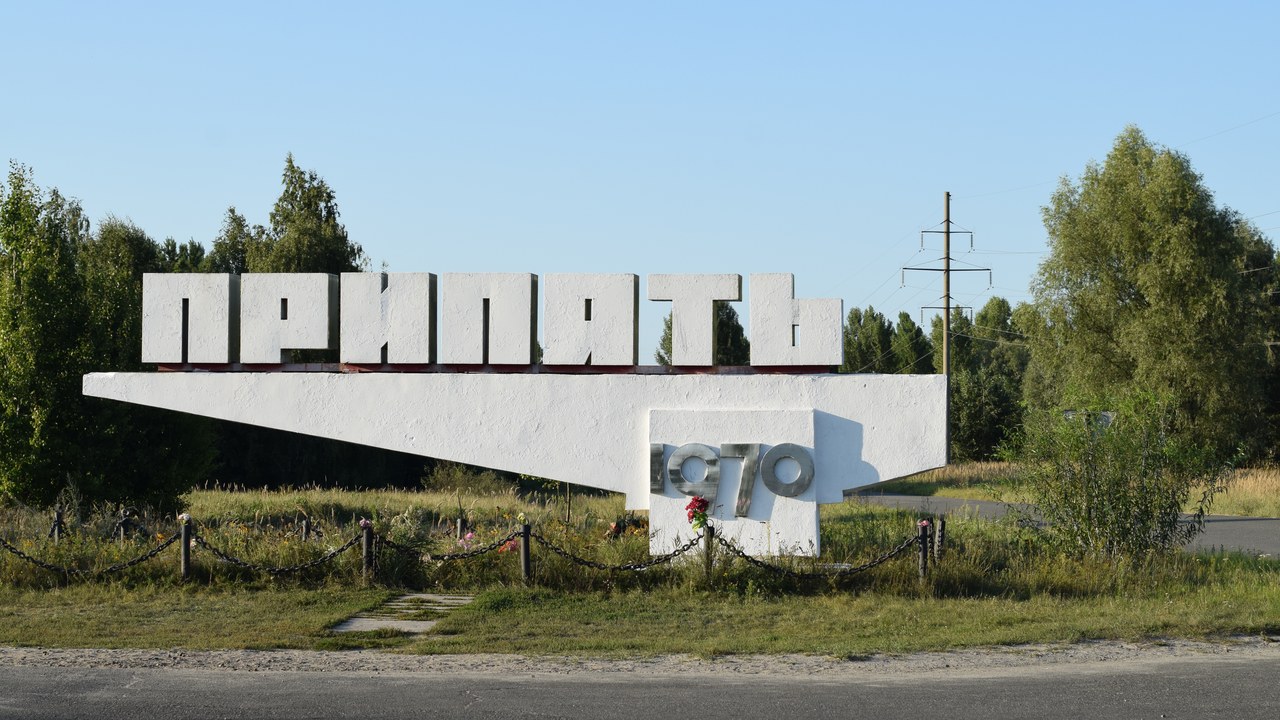
Soviet authorities founded this atomic city in 1970 to house workers at the nearby Chernobyl nuclear plant, and its population reached nearly 50,000 by 1986. Hours after the April 26 reactor explosion, buses hauled every resident away, leaving the Ukrainian ghost city abandoned inside the exclusion zone.
Four decades on, birch trees push through cracked pavement, wild boar roam the apartment blocks, and Przewalski’s horses graze where playgrounds once stood. Scientists study the site as an accidental laboratory, watching how quickly wildlife rebounds when people vanish and radiation, paradoxically, keeps human development away.
2. Hashima Island: The Concrete Island Left To The Sea
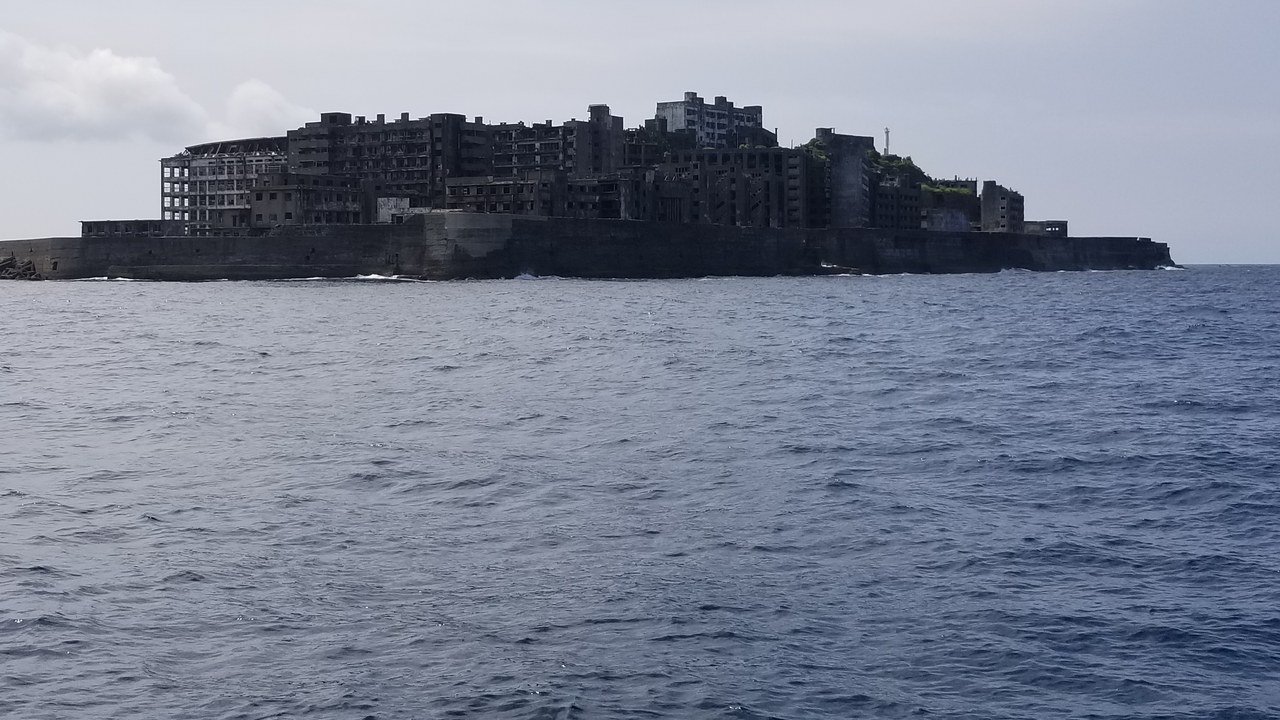
Mitsubishi mined undersea coal here from 1887, packing more than 5,000 people onto a walled speck barely 16 acres wide and building Japan’s first large concrete apartments. When the coal ran out, the company closed operations in 1974, and workers departed within months, stripping the battleship-shaped island of every last inhabitant.
Salt spray and typhoons now crumble the seawalls and hollow apartment shells, while hardy grasses colonize the rooftops and rubble. The eerie ruins earned UNESCO World Heritage status in 2015 and a cameo as a villain’s lair in a James Bond film, drawing tourists to its decay.
3. Bodie, California: The Gold Town Held In Arrested Decay
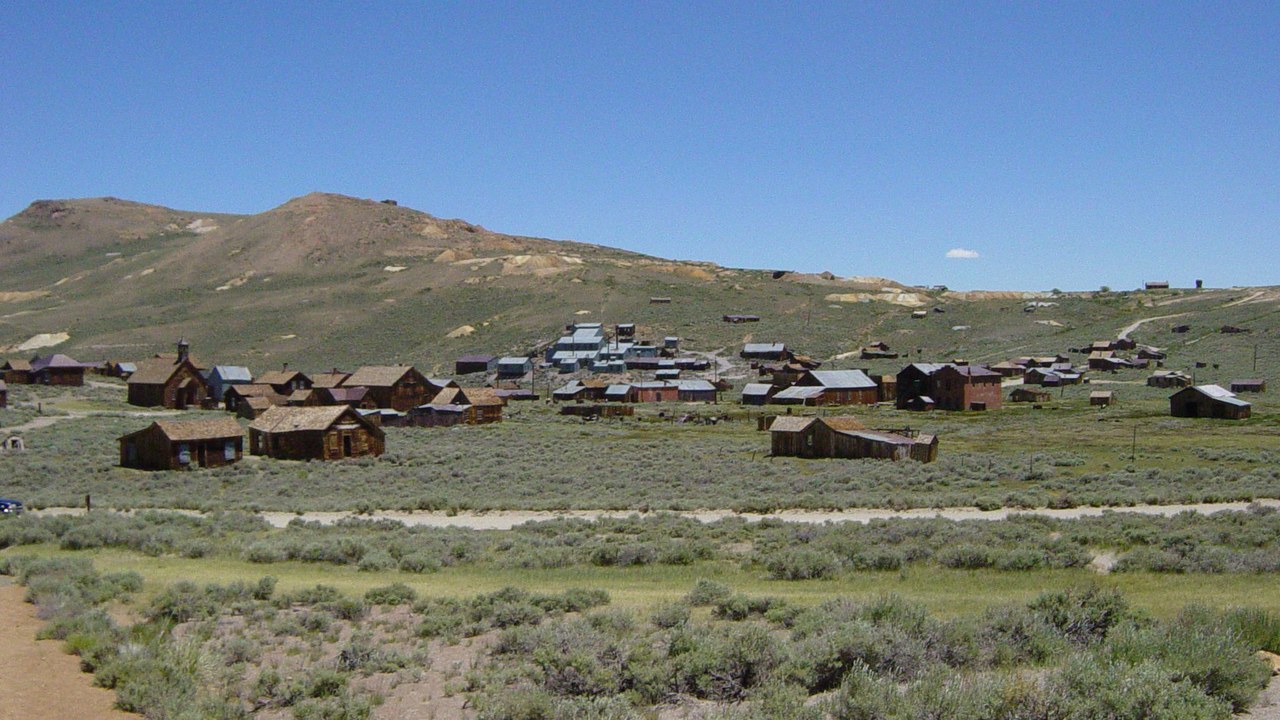
A prospector struck gold here in 1859, and the boomtown swelled to nearly 10,000 residents with dozens of saloons by the early 1880s. As the ore played out, miners drifted elsewhere, and the last holdouts left the Sierra Nevada town before the state took it over in 1962.
California preserves the roughly 100 surviving buildings in a state of arrested decay, repairing nothing but preventing collapse. Dust coats store shelves still stocked with goods, sagebrush creeps along the dirt streets, and the high desert slowly reclaims a place that once rivaled San Francisco in raucous notoriety.
4. Kolmanskop: The Diamond Town Buried By Dunes
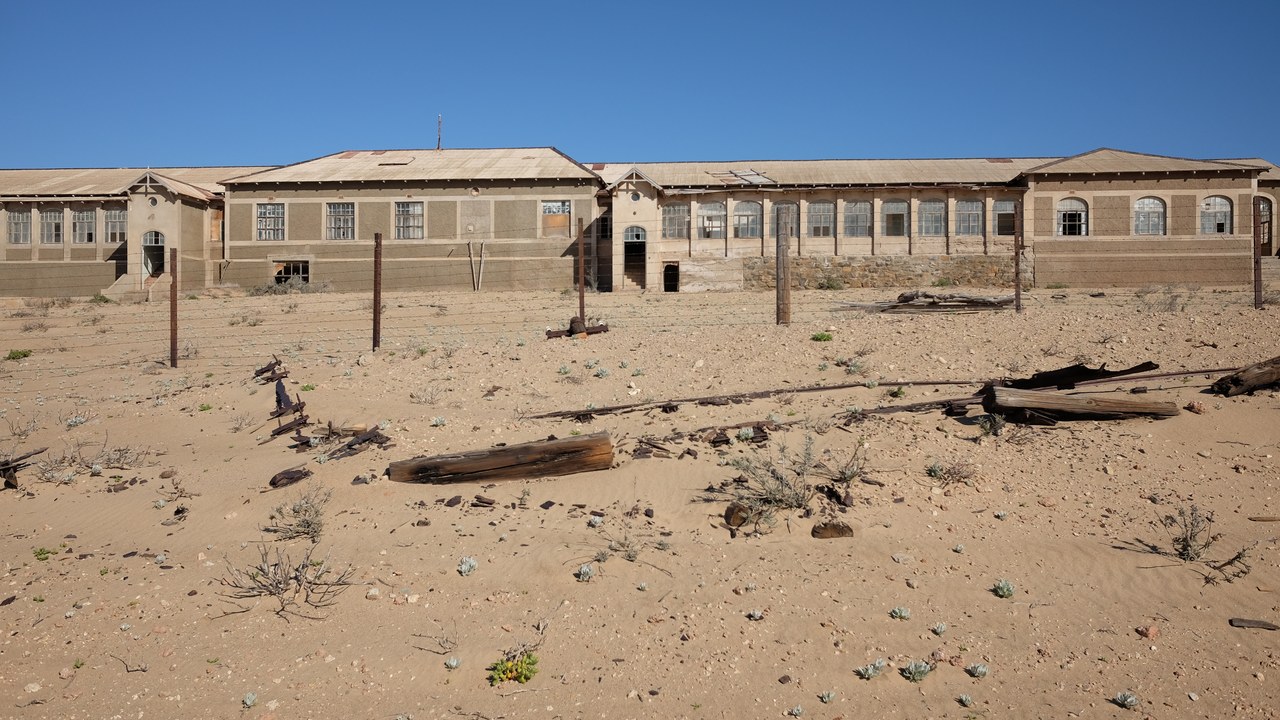
German settlers built this lavish town in the Namib Desert after a railway worker found a diamond in the sand in 1908, adding a ballroom, hospital, and bowling alley. Richer deposits discovered farther south drained the population, and the last families left the Namibian mining town by 1956.
With no one to sweep the thresholds, desert winds now pour sand through broken windows and pile dunes waist-deep inside the grand houses. Photographers prize the surreal rooms where daylight slants across knee-high drifts, a stark lesson in how fast an arid landscape swallows human ambition.
5. Centralia, Pennsylvania: The Town Above A Burning Coal Seam
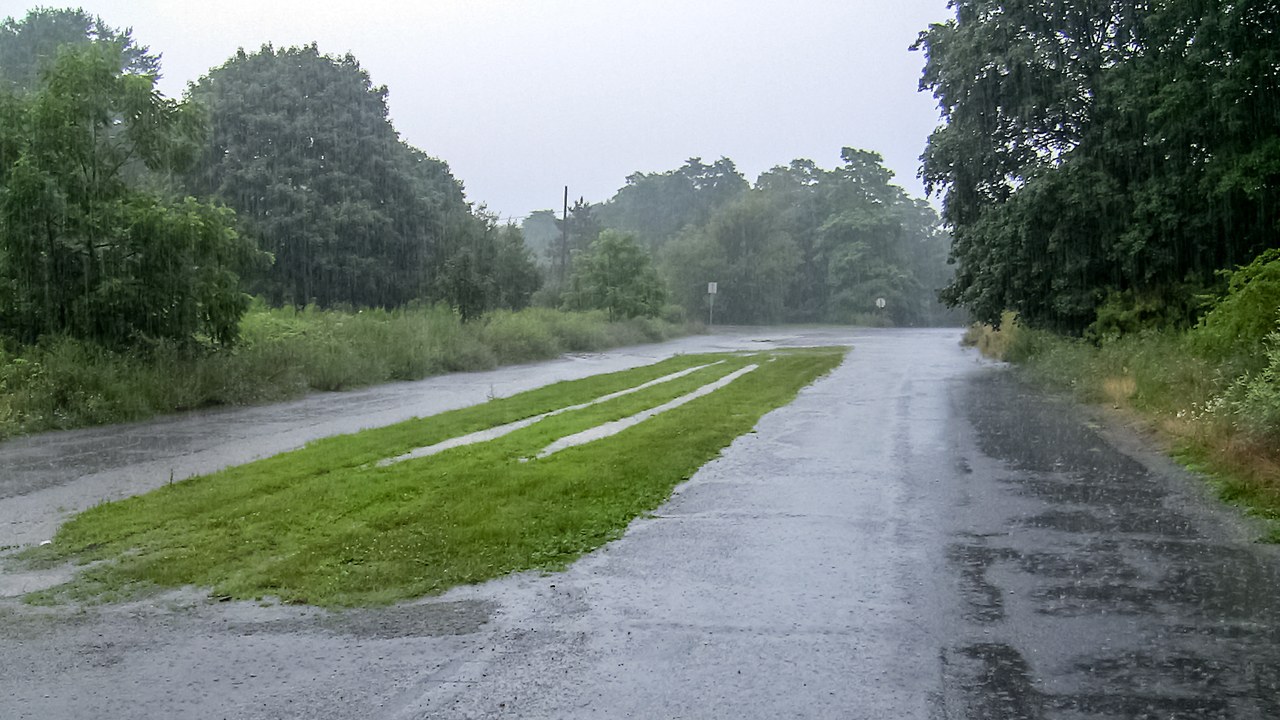
A trash fire lit in an old strip mine in 1962 ignited the coal seams beneath this mining borough, and the underground blaze proved impossible to extinguish. Toxic gases and sinkholes forced a government buyout in the 1980s, emptying the Pennsylvania coal town of nearly all its 1,000 residents.
Demolition crews razed most homes, and forest has since reclaimed the gridded streets, though smoke still seeps from fissures in the warming ground. The fire could burn for another century, leaving a nearly deserted grid where trees, brush, and graffiti-covered pavement mark a community erased almost overnight.
6. Craco: The Hilltop Village Undone By Landslides
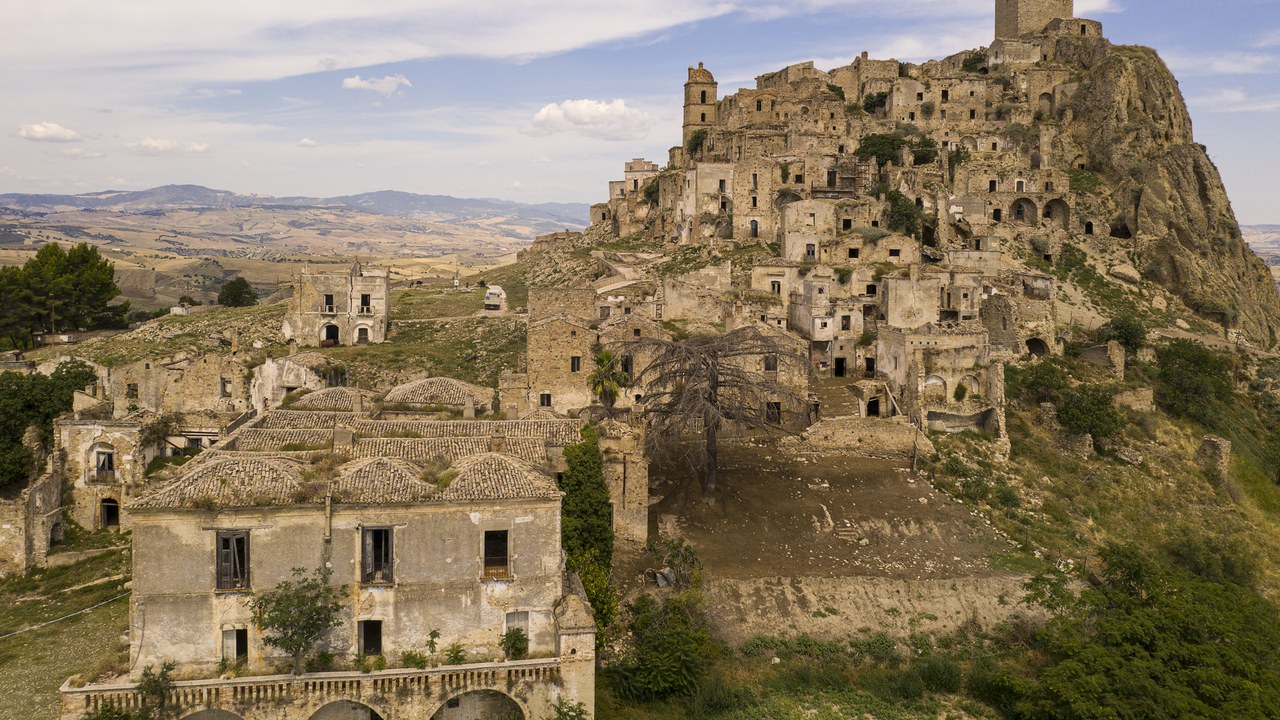
Perched on a crumbling clay ridge in southern Italy’s Basilicata region, this medieval village dates to the eighth century but grew dangerously unstable over time. A severe landslide in 1963 damaged homes and infrastructure, prompting officials to relocate residents downhill and leave the Italian hilltop village deserted.
Floods and an earthquake finished the exodus by the 1980s, leaving stone towers and empty churches to weather on the ridge. Wildflowers and scrub now cover the terraces, and the cinematic ruins have drawn filmmakers, standing as a haunting silhouette against the surrounding badlands.
7. Oradour-sur-Glane: The Village Kept As A Wartime Memorial
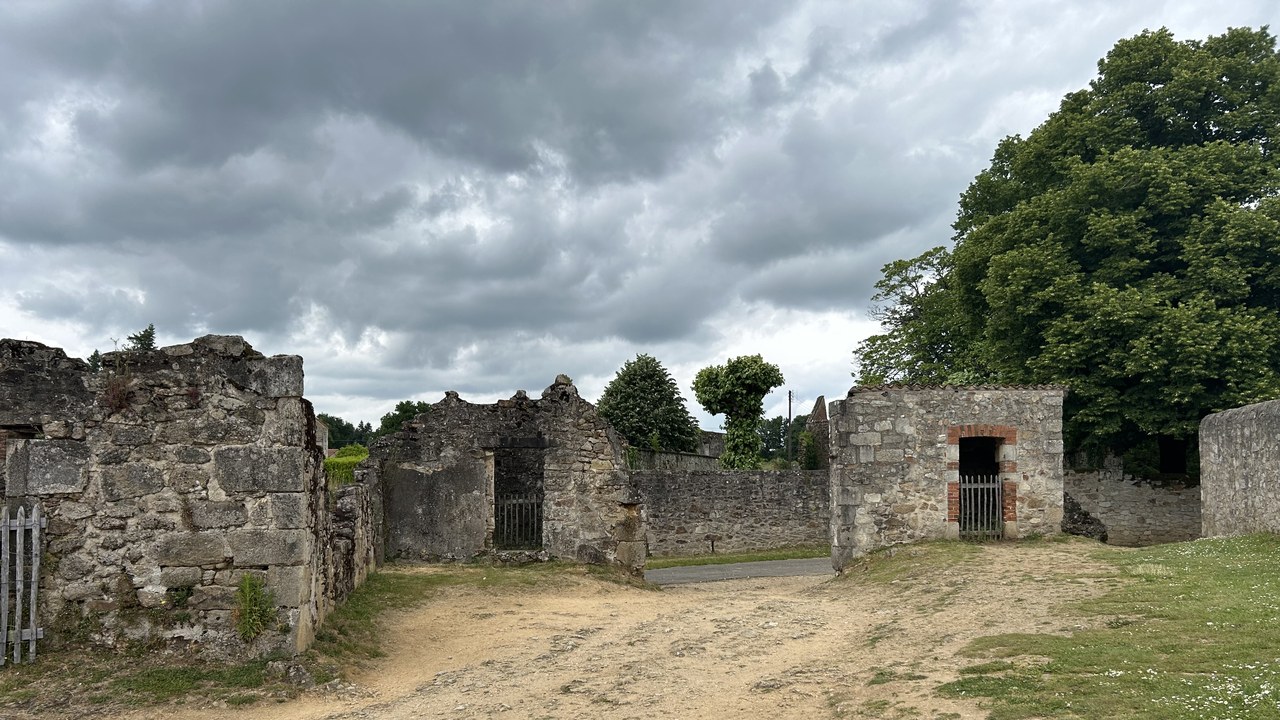
On June 10, 1944, Nazi SS troops massacred 642 inhabitants of this French village and burned its buildings during the war. Rather than rebuild atop the ruins, France constructed a new town nearby and preserved the martyred French village exactly as the atrocity left it.
Rusted cars, sewing machines, and roofless walls still stand as ordered by Charles de Gaulle, a permanent memorial to the dead. Ivy and moss climb the scorched masonry as decades pass, nature gently softening the ruins while the site keeps its solemn warning intact.
8. Bannerman Castle: The Arsenal Ruin On A Hudson Island
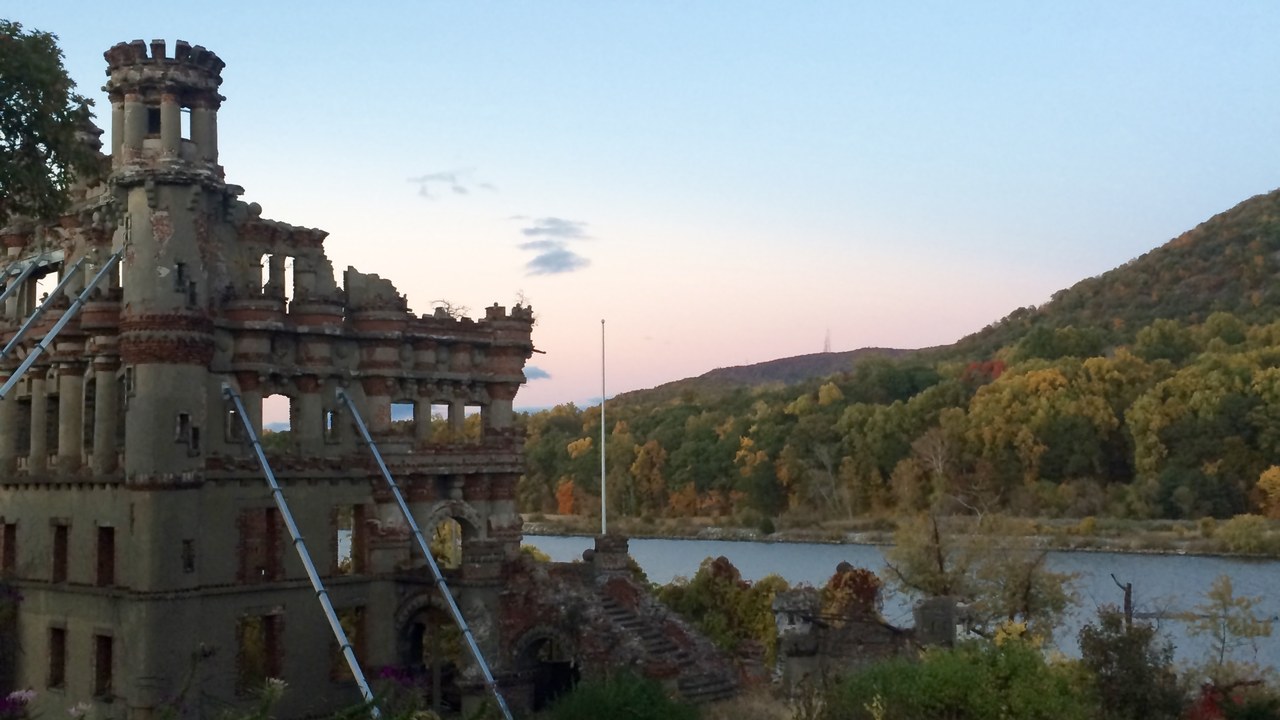
Scottish-born munitions dealer Francis Bannerman built this faux-Scottish castle on Pollepel Island around 1901 to store his surplus military goods. A 1920 gunpowder explosion tore off part of a wall, and after his death the business faded; New York State acquired the Hudson River arsenal in 1967.
A 1969 fire gutted the remaining structures, and decades of frost and vines have collapsed more of the ornate brickwork. Trees and wildflowers now sprout from the shell overlooking the river, and volunteers lead seasonal tours of the picturesque ruin sixty miles north of Manhattan.
9. Kayakoy: The Greek Town Emptied A Century Ago
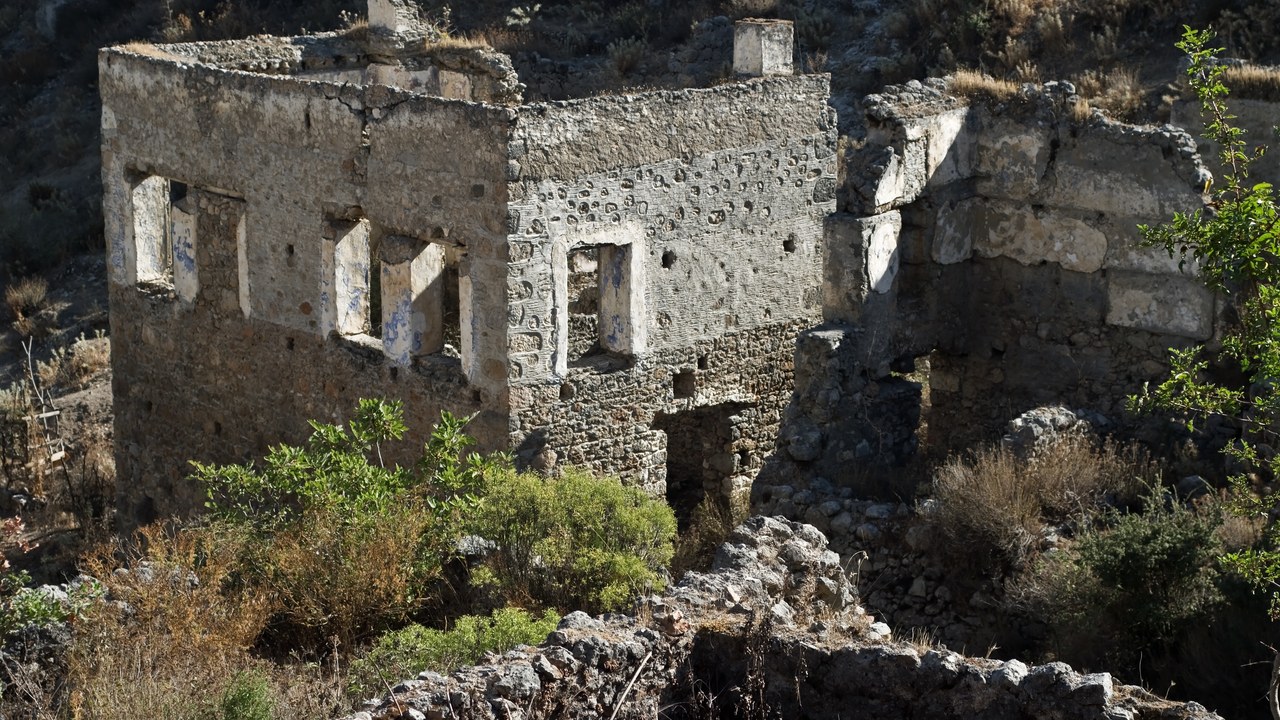
Greek Orthodox residents built this hillside town of stone houses and chapels in southwestern Turkey over centuries. The 1923 population exchange between Greece and Turkey uprooted its roughly 6,500 inhabitants, and incoming settlers never repopulated the rocky slopes, leaving the Anatolian ghost town silent ever since.
Hundreds of roofless houses now cascade down the hillside, their timber long gone and their walls draped in thorny scrub and wild olive. Preserved as a museum village, the site draws hikers and stands as a quiet monument to a vanished community and a painful chapter of history.
10. Wittenoom: The Asbestos Town Wiped Off The Map
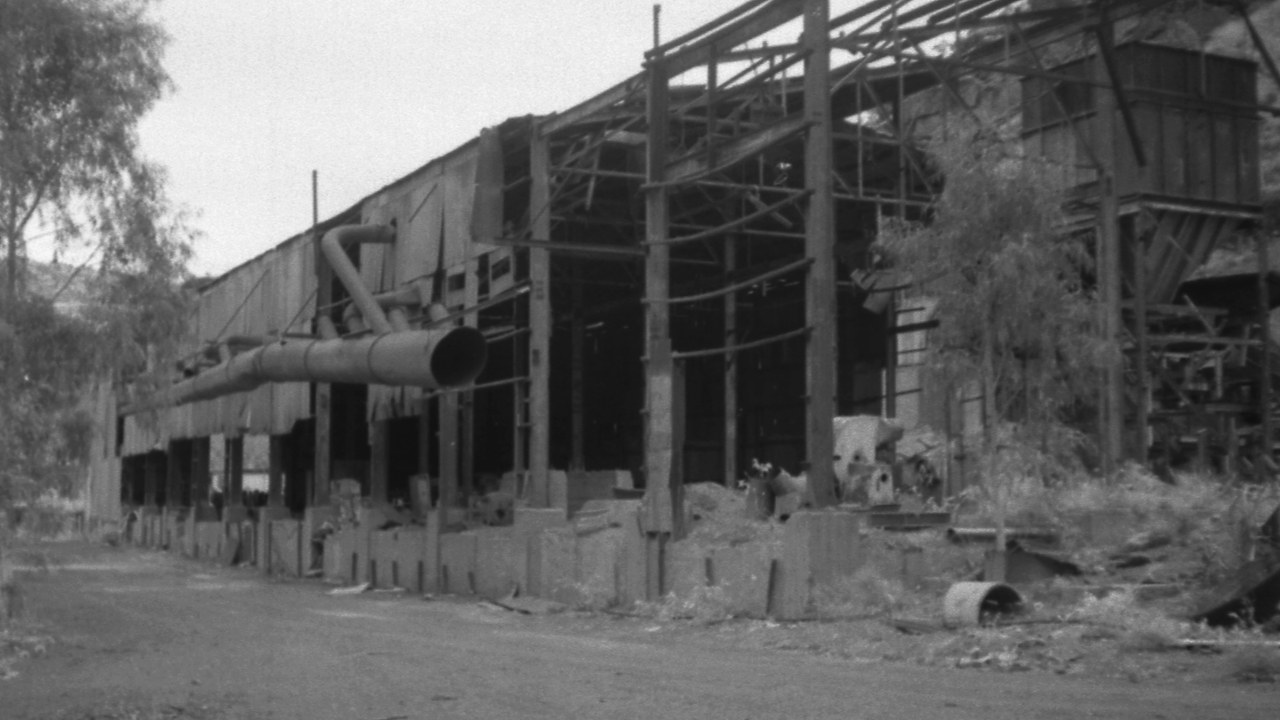
This outback settlement grew around a blue-asbestos mine that operated from the 1940s until 1966 in Western Australia’s Pilbara. Deadly dust killed thousands of workers and residents over the following decades, prompting authorities to shut services, delist the Australian mining town, and remove it from official maps.
The government cut power in 2006 and demolished the last buildings by 2019, warning that contaminated tailings still make the area hazardous. Spinifex grass and red desert scrub now blanket the former streets, reclaiming a townsite deemed too dangerous for anyone to inhabit again.
More from Morning Overview
- The FTC is warning about a scam quietly draining thousands from victims
- The NSA is again telling phone owners to switch off one location setting
- A handful of car transmissions are so tough mechanics say they almost never fail
- A handful of SUVs keep hitting 300,000 miles, and they share one engine trait
