In recent years, advancements in automotive technology have transformed the driving experience, making it safer and more efficient. However, these innovations come with new complexities, particularly regarding privacy concerns. One such development is the ability of modern vehicles to monitor drivers’ faces, a feature that aims to enhance safety but raises numerous privacy issues.
The Technology Behind Facial Recognition in Cars
How Facial Recognition Works
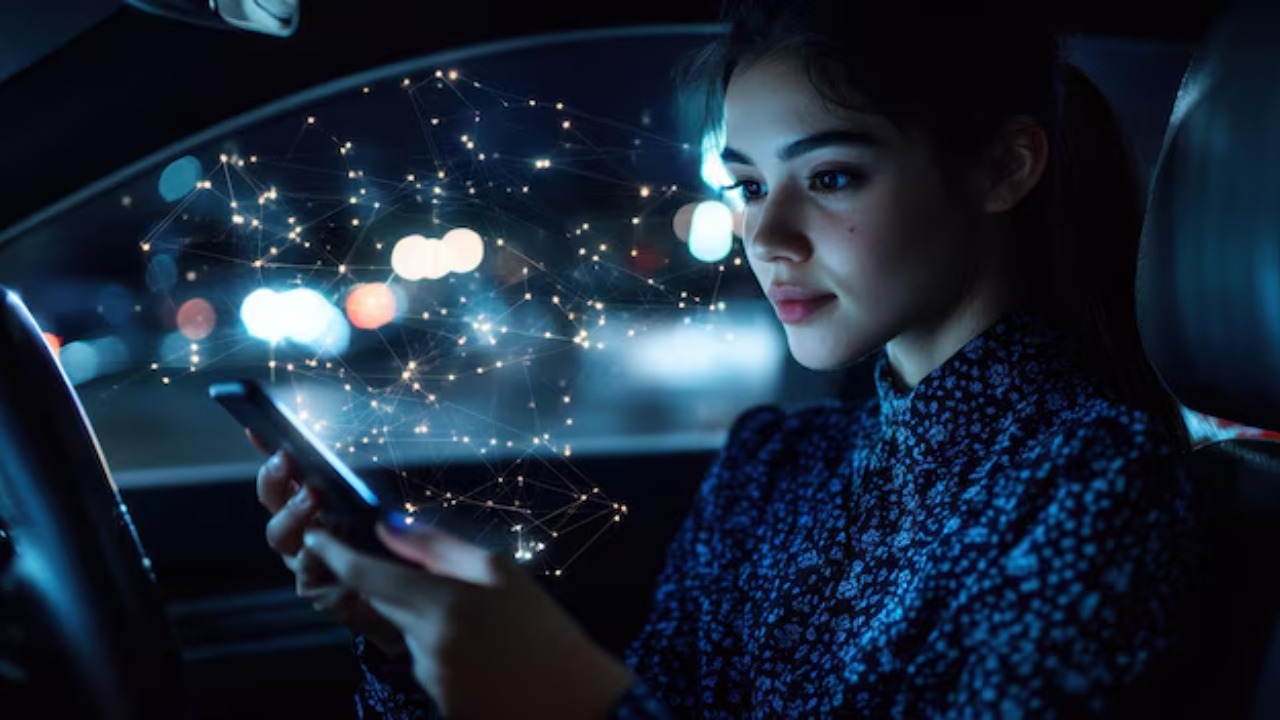
Facial recognition technology in cars relies on a combination of cameras and artificial intelligence algorithms to monitor drivers’ faces. These systems typically use infrared cameras to capture images of the driver’s face, which are then analyzed by AI to detect various facial features and expressions. The technology is designed to work in various lighting conditions, ensuring that it can accurately monitor the driver’s face regardless of the time of day or weather conditions.
Integration with Other Systems
Facial recognition technology is often integrated with other in-car systems such as infotainment and navigation. This integration allows for a more seamless user experience, as the car can automatically adjust settings based on the driver’s preferences. For example, the system might adjust the seat position, mirror angles, or temperature settings based on the recognized driver profile. This synergy between systems not only enhances comfort but also contributes to a safer driving environment.
Advancements and Innovations
Recent advancements in facial recognition technology have significantly improved its accuracy and functionality in vehicles. Enhanced AI algorithms and higher-resolution cameras have reduced the margin of error in recognizing facial features, making the system more reliable. Moreover, innovations such as emotion detection are being incorporated, allowing the system to assess the driver’s emotional state and react accordingly to ensure safety.
Enhancing Safety on the Road
Driver Monitoring Systems (DMS)
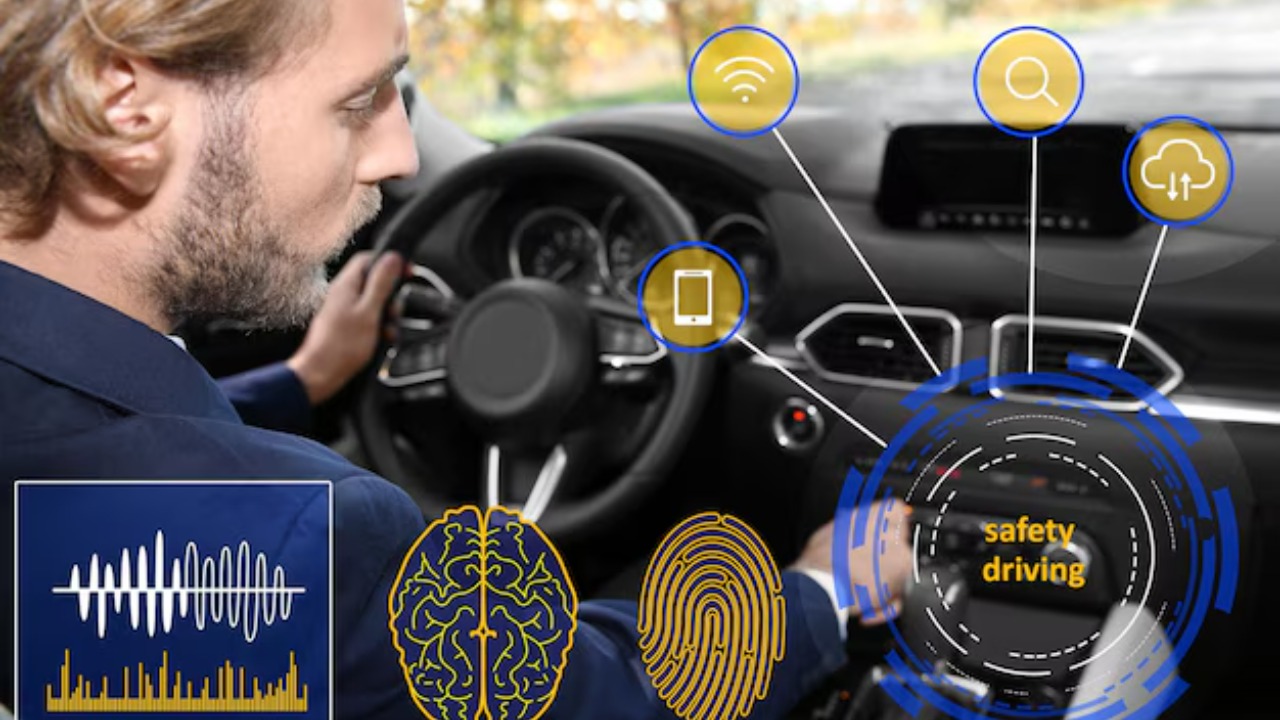
Driver Monitoring Systems utilize facial recognition to assess a driver’s attention and alertness levels. By tracking eye movements and facial expressions, these systems can detect signs of fatigue or distraction. If the system detects that the driver is not paying attention or is drowsy, it can issue alerts or warnings to encourage the driver to refocus on the road, potentially preventing accidents.
Adaptive Safety Features
Facial recognition technology enables vehicles to implement adaptive safety features that adjust according to the driver’s state. For instance, if the system detects that the driver is stressed or anxious, it might activate calming features such as adjusting the cabin lighting or playing soothing music. These adaptive responses aim to create a safer and more supportive driving environment, tailored to the driver’s current needs.
Emergency Intervention Capabilities
In scenarios where the driver becomes incapacitated or unresponsive, facial recognition systems can trigger emergency interventions. For example, if the system detects that the driver’s eyes are closed for an extended period, it might activate automatic braking or steering adjustments to prevent a potential collision. Such capabilities can be crucial in mitigating the consequences of unexpected medical emergencies on the road.
The Privacy Conundrum
Data Collection and Storage
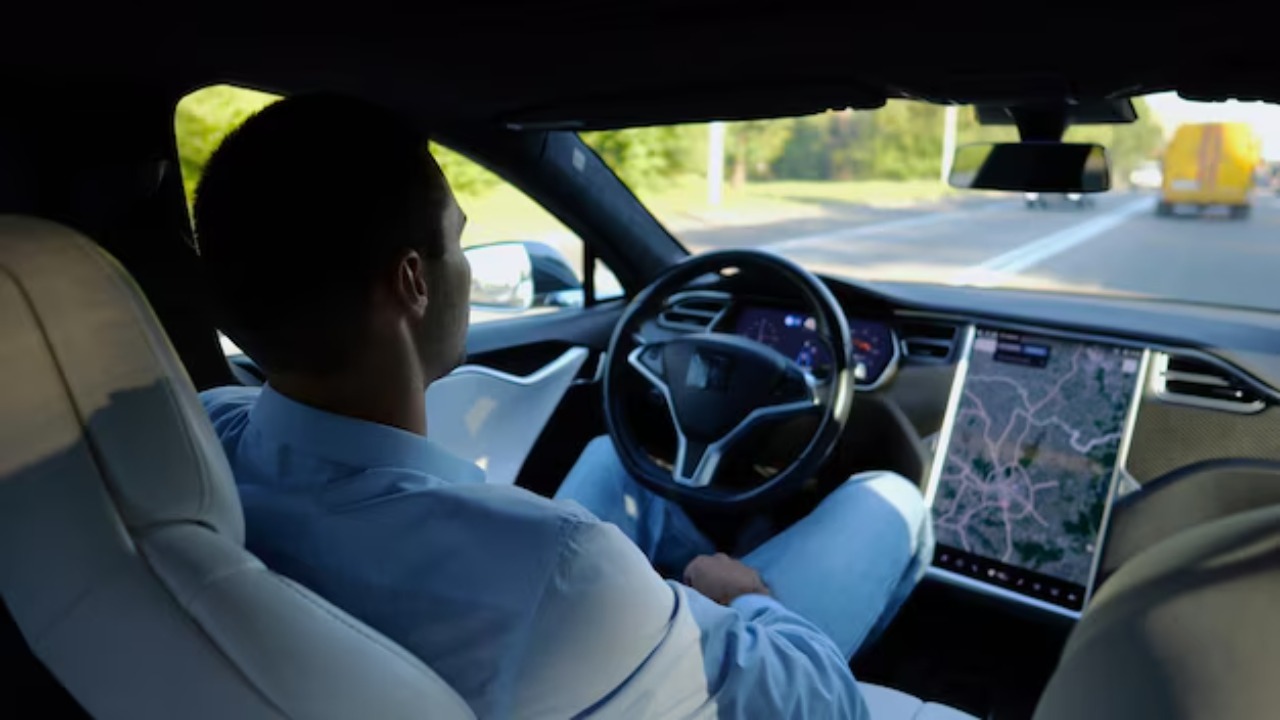
One of the primary privacy concerns surrounding facial recognition in cars is how data is collected and stored. Automotive companies often retain facial data to enhance system functionality and improve user experience. However, questions arise regarding the security of this data, how long it is stored, and who has access to it. Privacy laws vary by region, and consumers are increasingly concerned about their rights regarding personal data.
Potential for Misuse
The risks associated with unauthorized access to facial recognition data cannot be ignored. There is a potential for hacking or surveillance, where malicious actors could exploit this data for nefarious purposes. Additionally, there are concerns about how companies might use this data beyond its intended safety applications, such as for targeted advertising or other commercial purposes.
Balancing Safety and Privacy
The debate on balancing enhanced vehicle safety with the protection of individual privacy rights is ongoing. While the potential safety benefits of facial recognition are significant, they must be weighed against the risks to personal privacy. Striking an appropriate balance requires transparent policies, robust data protection measures, and clear communication with consumers about how their data is used and protected.
Legal and Ethical Implications
Current Legislation
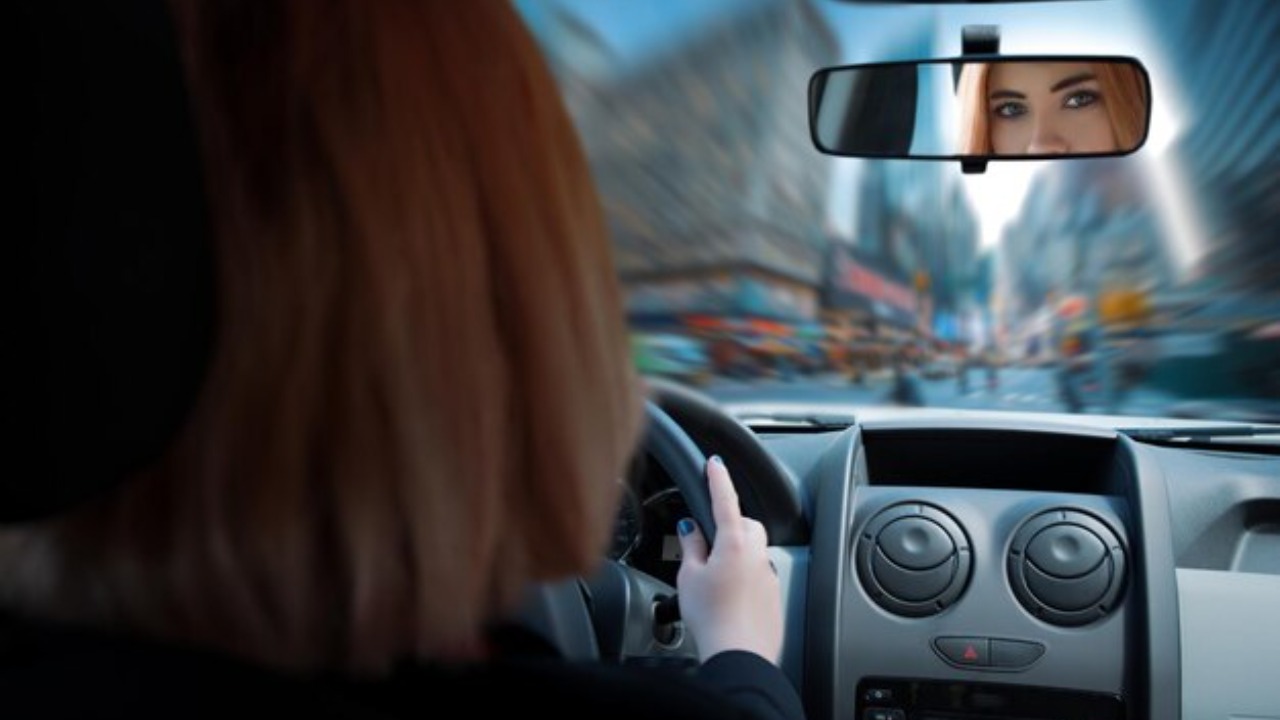
Currently, the laws and regulations governing the use of facial recognition technology in vehicles vary widely across different jurisdictions. Some regions have strict data protection laws that require explicit consent from users before their data can be collected or used, while others have more lenient regulations. As the technology continues to evolve, legislative bodies are grappling with how to address these emerging challenges effectively.
Ethical Considerations
The ethical challenges posed by facial recognition in cars are multifaceted. Issues of consent and transparency are paramount, as users should be fully informed about how their data is being used. Additionally, there is a risk of discrimination if the technology does not accurately recognize or respond to diverse facial features or expressions. Ensuring ethical use of this technology will require ongoing dialogue and cooperation between stakeholders.
Future Legal Developments
As facial recognition technology becomes more prevalent in the automotive industry, laws are likely to evolve to address new issues. Future regulations may focus on ensuring that data collection practices are fair, transparent, and secure. Legal frameworks may also need to address the implications of cross-border data transfers and the rights of individuals to access and control their personal data.
Consumer Perception and Acceptance
Public Awareness and Opinions
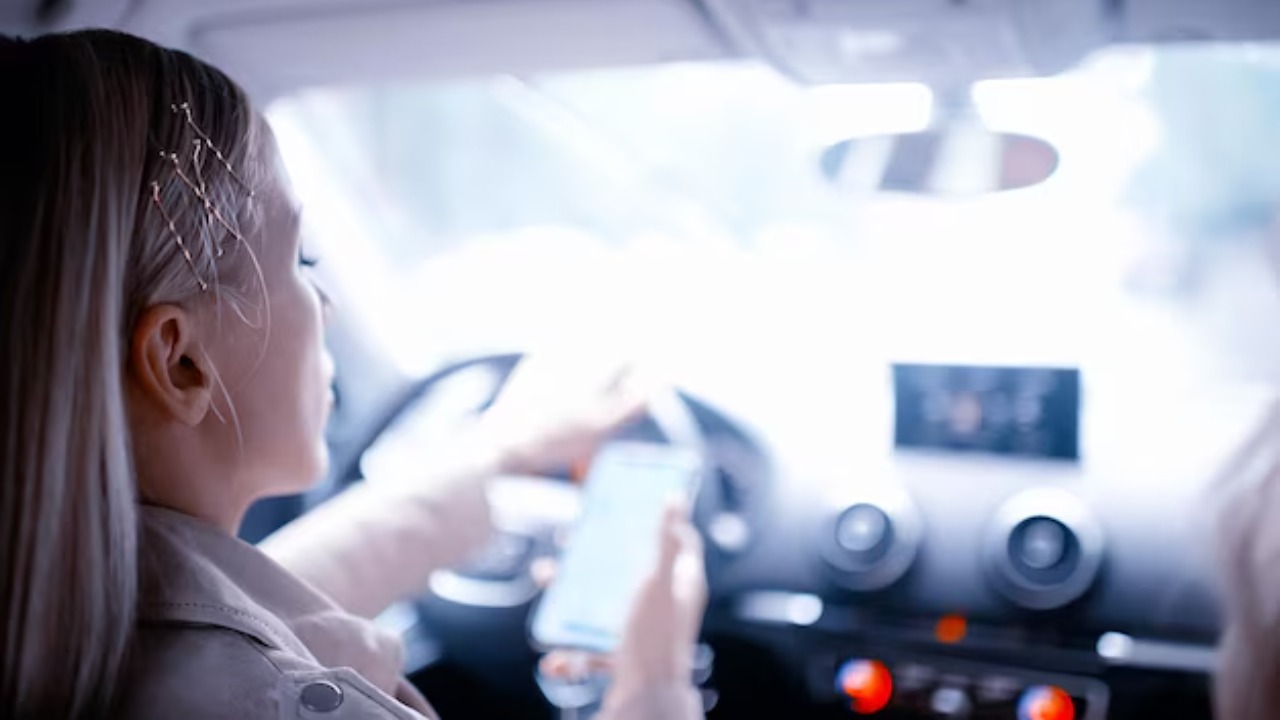
Public awareness of facial recognition technology in cars varies, with many consumers still unaware of its presence and implications. However, as these systems become more common, public opinion is likely to evolve. Some consumers may welcome the enhanced safety features, while others might express concerns about privacy and data security.
Impact on Consumer Choices
Concerns about facial recognition technology can significantly influence consumer purchasing decisions. Some buyers may prioritize vehicles that offer advanced safety features, while others might avoid models that incorporate such technology due to privacy concerns. Brand loyalty can also be affected, as consumers may choose manufacturers that demonstrate a commitment to protecting personal data.
Education and Transparency Initiatives
To foster consumer trust, automotive companies can implement education and transparency initiatives that inform consumers about the benefits and risks of facial recognition technology. By providing clear information and addressing consumer concerns proactively, companies can help demystify the technology and encourage its acceptance. Transparency about data practices and robust security measures will be key to gaining consumer confidence.
