Three named storms spun up off Mexico’s Pacific coast before the end of June, giving the 2026 Eastern Pacific hurricane season its most active opening stretch since 1985. Tropical storms Amanda, Boris, and Cristina all formed by 03 UTC on June 28, 2026, pushing early-season accumulated cyclone energy to 3.7 times 10 to the fourth power knots squared. For coastal communities in western Mexico still finalizing storm-preparedness plans, the rapid-fire formation of three systems so close to shore has compressed the timeline for readiness from weeks into days.
Three storms in June and what warm waters signal for July
The pace of storm formation carries weight beyond record-keeping. NOAA’s Climate Prediction Center had already projected a range of 15 to 22 named storms and 9 to 14 hurricanes for the full 2026 Eastern Pacific season, based on basin-wide diagnostics posted on its seasonal outlook page. Those figures draw on sea-surface temperature anomalies measured by the ERSSTv6 dataset against a 1991 to 2020 baseline, along with expected large-scale atmospheric patterns.
Reaching three named storms before July 1 means the season has consumed roughly 14 to 20 percent of the lower-bound storm count in its first few weeks, a ratio that historically correlates with above-normal final totals in the HURDAT2 record. While the sample size of past seasons with such fast starts is limited, early clustering of named systems has more often been a sign of sustained activity than a brief flurry. The early ACE total, though modest compared with peak-season bursts, is already above what many seasons accumulate before July.
The critical question is whether the warm ocean conditions that fed Amanda, Boris, and Cristina will persist into July and August, the traditional peak months for Eastern Pacific hurricanes. If they do, the early-season ACE rate suggests total seasonal energy could push past the upper end of the CPC outlook range. That scenario is not guaranteed, because vertical wind shear patterns and the evolution of ENSO conditions can shift rapidly, sometimes within a matter of weeks.
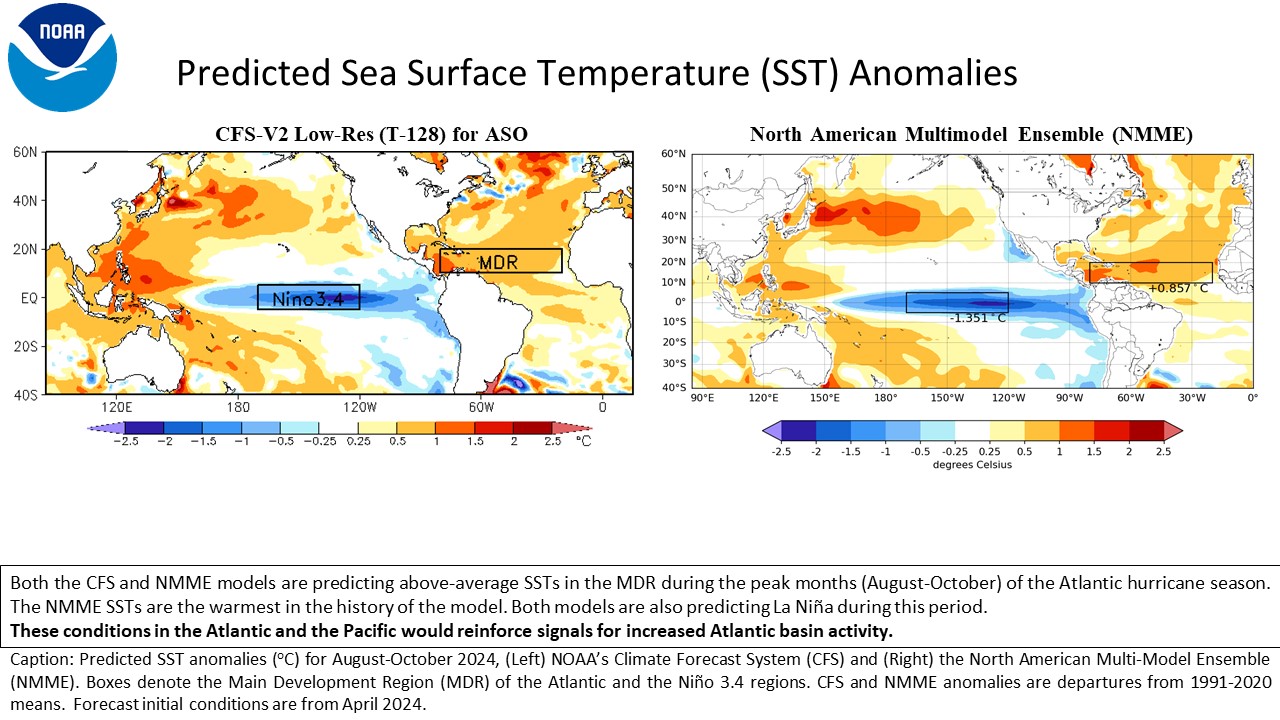
Still, the recent SST anomaly chart from the Climate Prediction Center shows above-average warmth concentrated in the waters where all three early storms originated, generally within a few hundred miles of Mexico’s southwest coast. That pattern has historically supported repeated rounds of cyclone development, as each storm only temporarily mixes cooler water to the surface before background heat content reasserts itself. If that recharge process continues into mid-summer, the basin will remain primed for additional storms close to land.
NHC records, HURDAT2, and the 1985 comparison
The “busiest start since 1985” framing rests on the National Hurricane Center’s own season-status table and the HURDAT2 best-track dataset, which covers Eastern and Central Pacific tropical cyclones from 1949 through 2025 and was last updated on February 27, 2026. That database, accessible through the NHC’s tropical cyclone reports, is the authoritative record for comparing early-season storm counts and energy across decades.
According to the NHC’s 2026 season summary, the early-season ACE of 3.7 times 10 to the fourth power knots squared through June 28 exceeds every comparable period since 1985. In 1985, a similarly rapid sequence of storms raised concern along Mexico’s Pacific coastline, but the observational network and satellite coverage were less comprehensive than they are today. That makes 2026 the first time in the modern high-resolution satellite era that the basin has seen three named storms so early with such well-documented intensity and structure.
All three 2026 storms tracked within a few hundred miles of the Mexican coastline, as shown on the NHC’s official season track map. Amanda was the first to form, with the National Hurricane Center designating it as the season’s opening named storm as it organized just offshore. Boris followed off Mexico’s southern Pacific coast, drawing alerts from both NHC forecasters and Mexican authorities concerned about flooding and mudslides in mountainous terrain. Cristina rounded out the trio before the month ended, forming in similar waters and again raising the risk of heavy rain and coastal surf.
The geographic clustering of all three systems near shore, rather than in the open ocean, amplified the threat to populated areas and strained local emergency response timelines. Even without major landfalling hurricanes, repeated bouts of tropical-storm-force winds, high waves, and torrential rain can erode beaches, damage infrastructure, and saturate soils ahead of later-season events. Municipal officials in several coastal states have had to juggle short-term response to each storm with longer-term planning for what could still be a more intense hurricane later in the year.
One gap in the historical comparison is that the HURDAT2 dataset does not provide a granular, day-by-day breakdown of early-season storms in 1985 beyond total seasonal figures and best-track points. The 2026 comparison holds at the level of named-storm count and cumulative ACE through late June, but a storm-by-storm daily reconstruction of 1985 would require deeper archival analysis of advisories and surface observations that the NHC has not published in its current update cycle. That limitation means 1985 remains a broad benchmark rather than a perfect analog.
Open questions for the peak months ahead
Several factors will determine whether the early burst translates into a historically severe full season. The CPC outlook identified ENSO expectations and vertical wind shear as key variables, but updated probability values for those conditions have not been released since the initial seasonal assessment. If neutral or La Niña conditions develop, wind shear over the Eastern Pacific basin could remain low enough to sustain storm formation at something like the current rate. A shift toward El Niño, by contrast, would typically increase shear and suppress activity in the basin’s main development region, even over warm water.
Moisture content in the mid-levels of the atmosphere and the position of the monsoon trough will also matter. A persistent, well-defined trough near the Mexican coast can act as a conveyor belt for disturbances, each of which has a chance to organize into a tropical cyclone. If that feature retreats or weakens, the basin can go quiet for weeks at a time despite favorable sea-surface temperatures. Forecasters will be watching for signs that the early-season pattern either locks in or transitions toward a less conducive state.
Direct impact measurements from the early storms also remain incomplete. While wire reports attributed to NHC and Mexican authorities described flooding threats from Boris along Mexico’s southern Pacific coast, rainfall totals and damage assessments from Mexico’s national meteorological service have not appeared in the available primary record. That data will matter for calibrating how much risk the remaining season poses to the same coastal zones, where saturated ground and compromised infrastructure can magnify the effects of subsequent storms.
For residents and businesses along Mexico’s Pacific seaboard, the practical takeaway is straightforward: the window for updating evacuation routes, securing property, and reviewing insurance coverage has narrowed. Federal preparedness resources, including those available through the National Weather Service’s hurricane readiness guidance, outline specific steps for households in storm-prone areas, from assembling disaster kits to planning for power outages and communication gaps.
With three storms already on the books and peak season still weeks away, the next development to watch is whether July’s first disturbance forms quickly enough to keep the early-season pace intact. If another named system spins up near the Mexican coast in the coming weeks, it would reinforce the signal that 2026 is tracking toward the upper end of pre-season expectations. If, instead, a lull sets in, the opening trio of Amanda, Boris, and Cristina may stand out as an intense but isolated burst. Until that pattern becomes clear, officials and residents alike are treating the early activity as a prompt to finish preparations before the heart of the hurricane season arrives.
More from Morning Overview
*This article was researched with the help of AI, with human editors creating the final content.