The SR-71 Blackbird, an iconic marvel of aviation engineering, successfully evaded nearly 4,000 missiles during its 25-year operational life, earning its place in history as the ultimate speed demon of the skies. But how does it compare to another legendary aircraft, the F-14 Tomcat? Both planes have etched their presence in the annals of military aviation, each for unique reasons that reflect their distinct roles and capabilities.
The SR-71 Blackbird: Speed and Stealth
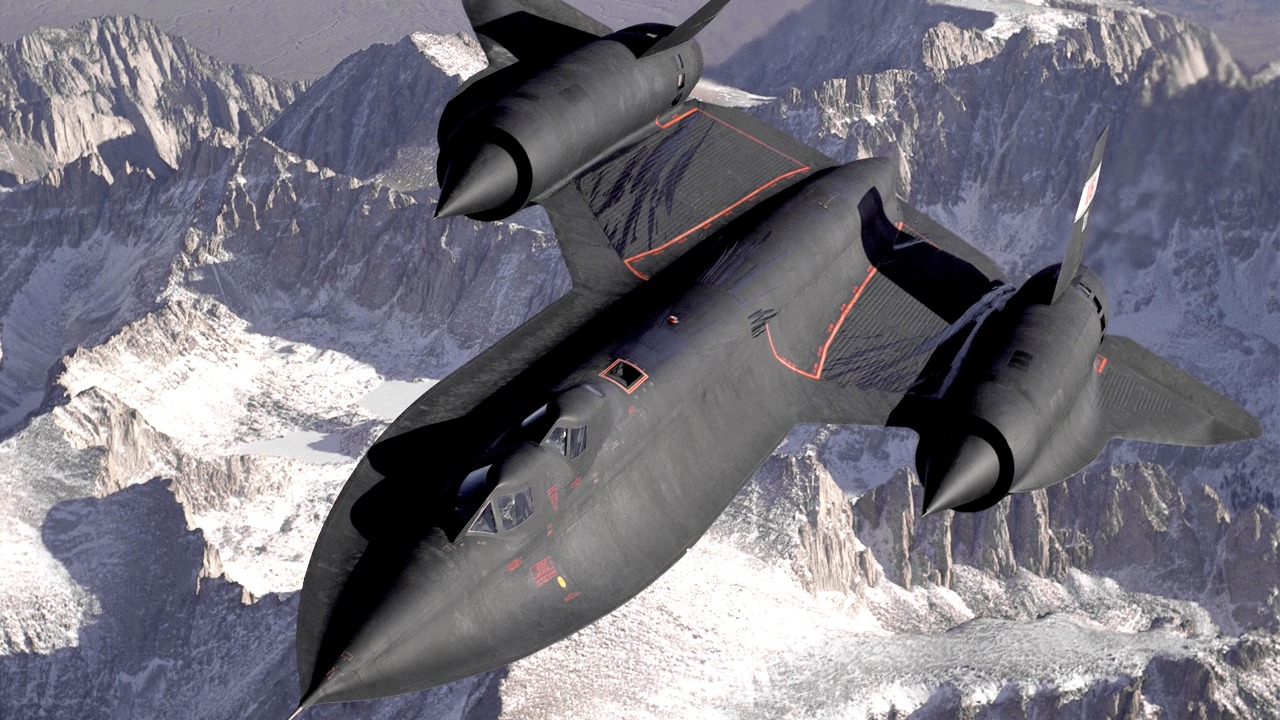
The SR-71 Blackbird was a revolutionary aircraft, conceived during a time when speed and stealth were paramount in military reconnaissance. Its design was a testament to engineering mastery, utilizing titanium alloys that could withstand the intense heat generated by sustained speeds exceeding Mach 3. The sleek, elongated shape of the Blackbird was not just for aesthetics; it minimized radar cross-section and allowed it to slip through enemy defenses almost unnoticed. The Blackbird’s ability to outrun enemy missiles and interceptors was largely due to this incredible speed, which rendered it virtually untouchable in the skies.
The primary mission of the SR-71 was to conduct reconnaissance missions over hostile territories during the Cold War, gathering crucial intelligence without engaging in combat. Its strategic value was immense, providing detailed photographic evidence and electronic intelligence that was vital for military planning and decision-making. The Blackbird’s evasive maneuvers, combined with its high-altitude flight capabilities, made it a formidable opponent against missile threats. The aircraft’s ability to evade nearly 4,000 missile threats over its lifetime is a testament to its prowess and the skill of its pilots.
Surviving Missile Threats: The Blackbird’s Legacy
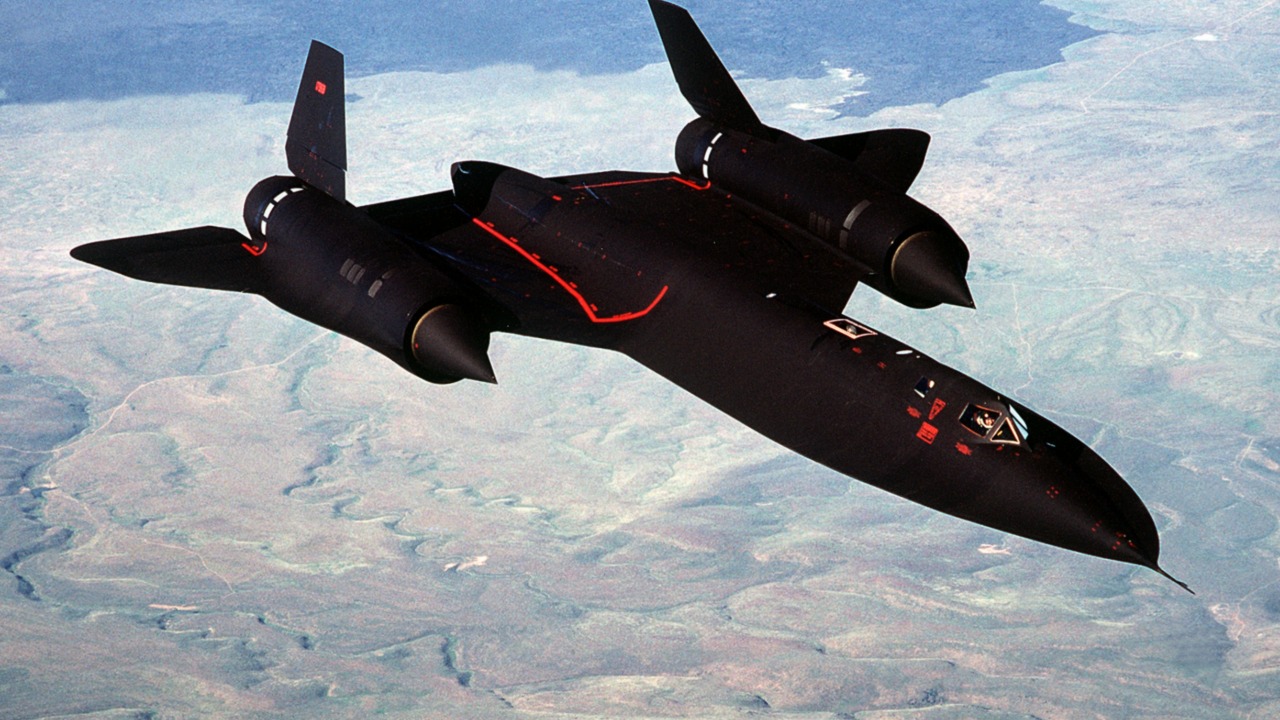
The SR-71 was equipped with advanced evasion techniques and technologies that set it apart from other aircraft of its time. Its electronic countermeasures were state-of-the-art, designed to jam and confuse enemy radar systems. The Blackbird also employed flight paths that took advantage of its speed and altitude, making it difficult for ground-based systems to track and target. In instances where missiles were launched, the Blackbird could simply accelerate and climb, leaving threats far behind. The aircraft’s record of nearly 4,000 missile evasion instances is chronicled in various accounts and studies.
The operational history of the SR-71 is filled with remarkable achievements. From its crucial role in the Vietnam War to its intelligence-gathering missions during the Yom Kippur War, the Blackbird was always at the forefront of reconnaissance. Its speed and altitude allowed it to capture images and signals that were beyond the reach of other aircraft, providing invaluable data that shaped military strategies. The legacy of the SR-71 Blackbird is not only in its technological advances but also in the lessons learned, which continue to influence modern aviation.
The F-14 Tomcat: A Different Predator
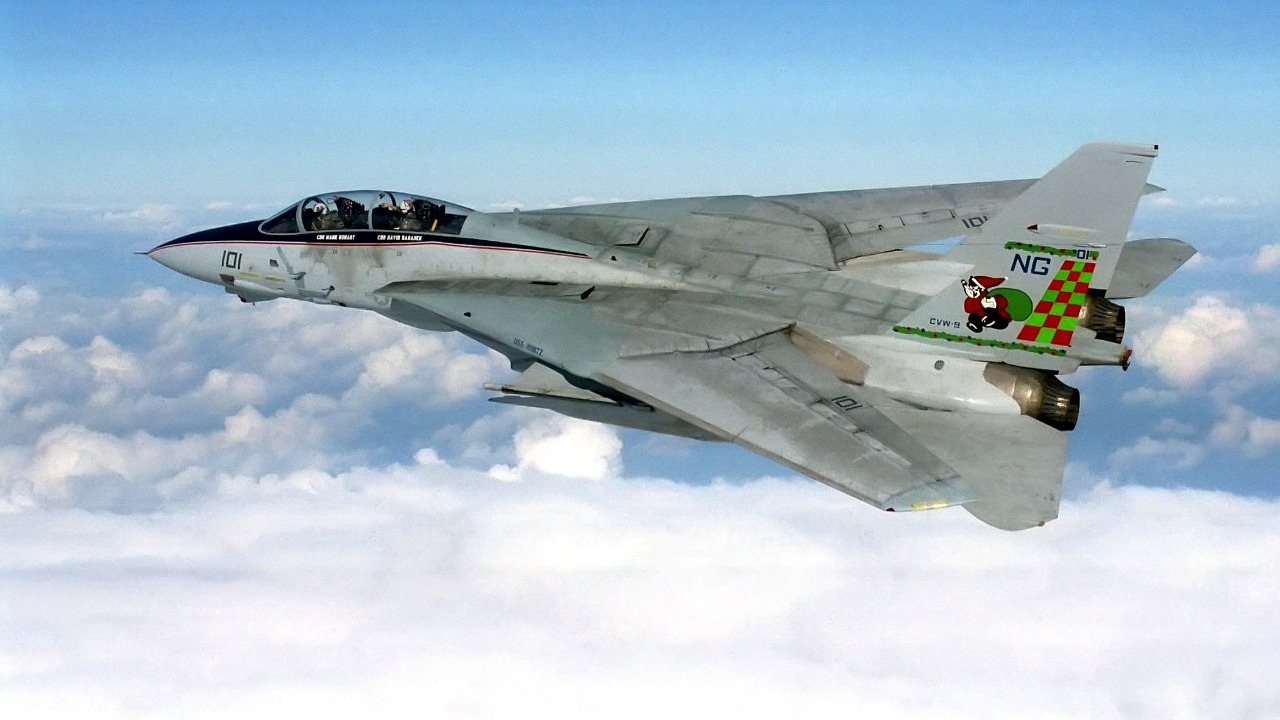
The F-14 Tomcat was a different kind of predator in the skies, designed primarily as a naval interceptor for the U.S. Navy. Its distinctive swing-wing design allowed for superior agility and control at various speeds, making it a formidable adversary in air-to-air combat. Unlike the SR-71, the F-14 was armed with an array of weapons, including the long-range AIM-54 Phoenix missiles, which were capable of tracking and destroying multiple targets simultaneously. Its avionics and radar systems were cutting-edge, allowing it to engage enemy aircraft effectively.
The F-14 Tomcat saw significant action in various conflicts, notably during the Gulf War, where it demonstrated its prowess in dogfights and missile engagements. The aircraft’s ability to lock onto targets at long distances and engage in close-quarter combat made it a versatile and effective platform for air superiority missions. The Tomcat’s combat history is filled with instances where it successfully engaged enemy aircraft, showcasing the capabilities of its design and weaponry. Despite not being designed to outrun missiles like the SR-71, the F-14’s role in air-to-air combat was crucial in maintaining control of the skies.
Comparing Legends: Blackbird vs. Tomcat
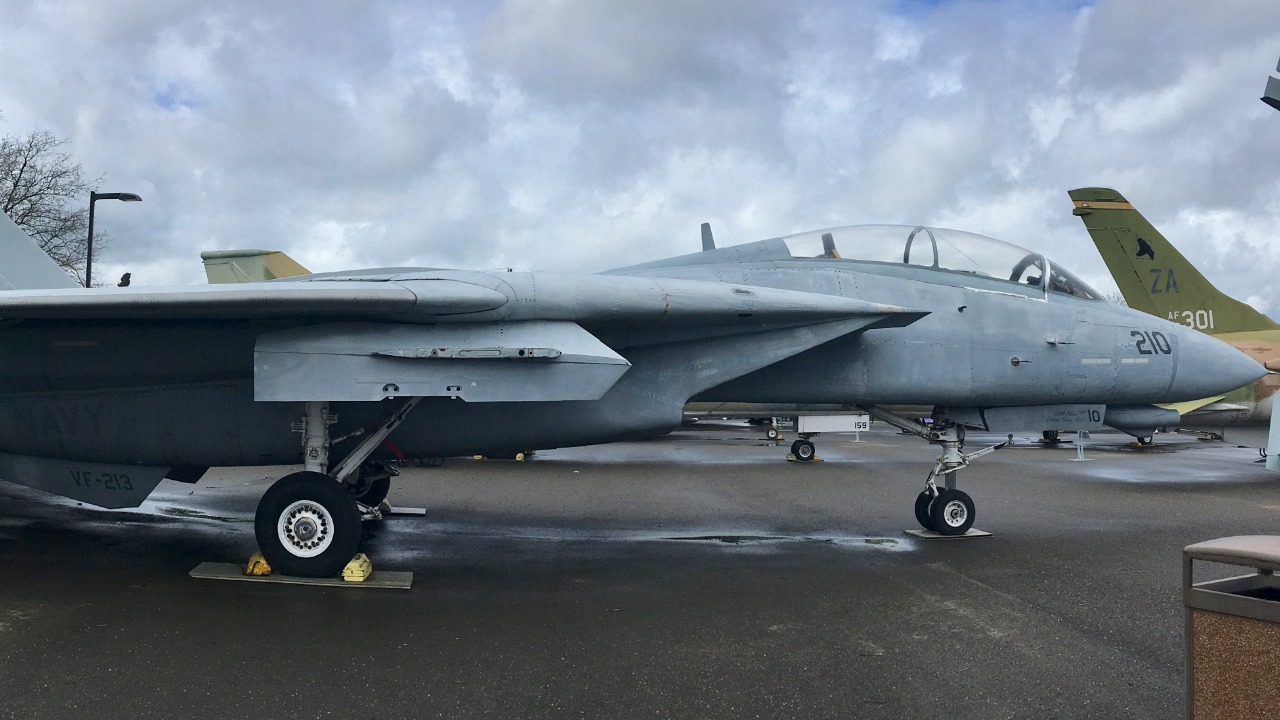
While the SR-71 Blackbird and the F-14 Tomcat were both icons of military aviation, they served very different roles. The SR-71 was a pure reconnaissance aircraft, designed to gather intelligence without engaging in combat. Its speed and stealth were its primary defenses, allowing it to operate in hostile environments with minimal risk. In contrast, the F-14 was an interceptor designed for air superiority, with a focus on engaging and destroying enemy aircraft. These differences in roles and missions heavily influenced their design and operational use.
The technological advancements brought by both aircraft were significant. The SR-71 pushed the boundaries of what was possible in terms of speed and altitude, influencing future designs in reconnaissance and stealth technology. The F-14, with its advanced radar and weapon systems, set new standards for naval aviation and air combat. Their historical significance is undeniable, as both aircraft played crucial roles during pivotal moments in military history. The debates about their capabilities continue to intrigue aviation enthusiasts and experts alike.
The End of an Era: Retirement and Legacy
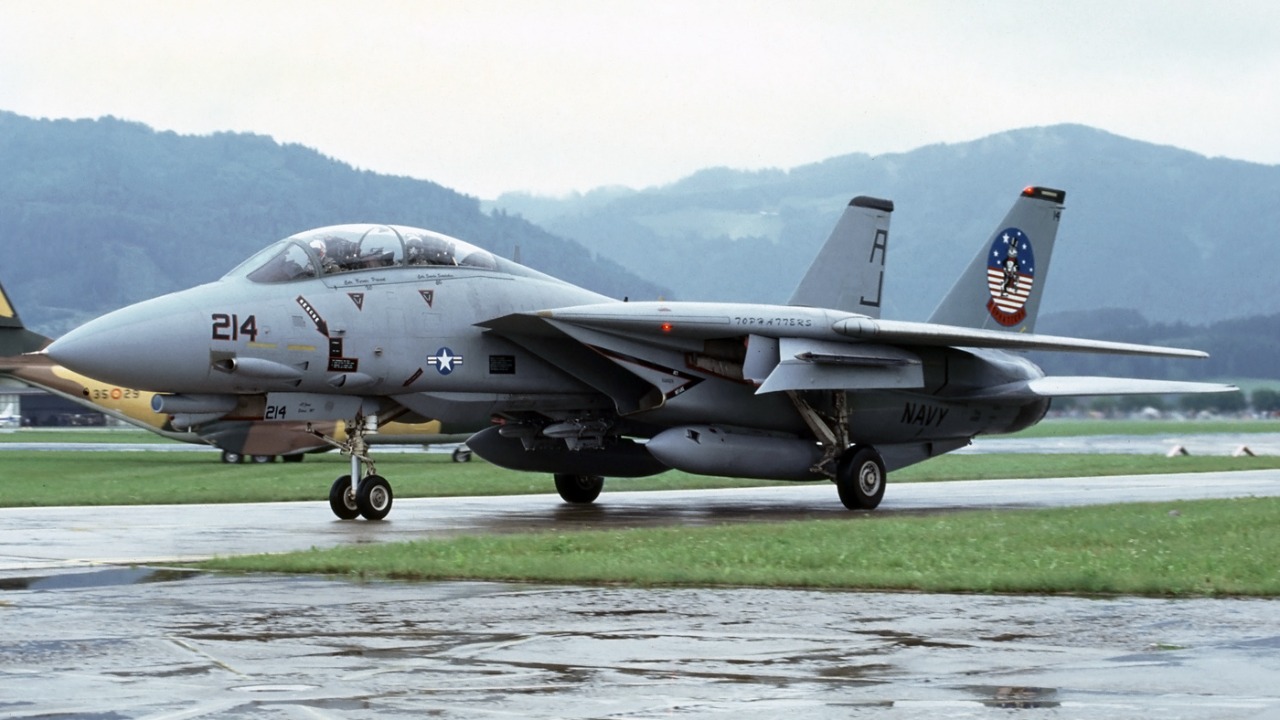
Both the SR-71 and F-14 were eventually retired, marking the end of an era in military aviation. The high operational costs and advancements in technology led to the phasing out of these aircraft. For the SR-71, the development of advanced satellites and unmanned aerial vehicles provided more cost-effective alternatives for intelligence gathering. The F-14, on the other hand, was replaced by newer aircraft like the F/A-18 Hornet, which offered improved capabilities and lower maintenance costs. The decision to retire these aircraft was influenced by a combination of budget constraints, evolving threats, and the need to transition to newer technologies.
Despite their retirement, the SR-71 and F-14 continue to hold a special place in popular culture and aviation history. Their appearances in films, documentaries, and literature have cemented their status as legends. The SR-71’s role in movies like “Transformers” and the F-14’s prominent feature in “Top Gun” have introduced these aircraft to new generations, ensuring their enduring influence. The fascination with these planes is a testament to their remarkable capabilities and the impact they had on the world of aviation. For more on the legacy of these aircraft, you can explore detailed discussions on platforms like National Interest and Quora.
