A groundbreaking development in electric vehicle (EV) technology promises to revolutionize long-distance travel, with a new battery capable of powering EVs for 500 miles on a mere 12-minute charge. This innovation is hailed as the “biggest” breakthrough in EV battery technology to date. Such advancements could significantly alter the landscape of electric transportation, making it more viable and attractive for consumers worldwide.
The New Battery Technology
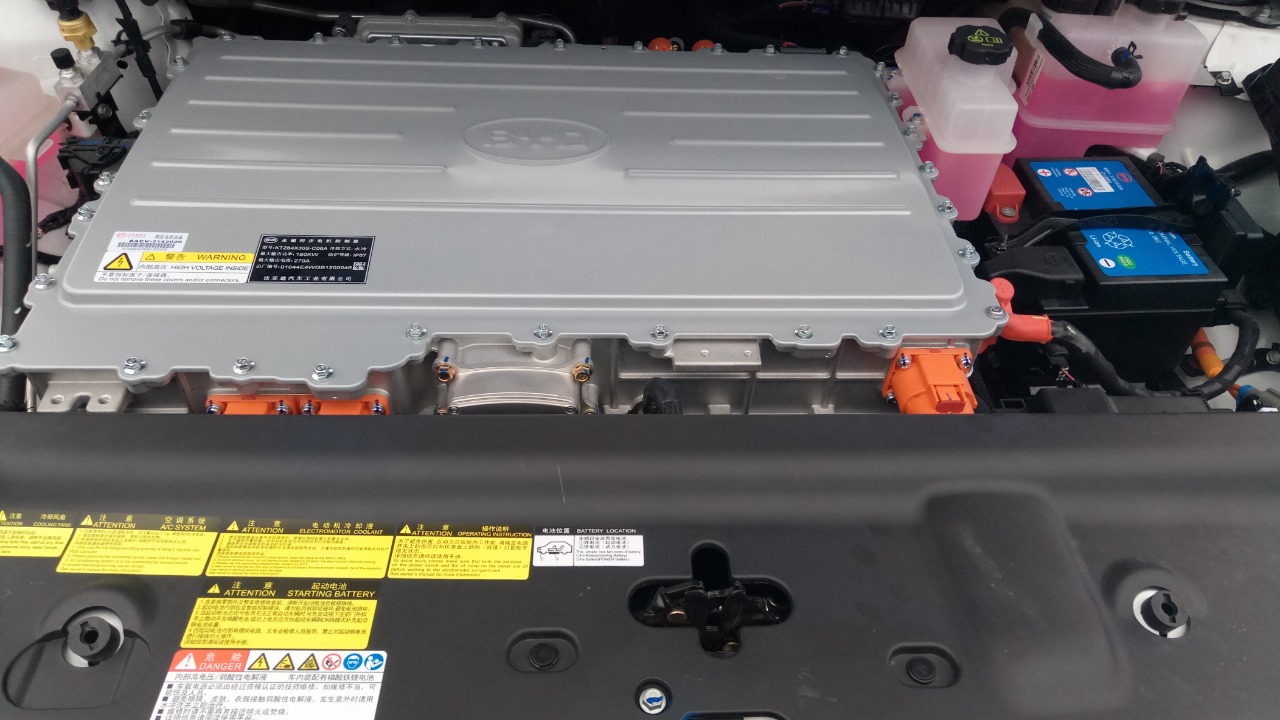
The latest innovation in EV battery technology is designed to allow vehicles to travel an impressive 500 miles on a single charge. This remarkable range is made possible by a new battery that drastically reduces charging time to just 12 minutes. According to Popular Mechanics, this development could be a game-changer for the electric vehicle industry, addressing one of the most significant barriers to EV adoption: range anxiety.
As reported by Live Science, the ability to charge an EV battery in just 12 minutes represents a substantial improvement over current technologies, which often require hours to achieve a full charge. This advancement not only enhances convenience for drivers but also positions electric vehicles as a more practical option for long-distance travel.
The Impact on the EV Industry

This breakthrough is poised to significantly enhance the viability and attractiveness of electric vehicles. By addressing range anxiety and long charging times, the new battery technology could lead to increased adoption of electric vehicles. As noted by Interesting Engineering, the ability to travel 500 miles on a single charge without lengthy charging stops makes electric vehicles a more appealing choice for consumers considering long-distance travel.
The implications for the EV industry are profound. With the potential to make electric vehicles more competitive with traditional gasoline-powered cars, this technology could accelerate the transition to sustainable transportation. As more consumers become aware of these advancements, the demand for electric vehicles is likely to grow, further driving innovation and investment in the sector.
Technical Details and Innovations
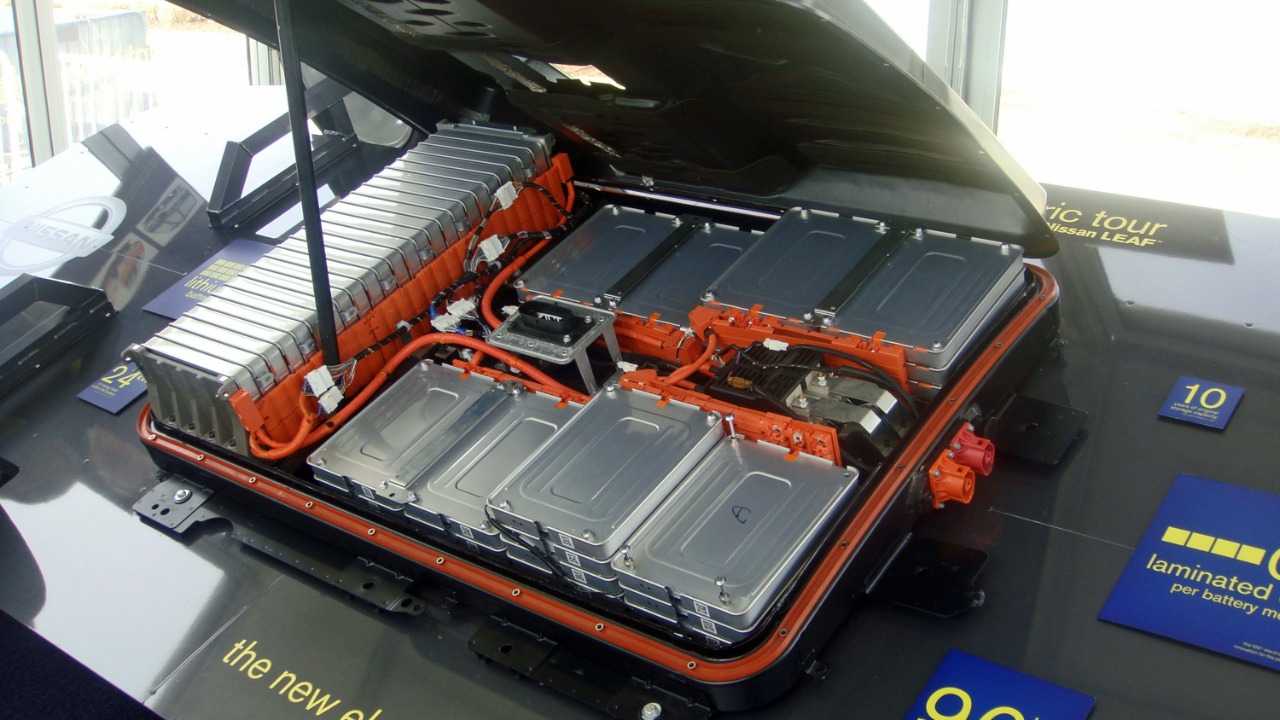
The battery’s design incorporates cutting-edge materials and innovative engineering to achieve its rapid charging capabilities. According to Popular Mechanics, researchers have focused on optimizing the battery’s energy density and thermal management to support the quick charge feature. This involves using advanced materials that can withstand high power inputs without degrading the battery’s lifespan.
As reported by Interesting Engineering, the engineering team behind this innovation has made significant strides in improving the thermal management of the battery. This ensures that the battery remains cool during the rapid charging process, preventing overheating and maintaining performance over time. Such technical advancements are crucial for the widespread adoption of this new battery technology.
Furthermore, the battery’s architecture integrates a novel electrode design that enhances ion flow, which is crucial for achieving rapid charging times. This design minimizes resistance and maximizes the efficiency of energy transfer, allowing the battery to charge quickly without compromising its capacity or longevity. According to Live Science, the use of these advanced electrodes is a key factor in the battery’s ability to support high power outputs, which is essential for maintaining performance during fast charging cycles.
Additionally, the integration of smart battery management systems plays a pivotal role in optimizing the charging process. These systems monitor the battery’s state in real-time, adjusting the charging parameters to ensure safety and efficiency. As highlighted by Popular Mechanics, this technology not only prevents overheating but also extends the overall lifespan of the battery by reducing wear and tear during rapid charging sessions. Such innovations are critical for the practical application of this technology in everyday vehicles.
Global Implications and Future Prospects

This battery technology could have widespread implications globally, potentially reducing dependence on fossil fuels and advancing sustainable transportation. As noted by Popular Mechanics, the ability to charge quickly and travel long distances makes electric vehicles a more viable option for consumers worldwide, contributing to a reduction in carbon emissions and promoting environmental sustainability.
Looking ahead, future developments may include scaling the technology for mass production and integration into a broader range of vehicle models. According to Live Science, researchers are optimistic about the potential to adapt this technology for various applications, including commercial vehicles and public transportation. As the technology matures, it could play a pivotal role in shaping the future of global transportation.
The global adoption of this battery technology could significantly impact energy policies and infrastructure development. As countries strive to meet climate goals, the shift towards electric vehicles powered by such advanced batteries could reduce reliance on oil imports, enhancing energy security. According to Interesting Engineering, this transition could lead to substantial economic benefits, including job creation in the renewable energy sector and reduced costs associated with fossil fuel consumption.
Moreover, the widespread implementation of this technology could drive advancements in related fields, such as renewable energy storage and grid management. By facilitating the integration of electric vehicles into smart grids, this battery technology could support more efficient energy distribution and consumption. As noted by Live Science, the potential for these batteries to be used in various applications, from personal vehicles to public transport systems, underscores their role in shaping a sustainable future. This could lead to a more resilient and adaptable global energy infrastructure.
