A groundbreaking study has rewritten the origin story of Karnak, Egypt’s vast temple complex, by dating its earliest structures to the Old Kingdom period. This new archaeological evidence challenges long-held understandings of ancient Egyptian religious and architectural development at the site near Luxor. The findings highlight Karnak’s role as one of the oldest monumental complexes in Egypt, spanning over 4,000 years of continuous use. [source] [source]
Redating Karnak to the Old Kingdom
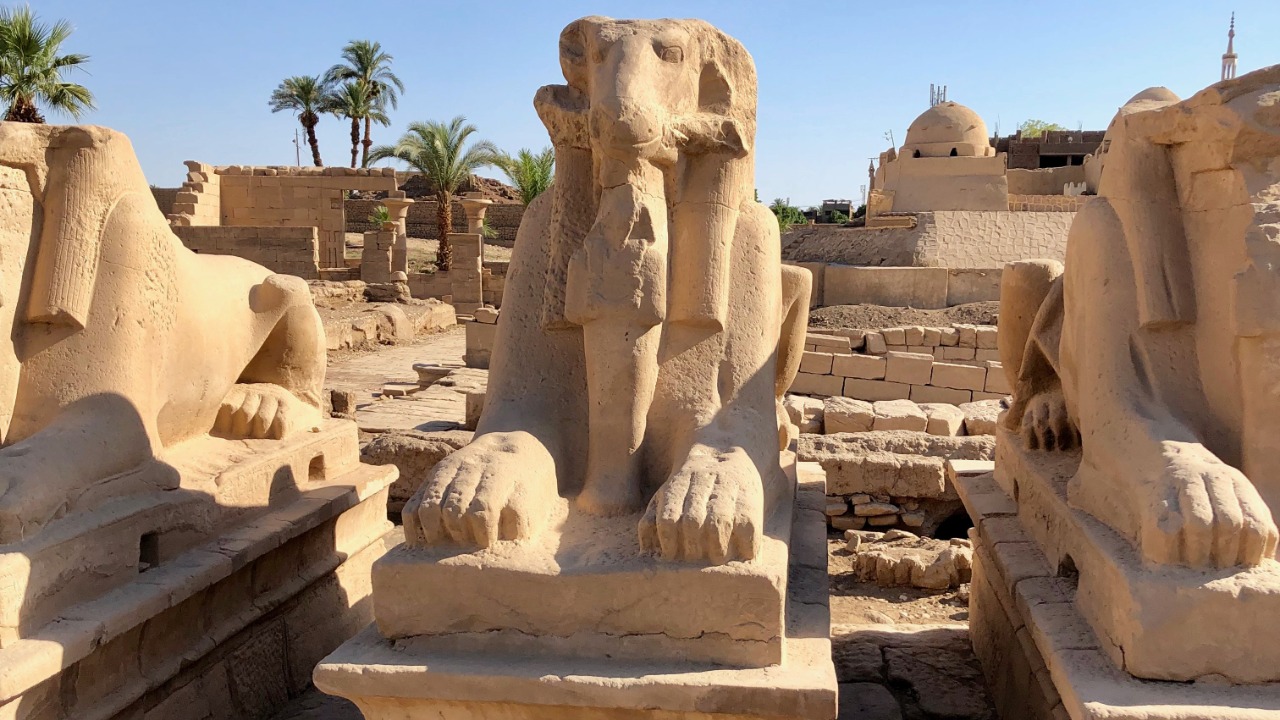
Recent archaeological methods have revealed that the foundational structures of Karnak were built during the Old Kingdom, specifically around 2686–2181 BCE. This redating was achieved through meticulous analysis of building materials and inscriptions, which confirmed the earlier construction timeline. The use of advanced techniques, such as stratigraphic analysis and radiocarbon dating, played a crucial role in these findings. This discovery extends Karnak’s history by centuries, positioning it as a key site from Egypt’s earliest dynastic periods and altering timelines for pharaonic temple evolution. [source]
The implications of this redating are profound for understanding Old Kingdom religious practices. Karnak, now recognized as a hub for the worship of Amun and other deities earlier than previously thought, provides new insights into the religious landscape of ancient Egypt. This shift in timeline not only enhances our understanding of the temple’s historical significance but also offers a deeper appreciation of the architectural and cultural advancements of the period. [source]
Underground Discoveries at Egyptian Temples
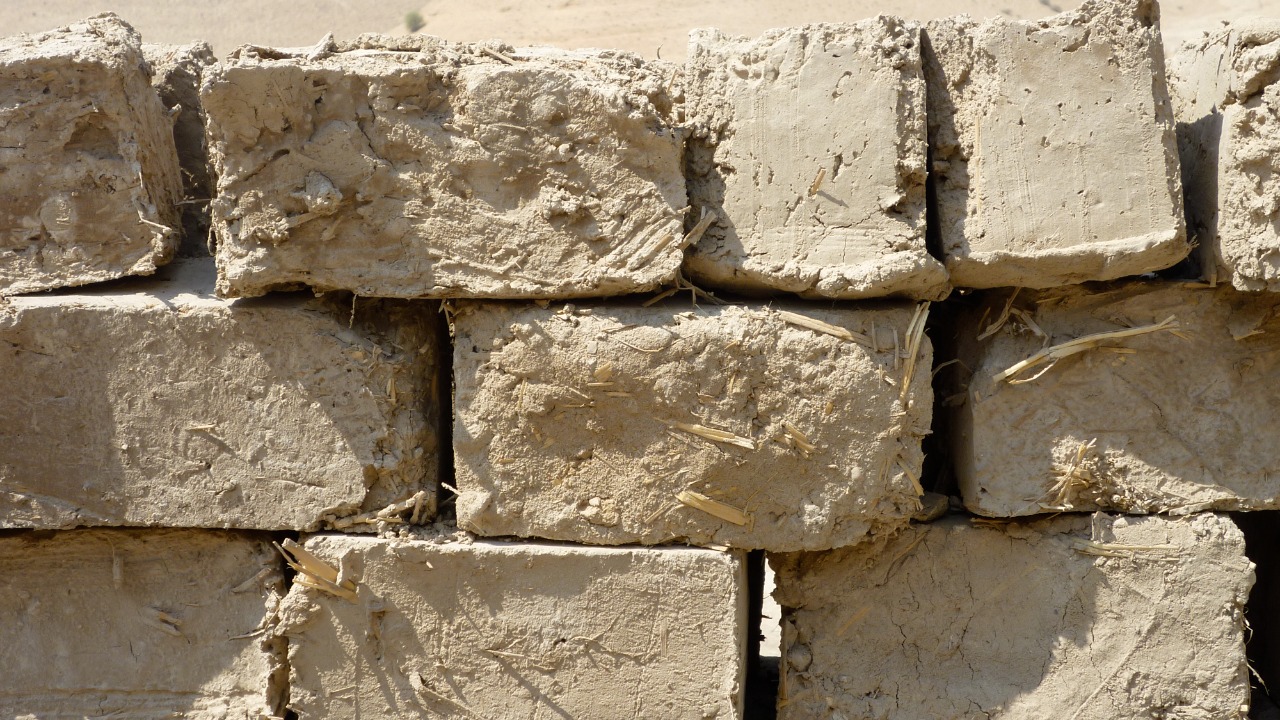
In addition to the revelations at Karnak, a vast tunnel measuring over 600 meters long was discovered beneath an ancient Egyptian temple. This tunnel, likely used for ceremonial or storage purposes during the Ptolemaic period, showcases the complexity and ingenuity of ancient Egyptian engineering. The tunnel’s construction features, including its brick-lined walls and connection to the temple’s foundation, suggest it supported rituals or protected sacred artifacts. These discoveries continue to shed light on the multifaceted nature of Egyptian temple complexes and their evolution over time. [source]
The tunnel’s discovery has prompted further investigations into its purpose and the broader context of its construction. Archaeologists are exploring the possibility that it served as a hidden passage for priests or as a means to transport goods securely within the temple complex. The engineering prowess required to construct such a tunnel, with its precise alignment and structural integrity, underscores the advanced architectural skills possessed by the ancient Egyptians. This find not only enriches our understanding of temple functions but also highlights the strategic importance of subterranean spaces in ancient Egyptian religious and cultural practices. [source]
Newly Discovered Buildings and Dynastic Clues
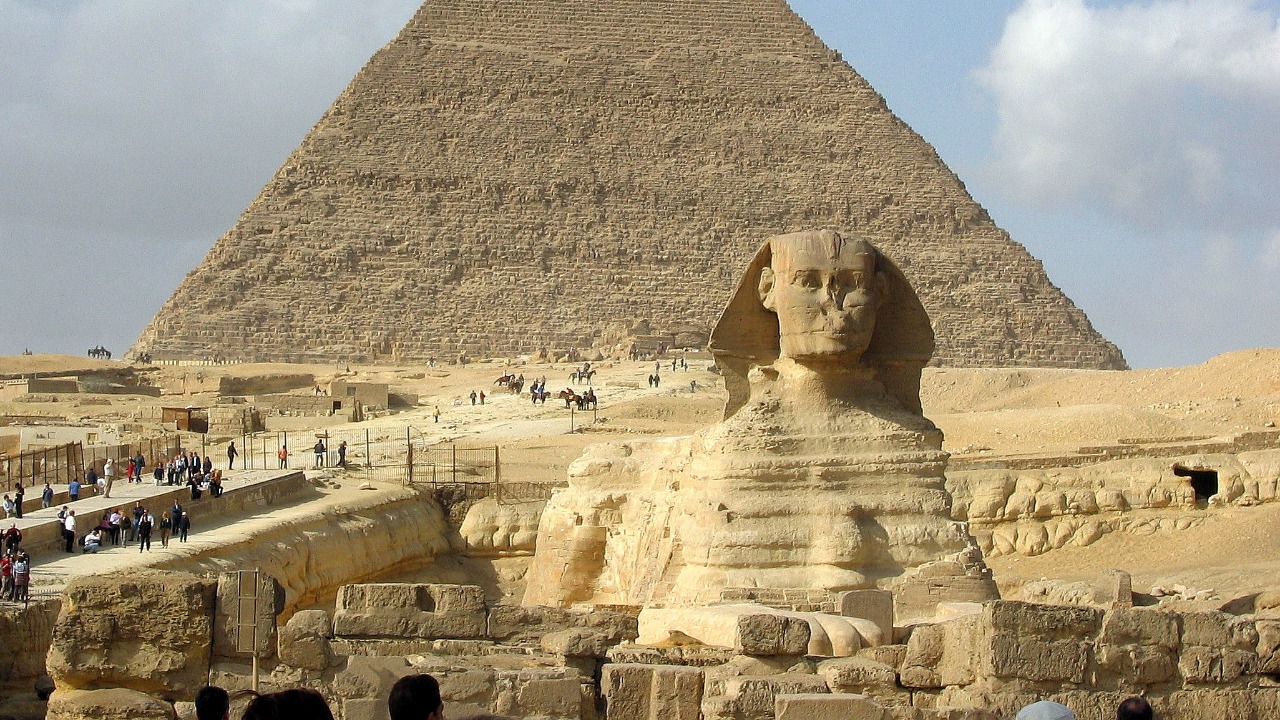
Recent excavations have uncovered newly discovered buildings at an ancient Egyptian site, including mud-brick structures and administrative complexes. These findings reveal important clues about the Middle Kingdom dynasties, particularly around 2055–1650 BCE. Among the artifacts unearthed are seals and pottery, which provide evidence of trade and governance during the 12th Dynasty. These discoveries offer a glimpse into the administrative and economic activities of the time, highlighting the sophistication of Middle Kingdom society. [source]
The architectural styles of these structures bridge the Old and Middle Kingdoms, illustrating a continuity and evolution in building techniques and cultural practices. This connection underscores the dynamic nature of ancient Egyptian civilization and its ability to adapt and innovate over centuries. [source]
These newly uncovered structures provide a wealth of information about the socio-political landscape of the Middle Kingdom. The presence of administrative buildings suggests a centralized system of governance, with officials likely overseeing various aspects of daily life and regional management. The seals found at the site, often inscribed with the names of officials or pharaohs, offer a direct link to the bureaucratic processes of the time. Additionally, the pottery fragments, with their distinct styles and markings, help archaeologists trace trade routes and cultural exchanges between different regions of ancient Egypt. These findings collectively paint a picture of a thriving, interconnected society that was adept at managing its resources and maintaining stability over centuries. [source]
Insights from 5,000-Year-Old Tombs
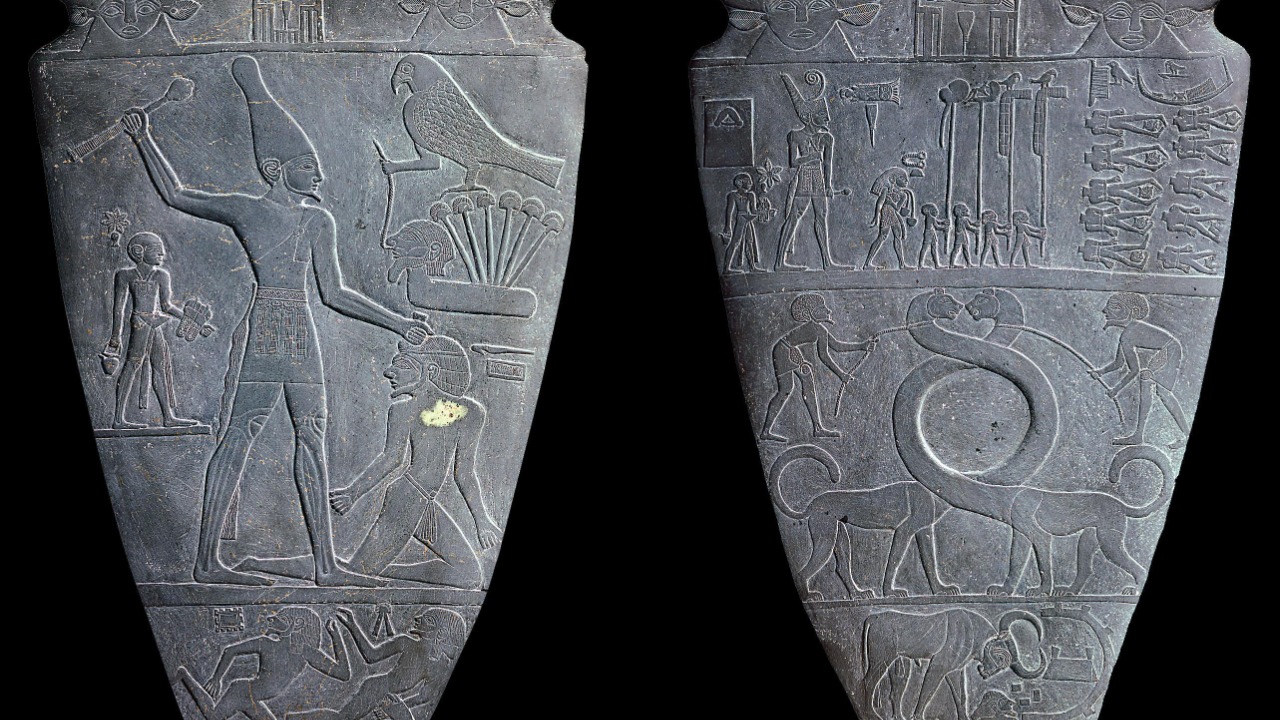
In the Nile Delta region, newly discovered ancient tombs dating back nearly 5,000 years have been unearthed. These tombs, belonging to the First Dynasty around 3100 BCE, contain burials of high officials accompanied by grave goods. The contents of these tombs illuminate early Old Kingdom social hierarchies and provide valuable insights into the burial practices and societal structures of the time. [source]
The discovery of these tombs adds another layer to our understanding of ancient Egyptian history, offering a rare glimpse into the lives and beliefs of some of the earliest known Egyptians. The artifacts and burial practices observed in these tombs reflect the complex social and religious dynamics that characterized the dawn of Egyptian civilization. [source]
The tombs’ construction and the artifacts within them reveal much about the technological and artistic capabilities of early Egyptian society. The intricate designs on pottery and jewelry found in these tombs indicate a high level of craftsmanship and aesthetic sensibility. Furthermore, the layout of the tombs, with separate chambers for different types of offerings, suggests a complex belief system centered around the afterlife. This belief system likely played a crucial role in shaping the social and political structures of the time, as evidenced by the care taken in the burial of high-ranking individuals. The ongoing study of these tombs continues to provide valuable insights into the evolution of Egyptian funerary practices and the cultural significance of the afterlife in ancient Egyptian civilization. [source]
