
The M1 Abrams, a formidable 68-ton American main battle tank equipped with a 120mm smoothbore gun, was deployed to Ukraine in September 2023 as part of a U.S. aid package. This deployment aimed to strengthen Ukrainian defenses against Russian forces. In contrast, Russia’s T-90M Proryv, a 48-ton tank featuring a 125mm gun and advanced Relikt explosive reactive armor, has been actively used in Ukraine since 2022. Despite its capabilities, over 100 units have been reported lost by Western analysts by mid-2024.
Design and Engineering Foundations
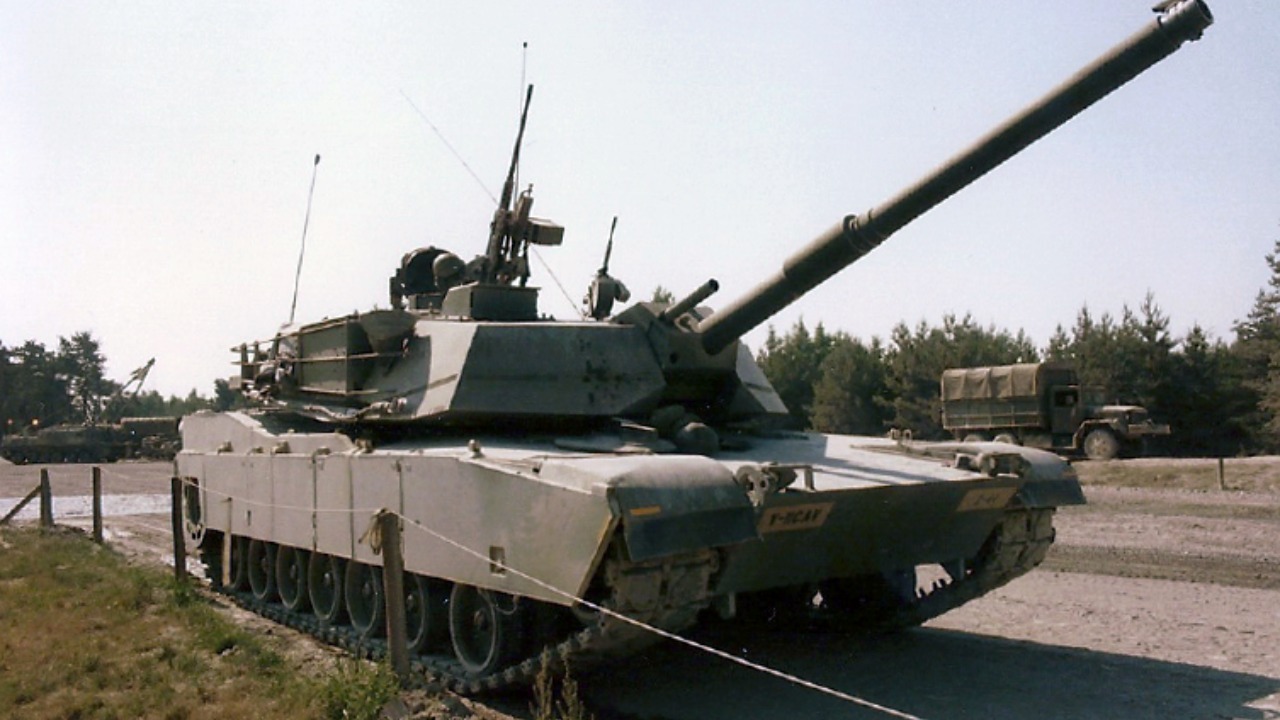
The M1 Abrams and T-90M Proryv represent two distinct philosophies in tank design and engineering. The Abrams is powered by a Honeywell AGT1500 gas turbine engine, producing 1,500 horsepower, resulting in a power-to-weight ratio of about 22 hp/ton. This configuration offers significant speed but at the cost of fuel efficiency. On the other hand, the T-90M employs a V-92S2F diesel engine that delivers 1,130 horsepower, achieving a slightly higher power-to-weight ratio of 23.5 hp/ton. This trade-off highlights the T-90M’s advantage in mobility and fuel economy, crucial for sustained operations in diverse terrains.
Armor configurations further distinguish these tanks. The Abrams is equipped with Chobham composite armor, incorporating depleted uranium layers that provide protection equivalent to over 900mm RHA against kinetic threats. In contrast, the T-90M integrates Kontakt-5 and Relikt ERA, alongside a soft-kill Zaslon system designed to counter anti-tank guided missiles (ATGMs). These differences underscore the Abrams’ focus on passive protection, while the T-90M emphasizes active defense systems.
Modularity for upgrades is another critical aspect. The Abrams’ design facilitates the rapid integration of systems like the Trophy active protection suite, tested in 2021. This adaptability contrasts with the T-90M’s evolutionary upgrades from the T-72 platform, which include a new turret and optics suite introduced in 2017. These design choices reflect each country’s strategic priorities in maintaining technological superiority on the battlefield.
Armament and Firepower Capabilities
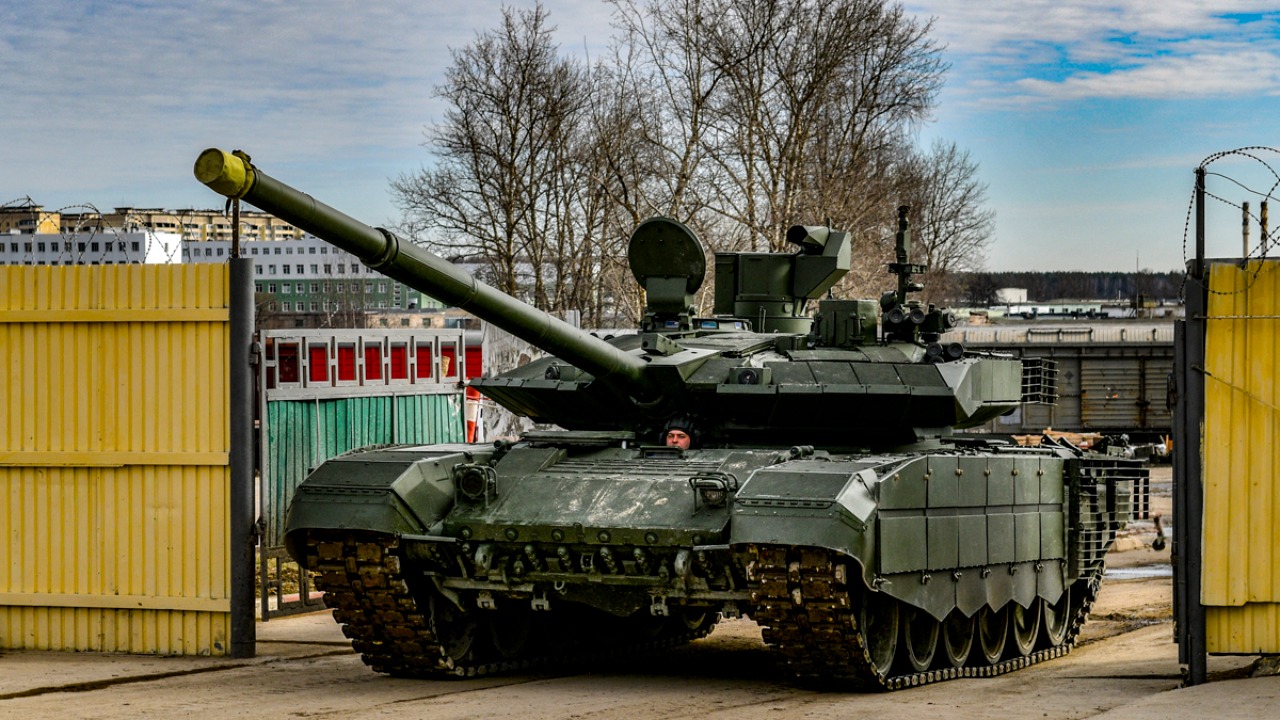
The main gun systems of the M1 Abrams and T-90M Proryv are tailored to their respective combat doctrines. The Abrams’ M256 120mm gun fires M829A4 APFSDS rounds with a muzzle velocity exceeding 1,500 m/s and an effective range beyond 4 km. This capability ensures superior penetration power at long distances. Conversely, the T-90M’s 2A46M-5 125mm gun supports Refleks guided missiles, offering a 5 km range and a higher rate of fire at 10 rounds per minute. This versatility allows the T-90M to engage a broader range of targets effectively.
Secondary weapons and ammunition storage also play a crucial role in combat effectiveness. The Abrams is equipped with a 12.7mm M2 machine gun and a 7.62mm coaxial machine gun, with a total ammunition capacity of 12,000 rounds stored in blow-out compartments for enhanced crew safety. In contrast, the T-90M features a PKTM 7.62mm machine gun and an optional 30mm grenade launcher. However, its 22-round autoloader is vulnerable to spalling, a potential weakness in high-intensity engagements.
Fire control advancements further differentiate these tanks. The Abrams’ fire control system integrates laser rangefinders and thermal sights, achieving a first-round hit probability of over 90% at 2 km. The T-90M’s Kalina system, with panoramic sights and auto-tracking capabilities, offers similar accuracy but is optimized for harsher electronic warfare environments. These systems reflect the ongoing technological race to enhance battlefield awareness and precision.
Mobility and Survivability in Combat
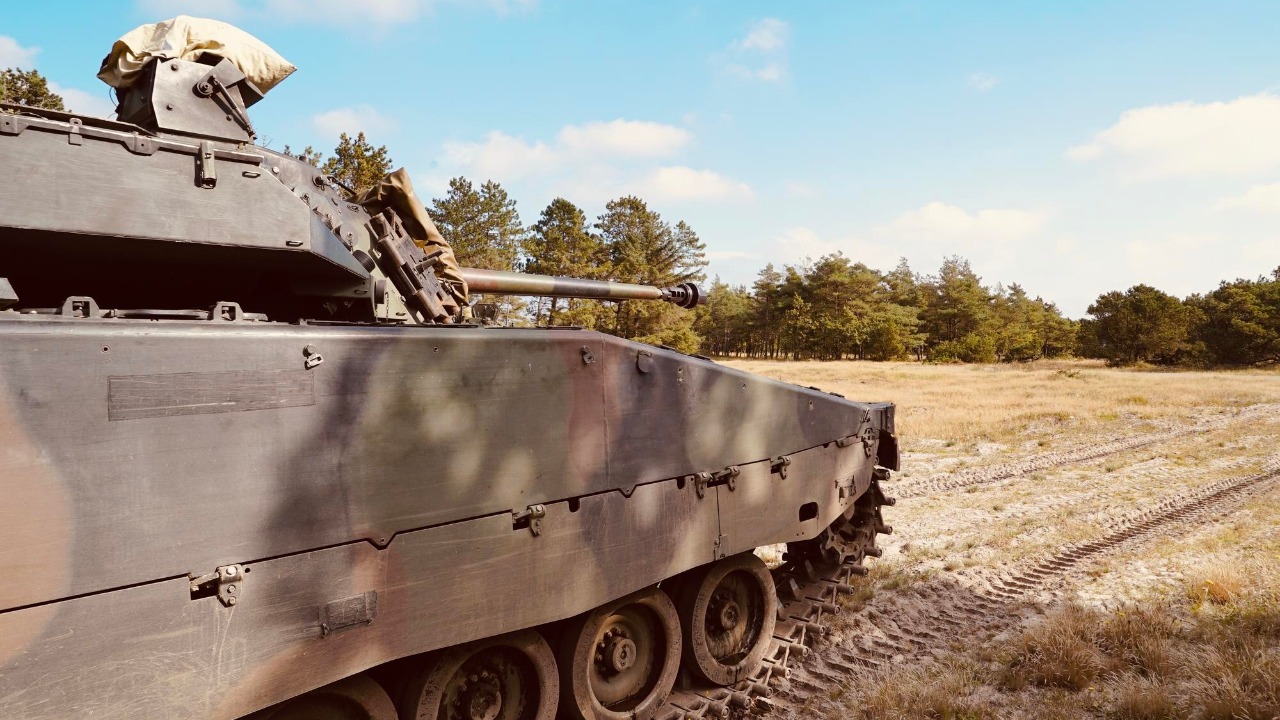
Mobility and survivability are critical factors in the operational effectiveness of the M1 Abrams and T-90M Proryv. The Abrams can reach speeds of 67 km/h on roads but faces challenges in muddy terrains due to its 68-ton weight, as observed during Ukrainian trials in 2024. In contrast, the T-90M achieves a top speed of 60 km/h and benefits from better low-speed torque, making it more suitable for off-road operations in regions like Donbas.
Protection against modern threats is another area of focus. The Abrams has demonstrated resilience against multiple RPG hits, as seen in Iraq in 2003, with minimal penetrations. Meanwhile, the T-90M’s Afghanit active protection system, operational since 2020, is designed to intercept incoming projectiles at speeds of 800 m/s. However, its effectiveness against top-attack munitions like the Javelin remains unproven in Ukraine, highlighting the evolving nature of armored warfare threats.
Logistical considerations also impact operational deployment. The Abrams requires JP-8 fuel, with a 1,900-liter capacity providing a range of 426 km, complicating supply lines in contested areas. In contrast, the T-90M’s diesel efficiency allows for a 550 km range and compatibility with captured NATO fuel, offering strategic advantages in prolonged engagements.
Operational Lessons from Recent Conflicts
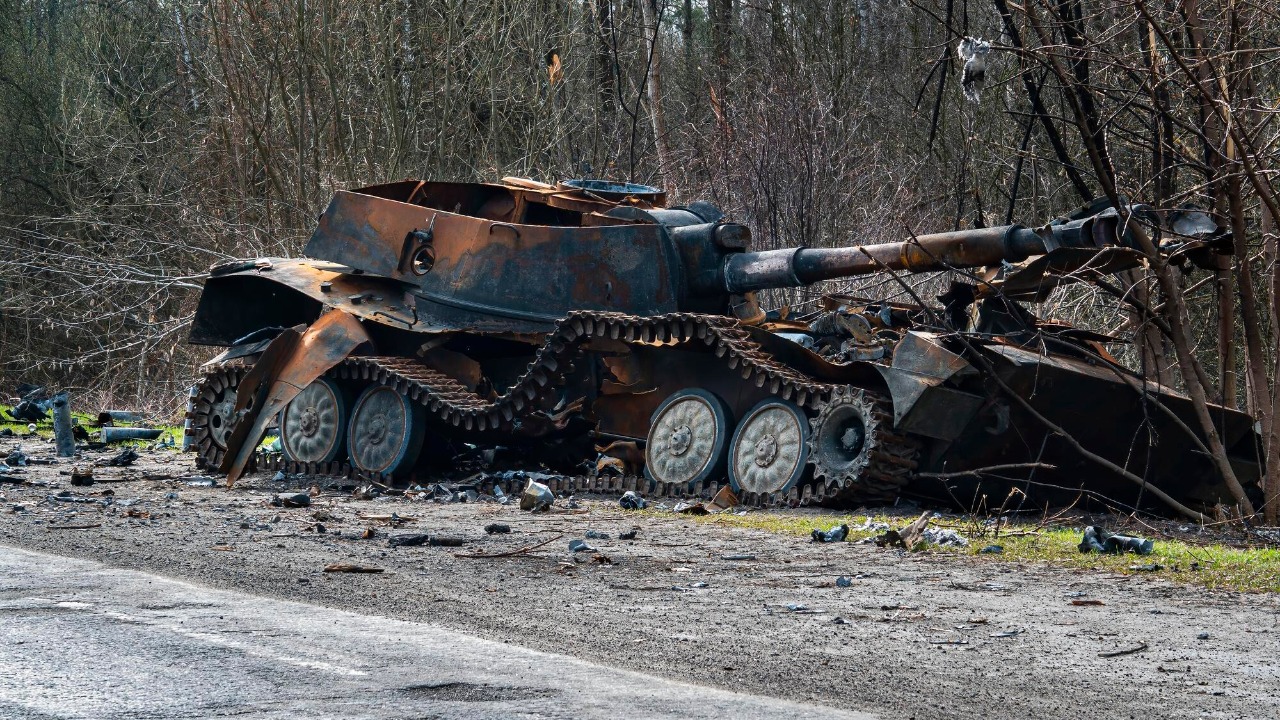
The deployment of the M1 Abrams and T-90M Proryv in Ukraine provides valuable insights into their operational capabilities and vulnerabilities. Of the 31 Abrams tanks sent in 2023, at least five were destroyed or damaged by Russian Lancet drones by June 2024 near Avdiivka. This underscores the growing threat of loitering munitions and the need for enhanced counter-drone measures.
In contrast, the T-90M has faced significant losses, with Oryx documenting 132 T-90 variants destroyed in Ukraine as of July 2024. These losses, primarily attributed to Ukrainian Javelins and artillery near Bakhmut, reveal weaknesses in situational awareness despite the tank’s upgrades. These operational challenges highlight the importance of continuous adaptation to evolving battlefield conditions.
Tactical adaptations have been observed on both sides. Ukrainian forces have modified Abrams tanks with cage armor in 2024 to counter drone threats, while Russian T-90M units employ “cope cages” and electronic jammers. These measures indicate a dynamic arms race, with both sides seeking to outmaneuver each other’s technological advancements.
Strategic Implications for Armored Warfare
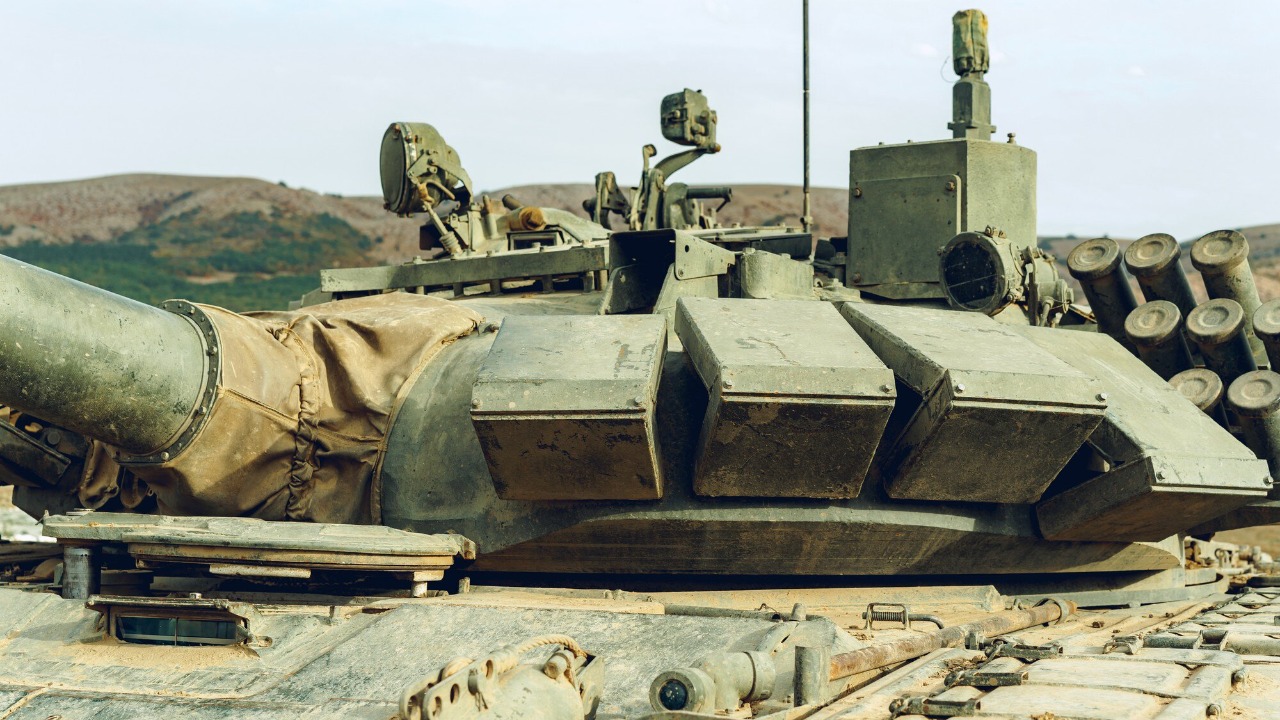
The strategic implications of the M1 Abrams and T-90M Proryv extend beyond their immediate combat roles. The Abrams, with over 10,000 units produced since 1980 and exports to 10 countries, including Australia, influences global tank doctrines. In contrast, the T-90M’s limited production of over 200 units, exported to countries like India and Algeria, reflects a more constrained proliferation strategy.
Future upgrades are a key consideration for both tanks. The U.S. plans for the M1A3, featuring hybrid propulsion by 2030, aim to enhance stealth and operational efficiency. Meanwhile, Russia’s T-90M is expected to evolve towards integrating T-14 Armata technology post-2025, signaling a commitment to maintaining competitive edge in armored warfare.
Cost-effectiveness is another critical factor influencing procurement decisions. The Abrams’ unit cost exceeds $10 million, including training, compared to the T-90M’s $4.5 million. This disparity affects the purchasing power of resource-constrained militaries, shaping the global landscape of armored vehicle acquisition.
For further reading on the M1 Abrams and T-90M Proryv, visit Army Technology and Global Security.
