
As data privacy concerns continue to escalate, the importance of properly disposing of old hard drives has never been more critical. From the cutting-edge HDD mashing machine to traditional methods, there are several ways to ensure your data is permanently destroyed. This article will explore the best practices for secure hard drive disposal, drawing from expert advice and the latest technological advancements.
Why Hard Drives Need Secure Destruction
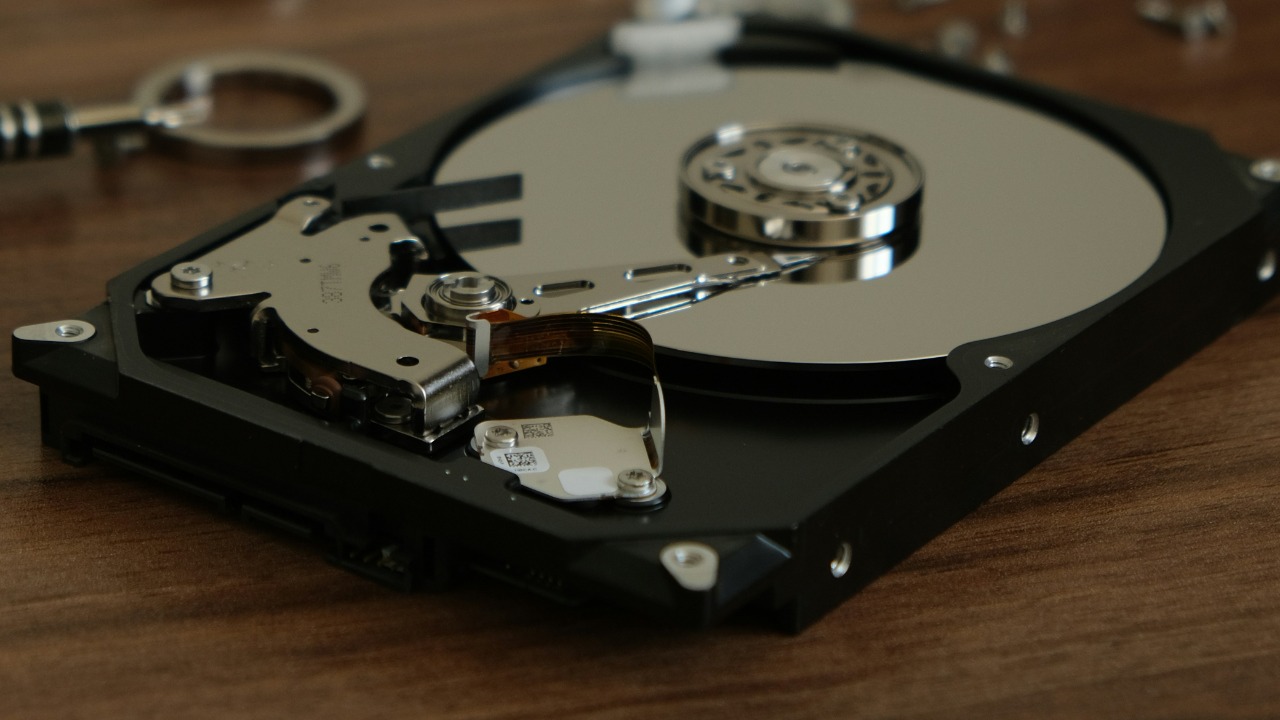
Old hard drives can be a goldmine for unauthorized access if not properly disposed of. As technology expert Jim Rossman emphasizes, residual data on these drives can pose significant risks. Even when files are deleted, traces often remain that can be recovered with the right tools. Therefore, it’s crucial to ensure permanent destruction of the hard drive.
According to a Scientific American article, physical destruction techniques are the most effective way to ensure data cannot be retrieved. However, destruction is not the only option. As Wired points out, there are also considerations for reusing old hard drives and phones, which can be a more eco-friendly alternative if done correctly.
Furthermore, the risks associated with improper hard drive disposal extend beyond individual data breaches. As Rossman notes, businesses can face significant financial and reputational damage if sensitive customer data is leaked. This can lead to loss of trust, legal repercussions, and even business failure. Therefore, secure destruction of hard drives is not just a matter of personal data security, but also a crucial business practice.
Moreover, the Scientific American article highlights that even drives that appear to be non-functional or damaged can still hold recoverable data. This underscores the importance of secure destruction, even for drives that may seem useless or unreadable.
Common Methods for Data Erasure Before Destruction

Before physically destroying a hard drive, it’s advisable to erase the data using software-based options. As Rossman suggests, this is a crucial preliminary step to ensure data privacy. Overwriting techniques, as outlined in the Wired guide, can also be effective in erasing data from hard drives.
However, erasure alone may not be enough. The Scientific American article emphasizes the need for physical follow-up to ensure data cannot be recovered. This is because some advanced data recovery tools can still retrieve data even after it has been overwritten or deleted.
One common method for data erasure is the use of data wiping software. These programs overwrite the data on the drive with random information, making it difficult for data recovery tools to retrieve the original data. However, as Rossman points out, this method is not foolproof and should be used in conjunction with physical destruction techniques.
Another method, as mentioned in the Scientific American article, is the use of degaussing. This involves using a high-powered magnet to disrupt the magnetic fields on the hard drive, rendering the data unreadable. However, this method requires specialized equipment and may not be suitable for all users.
Physical Destruction Techniques
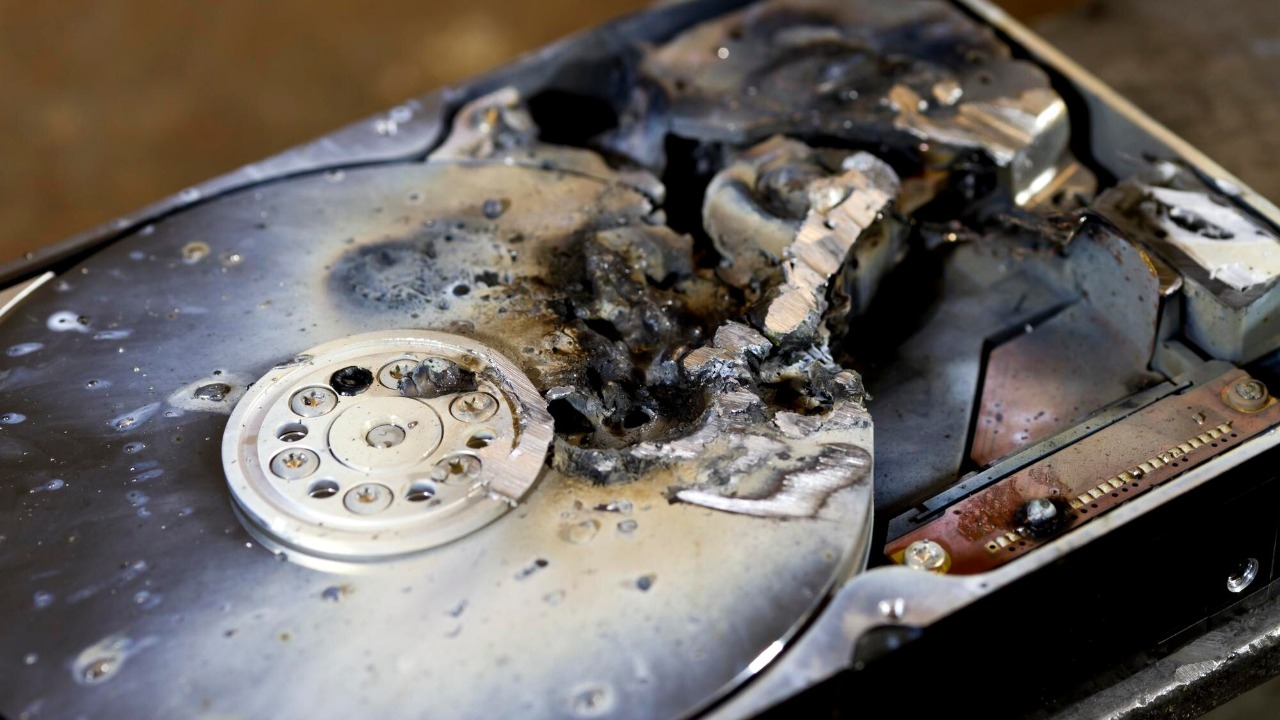
Physical destruction techniques can render hard drives unusable, ensuring that data cannot be recovered. Rossman recommends methods such as drilling or smashing the hard drive. More thorough data elimination can be achieved through degaussing and shredding processes, as outlined in the Scientific American article.
Other viable options include incineration or crushing the hard drive, as suggested in the Wired article. These methods can be particularly effective when combined with data erasure techniques.
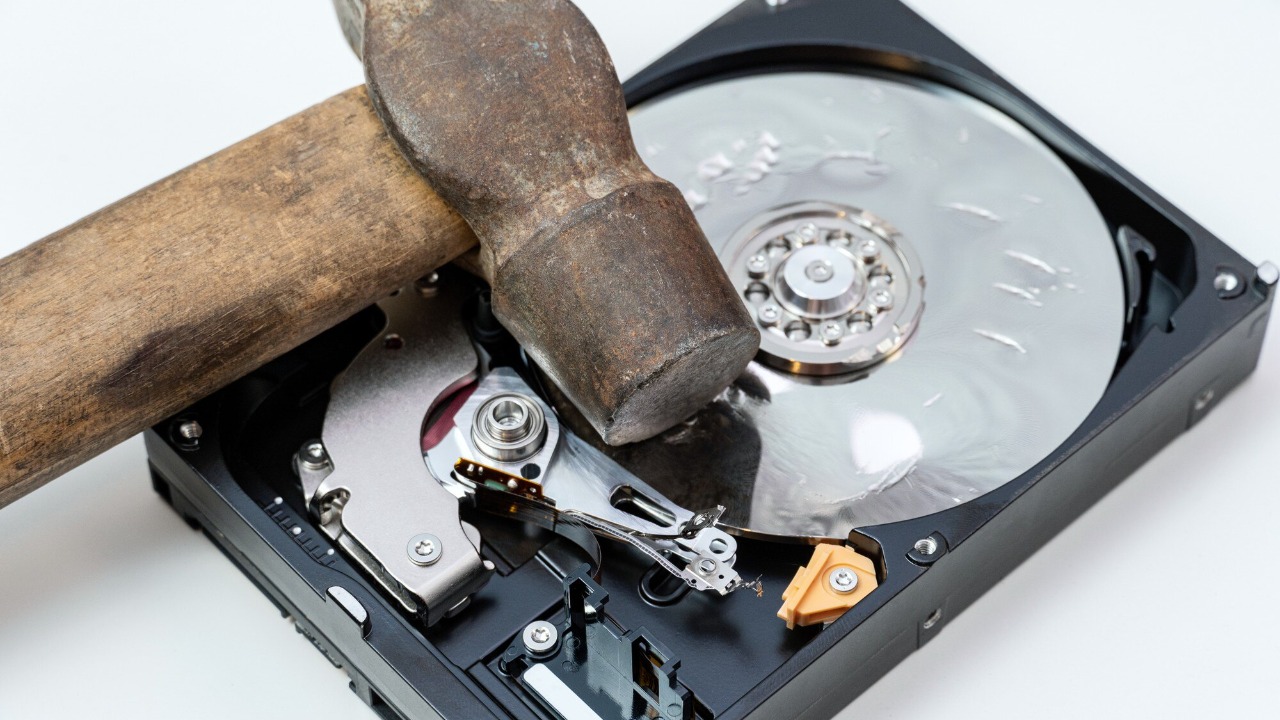
One of the most straightforward physical destruction techniques is hammering. As Rossman explains, a few well-placed strikes can shatter the hard drive’s platters, making data recovery nearly impossible. However, this method can be dangerous and should be done with caution.
Another technique, as described in the Scientific American article, is the use of a hydraulic press. This machine applies immense pressure to the hard drive, crushing it and rendering it unusable. However, this method requires access to a hydraulic press and may not be practical for most individuals.
Advanced Tools for Hard Drive Destruction
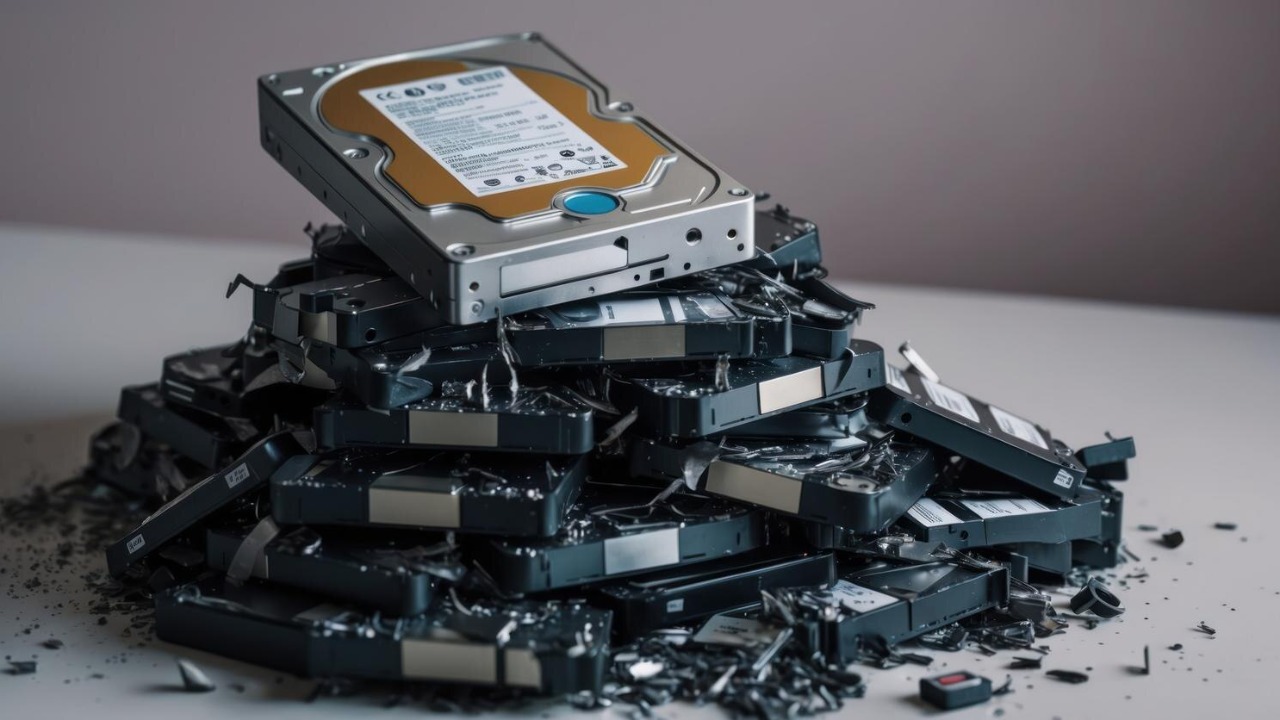
For those seeking a more high-tech solution, the HDD mashing machine offers a novel way to destroy old hard drives. As reported by Yahoo Tech, this machine squishes old hard drives in half, allowing users to watch the process. However, there are concerns about whether intelligence agencies could still access the data post-mashing.
When compared to traditional methods, the HDD mashing machine offers a more visual and potentially satisfying way to destroy old hard drives. However, as Rossman points out, it’s important to consider the effectiveness of any method against data recovery.
Another advanced tool for hard drive destruction is the use of electromagnetic pulses (EMP). As described in the Yahoo Tech article, an EMP can effectively wipe out the data on a hard drive by disrupting its electronic components. However, this method also requires specialized equipment and may not be accessible to all users.
Rossman also mentions the use of industrial shredders for hard drive destruction. These machines can shred a hard drive into tiny pieces, making data recovery virtually impossible. However, this method is typically used by professional data destruction services and may not be feasible for individual users.
Professional vs. DIY Destruction Approaches
Choosing between professional services and DIY methods for hard drive destruction depends on several factors. As the Wired article suggests, professional services may be the best option for those who lack the necessary tools or expertise. However, for home users, DIY tools and steps can be effective, as detailed in the Scientific American piece.
When weighing the costs and reliability of different methods, Rossman’s practical tips can be invaluable. It’s important to consider not only the upfront cost but also the potential cost of data breaches if the destruction is not effective.
Professional services often offer a certificate of destruction, which can provide peace of mind and serve as proof of secure data disposal. As the Wired article suggests, this can be particularly useful for businesses that need to comply with data protection regulations. However, these services can be costly, especially for large volumes of hard drives.
On the other hand, DIY methods can be cost-effective and convenient, especially for individuals or small businesses. As Rossman notes, with the right tools and knowledge, effective hard drive destruction can be achieved at home. However, it’s important to ensure that the chosen method is thorough and secure to prevent potential data breaches.
Environmental and Legal Considerations

When disposing of old hard drives, it’s important to consider the environmental impact. The Wired article highlights the importance of eco-friendly disposal after destruction. This can include recycling the materials or reusing the hard drive in a secure manner.
There are also regulatory requirements for data destruction, as outlined in the Scientific American article. Failure to comply with these regulations can result in legal penalties. Finally, it’s worth noting the potential intelligence recovery risks with tools like the HDD mashing machine, as reported by Yahoo Tech.
From an environmental perspective, it’s important to note that hard drives contain hazardous materials that can be harmful if not disposed of properly. As the Wired article points out, these materials can leach into the environment if the hard drive is simply thrown in the trash. Therefore, it’s recommended to take the destroyed hard drive to a recycling facility that can safely handle electronic waste.
On the legal side, various laws and regulations govern the disposal of data and electronic waste. As the Scientific American article explains, businesses in particular need to be aware of these regulations to avoid penalties. This includes laws like the Health Insurance Portability and Accountability Act (HIPAA) and the Fair and Accurate Credit Transactions Act (FACTA), which require secure disposal of certain types of data.
