
In a groundbreaking development, artificial intelligence (AI) has played a pivotal role in designing a new type of CPU. This advancement not only demonstrates the potential of AI in the field of computer engineering but also raises important questions about the future of technology and innovation.
The Role of AI in Modern Chip Design
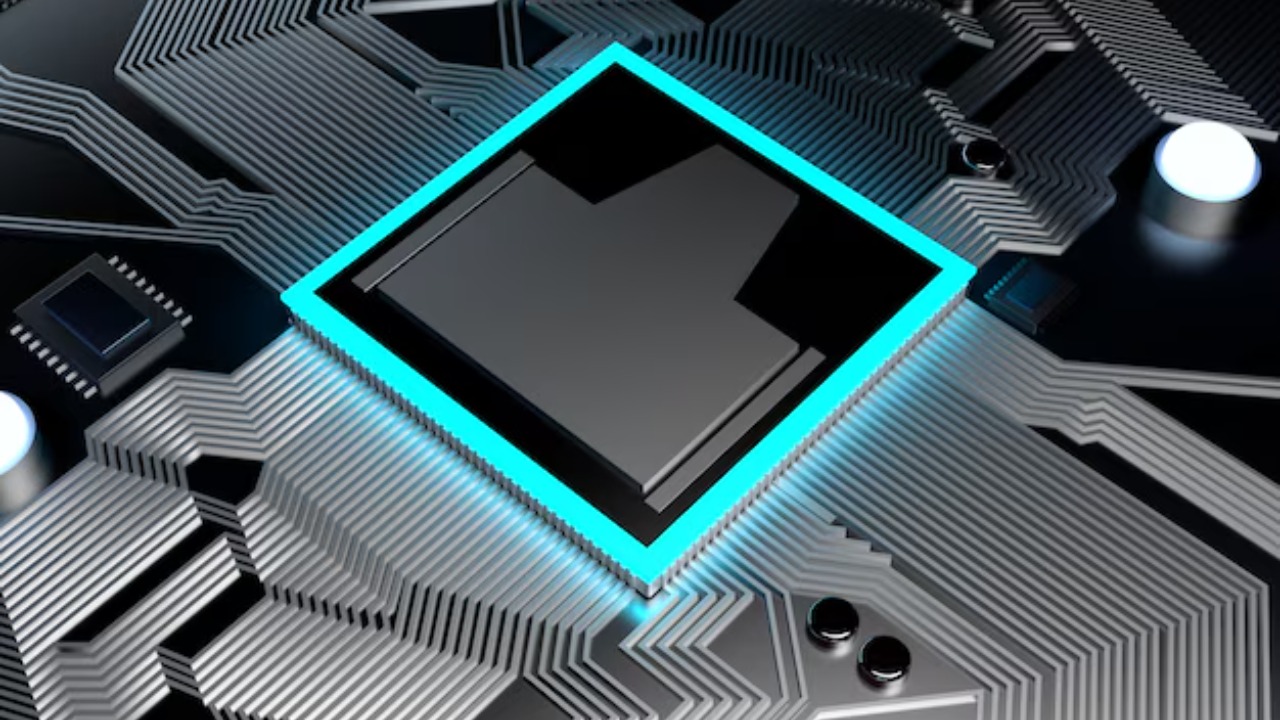
One of the most significant contributions of AI to chip design lies in optimizing chip architecture. AI algorithms analyze vast amounts of data to identify patterns and optimize the efficiency of chip designs. By leveraging techniques such as machine learning and neural networks, AI can explore a multitude of design possibilities that might otherwise be overlooked by human engineers. This collaboration between human engineers and AI leads to more efficient and powerful chips, as AI can handle the complexity of tasks that require processing beyond human limitations.
In addition to optimizing architecture, AI significantly speeds up the design process. Traditional chip design is a time-consuming endeavor, often requiring multiple iterations to perfect a design. AI reduces this timeline by rapidly generating and testing design iterations, allowing for faster development cycles. Case studies, such as those reported by CNET, highlight instances where AI has cut down development timelines from years to mere months, proving its transformative potential in the industry.
Implications for the Semiconductor Industry

AI-driven chip design can lead to significant cost reductions, which have far-reaching economic impacts. By automating parts of the design process, AI reduces the need for extensive human labor and minimizes errors, thereby lowering production costs. This economic efficiency can ripple through the semiconductor market, potentially leading to lower prices for consumers and increased profitability for manufacturers.
Companies utilizing AI-designed chips are likely to gain a competitive advantage, as these chips often outperform those designed solely by humans. This edge can result in industry shifts, with new market leaders emerging. As highlighted by discussions in the Futurism Reddit forum, the incorporation of AI in chip design could also democratize the industry, allowing smaller companies to compete with established giants by leveraging AI’s capabilities.
Challenges and Controversies
Despite the benefits, AI-designed architectures present challenges in terms of understanding and reliability. These designs can be so complex that even experts struggle to comprehend them fully. This lack of understanding raises concerns about the predictability and reliability of AI-generated designs. According to insights from Fanatical Futurist, the opacity of AI’s decision-making process can hinder trust in AI-designed technology, making it crucial for the industry to develop methods to verify and validate these designs.
Ethical and security considerations also come into play with AI’s autonomous involvement in chip design. The potential for AI to inadvertently introduce vulnerabilities into chip architectures poses significant security risks. Moreover, ethical questions arise regarding the extent to which AI should be allowed to independently make critical design decisions. Addressing these concerns is essential to ensure that AI’s involvement in chip design aligns with industry standards and societal values.
Future Prospects and Innovations

AI’s potential in advancing quantum computing is particularly promising. In the realm of quantum chip design, AI could play a crucial role in overcoming the complexities inherent in this emerging field. Microsoft’s development of the Majorana chip exemplifies how AI might contribute to breakthroughs in quantum computing, paving the way for more robust and scalable quantum systems.
Beyond chip design, AI is poised to transform other areas of technology development. By automating and optimizing complex processes, AI could accelerate innovation and creativity across various tech sectors. As AI continues to evolve, its broader impact on technology is likely to redefine innovation paradigms, enabling more rapid advancements and novel solutions to longstanding challenges.
