
The advent of artificial intelligence (AI) in drug discovery represents a paradigm shift in the battle against antibiotic-resistant bacteria. Recent breakthroughs demonstrate AI’s capability to design new antibiotics in under 24 hours, accelerating the pace at which life-saving drugs can be developed. This exploration into AI’s role in antibiotic design delves into the cutting-edge technology, its implications for healthcare, and the future of antibiotic discovery.
The Role of AI in Antibiotic Discovery
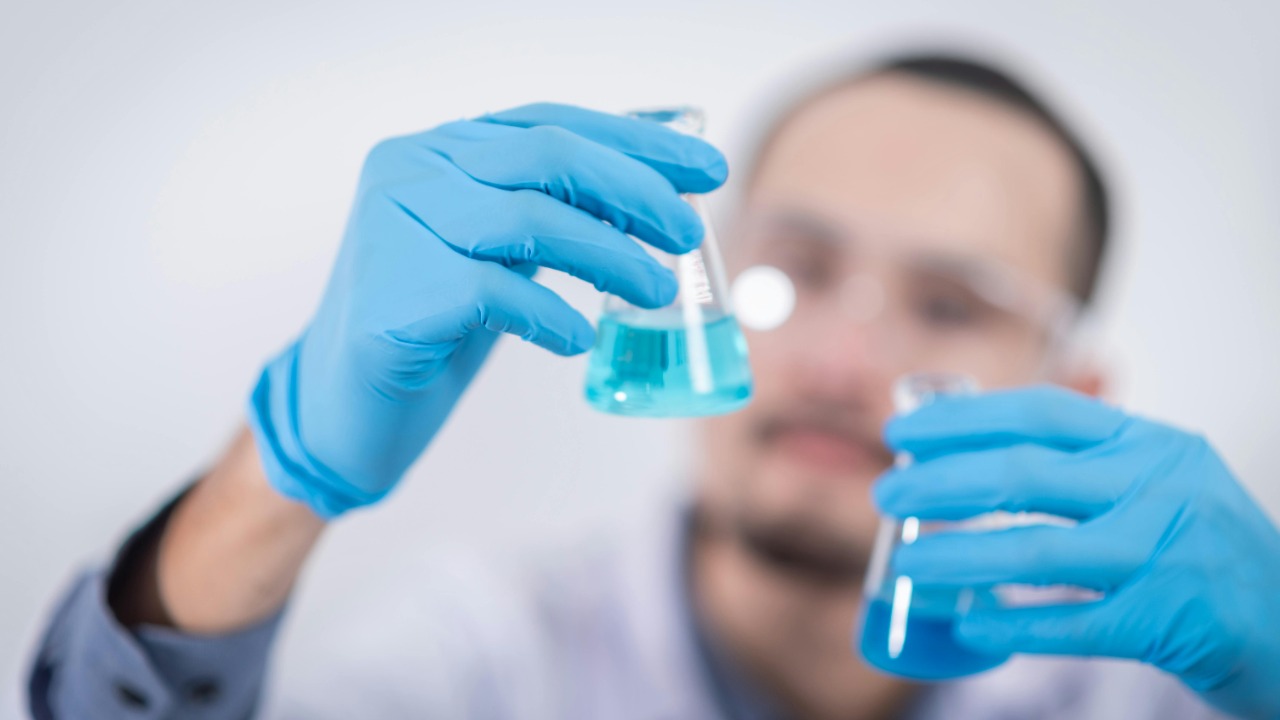
AI technology in drug design is transforming how new antibiotics are discovered. By leveraging sophisticated AI algorithms and machine learning models, researchers can predict molecular structures and assess their potential efficacy as antibiotics. Traditional methods, which often rely on time-consuming trial and error, are being outpaced by AI’s ability to rapidly analyze vast datasets. This allows for a more targeted approach, significantly reducing the time needed to identify promising antibiotic candidates.
Some remarkable case studies highlight the efficacy of AI in antibiotic development. For instance, recent studies have showcased AI’s role in designing novel antibiotics capable of tackling resistant bacterial strains. One such antibiotic, developed by a team of researchers, demonstrated its ability to effectively combat a range of gram-negative bacteria, a significant challenge in the field. AI’s capacity to identify novel compounds and mechanisms not only offers potential solutions to current challenges but also paves the way for future discoveries.
Challenges and Limitations
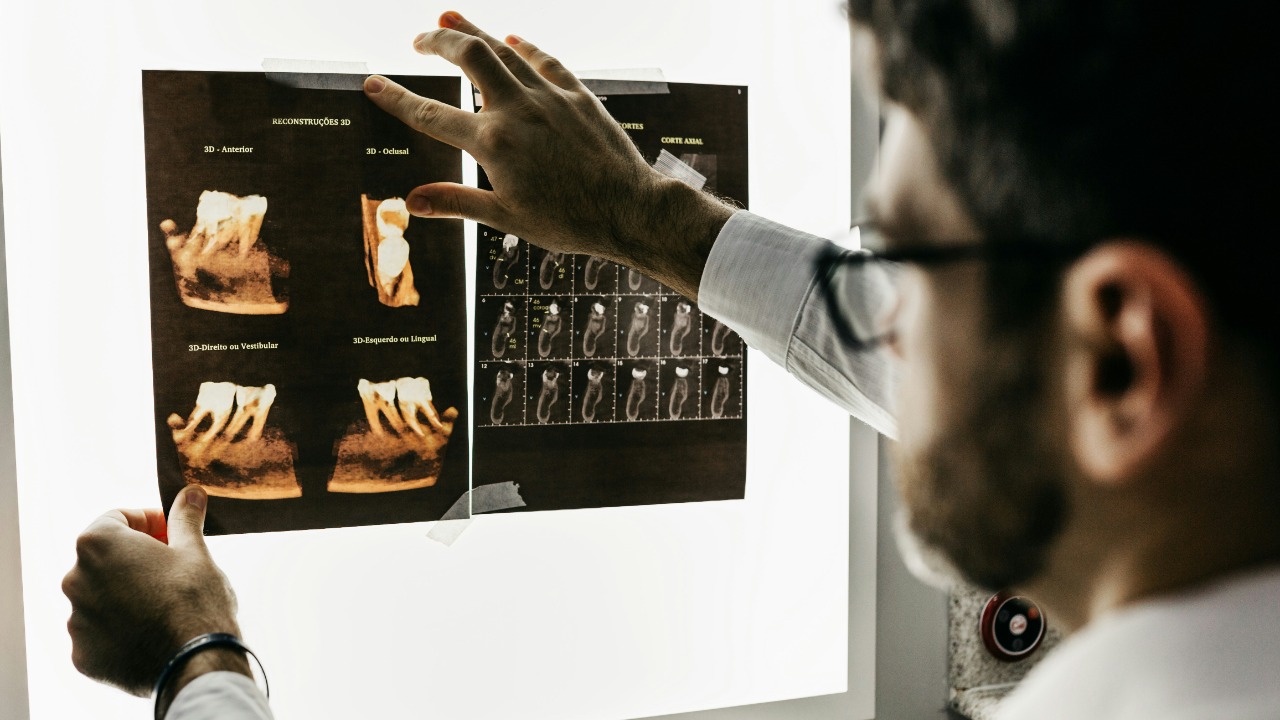
Despite its advantages, AI-driven antibiotic discovery faces several challenges. One significant issue is the need for quality input data. AI models require extensive datasets to train effectively, and the quality of these datasets directly impacts the model’s accuracy. Comprehensive and diverse bacterial genome data are often hard to come by, complicating the training process. Researchers must ensure that input data encompass a wide range of bacterial strains and conditions to maximize AI’s potential in discovering effective antibiotics.
Ethical considerations also play a crucial role in AI-driven drug development. As AI technology advances rapidly, ethical concerns such as biases in data and decision-making transparency gain prominence. The implications of AI’s decisions on patient safety and healthcare outcomes necessitate careful scrutiny. Furthermore, regulatory frameworks must evolve to keep pace with AI advancements, ensuring that new drugs meet safety and efficacy standards. This balance between innovation and regulation is vital to maintaining public trust and safeguarding patient health.
Implications for Global Health
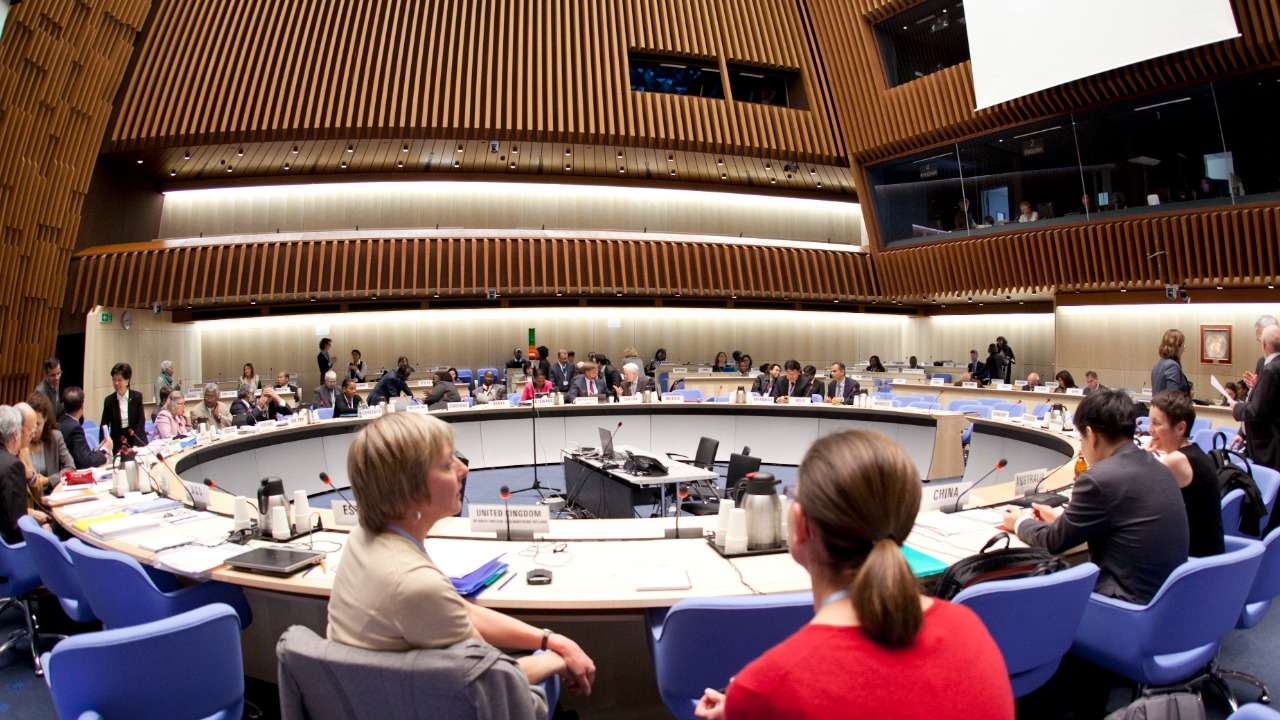
The potential of AI-designed antibiotics to address the antibiotic resistance crisis is immense. Multi-drug resistant bacteria pose a significant threat to global health, leading to increased mortality rates and healthcare costs. AI-driven drug discovery offers a promising avenue to combat these resistant strains by rapidly identifying effective antibiotic candidates. This could revolutionize treatment protocols and significantly reduce mortality rates associated with antibiotic-resistant infections.
Ensuring global accessibility and distribution of AI-developed antibiotics is another critical consideration. While the development of new drugs is essential, their impact depends on widespread availability, especially in low-income regions where antibiotic resistance is often most severe. Strategies to overcome logistical challenges in drug distribution and administration are necessary to ensure equitable access. Policymakers and global health organizations must collaborate to develop frameworks that facilitate the distribution of these life-saving drugs worldwide.
Future Prospects and Innovations

The future of AI in antibiotic discovery holds exciting possibilities. Emerging AI techniques, such as deep learning and neural networks, promise to further accelerate drug discovery by enhancing predictive accuracy and uncovering previously unknown mechanisms of action. Interdisciplinary collaborations between AI experts, biologists, and pharmacologists are essential to harness these advancements fully. Such collaborations can lead to innovative solutions that address the complexities of antibiotic resistance and improve patient outcomes.
In the long term, AI’s integration into healthcare systems could revolutionize personalized medicine and precision antibiotics. By tailoring treatments to individual patients based on genetic and microbial profiles, AI has the potential to improve treatment efficacy and reduce the risk of resistance development. The continuous evolution of AI methodologies and technologies will shape the future of healthcare, offering new opportunities for improving patient care and addressing global health challenges.
As we look ahead, the integration of AI in healthcare systems globally remains a critical goal. This requires ongoing investments in AI research, infrastructure, and education to ensure that healthcare providers can effectively utilize AI technologies. With the right frameworks in place, AI has the potential to transform the landscape of antibiotic discovery, offering hope in the fight against antibiotic-resistant bacteria and paving the way for a healthier future.
