
Few vehicles carry as much personality as the humble van, which has hauled bands, families, tradespeople, and dreamers across decades of road trips and daily grinds. Some became shorthand for entire subcultures, while others quietly rewrote how households and businesses move. These nine vans earned lasting cultural status well beyond the driveway.
1. Volkswagen Type 2: The Flower-Power Icon
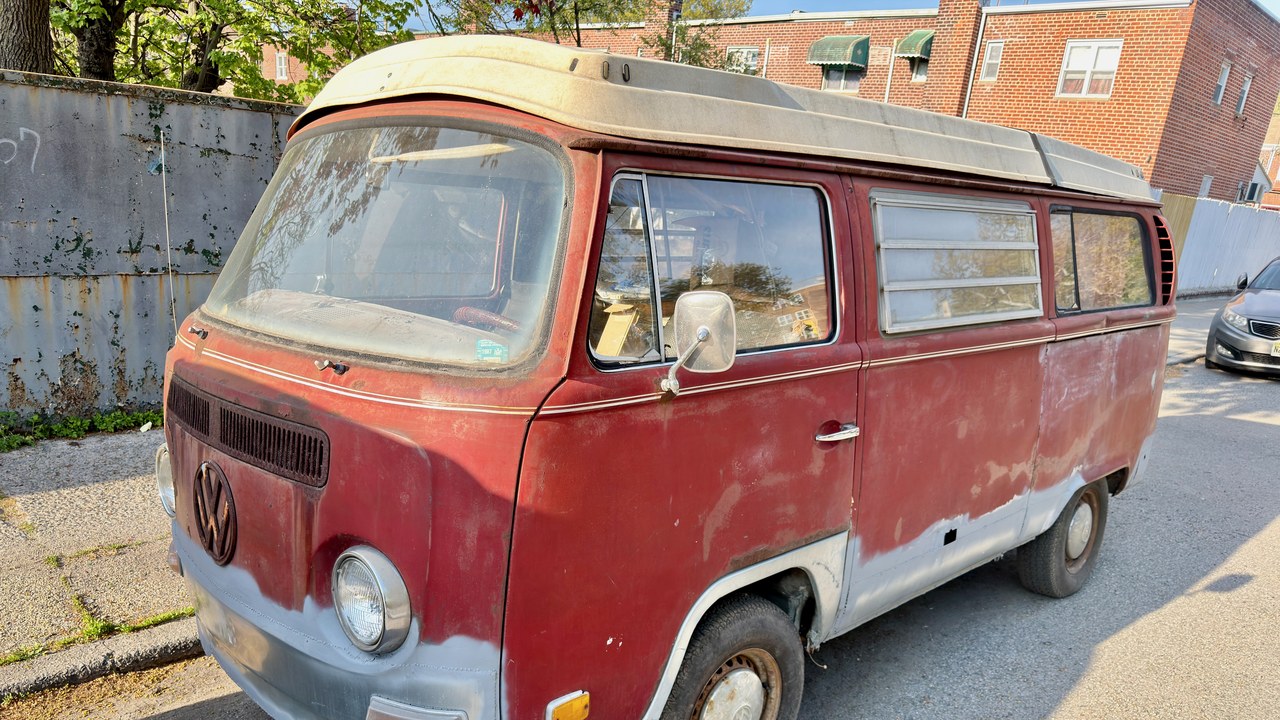
Introduced in 1950, the Volkswagen Type 2 became the rolling emblem of the 1960s counterculture, its split-windshield microbus painted in flowers and parked at festivals from California to Woodstock. The rear-engine layout made it slow but endlessly practical, and the airy cabin turned it into an early camper and commune on wheels for a generation chasing the open road.
Its enduring image later fueled a collector market where pristine examples sell for staggering sums. Volkswagen leaned into the nostalgia with the electric ID. Buzz, a modern nod to the shape that once symbolized peace and freedom, proving the microbus silhouette still moves people decades after the last air-cooled version rolled off the line.
2. Ford Transit: The Global Workhorse
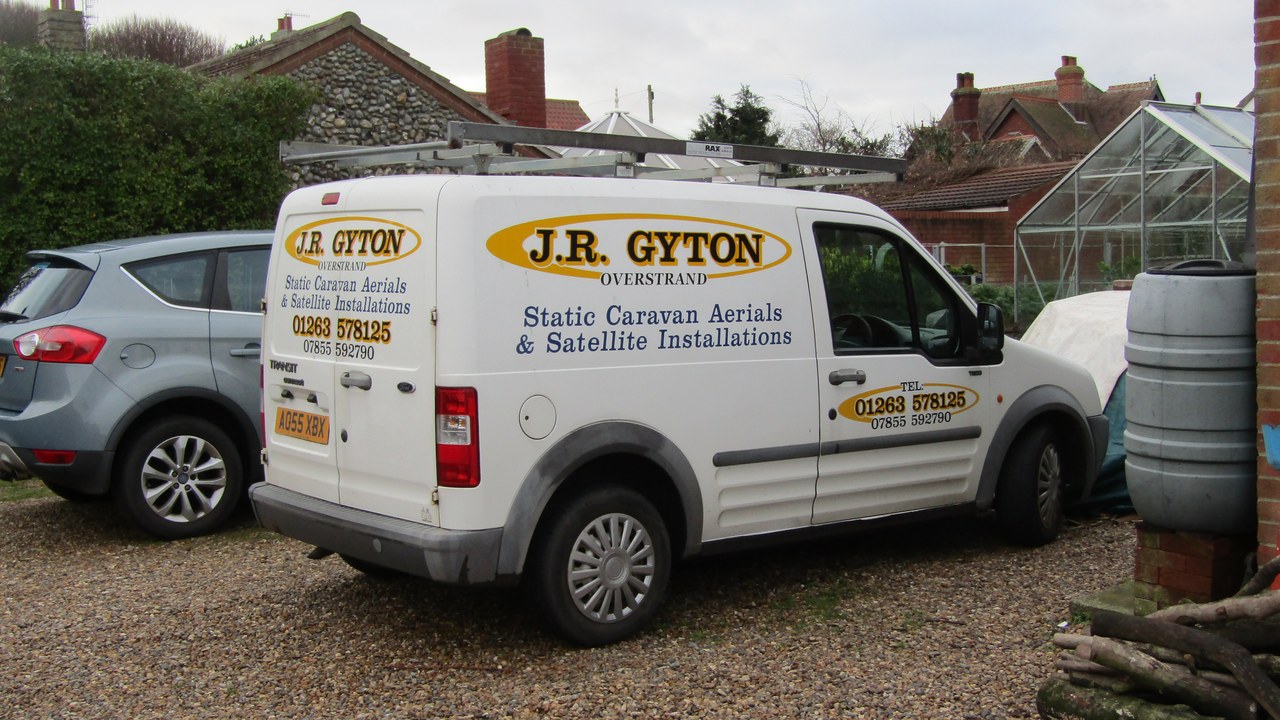
Launched in Europe in 1965, the Ford Transit grew into one of the planet’s most recognizable working vehicles, so ubiquitous on British roads that police once nicknamed it the getaway van. Tradespeople, delivery fleets, and small businesses adopted it by the millions, and its boxy reliability made the Transit badge a fixture from city high streets to remote job sites.
Ford eventually carried the nameplate to North America, replacing the aging Econoline and cementing the model as a global standard. Compact and full-size variants expanded its reach into families and campers, yet the core appeal never changed: cavernous cargo space wrapped in a shape drivers instantly trust. Few commercial vans have shaped how goods reach doorsteps so thoroughly.
3. Dodge Caravan: The Minivan Originator
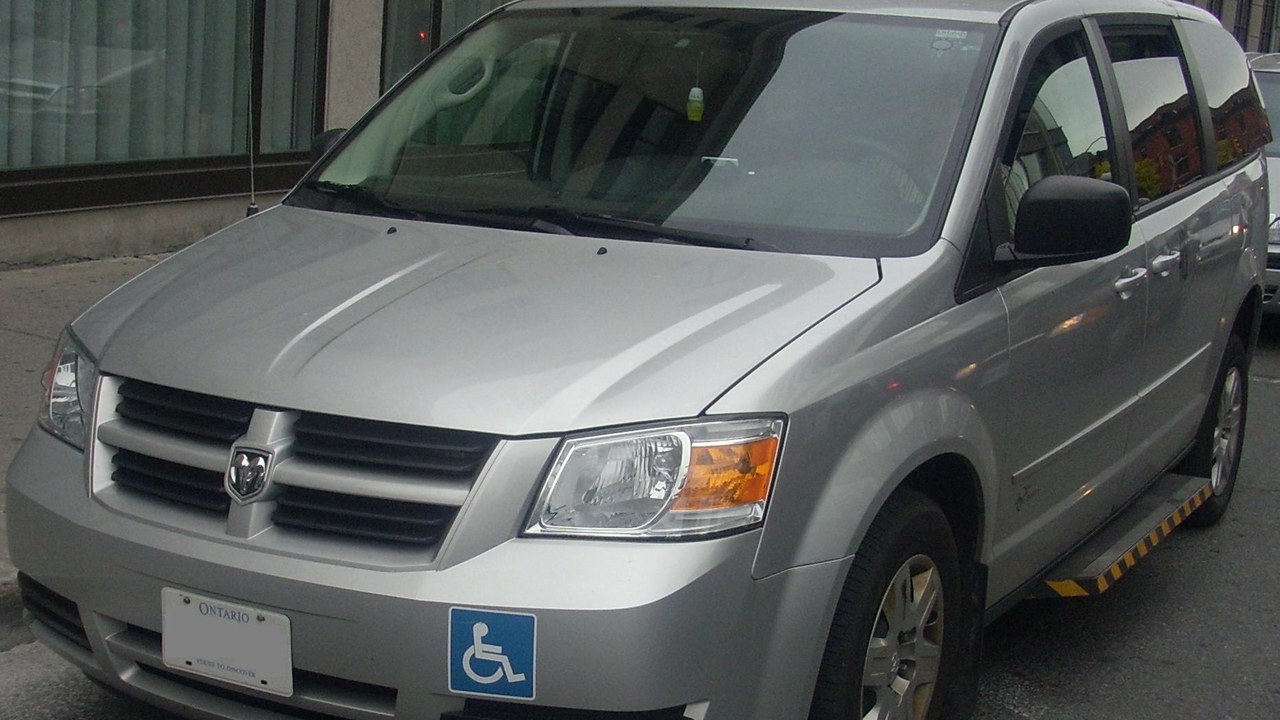
Debuting for 1984, the Dodge Caravan invented the modern minivan formula and instantly reshaped how families traveled, offering car-like handling with a tall, garage-friendly body that swallowed groceries, kids, and gear. Chrysler sold the concept as the anti-station-wagon, and suburban driveways filled with sliding-door people movers almost overnight, turning the nameplate into a cultural shorthand for parenthood itself.
Decades of Super Bowl carpools and soccer-practice runs cemented its ordinary-hero status, even as crossovers later eroded minivan sales. Chrysler produced millions across many generations before retiring the Caravan name in 2020, closing a chapter that defined a whole segment. Its reputation as unhip only deepened the affection, since almost everyone remembers riding in one as a child.
4. Toyota Previa: The Mid-Engine Oddball
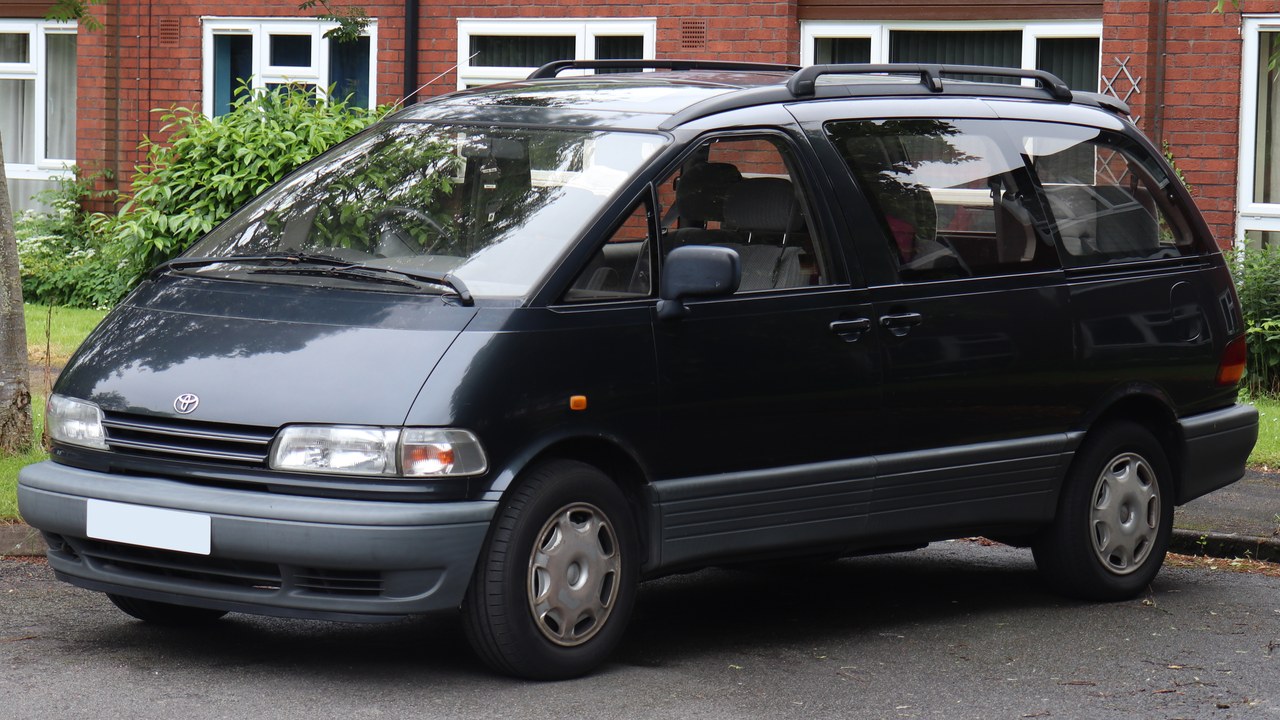
Arriving in 1990, the Toyota Previa looked like nothing else on the road, its smooth, egg-shaped body wrapping a genuinely unusual mid-engine layout that placed the motor beneath the front seats. Toyota engineered the supercharged four-cylinder to sit almost flat under the floor, freeing a cavernous, futuristic cabin that felt closer to a spaceship than a family hauler.
That radical packaging made the Previa a design curiosity, though the complex layout limited engine choices and raised repair costs. Toyota abandoned the mid-engine idea for later minivans, opting for conventional front-wheel-drive practicality instead. Enthusiasts now prize surviving examples precisely because nothing so ambitious was ever tried again, leaving the egg-shaped van as a strange, admired footnote in minivan history.
5. Chevrolet Astro: The Rugged All-Rounder
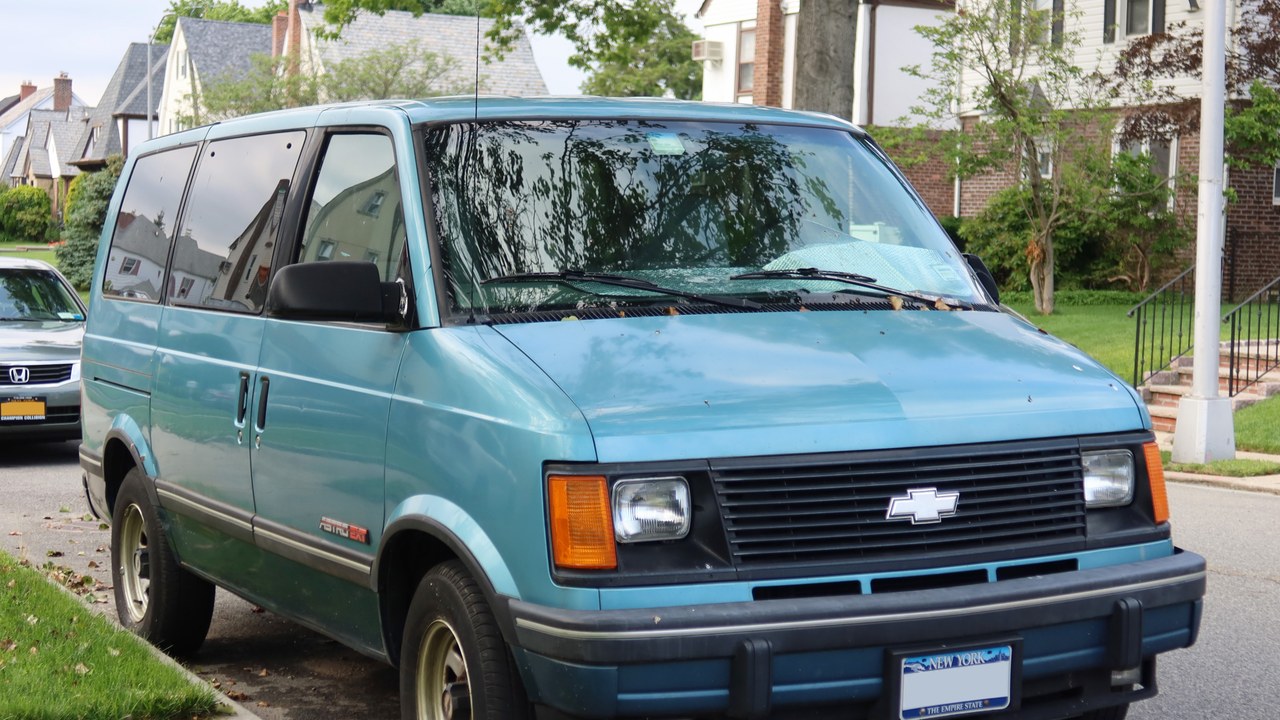
Built from 1985, the Chevrolet Astro was a boxy, rear-wheel-drive workhorse that split the difference between minivan and full-size hauler, prized for towing capacity most car-based rivals could not match. Contractors, families, and conversion-van customizers all embraced its rugged truck underpinnings, and available all-wheel drive gave the midsize van genuine foul-weather grit its smoother competitors lacked.
Its old-school layout eventually felt dated beside sleeker front-drive vans, and General Motors ended production in 2005 without a direct replacement. Fleets kept the survivors running long afterward, valuing durability over style. Today the slab-sided profile stars in a booming DIY camper scene, where builders convert cheap used examples into off-grid rigs, giving the aging hauler an unexpected second life.
6. Volkswagen Transporter (T3): The Angular Camper Cult
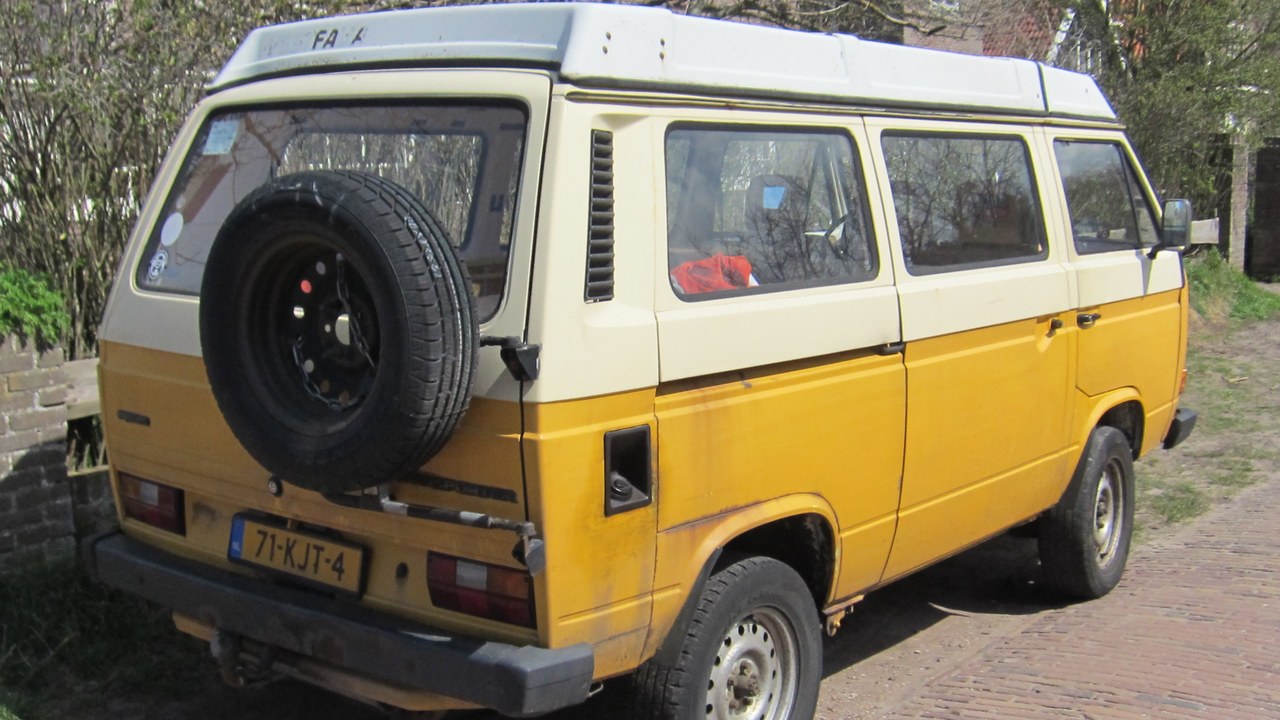
Produced from 1979, the Volkswagen Transporter T3 traded its predecessors’ rounded curves for crisp, angular lines that defined the brand’s van through the 1980s. Sold as the Vanagon in America, it carried the Westfalia camper conversion to new fans, its pop-top roof and tidy kitchenette turning weekend getaways into a quietly obsessive lifestyle across Europe and beyond.
Later versions added water-cooled and even syncro all-wheel-drive systems, cementing the T3 as a rugged basecamp for surfers and overlanders. Volkswagen retired the boxy shape in the early 1990s, yet clean examples now command prices that stun anyone who remembers them as cheap secondhand vans. Its blocky silhouette remains a beloved icon of analog, go-anywhere adventure.
7. Ford E-Series: The Everyday Econoline

Sold since 1961, the Ford E-Series, long known as the Econoline, became America’s default full-size van for work, worship, and everything between, dominating fleets for decades. Its body-on-frame toughness made the Econoline chassis the backbone of ambulances, shuttle buses, delivery trucks, and countless church vans, a fixture so common it faded into the everyday scenery of American roads.
Ford ended passenger-van sales around 2014 as the Transit took over, but cutaway and cargo versions still roll off the line for commercial buyers. Its longevity is staggering: few vehicles stay in production for more than fifty years while barely changing shape. Box-truck builders and RV makers still rely on the platform, proving the old workhorse remains far from obsolete.
8. Honda Odyssey: The Family Favorite
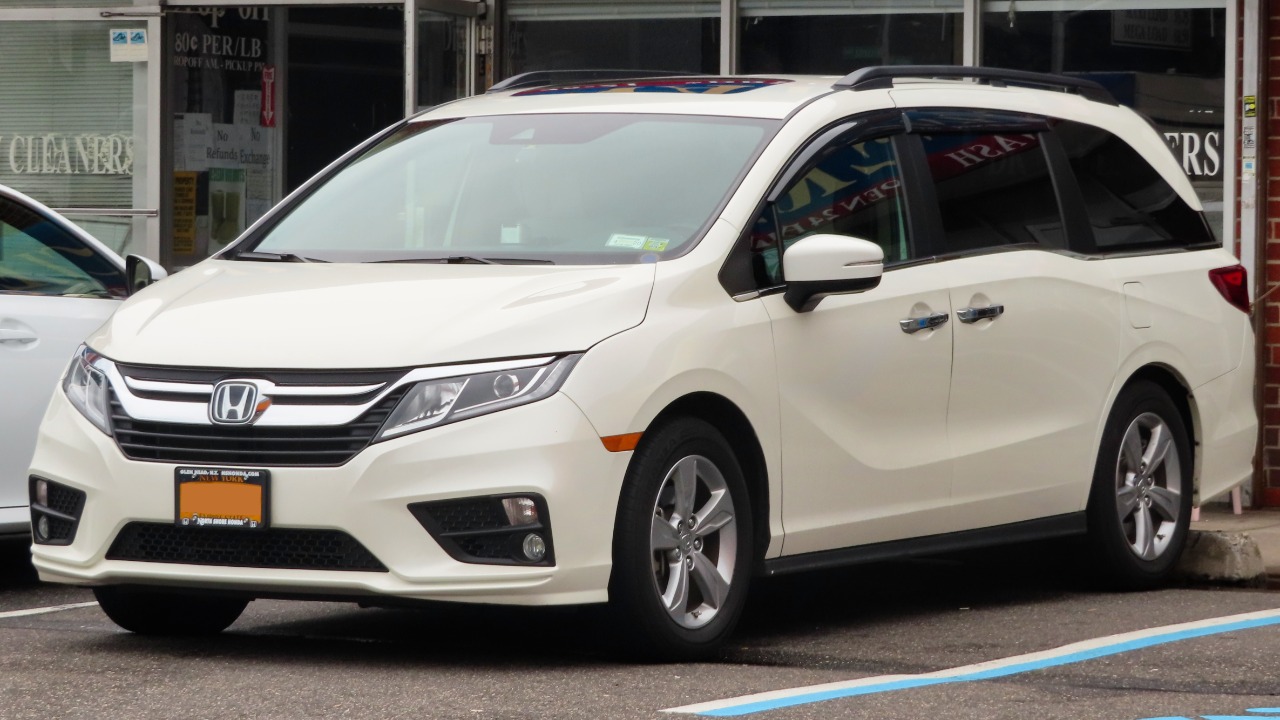
Unveiled in 1994, the Honda Odyssey rethought the minivan around car-like refinement, and its 1999 redesign added dual sliding doors and a clever fold-flat third row that rivals scrambled to copy. Families rewarded the engineering focus by making it a perennial best-seller, praised for smooth driving manners, handy storage tricks, and quiet reliability that kept owners loyal across generations.
As crossovers pulled buyers away from the segment, the Odyssey became one of only a handful of minivans still fighting for the family market. Honda leaned into the practical-parent identity with in-car vacuums and cabin cameras aimed squarely at road-trip chaos. Its steady popularity helped keep the entire minivan category alive at a moment when many rivals simply gave up.
9. Mercedes-Benz Sprinter: The Vanlife Catalyst

Rolled out in 1995, the Mercedes-Benz Sprinter redefined the big commercial van with a tall, stand-up cargo bay and stout diesel engines that comfortably swallowed long hauls. Delivery giants adopted it en masse, but the Sprinter’s real cultural moment came when adventurers discovered the high-roof body made a nearly perfect blank canvas for ambitious camper conversions.
That discovery fueled the entire vanlife movement, as social media filled with off-grid builds featuring solar panels, kitchens, and cozy beds tucked inside the towering shell. Skyrocketing demand pushed used Sprinter prices to surprising heights, and rivals rushed out tall vans of their own. What began as a humble parcel hauler became an emblem of freedom, remote work, and the open highway.
More from Morning Overview
- Card skimmers hidden on gas pumps and ATMs are draining accounts, and here’s the tell
- The FBI says hackers are hijacking outdated home routers, and it named the models to check
- Older Teslas are wearing out in ways early owners never saw coming
- A common childhood virus is now tied to multiple sclerosis years later
