
American and Japanese automakers have each built V8 engines that owners drove past 200,000 miles with only routine maintenance. Some earned their reputation in trucks and SUVs hauling heavy loads for decades, while others became legends in muscle cars and luxury sedans alike. Mechanics and long-term owners still point to these nine V8 engines when the conversation turns to which motors simply refuse to quit.
1. Chevrolet LS (Gen III/IV): A Small-Block Bred For Punishment
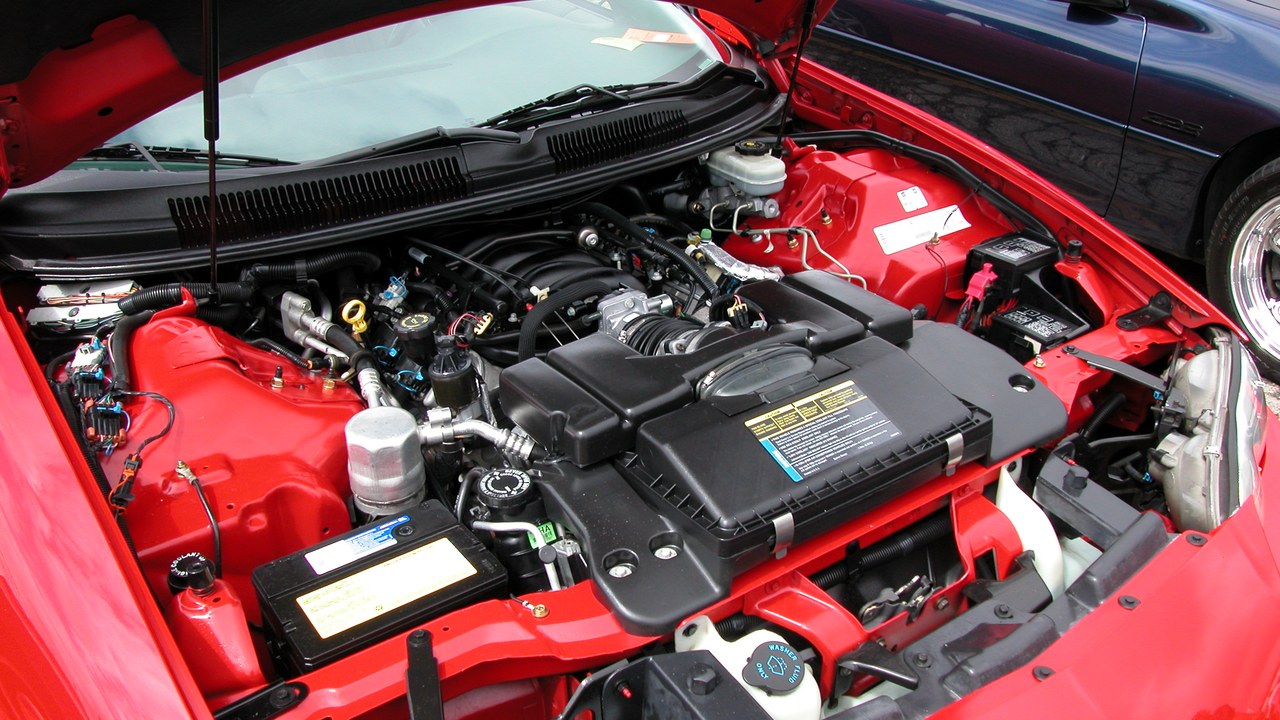
General Motors introduced the LS family in 1997, and the pushrod V8 architecture proved remarkably hard to kill. A simple two-valve-per-cylinder layout, an aluminum block, and generous bearing surfaces let the engine shrug off high mileage and years of delayed maintenance that would strand more complex designs. Trucks and Camaros routinely cross 250,000 miles on their original LS engines with only oil changes and basic upkeep.
The design is not flawless; early Gen III trucks can develop an audible lifter tick, and later versions sometimes need attention to their cylinder-deactivation hardware. Even so, replacement parts are cheap and everywhere, so most owners treat any repair as routine rather than a reason to walk away from the motor.
2. Toyota 2UZ-FE: A Truck Engine That Never Quits
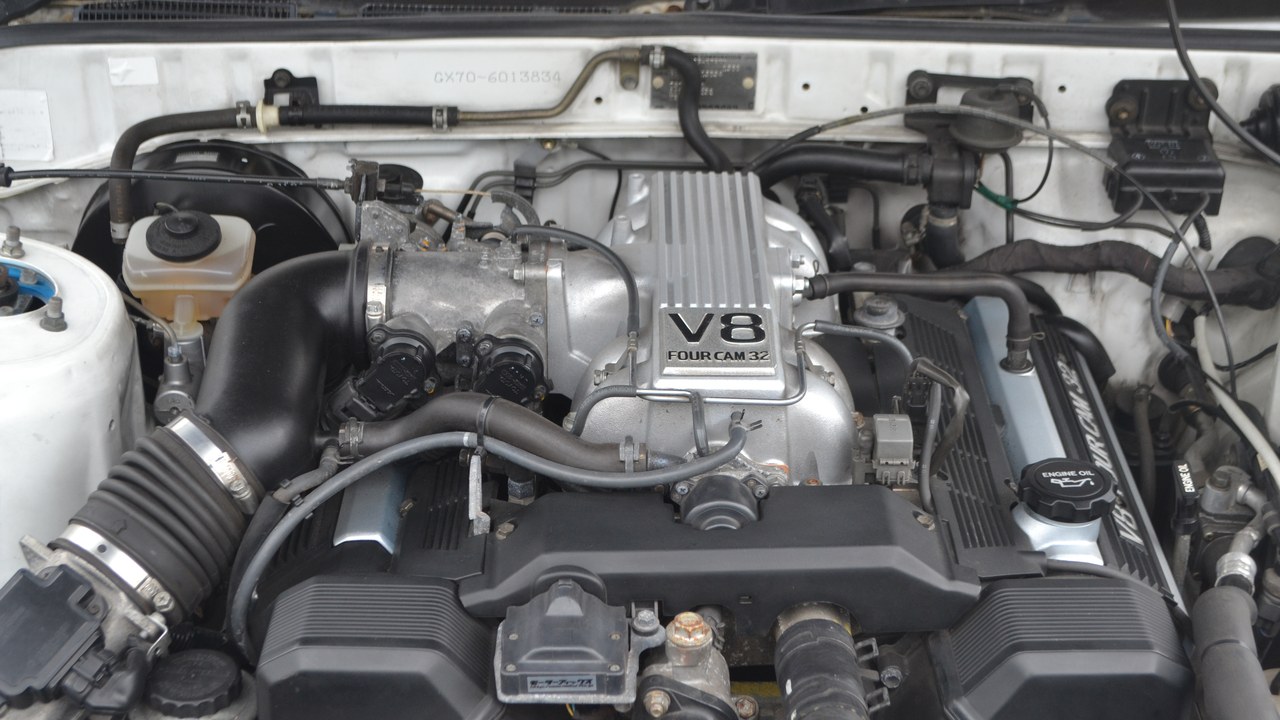
Toyota fitted the 2UZ-FE into the Tundra, Sequoia, and Land Cruiser starting in the late 1990s, aiming the design squarely at buyers who tow and haul every day. An iron cylinder block, conservative tuning, and a timing belt built for long service intervals gave the engine a reputation for surviving neglect that would ruin lesser trucks. Owners routinely report well past 300,000 miles with nothing more than fluids and belts replaced on schedule.
Its one real weak point is exhaust manifold cracking on early models, a cosmetic and noise issue rather than a reliability threat. Because Toyota changed so little about the core engine for over a decade, mechanics know exactly what to expect from it.
3. Ford Modular 4.6: The Everyday V8 That Outlasted Its Car
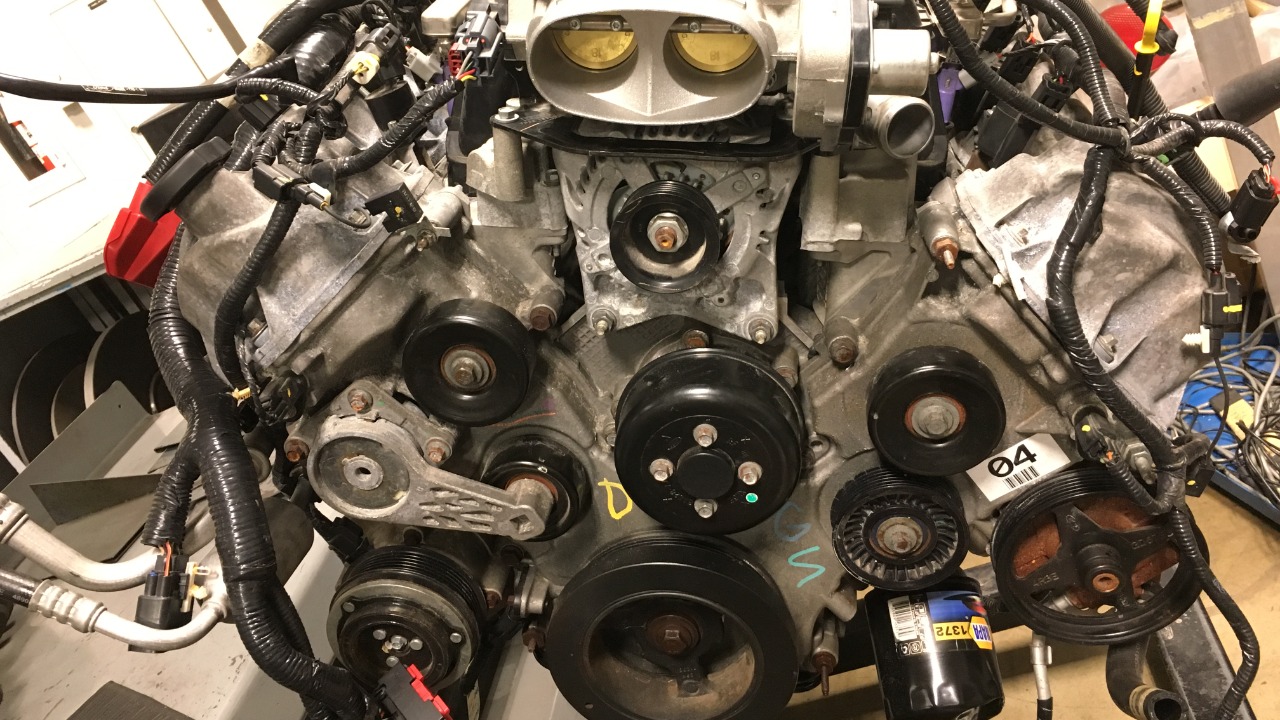
Ford’s 4.6-liter Modular V8 powered Crown Victorias, Mustangs, and F-150s through the late 1990s and 2000s, and taxi and police fleets ran it for hundreds of thousands of miles apiece. Single overhead camshafts per bank, a deep-skirt iron or aluminum block, and modest factory output kept stress on internal parts low compared with higher-strung rivals. Fleet operators leaned on the engine specifically because it tolerated years of hard idling and stop-and-go abuse.
Spark plugs on some model years earned a reputation for breaking during removal, a maintenance annoyance rather than a design flaw in the engine itself. Once past that job, the Modular V8 typically runs on with few surprises.
4. Toyota UR V8: A Lexus-Grade V8 Built For Trucks
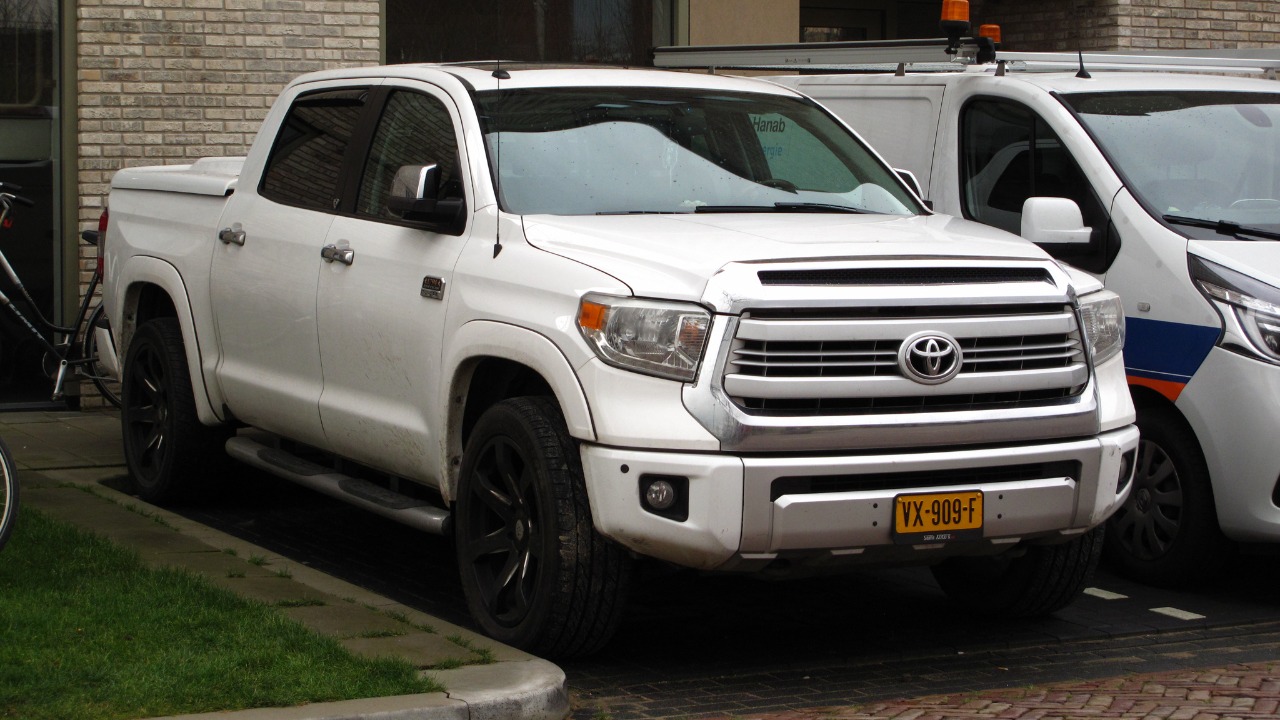
Toyota’s UR V8 debuted in the mid-2000s and ended up under the hood of the Tundra, Land Cruiser, and several Lexus sedans and SUVs, sharing its core engineering across wildly different vehicles. A forged steel crankshaft, dual overhead cams, and tight factory tolerances gave it both smooth luxury-car manners and truck-grade endurance. Lexus LX and GX owners in particular report the engine running past 200,000 miles with only scheduled maintenance.
Its main service item is a water pump that lives behind the timing chain, making that one job costly when it eventually comes due. Outside of that, the UR V8 has earned a name for going remarkably long stretches without unscheduled repairs.
5. Chevrolet small-block (classic): An Original Do It All V8
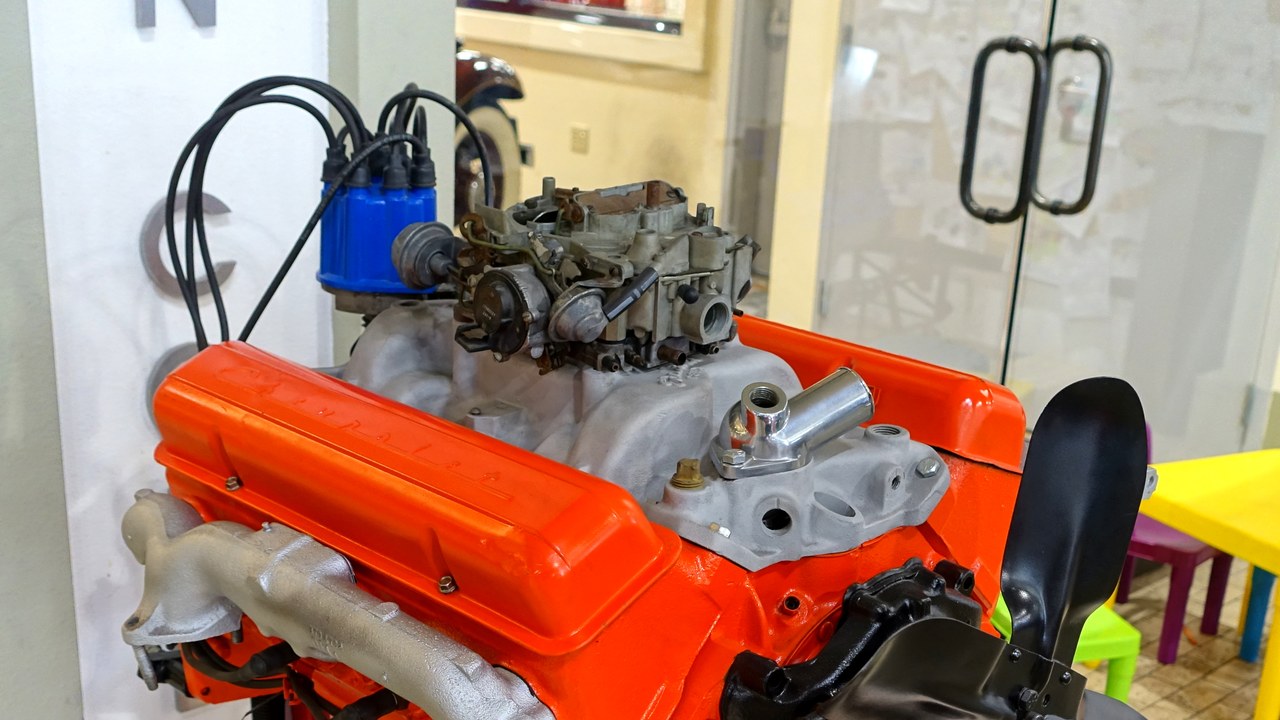
Chevrolet launched its original small-block V8 in 1955, and the basic architecture stayed in production for parts of five decades because it was so simple to build and fix. A lightweight cast-iron block, five main bearings, and a design tolerant of loose tolerances let home mechanics rebuild it with basic tools and off-the-shelf parts. Millions of trucks and cars covered well over 200,000 miles on the same numbers-matching engine.
Because nearly every part interchanges across model years, keeping one running decades later is rarely difficult or expensive. That parts commonality, as much as the metallurgy, is why the engine still has such a lasting reputation.
6. Lexus 1UZ-FE: A Luxury V8 That Rarely Breaks
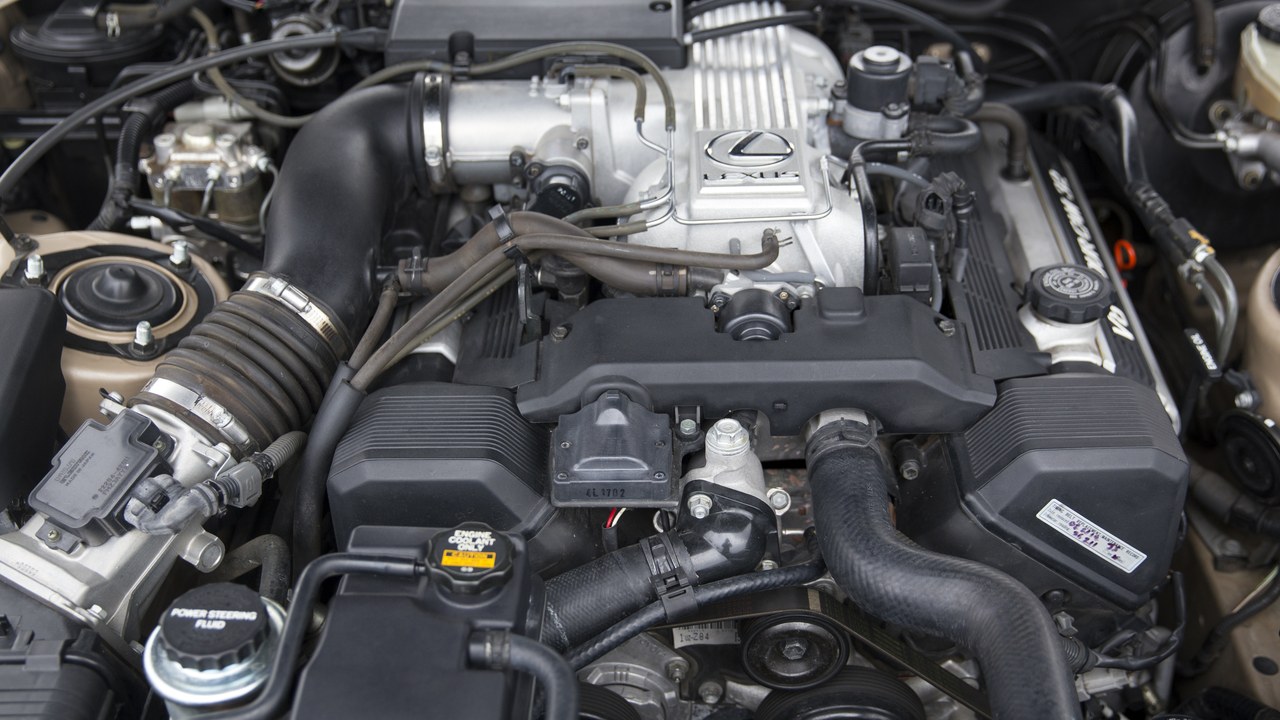
Lexus introduced the 1UZ-FE in the 1989 LS400 to prove a Japanese luxury sedan could match German engineering, and the engine backed up that ambition with an unusually long service life. Quiet dual overhead cams, generous machining tolerances, and a factory torque-to-yield assembly process gave it a reputation among mechanics for needing almost nothing beyond oil changes. Stories of these engines crossing 300,000 miles without a major repair are common among longtime owners.
Because Toyota built the 1UZ-FE to flagship standards rather than cost targets, it carried few of the shortcuts that shorten an engine’s life. That heritage carried into later UZ-family V8s used across Toyota’s own lineup.
7. Ford Windsor 5.0: The Mustang V8 That Wouldn’t Die
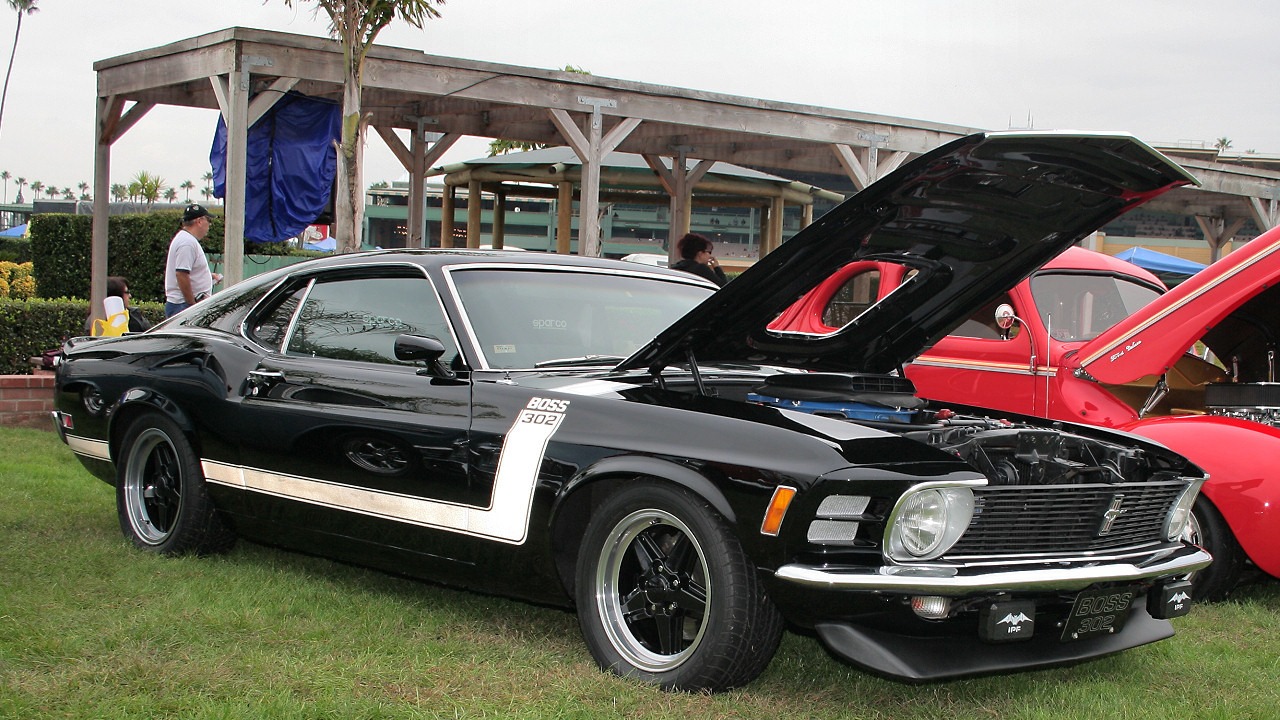
Ford’s Windsor 5.0 powered Mustangs, F-150s, and Broncos from the 1960s into the 1990s, and its thick-wall iron block became a favorite among owners who simply drove the wheels off the car. Straightforward pushrod valvetrain, low-stress factory tuning, and decades of proven parts support meant a tired example could be freshened cheaply rather than replaced. Enthusiasts still swap the Windsor into project cars today specifically because it tolerates abuse and modification so well.
It is not the most powerful V8 of its era, and factory output was often modest compared with rivals. What it traded away in performance, it made back many times over in longevity and low-cost repairs.
8. Dodge Magnum 5.7 Hemi: A Modern Truck Ready V8
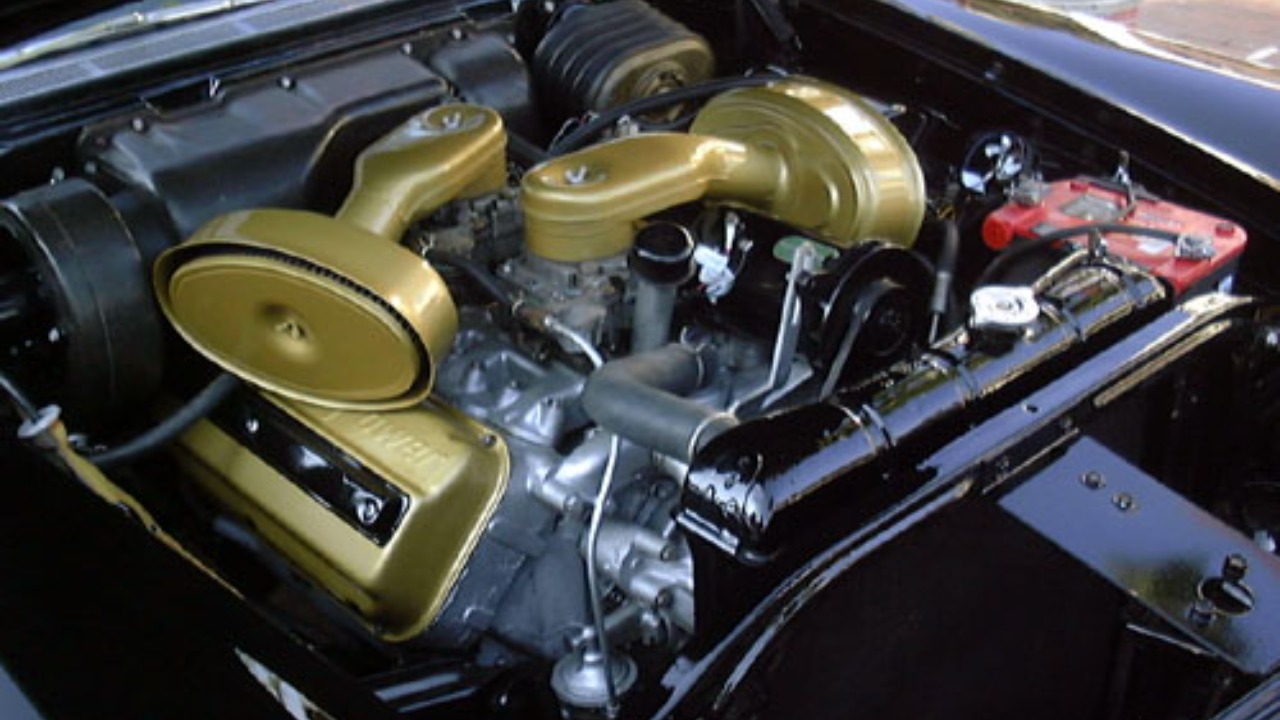
Chrysler’s third-generation Hemi 5.7 arrived in 2003 in Ram trucks and the Magnum wagon, updating the brand’s famous name with modern electronic controls and cylinder deactivation for daily-driver efficiency. Hydraulic roller lifters, a stiff deep-skirt block, and generous cooling capacity let the engine handle heavy towing without the overheating problems that plagued some older large-displacement V8s. Ram owners routinely report the engine passing 200,000 miles while still towing regularly.
Some early production years saw lifter and camshaft failures tied to a specific batch of parts, a problem Chrysler addressed in later production. Well-maintained examples built after that fix have developed a strong reputation for high-mileage reliability.
9. Chevrolet big-block: A Torque Monster Built To Last
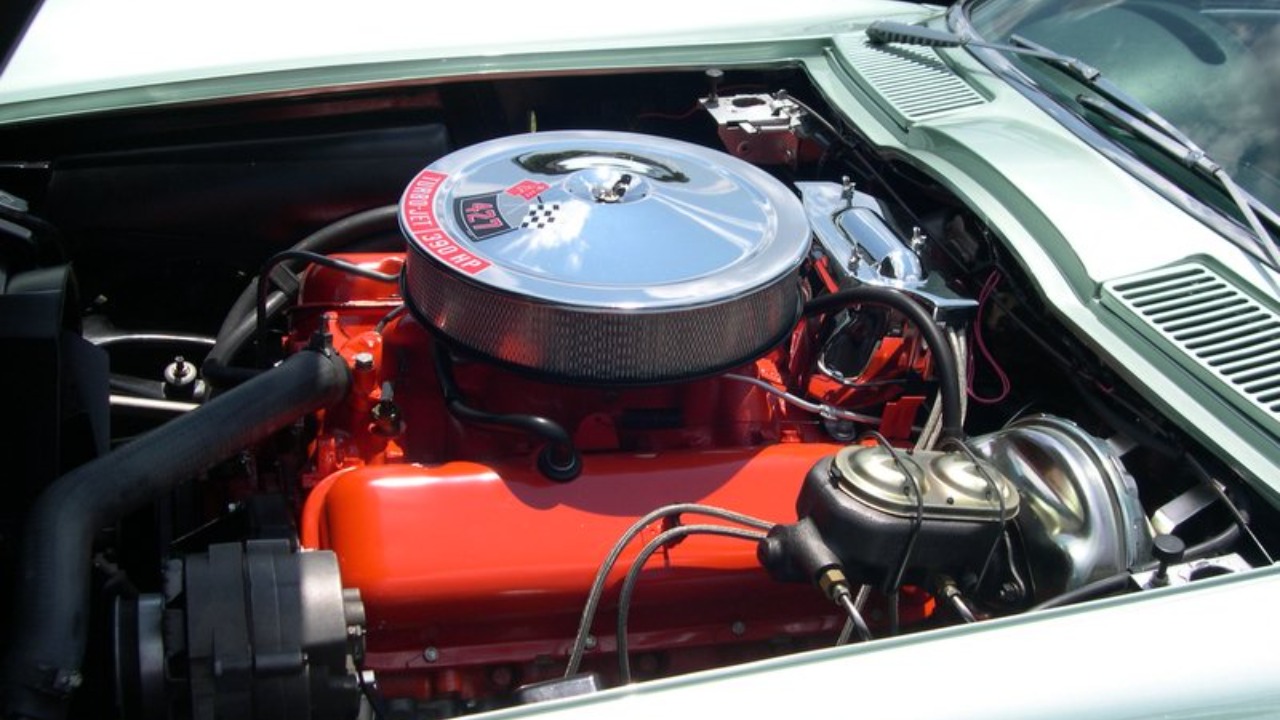
Chevrolet’s big-block V8 arrived in 1965 for trucks, Corvettes, and full-size cars that needed serious torque, and its oversized main bearings and heavy-duty rotating assembly were built with a wide safety margin from the start. That extra material gave the engine room to handle towing, marine use, and hard work that would fatigue lighter designs over time. Big-block trucks from the 1970s and 1980s are still running today on largely original internals.
The tradeoff is size and weight, since the engine is noticeably larger and heavier than a small-block for similar output. Owners who need real hauling capacity have long accepted that tradeoff for an engine that keeps running.
More from Morning Overview
