
Station wagons never fully vanished from enthusiast garages, even as sedans and SUVs took over showrooms. A handful of wagons combined sports-car power, rally-bred handling, or old-school American comfort in a practical body style that buyers still can’t replace. Collectors and daily drivers alike keep chasing these nine station wagons for the mix of speed, space, and rarity few other cars offer.
1. Volvo 240 Wagon: Boxy Body, Bulletproof Reputation
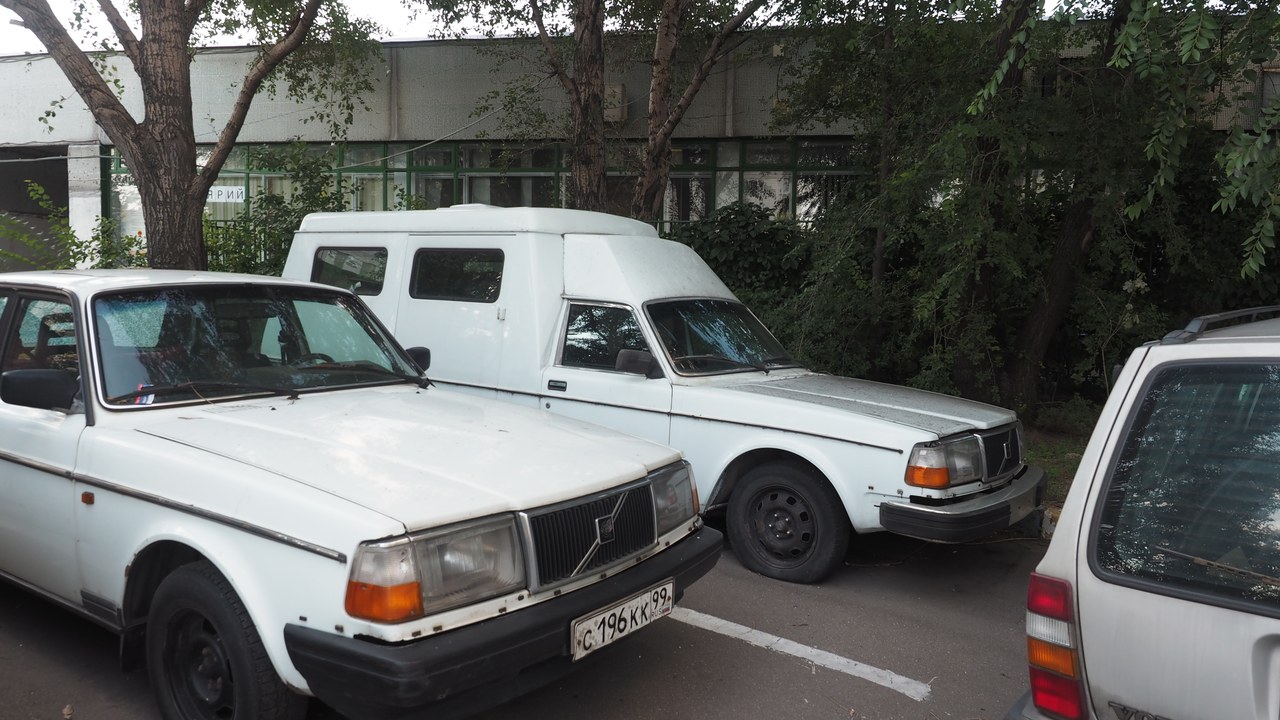
The Volvo 240 wagon built its reputation on outlasting nearly everything else on the road, pairing rear-wheel-drive simplicity with an overbuilt chassis that mechanics still praise decades after production ended. Owners prize the flat cargo floor and upright glass that make loading skis, dogs, and furniture easier than in most modern wagons, a practicality that turned the car into a cult favorite well beyond its original Swedish market.
Clean examples with the factory turbo four or a well-kept inline-six now draw steady attention at swap meets and online marketplaces, and a deep parts-supply network keeps many of these wagons on the road rather than in scrapyards.
2. Audi RS6 Avant: A Wagon That Outruns Supercars
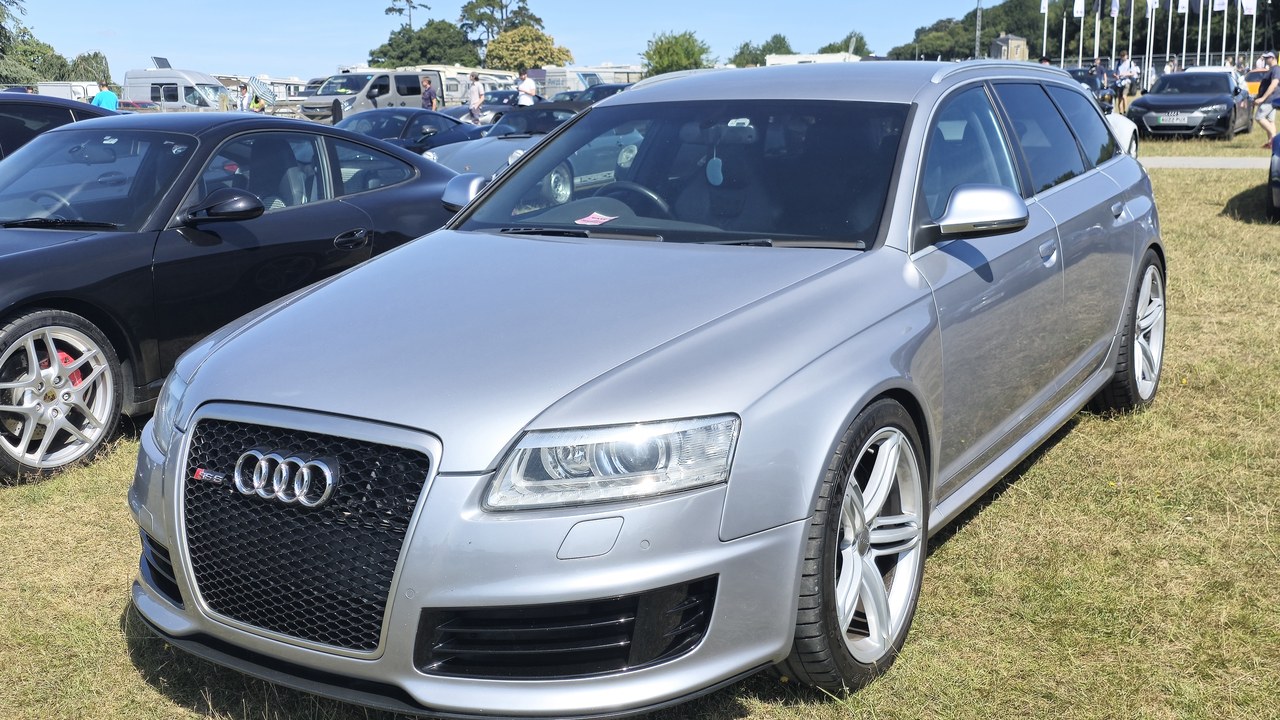
The Audi RS6 Avant paired a twin-turbo V8 engine with quattro all-wheel drive and wide fender flares, turning a family hauler into something that could embarrass sports cars off a stoplight. Buyers who wanted five doors and a cargo hold alongside serious horsepower found little else on the market that matched it, which is why enthusiasts still search specifically for the wagon body over the sedan or coupe versions Audi sold in the same era.
Values for well-maintained RS6 Avants have climbed as buyers realize Audi never guaranteed the wagon would return to American showrooms, making early imports and later official U.S. models both targets for collectors.
3. BMW M5 Touring: The Wagon Rarely Sold Stateside
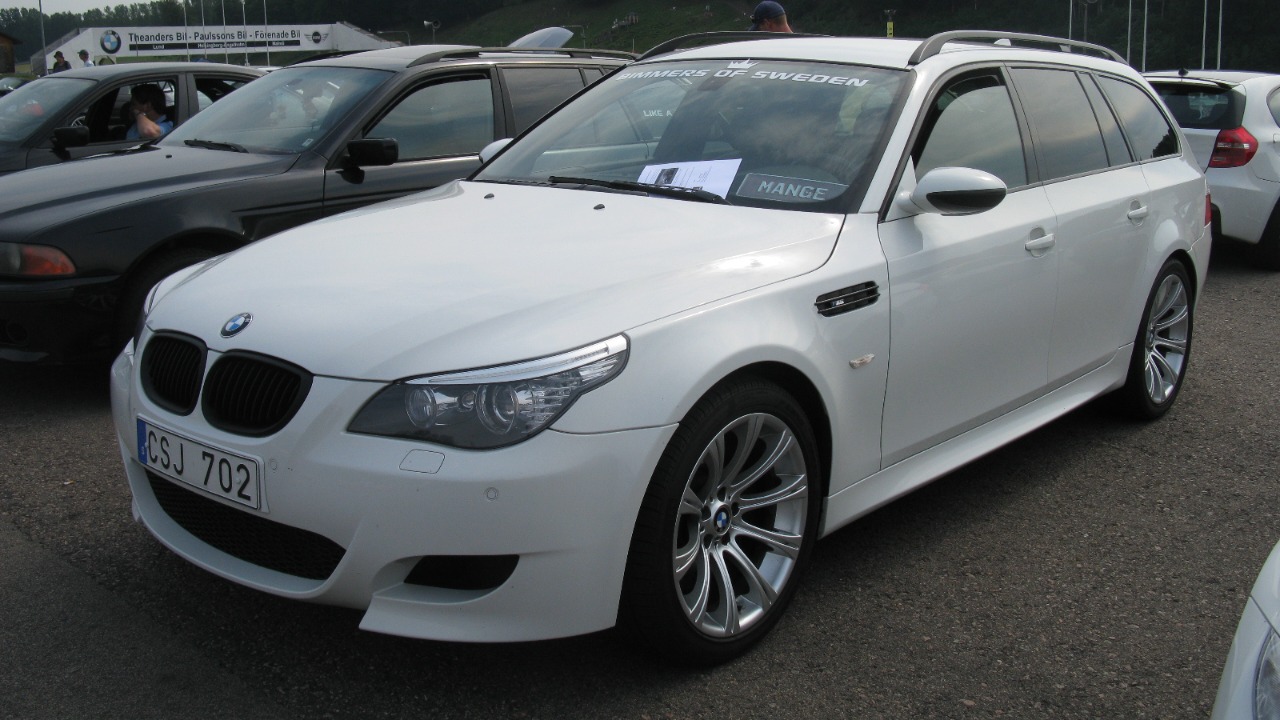
BMW built the M5 Touring in tiny numbers as a European-market wagon variant of its benchmark sports sedan, pairing a high-output engine with a practical rear hatch that the standard M5 never offered. Enthusiasts chase it precisely because BMW kept most Touring versions out of the American market, leaving importers and patient buyers to track down cars that combine daily usability with genuine performance pedigree.
Because so few were built and fewer still were sold in configurations suited to every market, a clean M5 Touring commands a premium over the sedan and draws collectors who want the rarest version of an already desirable car.
4. Mercedes-Benz E-Class Wagon: Understated Luxury With Real Cargo Room
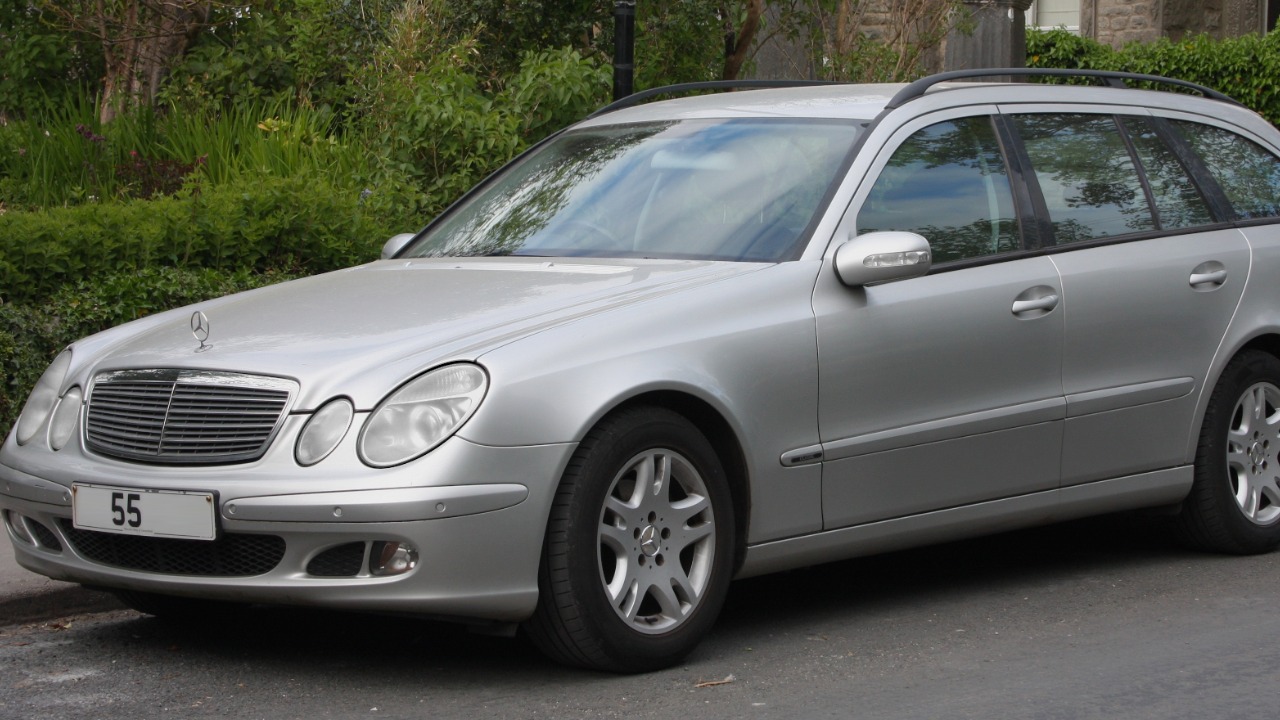
The Mercedes-Benz E-Class wagon carried the brand’s long-roof body style through multiple generations, offering buyers the same engineering and interior quality as the sedan with a genuinely useful cargo area behind the rear seats. Families who wanted extra seating without an SUV’s bulk gravitated toward the wagon, and later AMG-tuned versions added serious power to a body style most rivals had abandoned.
Because Mercedes kept building wagons even as American demand shifted toward SUVs, the E-Class estate remains one of the easier long-roof luxury cars to find and maintain today, which keeps steady demand among buyers who specifically want a wagon rather than a crossover.
5. Subaru Outback (early): The Wagon That Invented A Category

The early Subaru Outback took a standard station wagon, raised its ground clearance, and added body cladding, effectively inventing the crossover category before automakers had a name for it. Standard all-wheel drive and a low center of gravity compared to taller SUVs made the original Outback popular with buyers in snowy and rural regions who wanted capability without giving up wagon-like handling and visibility.
Because the formula proved so influential, early examples now interest collectors who want to trace the crossover back to its true origin, even as later Outback generations have grown closer to a full SUV than the wagon Subaru originally built.
6. Cadillac CTS-V Wagon: A Supercharged Wagon From Detroit
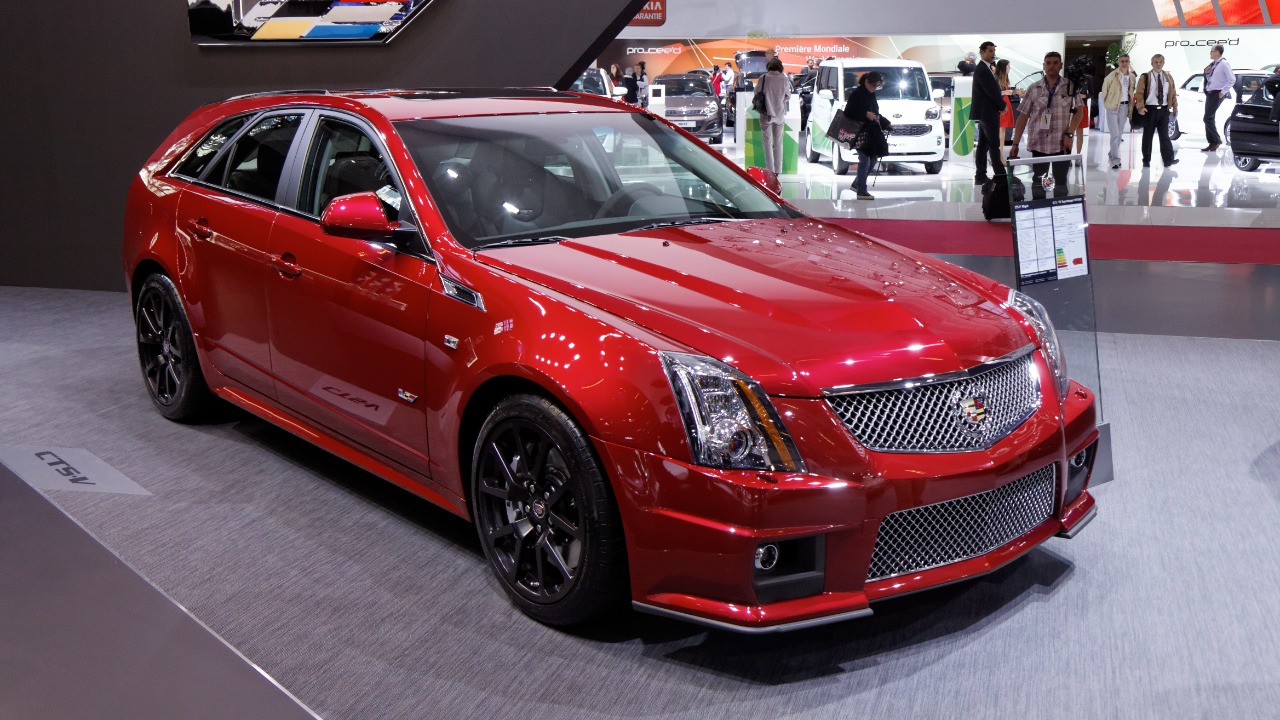
Cadillac dropped a supercharged V8 engine borrowed from the Corvette ZR1 into the CTS-V wagon, then offered it with a manual transmission, creating a family hauler that could outrun most sports cars of its era. General Motors built the wagon in extremely limited numbers for American buyers, and its combination of three pedals, a cargo hold, and supercar-level output made it an instant enthusiast target.
Because so few were sold and even fewer were ordered with the manual gearbox, unmodified CTS-V wagons now trade for well above their original sticker price among collectors who missed out the first time.
7. Volvo V70 R: A Rally-Bred Family Wagon
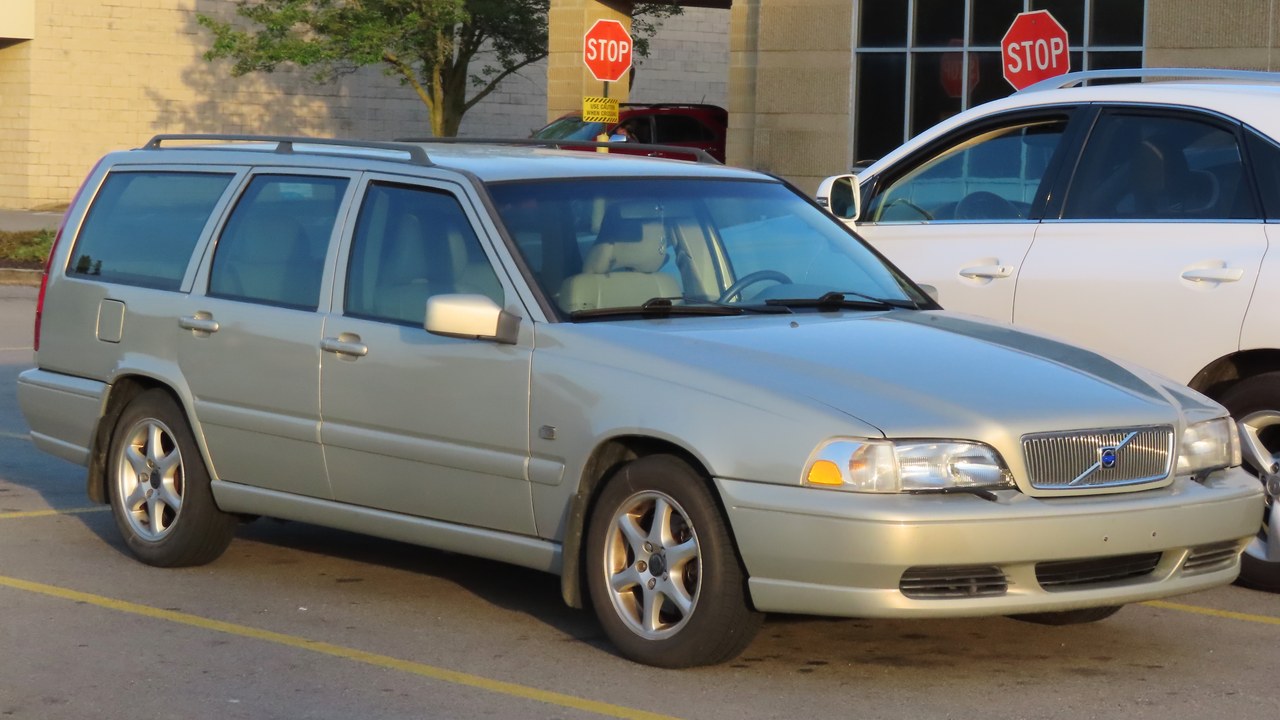
The Volvo V70 R paired a turbocharged five-cylinder engine with all-wheel drive and a chassis tuned with input from Volvo’s rally program, giving an otherwise ordinary-looking family wagon genuine performance underneath. Buyers who wanted Volvo’s reputation for safety and cargo space alongside real speed found the R model filled a gap no other wagon on the market offered at the time.
Its understated exterior means many examples went unmodified and well maintained by owners who valued the performance without wanting attention, which now makes clean, unmolested cars harder to find than their original sales numbers would suggest.
8. Dodge Magnum: American Muscle In Wagon Form
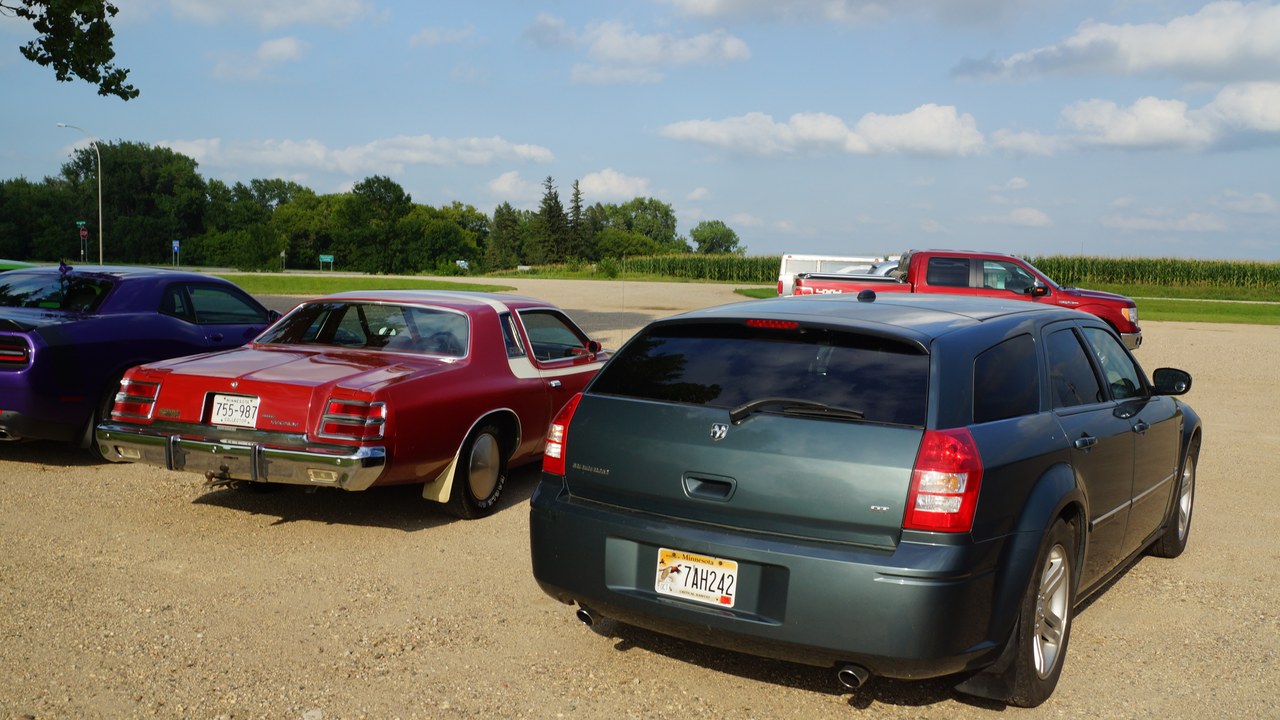
The Dodge Magnum put a Hemi V8 engine into a low, aggressive wagon body at a time when most American wagons had already disappeared from dealer lots, giving muscle-car buyers a genuine alternative to the sedan and SUV lineup. Its low roofline and wide stance made it look more like a hot rod than a family hauler, which is exactly what drew enthusiasts who wanted power without giving up cargo space.
Because Dodge discontinued the Magnum after only a few model years, clean SRT8 examples with the Hemi have become harder to find, and prices for well-kept originals have risen as buyers realize Detroit is unlikely to build another wagon like it.
9. Buick Roadmaster Estate: The Last Of The Big American Wagons
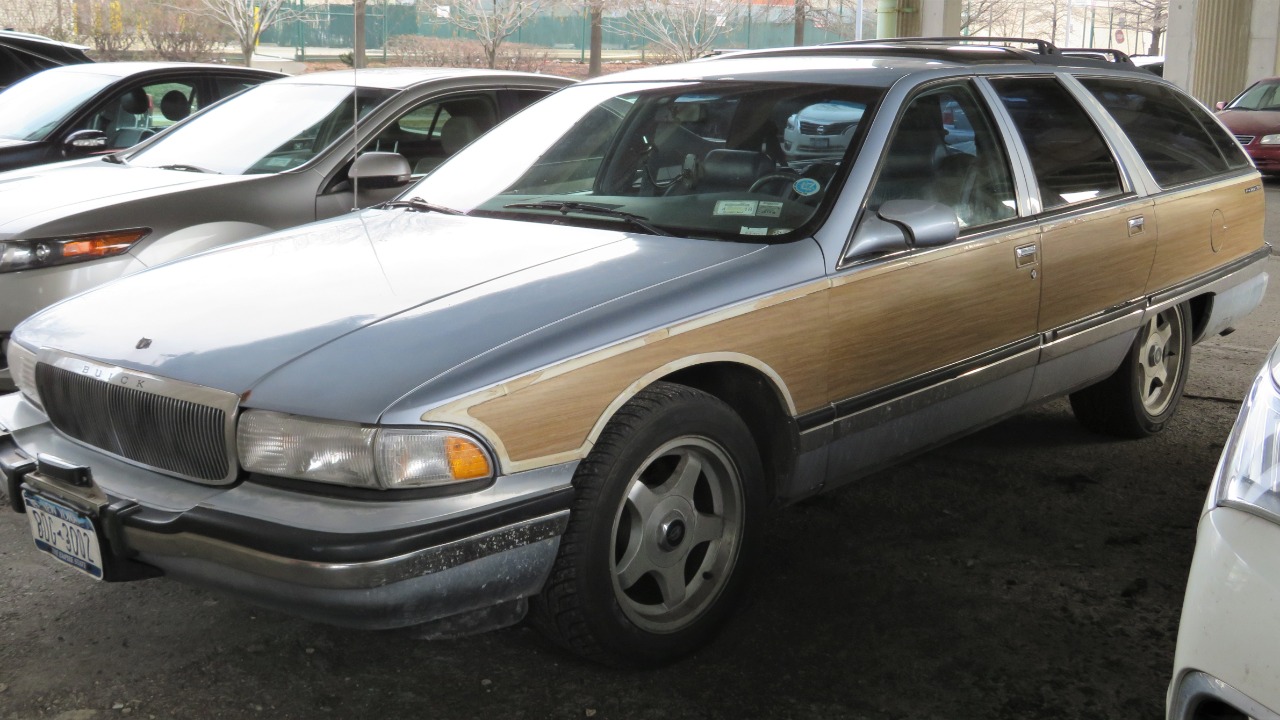
The Buick Roadmaster Estate rode on General Motors’ full-size B-body platform and offered a V8 engine, real wood-grain exterior trim, and enough interior room to seat eight, making it one of the last true full-size American wagons built before the body style nearly vanished from domestic lineups. Buyers who remember road trips in cars like it now search for surviving examples specifically for that old-school scale and presence.
Because General Motors ended the platform in the mid-1990s and never replaced it with anything similar, the Roadmaster Estate has become a nostalgia favorite among collectors who want a genuine link to the era of big American wagons rather than a modern reproduction.
More from Morning Overview
