
Odometer records are not the exclusive property of body-on-frame trucks and three-row crossovers. A handful of ordinary sedans, most of them built around unstressed engines and conservative engineering, keep piling on miles long after flashier machinery has been scrapped. Here are nine sedans that routinely outlast the SUVs parked beside them.
1. Toyota Avalon: The Quiet Quarter-Million-Mile Flagship
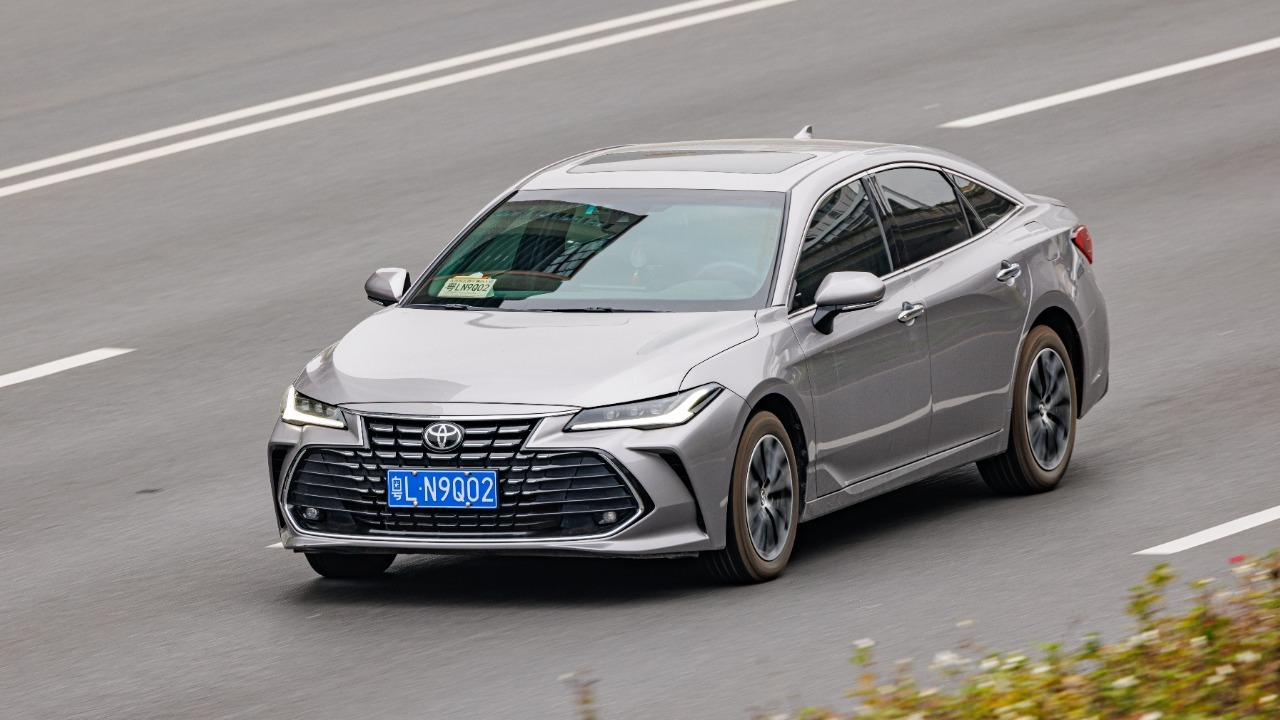
Toyota’s largest sedan spent nearly three decades as the understated flagship of the brand’s American lineup, sharing its platform and much of its V6 drivetrain with the Camry sitting one rung below it. The full-size Avalon was assembled in Georgetown, Kentucky, on the same lines as that cheaper sibling, which meant proven mainstream engines and identical assembly discipline wrapped in a longer, softer body.
That parts-sharing is the reason the car earned its quarter-million-mile reputation, since nothing under the hood was exotic enough to become a liability late in life. Anyone shopping a high-mileage example should expect suspension and interior wear to arrive well before mechanical trouble does.
2. Toyota Camry: Best-Seller Built To Be Boring
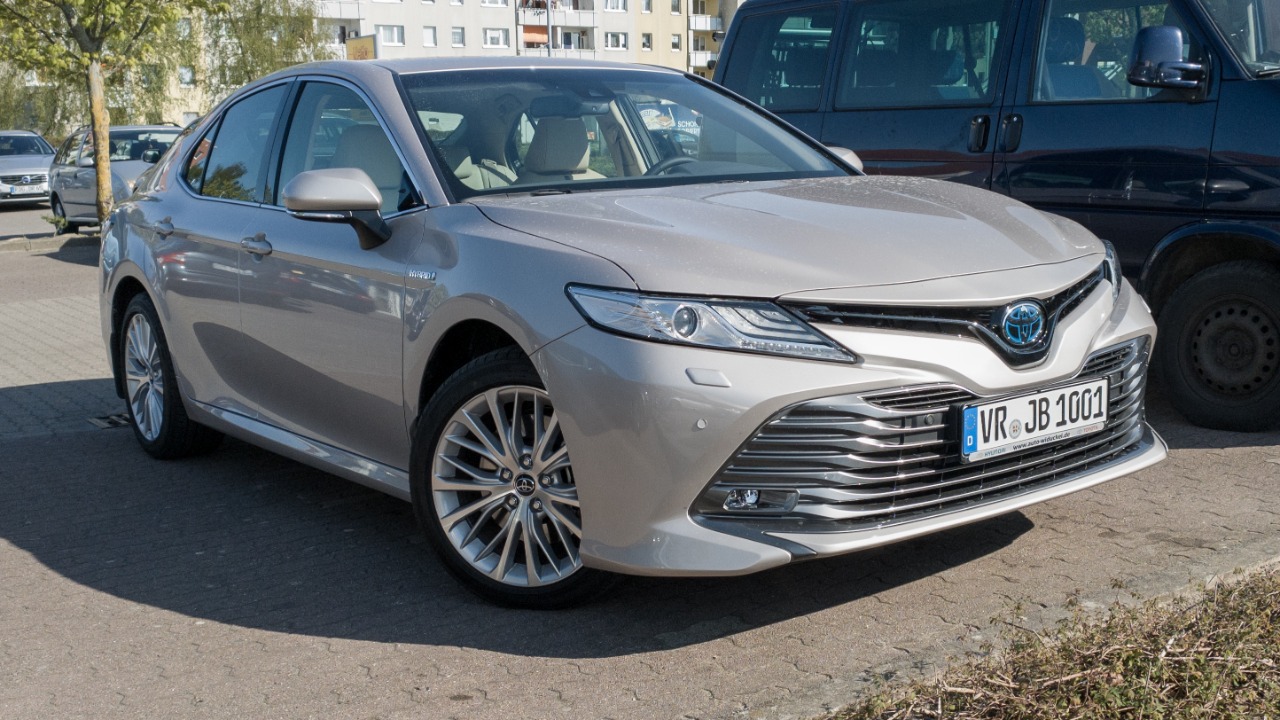
Volume is the hidden durability ingredient here. Few cars have sold in America at the rate the Camry has, and every component has been iterated across generations until the common failure modes were engineered out. The midsize Camry has anchored Toyota’s United States manufacturing for decades, most of it built in Kentucky, with four-cylinder and hybrid drivetrains tuned for longevity rather than drama.
The payoff shows up in taxi fleets and suburban driveways alike, where genuinely high-mileage examples are routine rather than remarkable. It is not an interesting car to drive, and that is the bargain being struck: decades of service bought with years of unmemorable commuting.
3. Honda Accord: Four Decades Of American Assembly
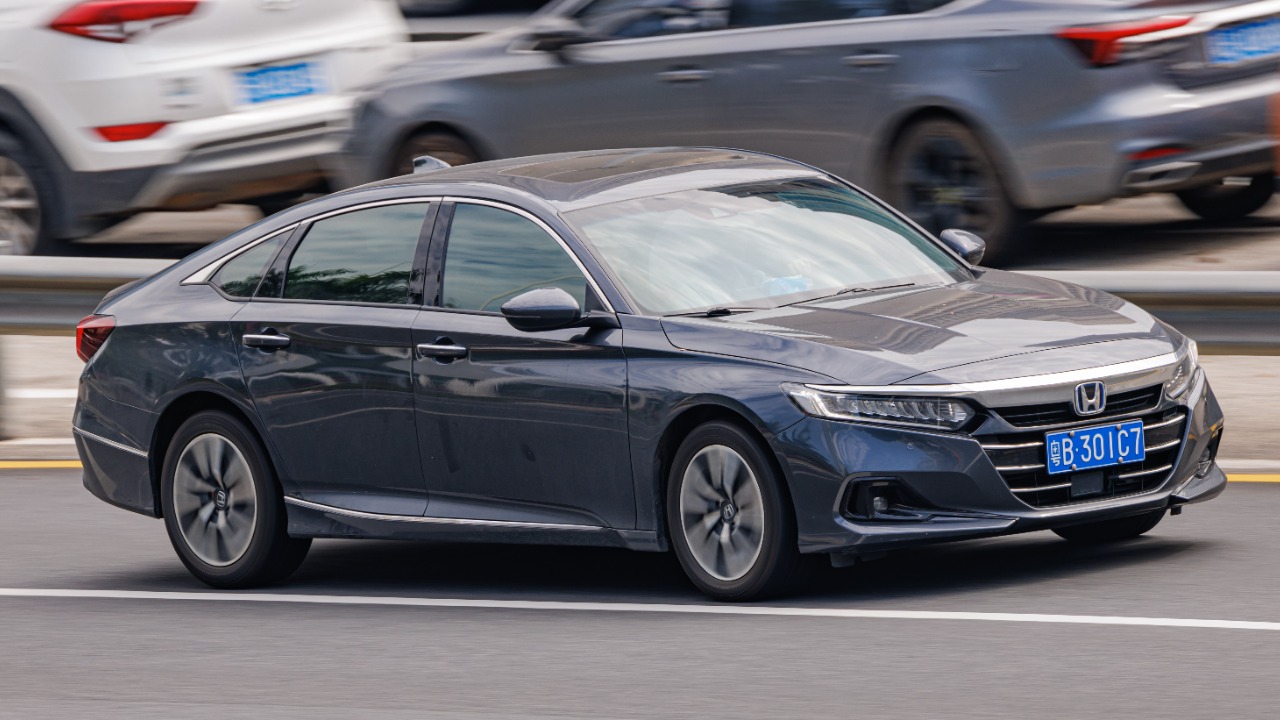
Continuous production since the mid-1970s gave this nameplate an unusually long development runway, and Honda made it the first Japanese car assembled in the United States when the Marysville, Ohio plant opened. Generations of refinement went into the Accord’s engine family, whose four-cylinders built a reputation for running hard for a very long time on basic maintenance.
Turbocharged and hybrid versions complicate that picture a little, adding cooling and battery hardware the older naturally aspirated cars never carried. The fundamentals still hold, though: modest weight, conservative tuning and an enormous parts supply keep repair bills low enough that owners keep these long after a same-age SUV stops being worth fixing.
4. Lexus ES: A Camry In A Better Suit
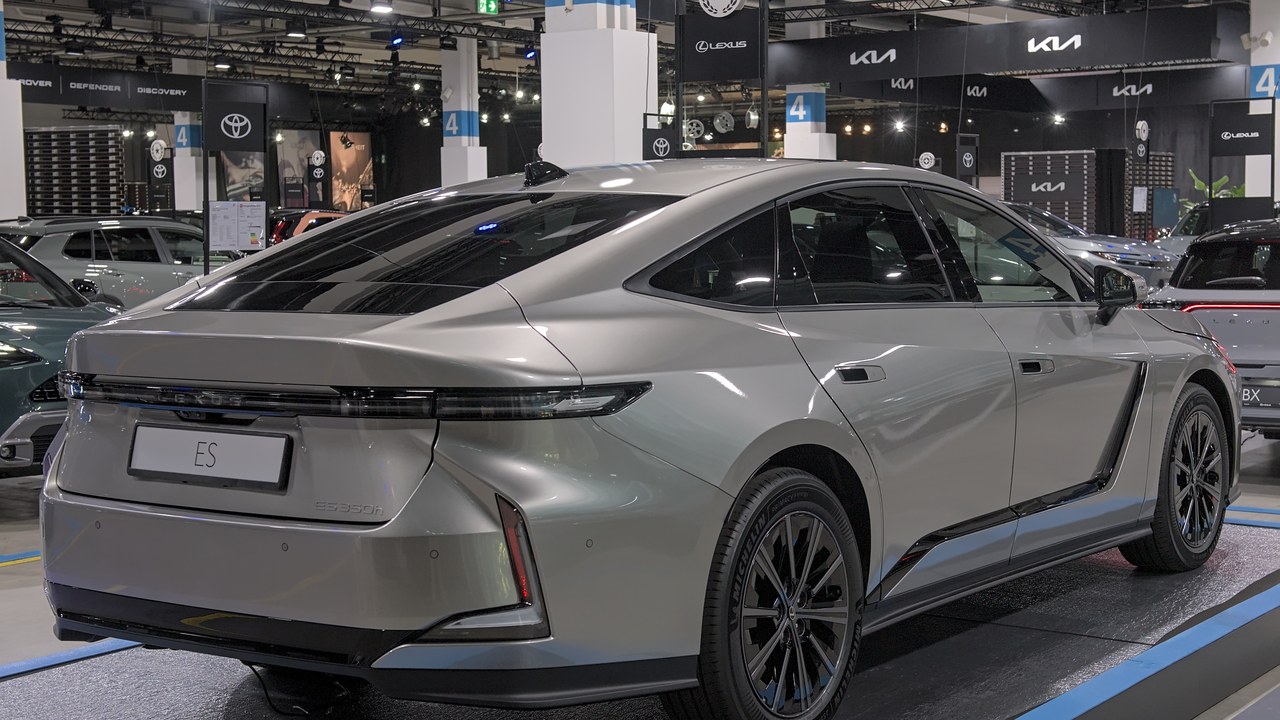
Lexus launched in 1989 with two cars, and this was the affordable one: a Toyota sedan platform dressed in quieter materials and tuned almost entirely for isolation. That lineage is the whole durability story, because the Lexus ES inherits mainstream Toyota mechanicals, including familiar V6 and hybrid drivetrains, instead of the bespoke hardware that makes most luxury sedans expensive to own past warranty.
What results is a used car that behaves like an appliance while photographing like a status purchase. Air suspension and highly stressed engines, the usual money pits in this segment, are largely absent, so aging examples tend to need trim, bushings and tires rather than major mechanical surgery.
5. Toyota Corolla: The Best-Selling Nameplate On Earth
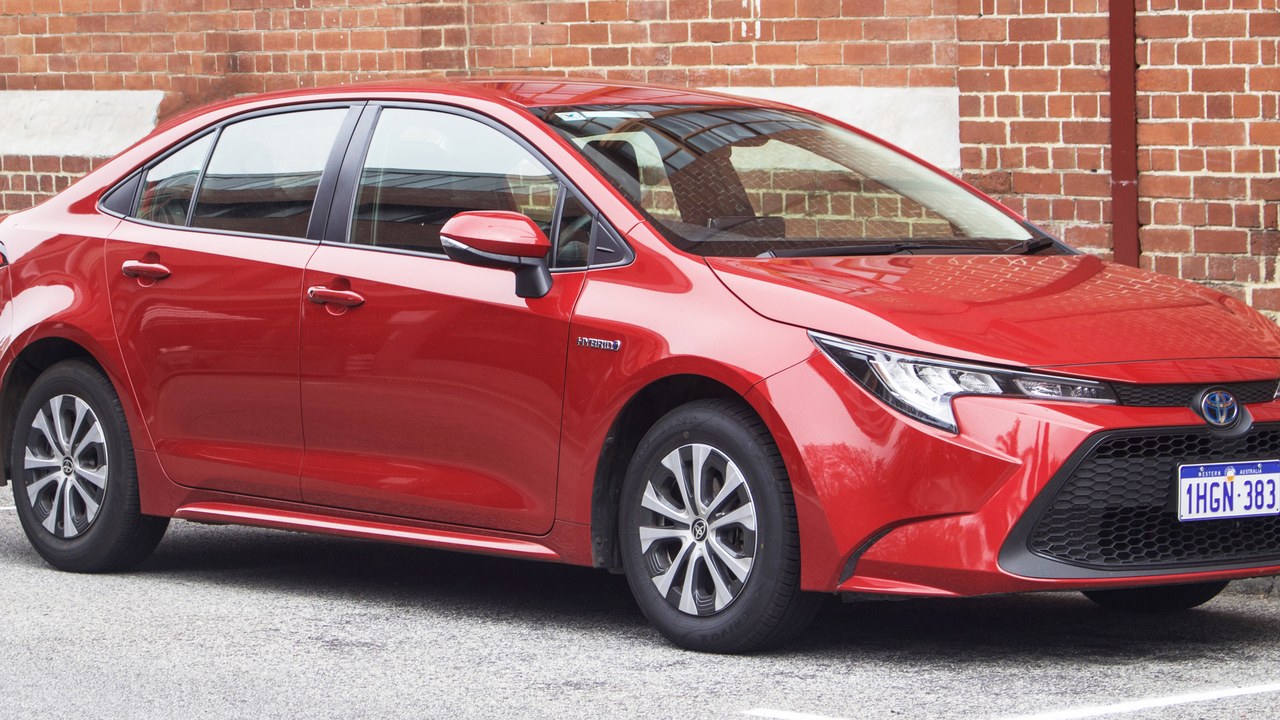
No nameplate has sold more cars worldwide, a run that began in 1966 and has since passed fifty million units. The Corolla’s global scale doubles as an engineering constraint: it has to be cheap to build, cheap to repair and simple enough to survive markets with rough roads and poor fuel, so Toyota has never loaded it with fragile technology.
That discipline explains why a neglected Corolla often keeps running when a better-equipped car has already stopped. Space and refinement are the price, and recent versions are firmer and noisier than the bigger sedans above them, but running costs stay low enough that owners rarely find a financial reason to replace one.
6. Honda Civic: Small Car, Outsized Odometer
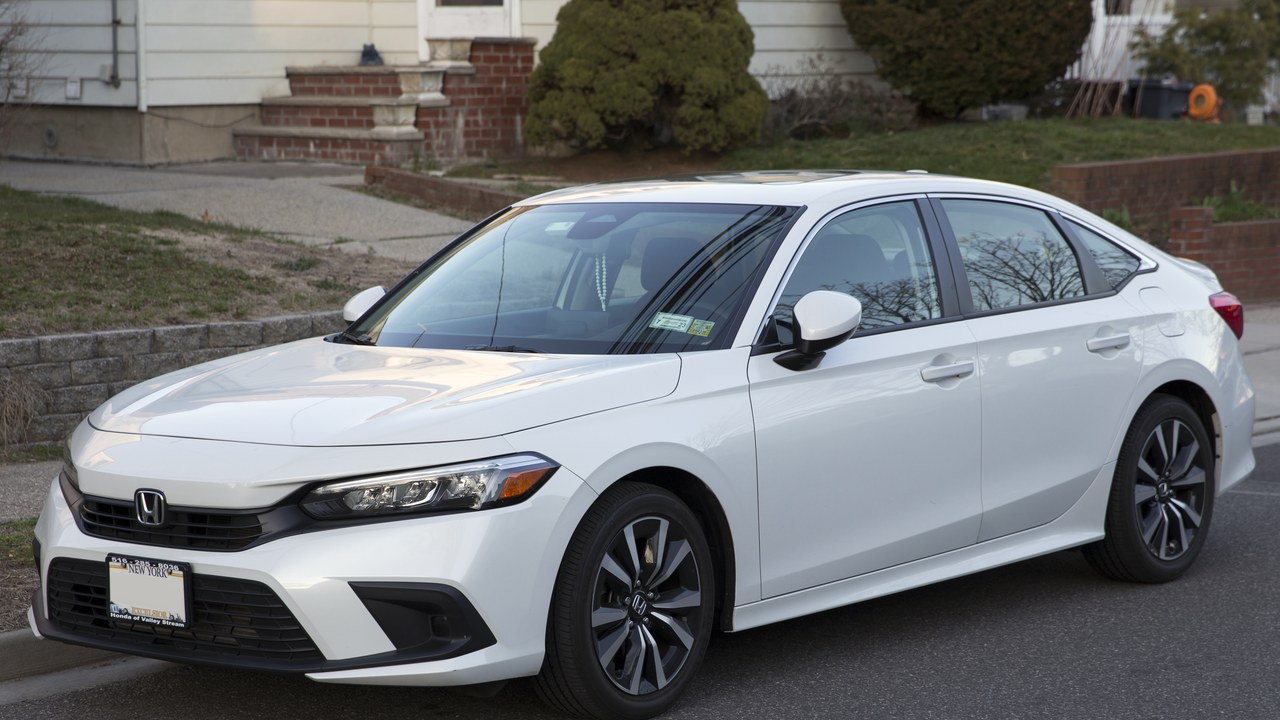
Since 1972 this compact has grown from a subcompact economy car into something close to a midsize sedan without giving up what made it cheap to run. Low mass is the mechanical argument for the Civic’s compact layout: less weight means less stress on brakes, bearings, transmissions and the engine itself, which is why small cars routinely outlast heavier vehicles built to a nominally higher standard.
North American cars are largely built in Ohio and Ontario, so parts and independent-shop familiarity are everywhere and repairs stay cheap enough to be worth doing on an old chassis. The weak points are cosmetic and structural instead of mechanical, with interior wear and rust the likelier reasons one finally leaves the road.
7. Lexus LS: The Flagship That Rewrote The Class
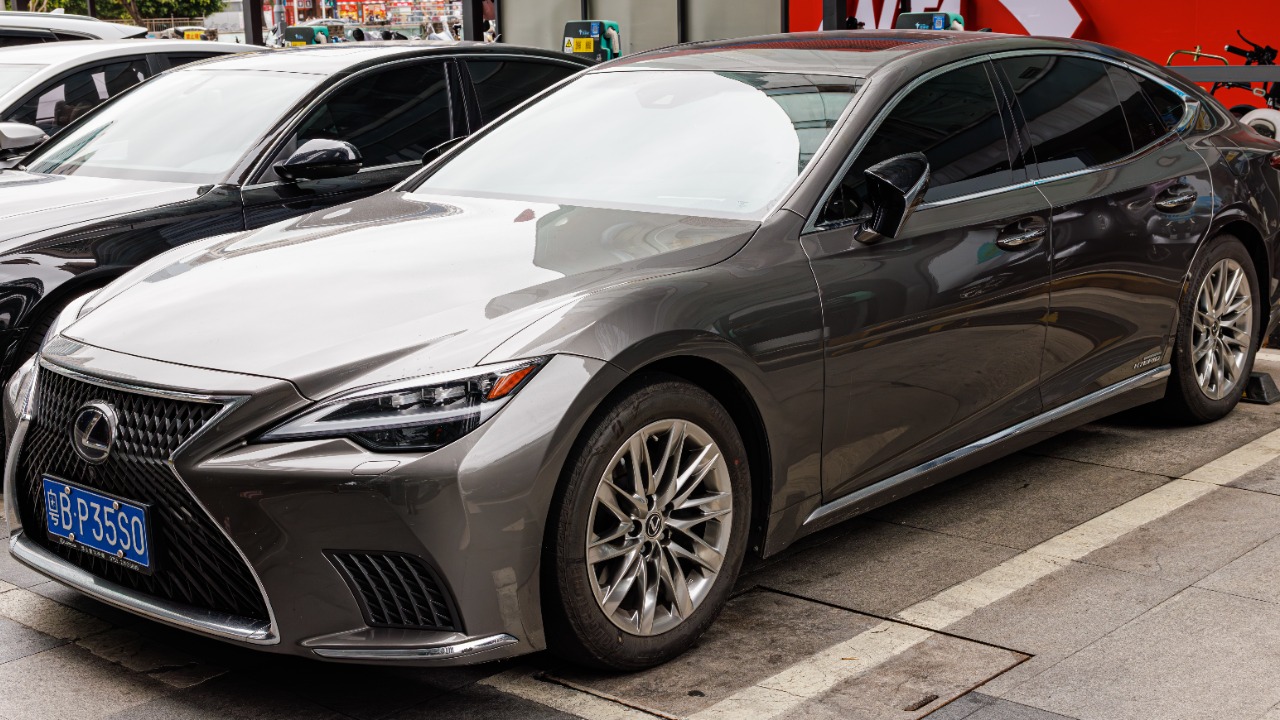
Arriving in 1989 with a 4.0-liter V8 engineered to tolerances the class had not seen, the original car made Lexus credible overnight. The LS flagship was overbuilt deliberately, because Toyota needed a sedan that would not embarrass itself in front of buyers being asked to abandon long-established German brands, and the engineering budget reflected exactly that ambition.
Early V8 cars still surface with enormous mileage on original drivetrains, while later generations added air suspension, dense electronics and eventually a twin-turbo V6 that raises the maintenance ceiling. The lesson for a used buyer is generational rather than universal: the simpler the LS, the further it travels for the least money.
8. Nissan Maxima: The V6 That Kept Winning Awards
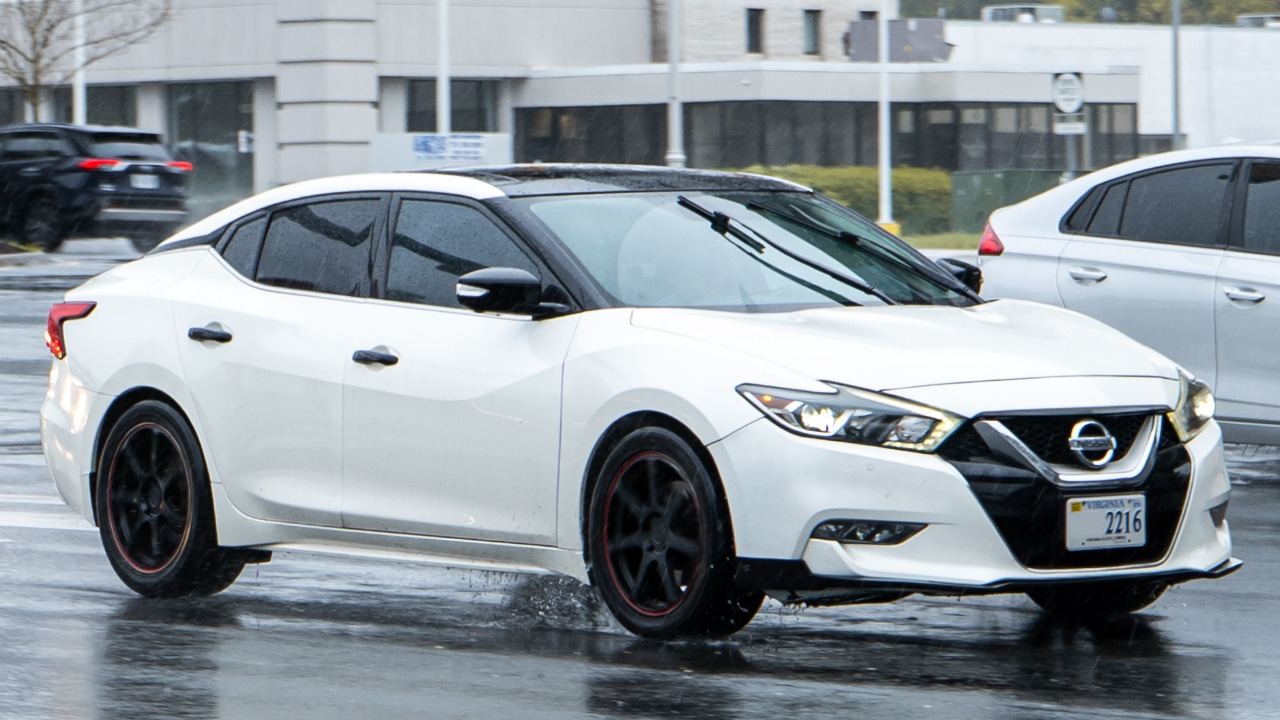
Nissan’s VQ V6 spent fourteen consecutive years on the Ward’s 10 Best Engines list, a streak no rival engine family matched, and this sedan was its most familiar home. The Maxima’s V6 combines a stout bottom end with output that stays modest for its displacement, the classic recipe for an engine that piles on miles without complaint.
The caveat sits behind the engine rather than inside it, because later cars use a continuously variable transmission whose condition matters more than the engine’s when judging a worn example. Nissan has since ended production of the sedan, and soft resale values make a well-kept one unusually cheap per remaining mile.
9. Acura TLX: Honda Engineering With A Premium Badge

Replacing both the TL and the TSX, Acura’s midsize sedan is built in Ohio on the same manufacturing base as Honda’s mainstream cars. The TLX’s shared hardware comes from Honda’s engine and transmission engineering rather than a bespoke luxury drivetrain, which is why its long-term cost curve tracks closer to an Accord’s than to a German rival’s.
Premium equipment brings its own failure points, and electronics, adaptive dampers and all-wheel-drive components are where money goes as the odometer climbs. The mechanical core stays conventional and widely serviced, though, so depreciation tends to outrun deterioration, which is the used buyer’s real advantage here.
More from Morning Overview
- Card skimmers hidden on gas pumps and ATMs are draining accounts, and here’s the tell
- The FBI says hackers are hijacking outdated home routers, and it named the models to check
- Older Teslas are wearing out in ways early owners never saw coming
- A common childhood virus is now tied to multiple sclerosis years later
