
Recall notices from the Korean automakers have piled up through 2026, touching crossovers, sedans, minivans and electric models across three brands. The problems range from air bag deployment and overheating seat motors to blank instrument clusters and cracked suspension parts. Here are twelve Hyundai, Kia and Genesis models drawing recall attention, starting with the largest campaign.
Help yourself and the planet: The Cool Down makes it easy to help yourself while helping the planet, with smart, simple changes to save more and waste less in your everyday life.
We may earn a commission if you sign up.
1. Hyundai Palisade: Curtain Air Bag Trouble
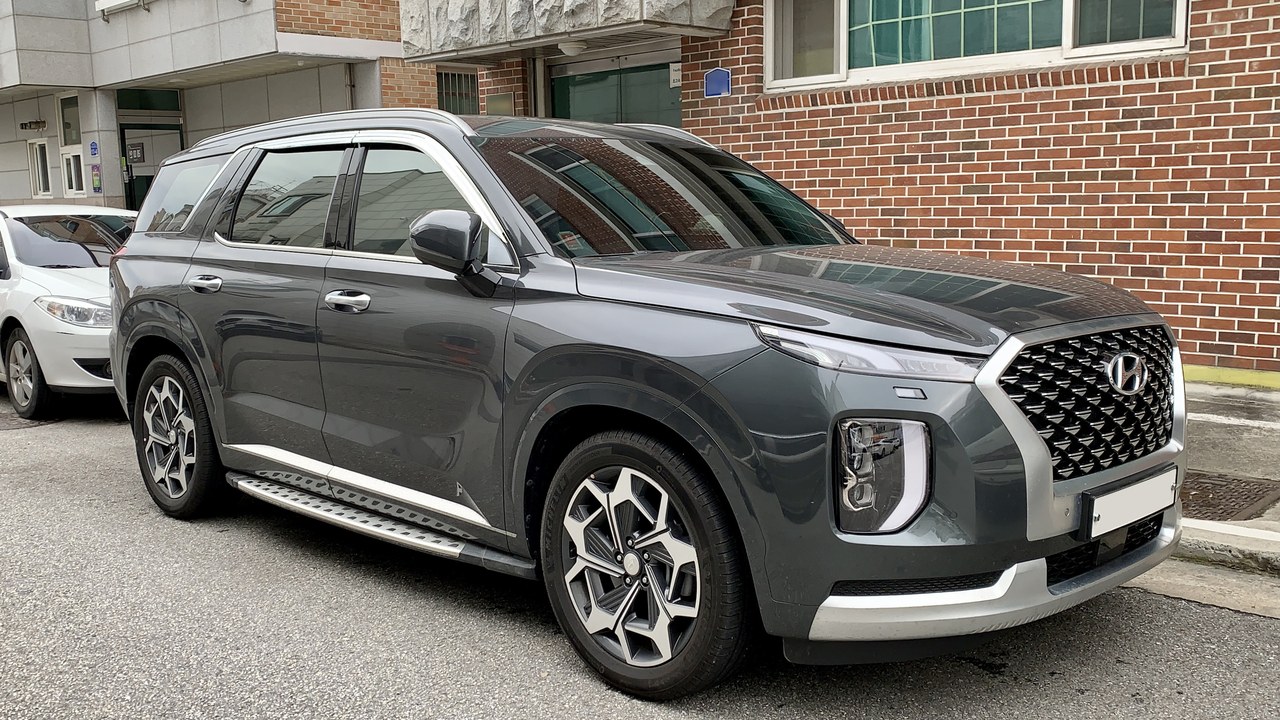
Hyundai’s largest recall of the year so far centers on the Palisade side curtain air bags, which may deploy improperly. The campaign reaches 568,576 SUVs built for the 2020 through 2025 model years, a span of six model years.
The Palisade is Hyundai’s three-row family SUV and one of the most visible vehicles in its North American lineup, so a campaign this wide touches a great many households. Side curtain air bags are meant to cushion occupants during side impacts and rollovers, which makes correct deployment a core part of the vehicle’s protection. Owners can check coverage by VIN.
2. Kia Telluride: Seat Switch Overheating
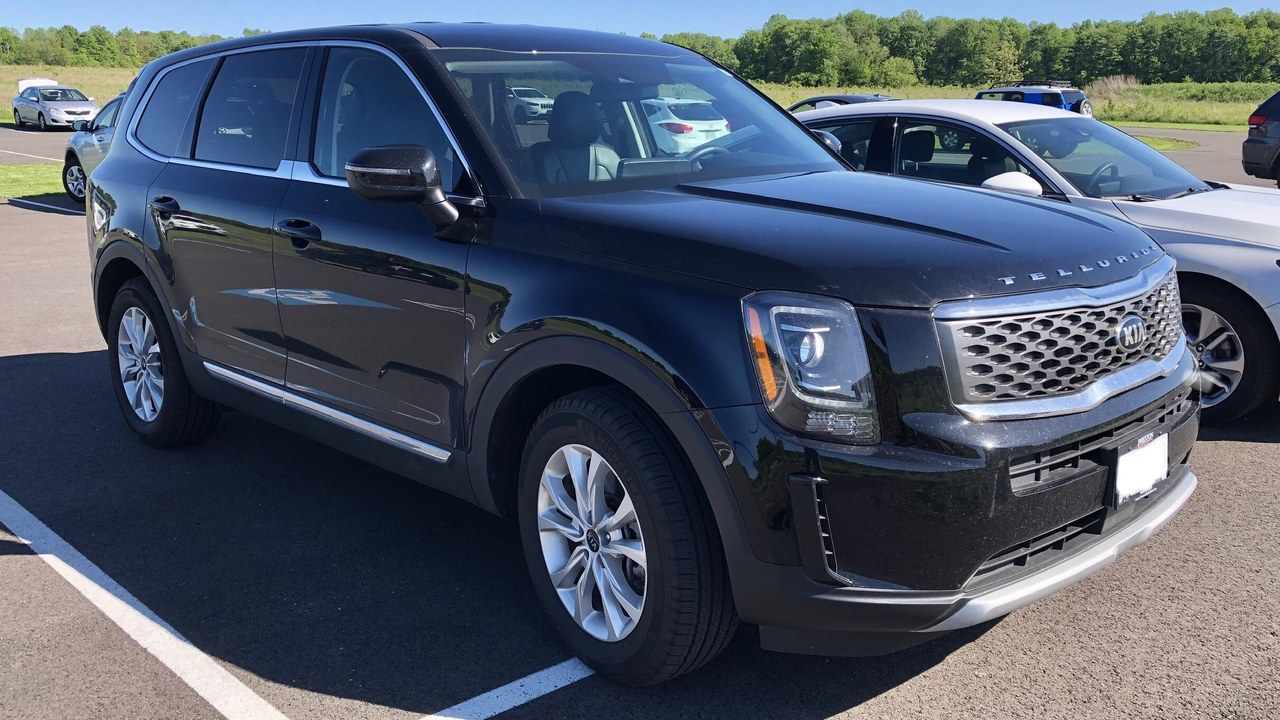
A stuck power-seat control can overheat in 462,869 Kia Tellurides from the 2020 through 2024 model years, according to the NHTSA campaign record. Owners were told to park outdoors, away from structures.
The Telluride is Kia’s three-row SUV, introduced to compete in the crowded family-hauler segment, and it has become one of the brand’s best-known American-market models. Power-seat motors and switches sit close to carpet and upholstery, so heat generated by a switch that fails to release is a concern. The advice to keep affected vehicles away from buildings reflects worry about what an overheating component could do near a home or garage.
3. Hyundai Tucson: Brakes That Act Early
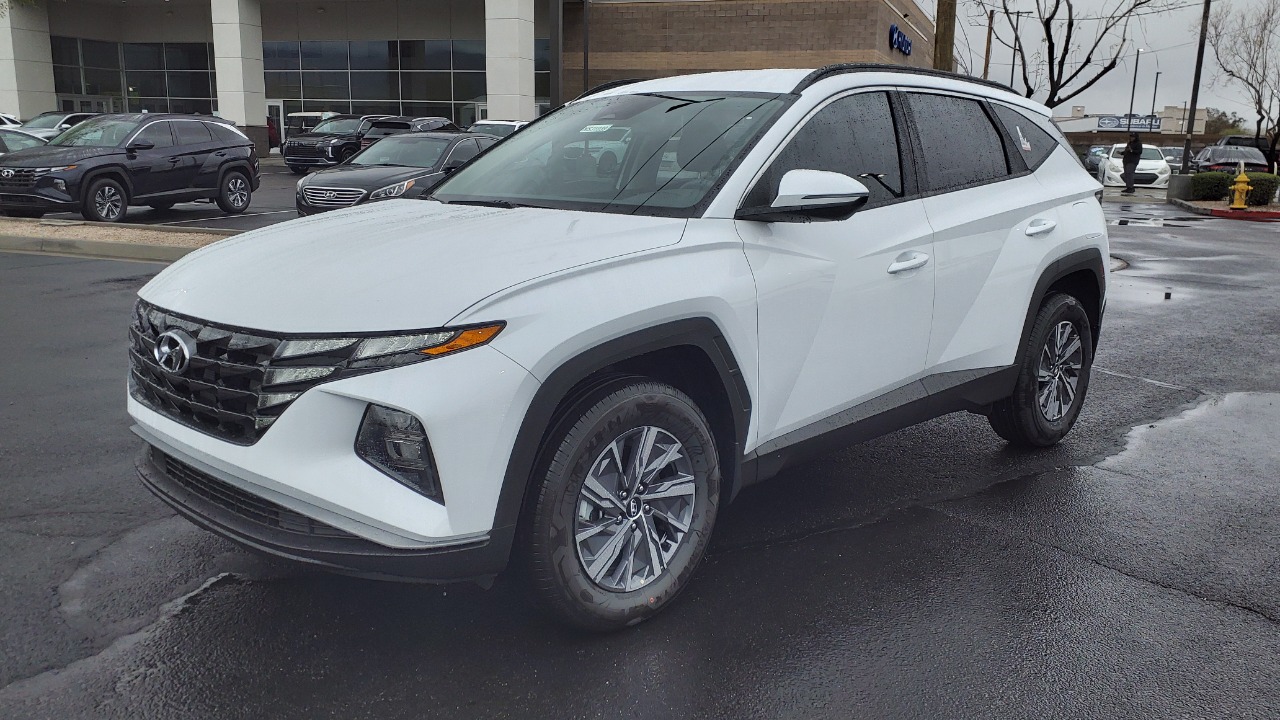
Software in the front camera can make the forward collision avoidance system activate prematurely, a defect flagged in a weekly recall roundup. The campaign covers 421,078 Tucson SUVs and Santa Cruz pickups.
Tucson is Hyundai’s compact crossover and a mainstay of its sales, while the Santa Cruz is a compact pickup that shares its underpinnings. Forward collision avoidance relies on a camera to spot hazards ahead and can brake or alert the driver, so a flaw in what the camera software reports can trigger intervention at the wrong moment. The defect lives in software, not in a mechanical part.
4. Genesis G80: Luxury Seat Motor Risk
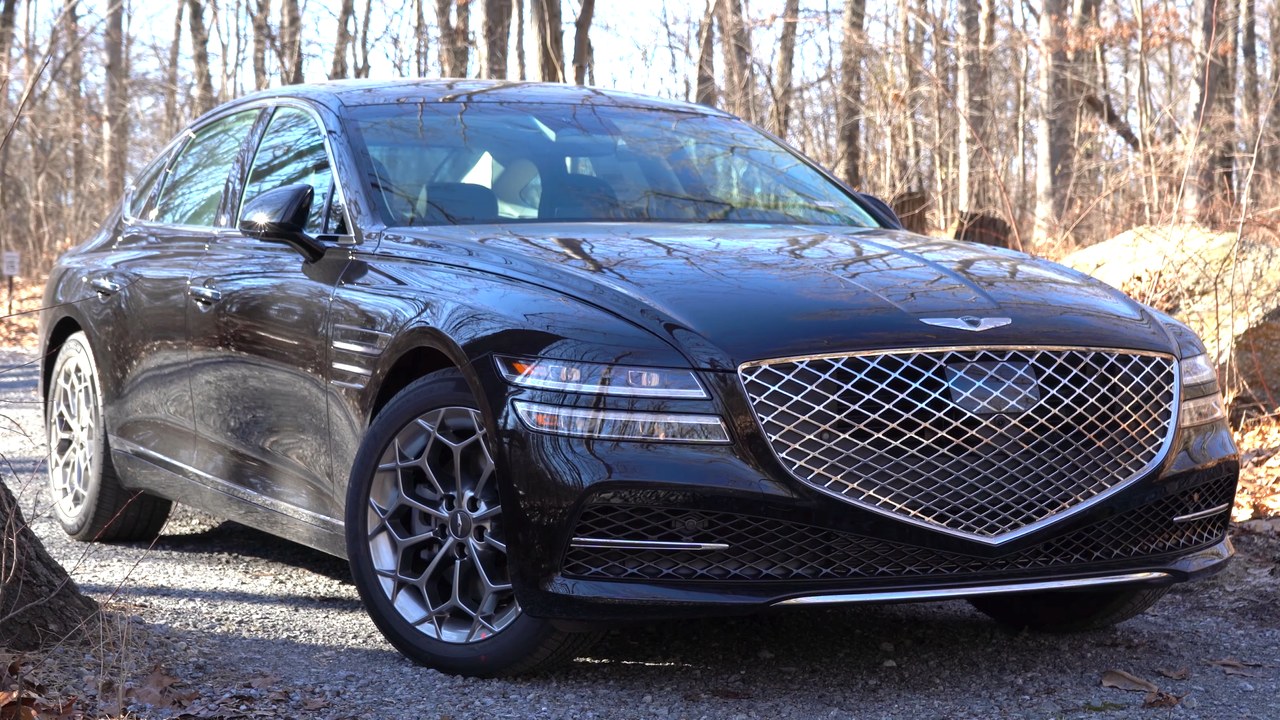
Genesis, Hyundai’s luxury arm, recalled 94,622 G80 and related sedans because a stuck seat switch can overheat the front power-seat motor, as the NHTSA recall listing describes. Owners are advised to park outdoors, and no remedy was available yet.
The G80 is a midsize luxury sedan that competes with established German and Japanese rivals, and heated, ventilated, multi-way power seats are a signature part of that segment. The fault described here mirrors a seat-control problem seen elsewhere in this group of recalls. Until a repair is released, the parking guidance is the main protection offered.
5. Hyundai Santa Fe: Belt Anchors Can Let Go
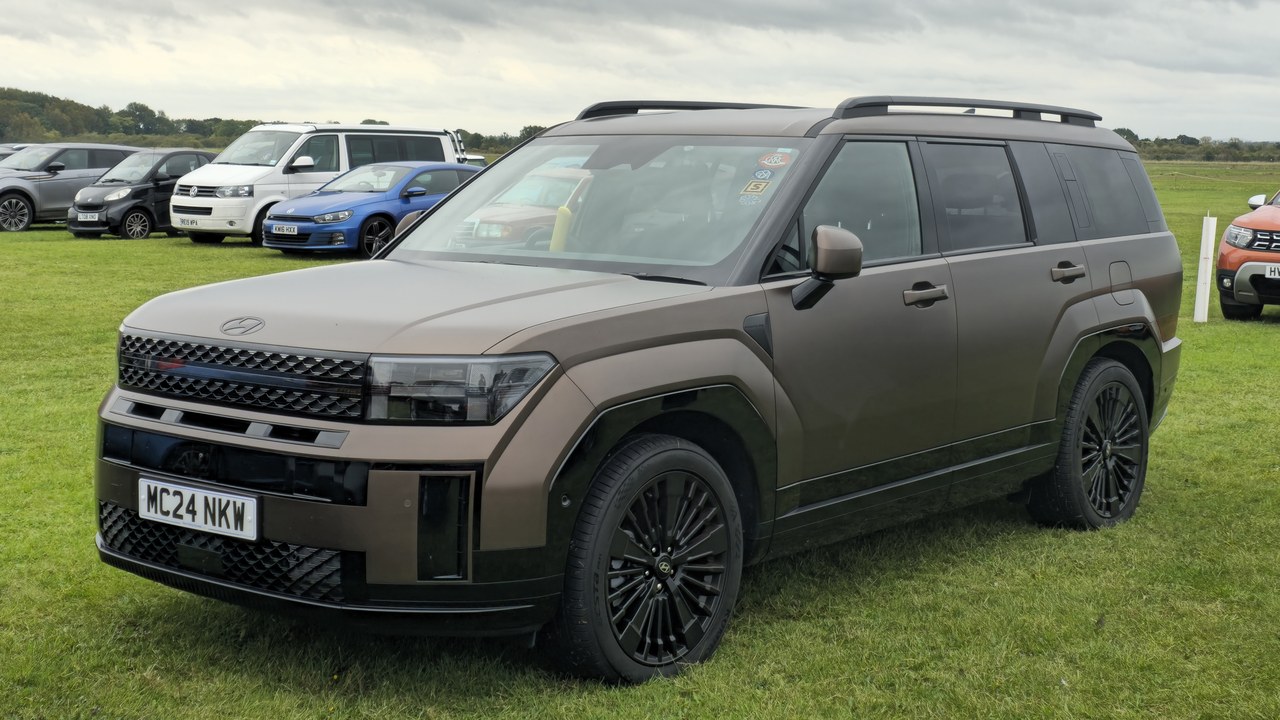
Seat belt anchors may detach in a single 2026 campaign spanning 294,128 vehicles, with the Motor1 recall list naming the Santa Fe, Ioniq 6 and Genesis G90. That mix crosses a midsize SUV, an electric sedan and a flagship luxury sedan.
The Santa Fe is Hyundai’s midsize SUV, long a staple of its family-oriented lineup. A belt anchor is the structural point that ties the seat belt to the vehicle body, and it must hold firm in a collision for the belt to restrain an occupant. Few parts matter more to crash protection than that attachment, which is why a detachment risk matters.
6. Hyundai Kona: A Cracked Steering Knuckle
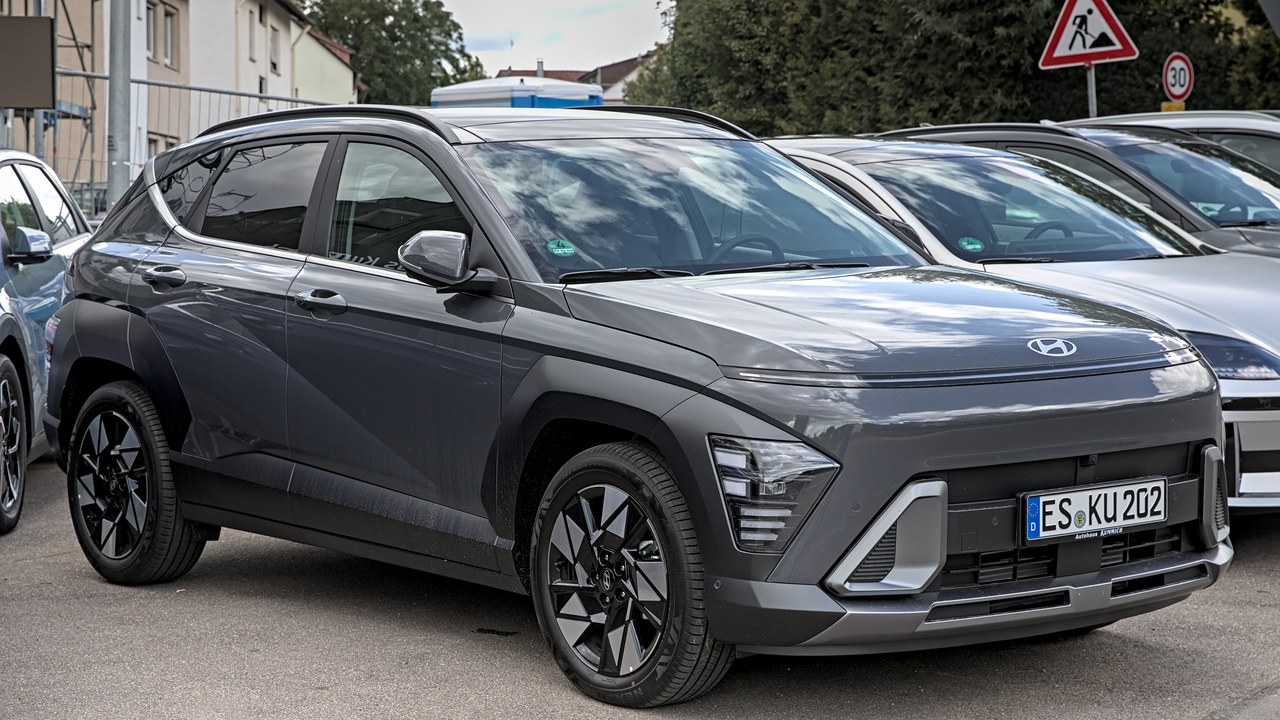
Only 4,555 Konas are involved in this campaign, far fewer than the SUV recalls above it, yet the issue is a cracked steering knuckle, as listed by Motor1.
The Kona is Hyundai’s subcompact crossover, aimed at city drivers and buyers who want a compact footprint with an elevated seating position. A steering knuckle connects the wheel hub to the suspension and steering linkage, so it carries loads from braking, cornering and bumps. A crack in such a part is a structural concern in its own right, and the modest vehicle count reflects a narrower population rather than a lesser issue.
7. Hyundai Ioniq 9: Seats That Miss a Person
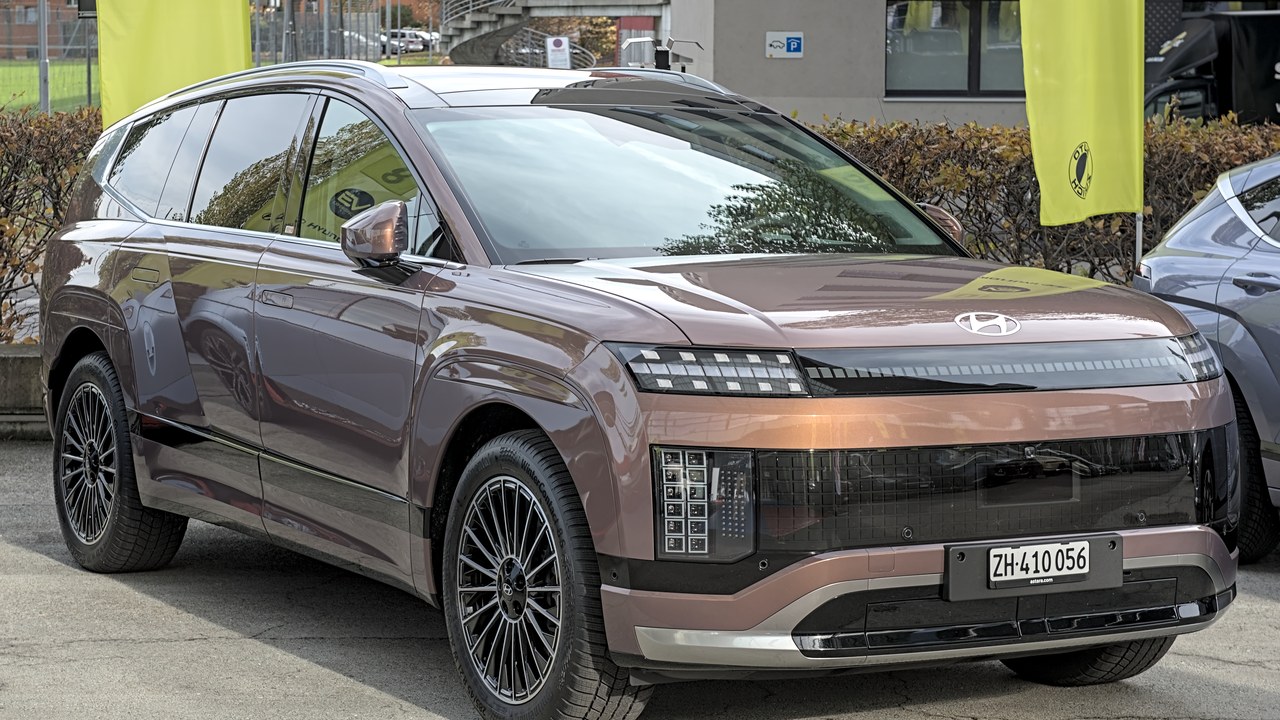
Second-row power seats in 5,360 2026 Ioniq 9 models may fail to detect a person, according to the NHTSA campaign filing. Owners should avoid using the power seats until the repair is carried out.
The Ioniq 9 is Hyundai’s large three-row electric SUV, positioned at the top of its electric lineup. Power seats that fold or slide often include detection logic meant to stop movement when a passenger or object is in the way. A failure of that sensing is a safety matter in a family vehicle, particularly one built to carry children and cargo behind the front row.
8. Kia Sportage: Gauges Go Dark
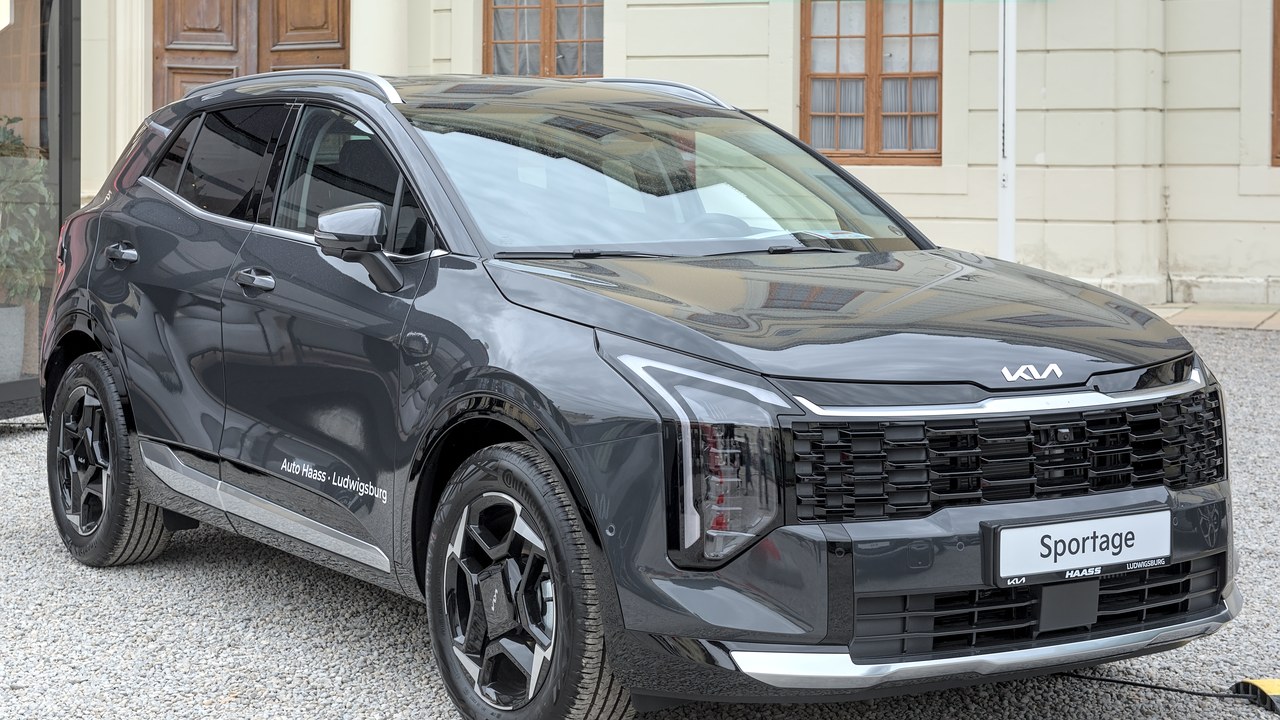
Instrument clusters can go blank while driving in 42,677 Kias, including the 2026 Sportage, according to a Kelley Blue Book report. The cluster may unnecessarily enter an overheat protection mode and temporarily go blank.
Sportage is Kia’s compact SUV and one of its core global models, sold in several powertrain versions. Drivers rely on the instrument cluster for speed, warning lights and driver-assistance messages, so a display that blanks out removes information at a bad moment. The behavior described is a protective mode triggering when it is not needed.
9. Kia Sorento: Three Powertrains, One Fault

The same 42,677-vehicle instrument-display campaign extends to the 2025 and 2026 Sorento, Sorento Hybrid and Sorento PHEV, as the KBB recall coverage explains. One software and thermal behavior therefore spans gasoline, hybrid and plug-in versions.
Sorento is Kia’s midsize SUV, offered with an unusually broad menu of powertrains for its class. When a single fault crosses all of them, it suggests a shared display or electronics design rather than something tied to a particular engine. For owners, the practical question is simply whether a specific vehicle falls within the covered model years, answerable by VIN.
10. Kia K5: A Sedan’s Software Fix
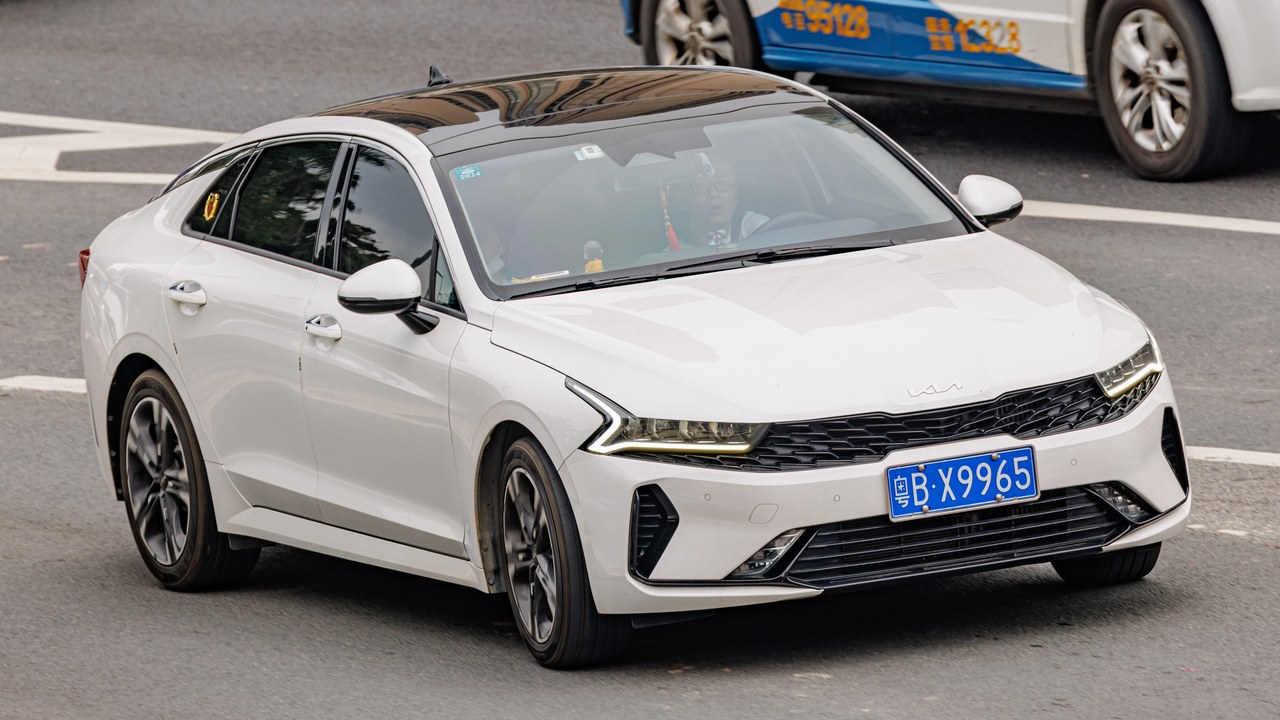
Kia’s gauge-blanking recall also covers the 2026 K5 sedan, and the remedy is a free software update delivered at dealerships, according to Kelley Blue Book. Dealers will update the software to correct the problem.
The K5 is Kia’s midsize sedan, a rarity in a market that has shifted heavily toward crossovers. Because the cure is code rather than hardware, no replacement parts are needed, and the work should be quicker than a mechanical repair. Software remedies of this kind have become increasingly common as cars rely on networked electronics, with dealers reflashing control units instead of swapping components.
11. Kia Carnival: Minivans in the Mix
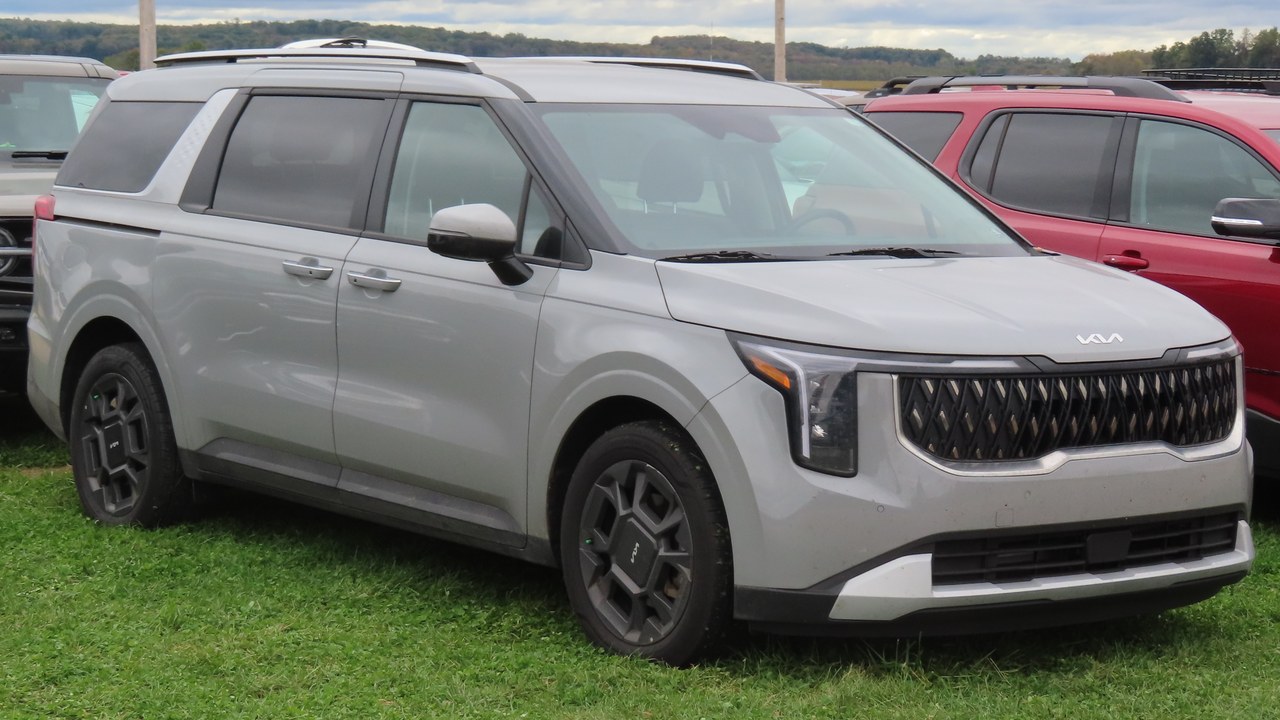
The 2026 Carnival and Carnival Hybrid minivans sit inside the 42,677-vehicle Kia instrument-cluster recall, reported in the Kelley Blue Book article. That brings a family-hauling people mover into the same campaign as compact SUVs and a sedan.
Kia markets the Carnival as a multi-purpose vehicle with minivan practicality and crossover-inspired styling, and it adds a hybrid version to the lineup. Minivans tend to log heavy daily use for school runs and road trips, so a cluster that blanks when it senses heat could be noticed by passengers as well as drivers. The shared cause across models means one remedy path can serve very different body styles.
12. Kia EV9: Battery Electrode Alert
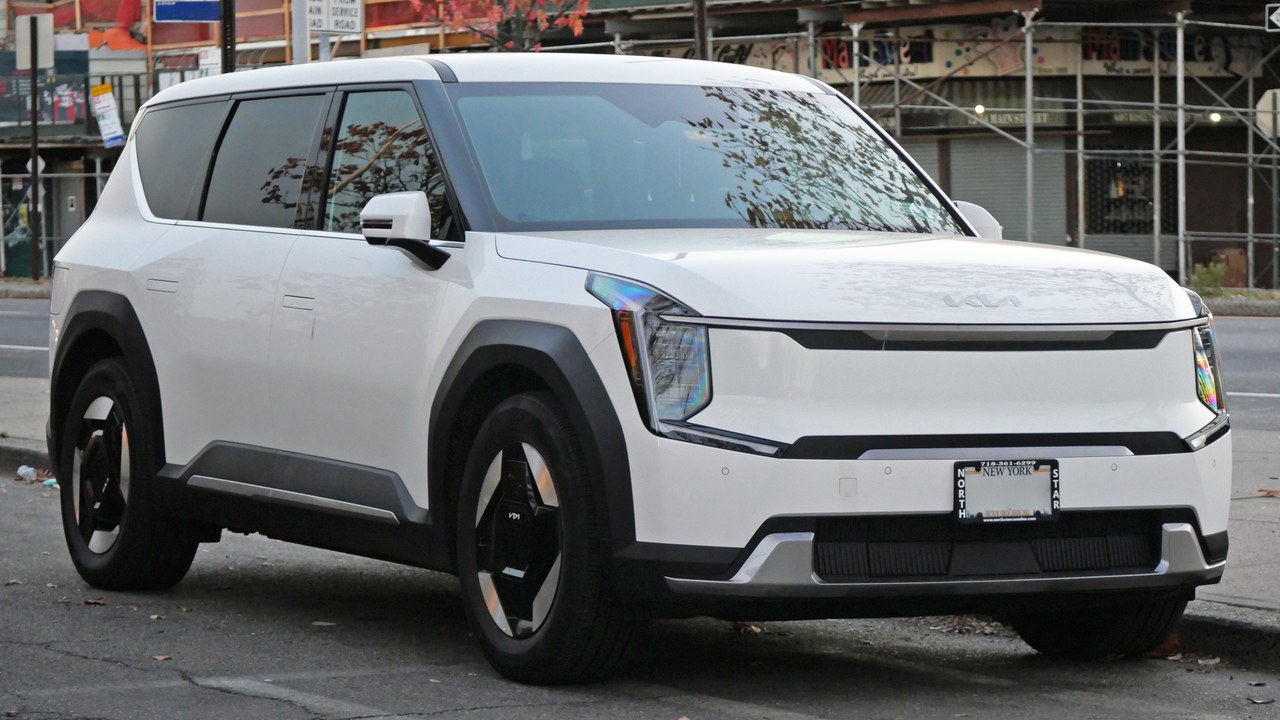
Misaligned electrodes inside the battery can cause a fire, whether the vehicle is parked or driving, according to the NHTSA recall notice. The small campaign covers EV6 and EV9 models, and owners are advised to park outside and away from structures.
The EV9 is Kia’s three-row electric SUV and the largest model in its electric range, built on the same dedicated platform family as the EV6. Battery cells contain tightly layered electrodes, and manufacturing misalignment can create internal faults that grow into thermal events. The parking advice is a common precaution for battery fire risk, and it applies regardless of how small the affected population is.
Help yourself and the planet: Get The Cool Down →
We may earn a commission if you sign up.
More from Morning Overview
- Two passengers died at an Ohio toll plaza, and the NTSB now wants the cash lanes shut
- Long use of a common prostate pill is tied to a higher chance of glaucoma
- Ford is recalling 223,472 F-150 pickups because the fuel tank can leak or detach
- Hybrids have 15% fewer problems than gas cars, while EVs and plug-in hybrids have about 80% more, Consumer Reports finds
