
A phone can feel perfectly fast long after its maker has stopped patching it, which is exactly when it becomes a risk. Apple, Google and Samsung have each retired well-known handsets in recent years, and Google’s Pixel 6 reached the end of the road with an October 2026 update. Here are nine popular phones that no longer receive security updates, or are past the point of full support.
Read next on Morning Overview: 11 engines built to run well past 200,000 miles
1. iPhone XS: Left Behind By iOS 26
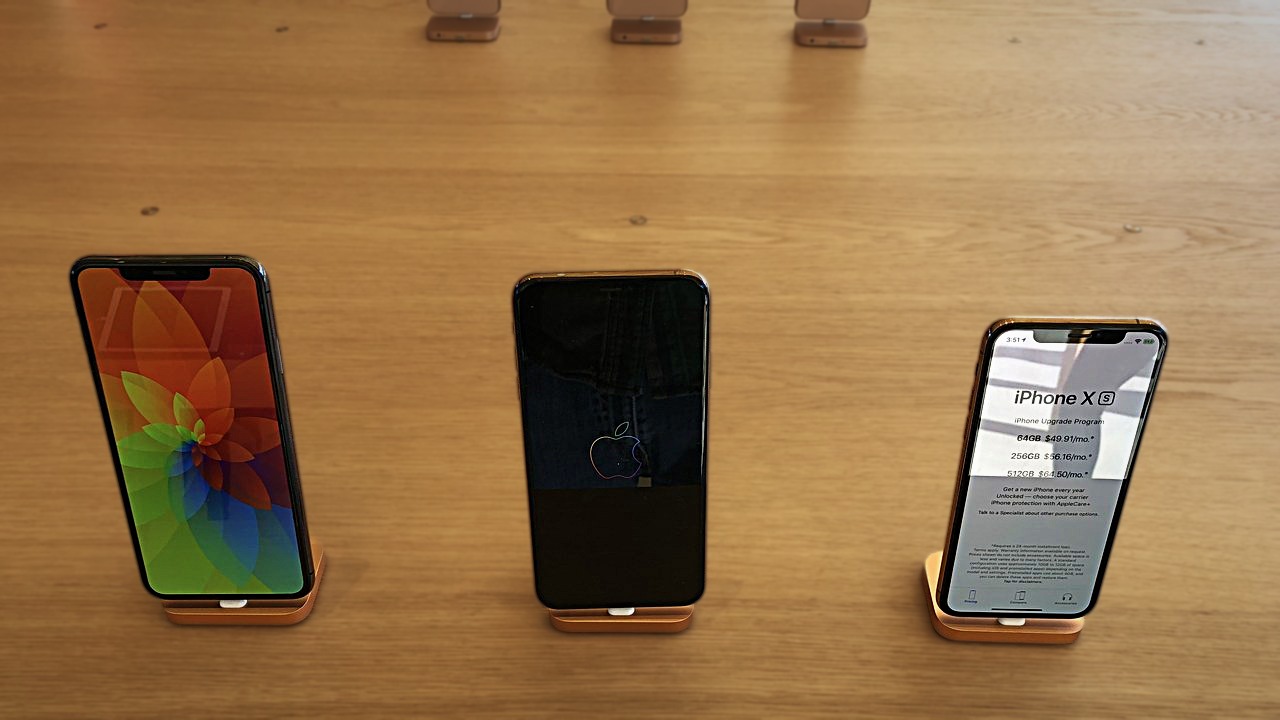
Apple dropped the iPhone XS from iOS 26 in 2025, leaving it stuck on iOS 18, according to 9to5Mac’s compatibility report. The site said the three models were supported by iOS 18 but were cut when Apple released the newer version that year.
Missing a major release means missing new features and the security work that arrives with them. Owners should check Apple’s own support notes before relying on the phone for banking or work, and consider an upgrade when it suits their budget, since the phone will not see future major releases.
2. iPhone XS Max: Same Cutoff, Bigger Screen

The iPhone XS Max was cut off from iOS 26 in 2025 alongside its smaller sibling, so it is also stuck on iOS 18, according to 9to5Mac’s report. The report described Apple dropping three models in the same release.
Because the XS Max shares its hardware generation with the XS and XR, all three hit the same wall together. Anyone still using one should treat the phone as aging, and avoid keeping sensitive data on a handset that is no longer on the current software.
3. iPhone XR: Third Model Dropped
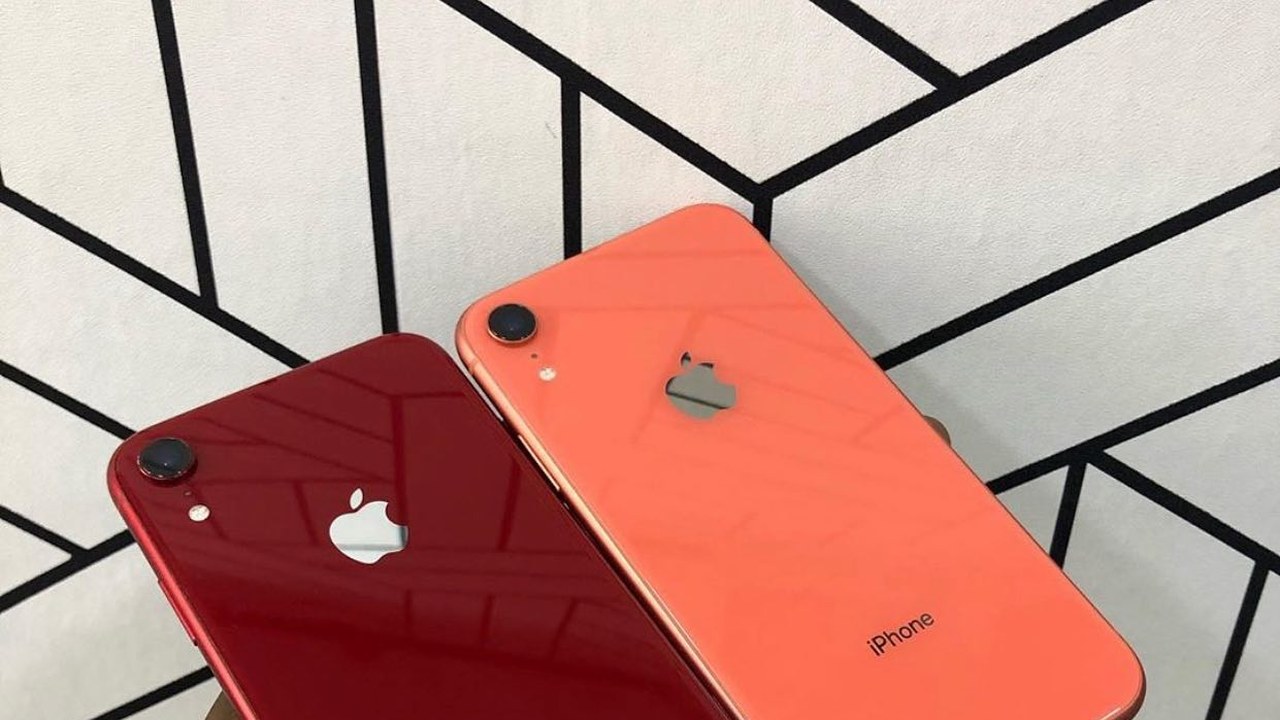
The iPhone XR was the third model Apple dropped with iOS 26 in 2025, ending its new-version support, as 9to5Mac detailed. It joined the XS and XS Max in being left on iOS 18.
The XR was a popular, lower-priced entry in its generation, so many are likely still in daily use. The practical advice for owners is the same as for the other two models, which is to plan a replacement before problems arrive. Keeping the phone updated to the last available version is still better than leaving it untouched.
4. Pixel 6: Final Pixel 6 Update
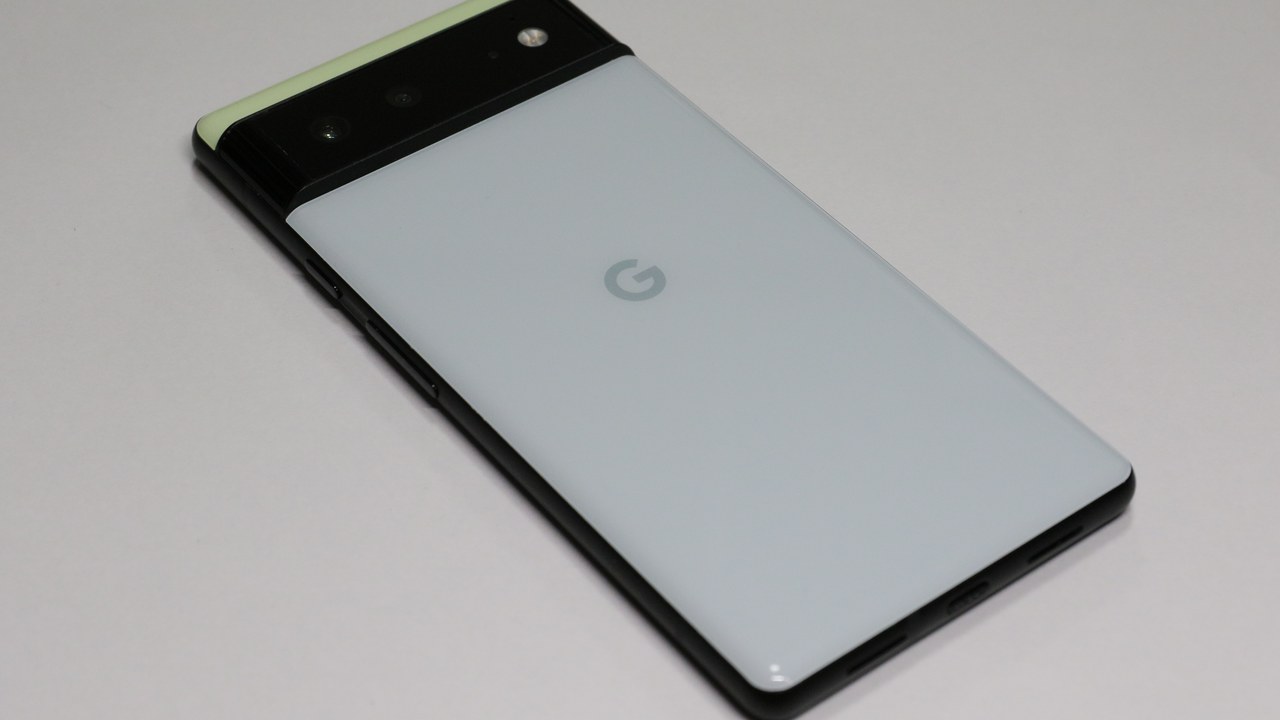
Google confirmed that the Pixel 6 reaches end of life with Android 17 QPR1, and its October 2026 update is expected to be its last, according to Droid Life. The phone is the most recent device on this list to run out of support.
An end-of-life date means no further patches for newly discovered flaws. Owners who want to keep using the phone can still do so, but should be careful about what they install and which networks they trust. Moving to a supported phone is the cleaner long-term fix.
5. Pixel 6 Pro: Pro Model Shares The Fate
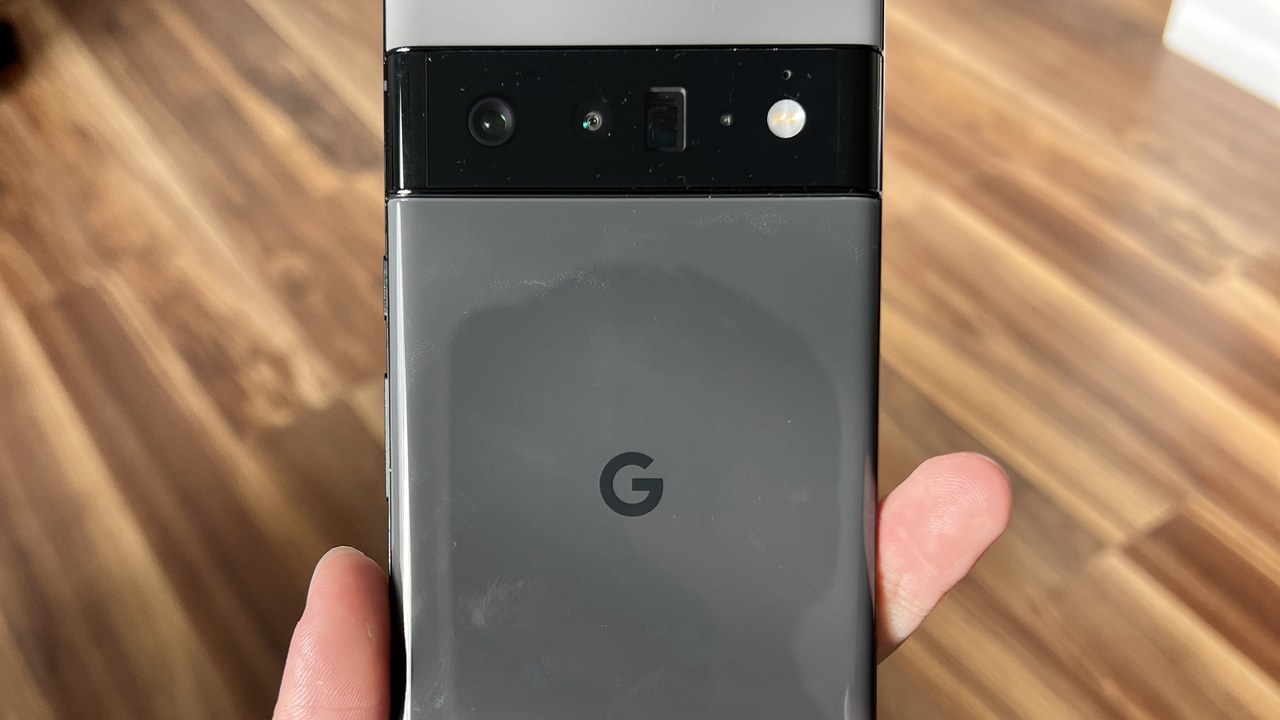
The Pixel 6 Pro shares the Pixel 6’s fate, with end of life arriving at Android 17 QPR1, as Droid Life reported. Its October 2026 update is likewise expected to be the last it receives.
Because the two phones were announced together, their support ended together as well. Anyone holding a Pixel 6 Pro should plan around the cutoff, since vulnerabilities found from now on are unlikely to be fixed on this model. Trading in or retiring the phone is the safer course for daily use, especially for payments.
6. Pixel 5: Three Years Without Patches
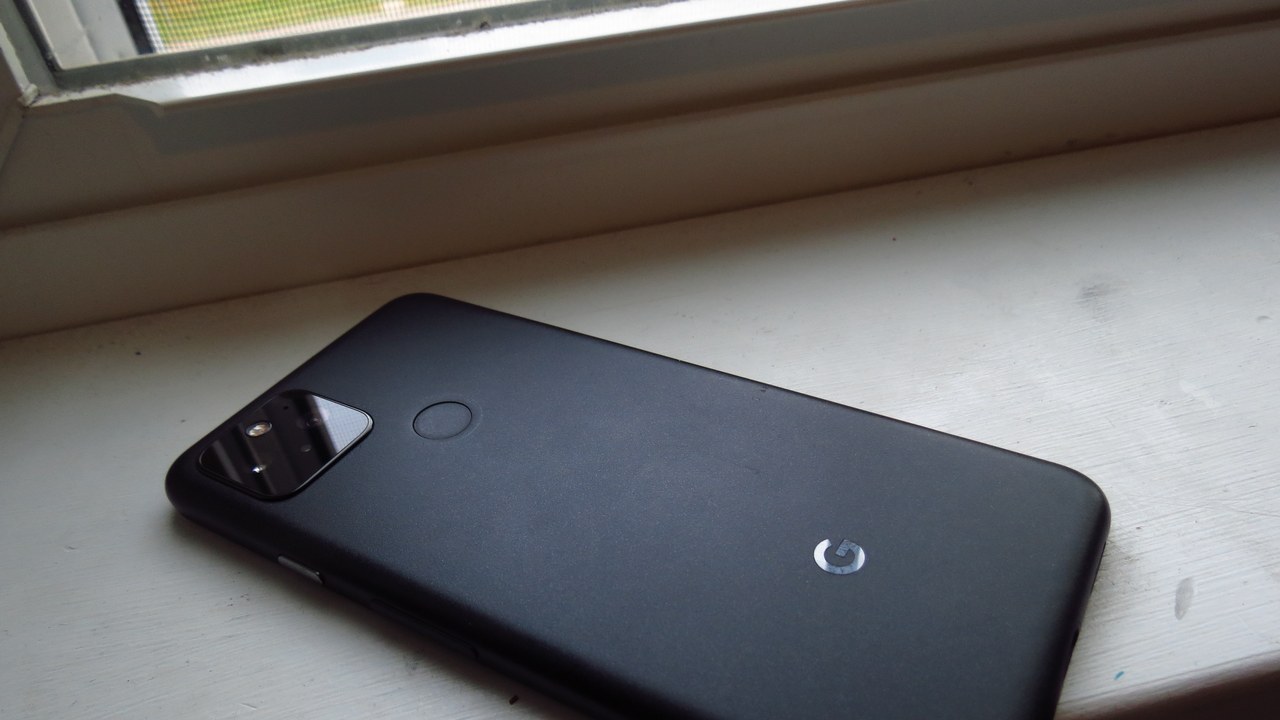
The Pixel 5 lost security updates on 5 November 2023, so it has gone about three years without patches, according to the endoflife.date Pixel table. The same table lists its release as October 2020.
A phone that has missed three years of fixes has accumulated plenty of potential exposure. The Pixel 5 remains a capable device on paper, but its software is now a liability for anything involving personal accounts, payments or work email. A supported replacement is the sensible next step, and the trade-in value only falls the longer the phone is kept.
7. Pixel 4a: Patches Stopped Early
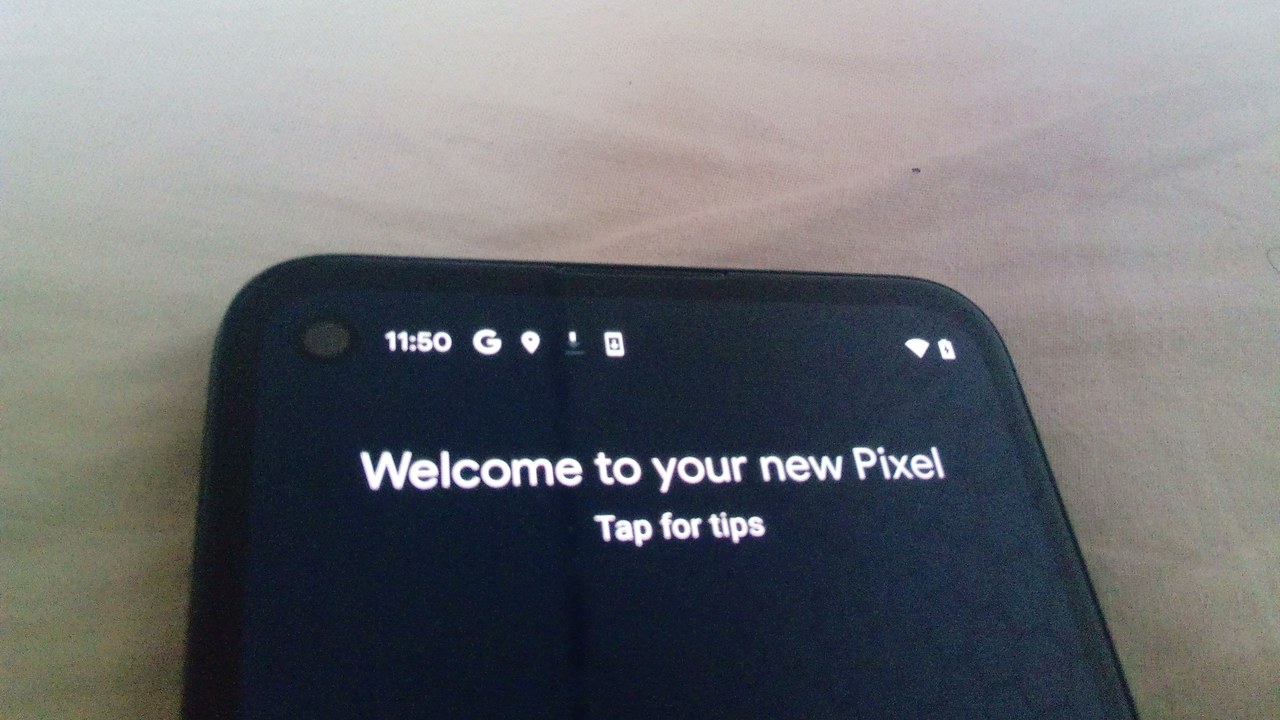
The Pixel 4a’s security updates ended on 5 August 2023, as the endoflife.date Pixel listing shows. New exploits that surface now stay unpatched on the handset, which launched in August 2020.
The 4a was a budget favorite, which means many remain in drawers and in use as backup phones. Treating it as an offline device or a media player is safer than using it to sign in to important accounts, and a refurbished newer model is often inexpensive compared with the cost of a compromised account.
8. Galaxy S21: Dropped From The Roster
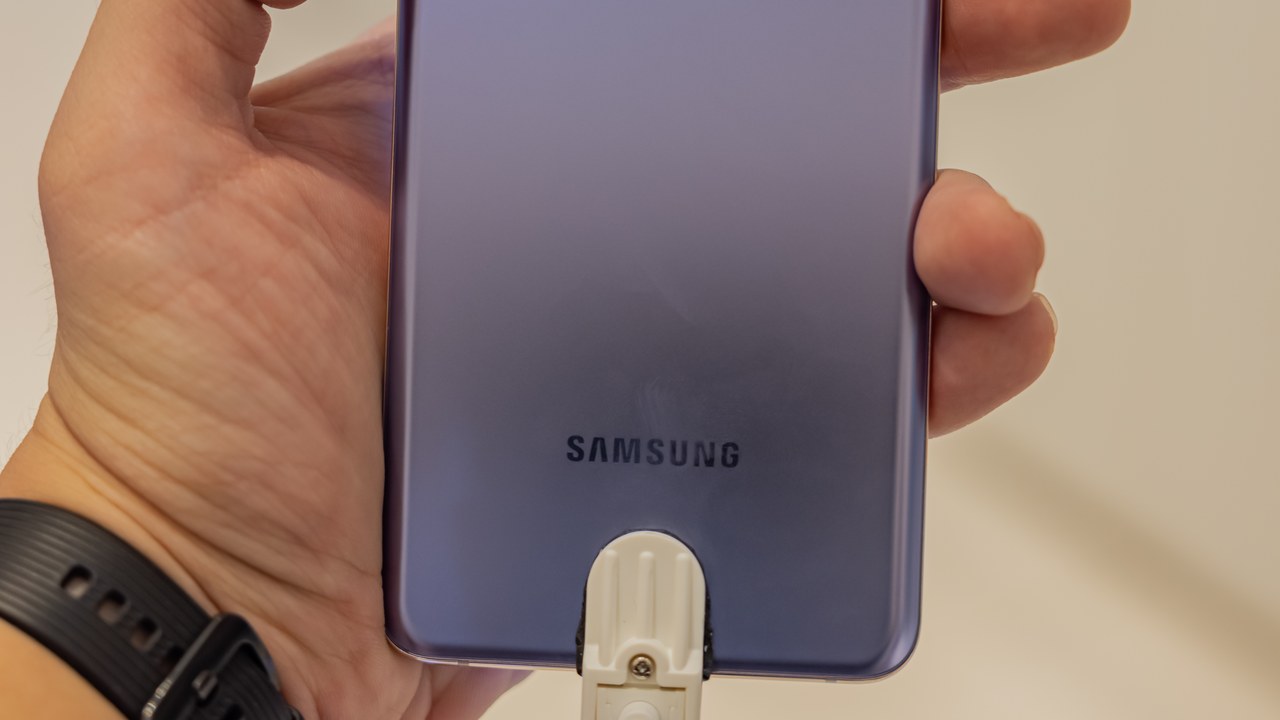
Samsung’s Galaxy S21, S21+ and S21 Ultra lost support in February 2026, vanishing from the official update roster, according to BGR’s list. The site noted that the family has disappeared from Samsung’s published schedule.
Samsung flagships have long been among the better-supported Android phones, so the S21 family’s exit is a reminder that even strong programs end. Owners can still use the phones, but they now do so without new fixes, which makes careful app and link habits more important, along with avoiding sideloaded software and unknown links.
9. Galaxy S20: Surprise Final Patch
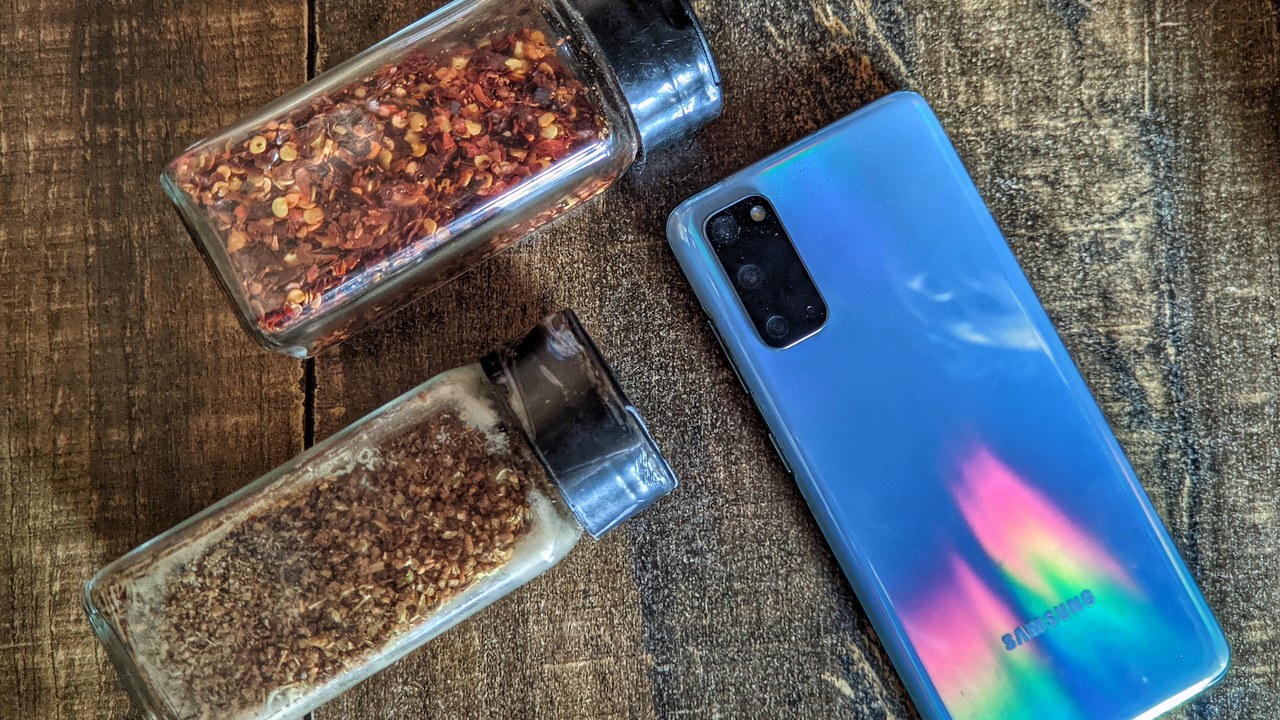
Samsung’s Galaxy S20 support ended in 2025, though it later received a surprise July 2025 security patch three months after the official end, according to BGR’s roundup. The patch was a one-off rather than a return to regular updates.
An unexpected patch is welcome, but it should not be mistaken for ongoing support. The S20 remains officially retired, and owners cannot count on further fixes arriving in the future, so replacing the phone remains the dependable answer for anyone who handles sensitive information on it.
More from Morning Overview
- A $1 billion gas plant planned for Superior, Wisconsin, has been abandoned
- Shaq spent $1.3 million on three Rolls-Royce Phantoms to prove a point to a salesman
- The Justice Department asked courts to undo approvals for three offshore wind farms, one already making power
- Over 20 trillion gallons of rain fell on the Four Corners states and Nevada in two weeks
