
Pickup trucks are bought on the promise of longevity, yet a handful of models never quite earn that reputation. Short production runs, first-year engines and emissions-era hardware all shorten the distance between a showroom and a salvage yard. Here are nine pickups that tend to wear out unusually early.
1. Nissan Titan: The Long Product Cycle Problem
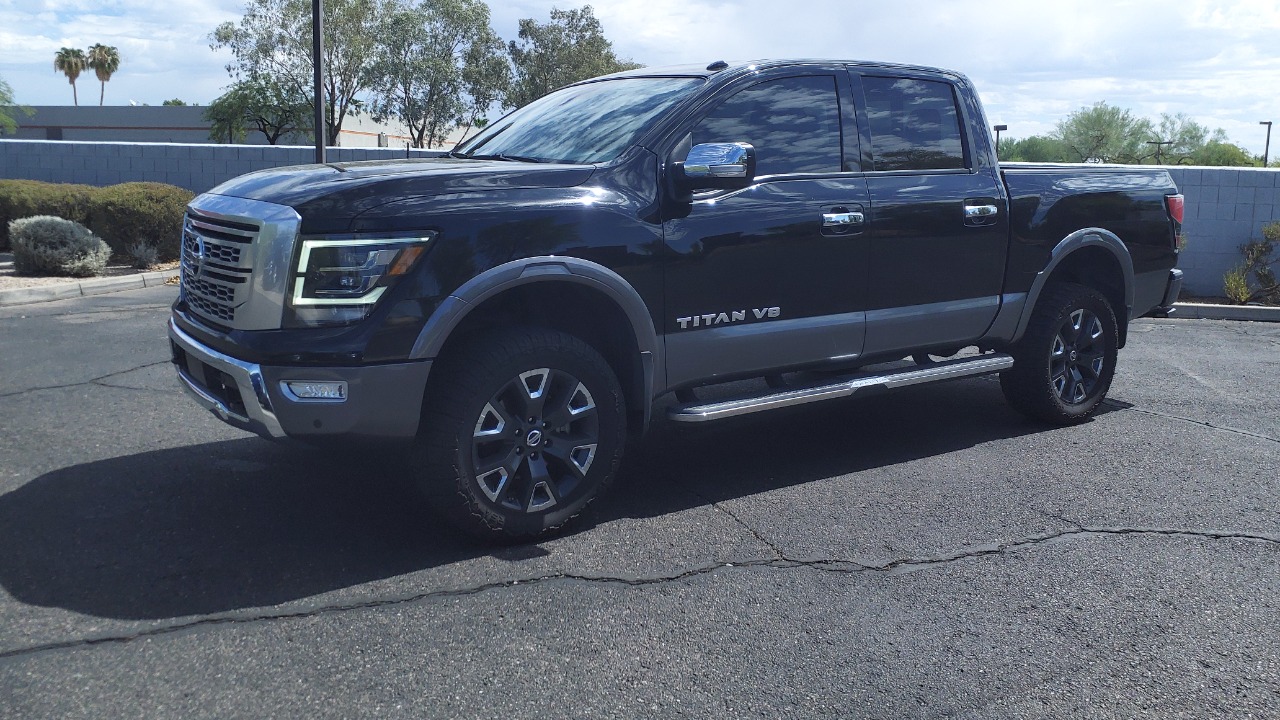
Nissan sold the Titan from the 2004 model year through 2024, and its second generation carried essentially one drivetrain, a 5.6-liter V8, for the whole run. Long cycles are the pattern behind the reputation: the full-size Nissan Titan went years between meaningful chassis and transmission updates while Ford, GM and Ram refreshed theirs repeatedly.
Production ended in 2024 after sales never approached the segment leaders, leaving a small owner base and a thin aftermarket. That matters most past 150,000 miles, when suspension, axle and cooling repairs arrive and parts availability decides whether a truck is worth keeping.
2. Lincoln Blackwood: One Model Year And Almost No Parts
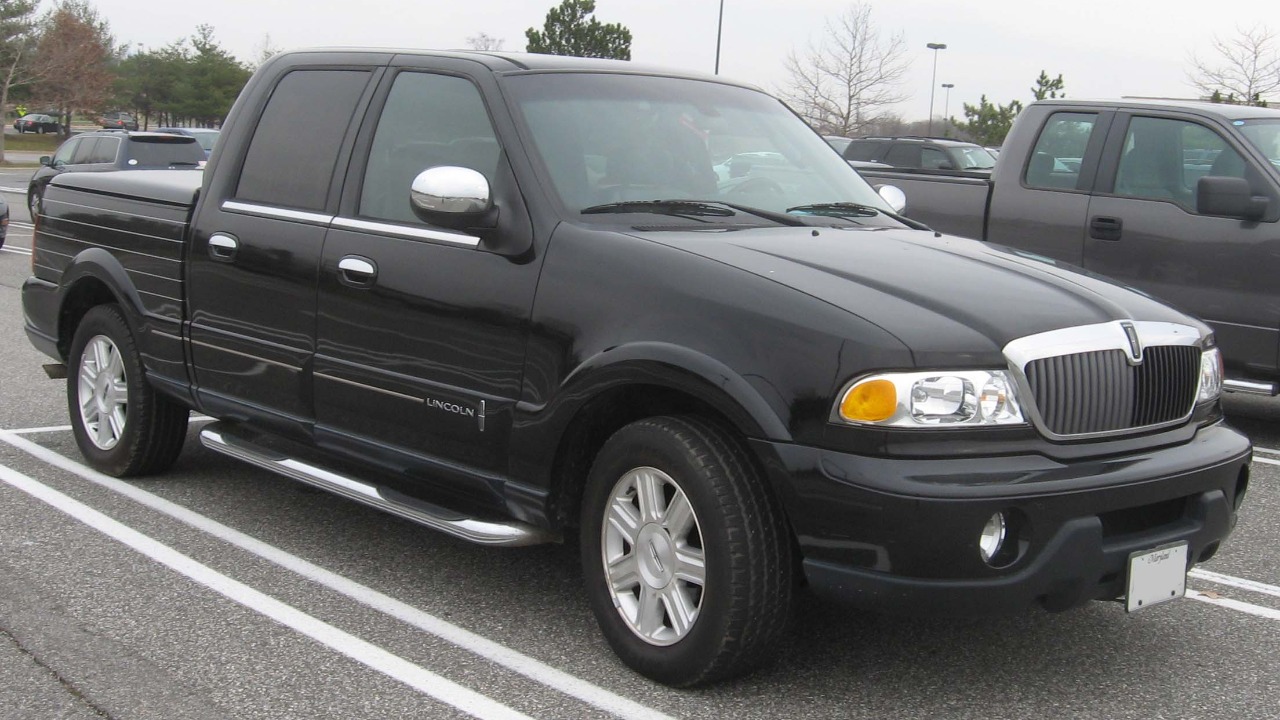
Lincoln built the Blackwood for 2002 alone, sold roughly 3,300 of them and cancelled it, making the Lincoln Blackwood pickup one of the shortest-lived trucks Ford ever put on sale. Its bed was carpeted, trimmed and sealed under a power tonneau, so it could not haul the way a pickup is expected to, and it came only in black with rear-wheel drive.
Rarity is the durability problem. Body panels, the tonneau mechanism and the interior trim are model-specific and effectively out of production, so a mechanically sound example can sit for months waiting on one component no supplier stocks.
3. Chevrolet Avalanche: Cladding That Chalks And Cracks
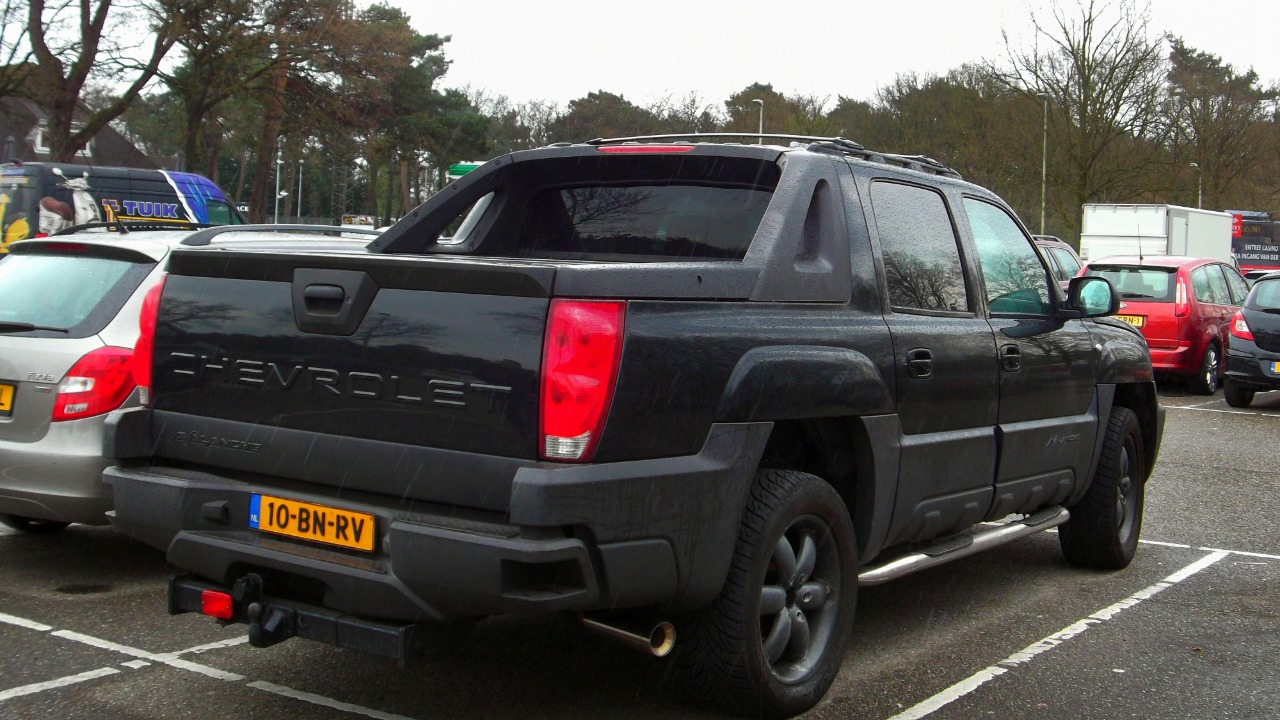
Chevrolet built the Avalanche from 2002 to 2013 around a midgate, a folding partition that opens the cab into the bed. Early trucks also wore heavy grey plastic body cladding, and the cladded Chevrolet Avalanche of those years dates worst: the panels chalk, fade and distort under sun exposure long before the sheet metal beneath them gives out.
That midgate adds seals, latches and removable glass a conventional pickup never has, and every one of them becomes a wear item after a decade. General Motors dropped the model in 2013 without a direct successor, so replacements now come largely from salvage yards.
4. Cadillac Escalade EXT: Luxury Bills On A Truck Body
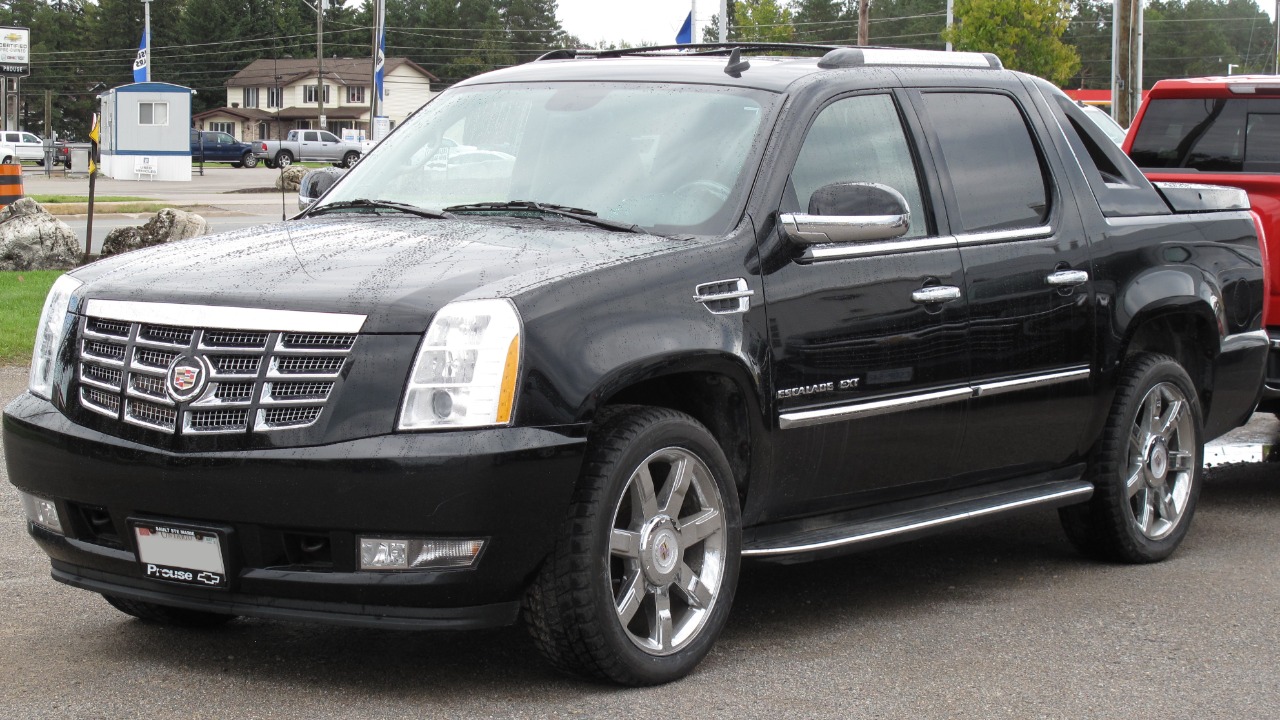
Sold from 2002 to 2013, the Escalade EXT was the Avalanche in a tuxedo, sharing the midgate architecture and adding a 6.0- or 6.2-liter V8. Cost is what shortens its life rather than engineering: the Cadillac Escalade EXT carries load-levelling air suspension, full-time all-wheel drive and dense electrical hardware, all of which fail on ordinary schedules but bill at luxury rates.
Used values fall far faster than those repair estimates, so a second or third owner routinely reaches the point where one suspension or driveline job exceeds the truck’s market worth. Economic write-off, not mechanical collapse, is usually what retires them.
5. Nissan Frontier: The Coolant That Kills Gearboxes
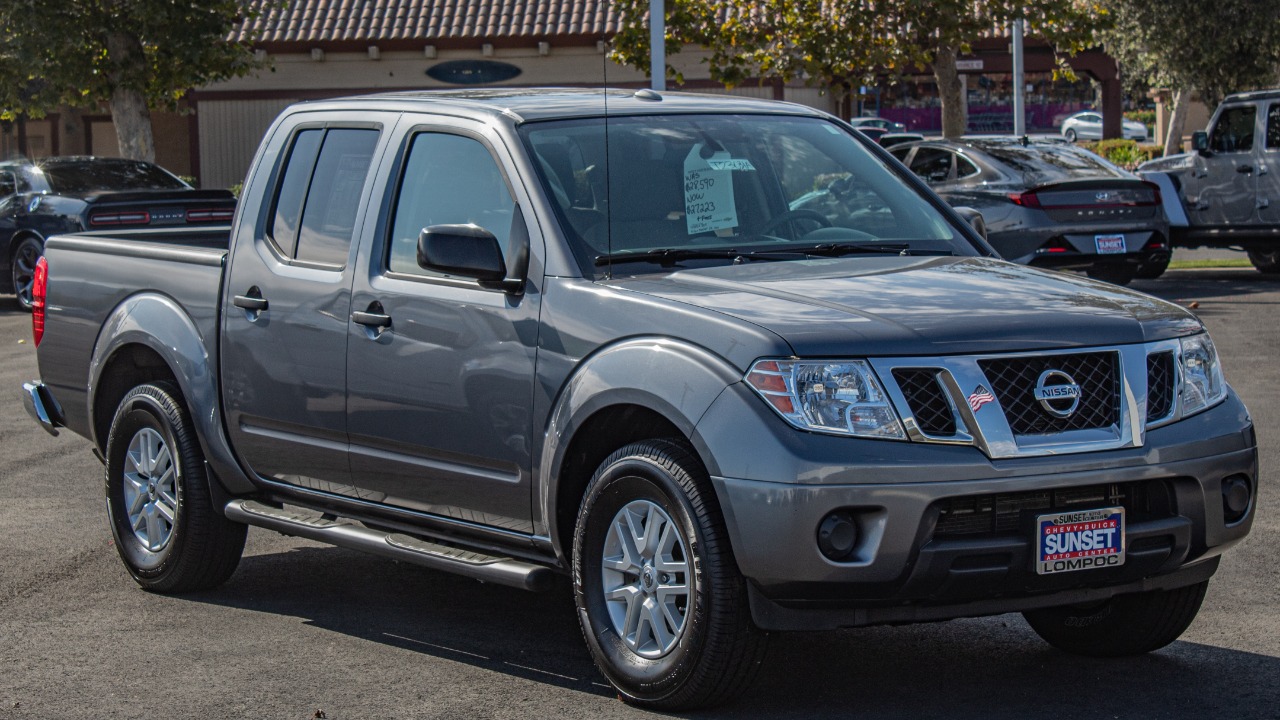
Nissan kept the second-generation Frontier in production from 2005 to 2021 with only detail changes, an unusually long run for a mid-size truck. Its best-known defect involves a radiator design on the D40 Nissan Frontier that could let engine coolant seep into the automatic transmission cooler circuit, contaminating the fluid and destroying the gearbox.
The failure typically surfaces well after the original warranty lapses, which is why the bill so often outruns the truck’s value. Anyone weighing a high-mileage example should confirm the radiator was replaced and inspect the transmission fluid for the tell-tale pink contamination.
6. Ram 1500 EcoDiesel: Emissions Hardware With A Short Fuse
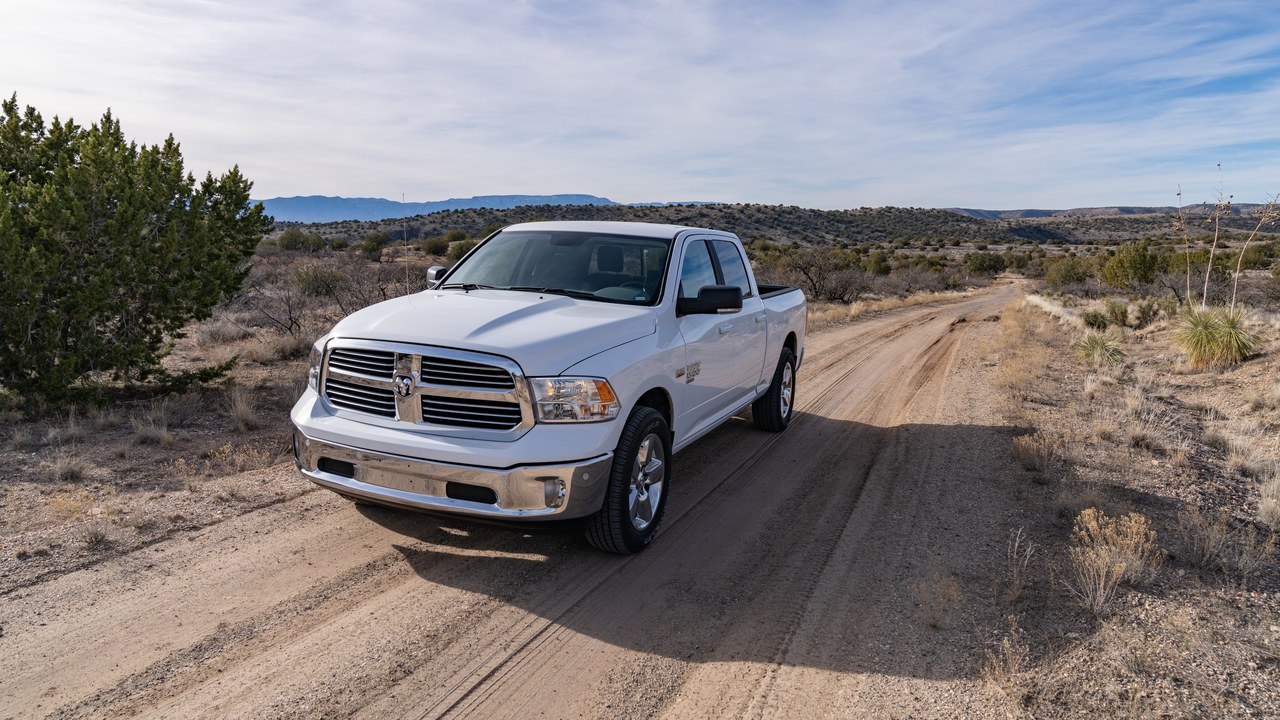
The 3.0-liter EcoDiesel V6 gave the Ram 1500 class-leading fuel economy and a stack of emissions equipment to go with it. That equipment is the liability: the EcoDiesel Ram 1500 was swept into a 2019 settlement over diesel emissions software, and its exhaust-gas recirculation coolers, particulate filter and urea injection add failure points no gasoline V8 carries.
Short-trip use is the worst case, because the particulate filter rarely reaches the temperature needed to burn off accumulated soot. Ram dropped the EcoDiesel from the 1500 line after 2023, which narrows long-term support for the engine’s most expensive components.
7. Jeep Gladiator: Early Builds Carry The Risk
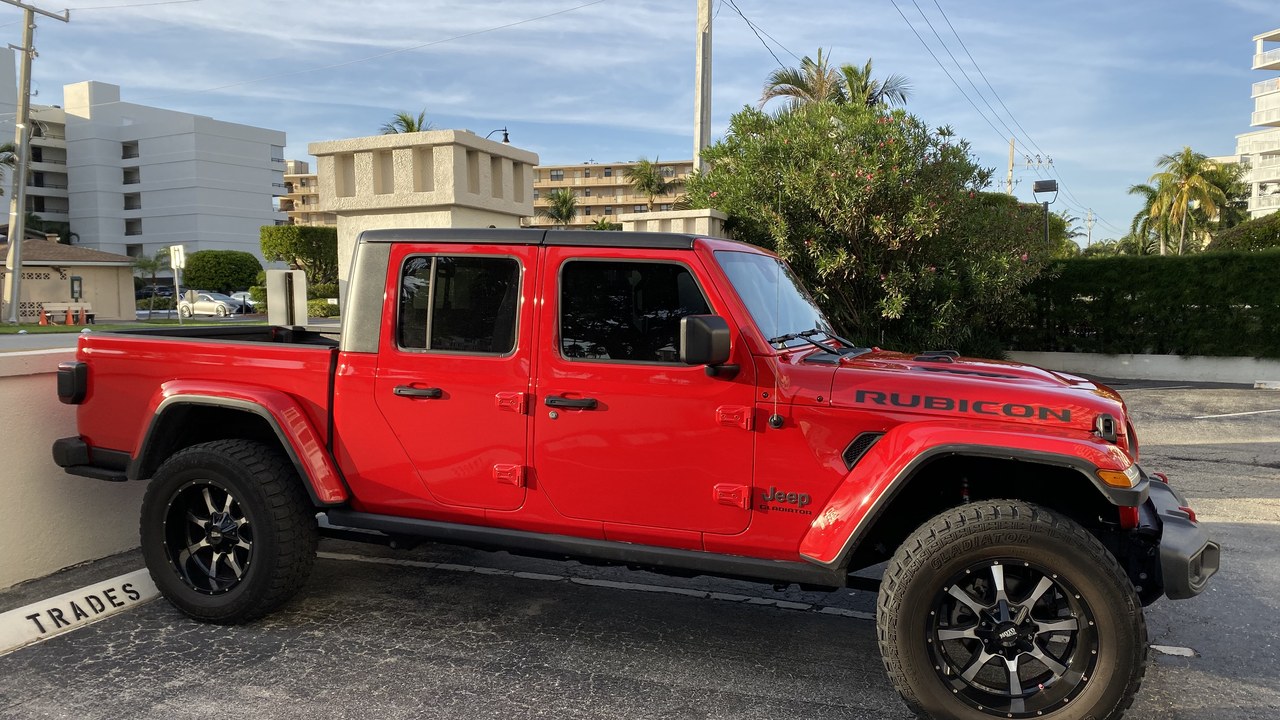
Jeep launched the Gladiator for 2020 on Wrangler JL underpinnings, solid axles front and rear included. The JT-generation Jeep Gladiator inherited the front-axle oscillation that Wrangler owners call death wobble, and its first model years drew a series of recalls covering clutch, driveline and axle hardware.
None of that dooms a well-maintained example, but it concentrates the risk in the earliest build years, which are now the cheapest ones on the used lot. Documented service history is a better guide to a Gladiator’s remaining life than the odometer reading.
8. GMC Canyon: An Engine Family Under Strain

Built from 2004 to 2012, the first Canyon launched with General Motors’ Atlas engines, a 2.8-liter four-cylinder and a 3.5-liter inline-five later enlarged to 2.9 and 3.7 liters. The four-cylinder was the weak link in the first-generation GMC Canyon, thin on torque for the truck’s weight and working hard whenever the bed was loaded or a trailer hitched.
Cylinder-head cracking on those engines drew owner complaints and litigation, and the repair routinely costs more than a high-mileage Canyon is worth. The 2015 redesign moved to a sturdier 2.5-liter four and a 3.6-liter V6, and it is the generation worth shopping.
9. Chevrolet Colorado: The Twin With The Same Flaw

Assembled beside the Canyon at Shreveport, Louisiana, the 2004 to 2012 Colorado shares its badge-twin’s mechanical story. The first-generation Chevrolet Colorado used the same Atlas four-cylinder and inline-five, and attracted the same cylinder-head and gasket complaints, with valve-seat wear reported on early examples worked hard or run low on coolant.
Cabin hardware aged poorly too, and the truck was never engineered to the standard of the full-size Silverado sold alongside it. The second generation arrived for 2015 as a materially different vehicle and should not be judged on the first one’s record.
More from Morning Overview
