
A handful of meteorites landed with such mass that nobody ever managed to haul them away. Iron survives the fall far better than stone, so most of these are solid metal fragments weighing tens of thousands of kilograms apiece. Here are nine of the heaviest single meteorite masses ever recovered, several still resting exactly where they fell.
1. Hoba meteorite: Never Moved From Where It Landed
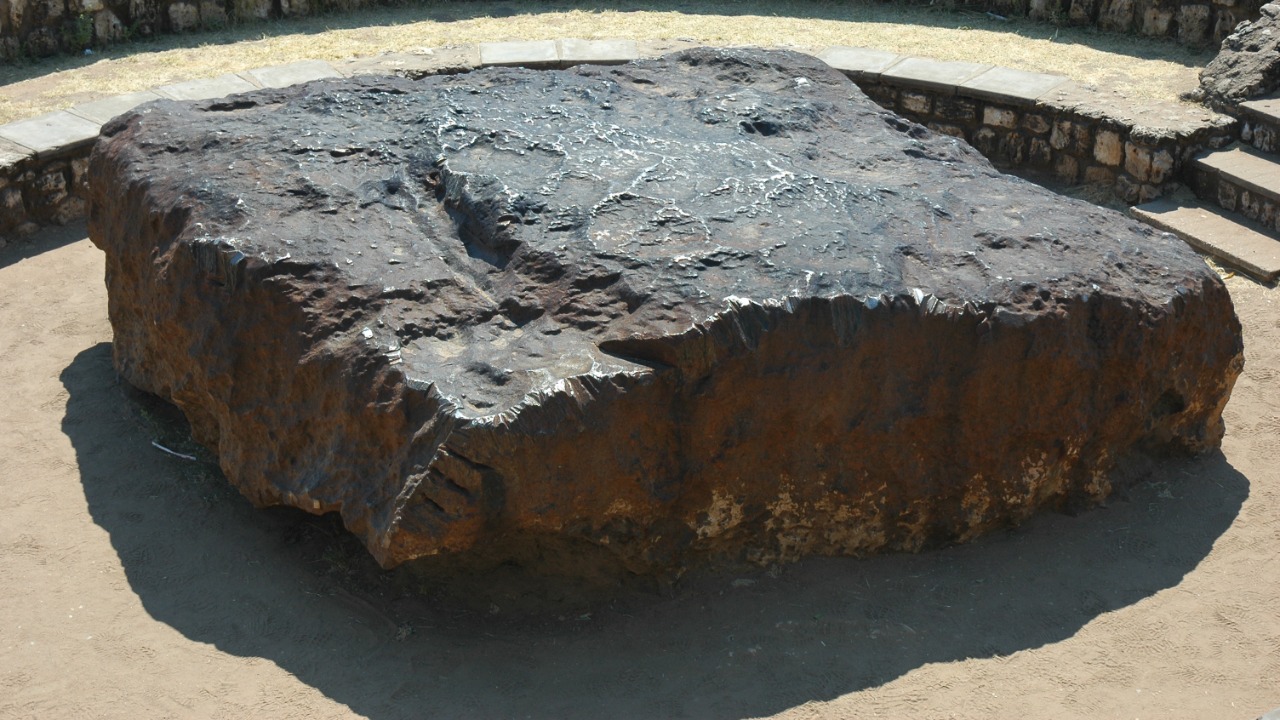
The Hoba meteorite fell onto a farm field near Grootfontein, Namibia, and at an estimated sixty tonnes remains the most massive single meteorite ever found on the planet. Its broad, flat iron-nickel slab is wide enough for a small crowd to stand on at once, the low shape credited with letting it survive atmospheric entry rather than breaking apart before impact.
No crane capable of lifting that much iron has ever reached the remote farmland, so the meteorite has stayed where it landed rather than moving into a museum like most specimens. Namibia built a viewing amphitheater around the rock and named the site a national monument, turning the impossibility of moving it into the main tourist draw.
2. Ahnighito: Anchored Into Manhattan Bedrock
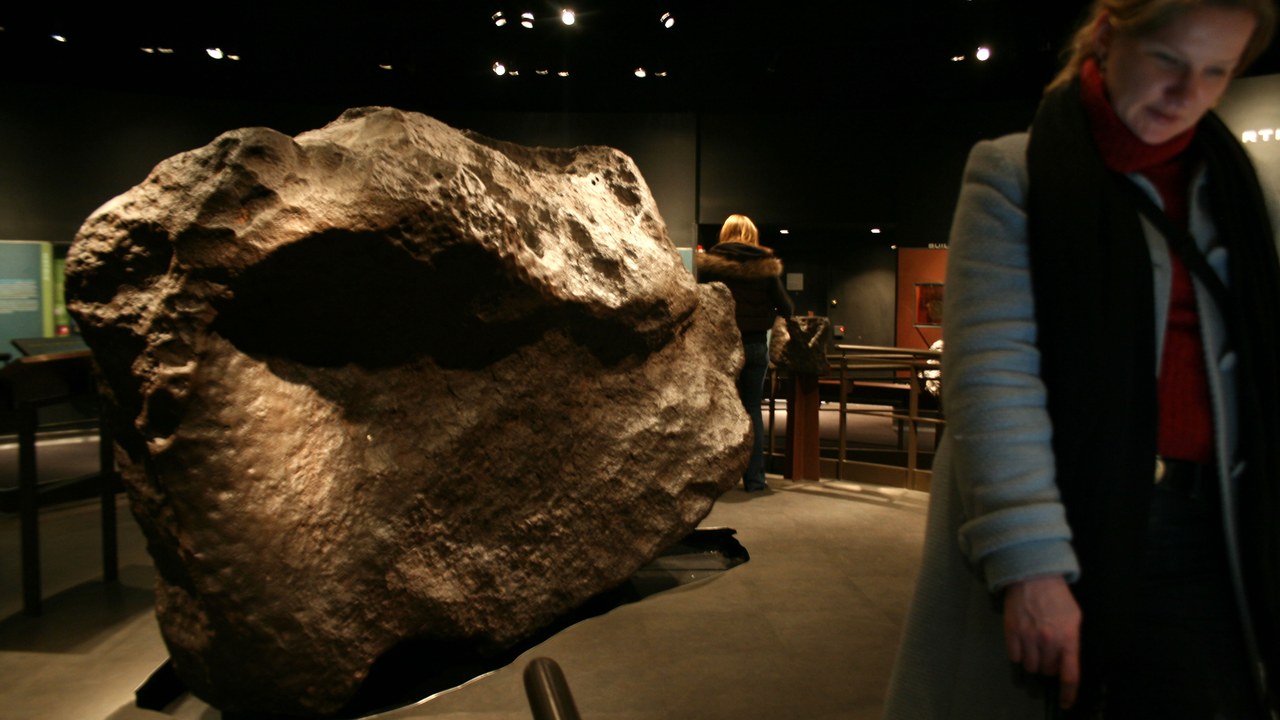
Ahnighito is the largest fragment of the Cape York meteorite, a roughly 30,880-kilogram iron mass that explorer Robert Peary spent years hauling out of northern Greenland before it was shipped to New York and installed at the American Museum of Natural History. Because ordinary flooring could never bear that much weight, engineers built supports that pass straight through the building and down into Manhattan’s bedrock.
The mass sits on public display in the museum’s meteorite hall, where visitors are still allowed to touch its cold metal surface, worn smooth in places by decades of hands. Its journey from a Greenland ice field to a Manhattan basement pier remains one of the more dramatic recovery stories on this list.
3. Bendegó meteorite: Survived The Fire That Gutted Its Museum
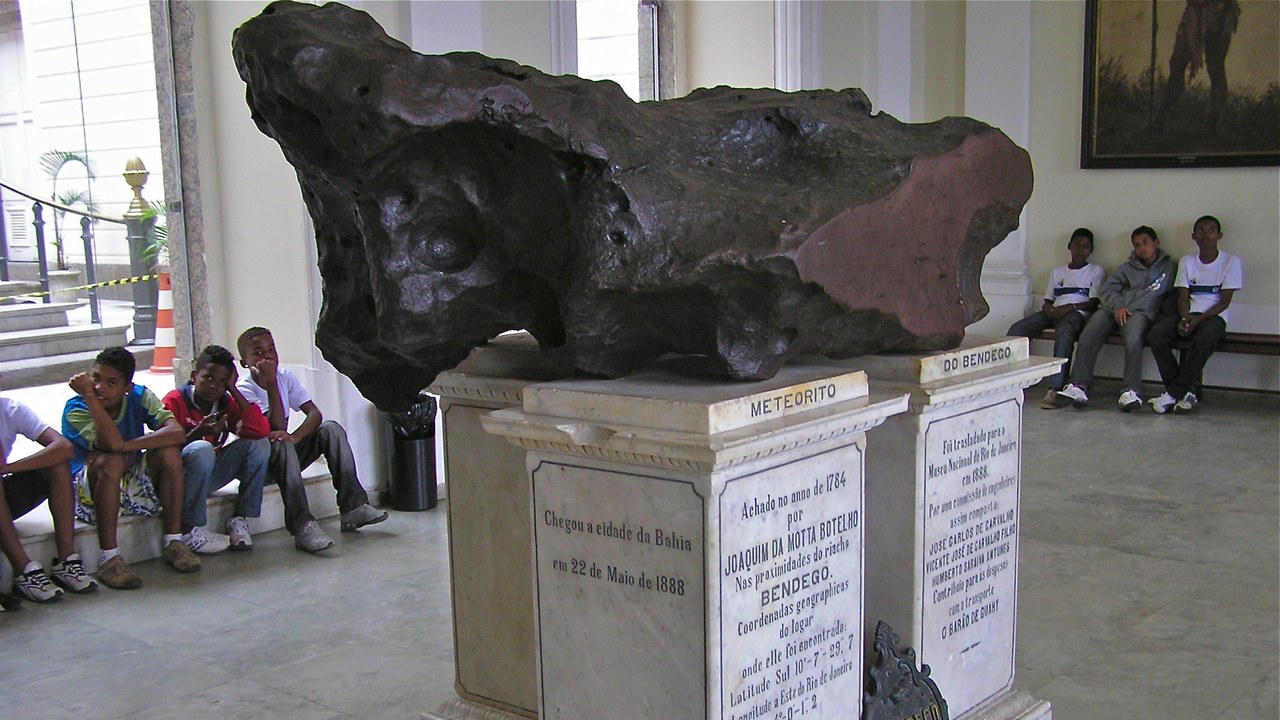
The Bendégó meteorite is a roughly 5.3-tonne iron mass discovered in 1784 in the backlands of Bahia, Brazil, making it one of the largest single meteorite fragments ever recovered in South America. An 1888 expedition hauled the mass overland and by rail to Rio de Janeiro, where it was installed at the Museu Nacional.
The meteorite has sat in the museum’s entrance hall ever since, too heavy to move again once it arrived. When a catastrophic fire tore through the building in 2018 and destroyed nearly twenty million other items in the collection, the iron mass survived essentially untouched, later becoming a symbol of the museum’s slow reconstruction.
4. Mundrabilla meteorite: Two Giant Masses Found On A Treeless Plain
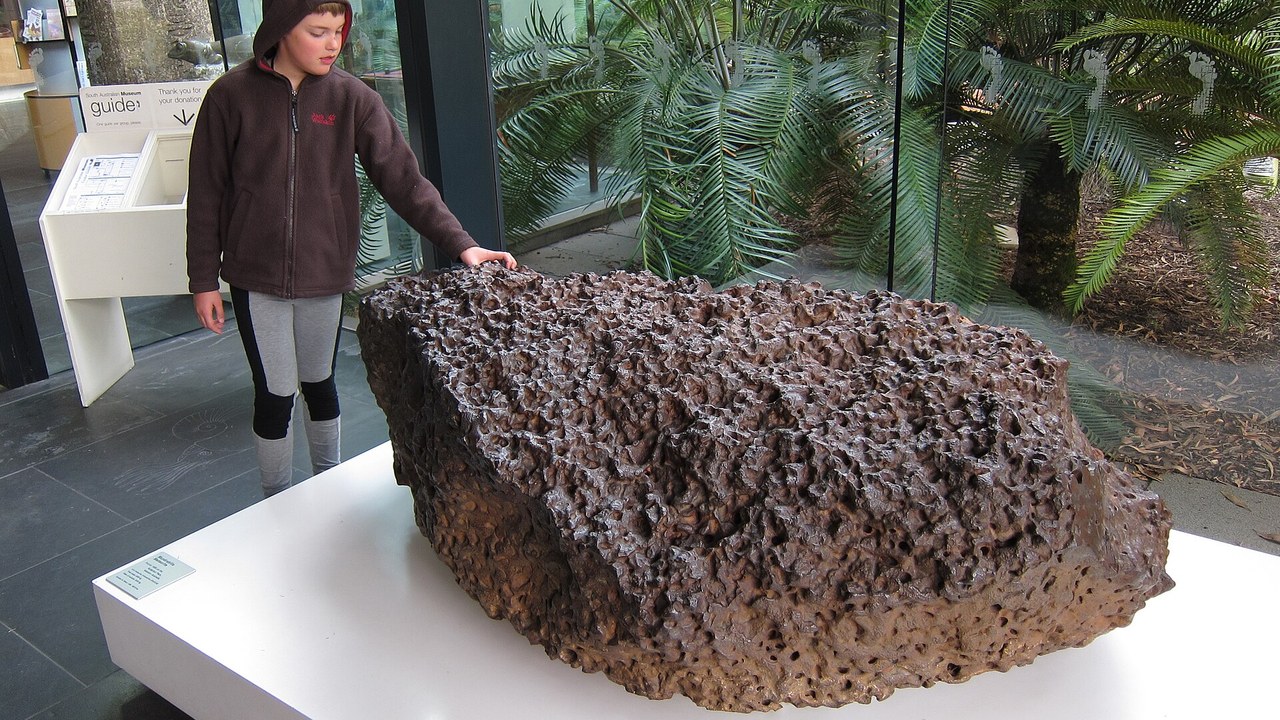
The Mundrabilla meteorite is an iron mass discovered in 1966 on the Nullarbor Plain in Western Australia, one of the flattest, most treeless stretches of land on the continent. Prospectors eventually recovered two main fragments weighing roughly 12.4 tonnes and 6 tonnes, ranking among the largest single meteorite masses ever pulled from the ground, now held partly by the Western Australian Museum.
The pair remain among the heaviest iron masses ever recovered anywhere, rivaling far more famous finds despite sitting on a remote plain that sees few visitors. Researchers still study the site for smaller fragments scattered by the same ancient fall, but the two main masses have never been reunited in a single public display.
5. Armanty meteorite: Hauled Across China To A Museum Courtyard
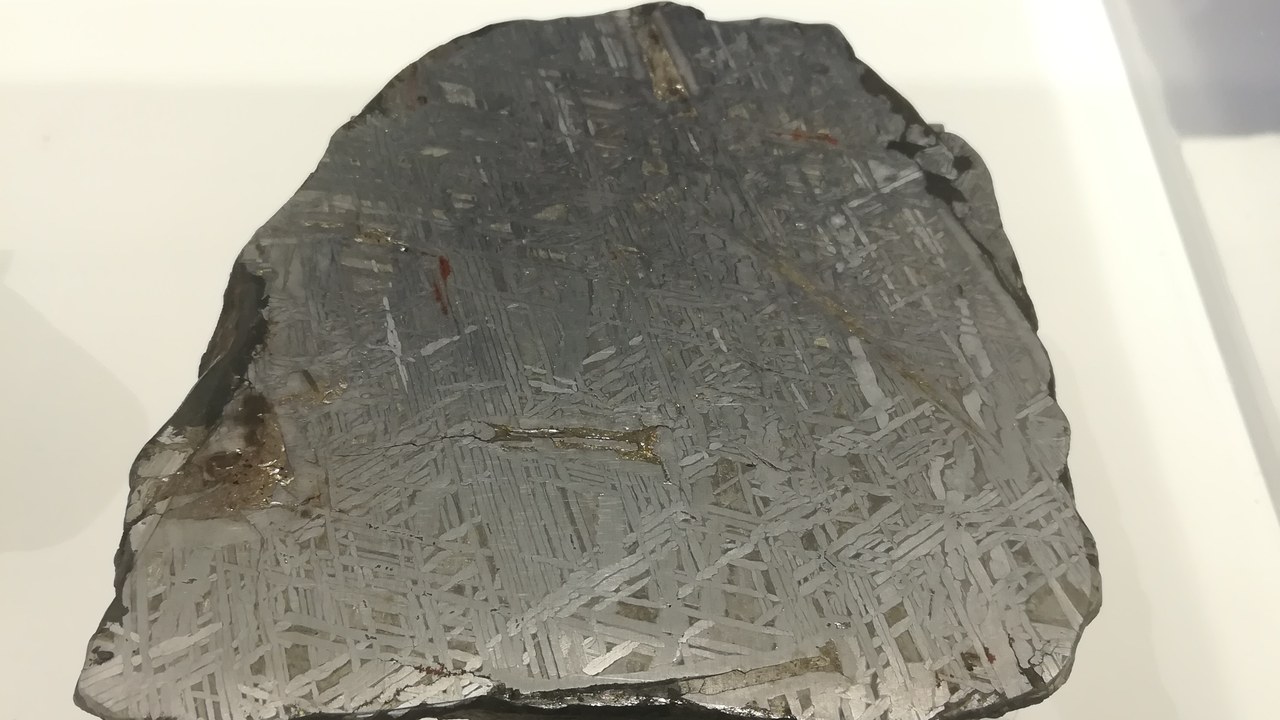
The Armanty meteorite is a 28,000-kilogram iron mass that gave its name to China’s Aletai strewn field before being trucked to Urumqi in 1965 and installed outside the Xinjiang Geological and Mineral Museum. It was the founding discovery that led researchers to search the surrounding region for related fragments scattered by the same ancient fall.
Later surveys turned up additional pieces of the same fall scattered across the Altay region, but none matched the original mass, which still anchors the museum courtyard as the centerpiece of its meteorite collection. Visitors can walk right up to the pitted iron surface, running a hand across scars left by its plunge through the atmosphere long before recorded history began.
6. Bacubirito meteorite: The Longest Meteorite Ever Found
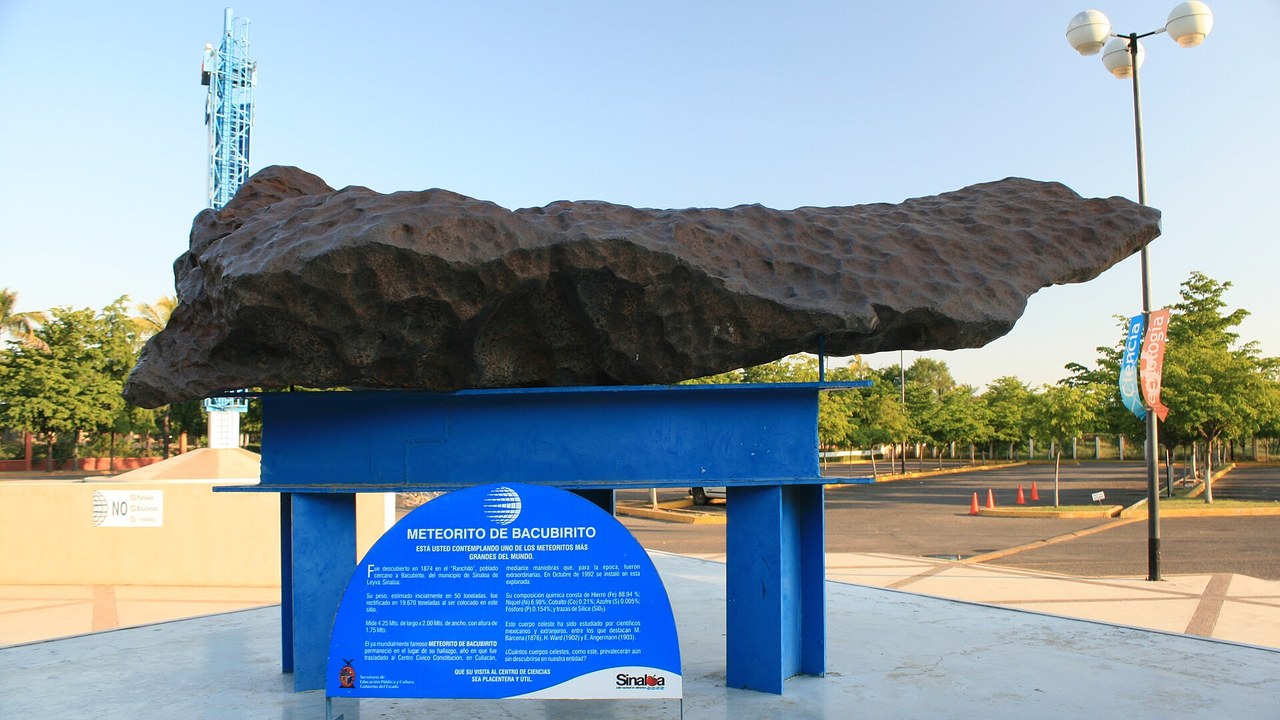
The Bacubirito meteorite is an iron mass of roughly 21 tonnes that holds the record as the longest meteorite ever found anywhere on Earth, stretching far longer than it is wide or tall. It is now displayed indoors at Mexico’s Centro de Ciencias de Sinaloa, inside a climate-controlled sanctuary built specifically to house it.
The elongated, almost boat-like shape sets it apart from most large meteorites, which tend to be blocky rather than stretched out. Because moving something that size risked damaging it further, engineers built the museum’s climate-controlled room around the mass rather than trying to fit the meteorite through a standard doorway once it was already inside the building.
7. Mbozi meteorite: Protected On A Tanzanian Hillside
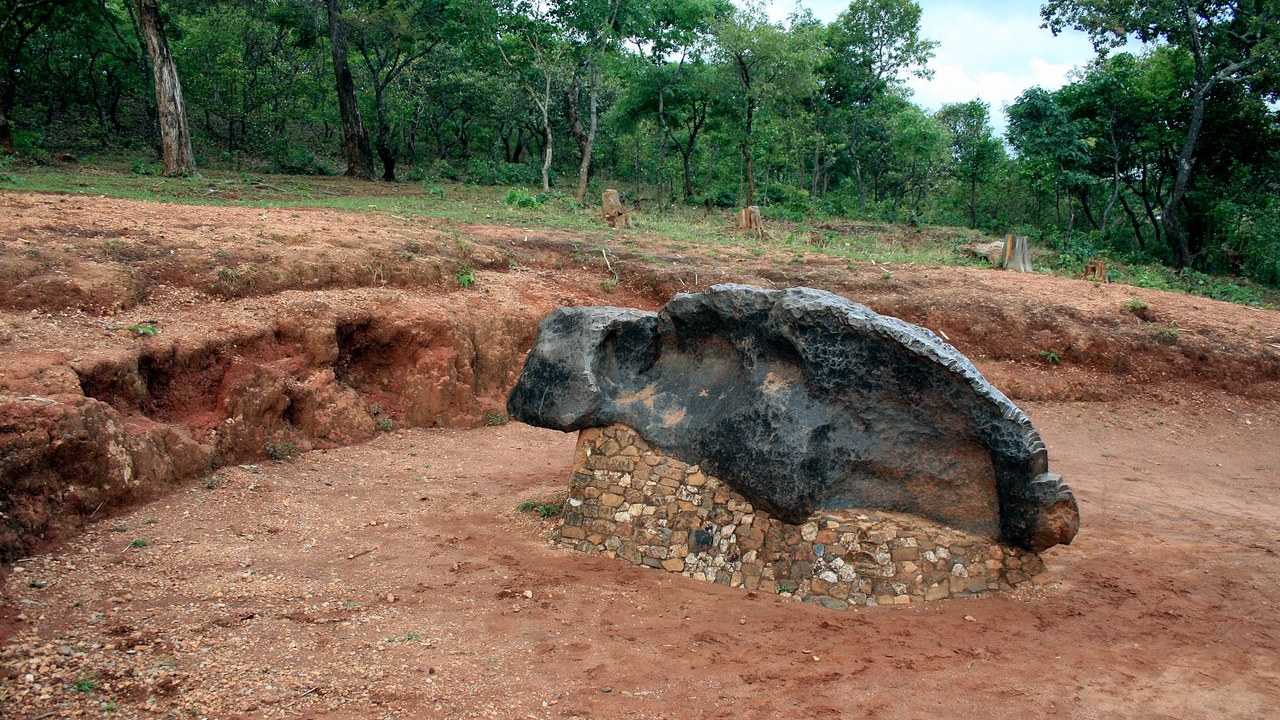
The Mbozi meteorite is an estimated 25-tonne iron mass resting on a hillside in southern Tanzania, one of the largest single meteorites ever documented on the African continent. The Tanzanian government declared the site a protected national monument in 1967, formally recognizing it as a landmark rather than leaving it as an unmarked curiosity.
Local communities knew the rock for generations before that formal recognition, and it remains a visited landmark today, drawn to by both researchers studying the fall and travelers curious to see an iron mass that size sitting in the open. No structure was ever built to enclose it, so the meteorite still rests exposed to the weather much as it has for years.
8. Willamette Meteorite: Sacred To The Confederated Tribes
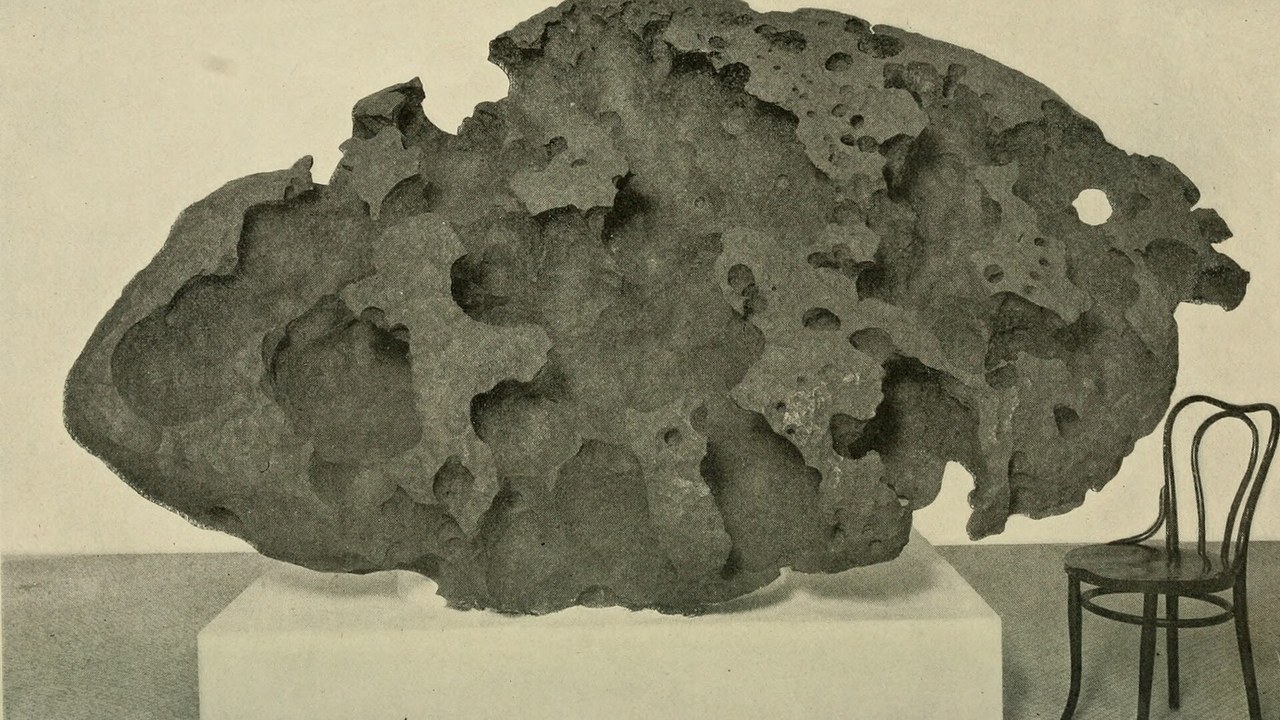
The Willamette Meteorite is a 15.5-tonne iron mass that remains the largest meteorite ever found within the United States, discovered in Oregon before eventually going on display at the American Museum of Natural History. Deep cavities pit its surface, carved out over centuries as rainwater dissolved softer minerals mixed into the iron.
To the Confederated Tribes of Grand Ronde it is known as Tomanowos, a sacred object central to tribal ceremony long before it was removed from Oregon and shipped east. The museum and the tribe now share a formal agreement allowing an annual ceremonial visit, an arrangement that followed years of legal dispute over who truly owned the mass.
9. Agpalilik meteorite: Nicknamed The Man In Copenhagen
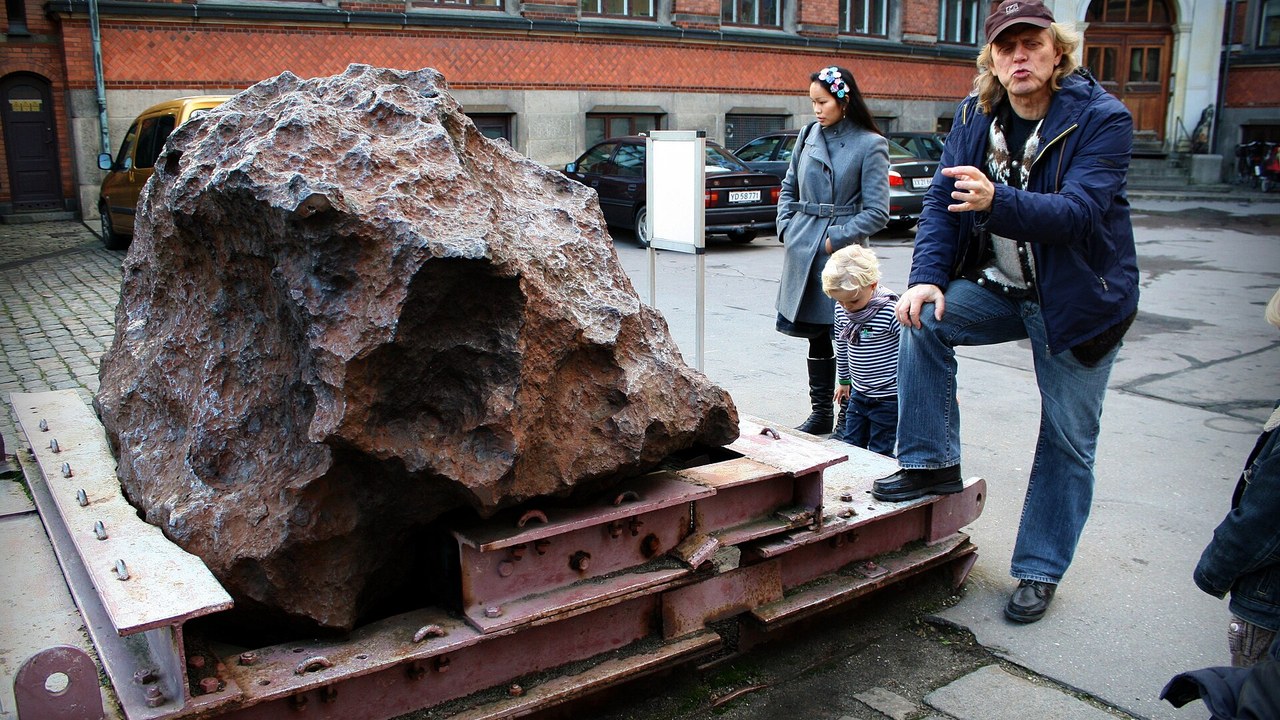
Agpalilik is a 20,140-kilogram fragment of the Cape York meteorite, found in Greenland in 1963 and later shipped to Denmark, where it earned the nickname the Man for its towering, humanlike silhouette. It now stands on outdoor display outside the Natural History Museum of Denmark in Copenhagen.
Passersby can walk right up to touch the fragment, one of several large Cape York pieces scattered between Greenland and museum collections abroad after decades of expeditions to the strewn field. Unlike its larger sibling Ahnighito, which sits inside a New York museum hall, the Man remains outdoors year-round, exposed to Copenhagen’s weather on a plaza near the museum entrance.
More from Morning Overview
- The FBI tells phone owners to delete these toll-payment texts draining accounts nationwide
- Herbal supplements are landing Americans in the hospital with liver damage, doctors warn
- Long-term use of common heartburn pills is linked to kidney and dementia risk
- 9 pickup trucks with a reputation for falling apart after 100,000 miles
