
Sedan buyers no longer have to choose between four doors and genuinely explosive acceleration. Turbocharging, supercharging and electric drive have pushed the quickest four-doors into territory that once belonged to mid-engined exotics. Here are nine sedans that treat a standing start as a demonstration of engineering rather than a formality.
1. BMW M5: The Plug-In Hybrid Heavyweight
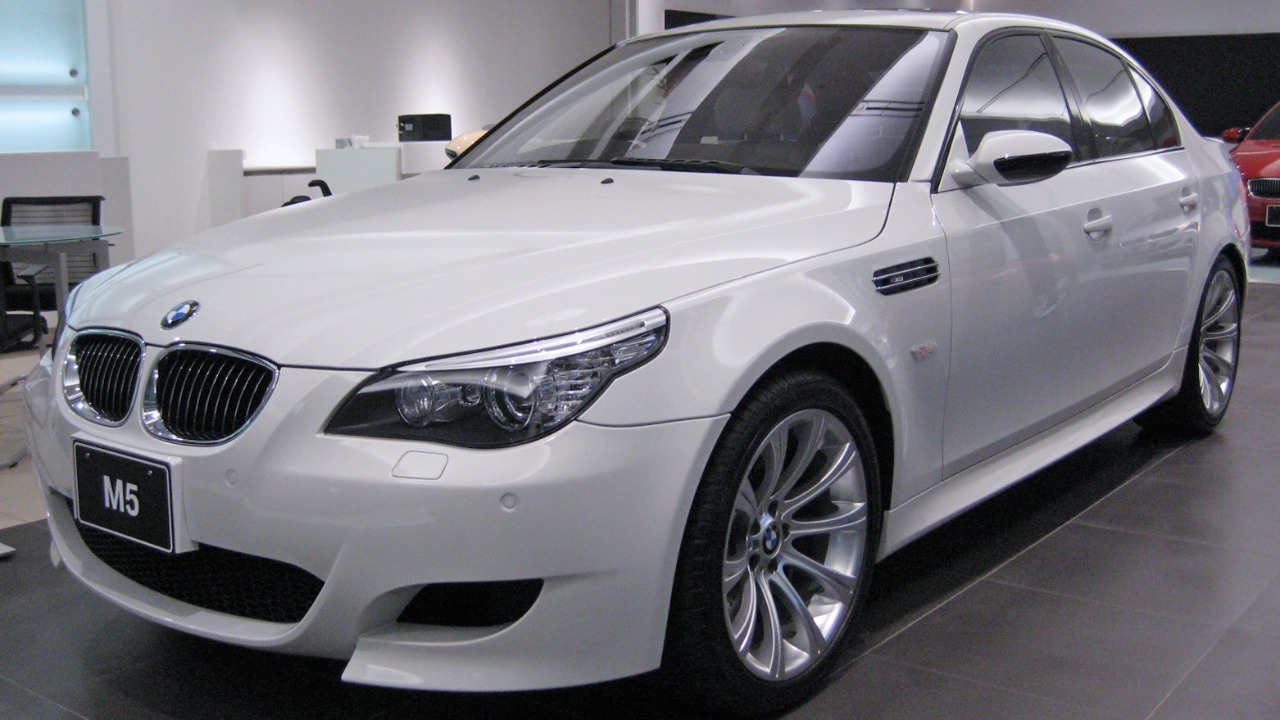
The latest M5 pairs a twin-turbocharged V8 with an electric motor built into its transmission, a plug-in hybrid layout that lifts combined output above 700 horsepower. All-wheel drive, launch control and instant electric torque fill let the hybrid super-sedan reach 60 mph in roughly three and a half seconds, depending on surface and testing method.
That capability arrives with mass. The battery pack pushes curb weight well past two tons, and brake and tyre wear scale with it. A short electric-only commuting range offsets some of the fuel bill, but the running costs of a heavy performance hybrid are not trivial.
2. Mercedes-AMG E63: Hand-Built Twin-Turbo V8
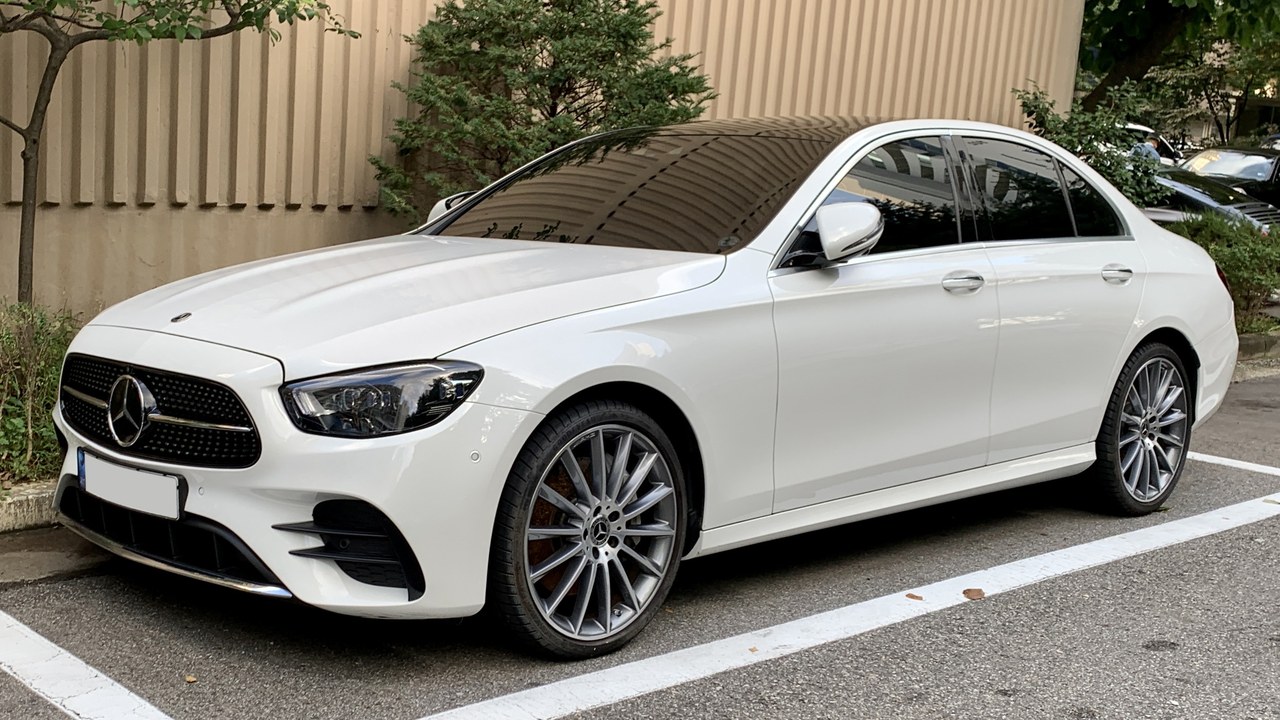
Mercedes-AMG built its reputation on hand-assembled twin-turbocharged V8s, and the E63 S is the template: a 4.0-litre engine sending well over 600 horsepower through all four wheels, with a drift mode that decouples the front axle entirely. Independent tests of the AMG-tuned E-Class have recorded 60 mph in roughly three and a half seconds.
Availability shifts by market and model year as Mercedes reshuffles its performance range and moves toward electrified powertrains, so a dealer order sheet is the only honest guide to what can be configured. The character does not change: an executive saloon that idles quietly, then detonates.
3. Cadillac CT5-V Blackwing: Supercharged And Still Manual
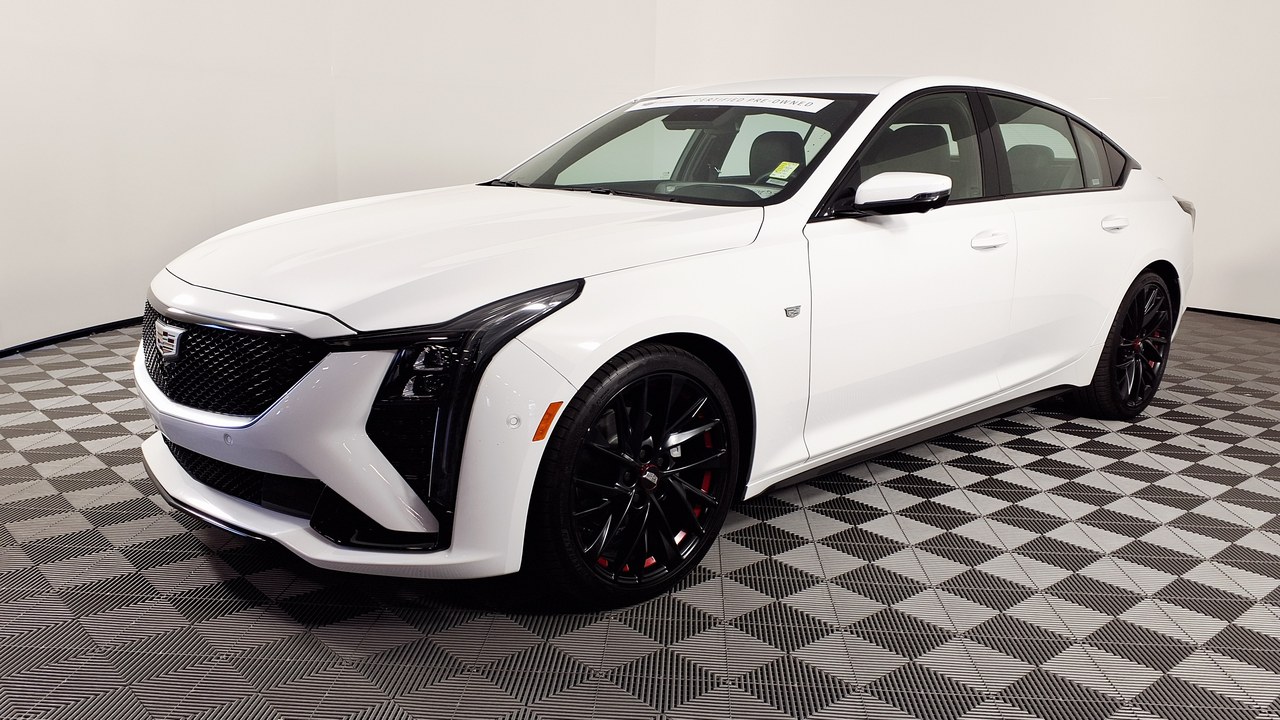
Cadillac’s CT5-V Blackwing is the rare modern super-sedan still offered with a six-speed manual gearbox, bolted behind a supercharged 6.2-litre V8 rated at more than 660 horsepower. Rear-wheel drive costs it ground against all-wheel-drive rivals off the line, yet the supercharged Cadillac sedan still clears 60 mph in the low-three-second range with the automatic.
Choosing the manual surrenders a tenth or two in a straight line and buys something no rival on this list offers at all. Fuel economy is predictably poor, rear tyres are consumables, and the Blackwing remains the most analogue machine here.
4. Audi RS7: Traction Over Theatre
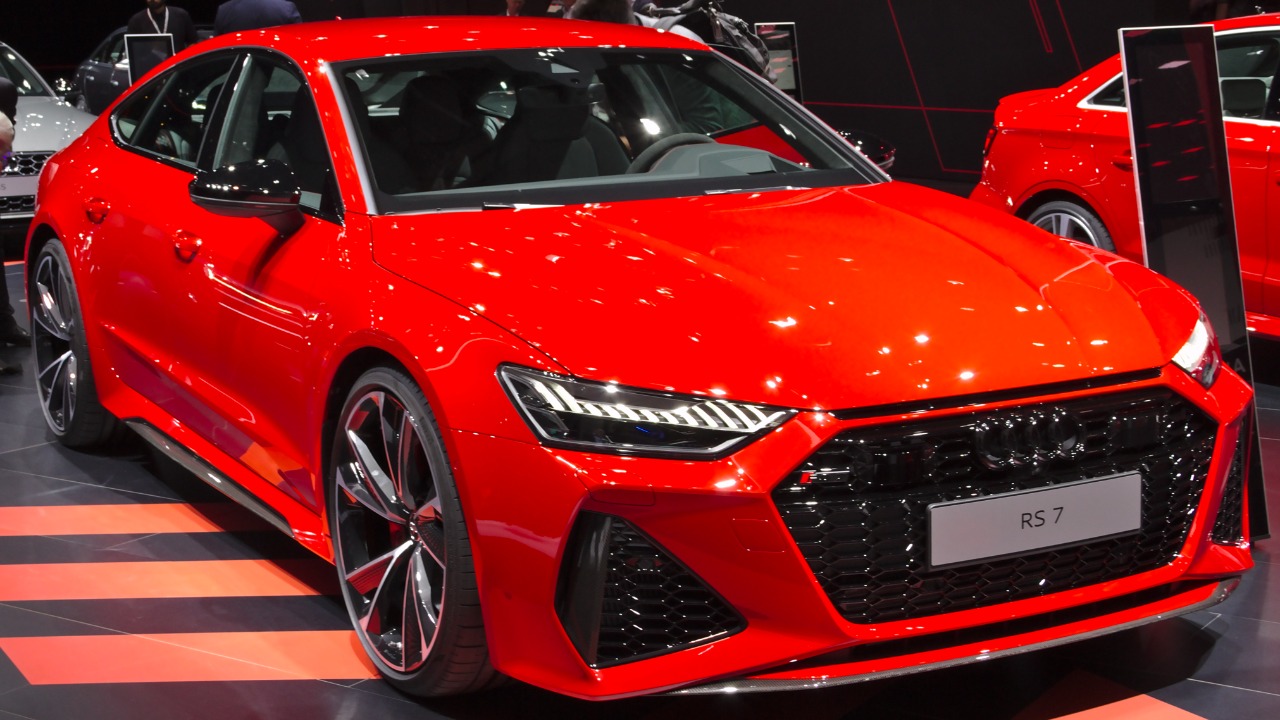
A twin-turbocharged 4.0-litre V8 and a mild-hybrid system sit under the RS7 Sportback’s fastback bodywork, driving all four wheels through the quattro system that made the brand’s name. Traction is the whole point: the RS7 Sportback puts more than 600 horsepower down cleanly and clears 60 mph in the mid-three-second range with almost no drama.
That composure doubles as the criticism, because the car flatters rather than involves. Audi has narrowed its combustion performance range as electrification advances, so the current configurator, not an old brochure, settles which version can actually be ordered.
5. Porsche Taycan Turbo S: Launch Control On Repeat
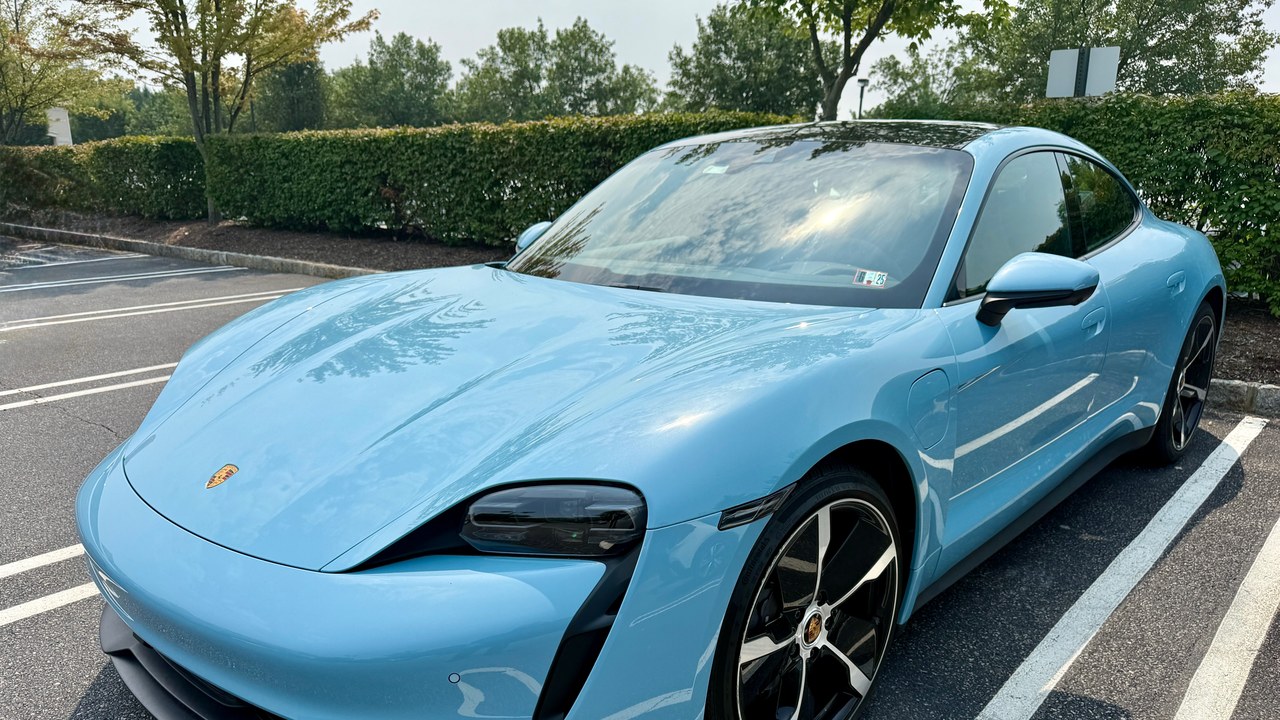
A two-speed rear transmission, unusual among electric cars, keeps the Taycan Turbo S pulling hard at speed instead of tapering off once the motors spin up. Overboost during launch control lifts peak output well beyond 700 horsepower, and the Taycan Turbo S reaches 60 mph in roughly two and a half seconds.
Repeatability is what separates it from many quick electric cars, since the cooling system was engineered to allow consecutive hard launches without a collapse in output. The trade is a high price and a driving range that shrinks quickly whenever that performance is genuinely used.
6. Tesla Model S Plaid: Three Motors, Two Seconds
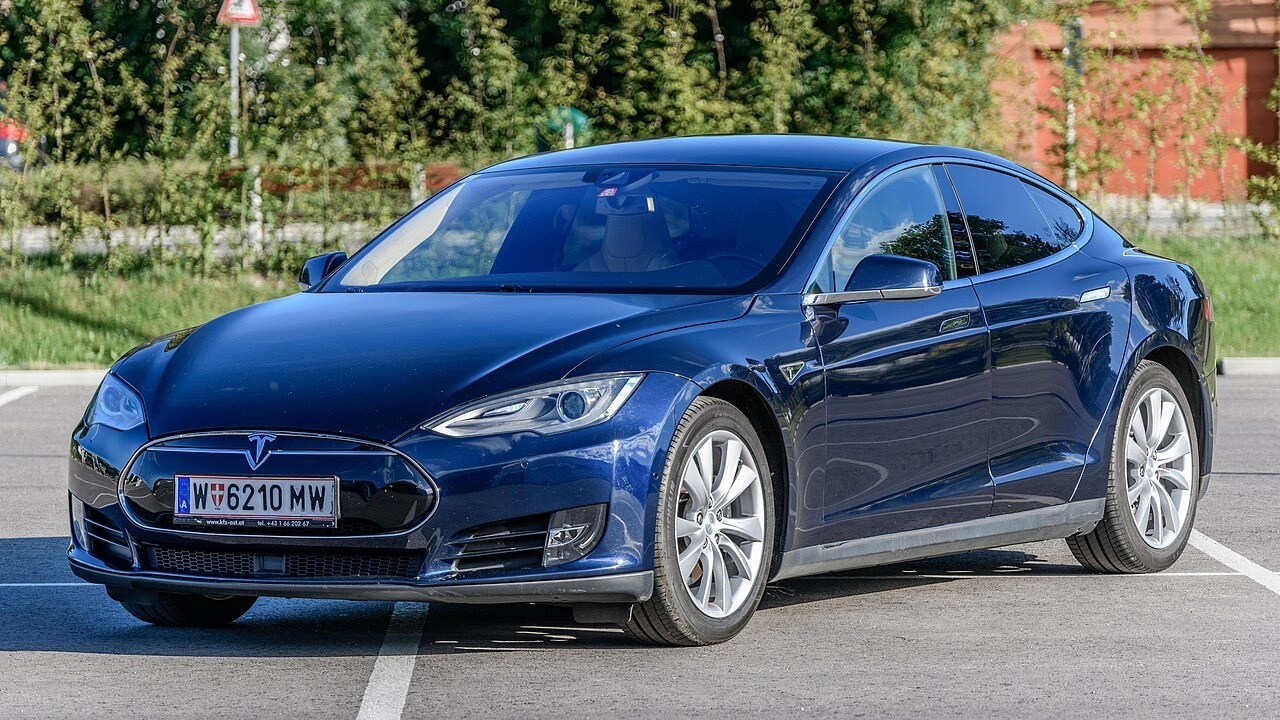
Three motors, one at the front and two at the rear, give the Model S Plaid independent torque control across the back axle and a combined output around 1,020 horsepower. Tesla quotes a 0-60 mph time under two seconds for the tri-motor Model S, a figure that assumes a one-foot rollout allowance and a prepared surface.
Ordinary acceleration remains extraordinary without those conditions. Sustained full-power runs pull hard on the battery’s thermal limits, and consumables wear at a rate the silent cabin does nothing to advertise, with rear tyres the first and most expensive casualty.
7. BMW M3: The Corner-Carving Outlier
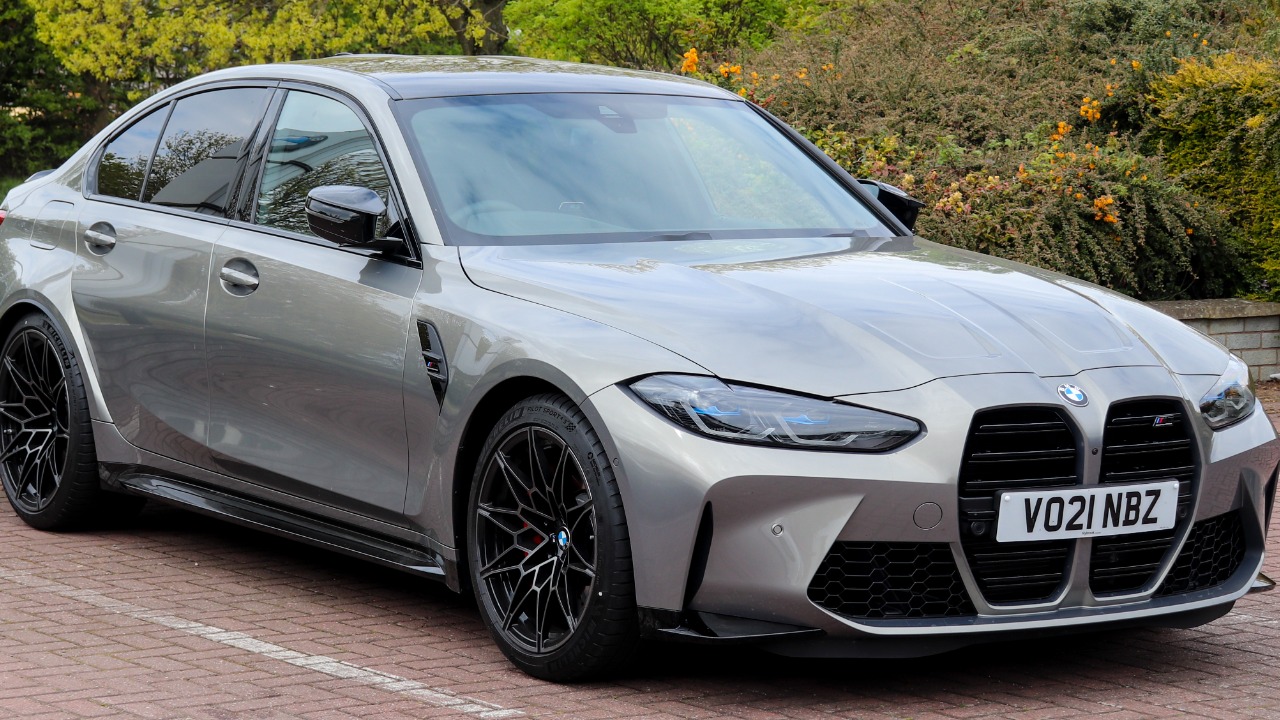
Revving to 7,200 rpm and making just over 500 horsepower, the M3 Competition’s twin-turbocharged inline-six looks modest beside the V8s here until the optional all-wheel-drive system enters the equation. So equipped, the M3 Competition xDrive reaches 60 mph in roughly three and a half seconds while staying the smallest car on this list.
Its real argument begins after the launch. An adjustable rear differential, optional carbon-ceramic brakes and a chassis developed on circuit make the M3 the one sedan here built to reward a full lap rather than a single quarter-mile.
8. Dodge Charger: American Brute Force
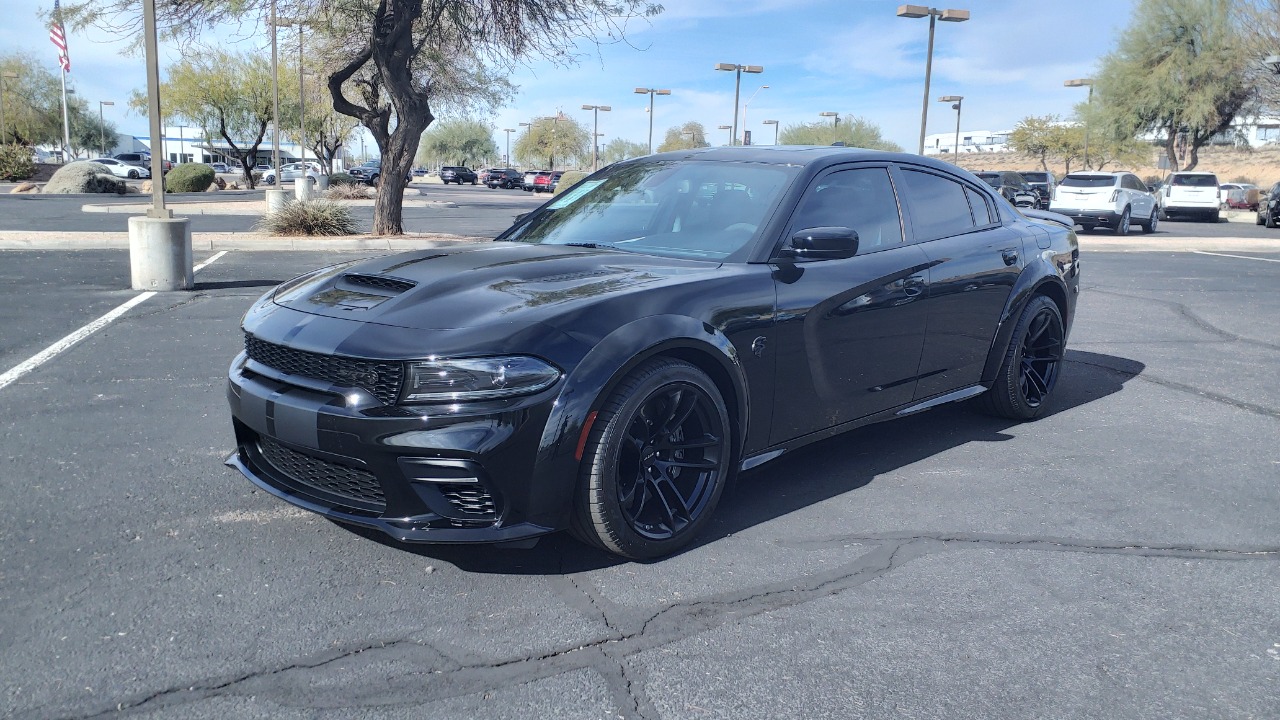
Straight-line violence is the Charger’s inheritance, delivered by supercharged 6.2-litre Hellcat V8s whose most extreme Redeye versions were rated above 790 horsepower and hit 60 mph in the mid-three-second range. No rival matched the sheer noise of the Hellcat muscle sedan doing it.
Dodge has since moved the nameplate to a new platform, where dual-motor electric and turbocharged inline-six versions chase similar acceleration by very different means. Anyone specifically chasing the supercharged V8 four-door is now shopping the used market, where scarcity has firmed up prices, and where fuel, rear tyre and insurance bills all arrive on the old scale.
9. Lucid Air Sapphire: Twelve Hundred Horsepower Sustained
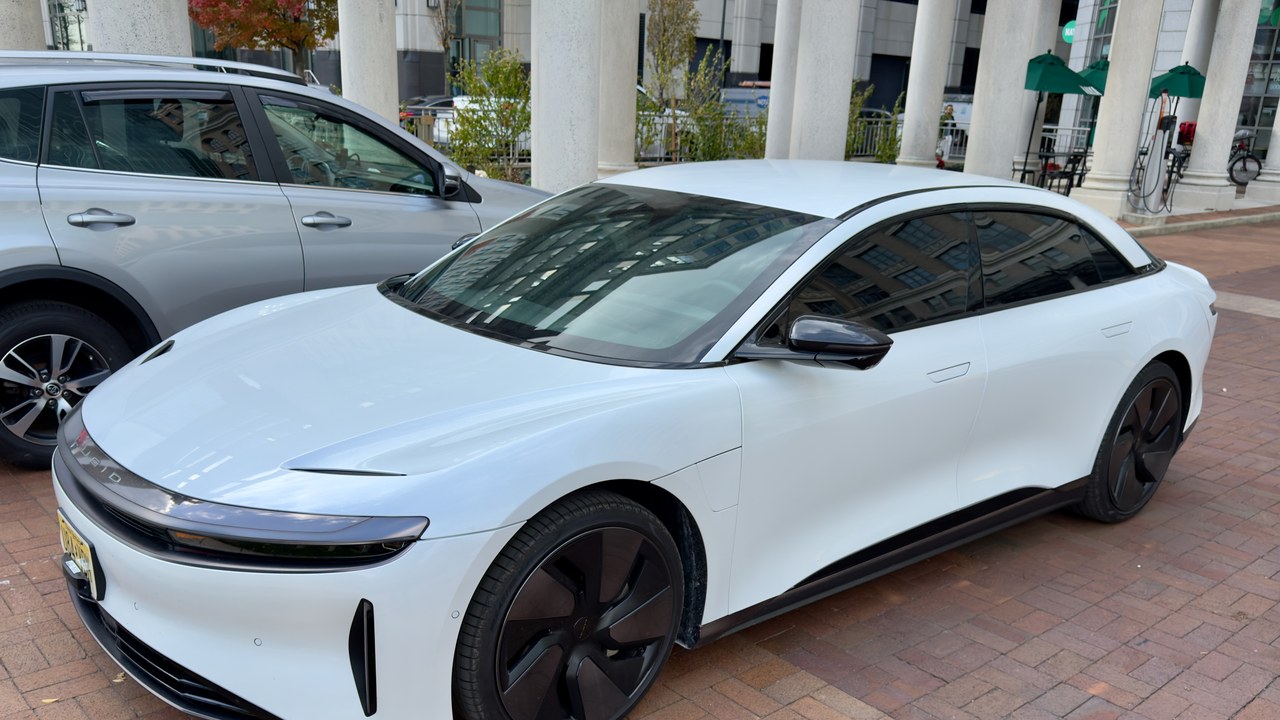
Under the Air Sapphire sit three motors, two of them dedicated to the rear axle, plus a battery and inverter package engineered to sustain more than 1,200 horsepower rather than deliver it once. The tri-motor Lucid sedan is quoted under two seconds to 60 mph, a claim that leans on rollout and ideal conditions like every number in this class.
Efficiency is the genuine surprise. Unusually compact drive units let the Sapphire hold long-distance range despite its output, making it less compromised as daily transport than the headline figures imply. Servicing and tyre costs, however, sit firmly in supercar territory.
More from Morning Overview
- Long-term use of common heartburn pills is tied to kidney and dementia risk
- A California supervolcano has bulged upward about two and a half feet since 1978
- The FTC is warning about a scam quietly draining thousands from victims
- The NSA is again telling phone owners to switch off one location setting
