
American carmakers have chased big ideas for more than a century, and not every gamble paid off. Some models arrived buried under hype, others under lawsuits, and a few simply looked wrong to buyers who never warmed to them. These nine machines earned lasting reputations as cautionary tales.
1. Ford Edsel: Buried Under Its Own Hype
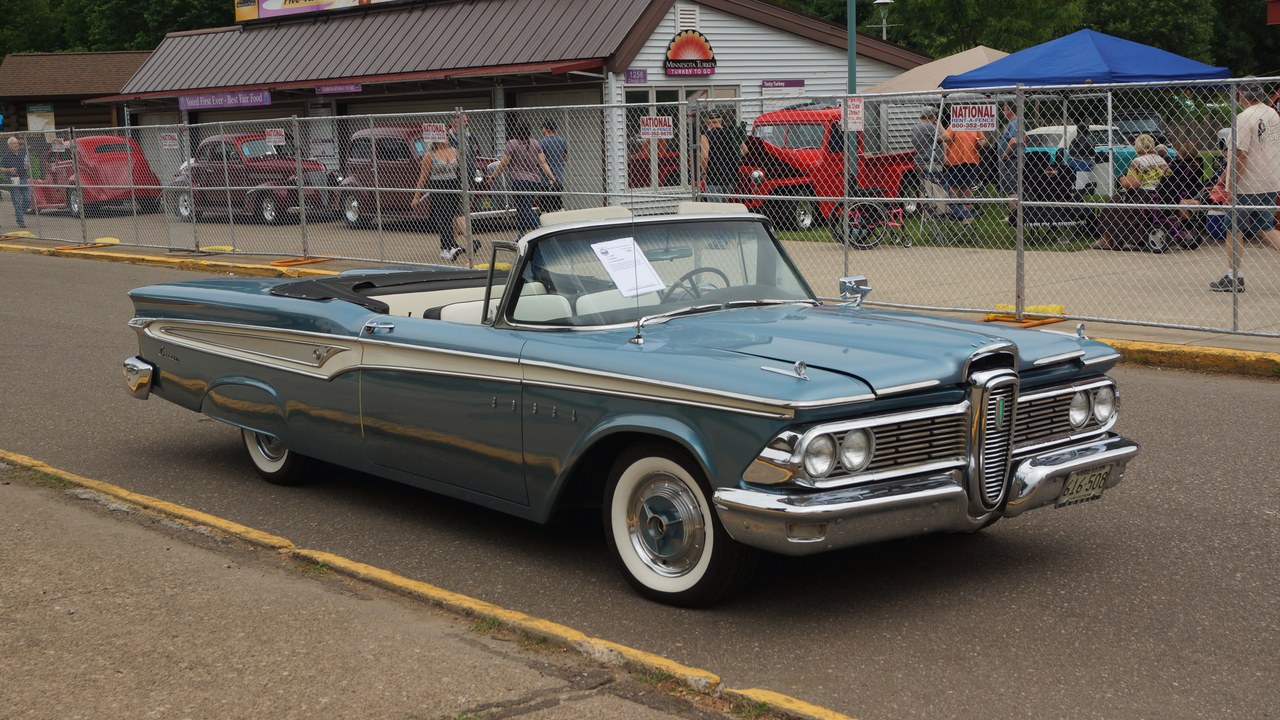
Few launches promised as much and delivered as little as the Edsel, the brand Ford introduced in the late 1950s with breathless marketing and a distinctive vertical grille. Named for Henry Ford’s son, the short-lived Edsel line was pitched as a bold new step, yet buyers stayed away almost immediately.
The much-mocked front end and confused positioning left the venture looking like an expensive miscalculation. Ford absorbed enormous losses before pulling the plug after only a few model years, and the episode became a business-school staple cited whenever a heavily promoted product fails to match its advance billing.
2. Pontiac Aztek: Styling That Became A Joke
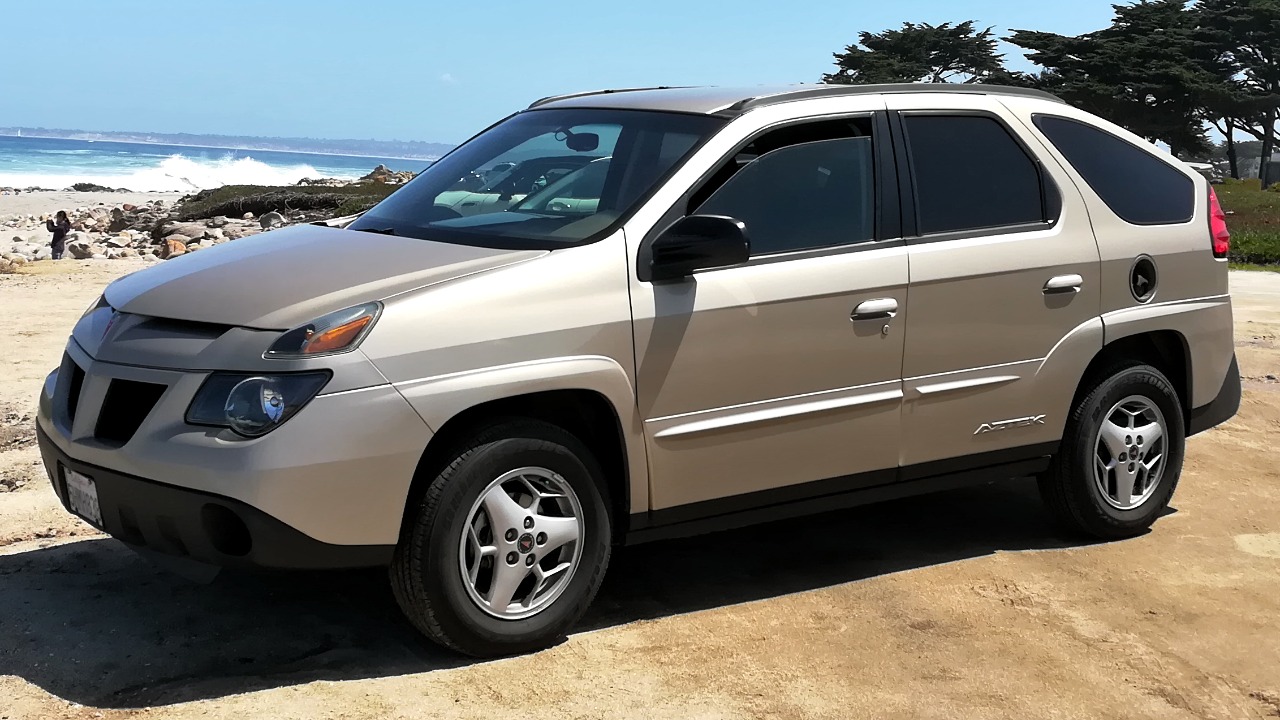
Arriving in the early 2000s, the Aztek was meant to capture younger buyers with a rugged, do-anything crossover, but its awkward proportions turned it into a running punchline. Critics piled on the cladding-heavy body and mismatched angles, and the polarizing Pontiac crossover quickly overshadowed its practical touches.
Even an available tent package could not rescue a shape many shoppers found genuinely off-putting. Sales never reached Pontiac’s hopes, and the model became a frequent entry on worst-looking-car lists. Ironically, a later television role gave the vehicle a second life as a cult curiosity.
3. DMC DeLorean: Stainless Dreams, Sudden Collapse
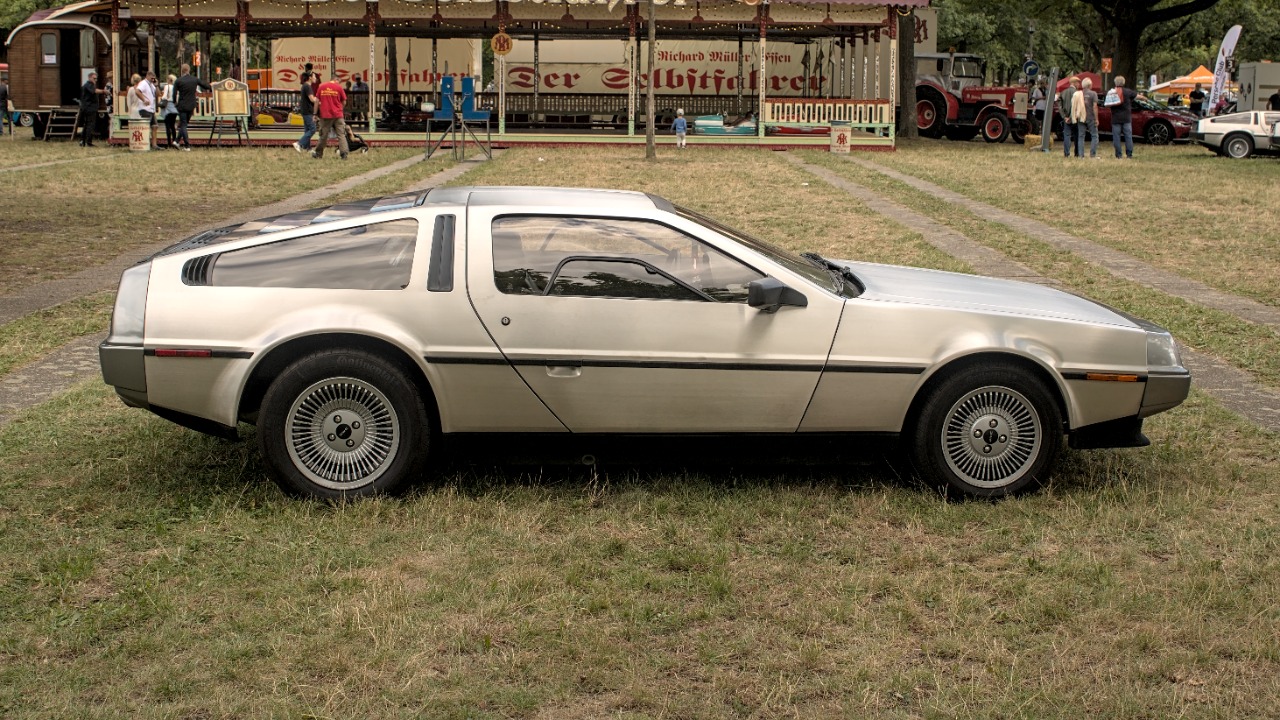
With brushed stainless panels and dramatic gullwing doors, the sports car built by John DeLorean’s company looked like the future when it debuted in the early 1980s. Reality proved harsher, as reviewers found the stainless-bodied DeLorean underwhelming for the price while production troubles piled up fast.
Weak sales could not sustain the young automaker, which slid toward financial ruin within a couple of years of reaching customers. Its downfall was hastened by a highly publicized legal scandal involving its founder. A later movie franchise, however, turned the same vehicle into a beloved icon.
4. Ford Pinto: A Safety Reputation That Stuck
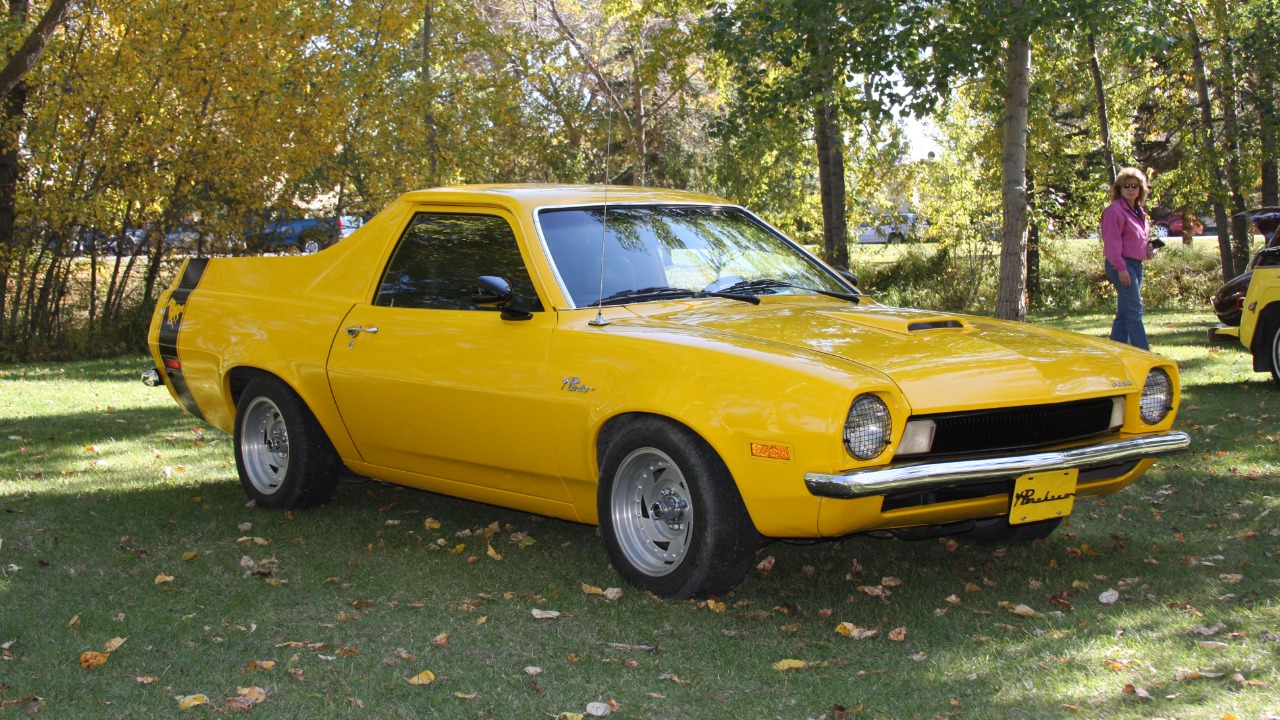
Ford built the Pinto as an affordable subcompact for the 1970s, and early on it sold in large numbers to buyers who wanted cheap, simple transportation. What overshadowed everything else was mounting concern over the rear-tank Ford Pinto and whether it could rupture and ignite in certain collisions.
The resulting controversy and litigation turned a modest economy car into a symbol of corporate risk-weighing gone wrong. Lawsuits and a fierce public debate about safety decisions followed the car for the rest of its life. Its name endured mainly as a cautionary reference in product-liability discussions.
5. Yugo GV: Cheap Price, Cheaper Reputation
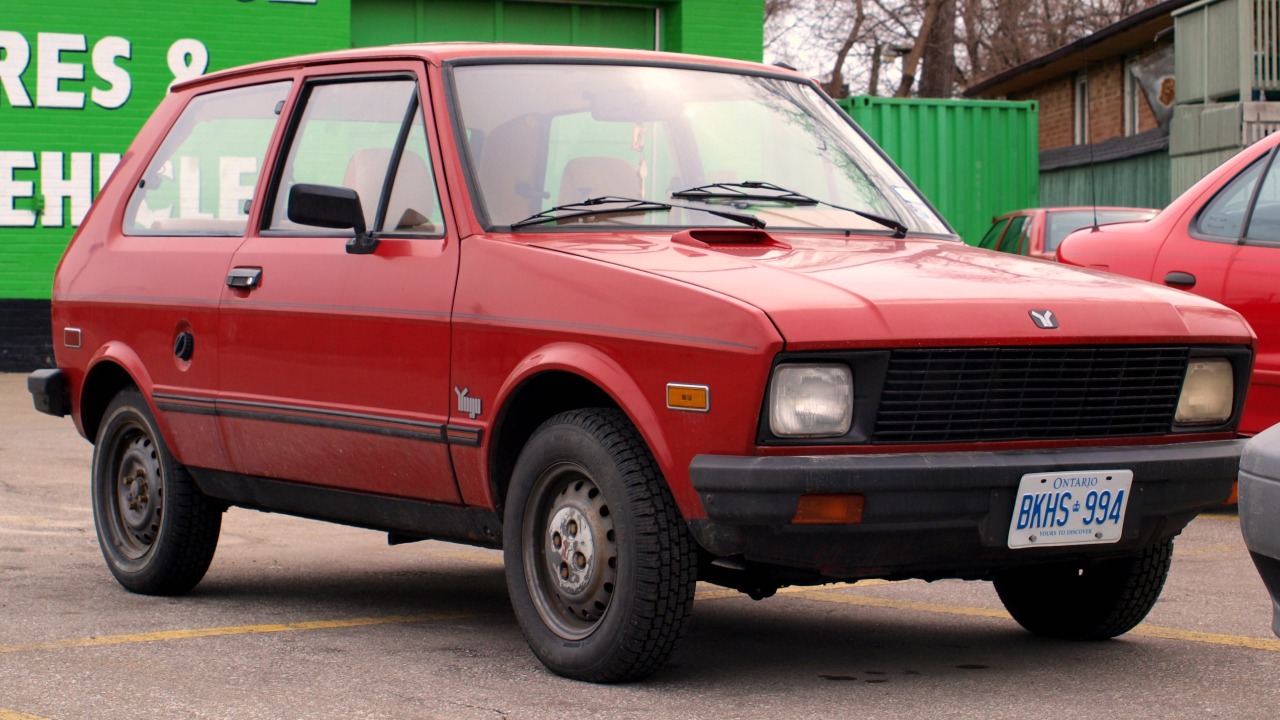
Imported to the United States in the mid-1980s and pitched as the least expensive new car on the market, the Yugo drew crowds with its rock-bottom sticker. The bargain thrill faded once owners reported flimsy build quality, and the budget Yugo hatchback became a national joke.
Spoken as an instant synonym for junk on wheels, the little car saw its reputation collapse almost as fast as it had arrived. Comedians and critics seized on it, sales dried up, and the importer struggled. It took its place in memory less as a car than as a punchline.
6. Chevrolet Vega: Praised Early, Punished Later
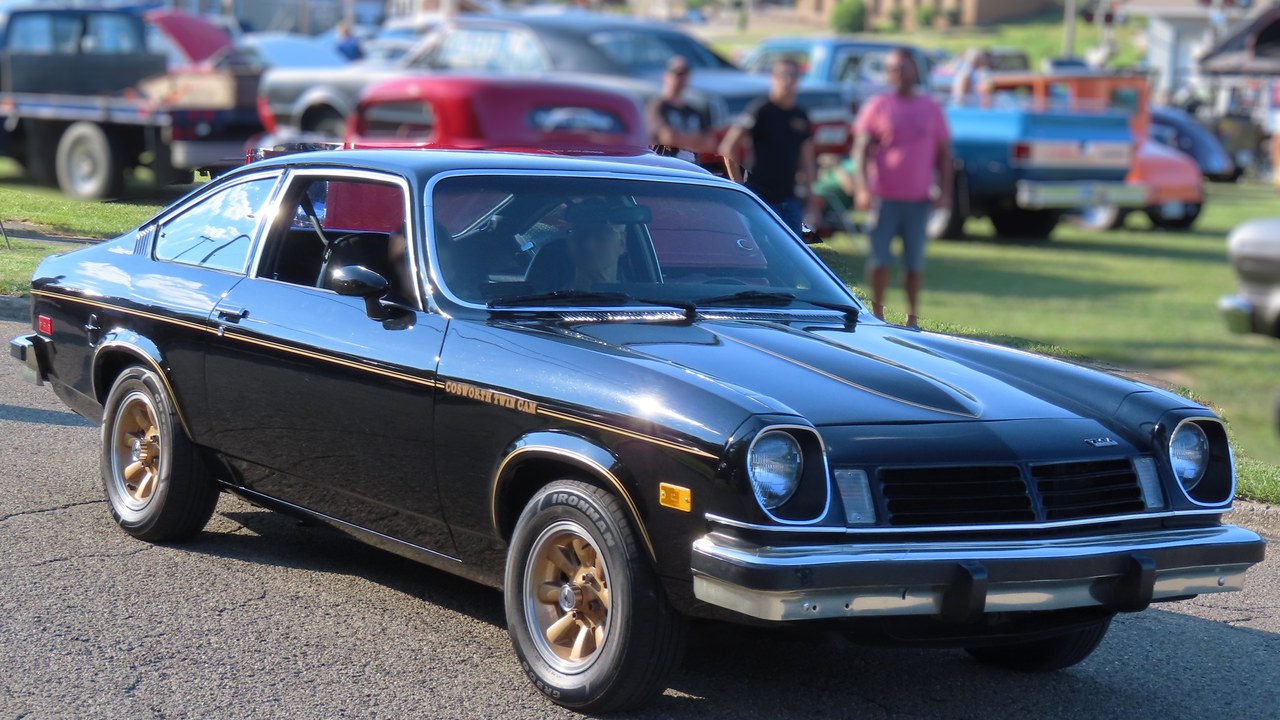
Chevrolet launched the Vega in the early 1970s to great fanfare, and the compact even collected an early award that suggested a bright future. That optimism curdled as owners battled persistent rust and troublesome engine problems, and the rust-prone Chevrolet Vega earned a lasting reputation for premature corrosion.
General Motors made changes over the model’s run, but the damage to its name proved hard to undo. What began as a promising small car is now remembered chiefly as a warning about rushing a vehicle to market before its durability is fully sorted out.
7. Cadillac Cimarron: Luxury Badge, Economy Bones
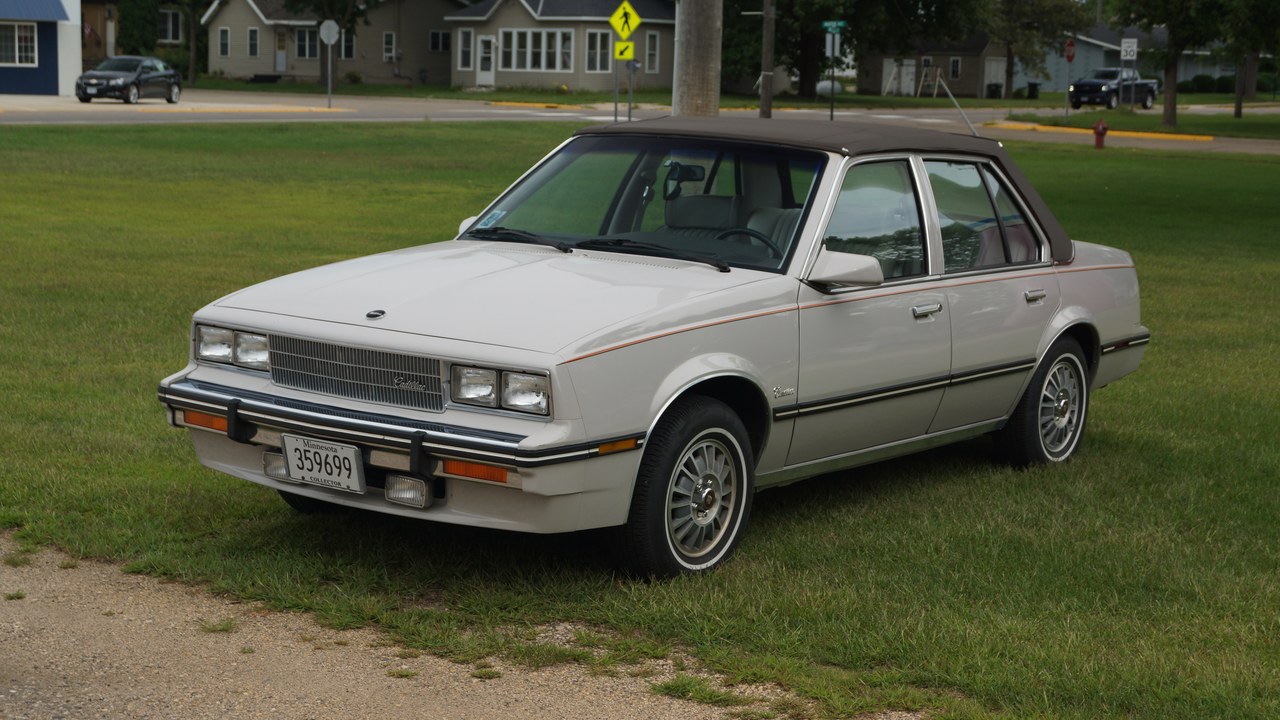
Hoping to answer smaller European luxury sedans, Cadillac rolled out the Cimarron in the early 1980s. The problem was obvious to almost everyone, since the badge-engineered Cadillac Cimarron was a lightly dressed version of a humble compact shared with cheaper GM brands, wearing a premium badge and price.
Buyers and reviewers saw a bargain economy car playing dress-up rather than a genuine Cadillac. The move dented the prestige of a brand that had long stood for American luxury, and the model is frequently cited as a lesson in how not to expand a premium lineup.
8. Chevrolet SSR: A Convertible Truck Nobody Asked For

Chevrolet swung for something different in the mid-2000s with the SSR, a retro-styled pickup that added a retractable hardtop to create a two-seat convertible truck. The blend looked bold on a show stand, yet shoppers struggled to see the point of the convertible Chevrolet SSR, which carried little and cost a lot.
Falling awkwardly between markets, it appealed fully to neither cruiser fans nor working-truck buyers. Slow sales ended the experiment after only a few years. The SSR survives as a curiosity and occasional collector piece, remembered as a stylish idea that never found its audience.
9. AMC Gremlin: The Car With The Chopped Tail
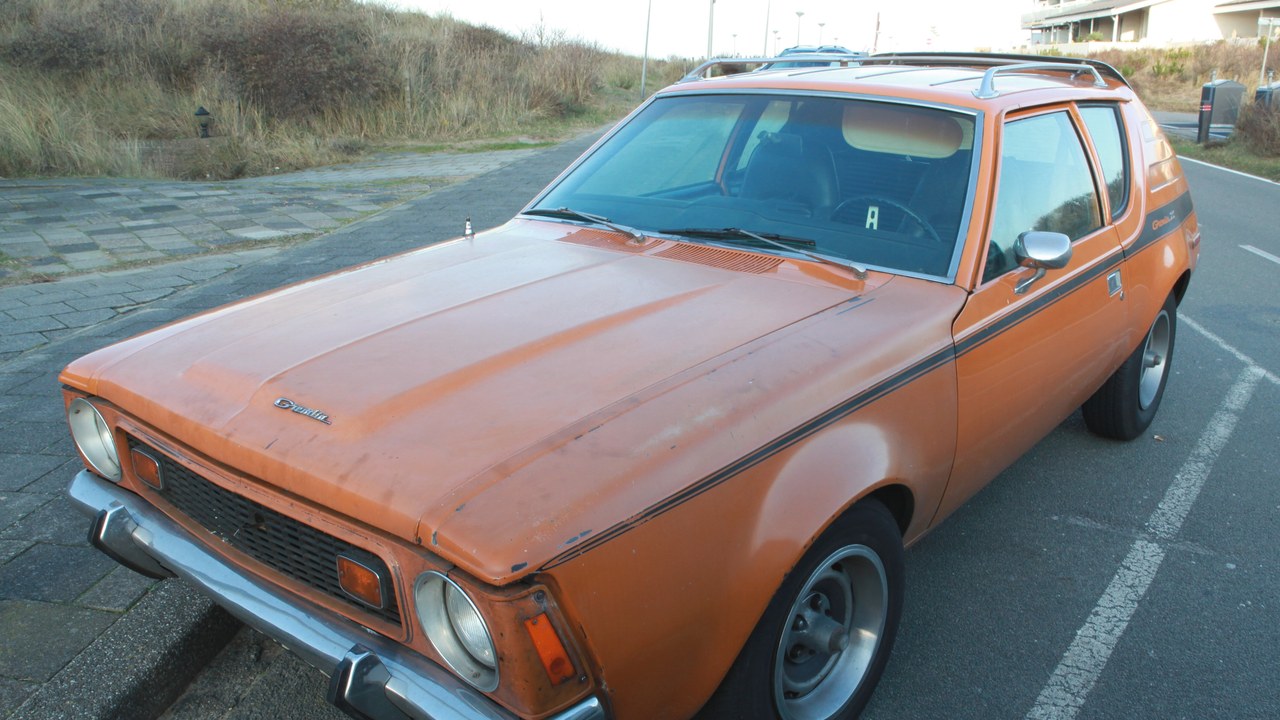
American Motors entered the subcompact fight in the early 1970s with the Gremlin, an economy car instantly recognizable by its abruptly chopped-off rear end. The unusual silhouette split opinion from the start, and the chop-tailed AMC Gremlin struck some buyers as quirky and others as rushed.
Purchased by drivers who wanted a low price during a period of rising fuel costs, it was hardly a total sales disaster. Yet its polarizing shape kept it on later lists of the strangest cars America produced. Today it endures as a symbol of scrappy, budget-minded design that drew mixed reviews.
More from Morning Overview
