
Ride comfort in a luxury sedan is engineered, not accidental, and the cars that do it best spend enormous effort keeping broken pavement away from their passengers. Air springs, adaptive dampers, long wheelbases and thick sound insulation all work toward the same result. Here are nine luxury sedans that built their reputations on the smoothest ride.
1. Mercedes-Benz S-Class: The Air Suspension Benchmark
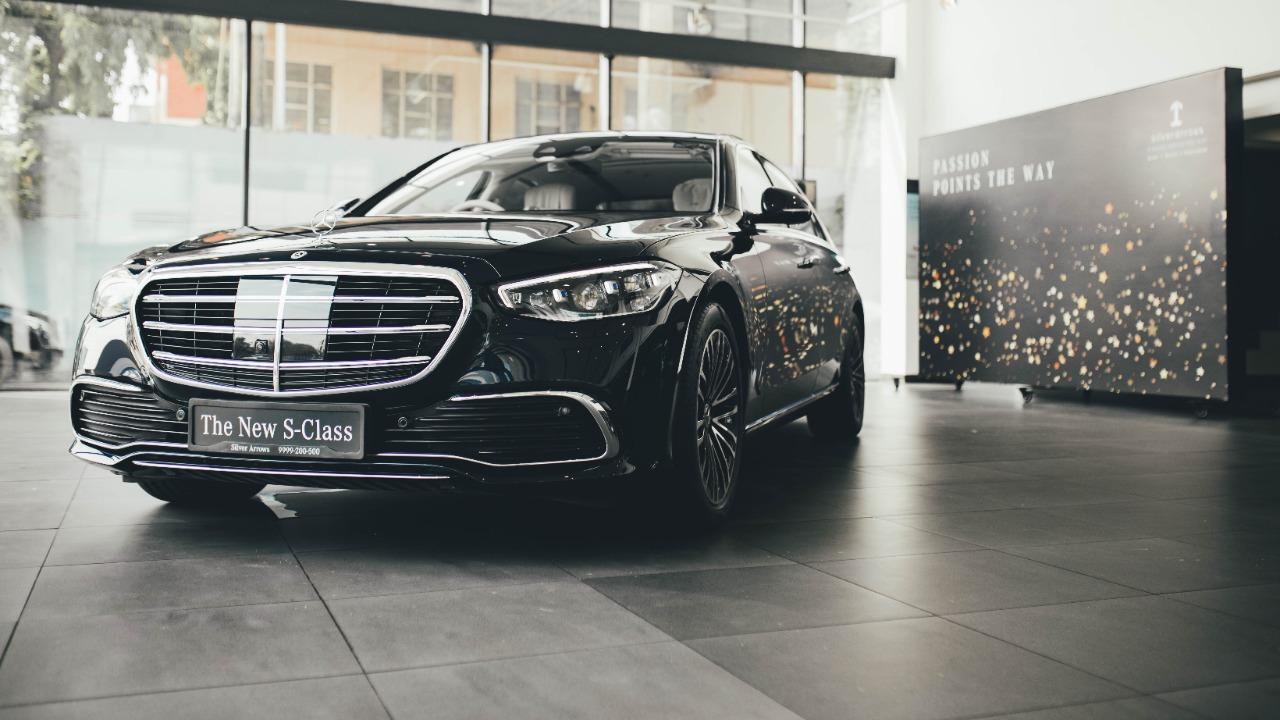
Air springs have carried the German flagship saloon since the W220 generation arrived in 1998, and every full-size Mercedes sedan since has treated isolation as its defining job. The W222 added Magic Body Control, which used a windscreen-mounted stereo camera to scan the pavement ahead and soften each damper before the wheel reached the bump. The current car replaces it with a 48-volt active system that can push individual corners up or down.
Those road-scanning systems were options tied to particular engines and trims, so a used S-Class does not automatically include one. Air struts and their accumulators are wear items rather than lifetime parts, and rebuilding one corner on a high-mileage car costs real money.
2. BMW 7 Series: Air Springs On Both Axles
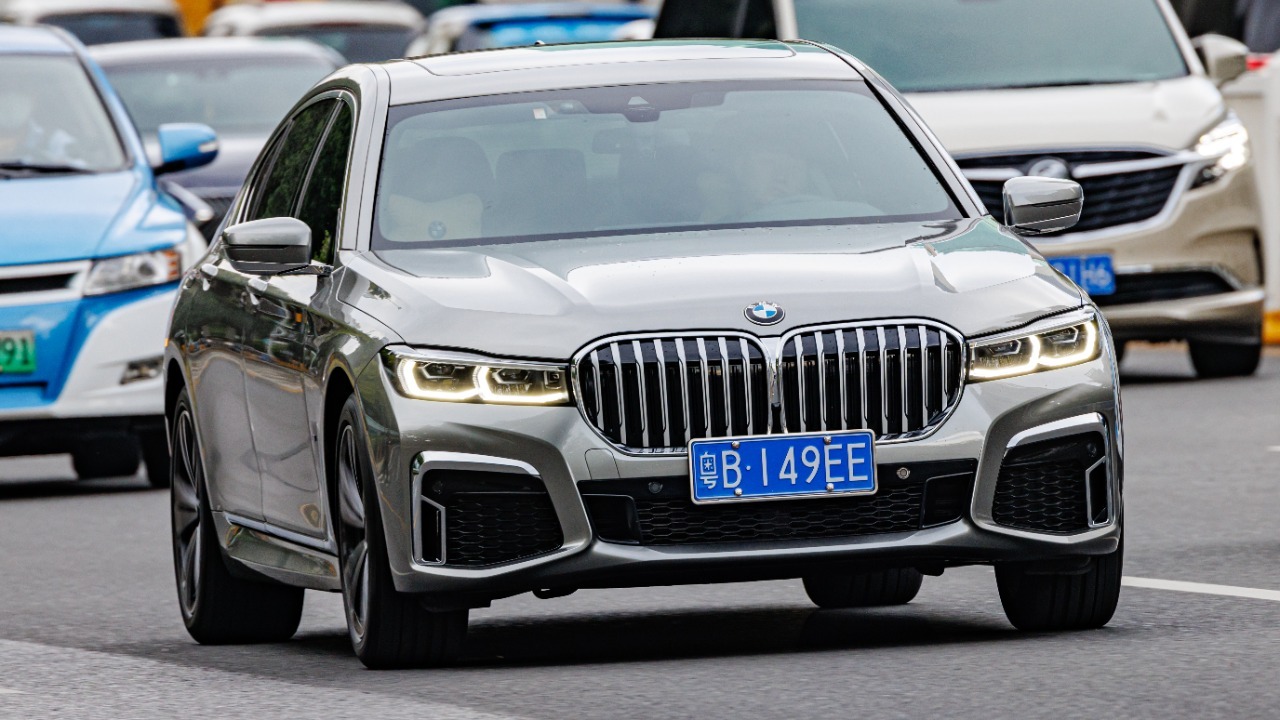
Self-levelling rear air suspension has been part of BMW’s largest sedan for decades, and the latest generation runs air springs at both ends with adaptive dampers between them. An optional package adds electrically actuated anti-roll bars that push against body lean, plus a forward-facing camera that primes the suspension for a surface change. A long wheelbase and laminated side glass do the rest of the smoothing.
The trade-off sits in the wheel wells. Large-diameter wheels with thin sidewalls are the most commonly ordered look on this car, and they claw back much of the compliance the air springs deliver. Shoppers chasing ride quality tend to be happier on the smallest wheel the configurator will allow.
3. Audi A8: Suspension That Reads The Road
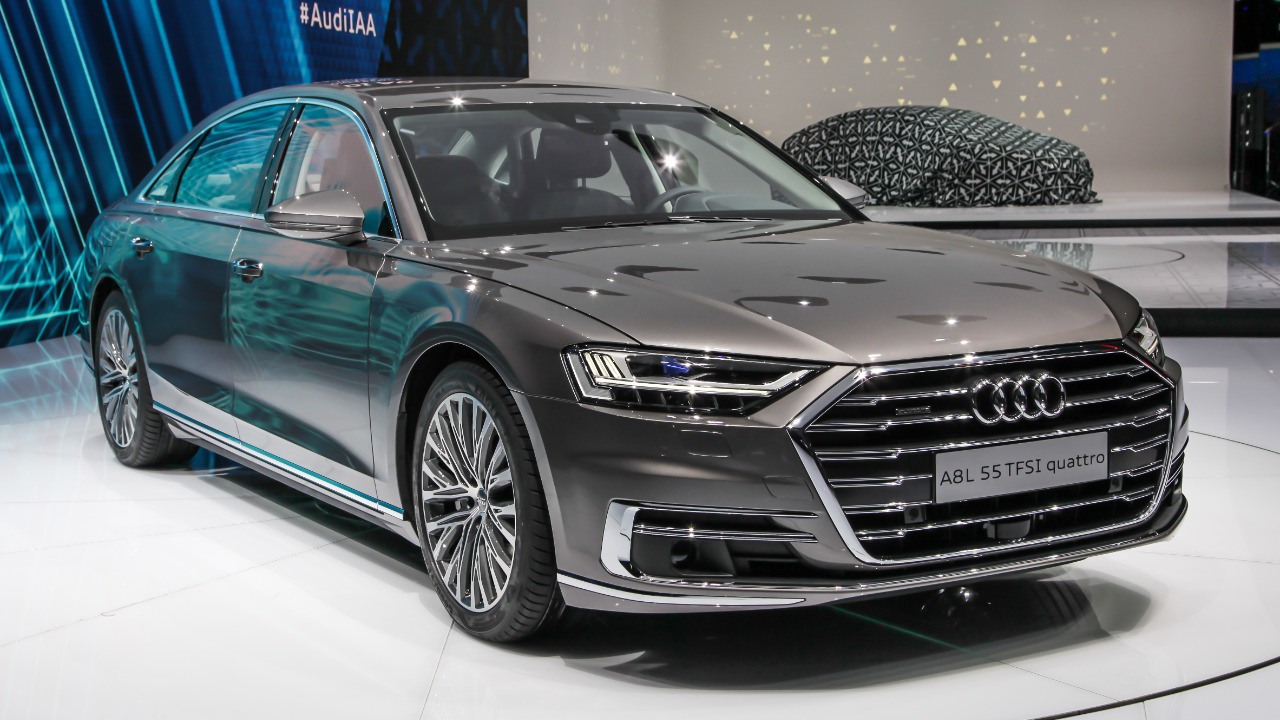
Adaptive air suspension has been standard equipment on the Audi A8 flagship for several generations, but the D5 car pushed the idea furthest with an electromechanical actuator at every wheel fed by a 48-volt system. A windscreen camera reads the surface ahead so each actuator can lift or press a corner in advance, and the same hardware raises the body when it senses an imminent side impact.
Predictive hardware only helps when the sensors can see. Snow, standing water and heavy rain degrade the camera’s read of the road, at which point the system falls back to reacting rather than anticipating. The mechanical air springs underneath remain the reason an A8 still rides well in those conditions.
4. Lexus LS: Quiet As The Original Mission
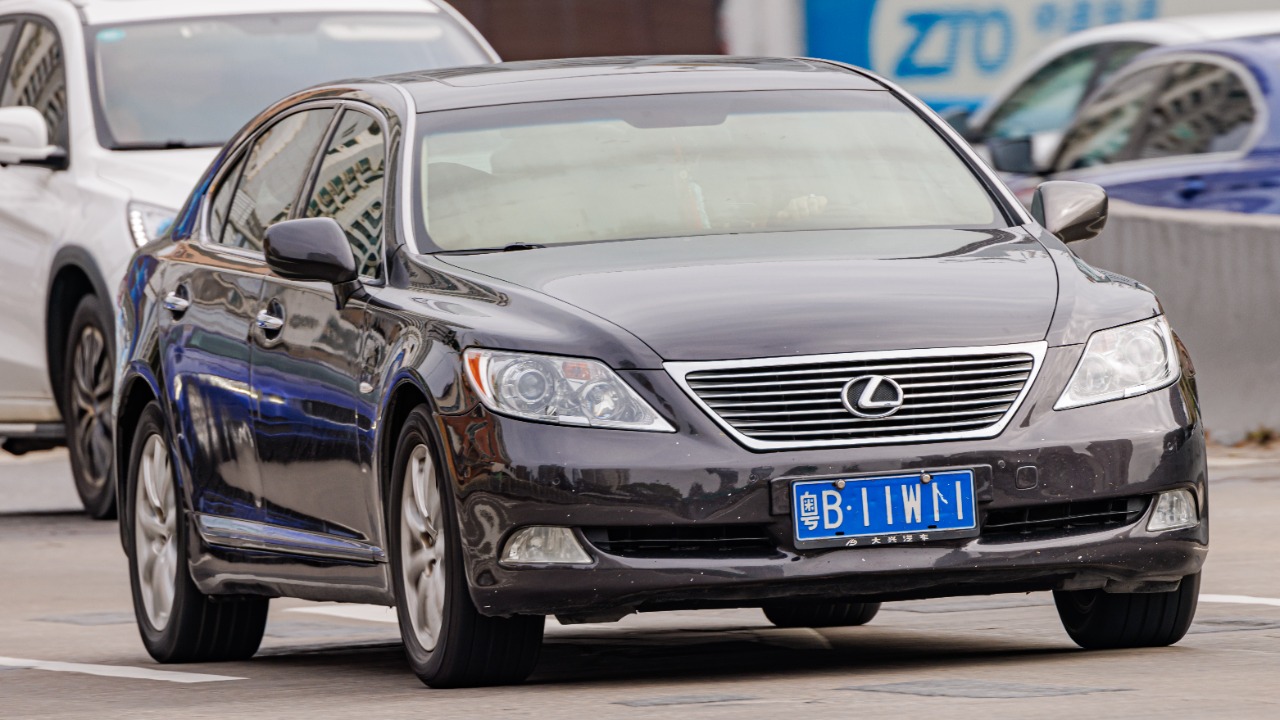
Toyota launched the original Lexus LS in 1989 with an engineering brief built around silence and smoothness, and the car’s reputation has rested there ever since. Optional multi-link air suspension, extensive body sealing, acoustic glass and heavily damped bushings all serve the same goal, and later versions added adjustable dampers that soften automatically in comfort settings.
The current generation complicated that story. Reviewers repeatedly noted that the LS 500 rides firmer than its ancestors, particularly on the larger wheels, and Lexus retuned the suspension mid-cycle in response. An older LS on steel springs and tall tires is often the plusher car of the two.
5. Genesis G90: The Value Flagship That Floats
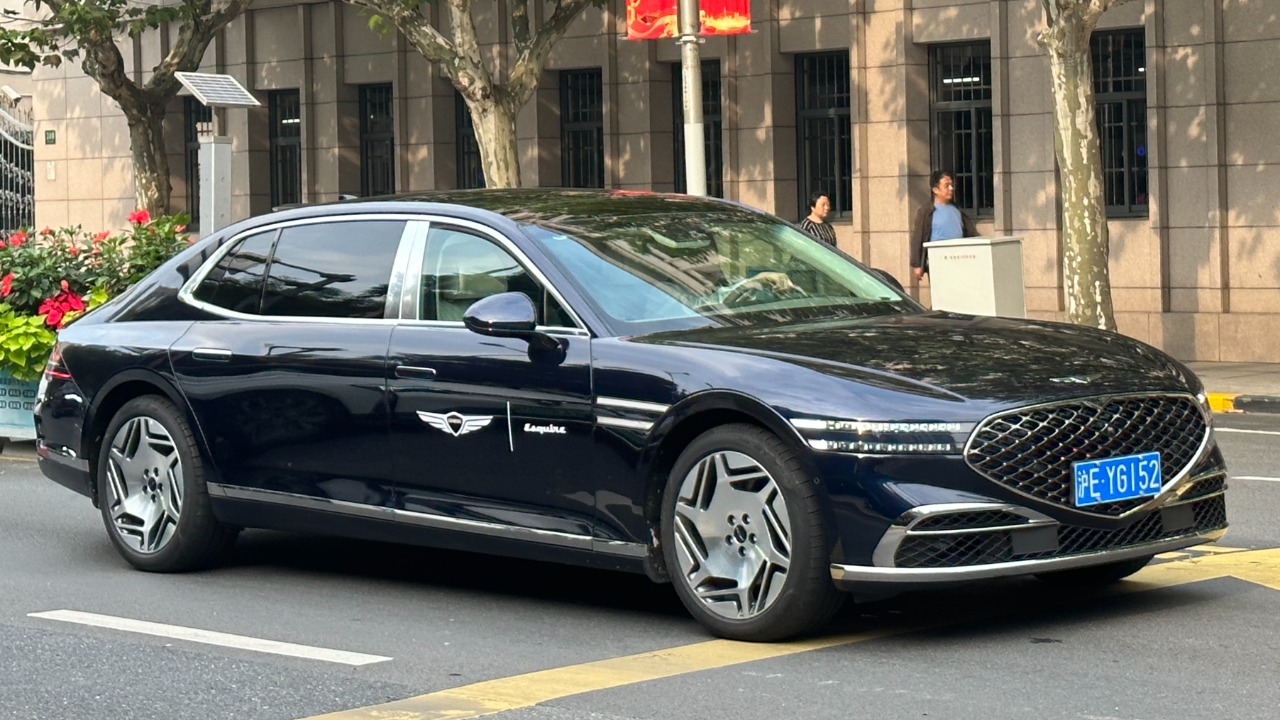
Hyundai built the Genesis G90 flagship to match German limousines on comfort hardware and undercut them on price. The current car pairs multi-chamber air springs with electronically controlled dampers and a camera that previews the road surface, then layers active noise cancellation over the top to cut the low-frequency drone that survives the suspension.
What buyers give up is not ride quality but resale and dealer reach, since the badge carries less weight on the used market than a three-pointed star. For anyone keeping the car, that depreciation curve makes a lightly used G90 one of the cheapest routes into genuinely isolated motoring.
6. Rolls-Royce Ghost: Engineered To Feel Weightless
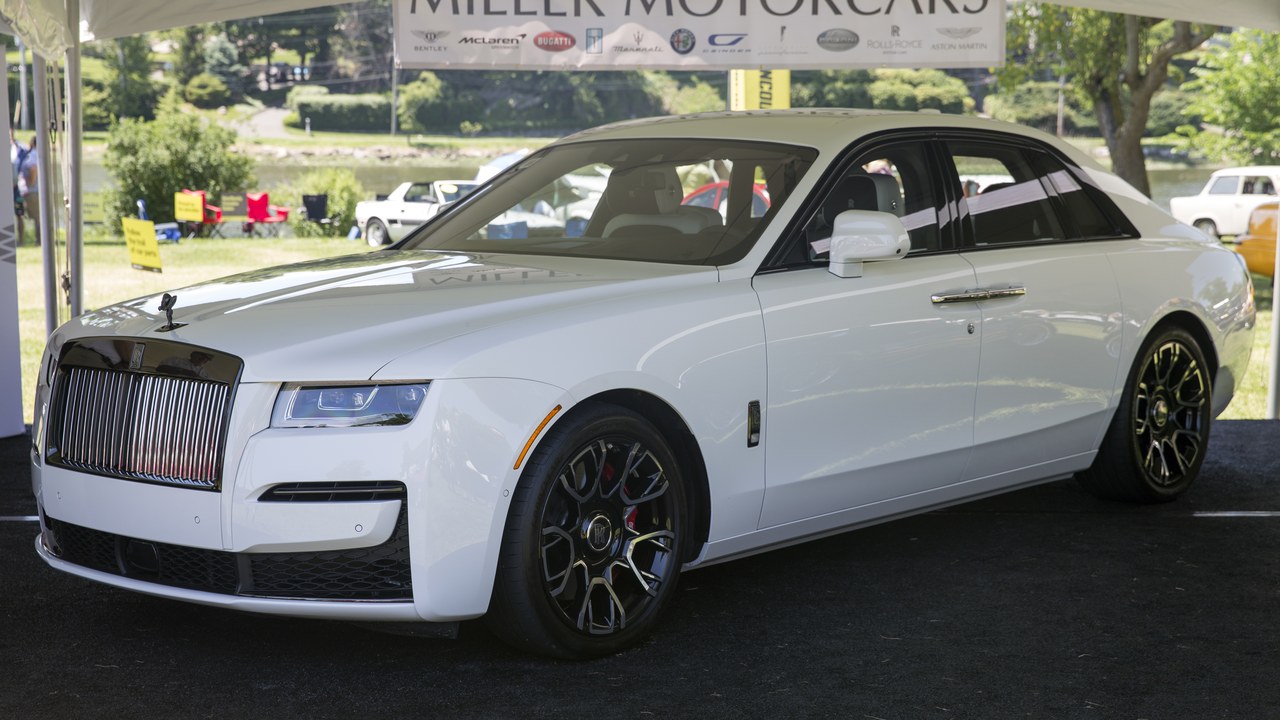
Self-levelling air suspension is only part of what makes the current Rolls-Royce Ghost glide. The car adds a damper unit mounted above the front upper wishbone to settle body movement, an aluminium spaceframe designed for stiffness, and a camera system that reads the road ahead and prepares the suspension for what is coming.
Engineers found the cabin could be isolated too well. Early prototypes were so quiet that occupants reported disorientation, and the team deliberately tuned a faint, consistent background note back into the car. That detail says more about the standard here than any suspension specification does.
7. Bentley Flying Spur: Three-Chamber Air And Active Roll
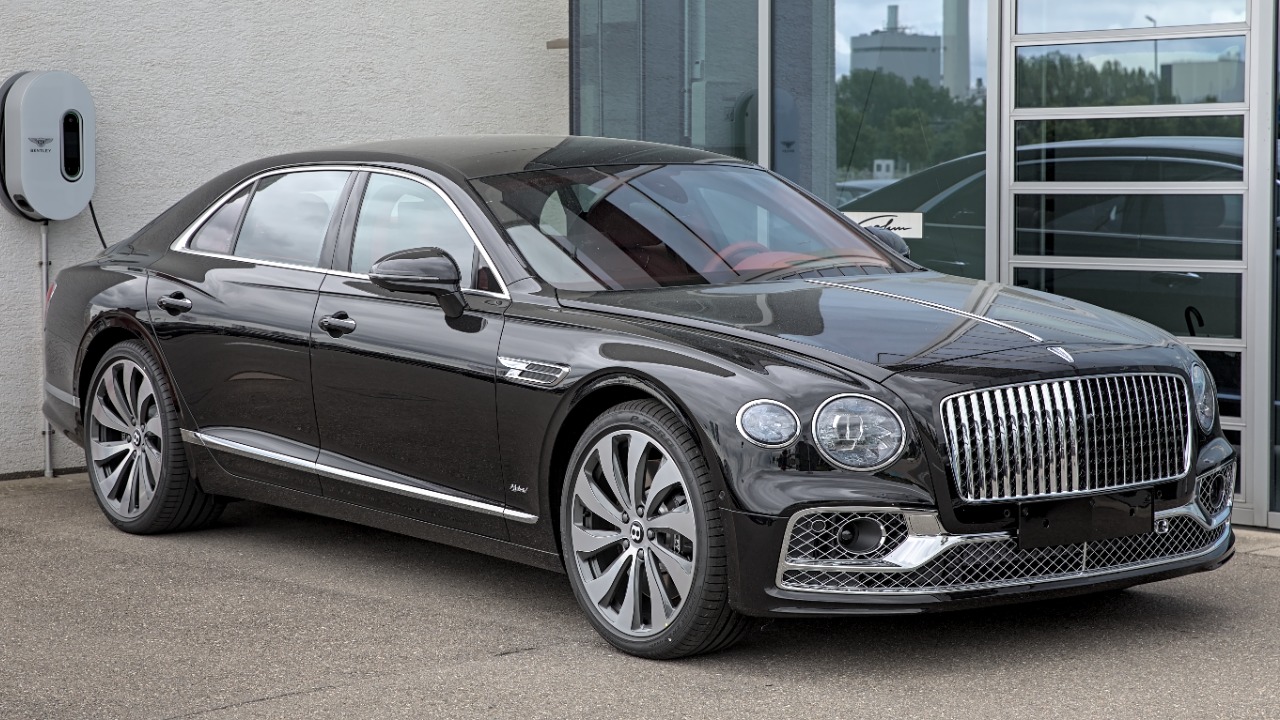
Comfort on the Bentley Flying Spur comes from three-chamber air springs that can vary their own spring rate, continuously adjustable dampers, and a 48-volt system driving active anti-roll bars that decouple on a straight road. Left alone in its softest setting, the car lets each wheel move without dragging the opposite side of the body with it.
Two things fight that. The Flying Spur is a heavy car, so worn dampers show up as float rather than harshness, and the active roll hardware is expensive to repair once out of warranty. A pre-purchase inspection on those systems matters more here than on almost any rival.
8. Jaguar XJ: The Supple British Standard
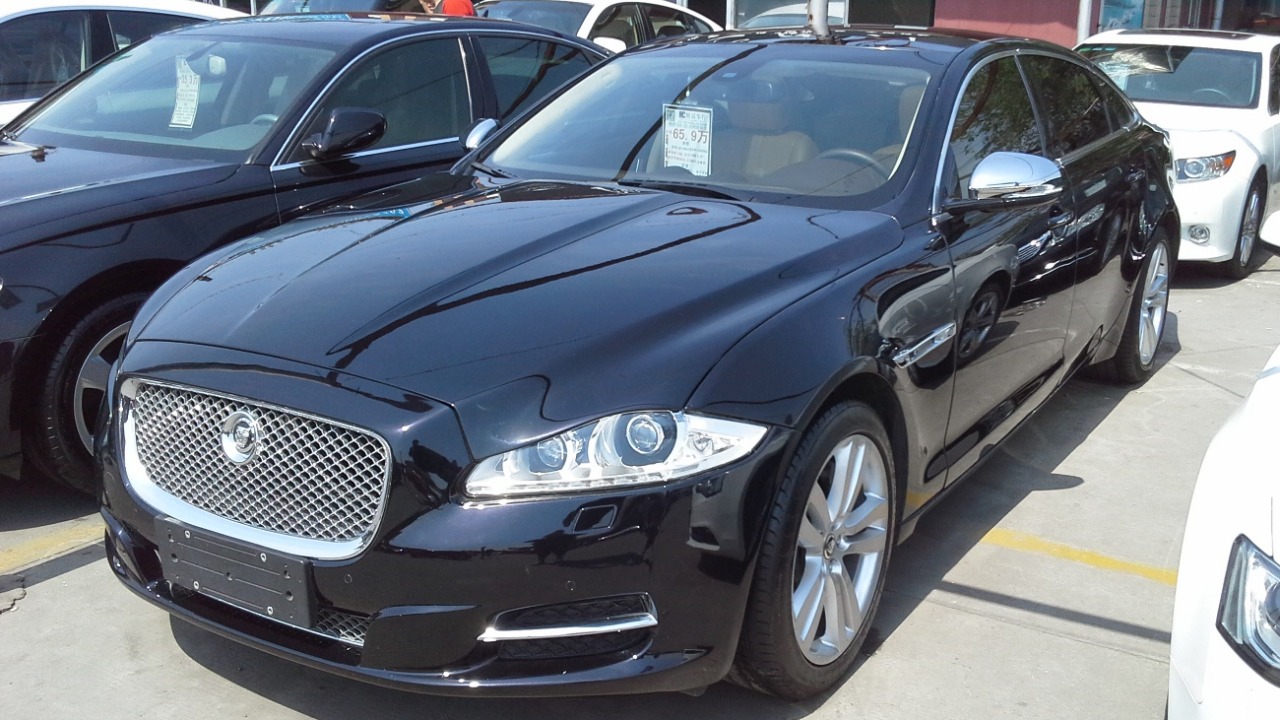
Ride was the point of the Jaguar XJ saloon from its 1968 debut, which mounted the suspension on rubber-isolated subframes to keep road noise out of the shell. The aluminium-bodied cars that followed from 2003 moved to air springs at all four corners, and the final generation combined those with adaptive dampers that read wheel movement many times a second.
Production ended in 2019, so every XJ is now a used car with age-related risk. Air struts perish, compressors fail from running against a leaking system, and a neglected car sags overnight. A well-maintained late example still rides more sweetly than plenty of newer sedans.
9. Cadillac Celestiq: Hand-Built For Isolation
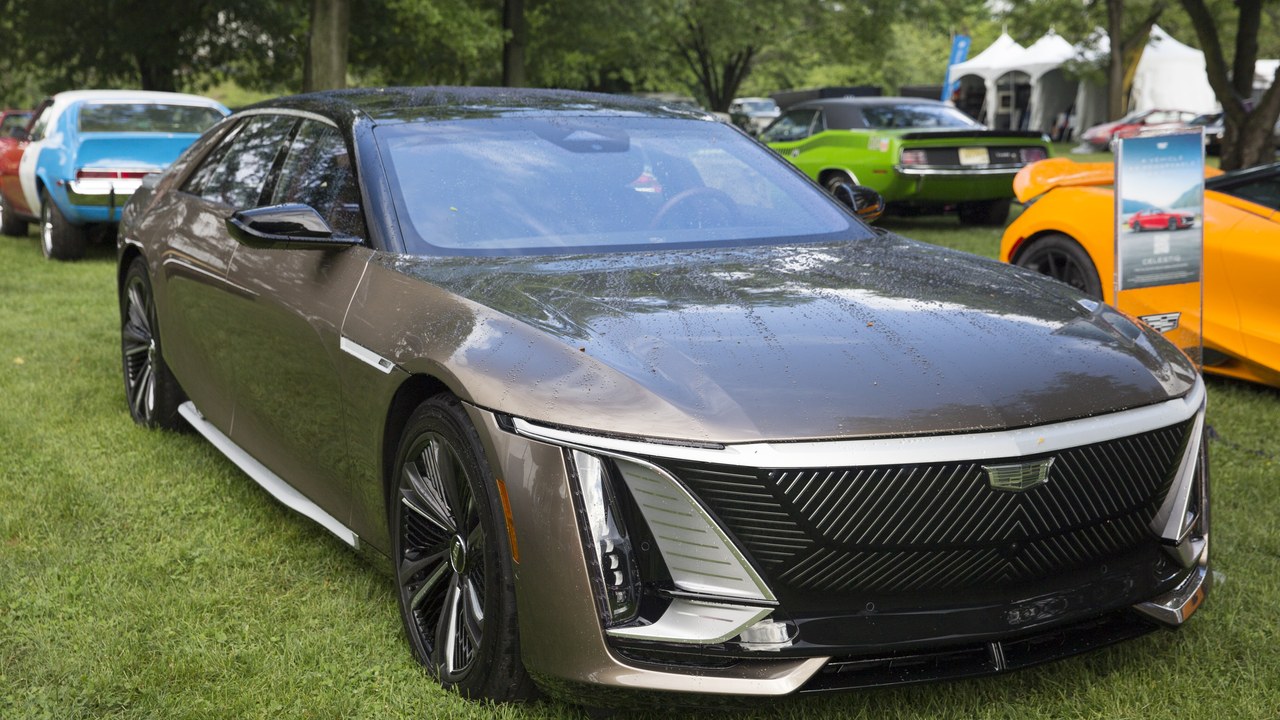
Cadillac hand-assembles the Celestiq electric flagship in very small numbers at a price beyond 300,000 dollars, and comfort hardware absorbs much of that cost. Magnetic Ride Control dampers adjust their fluid thousands of times a second, air springs carry the body, and rear-wheel steering shortens the turning circle of a long car without stiffening anything.
An electric powertrain helps the cause twice over. There is no engine vibration to isolate, and the battery pack sits low in the floor, which settles body movement before the dampers do anything. The weight that pack adds is the counterargument, since heavy cars punish worn suspension quickly.
More from Morning Overview
- More than 60,000 people flee the Spokane area as complex fires overrun 600 structures
- 11 engines built to run well past 200,000 miles
- Card skimmers hidden on gas pumps and ATMs are draining accounts, and here’s the tell
- The FBI says hackers are hijacking outdated home routers, and it named the models to check
