
Luxury sedans arrive with prestige badges and near-six-figure sticker prices, yet many shed a startling share of that value within a few years on the road. Complex electronics, costly parts, and a shrinking pool of buyers willing to gamble on used luxury metal all accelerate the slide. Here are nine luxury cars that lose their value fastest off the lot.
1. Maserati Quattroporte: The Exotic Badge That Doesn’t Hold Its Price
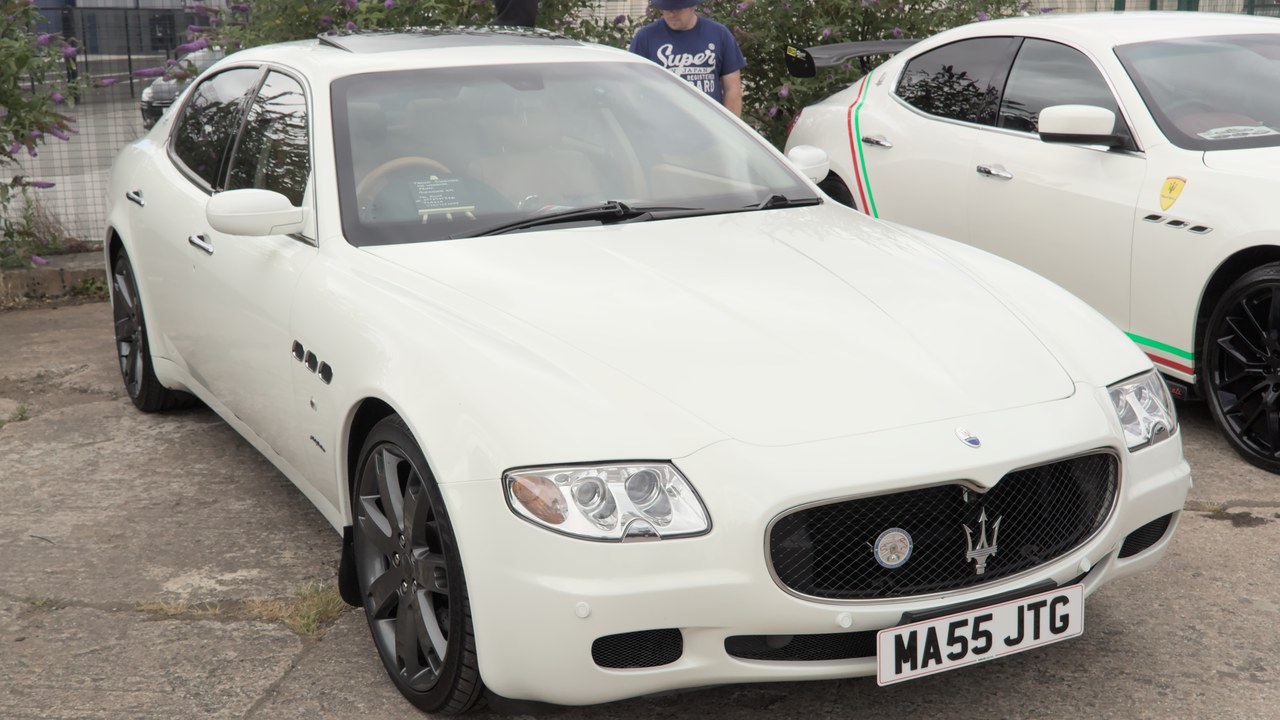
The Maserati Quattroporte carries an exotic badge, but that badge does little to slow its descent once a lease or corporate fleet returns it to the market. Maintenance on the Italian flagship sedan requires specialist technicians and imported parts, and few independent shops will touch its electronics or suspension without a steep labor bill.
That repair anxiety pushes resale prices down fast, which is exactly why a well-kept used Quattroporte can look like a bargain next to a mainstream luxury sedan. Shoppers who buy one should budget generously for upkeep rather than assume the low price tag reflects low running costs.
2. BMW 7 Series: Yesterday’s Cutting-Edge Tech, Today’s Discount
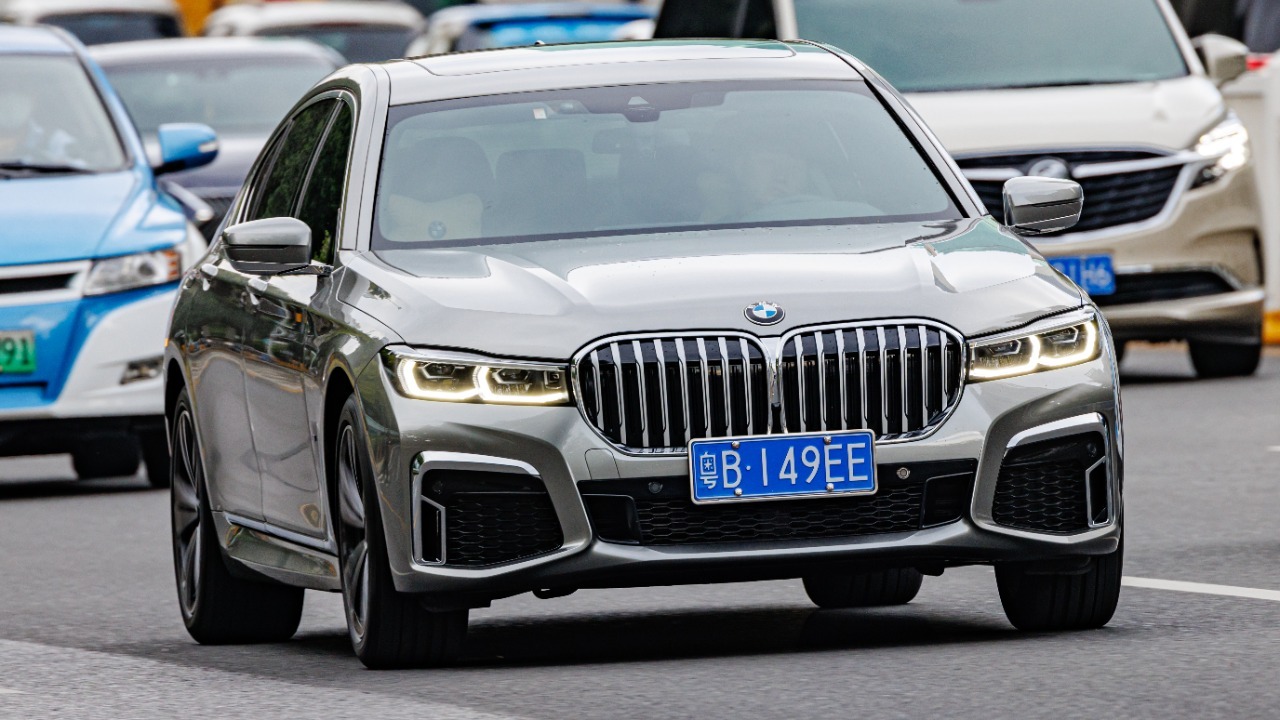
BMW treats the 7 Series as a rolling showcase for its newest driver-assistance and infotainment technology, which means each redesign makes the previous generation’s tech feel outdated within a couple of years. The flagship sedan’s touchscreens, gesture controls, and adaptive systems are expensive to repair once warranty coverage lapses, and independent shops often lack the diagnostic tools BMW dealers use.
Buyers shopping for a used 7 Series can find deep discounts within a few years of the sticker price, since first owners tend to trade in before the tech gap widens further. Anyone buying used should confirm a full service history and factor in the cost of maintaining aging electronics.
3. Jaguar XF: A Reliability Reputation That Follows It to Resale
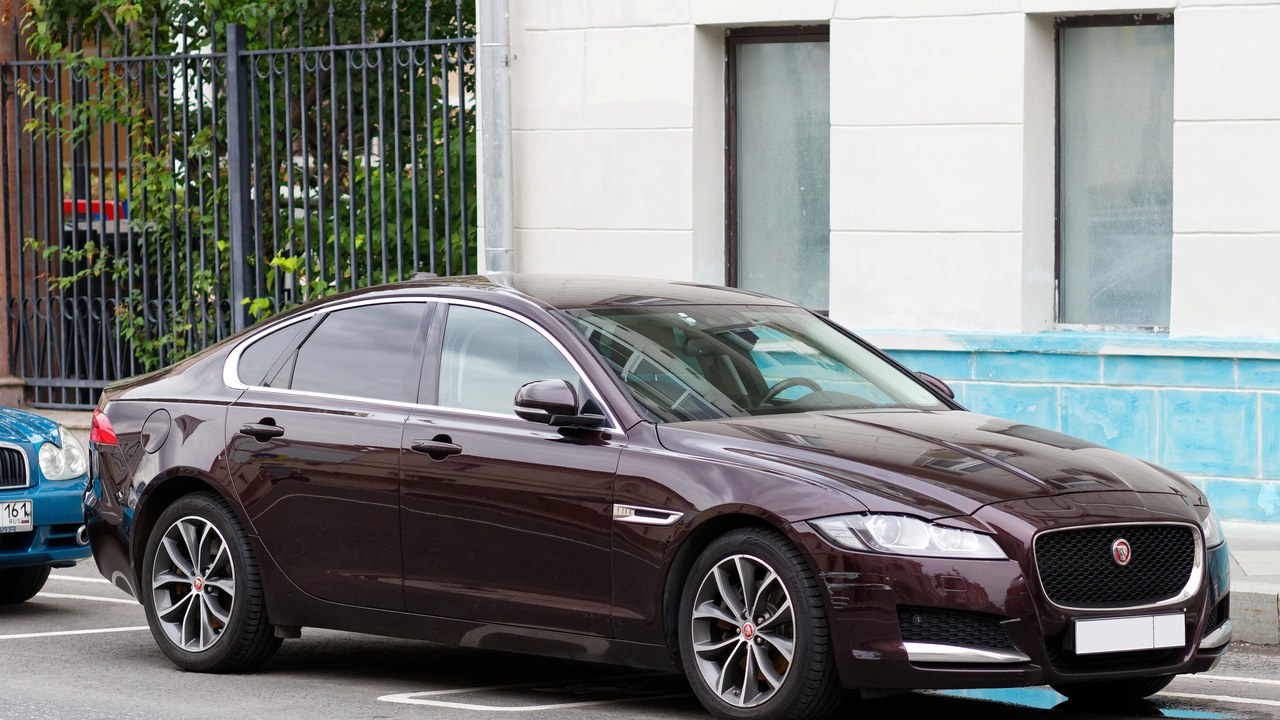
Jaguar’s reliability reputation trails the German luxury brands it competes against, and that perception follows the midsize XF sedan straight into the used market. Electrical gremlins and suspension issues reported by owners over the years have made shoppers wary of buying one once the factory warranty runs out, and that hesitation shows up directly in trade-in offers.
The upside for a patient buyer is a genuinely well-equipped sedan at a fraction of its original price, provided a pre-purchase inspection turns up no red flags. Setting aside a repair fund up front tends to matter more with this car than the purchase price itself.
4. Mercedes-Benz S-Class: The Priciest Tech Sinks Its Own Resale
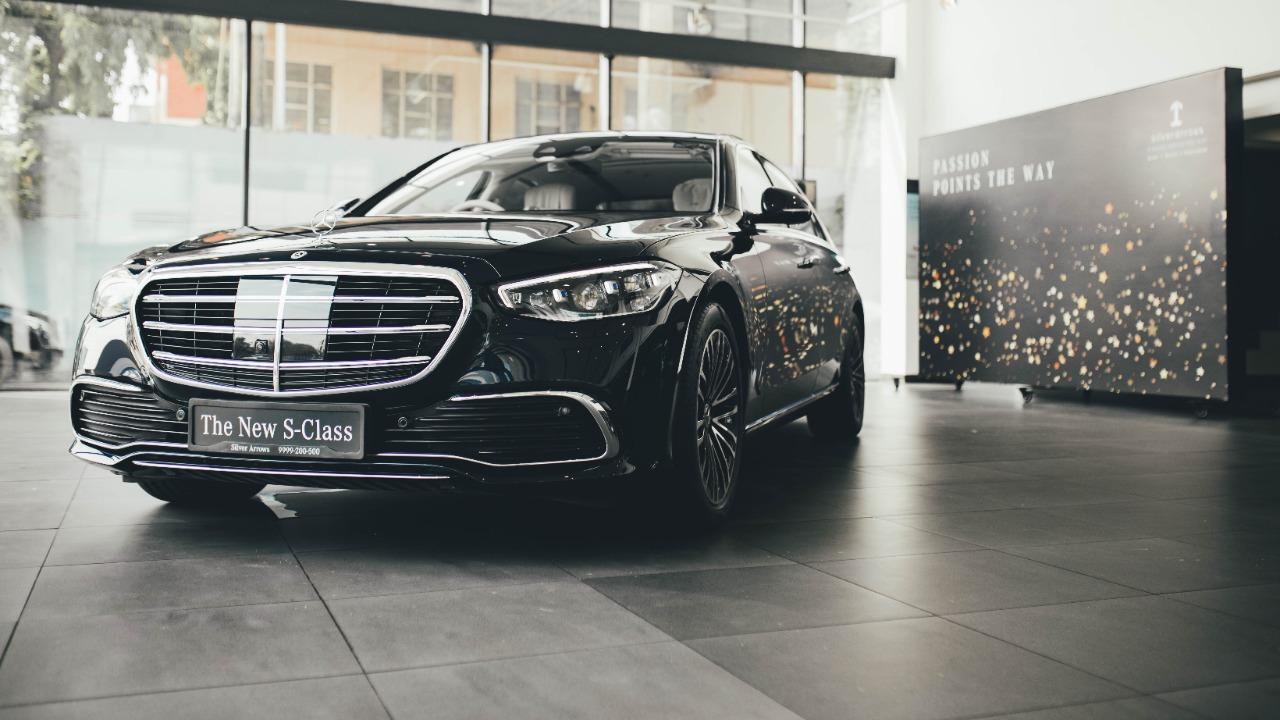
The S-Class debuts nearly every major technology Mercedes-Benz later spreads across its lineup, from air suspension to elaborate driver-assistance suites, and that complexity is exactly what scares off used buyers. Fixing the flagship sedan’s air springs, active body control, or advanced radar systems after warranty coverage ends can cost thousands of dollars per repair.
That repair math pushes used prices down fast, which means a several-year-old S-Class can sell for a small fraction of its original window sticker. Shoppers drawn to the badge should weigh the lower purchase price against the very real chance of an expensive repair bill down the road.
5. Audi A8: Dealer-Level Electronics Scare Off Independent Shops
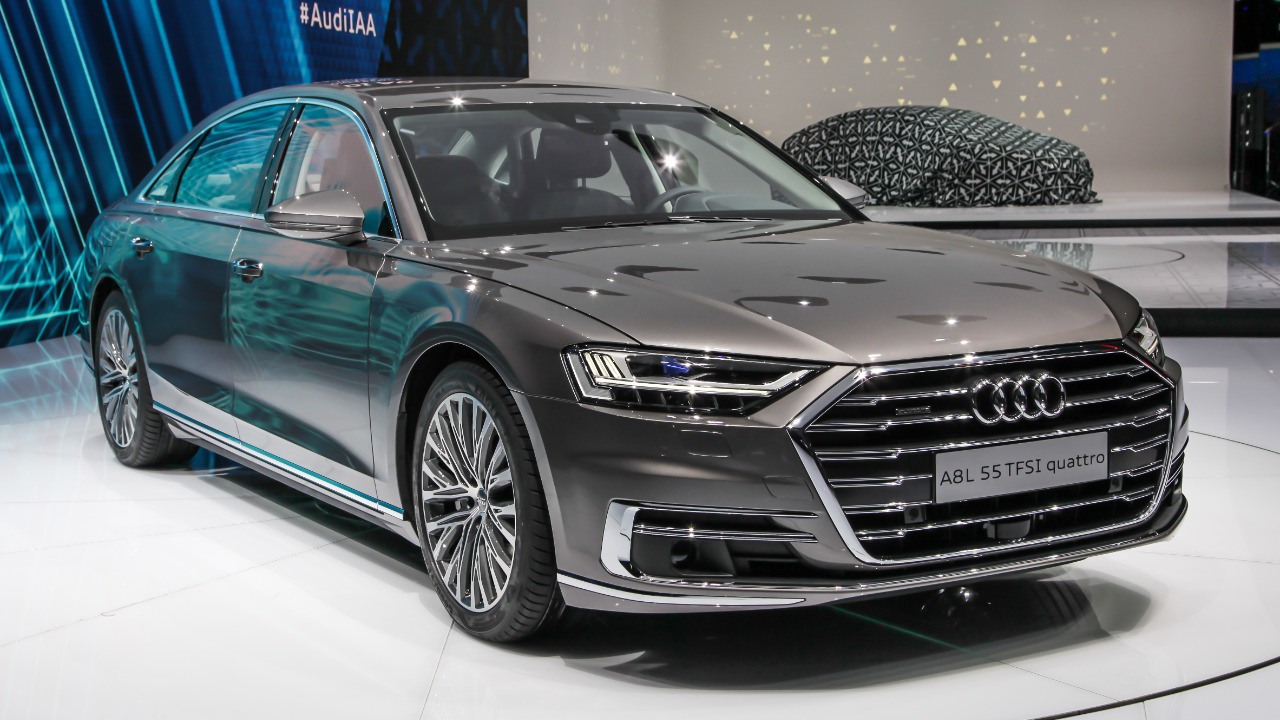
The Audi A8 has long served as a proving ground for the brand’s most advanced electronics, including adaptive air suspension and elaborate driver-assistance hardware borrowed from later Audi models. That same complexity makes the full-size Audi sedan intimidating to a second owner, since diagnosing a fault often requires dealer-level software and specialized tools that most independent garages simply do not stock.
As a result, used A8 prices drop faster than many rivals with simpler mechanicals, leaving well-optioned examples within reach of buyers who once could only dream of the badge. The tradeoff is a car that rewards an owner willing to budget for the occasional expensive fix.
6. Lincoln Continental: A Revival That Didn’t Last
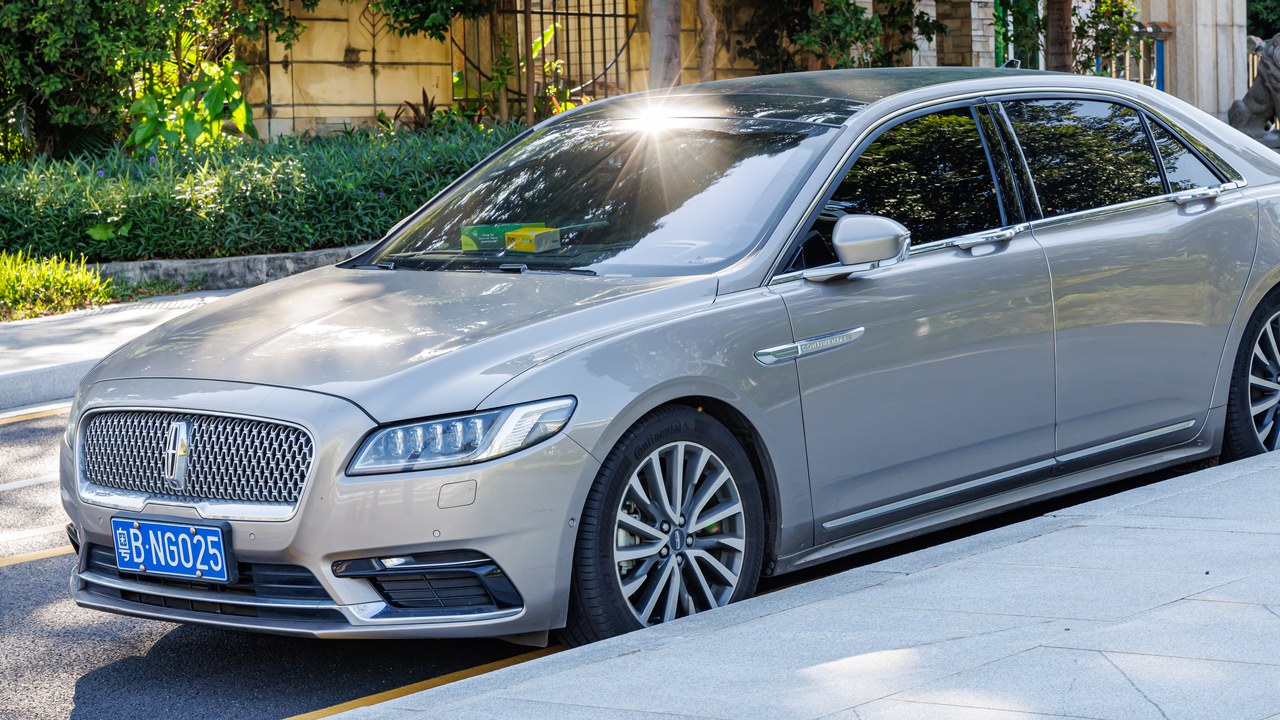
Lincoln revived the Continental nameplate as a full-size flagship sedan aimed at reviving American luxury prestige, but the model never found a broad enough buyer base to sustain strong demand. The Continental’s production run ended after just a few years, and a discontinued nameplate typically loses buyer confidence fast because parts and dealer support can become harder to count on long term.
That uncertainty translates into steep early discounts for shoppers willing to bet on a low-mileage example, since the car’s near-luxury features and roomy cabin still hold real appeal at a used-car price. Buyers should confirm parts availability locally before committing to one as a daily driver.
7. Porsche Panamera: The Badge Buyers Skip for a 911 Instead
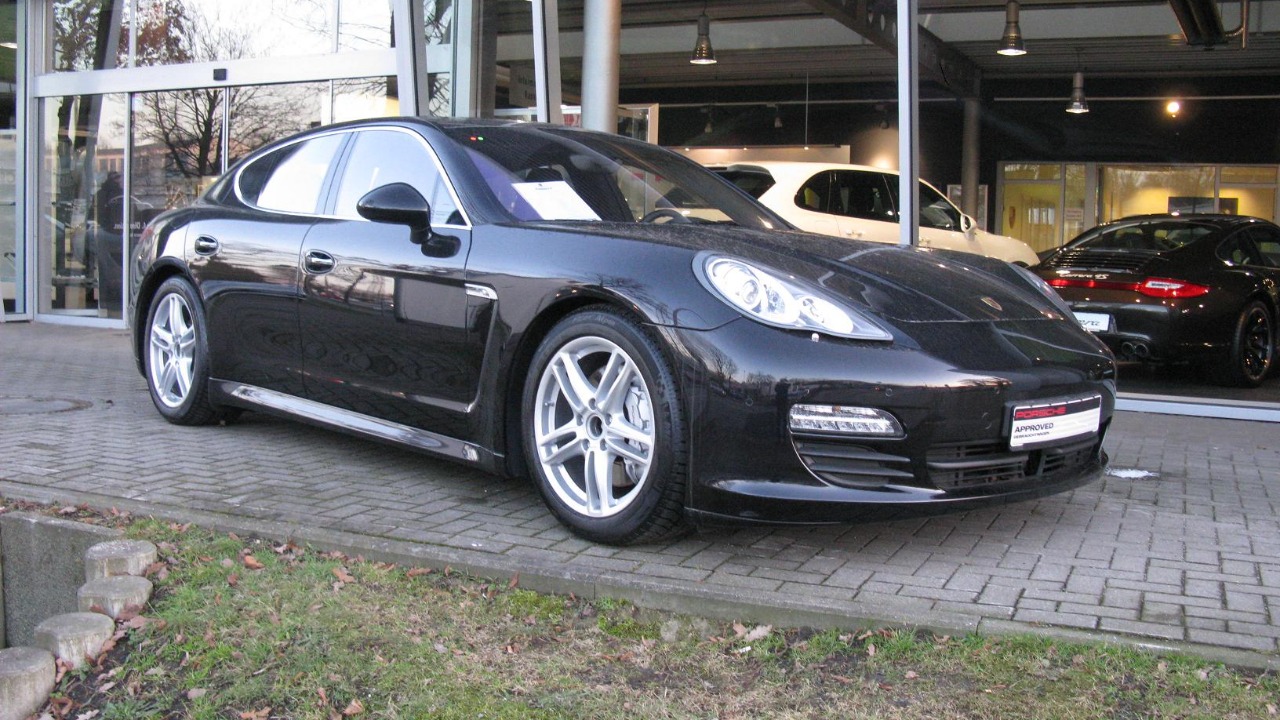
Porsche badges the Panamera as its four-door flagship, but sports-car buyers who cross-shop the brand tend to chase the 911 and Cayenne instead, leaving the sedan with a smaller and more price-sensitive resale audience. The luxury sport sedan’s air suspension, adaptive dampers, and turbocharged engines also carry Porsche-level repair bills once the factory warranty expires.
The result is a used Panamera that can undercut its original price dramatically within a handful of years, appealing to buyers who want Porsche performance without the new-car cost. A pre-purchase inspection matters more here than on nearly any other car on this list.
8. Acura RLX: A Flagship Few Buyers Ever Wanted
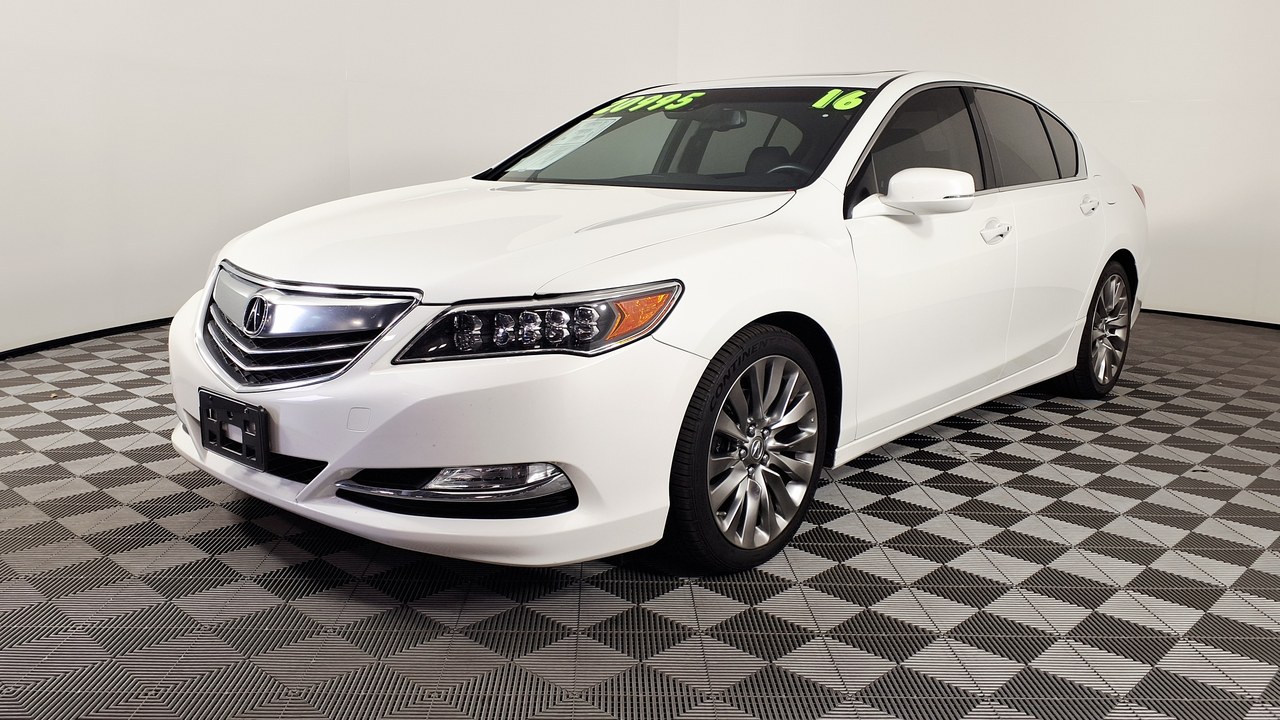
Acura positioned the RLX as its flagship sedan, but the model struggled to draw buyers away from established German and Japanese rivals throughout its run. Weak new-car sales for the Acura flagship sedan meant thin demand followed it into the used market too, and low resale demand is one of the fastest ways any car’s value can slide.
That combination makes a used RLX one of the more affordable ways into a full-size luxury sedan with real feature content. Buyers should temper enthusiasm about the price with a check on how easily a local shop can source parts for a lower-volume model.
9. Jaguar XJ: Big-Sedan Luxury That Fades Fast Used
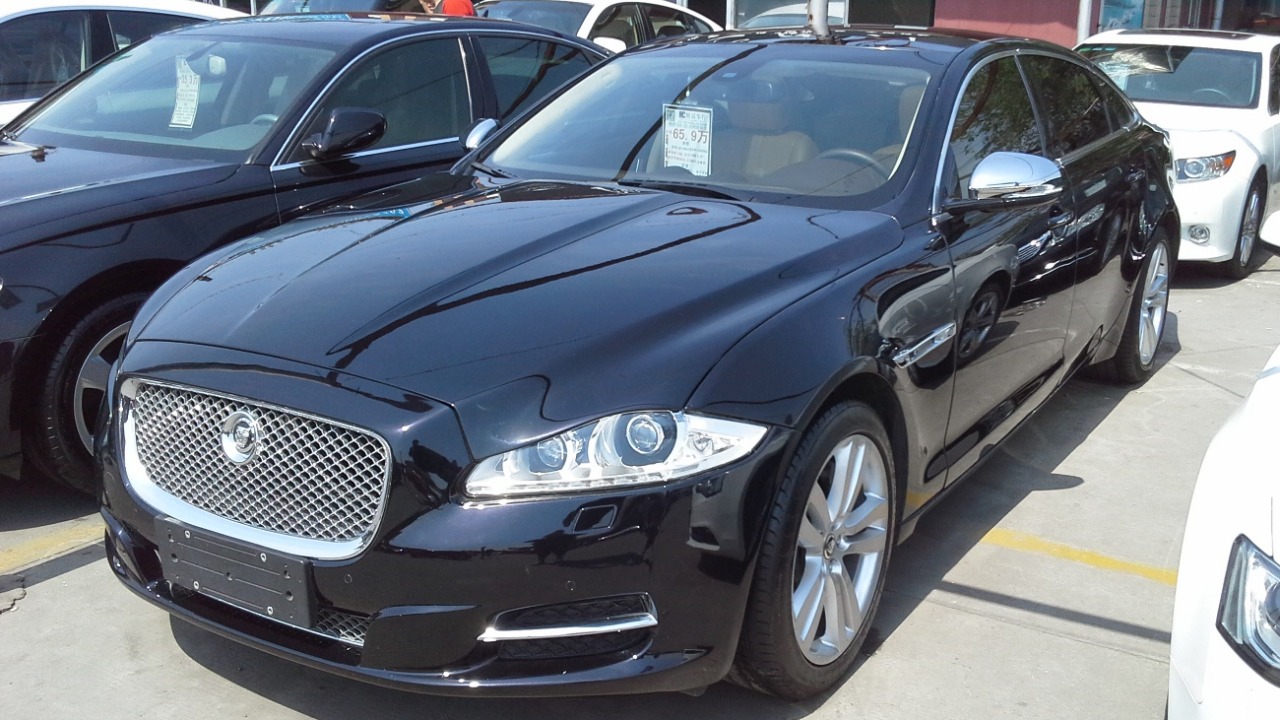
Big-sedan prestige is baked into the Jaguar XJ’s history, but Jaguar’s smaller dealer network and mixed reliability record follow the full-size Jaguar sedan onto the used-car lot just as they do its smaller siblings. Fewer independent shops are comfortable servicing its air suspension and electronics, which narrows the pool of buyers willing to take one on.
That narrower pool tends to push resale values down quickly, so a used XJ can offer genuine big-sedan comfort and presence for a comparatively modest price. Anyone drawn to the deal should still budget for the possibility of an expensive repair somewhere down the line.
More from Morning Overview
- Toyota grabbed six of the ten spots on Consumer Reports’ most-reliable-cars list
- Evacuations spread as the Gann Fire chews through 10,000 acres of California’s Gold Country
- Pythons keep spreading across Florida, and one county alone pulled out four tons of them
- 12 most reliable SUVs you can buy for 2026
