
Sports cars rarely disappear because nobody loved them. They end when emissions rules tighten, when an aging platform stops paying for itself, or when a corporate reshuffle quietly closes the assembly line. Here are nine celebrated sports cars that automakers stopped building, along with the year each one left the lineup and the reason it went.
1. Dodge Viper: The Last Great American V10
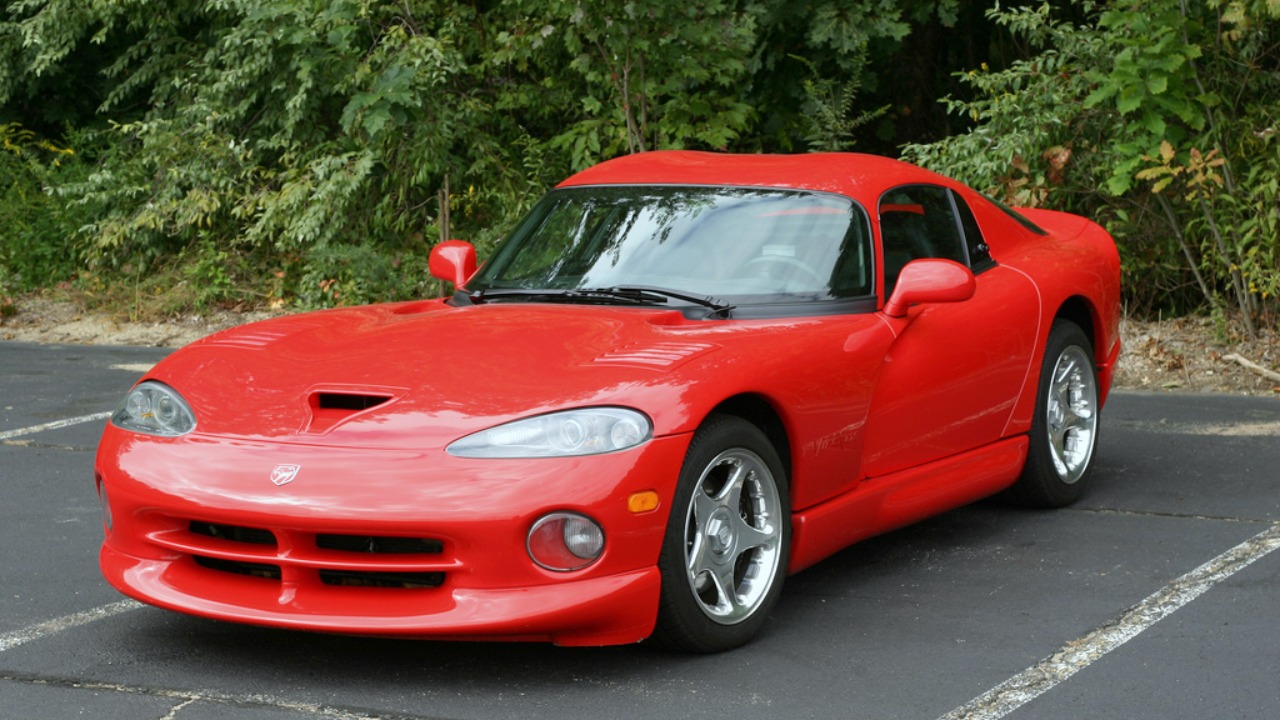
Dodge built the final Viper in August 2017 and closed the Conner Avenue plant in Detroit, where the car had been assembled largely by hand. Last-generation cars carried an 8.4-liter V10 rated at 645 horsepower, sold only with a six-speed manual and rear-wheel drive. Across five generations spanning roughly a quarter century, the Dodge Viper roadster was never offered with an automatic transmission.
Thin sales did more to end the program than any loss of reputation, and no direct replacement followed. Used values have held unusually well for a car of its age, which makes a naturally aspirated V10 an expensive thing to sample today.
2. Honda S2000: A Redline No Rival Matched
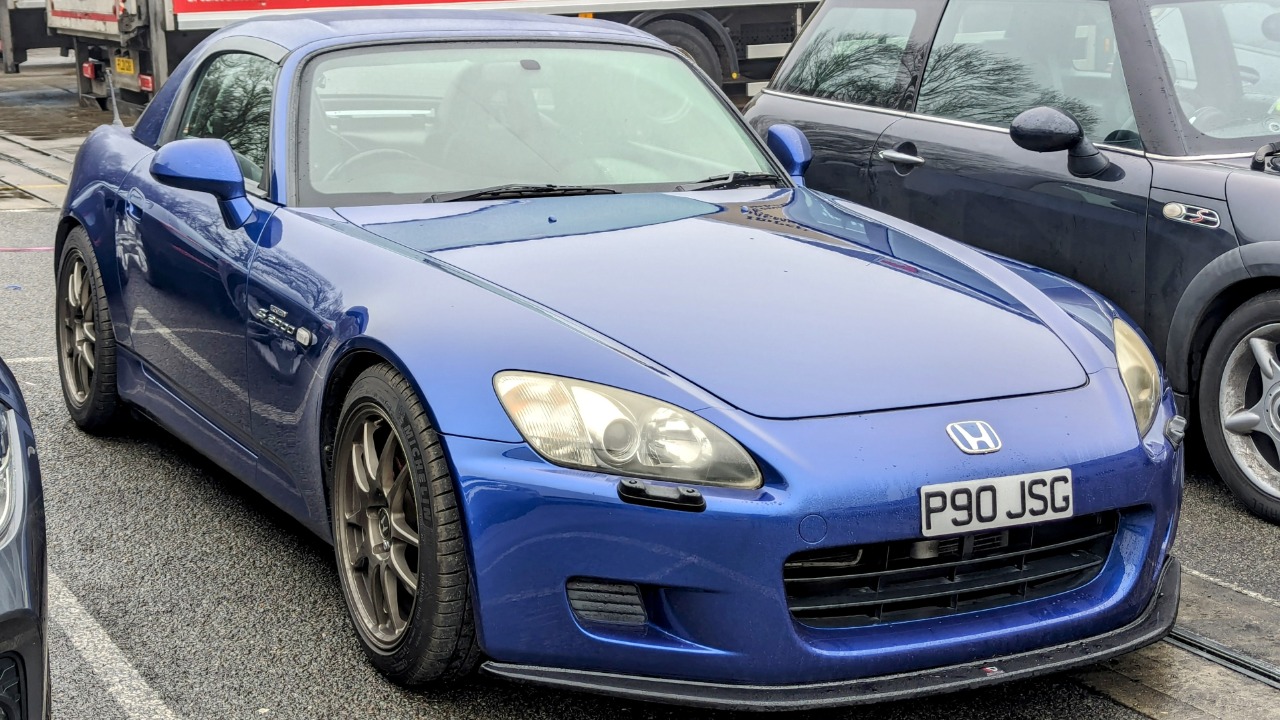
Honda stopped building the S2000 in 2009 after a decade, ending its only modern front-mid-engine, rear-drive roadster. Early cars used a 2.0-liter F20C making 240 horsepower and spinning to a 9,000-rpm limit, among the highest ceilings ever fitted to a production road car. A later 2.2-liter version of the Honda S2000 roadster lowered that ceiling in exchange for more usable low-end torque.
No direct successor arrived, and prices for tidy, unmodified examples have climbed as the surviving supply shrinks. Shoppers are steered toward cars with documented service history, since a rebuild on a high-revving four-cylinder is not a cheap repair.
3. Mazda RX-8: The Rotary’s Last Stand
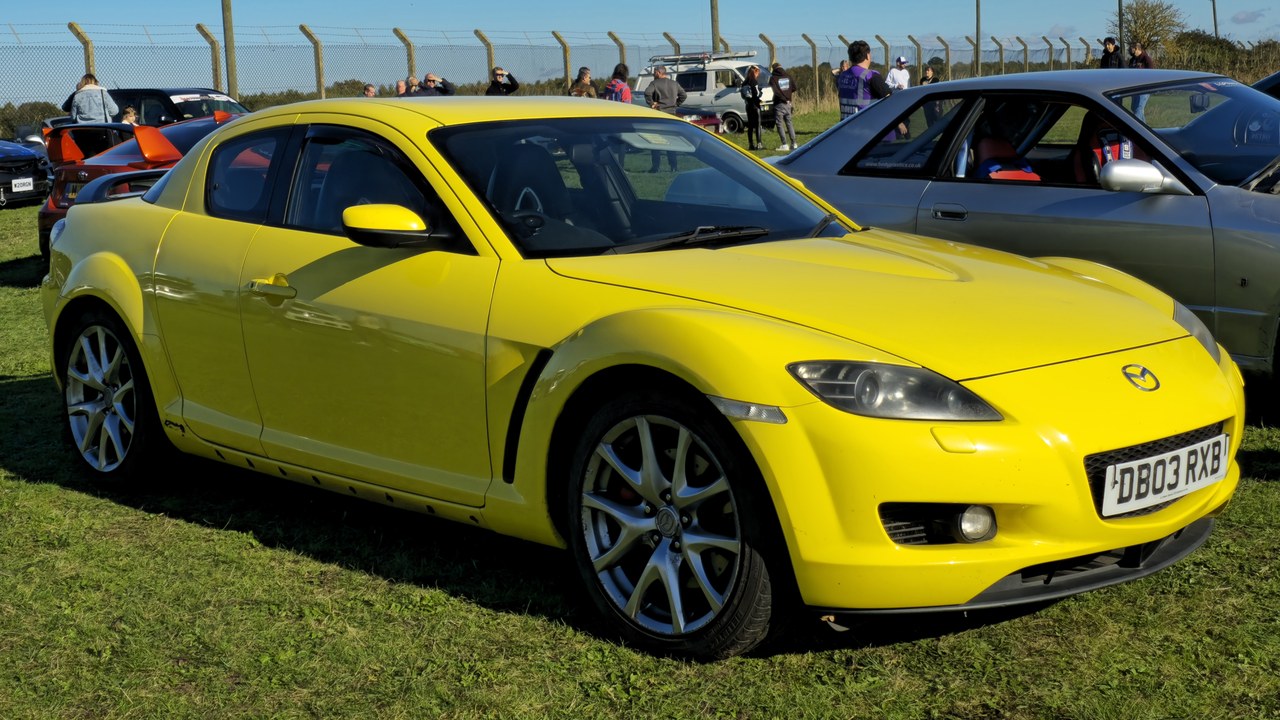
The RX-8 left production in 2012, taking with it the last rotary-powered sports car on sale anywhere. Its 1.3-liter Renesis twin-rotor engine revved past 9,000 rpm but consumed oil by design and could not meet tightening European emissions limits, which forced the car out of that market two years before the line stopped. Rear-hinged half doors gave the Mazda RX-8 coupe four seats without a conventional B-pillar.
Nothing has replaced it: Mazda revived the rotary only as a small generator inside a plug-in hybrid crossover, not as a driven engine. Neglected oil top-ups and repeated cold shutdowns invite apex-seal wear and flooding, the faults that dominate the model’s reputation among mechanics.
4. Toyota MR2: The Affordable Mid-Engine Toyota
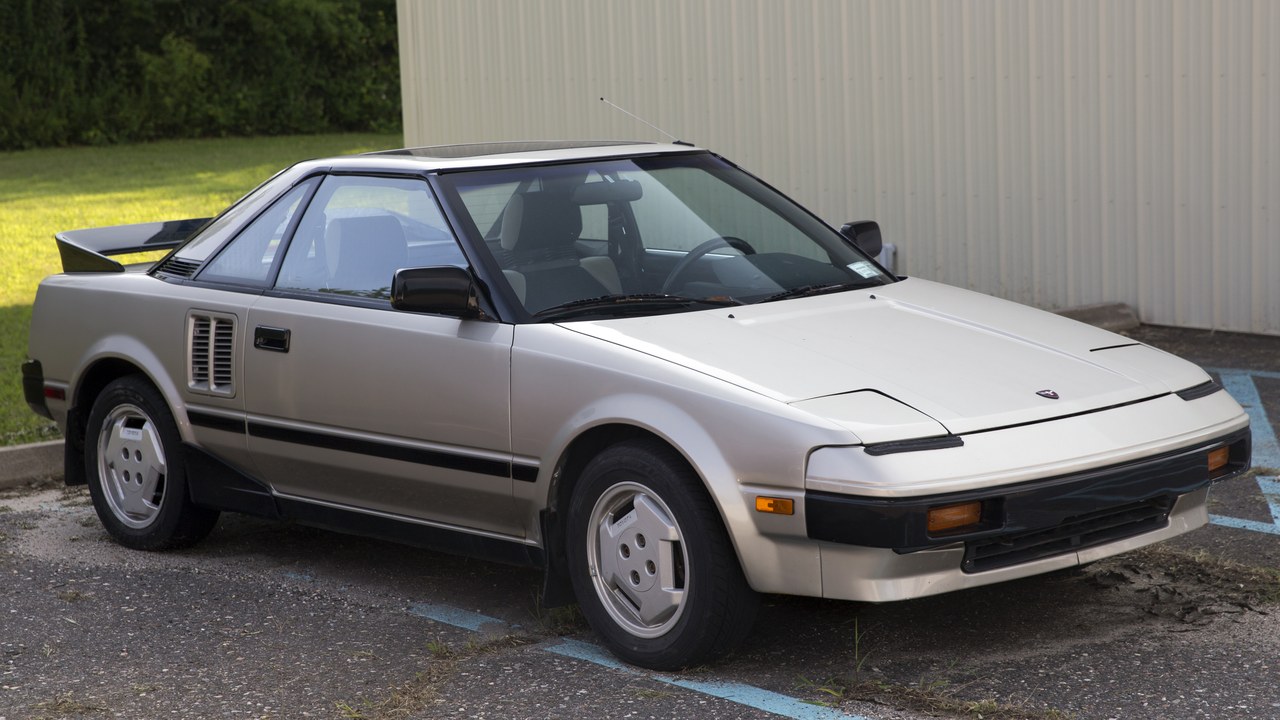
Toyota discontinued the MR2 in 2007 after three generations and 23 years, retiring the cheapest mid-engine car then on sale. The final Spyder weighed roughly 2,200 pounds, used a 1.8-liter four, and offered almost no luggage room beyond a shelf behind the seats. Turbocharged second-generation versions of the mid-engine Toyota MR2 built the model’s reputation for snapping loose at the limit.
Toyota has not built another affordable two-seater with the engine behind the cabin, and that layout has migrated to cars costing several times as much. Second-generation examples still demand respect, because lift-off oversteer punished inattentive drivers long before stability control was standard.
5. Mitsubishi Eclipse: From Tuner Coupe To Crossover Badge
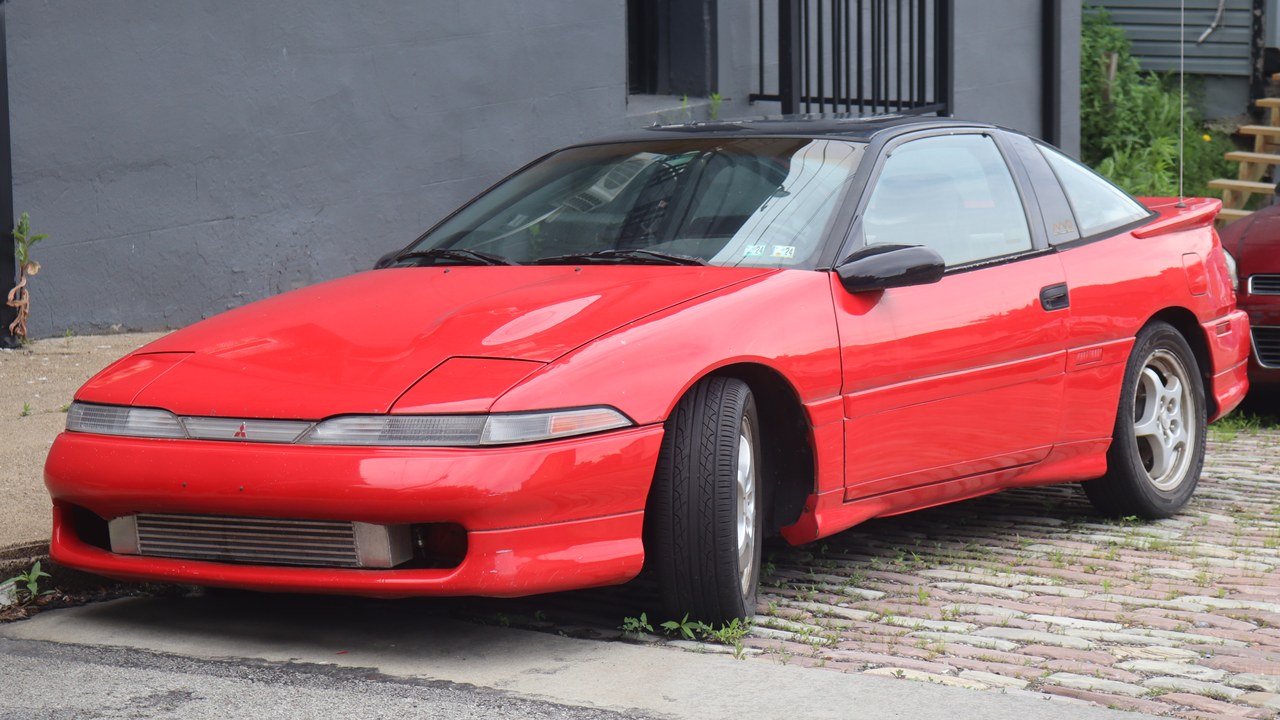
Four generations of Eclipse ended with the last coupe in 2012, closing a run that began in 1989 at the Diamond-Star plant in Normal, Illinois. The reputation rests almost entirely on the first two generations, whose turbocharged all-wheel-drive GSX shared its running gear with the Eagle Talon and made the turbocharged Mitsubishi Eclipse a tuning staple. Later front-drive V6 cars grew heavier and lost that audience.
The name returned in 2017 on the Eclipse Cross, a compact crossover with no mechanical connection to the coupe, a decision that annoyed enthusiasts more than it recruited new ones. Unmodified early turbo cars are now genuinely scarce, most having been tuned hard, crashed, or simply used up.
6. Pontiac Solstice: Killed By The Brand Above It
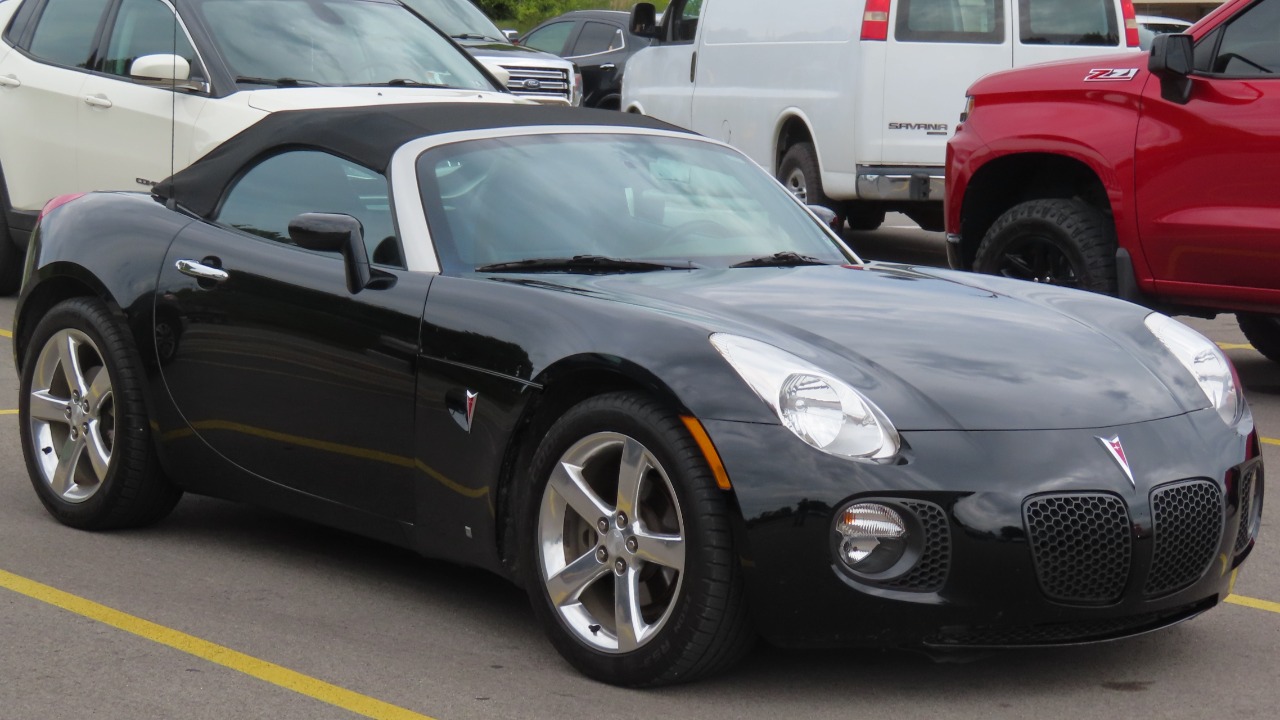
Production of the Solstice stopped in 2009 as General Motors wound down Pontiac, and the brand was gone entirely by 2010. The roadster had arrived only in 2005 on GM’s Kappa platform, sharing its structure with the Saturn Sky, while the GXP version added a turbocharged 2.0-liter four. A hardtop coupe joined the Pontiac Solstice lineup in the final months and reached barely a thousand buyers.
That abrupt ending makes the Solstice one of the few modern roadsters retired for reasons unrelated to how it drove. Mechanical parts shared with the Sky keep upkeep reasonable, though panels unique to the short-lived coupe are hard to find at any price.
7. Acura NSX: Retired Twice In Three Decades
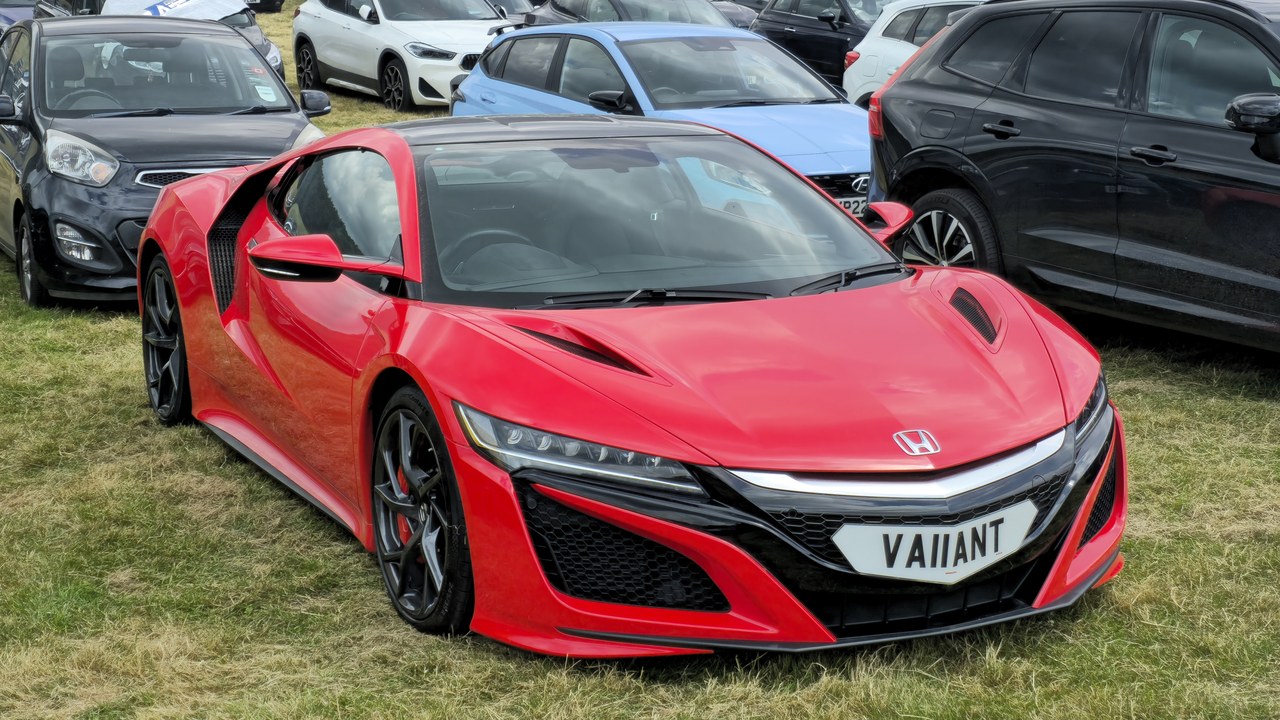
The second-generation NSX went out of production in 2022, retiring the nameplate for a second time after the original bowed out in 2005. The hybrid supercar combined a twin-turbocharged V6 with three electric motors, two of them driving the front wheels, and was hand-assembled at a dedicated plant in Ohio. Acura capped the farewell Type S edition of the hybrid Acura NSX at 350 cars worldwide.
Slow sales followed the car throughout its life, with annual volumes measured in the hundreds against a six-figure price. Acura has pointed toward an electric successor, which would leave the twin-turbo hybrid as the last NSX with a combustion engine.
8. Lexus LFA: Five Hundred Cars, Then The Line Stopped
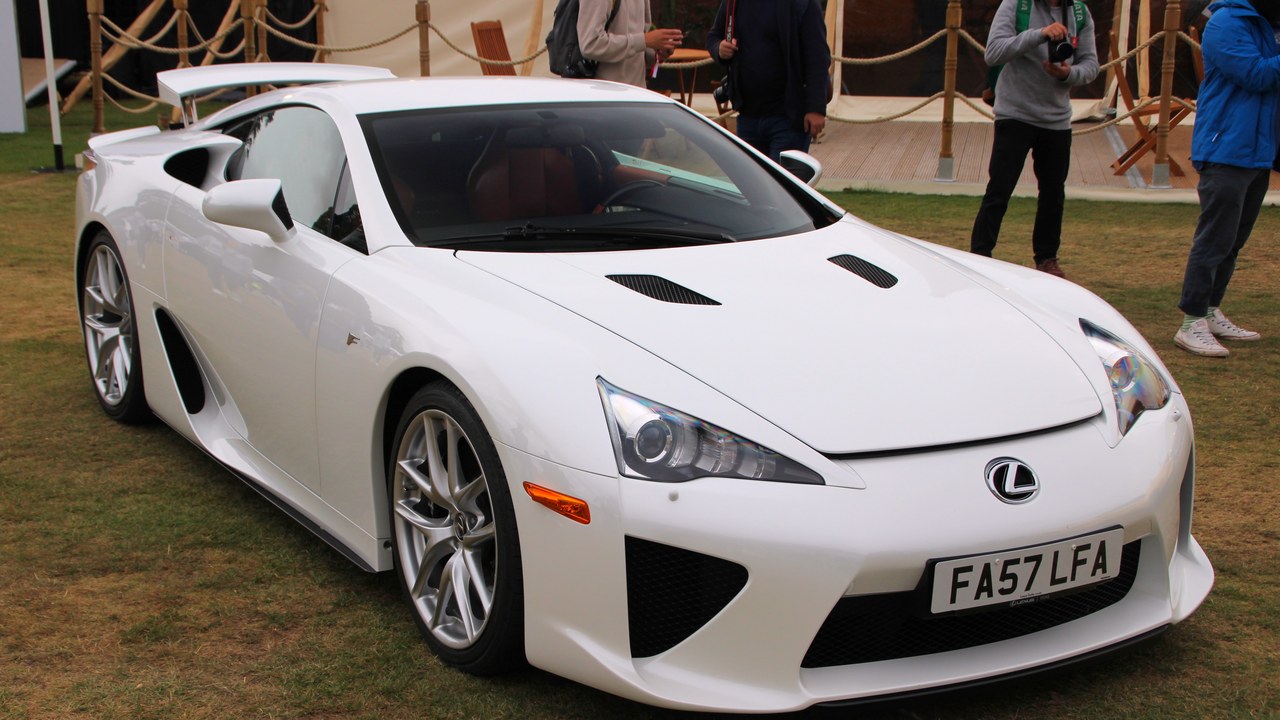
Exactly 500 LFAs were built between 2010 and 2012, after which Lexus dismantled the line and never restarted it. The 4.8-liter V10 climbed to 9,000 rpm faster than a conventional analog tachometer needle could track, which is why a digital instrument display was fitted instead. Yamaha helped tune the exhaust note, and the carbon-fiber body of the Lexus LFA supercar was woven on a loom Toyota developed in-house.
Toyota is widely reported to have lost money on every car despite a sticker near $375,000, treating the project as an engineering exercise rather than a profit center. Values have since climbed far past that original price, an unusual reversal for a car that did not sell out quickly.
9. Nissan 370Z: Twelve Years Without A Redesign
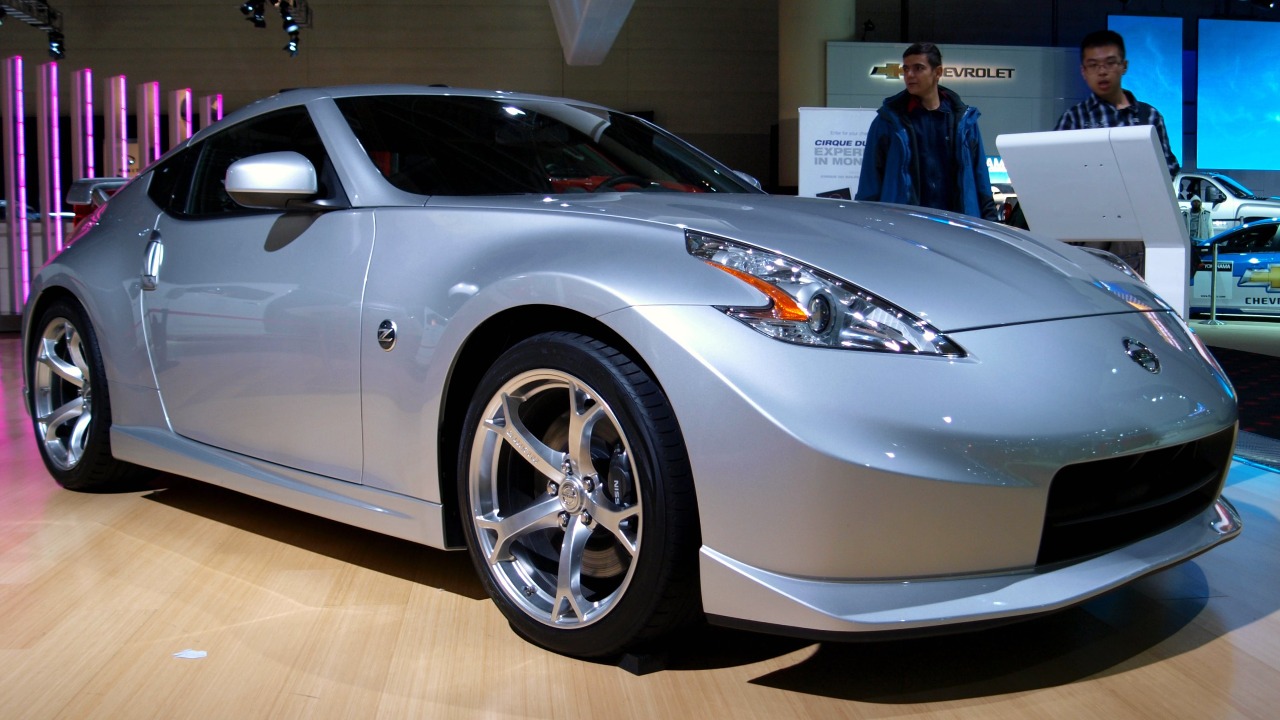
Nissan sold the 370Z largely unchanged from 2009 until it was retired after 2020, an unusually long run that left it facing rivals two generations newer. The car kept a naturally aspirated 3.7-liter V6, offered a rev-matching six-speed manual, and retained hydraulic steering assistance long after competitors moved to electric racks. Its replacement, the Nissan Z, carried over the 370Z chassis architecture beneath new bodywork.
That continuity means the newer model shares a great many service parts, keeping running costs for a used example lower than its performance would suggest. Early manual cars did attract clutch and synchronizer complaints, so a test drive through every gear is worth the time.
More from Morning Overview
