
Depreciation is the largest cost of owning a new vehicle, and it lands hardest in the first five years. Hybrids have quietly become the exception, holding a larger share of their original price than the average gasoline model as fuel prices and used-lot scarcity push buyers toward them. Here are nine hybrids that resist that first-five-year slide better than almost anything else on the road.
1. Toyota RAV4 Hybrid: The Benchmark Everyone Chases
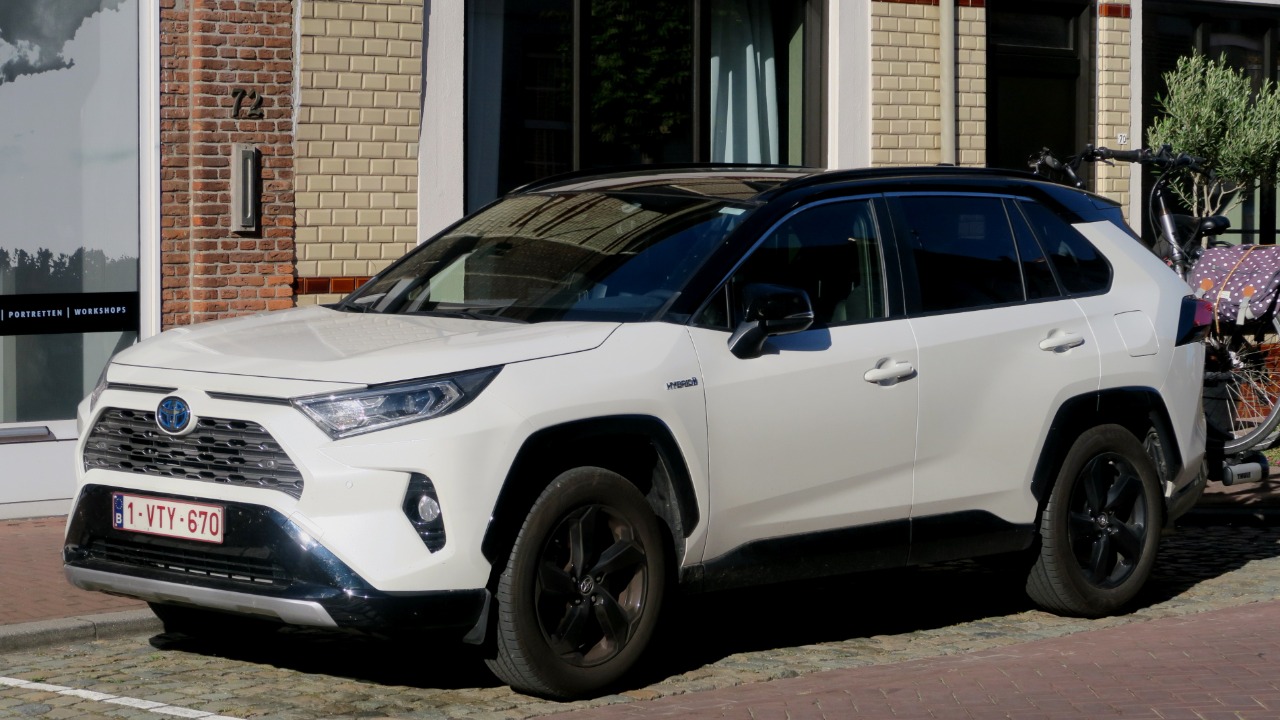
The RAV4 Hybrid sits near the top of nearly every resale ranking, and the reason is simple arithmetic: demand for used compact crossovers with hybrid drivetrains still outruns the supply reaching auction. Toyota dealers compete for clean trade-ins, which props up transaction prices long after the factory warranty lapses. An industry resale study places hybrids well ahead of the overall market on five-year value retention.
That strength cuts both ways. A five-year-old RAV4 Hybrid rarely trades at a bargain, so the savings surface at resale rather than at purchase. Owners who keep the vehicle a decade capture the full benefit, while short-term buyers pay a premium going in.
2. Toyota Prius: Two Decades Of Familiarity
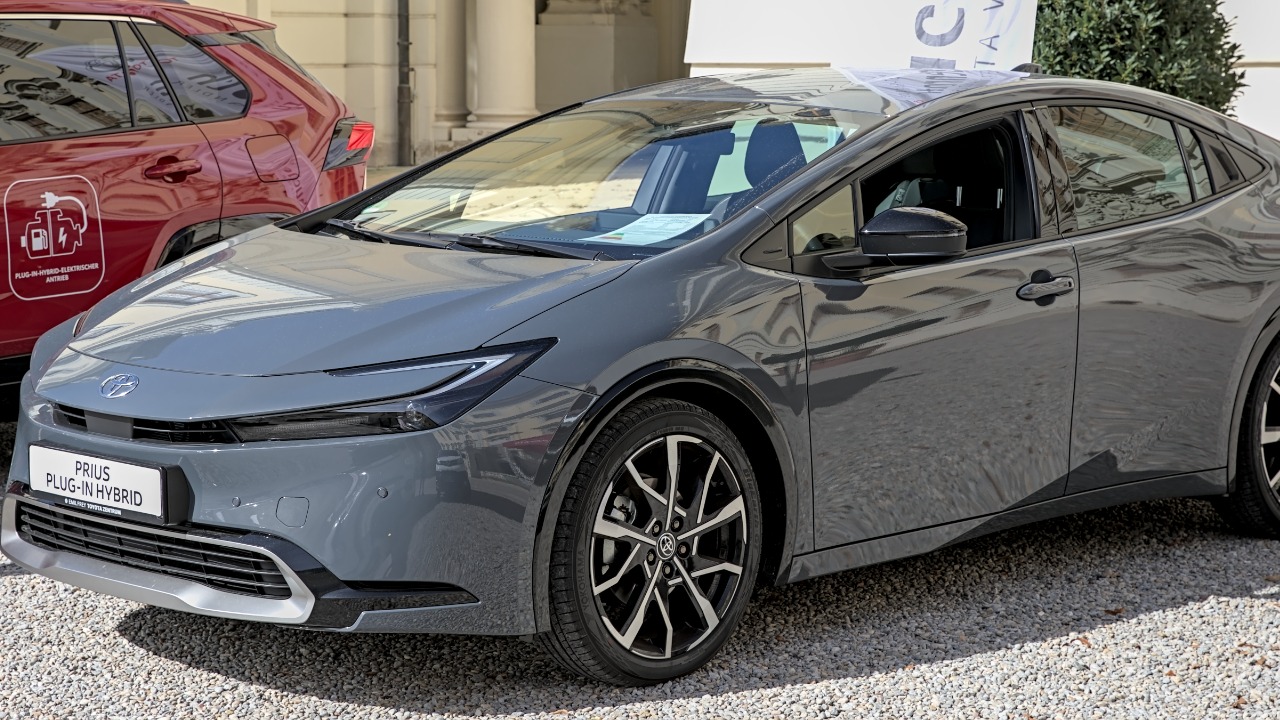
Long production runs made the Prius the default used hybrid, and that familiarity keeps its resale curve unusually flat. Independent mechanics know the platform, parts are everywhere, and high-mileage examples still change hands without the battery anxiety that trails less common hybrids. The same resale value study ranks hybrids as a group ahead of the market average once five years have passed.
Condition matters more than the odometer here. Traction batteries in older Priuses can be replaced for a fraction of the car’s value, and rebuilt packs are a mature aftermarket product. Anyone shopping the cheapest listings should still budget for one, because a failed pack erases the discount that made the listing attractive.
3. Toyota Highlander Hybrid: Scarcity In The Third Row
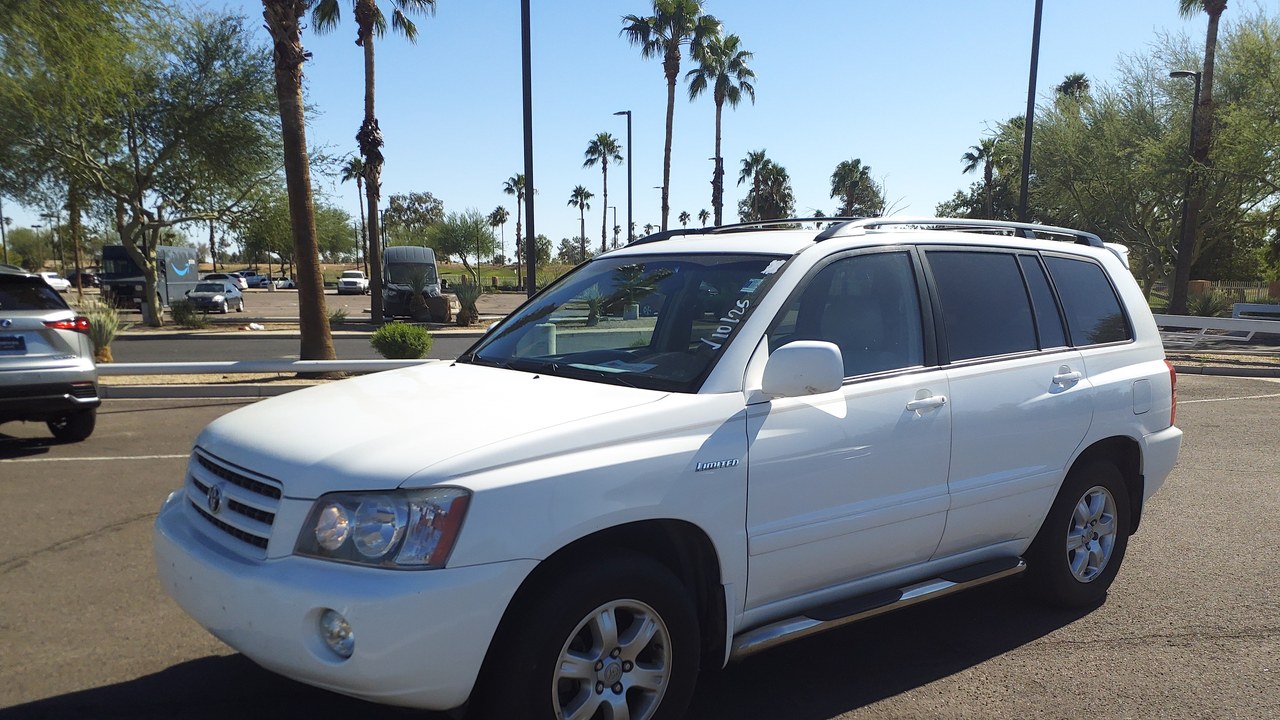
Three-row hybrids remain rare, and that scarcity is what holds the Highlander Hybrid’s price up. Families needing seven or eight seats plus fuel economy no truck can match have few alternatives, so used examples move quickly in suburban markets. Toyota has built a hybrid version of the midsize three-row SUV since the model’s early years, leaving a deep and well-understood supply on the used market.
The trade-off shows up on the largest trims. Loaded examples shed more dollars than mid-level ones simply because the sticker started higher, so mid-grade versions usually return the better percentage. Third-row seating also signals heavy family use, and a worn interior drags on the price of an otherwise mechanically sound vehicle.
4. Honda CR-V Hybrid: Volume Built The Floor
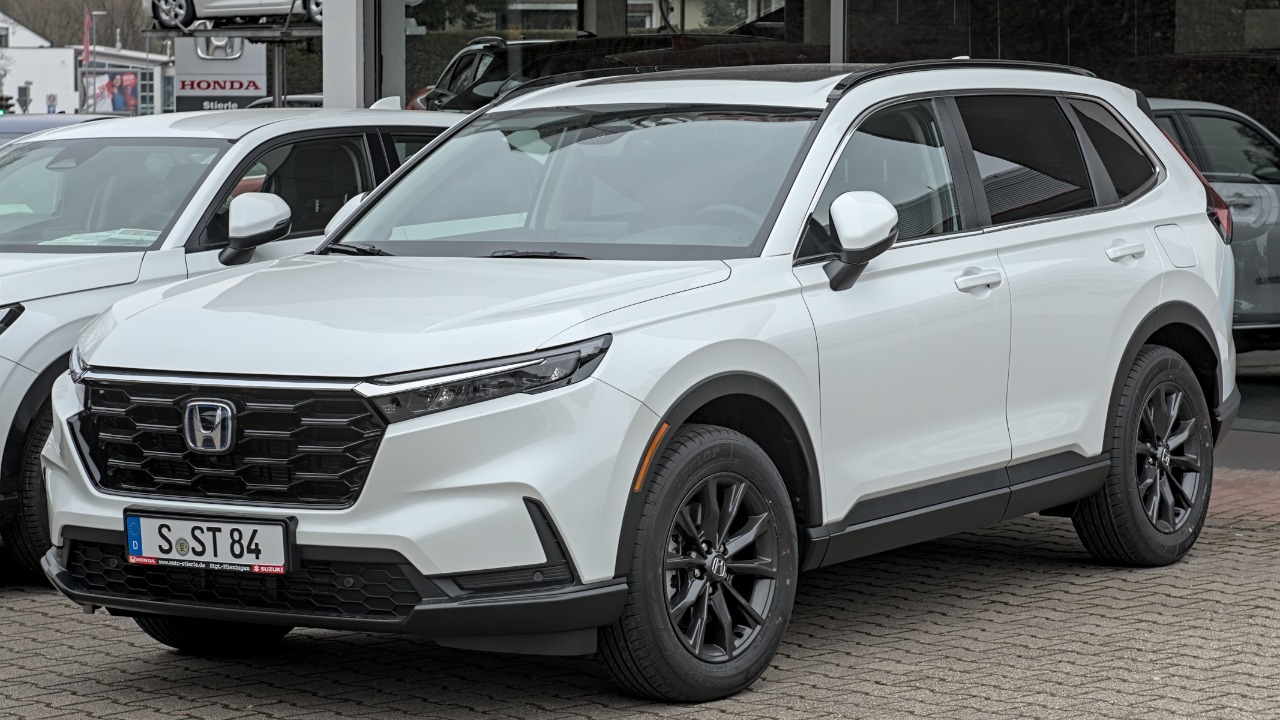
Honda treated the hybrid as a mainstream trim rather than a niche variant, and the volume that followed created a used market deep enough to keep values stable. The CR-V has ranked among America’s best-selling compact crossovers for years, so secondhand shoppers recognize the badge without needing to be convinced. Familiarity of that kind translates directly into money at trade-in time.
Where the CR-V Hybrid gives ground is trim inflation. Higher-spec versions carry option content used shoppers rarely pay full price for, so a base or mid-trim example generally returns the stronger percentage. Documented service history matters as well, since it separates the well-kept cars in a crowded field of near-identical listings.
5. Toyota Camry Hybrid: Built For High Mileage
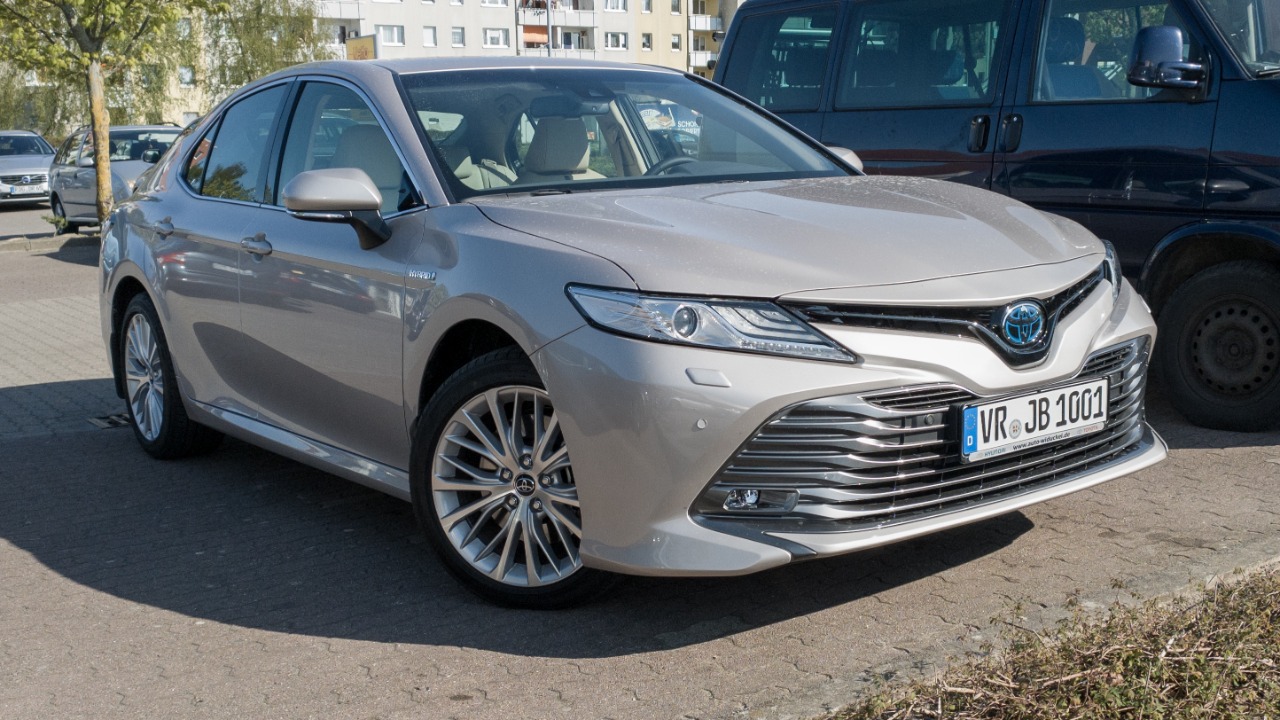
The Camry Hybrid draws on the same fleet demand that makes it a fixture in taxi and rideshare service. Durability under punishing mileage is well documented, and that reputation follows individual cars into private hands. Toyota eventually made hybrid power standard across the midsize Camry lineup, which removed the guesswork buyers once faced when shopping the model secondhand.
Sedan depreciation runs steeper than crossover depreciation, and the Camry is not immune to it. What separates this one is the floor: prices stop falling earlier and hold there, so older examples retain meaningful value instead of sliding toward scrap money. Cars with visible rideshare history are the exception and sell at a clear discount.
6. Lexus RX Hybrid: Luxury Without The Cliff
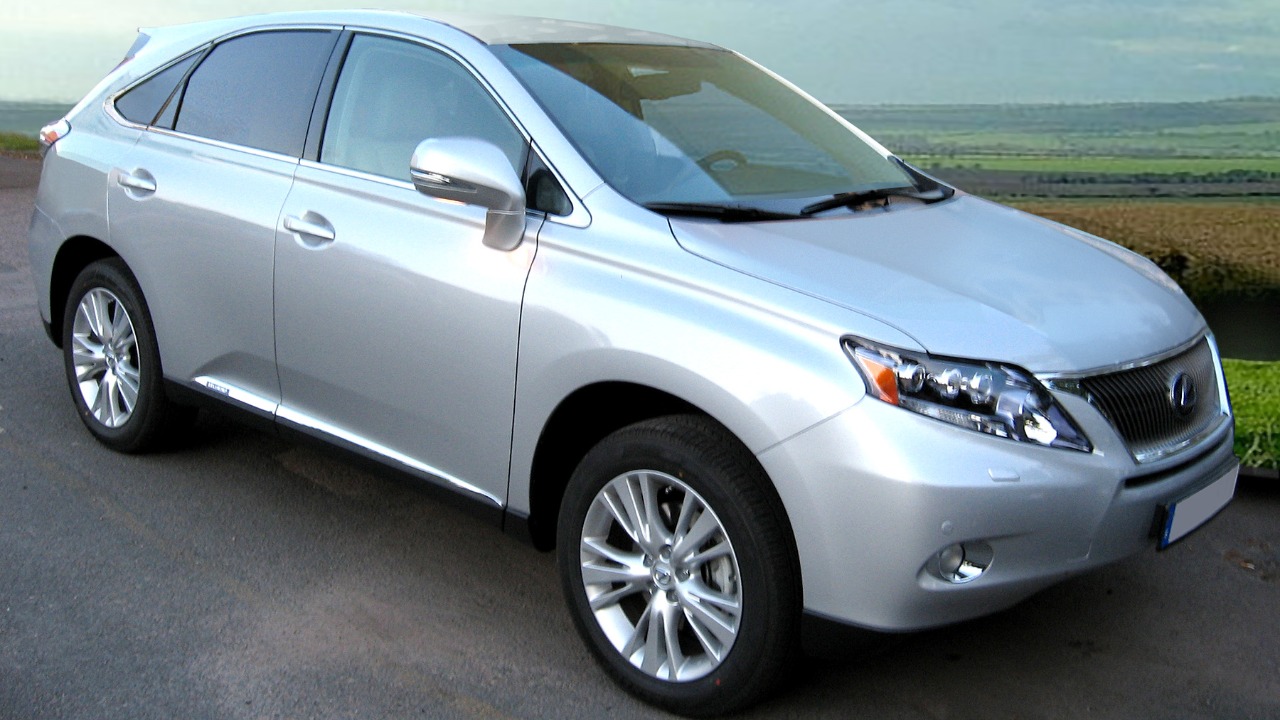
Premium vehicles usually depreciate hardest, which makes this model’s performance unusual. Lexus reliability scores and the Toyota hybrid hardware beneath the badge mean secondhand buyers are not bracing for a five-figure repair bill, and that confidence supports asking prices. The Lexus RX has offered a hybrid drivetrain since the mid-2000s, an unusually long track record among luxury hybrids.
The steepest losses still land in the first two years, when the luxury premium washes out of the price. The retention advantage appears afterward, across years three through eight, where the RX holds ground that German rivals surrender. Value hunters concentrate on three-year-old examples for precisely that reason.
7. Toyota Corolla Hybrid: Cheap To Run, Slow To Fall
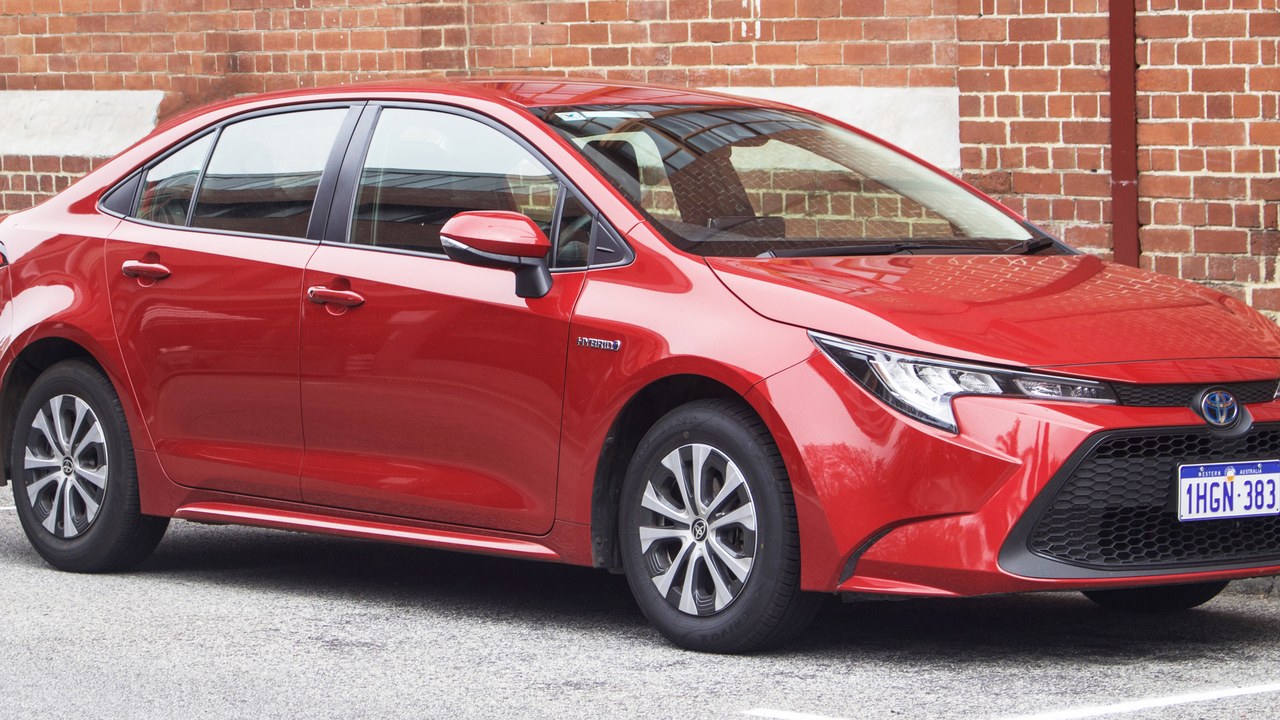
Inexpensive commuters gain value whenever fuel prices climb, and the Corolla Hybrid is the clearest illustration of that dynamic. Its running costs are low enough that used demand strengthens in exactly the conditions that soften the rest of the market. The Corolla nameplate ranks among the best-selling in automotive history, giving its secondhand pricing an unusually solid foundation.
The catch is the modest starting price. A strong percentage of a small sticker still produces smaller dollar savings than a crossover delivers, even when the retention rate looks better on paper. Drivers chasing the largest absolute return do better in a bigger hybrid, though the Corolla wins on total cost of ownership.
8. Honda Accord Hybrid: A Nameplate With Goodwill
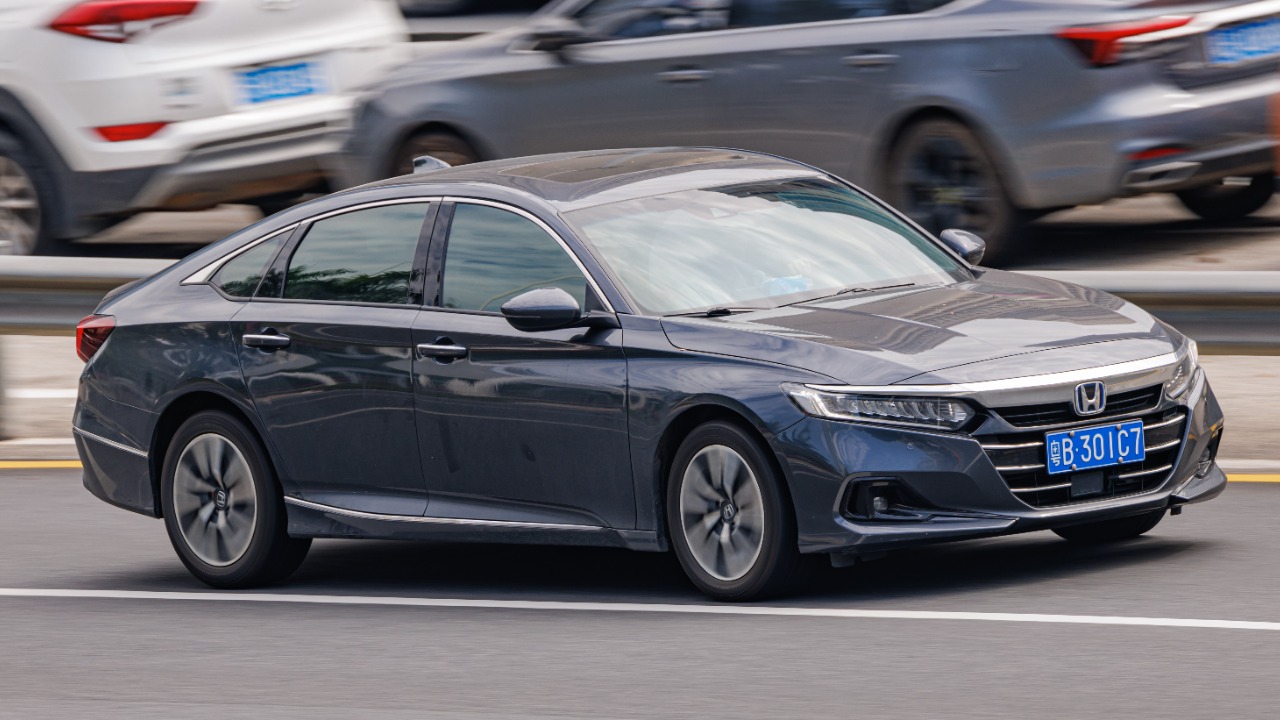
Accord resale has long outrun the midsize-sedan average, and the hybrid version inherits that reputation while adding the fuel economy secondhand shoppers actively seek. Honda placed hybrid power on upper trims, so used examples tend to arrive well equipped rather than stripped down. The Honda Accord has been sold in the United States since the 1970s, and few nameplates carry that much accumulated goodwill.
Thinning sedan supply is the complication. Automakers have cut car lineups, which limits new competition but also shrinks the pool of shoppers who want a sedan at all. The result is a narrower, steadier market: fewer buyers, but ones who know exactly what they want and will pay for a clean example.
9. Ford Maverick Hybrid: No Competitor, No Discount
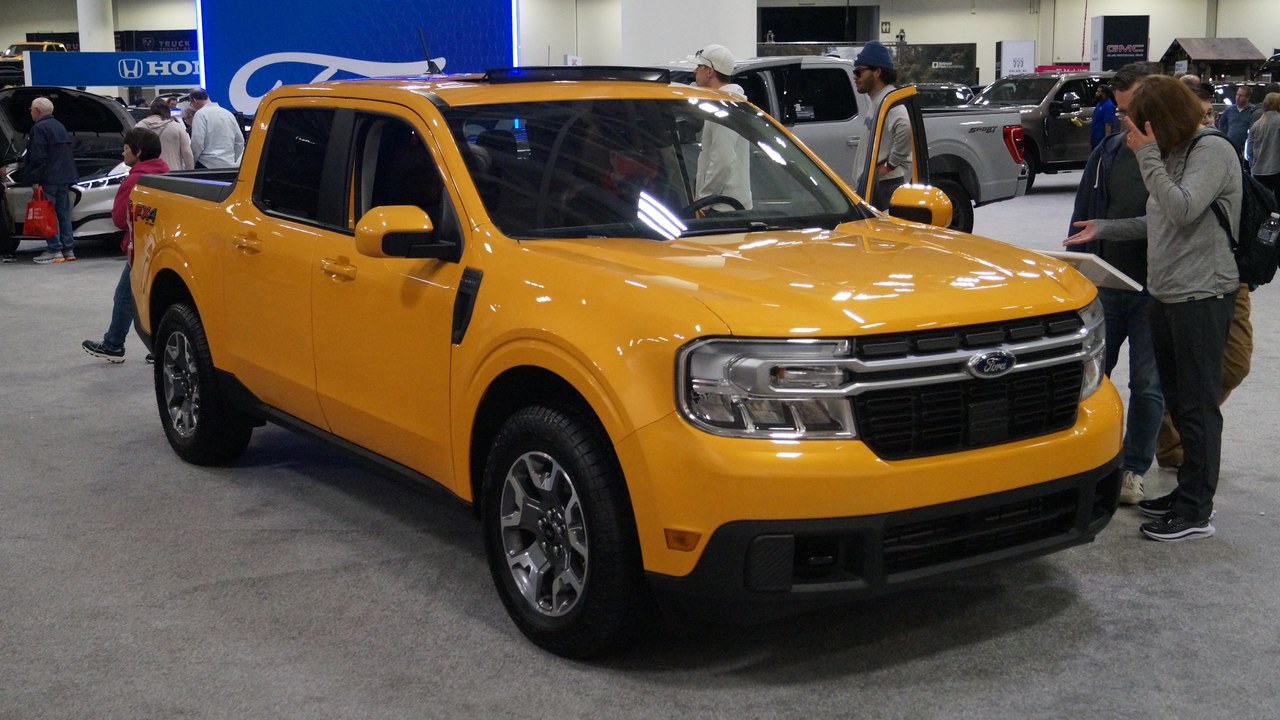
The Maverick Hybrid landed in a truck market with no direct rival, and demand ran ahead of production from the start. Order banks filled faster than the factory could build, which kept used prices unusually close to new-car pricing, a rare outcome for an entry-level pickup. Ford’s compact hybrid pickup pairs a short bed with a standard hybrid drivetrain at a price nothing else matched.
Scarcity of that kind tends to fade once production catches up. Later model years should depreciate more conventionally, and the earliest trucks may give back part of their premium as the used pool fills. For now it remains one of the few vehicles where buying used offers almost no discount over ordering new.
More from Morning Overview
