
Few machines built a fearsome reputation faster than the rally cars of the 1970s and 1980s, whose enormous power and fragile chassis made them as dangerous as they were quick. Some defined the notorious Group B era, while others carried the sport into the modern World Rally Championship. These nine legends earned their names on the world’s most punishing stages.
1. Audi Quattro: The car that made four-wheel drive essential
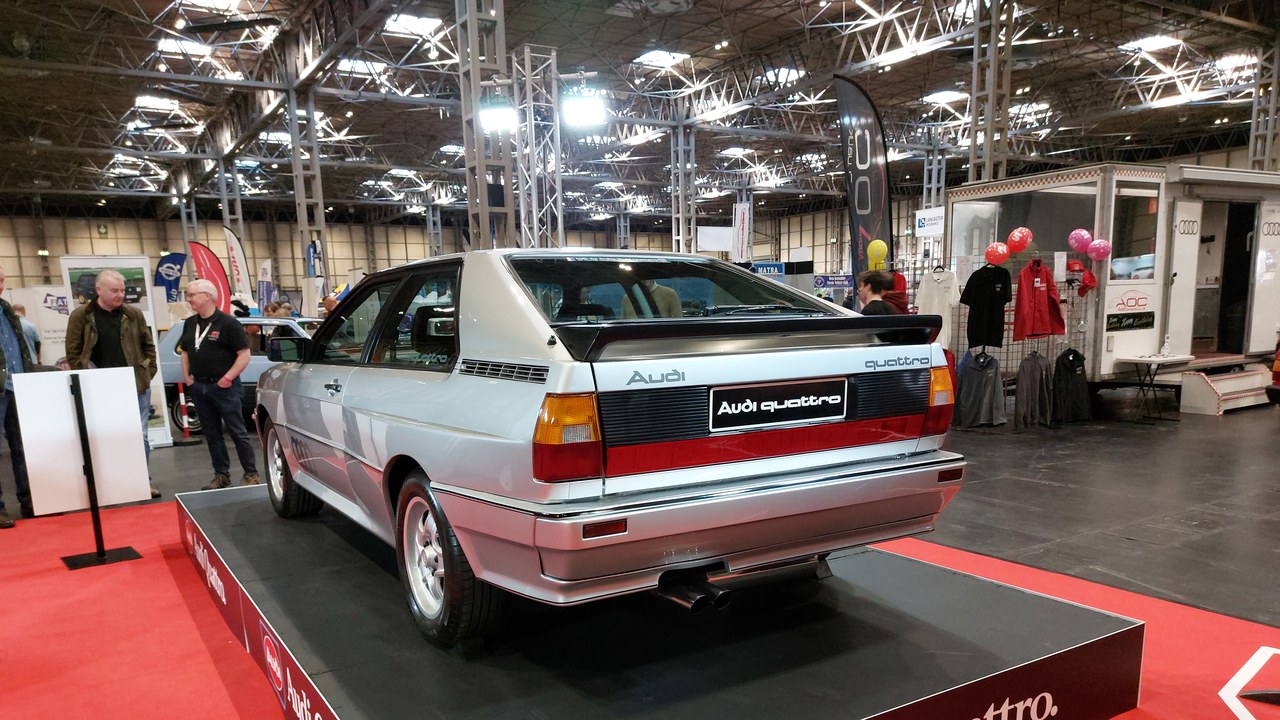
When Audi unveiled the Audi Quattro in 1980, it exploited a recent rule change that finally permitted four-wheel drive in international rallying. Its turbocharged five-cylinder engine and all-wheel traction let it pull away from rear-drive rivals on loose gravel, snow, and ice.
The revolution was immediate. Audi took the manufacturers’ championship in 1982 and 1984, while Michele Mouton came within a whisker of the drivers’ title. Handling the early cars demanded courage, since the long engine hanging ahead of the front axle produced heavy understeer at speed. Within a few seasons every serious contender had copied the concept, and rear-wheel drive was effectively obsolete at the front of the field.
2. Lancia Delta S4: Twincharged and terrifying in equal measure
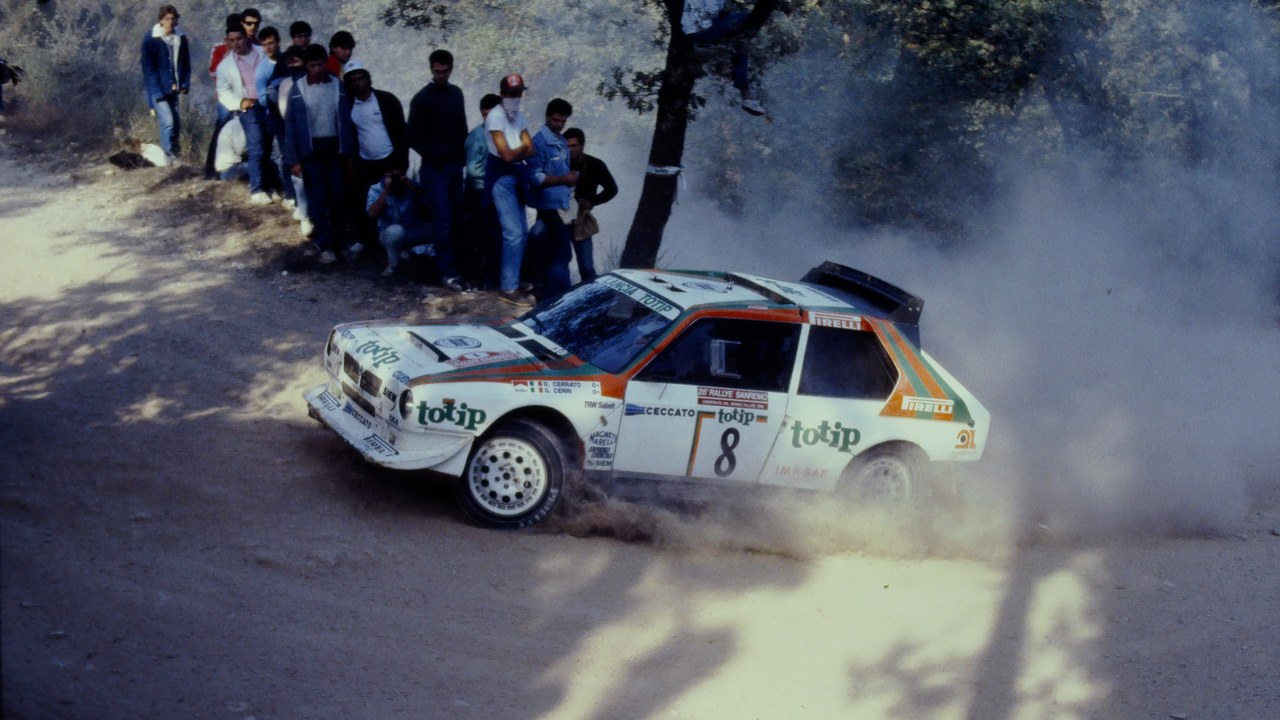
Lancia answered its rivals with the Lancia Delta S4, a Group B car that combined a supercharger and a turbocharger on the same engine to erase turbo lag. The result was violent, near-instant acceleration from a mid-mounted four-cylinder producing well over 480 horsepower in competition trim.
The S4 won on its debut at the 1985 RAC Rally, yet it is remembered as much for tragedy. During the 1986 Tour de Corse, Henri Toivonen and co-driver Sergio Cresto were killed when their car left the road and burned, an accident that helped convince the sport to abolish Group B entirely. Beneath its ordinary hatchback silhouette lay one of the most extreme competition cars ever built.
3. Lancia 037: The last rear-driver to beat the odds
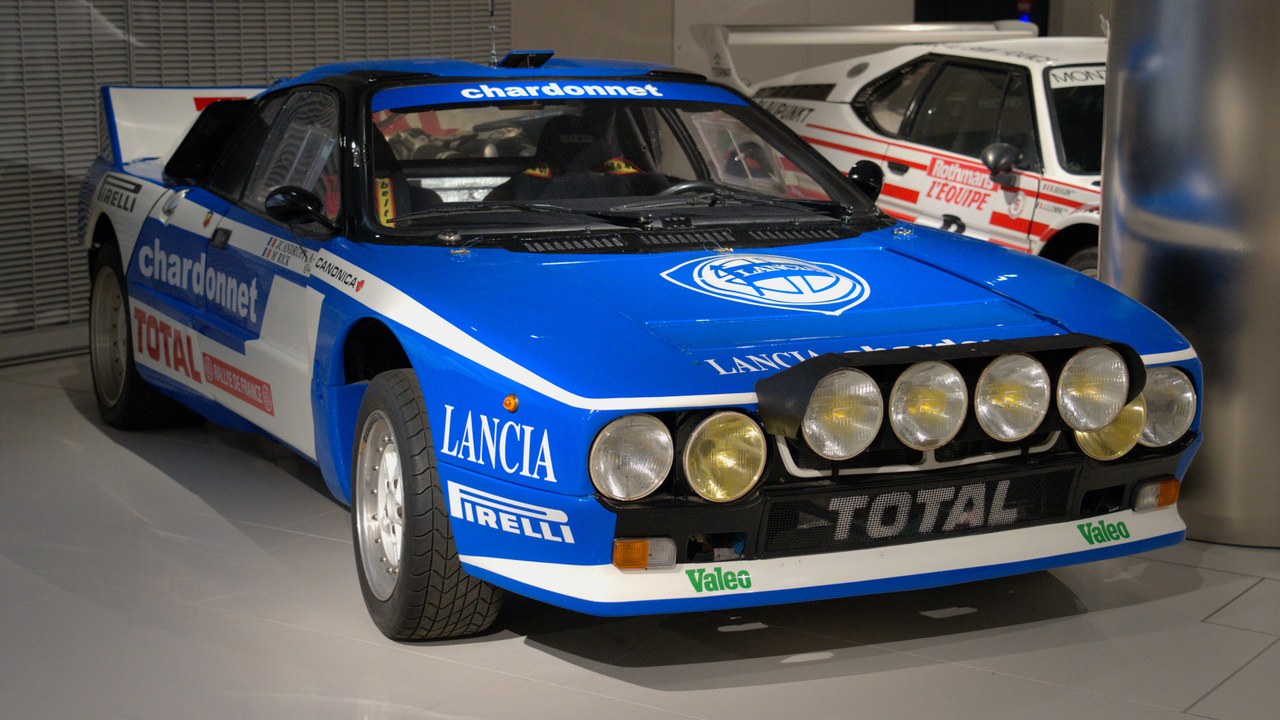
Built around a supercharged mid-mounted engine and rear-wheel drive, the Lancia 037 arrived just as four-wheel drive was reshaping the sport. Lancia bet that a lighter, more agile two-wheel-drive car could still beat Audi’s heavier Quattro, particularly on smooth tarmac stages.
The gamble paid off. In 1983 the car carried Lancia to the manufacturers’ championship, making it the last rear-wheel-drive machine to win the world title. Drivers had to manage vicious oversteer and a narrow power band, wrestling the car sideways through corners where the Quattro simply gripped and went. That victory over supposedly superior technology remains one of rallying’s great underdog stories.
4. Peugeot 205 Turbo 16: A racing car in a shopping-car costume
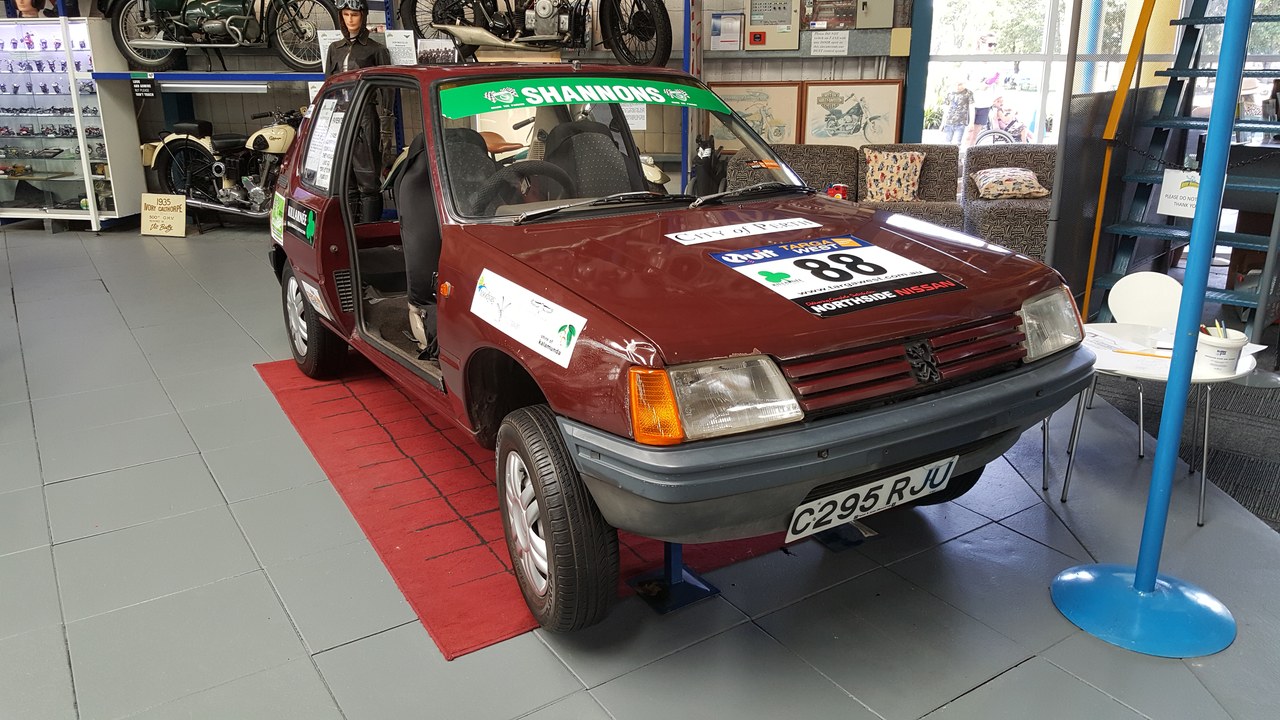
Peugeot disguised a purpose-built competition machine inside the bodywork of its humble 205 hatchback. The Peugeot 205 Turbo 16 mounted its turbocharged engine transversely behind the driver and sent power to all four wheels, sharing almost nothing with the road car beyond its silhouette.
It proved devastatingly effective, winning the manufacturers’ championship in both 1985 and 1986 in the hands of drivers such as Timo Salonen and Juha Kankkunen. The combination of light weight, huge boost, and mid-engine balance made it fast but demanding, capable of snapping loose without warning. When Group B ended, Peugeot took the evolved car rallying across the deserts of the Paris-Dakar and kept winning.
5. Ford RS200: Ford’s clean-sheet weapon arrived too late
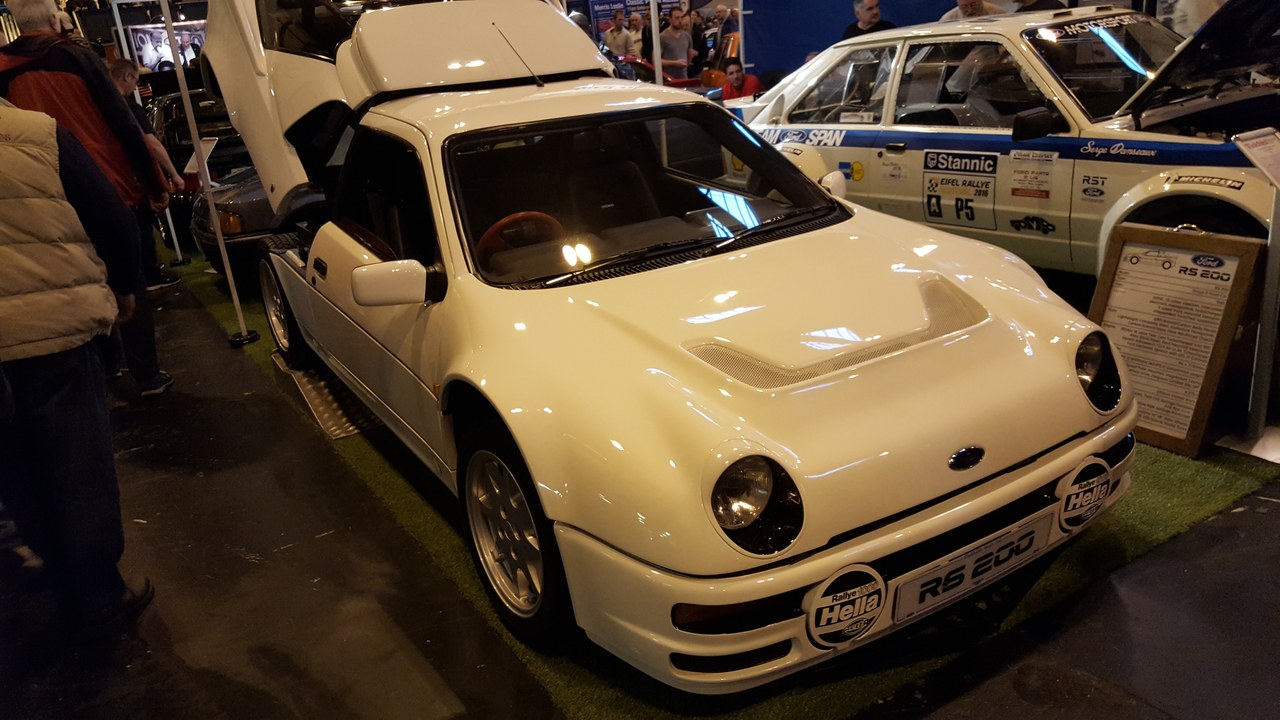
Unlike rivals adapting existing models, Ford designed the Ford RS200 from scratch as a Group B rally car. It featured a mid-mounted Cosworth turbo engine, four-wheel drive, and a composite body wrapped in styling that hinted at no production Ford at all.
The car’s competition career was brief and troubled. It arrived in late 1985 just as Group B was collapsing, and an example was involved in the 1986 Rally de Portugal crash that injured spectators and prompted the works teams to withdraw. Its best world championship result was third place in Sweden. Freed from rallying, the RS200 found a second life as a fearsomely quick rallycross and hillclimb machine.
6. MG Metro 6R4: The oddball that skipped the turbocharger
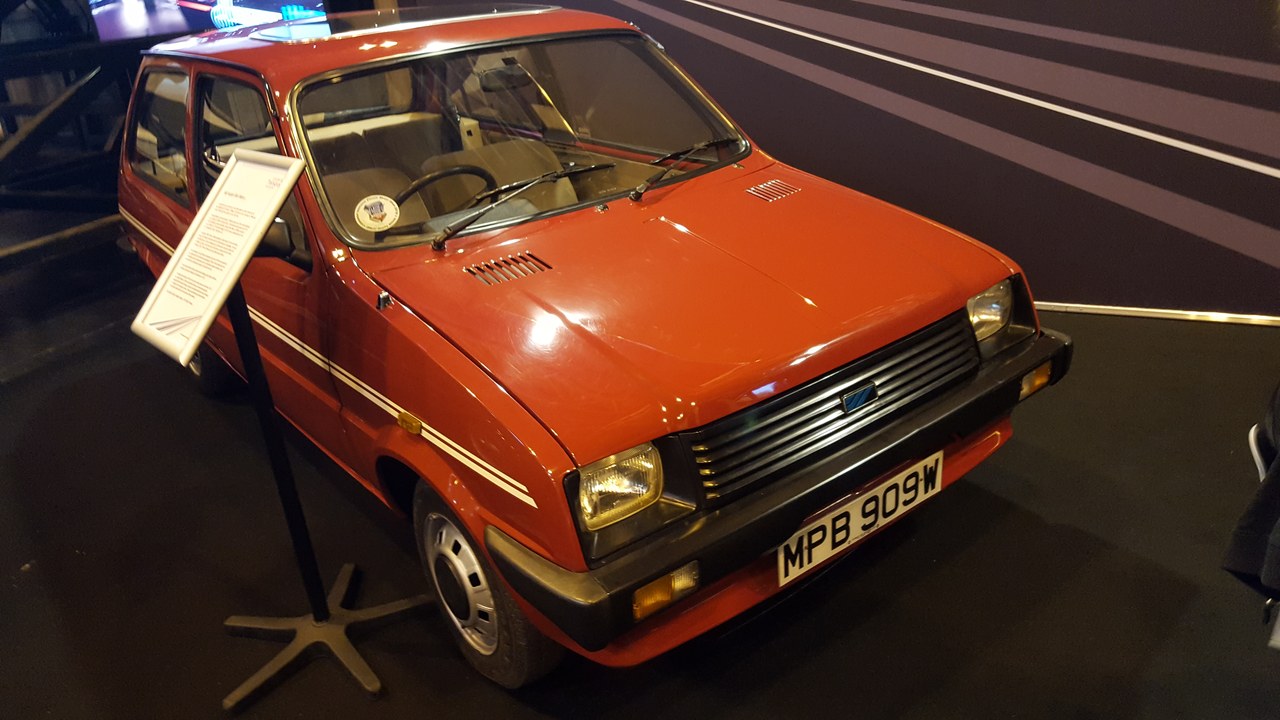
While its rivals chased boost, the MG Metro 6R4 took the opposite path with a naturally aspirated V6 mounted amidships and four-wheel drive. Developed with input from Williams Grand Prix Engineering, it traded outright top-end power for sharp throttle response and predictable delivery.
Hidden inside a boxy Metro shell studded with wings and vents, the 6R4 arrived in 1985 only for Group B to be banned soon after, cutting short its factory campaign. Its finest moment was Tony Pond’s third place on the 1985 RAC Rally. The engine outlived the car, as a turbocharged development of its V6 later powered the Jaguar XJ220 supercar.
7. Lancia Stratos: The first car built purely to win rallies
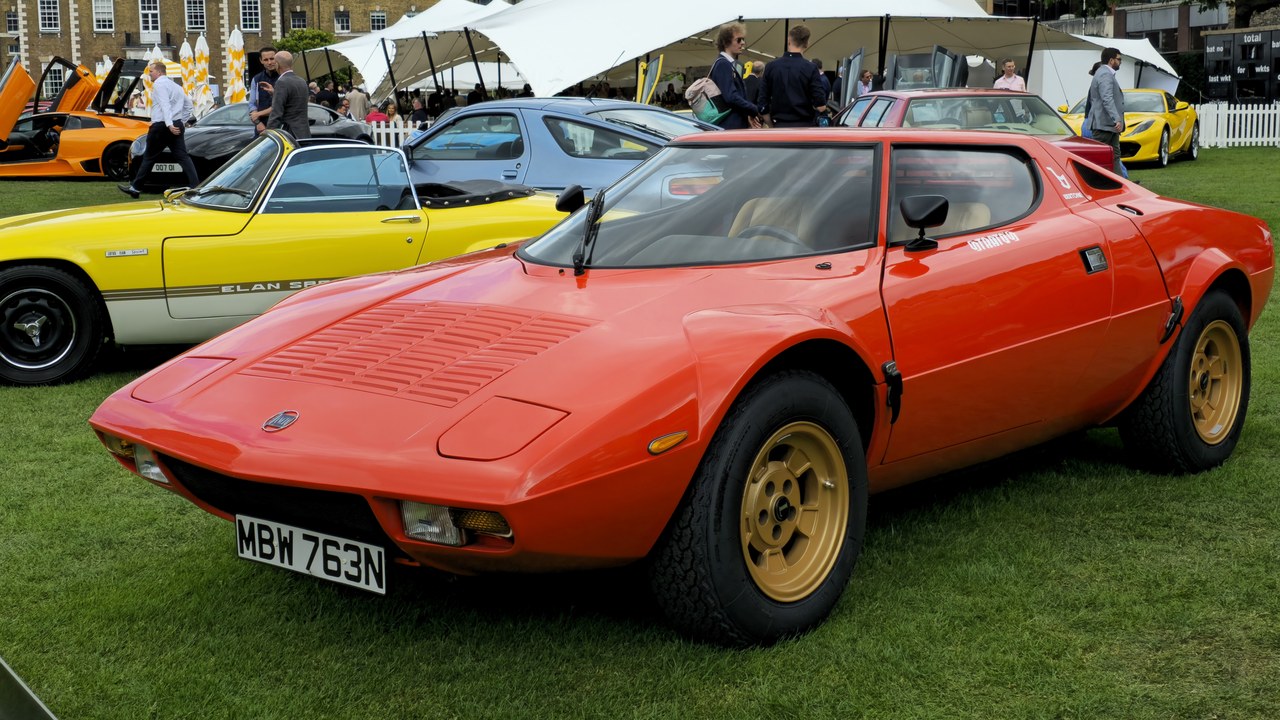
Long before Group B, Lancia commissioned the Lancia Stratos as the first car engineered from the ground up specifically for rallying. Bertone’s dramatic wedge shape concealed a Ferrari Dino V6 mounted behind the cockpit, giving the short-wheelbase machine explosive agility.
That agility came with menace. The Stratos rotated so eagerly that it demanded constant correction, rewarding brave drivers and punishing hesitant ones. It delivered Lancia three consecutive manufacturers’ championships in 1974, 1975, and 1976, dominating an era of converted saloons. Compact, loud, and beautiful, it set the template that every purpose-built rally car would follow for decades afterward.
8. Subaru Impreza: Blue-and-gold hero of the 1990s
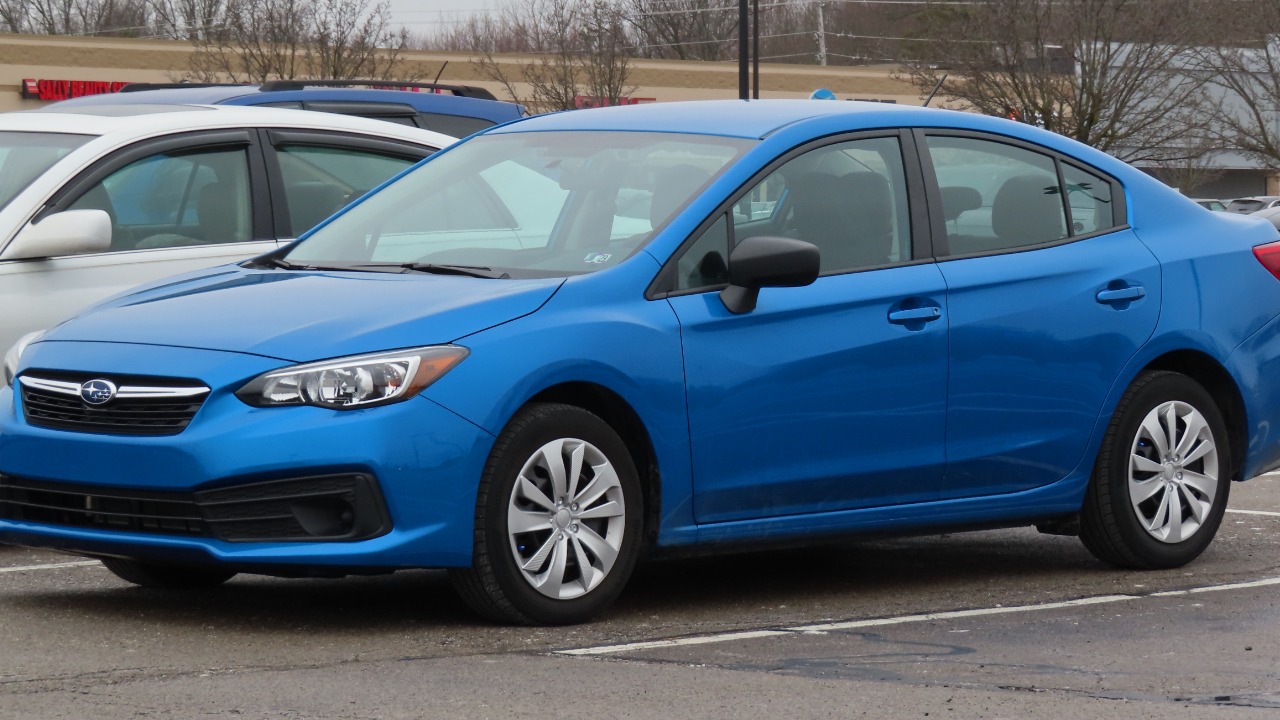
The Subaru Impreza became the defining rally car of the 1990s, its turbocharged flat-four and permanent four-wheel drive wrapped in the instantly recognisable blue-and-gold 555 livery. Compact and communicative, it turned Subaru into a household name among enthusiasts.
Colin McRae took the drivers’ championship in one during 1995, becoming Britain’s first world rally champion, and Richard Burns repeated the feat in 2001. Subaru also claimed three consecutive manufacturers’ titles between 1995 and 1997. Though tamer than the Group B monsters that preceded it, the Impreza’s blend of grip, noise, and pedigree made it a road-going icon that fans still chase today.
9. Mitsubishi Lancer Evolution: Subaru’s fiercest stage-side rival
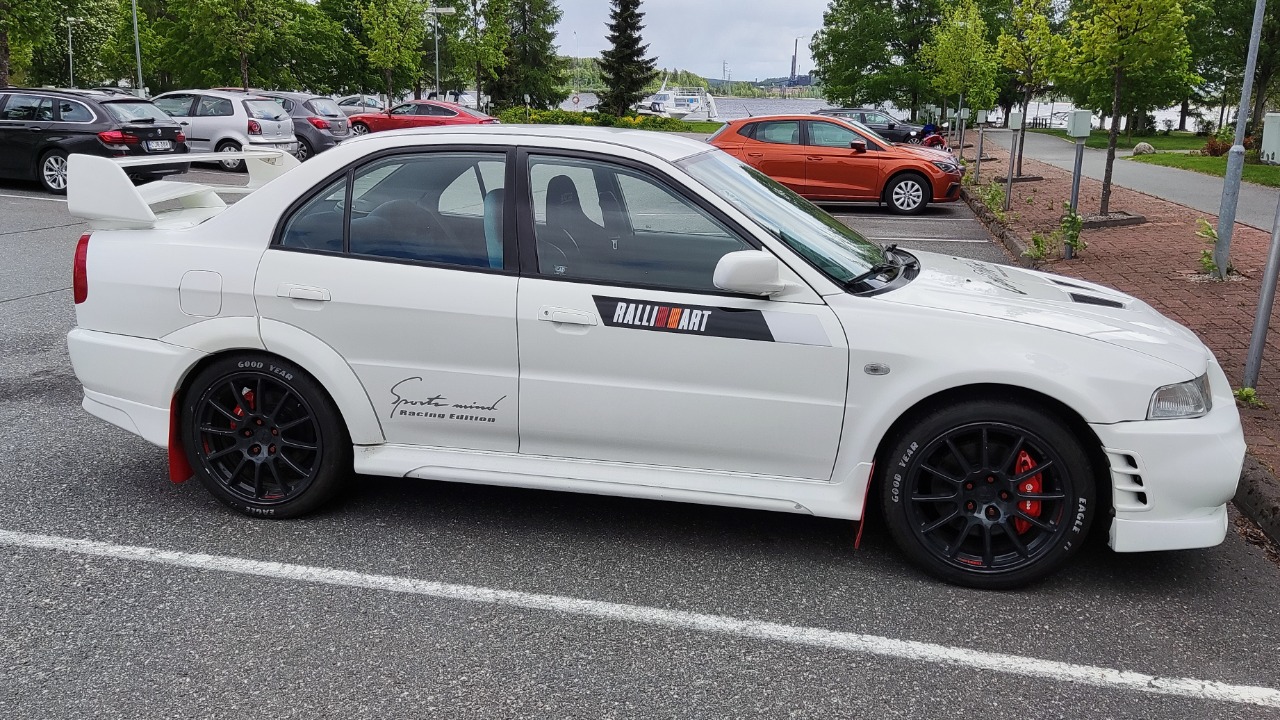
Created to homologate Mitsubishi’s rally weapon, the Mitsubishi Lancer Evolution paired a turbocharged four-cylinder with sophisticated four-wheel drive in a compact saloon body. Each successive version grew sharper, feeding a rivalry with Subaru that came to define 1990s rallying.
Behind the wheel, Tommi Makinen delivered four consecutive drivers’ world championships from 1996 to 1999, cementing the Evo’s reputation for point-and-shoot ferocity. On the road, its stiff chassis and aggressive turbocharging made it thrilling but unforgiving of mistakes. The Evolution and the Impreza became bitter showroom and stage rivals, each generation escalating the fight until both cars achieved cult status worldwide.
More from Morning Overview
- Long-term use of common heartburn pills is tied to kidney and dementia risk
- A California supervolcano has bulged upward about two and a half feet since 1978
- The FTC is warning about a scam quietly draining thousands from victims
- The NSA is again telling phone owners to switch off one location setting
