
Fuel economy was never the design brief behind these machines. Engineers chased displacement, forced induction, and curb weight instead, and the fuel bill arrived as an accepted side effect. Nine of the thirstiest vehicles ever sold are gathered here, each one earning its reputation through deliberate engineering choices rather than accident.
1. Bugatti Veyron: Sixteen Cylinders, Four Turbochargers
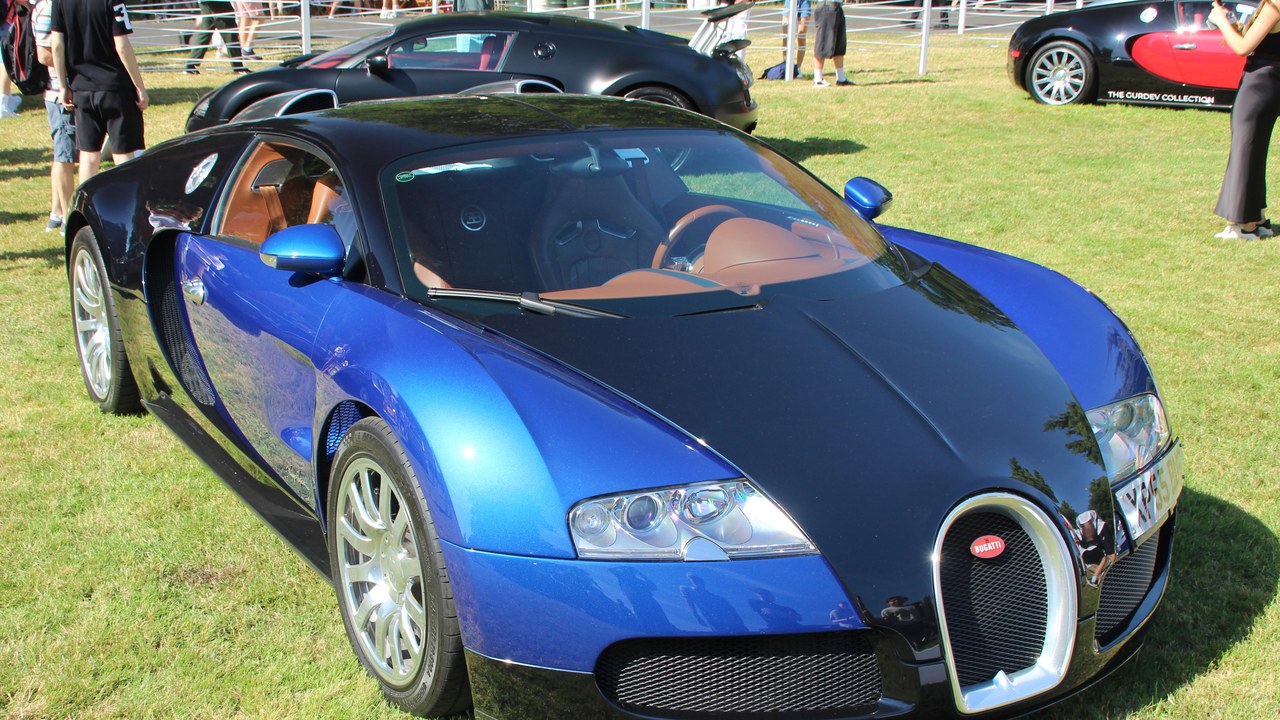
The Veyron’s 8.0-litre quad-turbocharged W16 engine was built to produce roughly 1,000 metric horsepower, and moving that much air and fuel leaves no room for restraint. Four turbochargers feed sixteen cylinders arranged in a W formation, with ten separate radiators required to keep the assembly cool. Consumption climbs steeply with speed, and at terminal velocity the 100-litre tank empties in minutes rather than hours.
Bugatti never presented the car as efficient. The engineering brief called for a road-legal machine capable of more than 400 km/h, and every other consideration, fuel included, was subordinate to that single target.
2. Lamborghini Aventador: A V12 That Refused To Shrink
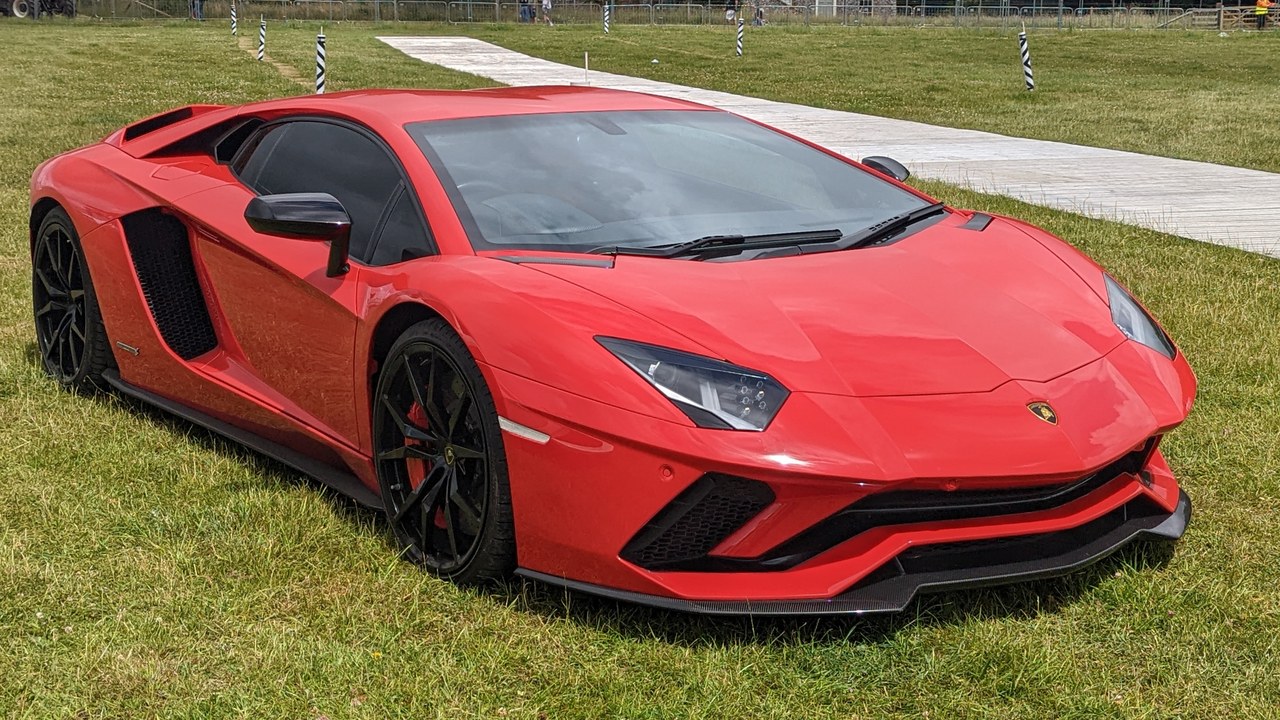
Behind the cabin sits a 6.5-litre naturally aspirated V12, a configuration Lamborghini kept alive long after most rivals downsized to smaller turbocharged units. An engine of that displacement without forced induction must move enormous volumes of air and fuel to reach peak output high in the rev range. Urban driving punishes the layout hardest, since twelve cylinders still need feeding while the car crawls.
Cylinder deactivation and a stop-start system were fitted to trim consumption, though the gains were modest against the physics involved. Lamborghini leaned into the engine’s noise and response rather than apologising for its appetite.
3. Dodge Viper: Eight Litres Of Pushrod Muscle
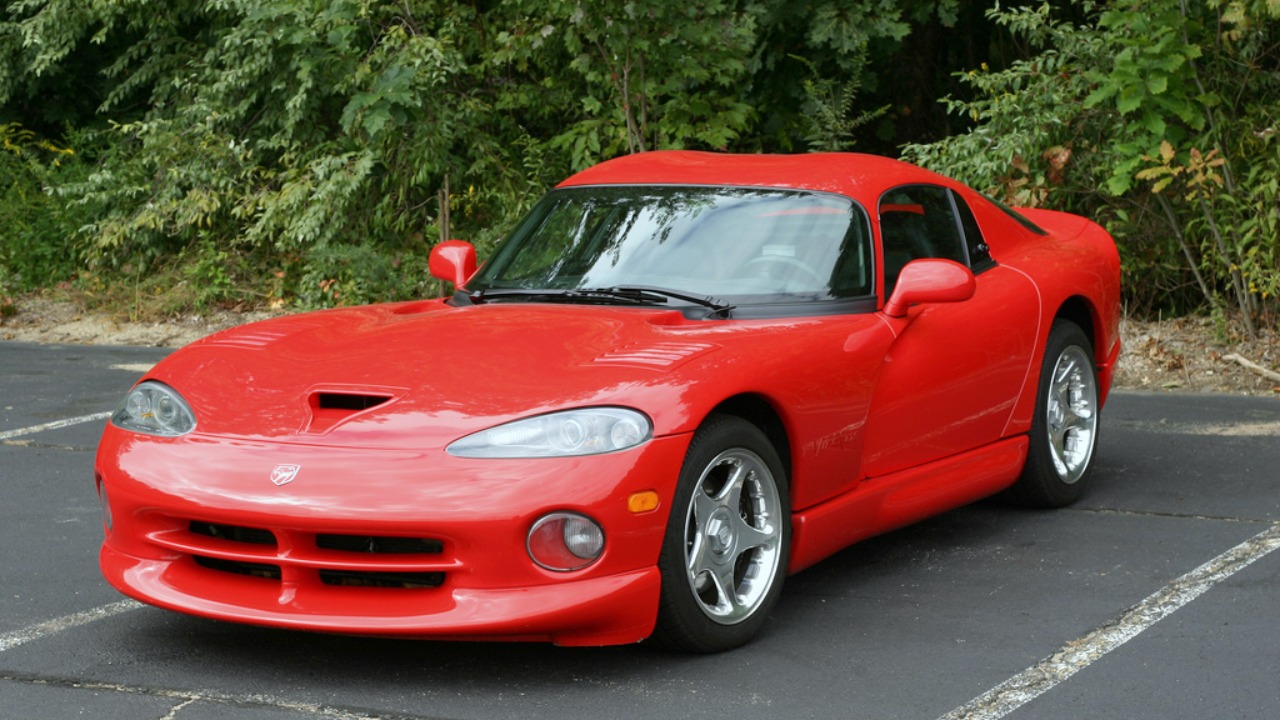
The Viper arrived with an 8.0-litre V10 derived from a truck engine, and later generations grew to 8.3 and eventually 8.4 litres. Pushrod architecture kept the block reasonably compact for its capacity, but displacement on that scale still demands a large fuel charge on every combustion cycle. No turbocharger and no hybrid assistance appeared across the entire production run.
That mechanical simplicity earned the Viper a devoted following and a reputation for thirst in equal measure. Relaxed highway cruising proved far kinder than city work, where the engine’s sheer size shows up fastest in the fuel gauge.
4. Hummer H2: Too Heavy For A Window Sticker
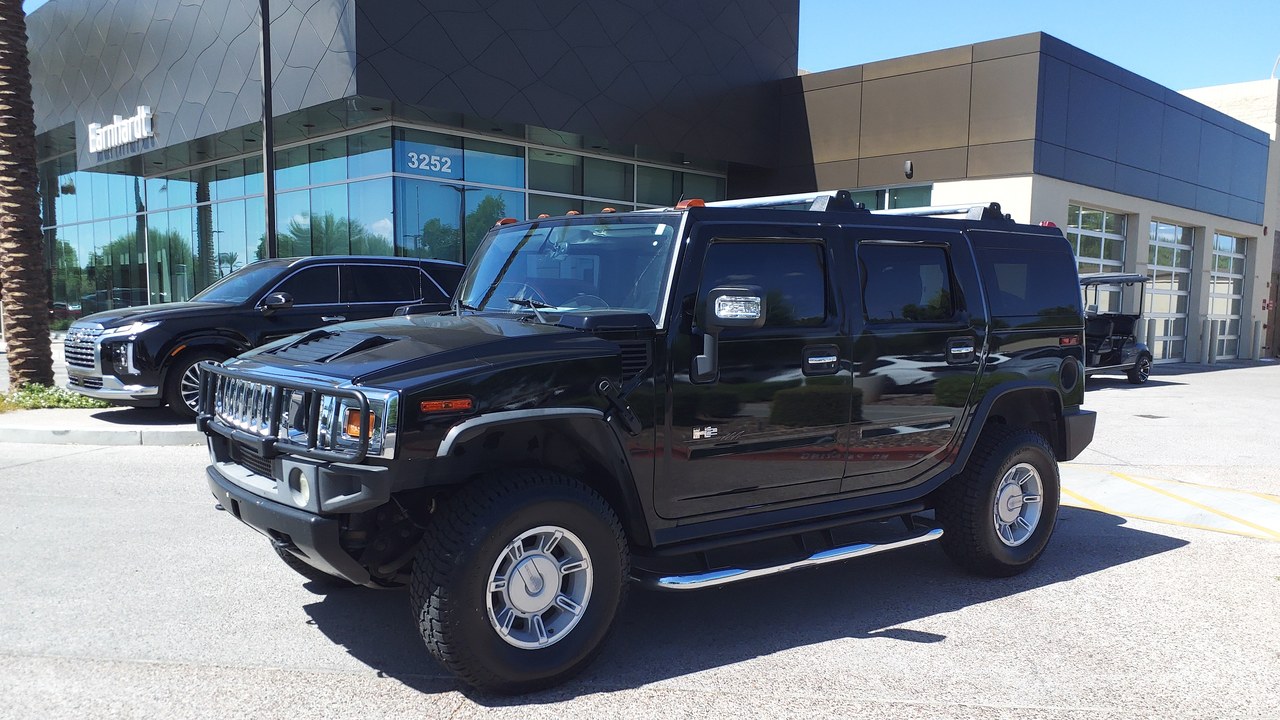
The Hummer H2 was built on a heavy-duty General Motors truck platform with a gross vehicle weight rating above 8,500 pounds, placing it outside the class of vehicles required to carry an EPA fuel-economy label. No sticker meant no published mileage figure, and that absence became part of the vehicle’s notoriety. A large-displacement V8 hauling more than three tons of body and frame left little scope for efficiency.
Launched in 2002, the H2 met a decade of rising fuel prices and shifting public mood. General Motors ended Hummer production in 2010, and the name returned years later on an all-electric truck.
5. Ford Excursion: The Biggest SUV Ford Ever Built
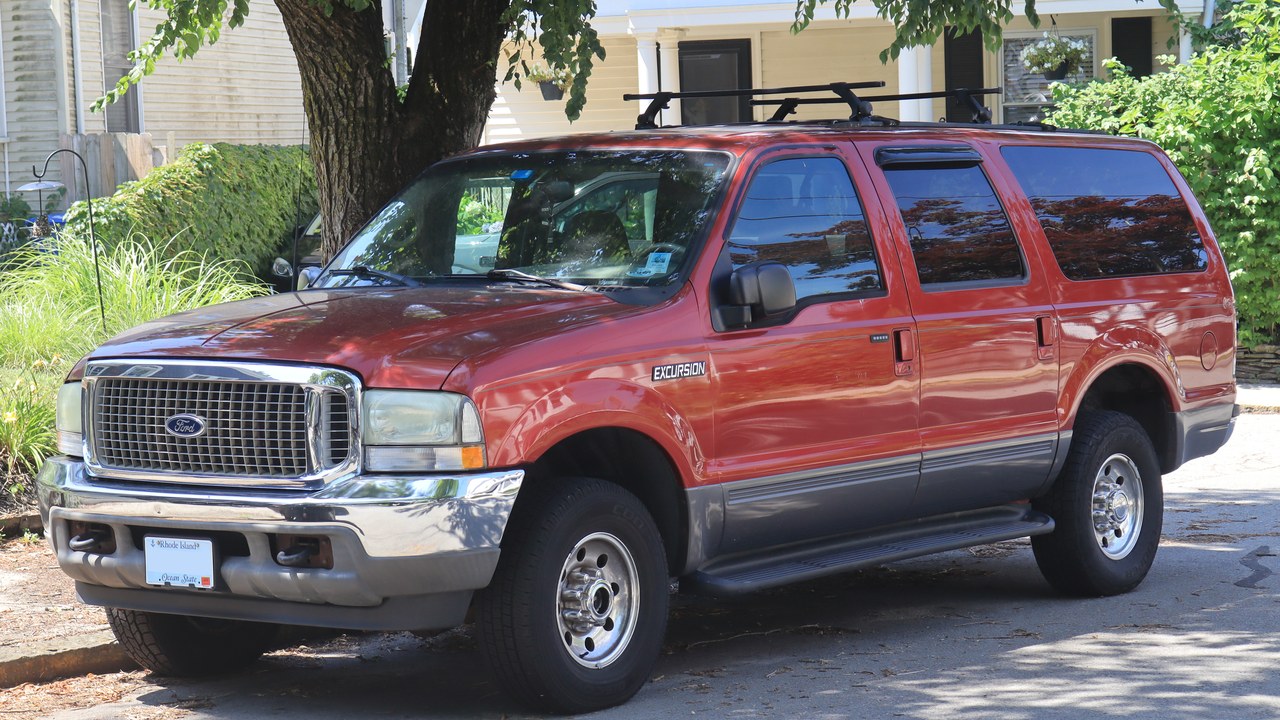
Stretching well past 220 inches, the Ford Excursion remains the largest sport-utility vehicle the company has produced, sharing its underpinnings with the Super Duty pickup line. Its weight rating also lifted it above the threshold for mandatory fuel-economy labelling, so buyers shopped without an official mileage figure. Powertrains ran to a 6.8-litre V10 petrol unit and a 7.3-litre turbodiesel.
Production lasted only from 2000 to 2005, cut short as fuel prices climbed and demand for enormous SUVs softened. A following persists among owners who tow heavy trailers, where capability still outweighs running cost.
6. Rolls-Royce Phantom: Two And A Half Tons Of Calm
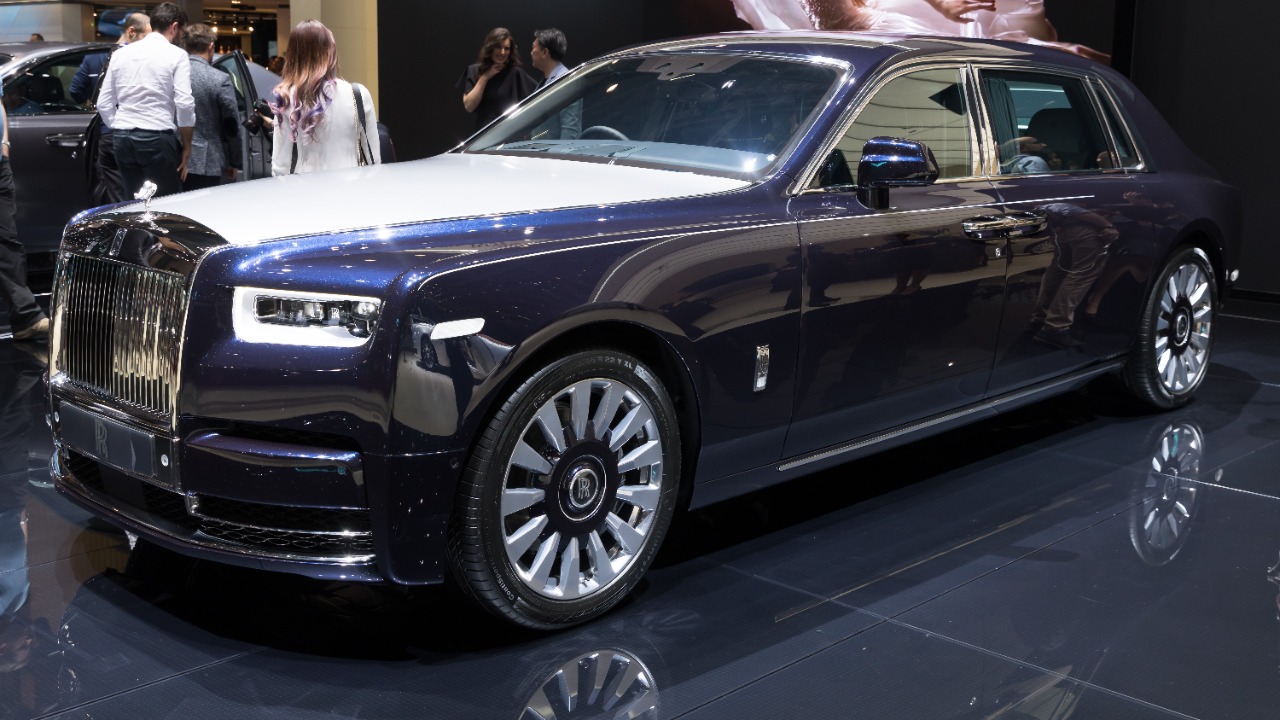
Rolls-Royce’s flagship pairs a 6.75-litre V12 with an aluminium structure that still weighs around two and a half tonnes. The engine is tuned for effortless low-speed torque rather than efficiency, because silent and unhurried progress is the entire point of the car. Moving that much mass away from rest repeatedly, as city traffic demands, consumes a great deal of fuel however quietly it happens.
The current generation keeps the same displacement with twin turbochargers added, and kerb weights have climbed higher still. Buyers in this segment rarely rank consumption near the top of the list, and the marque has never advertised restraint at the pump.
7. Mercedes-Benz G-Class: A Brick Aimed At The Wind
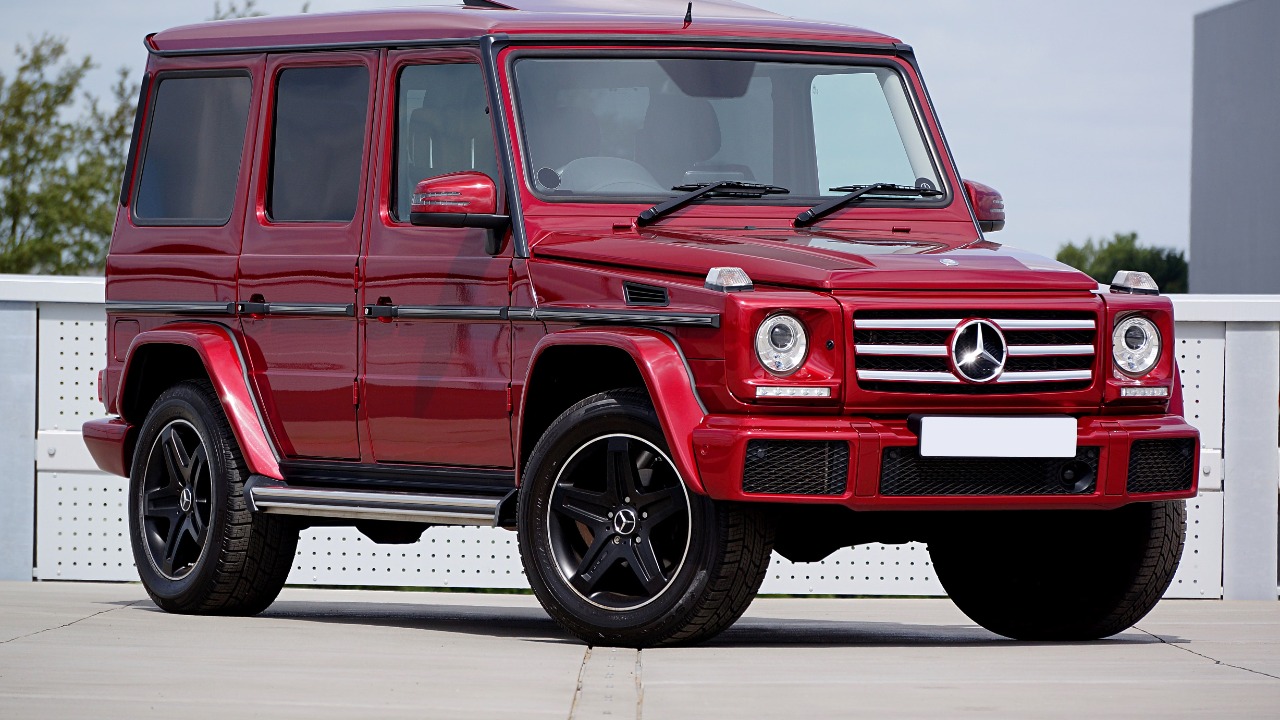
The Mercedes-Benz G-Class began in 1979 as a military-derived off-roader, and its upright windscreen and squared-off body have barely moved since. That silhouette is close to the worst possible aerodynamic shape for highway travel, forcing the engine to push a large flat frontal area through the air. Ladder-frame construction, three locking differentials and heavy-duty axles pile on further mass.
The 2018 redesign deliberately preserved the boxy outline, treating the styling as more valuable than any drag reduction. Efficiency progress has come from the engines instead, including V8 and twin-turbocharged V12 versions built for speed rather than restraint.
8. Cadillac Escalade: Full-Size Luxury, Full-Size Appetite
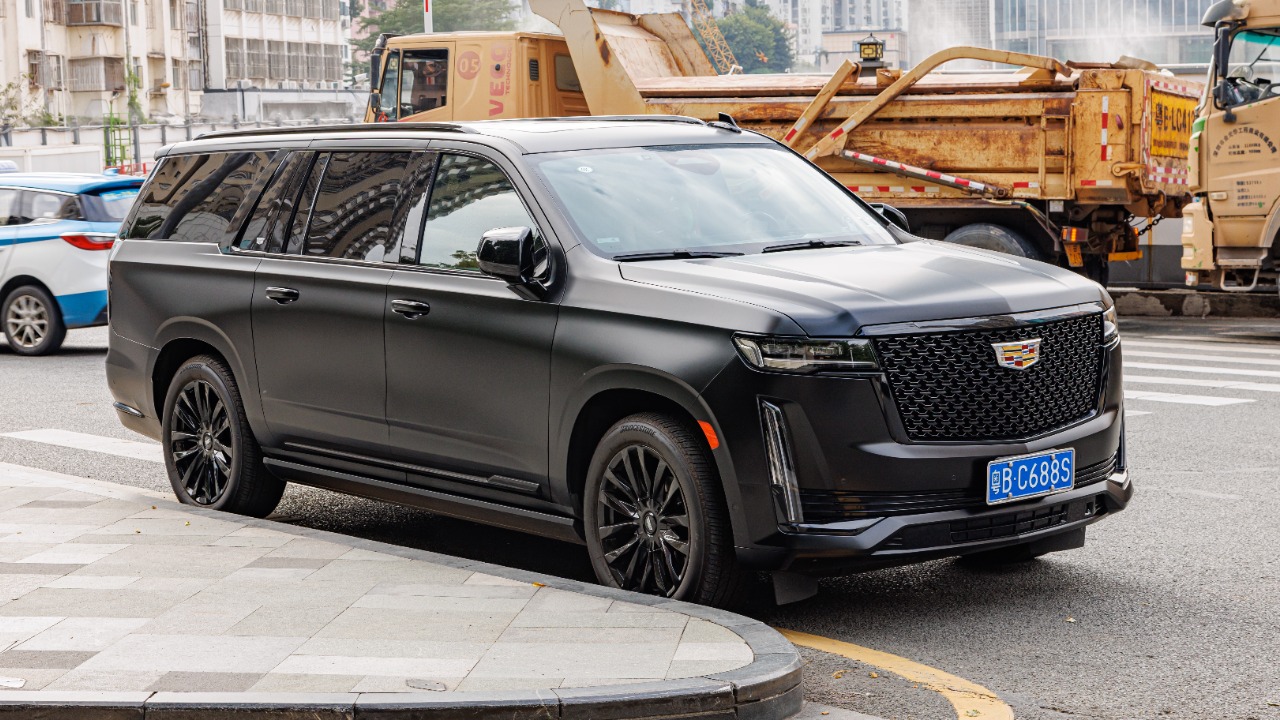
The full-size Escalade rides on General Motors’ body-on-frame SUV architecture, shared with the Chevrolet Tahoe and Suburban, and has leaned on large-displacement V8 power throughout its life. The 6.2-litre V8 used in recent generations was sized for towing and effortless highway pace, not for economy. Curb weights beyond 5,800 pounds mean every acceleration shifts a considerable amount of metal.
Cylinder deactivation, ten-speed transmissions and a diesel option have improved matters for buyers who prioritise range. The Escalade nonetheless sits among the thirstier choices in the luxury market, a position Cadillac has never tried hard to disguise.
9. Bentley Continental GT: Twin-Turbo W12 Grand Tourer
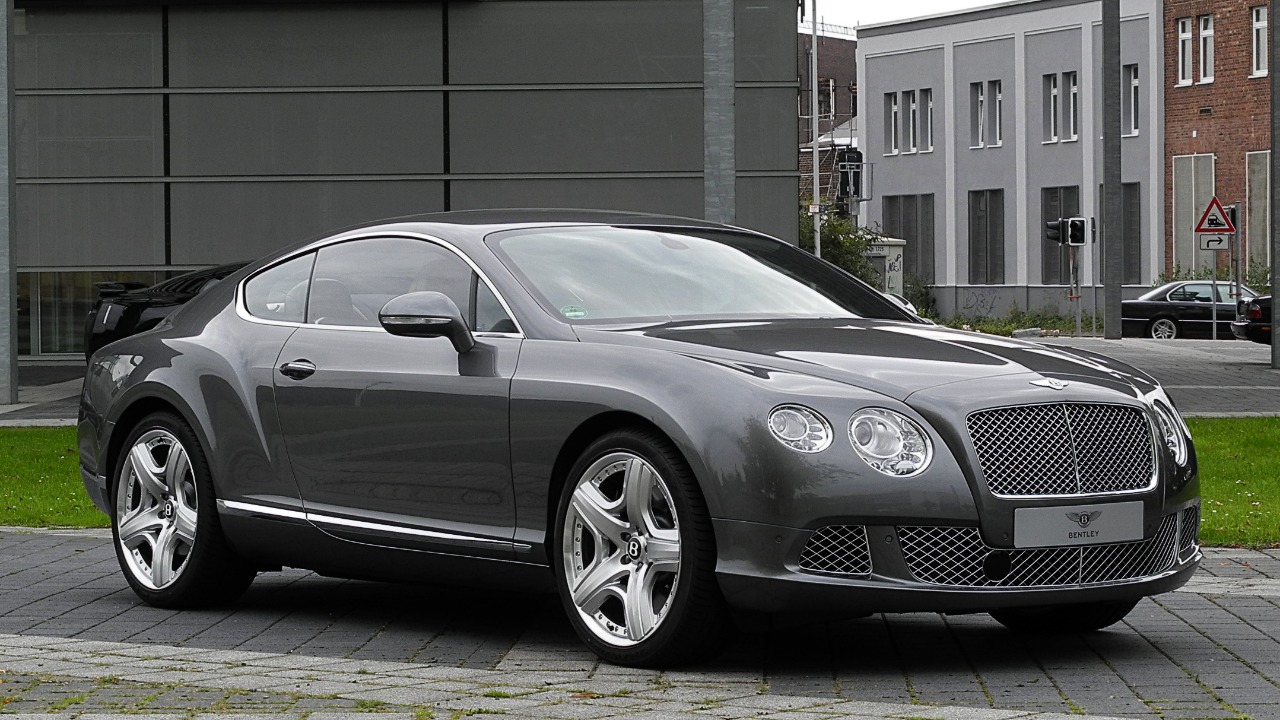
Bentley’s Continental GT launched in 2003 with a 6.0-litre twin-turbocharged W12, an engine that folded twelve cylinders into a compact block using two narrow-angle banks. Combined with all-wheel drive and a kerb weight above two tonnes, the result crossed continents quickly and expensively. Forced induction adds fuel demand every time a driver calls on the boost the engine exists to deliver.
A V8 option later gave buyers the same silhouette with fewer cylinders and a lighter nose. Bentley retired the W12 in 2024, closing a two-decade run and ending the marque’s signature twelve-cylinder configuration.
More from Morning Overview
- The FTC is warning about a scam quietly draining thousands from victims
- The NSA is again telling phone owners to switch off one location setting
- A handful of car transmissions are so tough mechanics say they almost never fail
- A handful of SUVs keep hitting 300,000 miles, and they share one engine trait
