
Some engines burn a little oil as they age; a handful became notorious for going through it between scheduled changes, prompting service bulletins, extended warranties and even class-action lawsuits. The causes vary, from piston ring design to cylinder-deactivation hardware to a single bad engine generation, but the pattern of dipstick checks and top-offs is the same. Here are nine engines that earned that reputation.
1. Audi 2.0 TFSI of the EA888 Gen 2: Piston Rings Under Fire
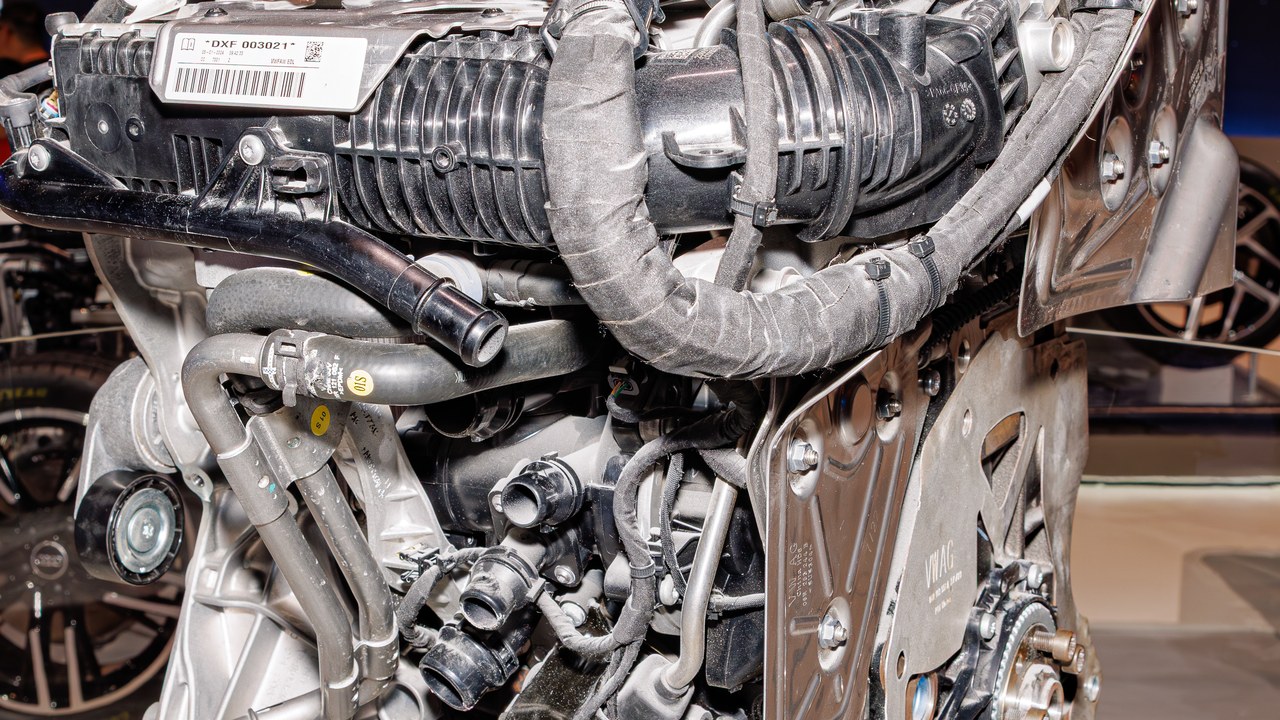
The second-generation EA888 four-cylinder that powered many Audi and Volkswagen models earned a lasting reputation for burning through oil faster than its service interval allowed. Piston ring design on the early version let oil past the rings and into the combustion chamber, and the problem grew widespread enough to trigger a class-action lawsuit.
Owners often found themselves checking the dipstick between visits and topping off oil that should have lasted the full interval, a habit that became part of owning the car rather than a rare exception.
2. BMW N63 twin-turbo V8: A Costly Care Package
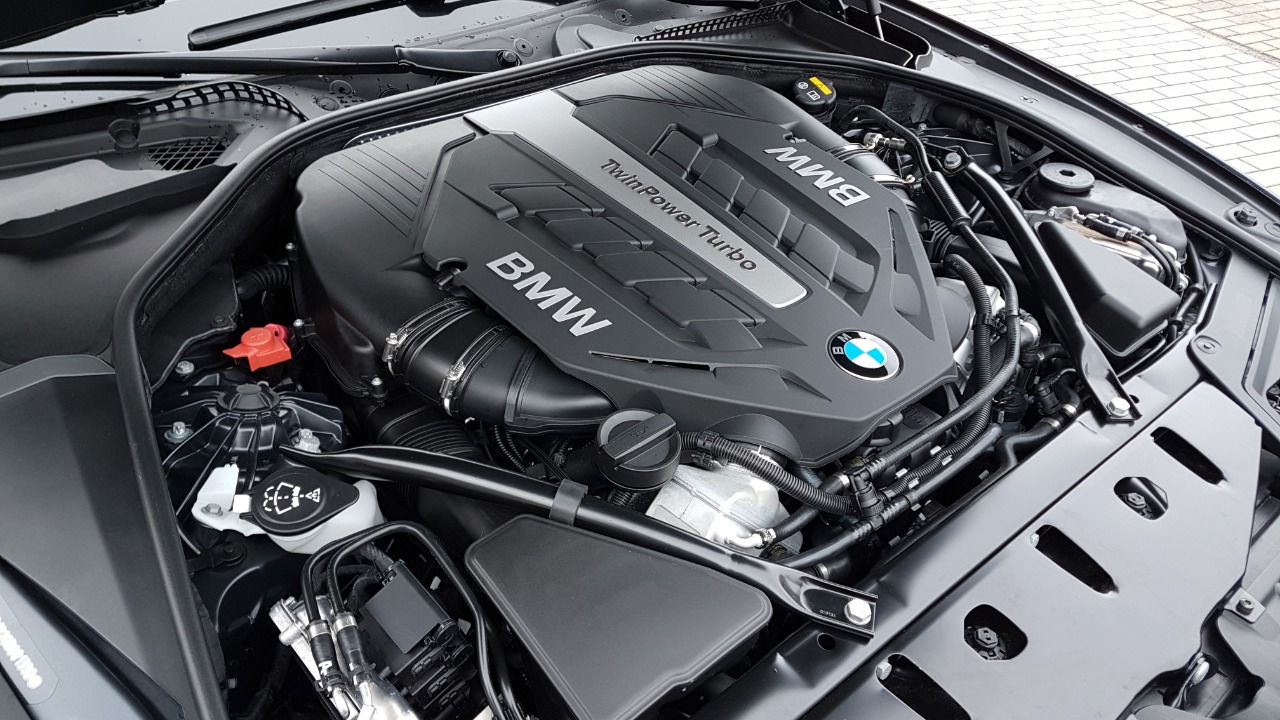
BMW’s N63 twin-turbo V8, fitted across a wide range of 5 Series, 6 Series, 7 Series and X5 and X6 models, became so associated with excessive oil use that BMW rolled out a customer care package partly built around the complaint, covering repeated oil-consumption visits along with related spark plug and exhaust manifold work that tended to show up on the same cars.
The package amounted to a tacit admission that the engine drank oil faster than owners expected, and dealers spent years fielding the same complaint on cars still inside their warranty period, long after the N63 had already built a reputation among independent shops for needing extra quarts between visits.
3. Subaru FB25: A Familiar Forester Complaint

Subaru’s FB25 flat-four, used widely in the Forester and other models, drew an oil-consumption class action after owners reported the engine burning oil well ahead of its posted service schedule, a complaint that followed the flat-four design through several model years.
The lawsuit centered on the same complaint that shows up across owner forums for the engine: dipstick checks between changes became routine rather than a sign that something had gone wrong, and some owners kept a spare quart in the trunk as a matter of habit.
4. Toyota 2AZ-FE: Scored Bores, Steady Complaint
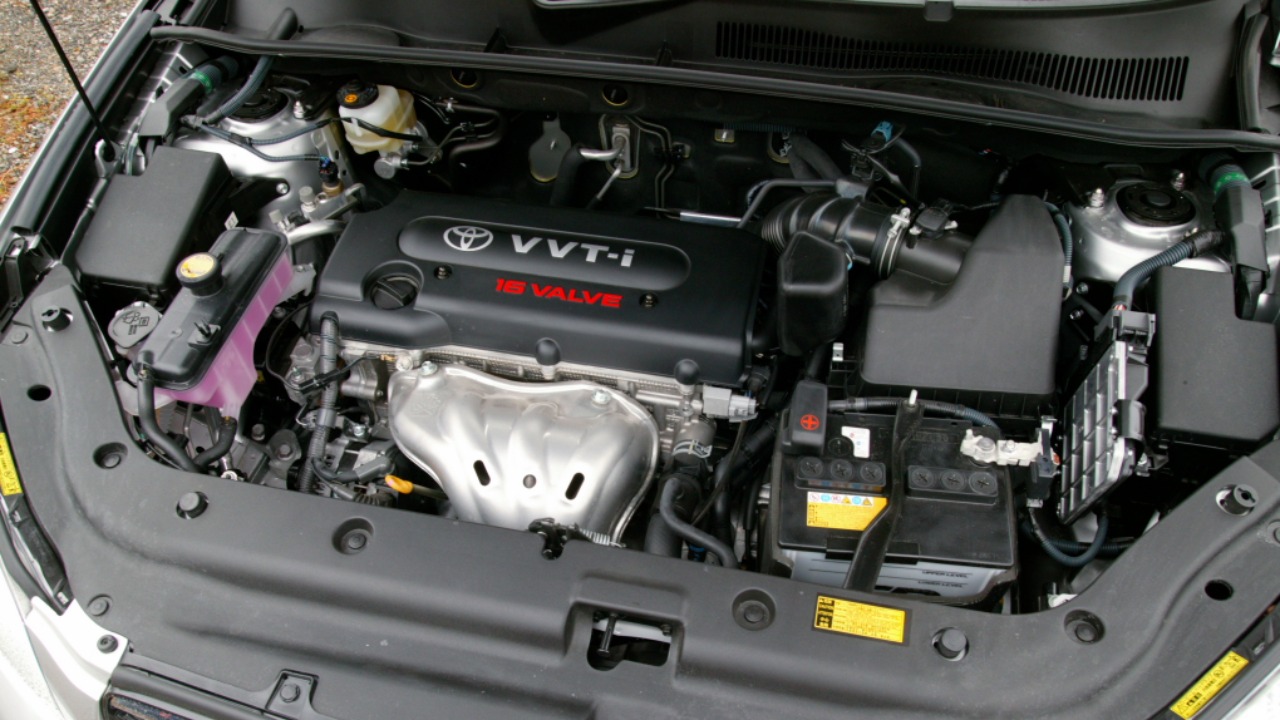
Toyota’s 2.4-liter 2AZ-FE, found under the hood of millions of Camrys, RAV4s and Scions, became known for scored cylinder bores that let oil consumption creep up as the engine aged, a problem that showed up often enough to become part of the engine’s used-car reputation.
Once the bores wore unevenly, the engine could burn noticeably more oil than a healthy four-cylinder should, and the fix typically meant a short block rather than a simple top-off, an expensive repair on a car bought for its reputation for cheap upkeep.
5. Hyundai and Kia Theta II: Years Of Overlapping Claims

The Theta II engine family shared by Hyundai and Kia sat at the center of years of engine claims, with oil consumption named alongside stalling and connecting-rod failures among the complaints that eventually drew regulatory attention to the engine family.
The overlap of problems made the Theta II a recurring name in recalls and extended-warranty programs, and oil use was rarely the only symptom owners had to track over time, since a thirsty engine could also be the early sign of the more serious rod-bearing failures tied to the same design.
6. GM 5.3 V8 with Active Fuel Management: A Fuel-Saver’s Side Effect
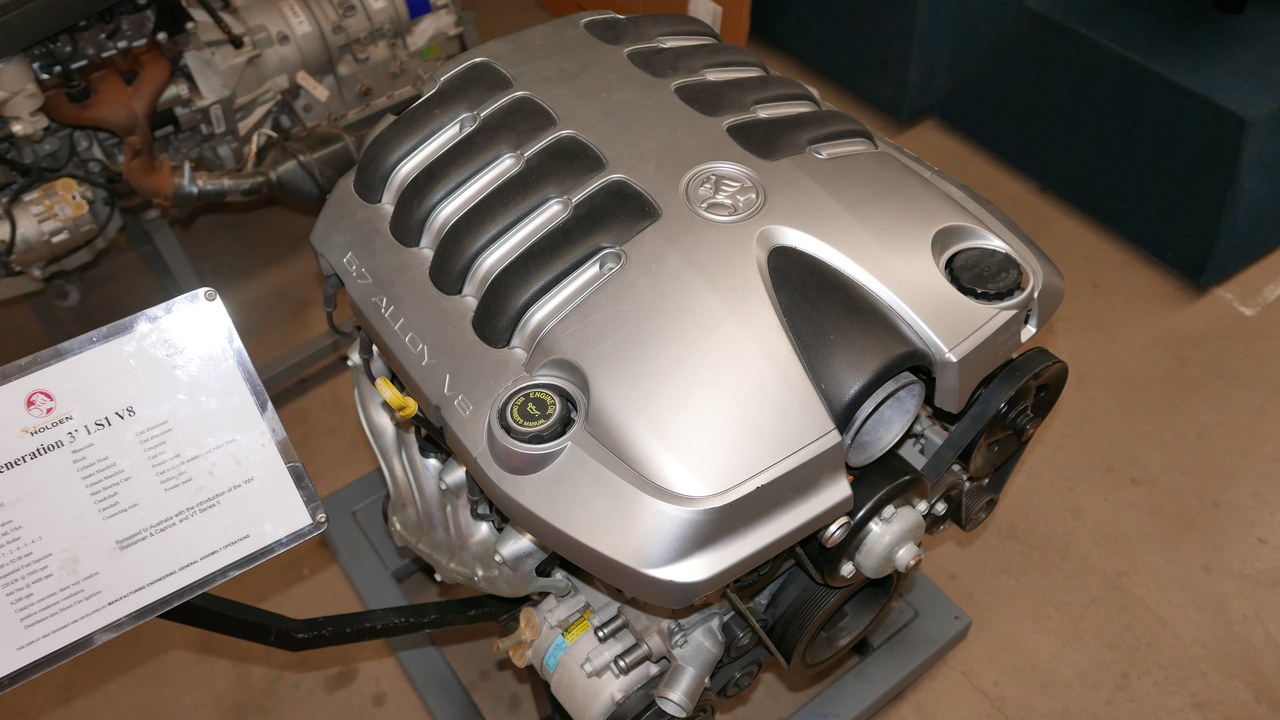
GM’s 5.3-liter V8 with Active Fuel Management, standard on countless Silverados, Sierras and full-size SUVs, tied its oil-consumption reputation to the AFM oil pressure relief valve, part of the system that shuts down cylinders to save fuel at highway speed.
When that valve or the lifters tied to cylinder deactivation wore out, oil consumption climbed, turning a fuel-saving feature into the reason some owners chose to disable AFM altogether, trading the promised mileage gain for an engine that no longer needed a quart between changes.
7. Porsche M96 flat-six in the 996: An Expensive Open Secret
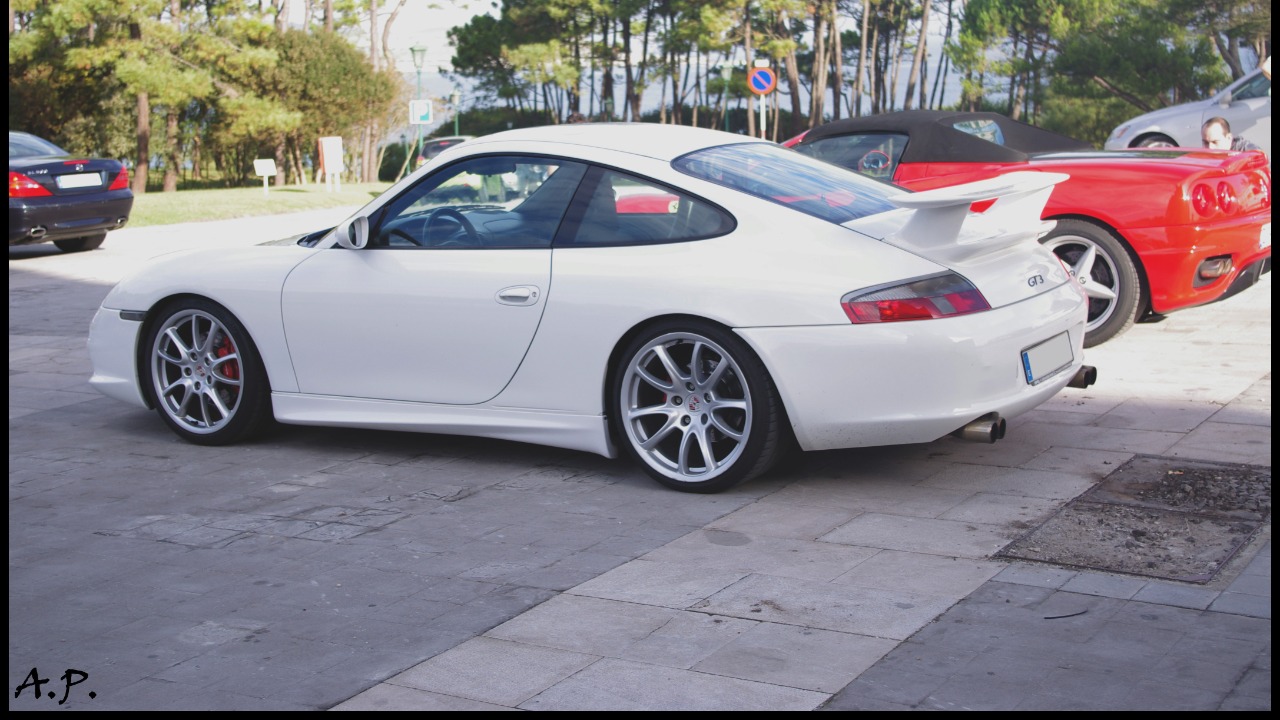
The M96 flat-six in the Porsche 911 996 is remembered almost as much for bore scoring as for its failure-prone intermediate shaft bearing, and both problems could show up first as rising oil consumption long before either turned into a full engine rebuild.
For a sports car sold on precision engineering, a flat-six that needed regular oil top-ups between changes became one of the more expensive open secrets among 996 owners, and pre-purchase inspections for the model still center on exactly those two failure points.
8. Mini N14 and the Prince four: Two Bills, One Cause
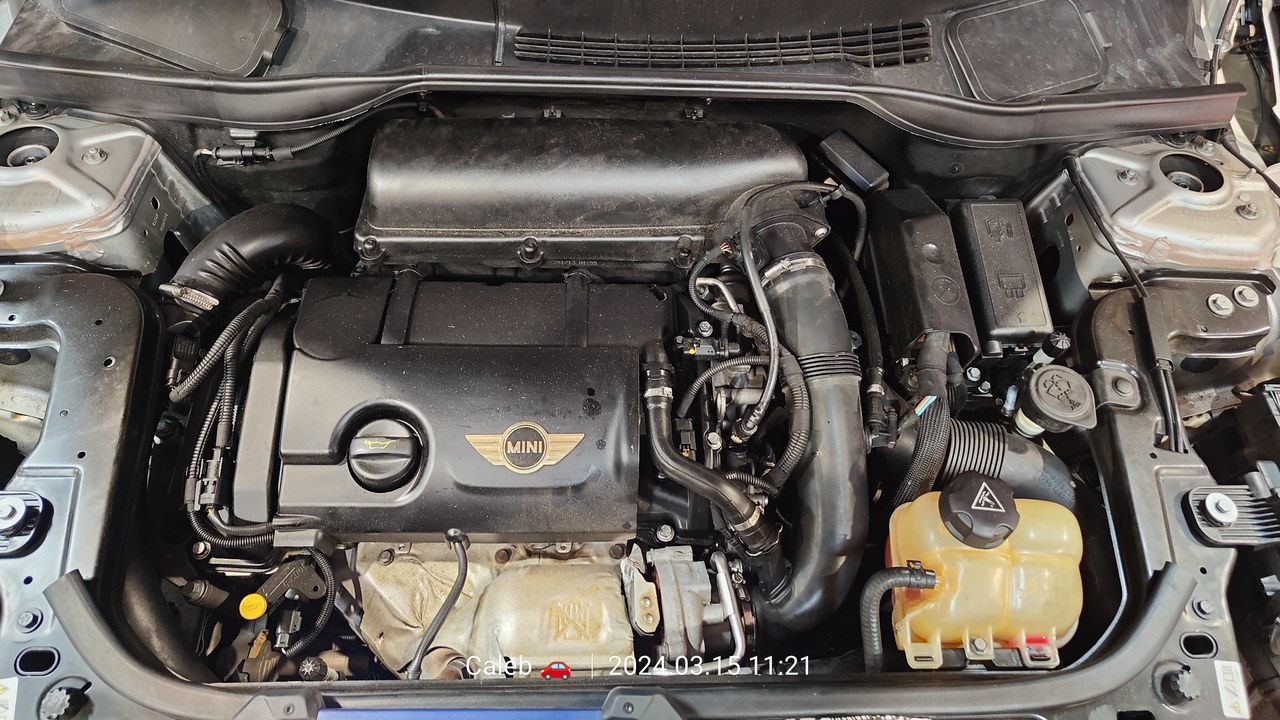
The Prince engine developed jointly by BMW and PSA, sold in the Mini as the N14 four-cylinder, drew complaints over oil consumption and timing chain wear that often surfaced together on the same cars within just a few years of ownership, even on examples that had followed the recommended service schedule.
A stretched or failed timing chain and a persistent thirst for oil frequently pointed back to the same worn components, leaving owners with two repair bills instead of one and turning what should have been routine maintenance into a bigger, more expensive job than the small-displacement engine’s reputation suggested.
9. Volkswagen and Audi 1.8T twenty-valve: Sludge As A Cautionary Tale
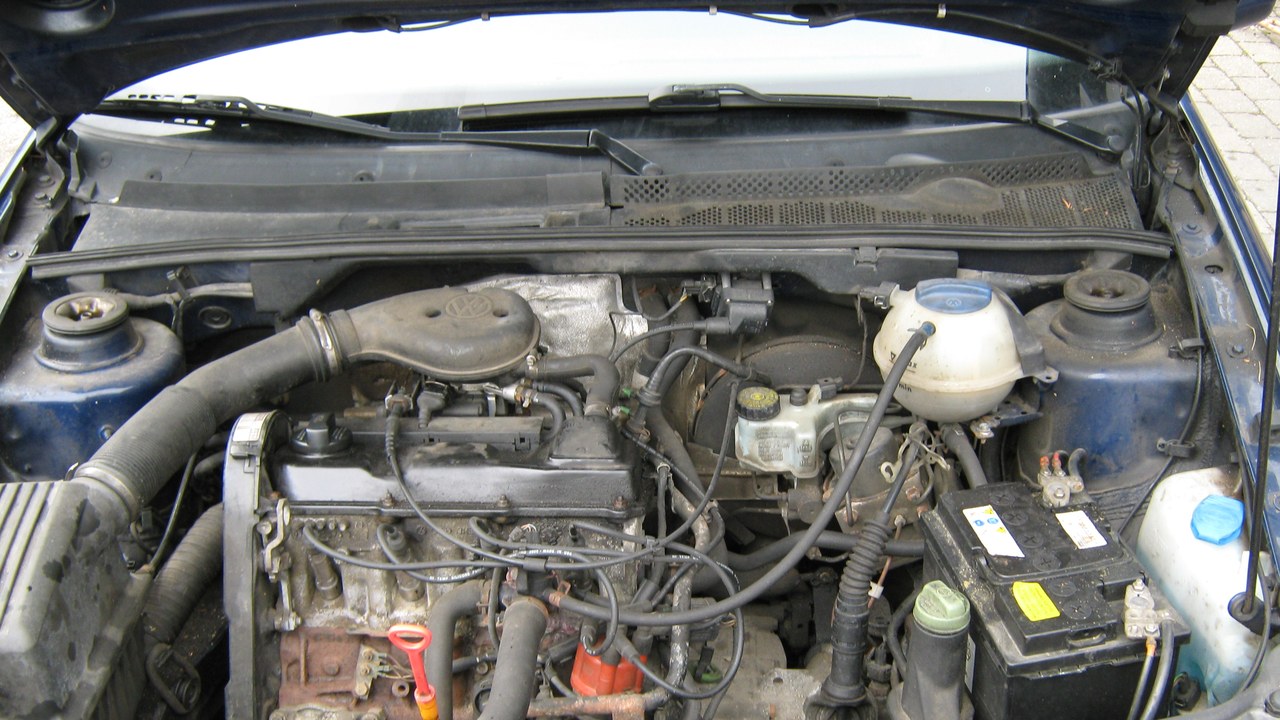
The early Volkswagen and Audi 1.8T, part of the long-running EA827 engine family, became a cautionary tale for sludge buildup and oil consumption tied to its turbocharger and to extended service intervals that outran what the oil could actually handle.
Neglected oil changes let sludge form inside the engine, and the combination of sludge and turbo wear meant the 1.8T often needed oil added well before its next scheduled change, a pattern that followed the engine into its long run under multiple VW and Audi models.
More from Morning Overview
