
Range is the number that decides whether an electric SUV works as a family vehicle or only as a second car. The gap between the leaders and the rest of the segment has widened as batteries have grown and three-row electric models have arrived. Here are nine electric SUVs built around long-distance capability.
1. Rivian R1S: The Three-Row Range Leader
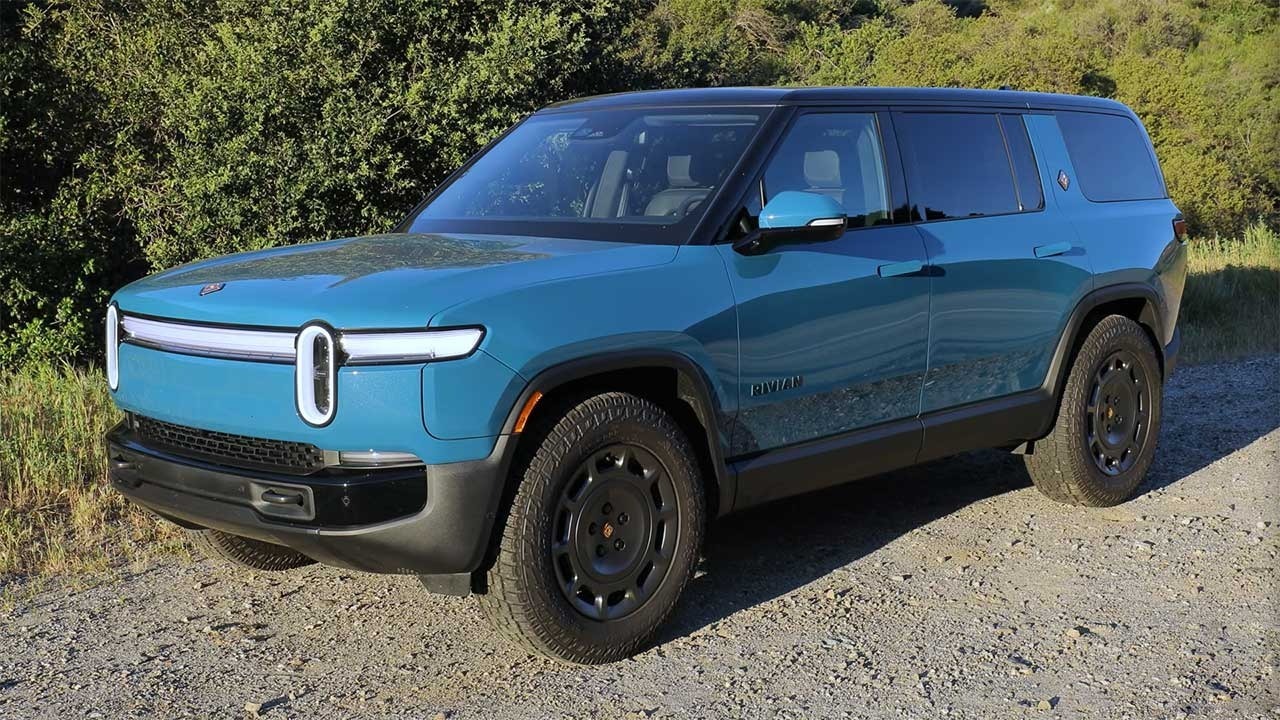
The Rivian R1S is a three-row electric SUV that travels more than 400 miles on a charge in its longest-legged form, a figure at the front of the segment. Large electric SUVs have historically traded distance for seats: the mass, height and frontal area of a tall body work against efficiency. The R1S range figures describe a vehicle engineered around travel rather than one that merely tolerates it.
For a household comparing an electric SUV with a gasoline one, the effect is fewer planned charging stops and more tolerance for cold weather, towing or a loaded roof, all of which cut range. Peak figures, however, belong to particular battery and wheel configurations, not every version on the lot.
2. Cadillac Escalade IQ: Big Battery, Bigger Body
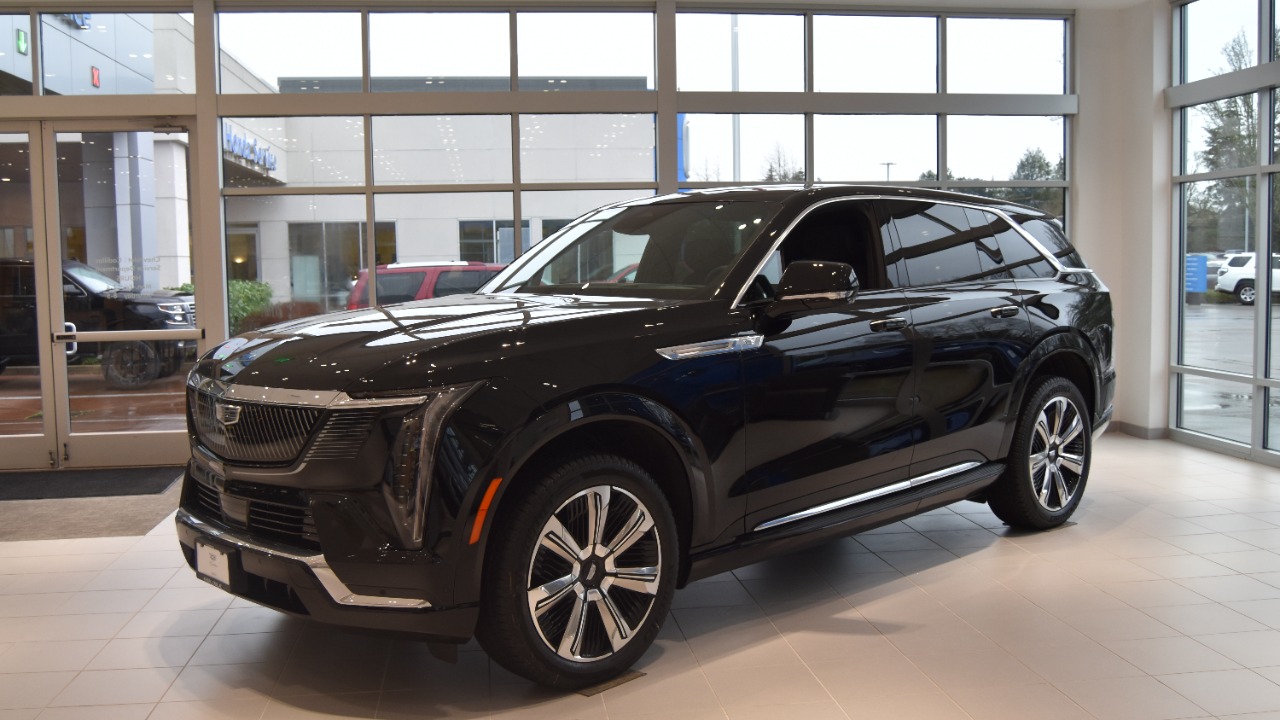
Cadillac answers the size problem with brute force: a huge battery pack hauling a massive luxury SUV, which is how the Escalade IQ reaches a long driving range despite its bulk. Physics is unforgiving here, because a tall body pushes a lot of air aside at highway speed. The Escalade IQ specifications reflect a decision to spend weight and cost on cells rather than shrink the vehicle.
Presence arrives without a range penalty, but the trade-offs travel with the battery. More mass means more to stop and steer, faster tire wear, and a longer wait on any charger that is not a high-output direct-current unit. It rewards drivers who cover distance and punishes those confined to short commutes.
3. Tesla Model X: The Veteran Long-Hauler
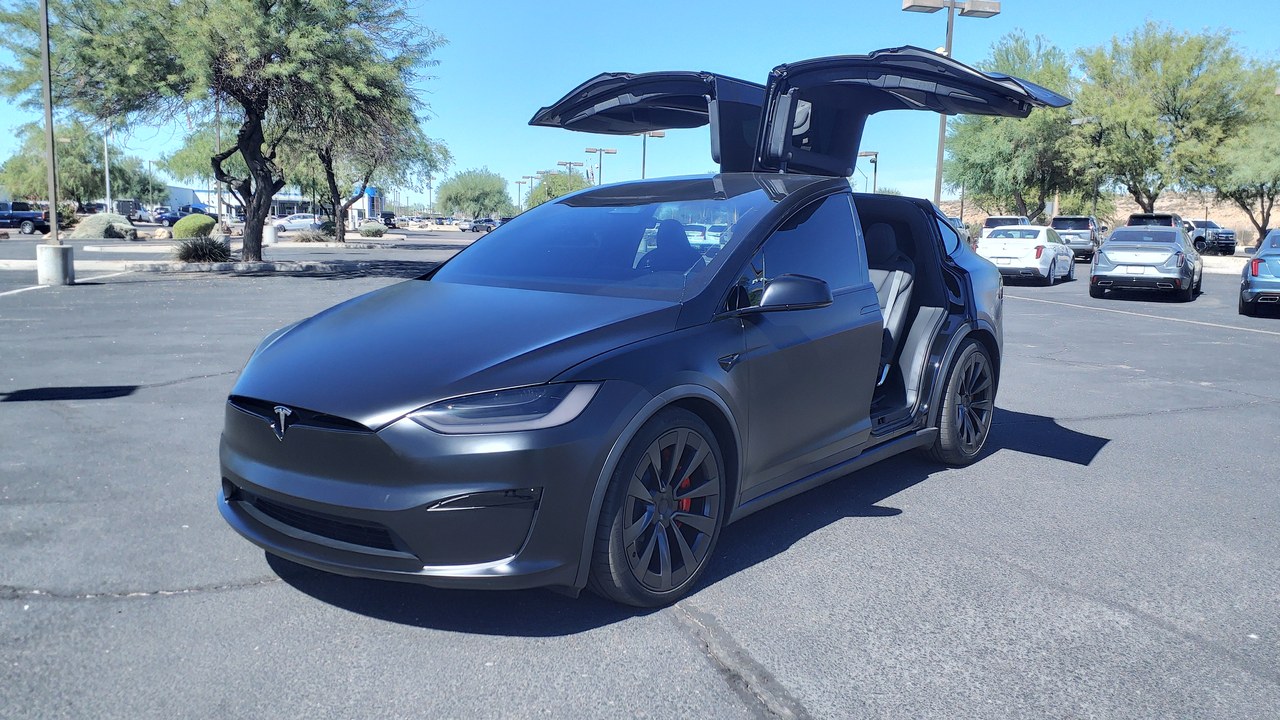
Among long-range electric SUVs, the Model X is the elder statesman, and its advantage is accumulated engineering rather than novelty. Tesla has iterated the same basic drivetrain and battery architecture across many years of production, which is why the Model X powertrain is described as proven rather than promising. Longevity brings a second benefit absent from any spec sheet: the most mature fast-charging network attached to any nameplate here.
Age cuts the other way too. A design on sale this long carries a cabin and control layout shaped by earlier priorities, and rivals launched more recently have had years to study it. The choice is between a settled, well-understood package and the newer interiors arriving elsewhere in the class.
4. Kia EV9: Three Rows Without the Squeeze
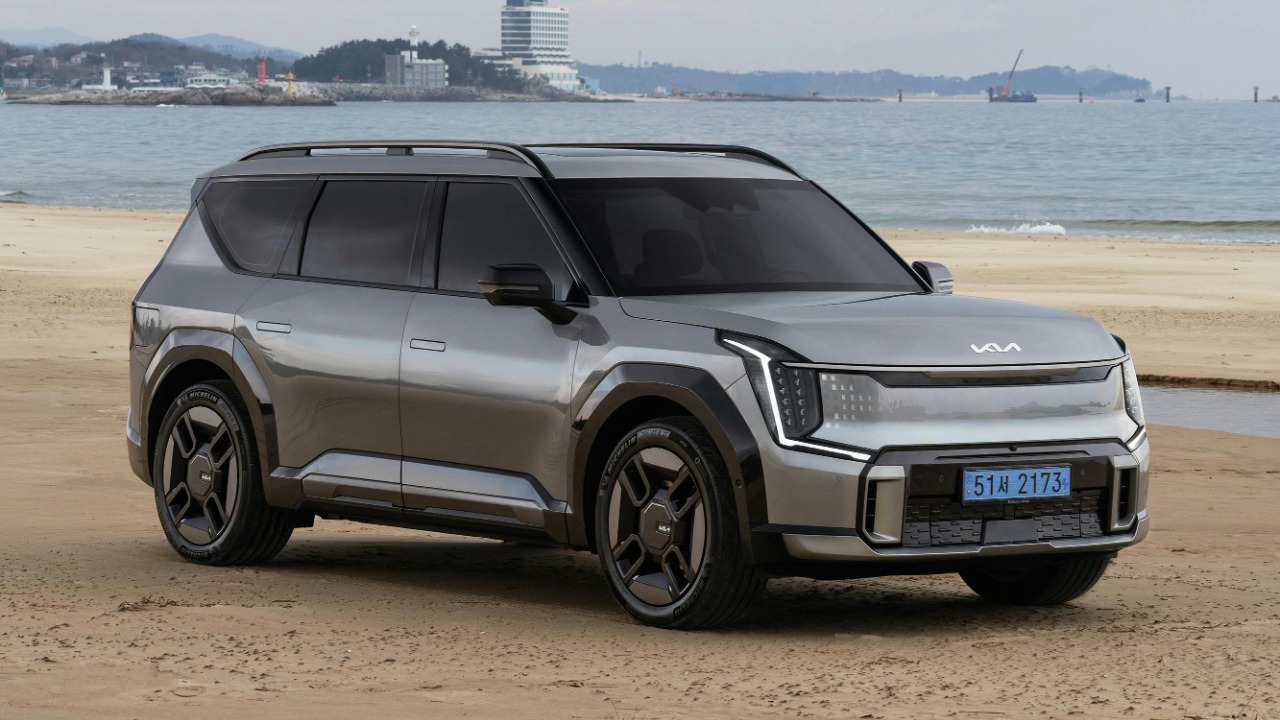
The EV9 is Kia’s attempt to make an electric three-row SUV behave like an ordinary family car, and its range sits competitively in a class where seating capacity usually costs efficiency. Boxy proportions help: a flat floor and an upright roofline free up genuine third-row space instead of the token bench folded into many crossovers. The Kia EV9 targets households replacing a minivan or a midsize gasoline SUV.
Competitive is not class-leading, and that distinction shapes the decision. The EV9 trades the outright distance figures of the most expensive entries here for packaging, price positioning and the warranty reputation Kia spent two decades building. Where long drives are occasional rather than weekly, that is frequently the better bargain.
5. Hyundai Ioniq 9: Built for the Interstate
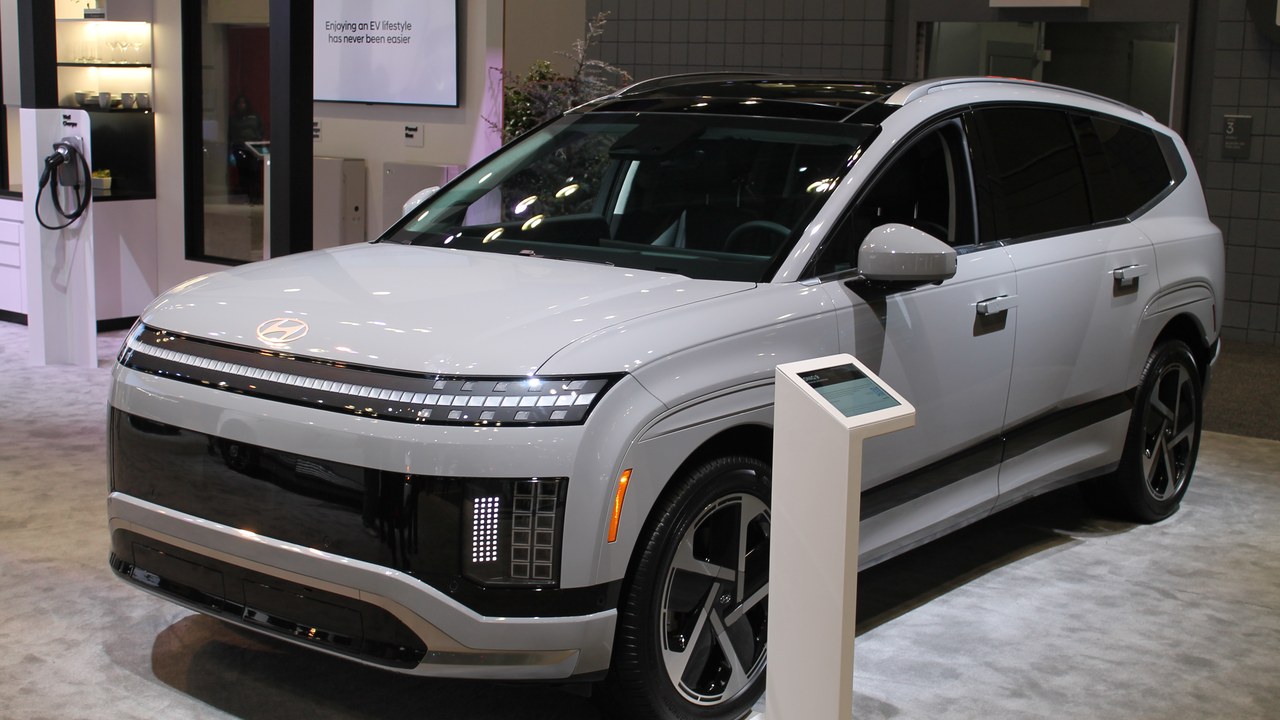
Hyundai’s Ioniq 9 is a big electric SUV designed with long trips as the brief rather than as an afterthought, which shows up in an emphasis on range and highway comfort ahead of urban agility. Large electric SUVs are judged on what happens between charging stops, and the Ioniq 9 is positioned for buyers who measure a vehicle in interstate miles instead of errands.
That design logic has consequences in daily use. A big footprint makes parking structures and narrow streets harder work, and a vehicle optimized for cruising rarely feels light on its feet at low speed. Households that mostly drive short distances would extract little benefit from the size, weight and cost the approach demands.
6. BMW iX: Real Miles, Not Lab Miles
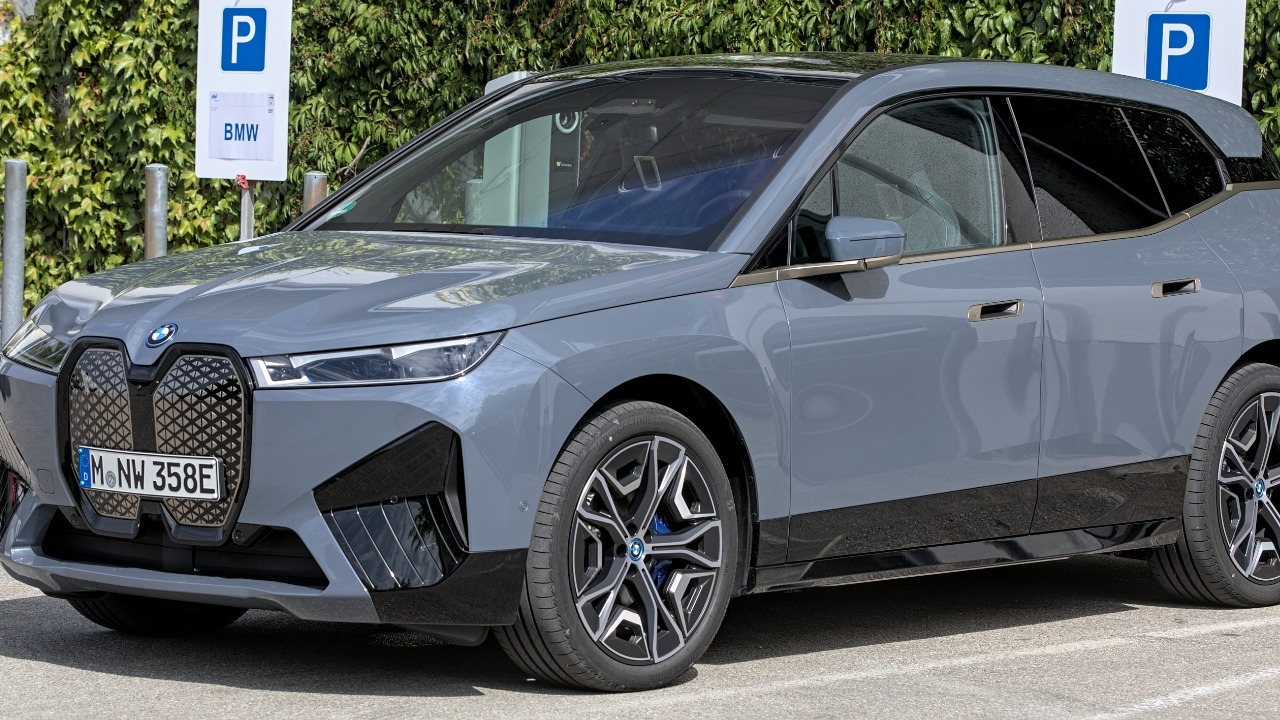
The iX is BMW’s luxury electric SUV, and its reputation rests on strong real-world range: the distance drivers actually see at speed, in traffic and in weather, rather than the best-case laboratory number. That gap between test figure and observed result ranks among the most common frustrations of new electric owners. The BMW iX is discussed in terms of how little it disappoints once the rating is left behind.
Efficiency of that kind is quieter engineering than a headline battery size, and it is not free. Luxury electric SUVs carry the price, tire cost and repair complexity of the class, and the iX’s styling has divided opinion since launch. The reward is arriving with more of the promised range intact.
7. Cadillac Lyriq: Style Past the Three-Hundred Mark
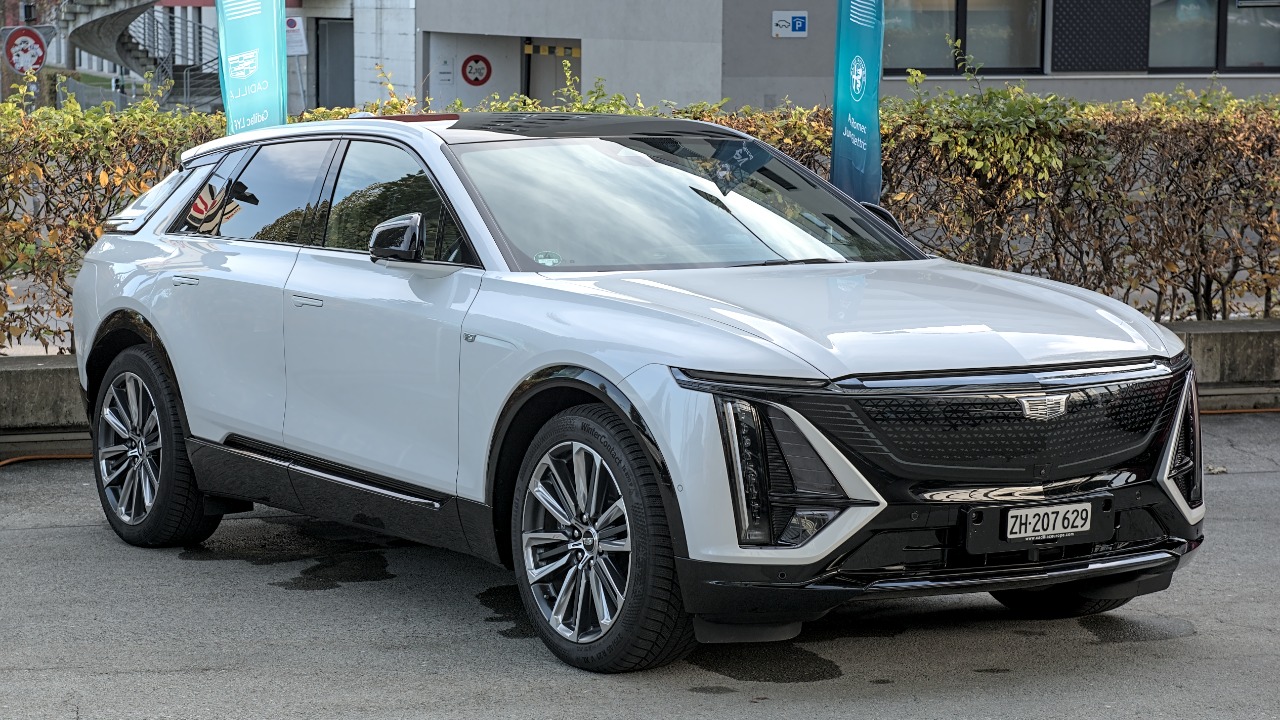
Cadillac’s Lyriq pairs a design-led exterior with more than 300 miles of range, the informal threshold separating an electric SUV usable for travel from one tethered to a home charger. Two rows rather than three keep the body shorter and lower than the Escalade IQ, which quietly helps efficiency. The Cadillac Lyriq serves as the brand’s mainstream electric offering rather than its flagship.
Crossing that threshold changes how often charging enters trip planning, which is why the figure appears so often in marketing. Owners should still expect the number to shrink in winter, at sustained high speeds, or with a full load aboard, conditions the official rating never fully captures.
8. Chevrolet Blazer EV: A Familiar Name, Optional Distance
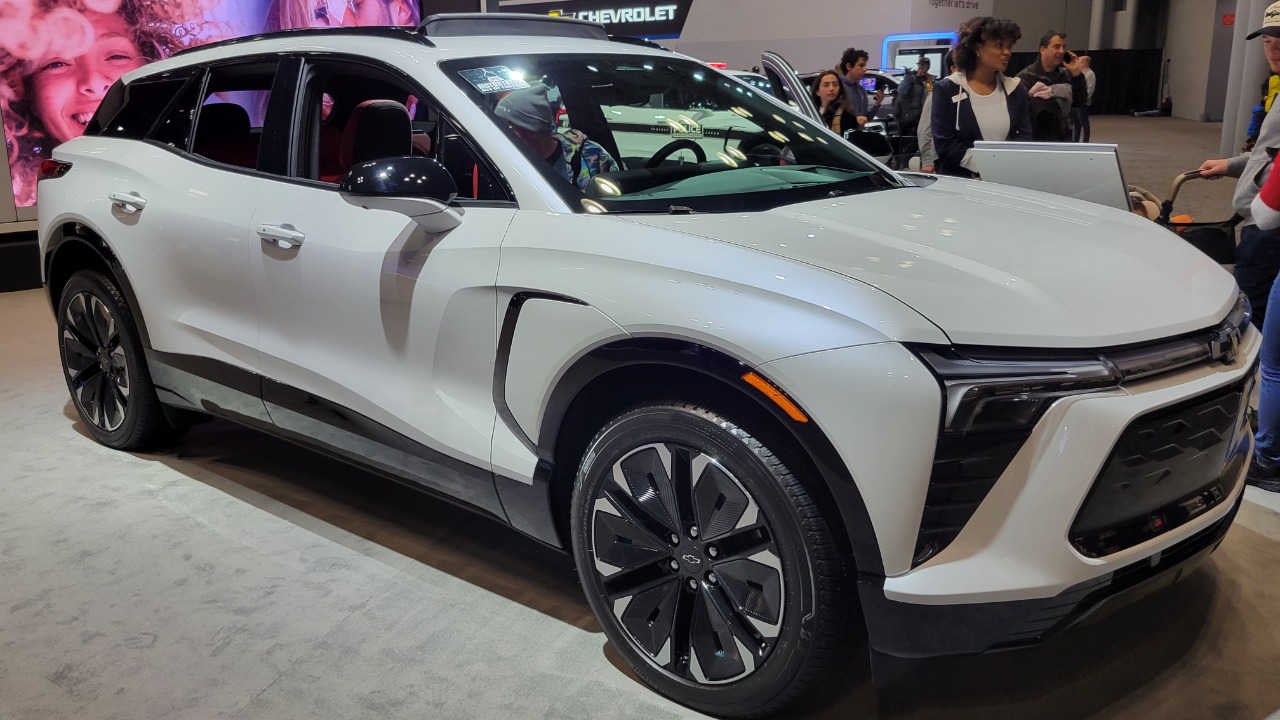
The Blazer EV puts a familiar Chevrolet nameplate on an electric crossover and offers a long-range battery as an option rather than standard equipment, so the distance a buyer ends up with depends on the configuration chosen. That structure is common across the industry, where the biggest pack is a line item on the order sheet. Anyone comparing Blazer EV range has to confirm which battery an advertised figure describes.
Optioning up costs money and adds weight, making the calculation individual. Drivers who rarely leave a metropolitan area may find the smaller pack cheaper to buy and quicker to fill, while regular long-distance travel argues for the larger one. Nameplate familiarity predicts almost nothing about how the electric version drives.
9. Ford Mustang Mach-E: The Extended-Range Option
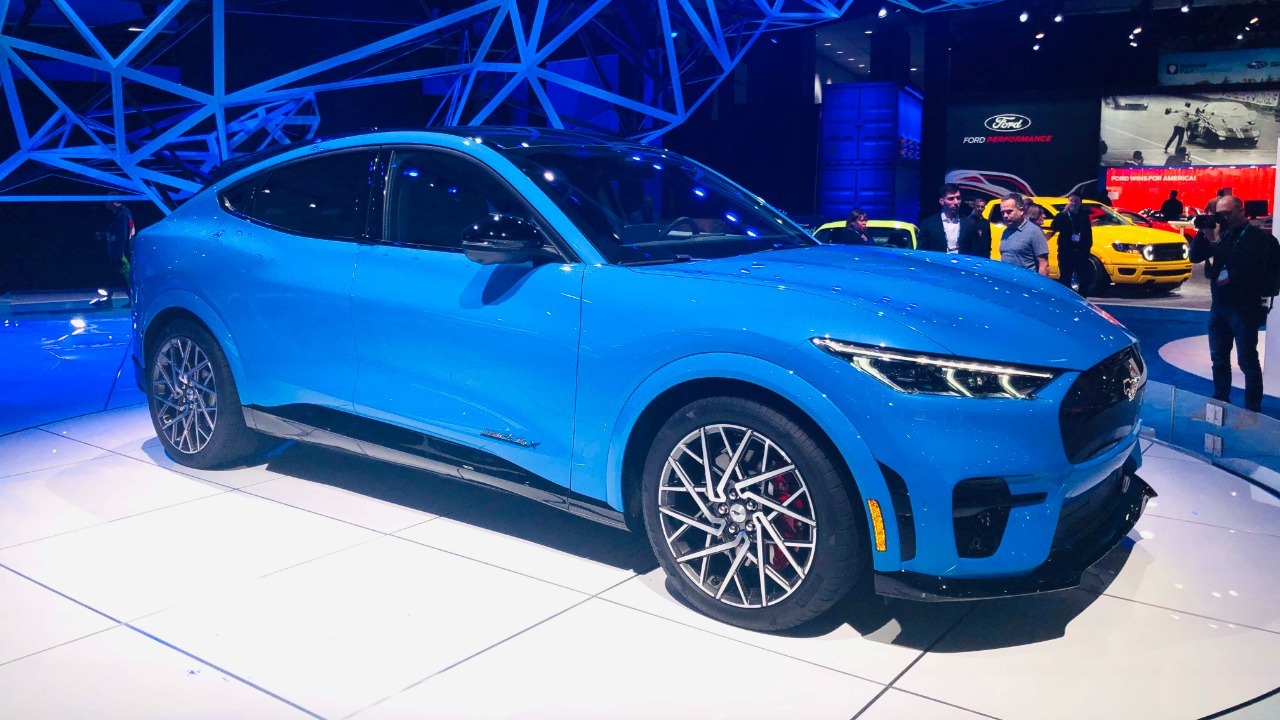
Ford’s Mustang Mach-E is an electric SUV offered with an extended-range battery, and that version is what earns the nameplate a place among long-distance electric crossovers. Having arrived as one of the earliest mainstream electric SUVs from a legacy American manufacturer, it has been on sale long enough for a substantial owner base and a real used market to form around the Mustang Mach-E.
The battery distinction is the one that matters at purchase. Standard-pack cars are cheaper and lighter but cover meaningfully less ground between stops, and the two are easy to confuse in listings quoting only the best available number. Confirming which battery a specific vehicle carries is essential when shopping the used market.
More from Morning Overview
