
Diesel has powered Class 8 freight for a century, but battery-electric trucks are now rolling out of factories in Nevada, Germany and beyond. Range and charging times still trail diesel rigs, and not every manufacturer chasing this market has survived the shift. Here are nine electric big rigs built to haul freight, plus the one that filed for bankruptcy.
1. Tesla Semi: Nevada Volume Production
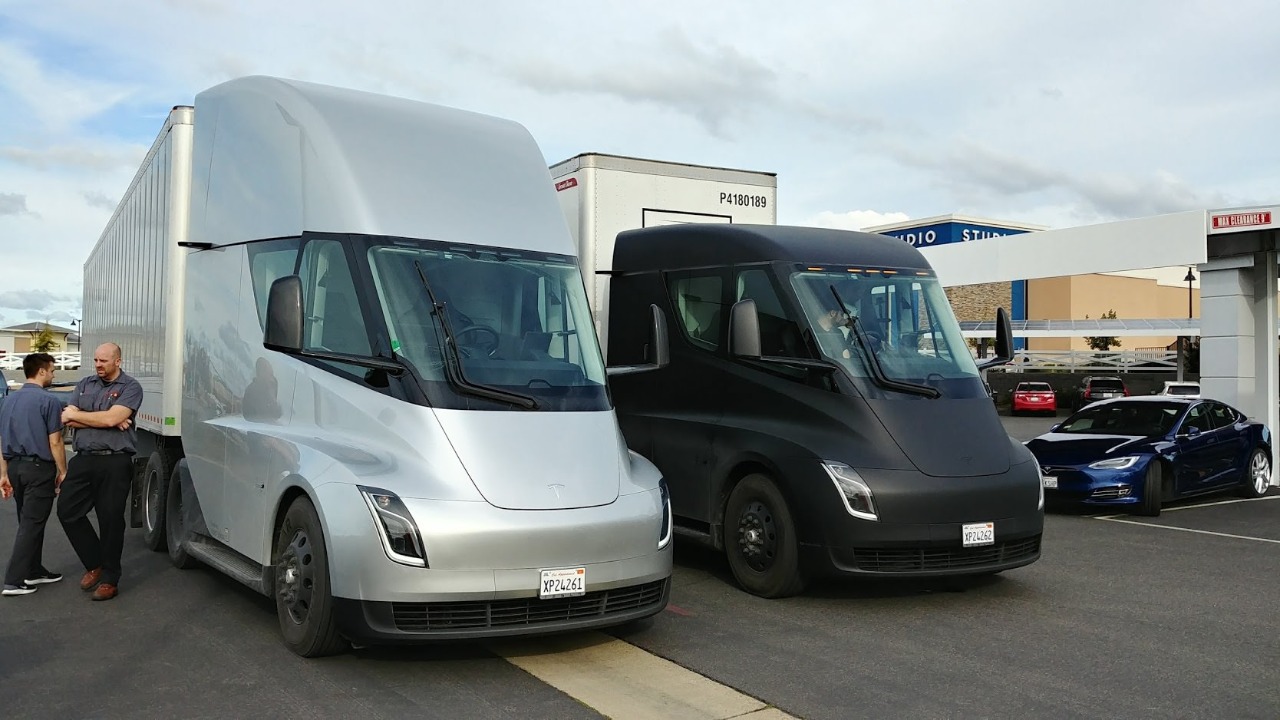
Tesla’s Semi entered high-volume production on Sept. 25, 2026, at a Nevada plant the company says is rated to build 50,000 trucks a year, a milestone that arrived years behind Tesla’s original targets for the truck. The ramp-up follows years of limited early deliveries to select fleet customers before the automaker moved to full-scale manufacturing.
The Long Range version covers up to 500 miles on a charge at 82,000 pounds, a figure that finally puts an electric semi within reach of a full diesel workday without an extra stop to recharge. A Standard Range version covers roughly 325 miles, giving fleets a cheaper option for shorter regional routes that do not need the extra battery capacity.
2. Mercedes-Benz eActros 600: German Series Launch
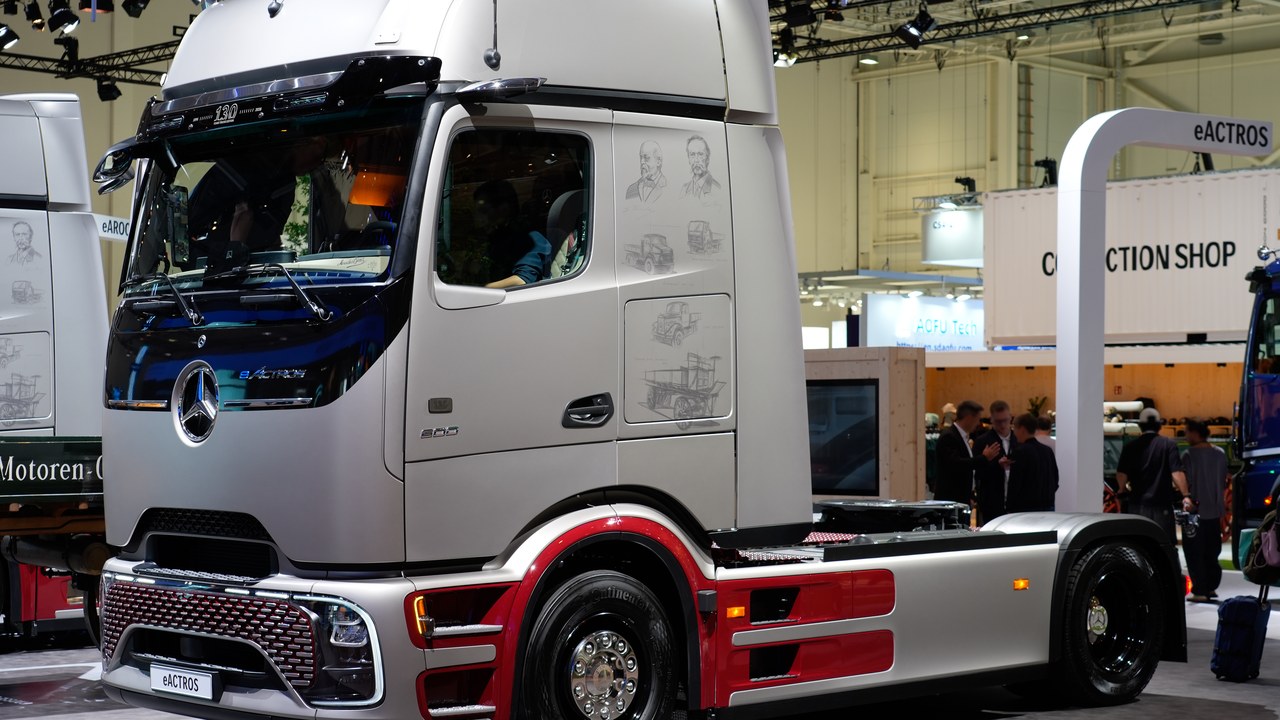
Daimler Truck began series production of the eActros 600 in Woerth, Germany, back in November 2024, one of the first heavy electric tractors built specifically for long-distance European haulage rather than short regional runs. The launch marked a major step for Daimler’s push into zero-emission freight across the continent’s busiest trucking corridors.
Its 621 kWh battery pack delivers 500 kilometers on a single charge, enough for a full day’s long-haul route across Europe without stopping midday just to plug in and wait. That range figure puts it ahead of most rivals built for similar long-distance duty cycles across the region.
3. DAF XF Electric: Europe’s Long-Haul Contender
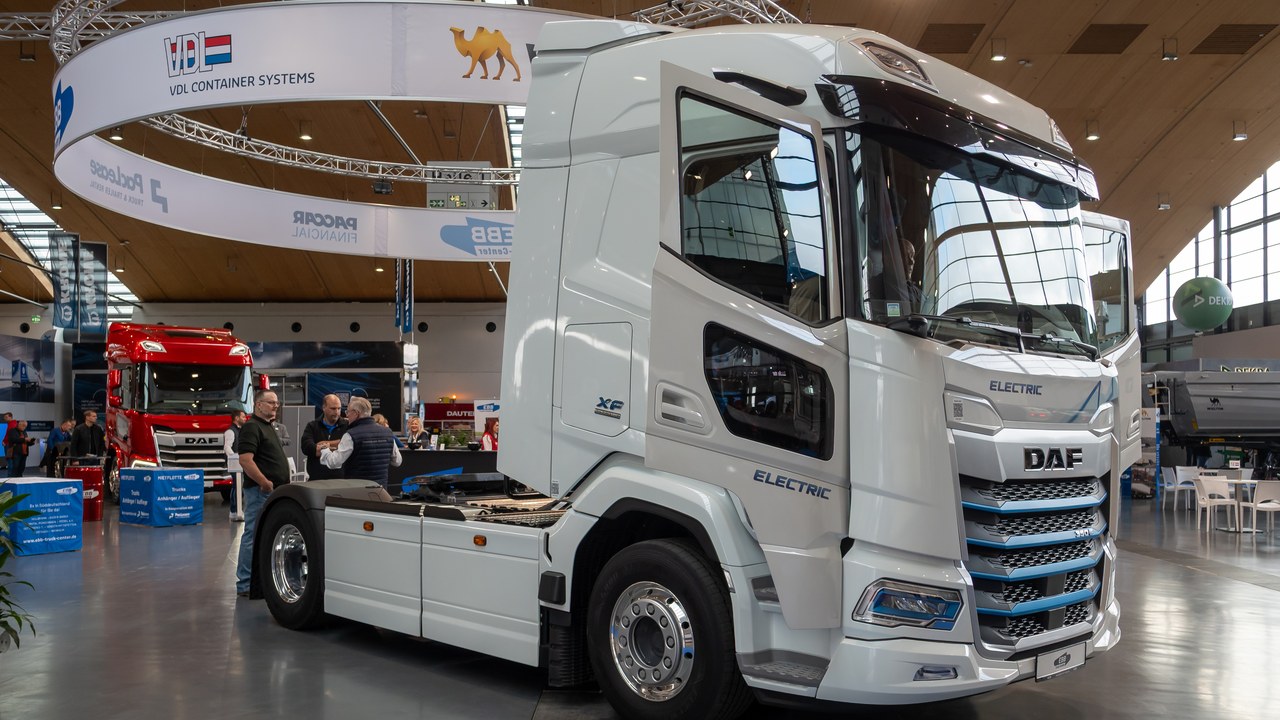
DAF began series production of its new XF Electric tractor in September 2025, offering three to five battery packs with a gross capacity of 315 to 525 kWh. Depending on the pack count, the truck is rated for 200 to more than 500 kilometers on a single charge.
DAF says the XF Electric can cover up to 1,000 fully electric kilometers in a day when it is recharged along the way, and its batteries accept both AC charging and DC fast-charging. That flexibility lets European fleets match the truck to regional routes or longer runs with planned stops, a key question for any operator weighing battery power against diesel.
4. Freightliner eCascadia: Already In Fleets
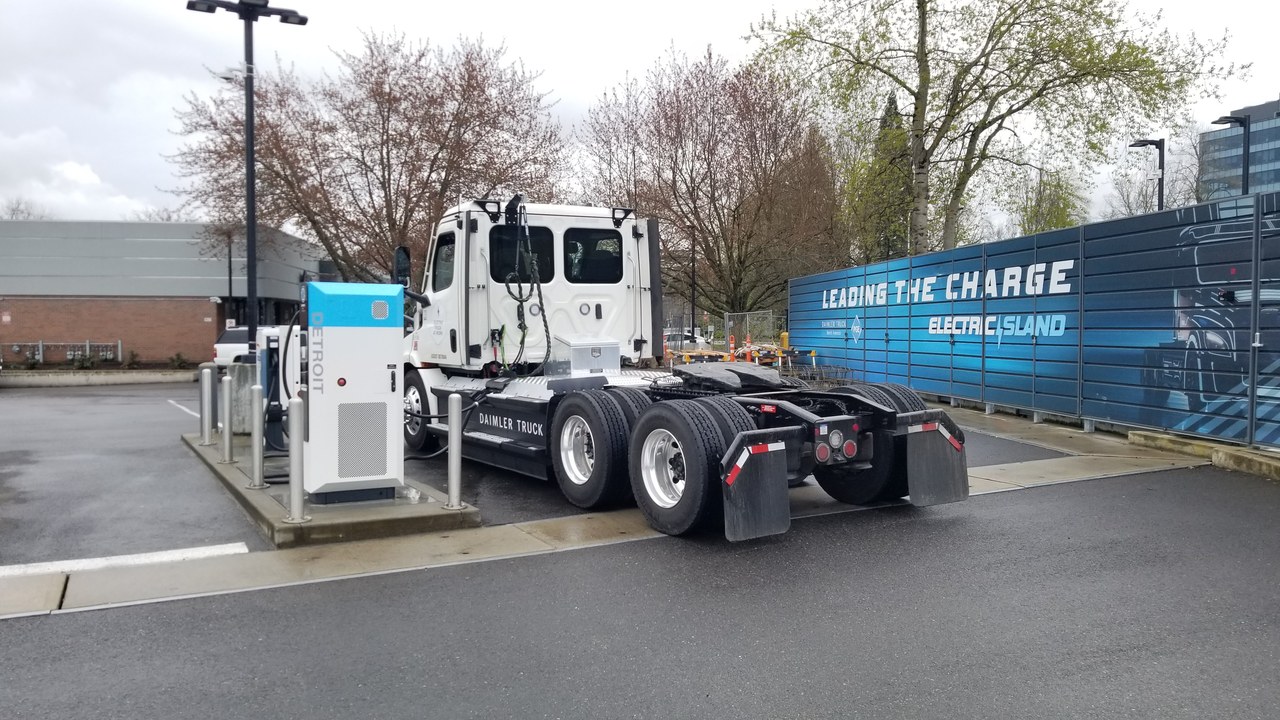
Freightliner’s eCascadia truck is already running with North American fleets, its 438 kWh battery rated for a typical 230 miles in the truck’s 4×2 configuration. Freightliner built the eCascadia on the same Cascadia platform that underpins its diesel lineup, easing the transition for fleets already familiar with the truck’s cab and controls.
That range suits shorter regional lanes rather than coast-to-coast runs, the niche in which most electric big rigs on this list have found steady commercial work first, well ahead of long-haul routes. Fleets running eCascadias typically pair them with depot charging overnight rather than relying on public fast chargers along a route.
5. Kenworth T680E: Two-Hour Recharge
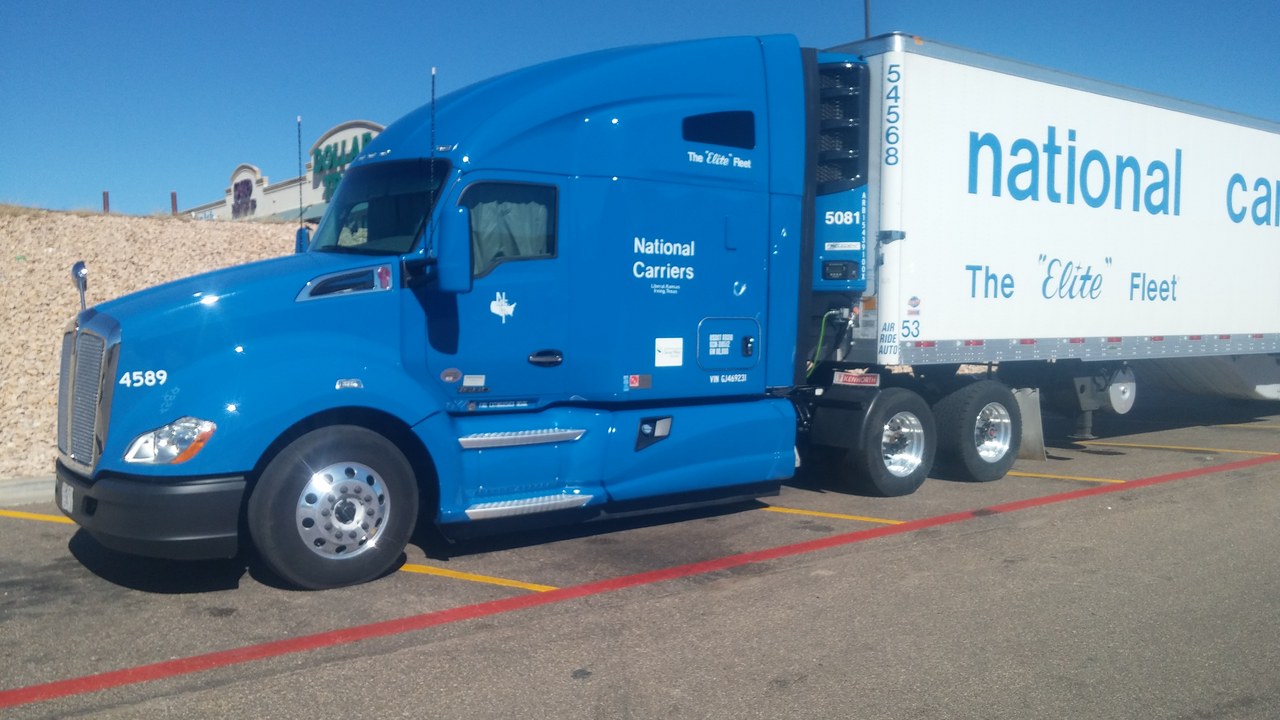
Kenworth’s next-gen T680E packs a 500 kWh battery for more than 200 miles of range, an upgrade over the automaker’s earlier electric T680 offering. The redesign followed years of feedback from early fleet customers running the original battery-electric T680 on shorter regional and drayage routes.
It reaches a 90% charge in about two hours, quick enough for a driver to plug in during a mandated rest break and still keep a delivery route roughly on schedule. Kenworth positions the truck primarily for regional haul and drayage work rather than the longest interstate routes.
6. Peterbilt 579EV: Heavy-Haul Electric
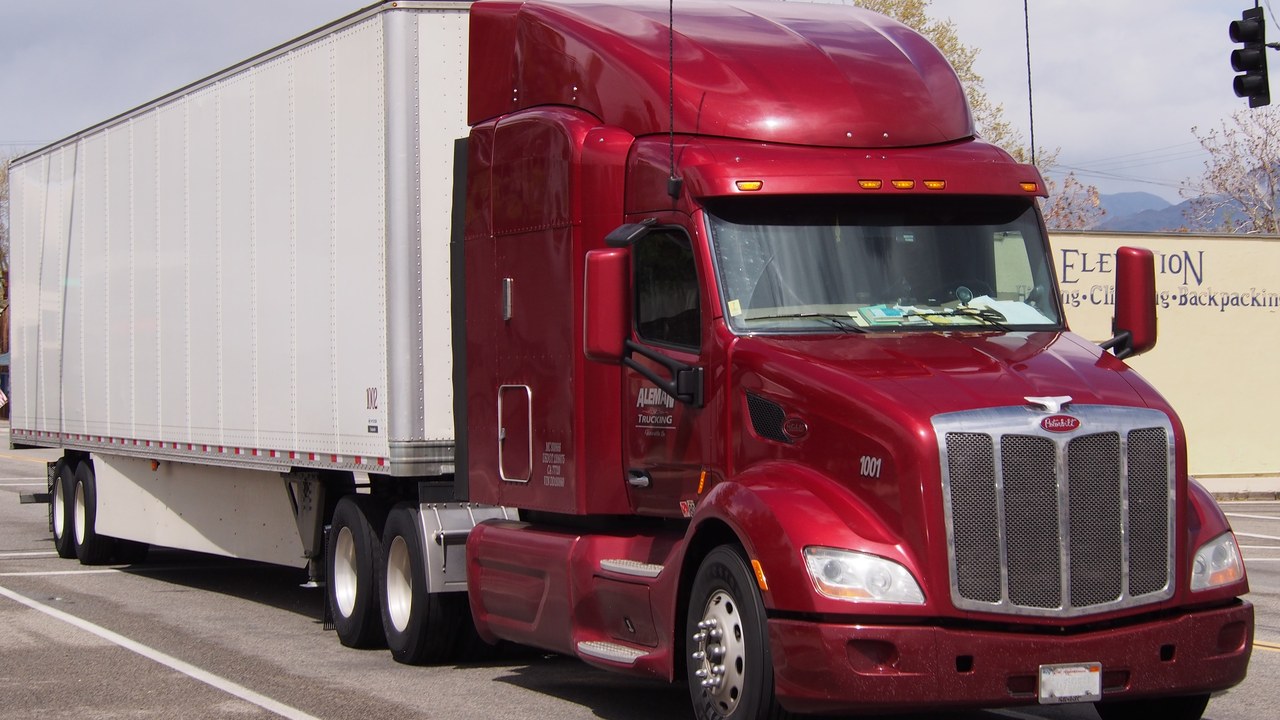
Peterbilt offers up to 500 kWh across its 579EV battery options, good for up to 200 miles of range at an 82,000-pound gross combined weight rating. Peterbilt built the 579EV on the same cab architecture as its diesel 579, another case of an established truck maker adapting a familiar platform to a battery-electric drivetrain.
That weight rating keeps the 579EV in the same class as a fully loaded diesel rig, a threshold electric trucks have generally struggled to match without sacrificing cargo capacity. Fleets running the 579EV have generally deployed it on regional and drayage routes rather than the longest cross-country hauls.
7. BYD 8TT: Early California Adopter
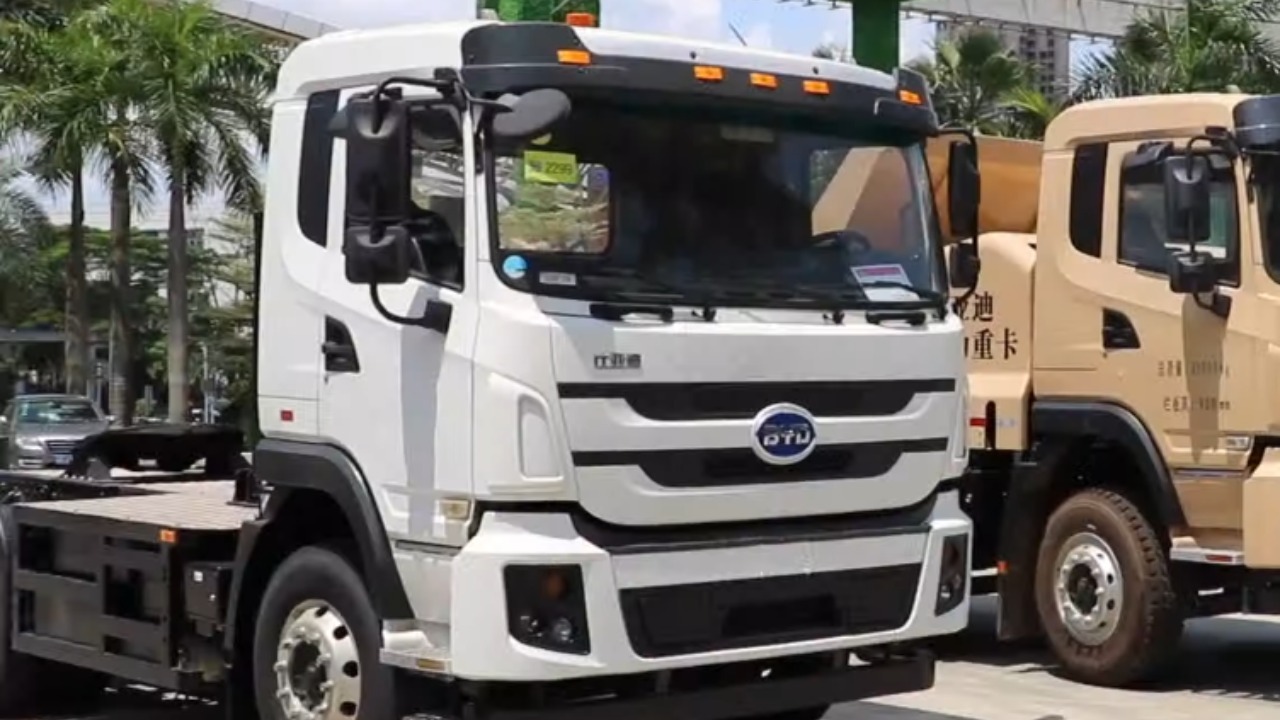
BYD’s 8TT was among the first electric semis in commercial use in California, already working port fleet routes for Anheuser-Busch and drayage operators moving containers near the coast. The truck’s early adoption made it one of the more established electric big rigs on American roads well before many domestic rivals reached full production.
Its 124-mile range at full load fits the short, repetitive runs common at seaports rather than long interstate hauls across several states, a niche electric trucks reached before long-haul routes did. That range roughly doubles, to 167 miles, when the truck runs at half load rather than fully loaded.
8. Volvo FH Electric: Europe’s Heavy Hauler
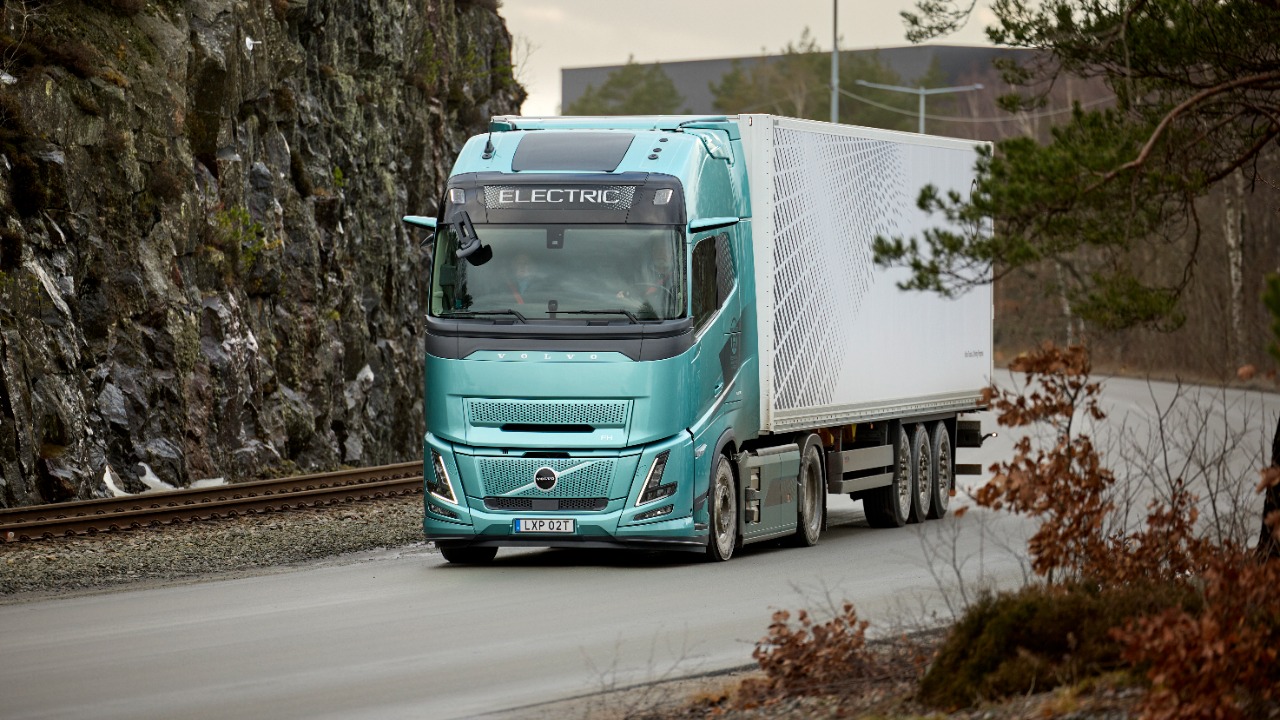
Europe’s Volvo FH Electric carries a 500-to-600 kWh battery, among the largest packs offered on any heavy electric tractor sold on the continent today. Volvo built the FH Electric on the same cab and chassis as its long-running diesel FH series, a heavy-duty platform already familiar to European fleets.
That extra capacity targets Europe’s long-haul lanes, where fewer stops for freight beat frequent detours to a charging station, even if the truck’s range still trails a diesel equivalent by a wide margin. Volvo has positioned the FH Electric alongside its smaller FM and FMX electric trucks as part of a broader lineup.
9. Nikola Tre: Bankrupt Truck Maker
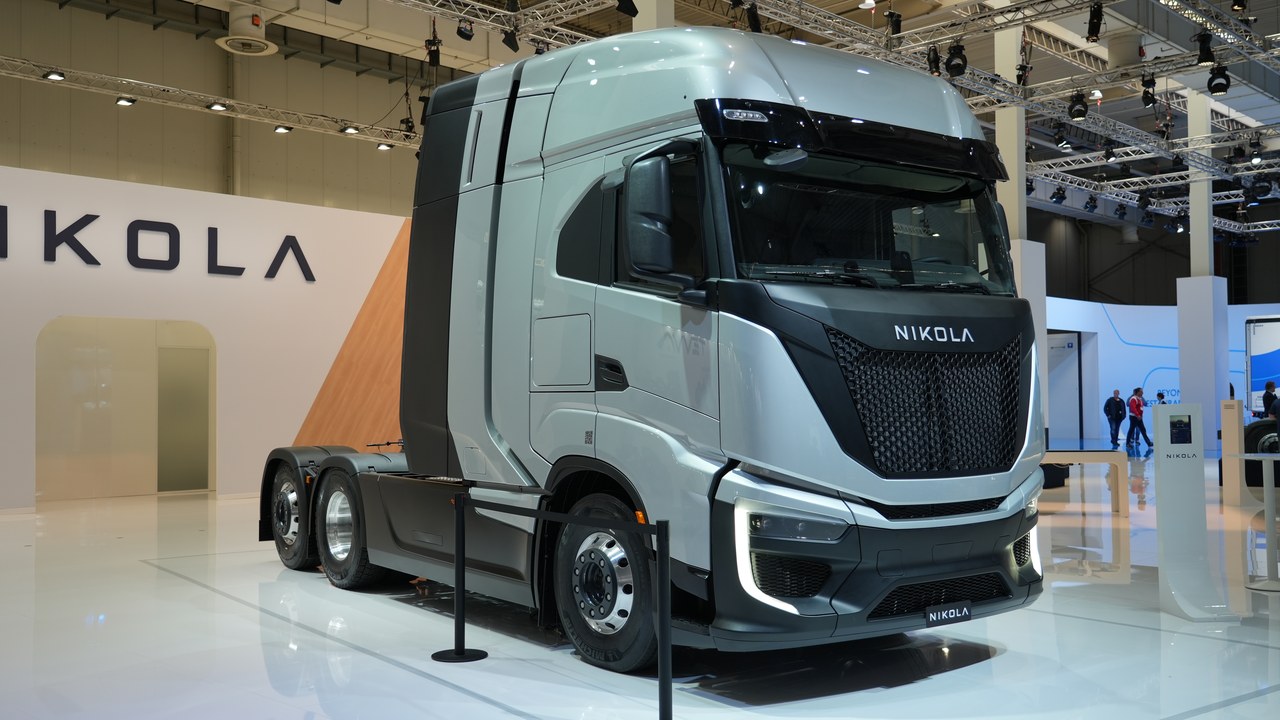
Nikola put hundreds of battery-electric Tre trucks into service with 19 fleet customers before it filed for Chapter 11 bankruptcy on Feb. 18, 2025, seeking to wind down operations entirely. The filing came only a few years after the company first began shipping the Tre to commercial customers across North America.
The collapse came after Nikola had also launched a hydrogen-powered truck in 2023, leaving both its battery and hydrogen lineups an unfinished experiment rather than the freight rival it once aimed to become. The bankruptcy left existing Tre owners with a fleet of trucks and an uncertain path for future parts and service support.
More from Morning Overview
- Supplements now rank as the fifth-leading cause of death from liver disease.
- Herbal supplements are landing Americans in the hospital with liver damage, doctors warn
- General Motors is switching on cameras that record inside your vehicle by update
- A geomagnetic storm is forecast to hit Earth today, pushing the northern lights unusually far south
