
Rear-hinged doors, long nicknamed suicide doors, swing open toward the back of the car instead of the front. Once common on prewar sedans, the layout faded for decades before designers revived it as a signature flourish on luxury flagships and a few clever compacts. The following nine vehicles all wear the distinctive backward-opening design.
1. Lincoln Continental: The Sixties Icon
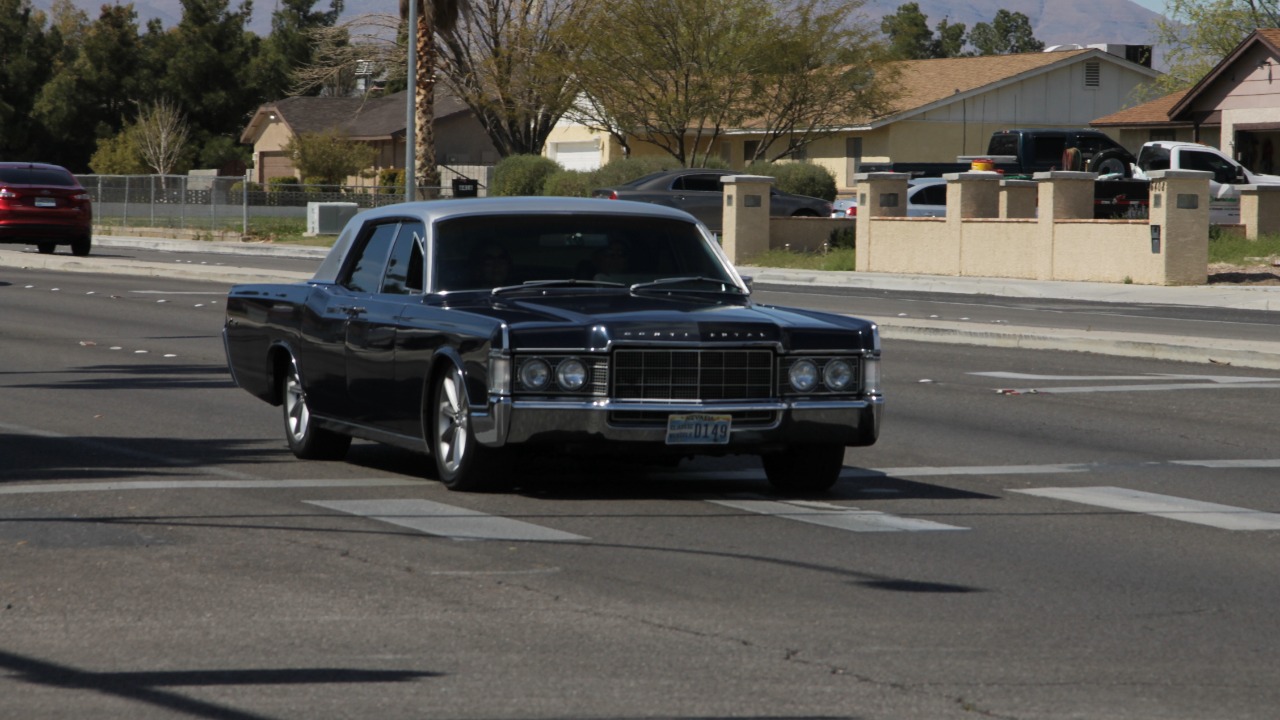
Ford’s luxury division turned rear-hinged doors into a defining trait when the fourth-generation sedan arrived in 1961. Its slab-sided body opened at the center, with front doors hinged forward and rear doors hinged at the back, so both swung away from the middle. The design gave the four-door a formal, symmetrical stance that came to define the decade’s American luxury, and it appears on the convertible seen in period photographs.
Practicality was part of the appeal, since passengers could step in and out without twisting around a forward-opening door. Engineers reinforced the latches and added safeguards after concern that a door could swing open at speed. Decades later the layout remains the model’s recognized styling signature.
2. Rolls-Royce Phantom: Coach Doors On The Flagship
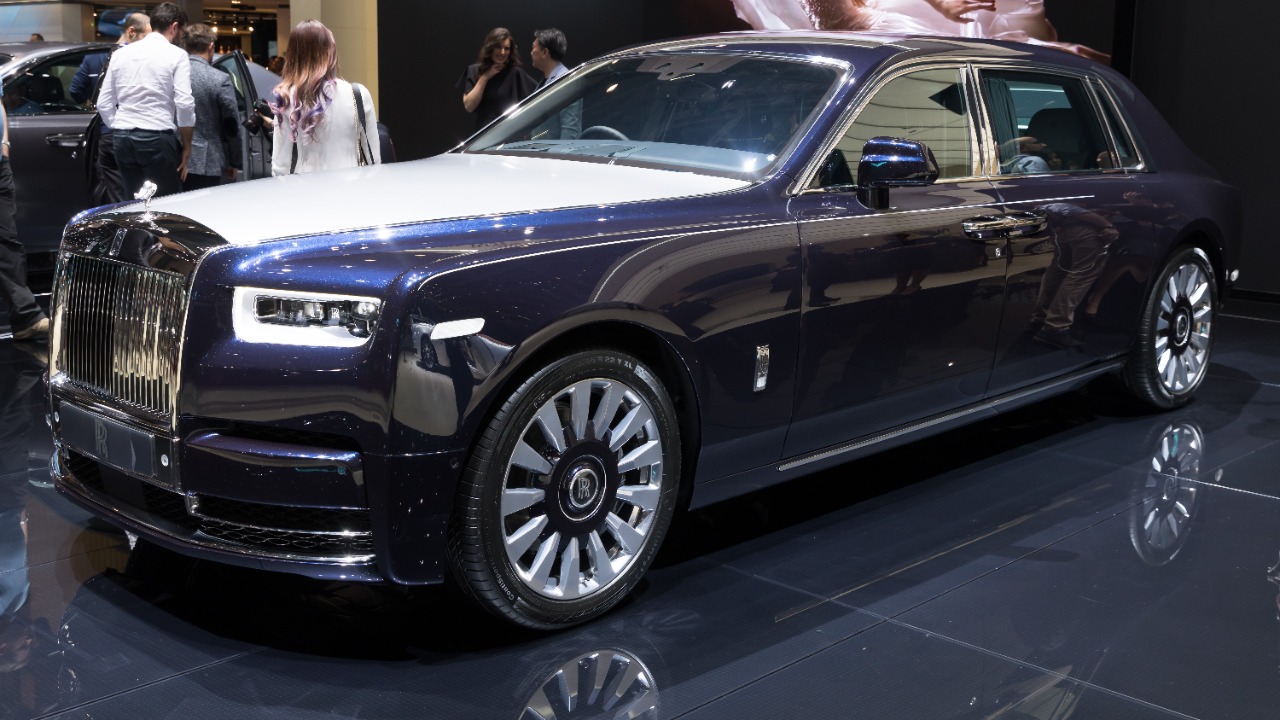
Few nameplates carry rear-hinged doors with as much ceremony. The marque prefers the term coach doors, a nod to horse-drawn carriages whose passengers once entered the same way. On the rear-hinged flagship sedan, the doors open wide toward the back so occupants step out and stand gracefully rather than sliding sideways. Umbrellas tucked into the door frames and a button that draws the door closed underline the occasion.
The arrangement is more than nostalgia, because the unobstructed opening suits a car built around being driven in rather than driving. Rolls-Royce engineers the pillars and latches to preserve rigidity despite the reversed hinges. The result reads as deliberate luxury rather than an old quirk.
3. BMW i3: A Carbon-Tub Electric

BMW brought coach doors to a mainstream electric city car with this compact hatchback. Built around a carbon-fiber passenger cell, the electric hatchback omits a fixed center pillar, so the small rear-hinged doors open only after the front doors, exposing a wide, unbroken gap. The layout let designers keep the car short while easing access to the back seats, a practical touch on a vehicle aimed squarely at crowded urban parking.
Because there is no B-pillar, the door structure itself carries safety loads, which shaped much of the carbon-tub engineering. The tradeoff is that rear passengers cannot exit until someone opens the front door first. Even so, the arrangement became one of the car’s most talked-about features.
4. Mazda RX-8: Rotary Four-Seater
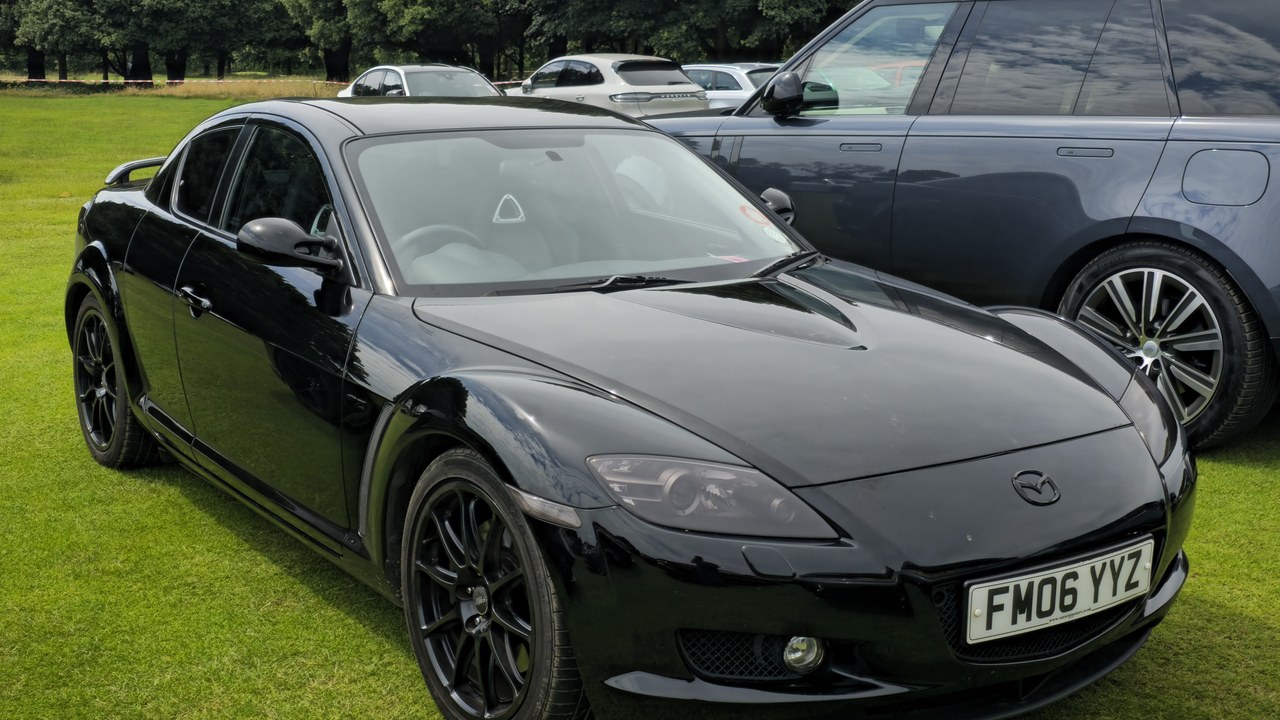
Mazda used small rear-hinged doors to solve a sports-car puzzle. Powered by a compact rotary engine, the four-seat coupe added a pair of narrow rear-hinged doors that the company marketed as freestyle doors, letting the car keep a low, sleek coupe profile while still offering usable back seats. The rear doors have no external handles and open only once the front doors are already ajar, preserving the clean two-door silhouette.
The clever packaging made the model unusually practical for a driver-focused machine, giving families a way to reach the rear bench without folding front seats. A hidden structural beam replaced the missing center pillar to keep the body stiff. Reviewers often praised the doors as one of its smartest ideas.
5. Rolls-Royce Phantom (2003): The Modern Revival
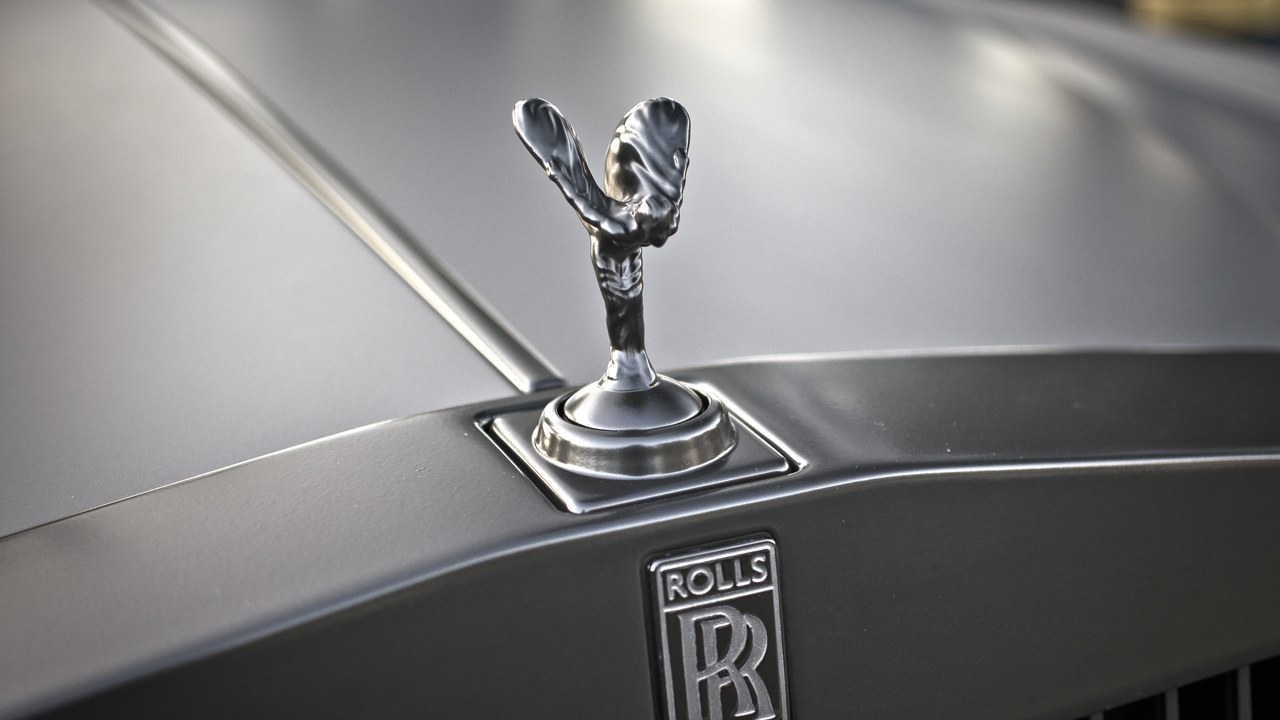
When the brand relaunched under new ownership, the first all-new sedan reintroduced rear-hinged doors to the modern era. The seventh-generation flagship paired them with a self-closing mechanism that let occupants pull the heavy door shut at the touch of a button. Rear passengers stepped out facing forward, a small dignity the engineers considered essential to the car’s character and one that shaped the whole cabin layout.
The decision proved influential, since it helped establish coach doors as an expected signature on the marque’s later models. Achieving the look required careful work on the rear structure to keep crash performance intact without a conventional pillar. The feature has anchored the brand’s identity ever since.
6. Saturn Ion: The Quad Coupe
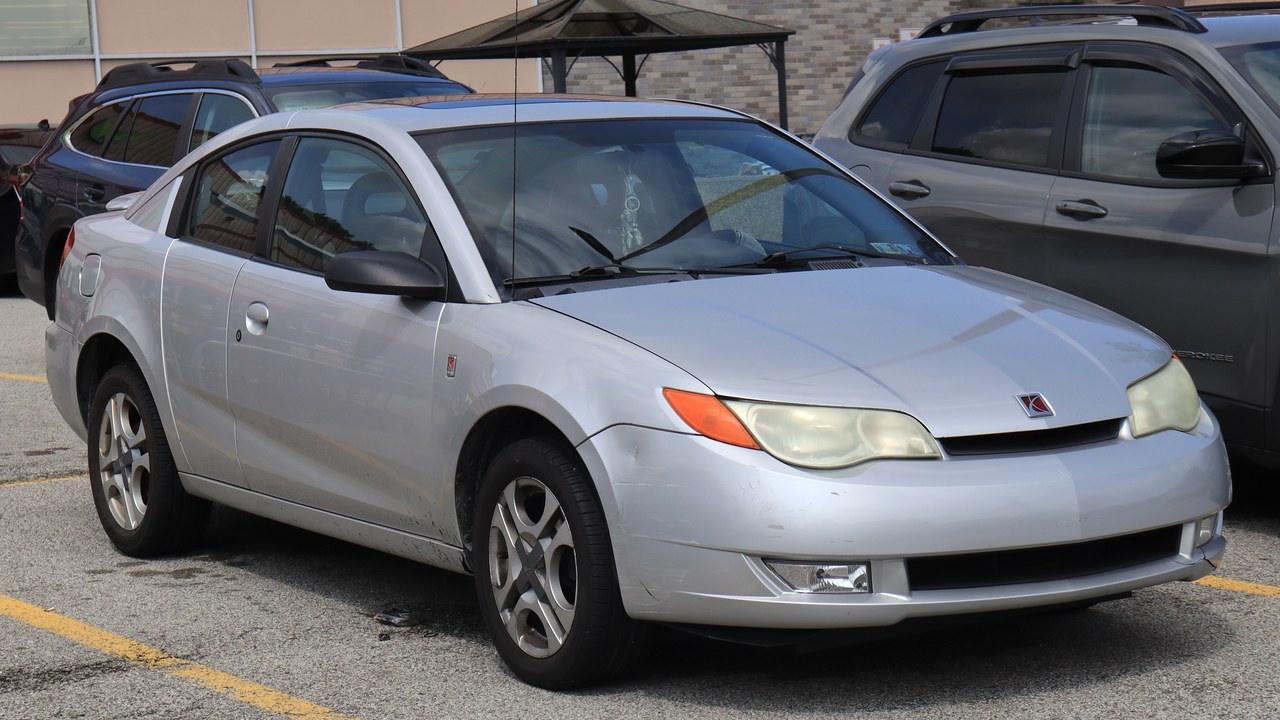
General Motors offered rear-hinged access doors on a budget-friendly compact through the coupe version of this model. Sold as a quad coupe, the compact two-door added small rear-hinged half doors on each side that opened only after the front doors, creating a wide gap for reaching the back seats. The design gave a sporty coupe roofline the everyday usefulness of a car with proper rear entry.
The approach echoed pickup trucks with rear-access doors, bringing that convenience to an inexpensive sedan-alternative. Because the rear doors lacked outside handles and a fixed center pillar, front occupants had to move first for anyone to climb in back. The feature set the car apart from ordinary economy coupes.
7. Honda Element: Clamshell Access
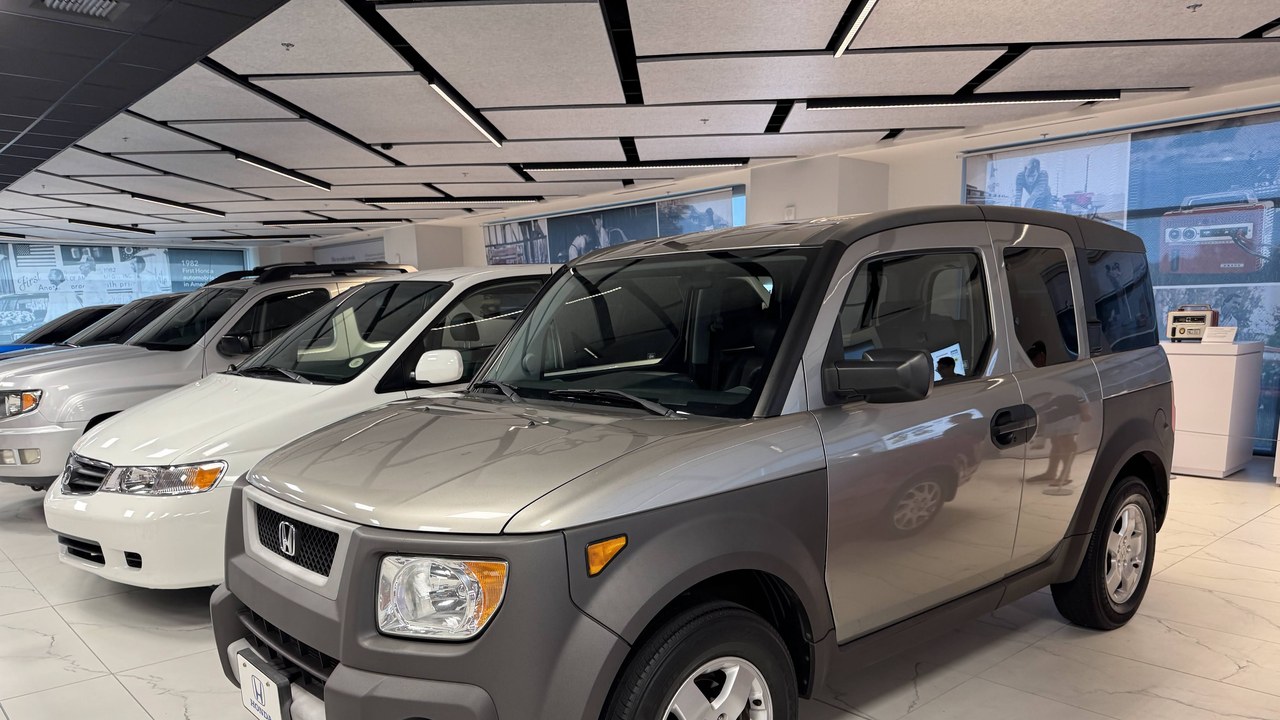
Honda gave its boxy compact crossover a clamshell door arrangement built for hauling gear. The rugged wagon-like utility uses front doors hinged forward and rear-hinged back doors that meet without a center pillar, so both sides open into a single tall gap nearly the height of the roof. Loading bikes, dogs, or furniture became far easier, matching the vehicle’s outdoorsy, wash-out-the-interior personality.
The pillarless opening demanded extra reinforcement in the doors and floor to preserve crash strength. A practical catch remained, since the rear doors could not open until the front ones did, a minor nuisance in tight parking spots. Owners nonetheless prized the wide, flexible access the layout delivered.
8. Toyota FJ Cruiser: Retro Off-Roader
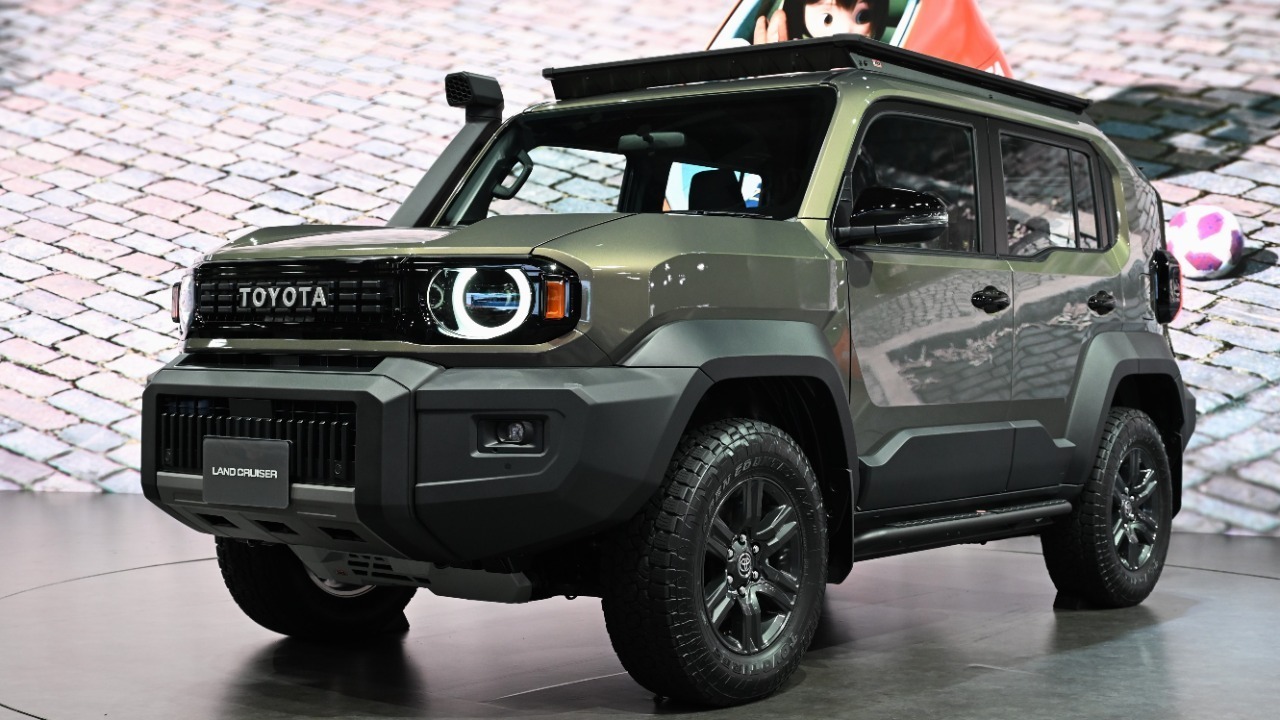
Toyota worked rear-hinged doors into a retro-styled off-roader without spoiling its rugged lines. The boxy four-wheel-drive wagon uses small rear-hinged access doors that open backward against the front doors, leaving a wide opening and no fixed center pillar. The trick let designers keep the short, purposeful two-door look inspired by the classic Land Cruiser while still fitting usable rear seats for trail trips.
The narrow rear doors and thick roof pillars did draw complaints about limited visibility and awkward access in tight spaces. Reaching the back required opening the front doors first, a familiar compromise of the pillarless design. Fans accepted it as part of the vehicle’s rugged, throwback appeal.
9. Rolls-Royce Wraith: The Fastback Coupe
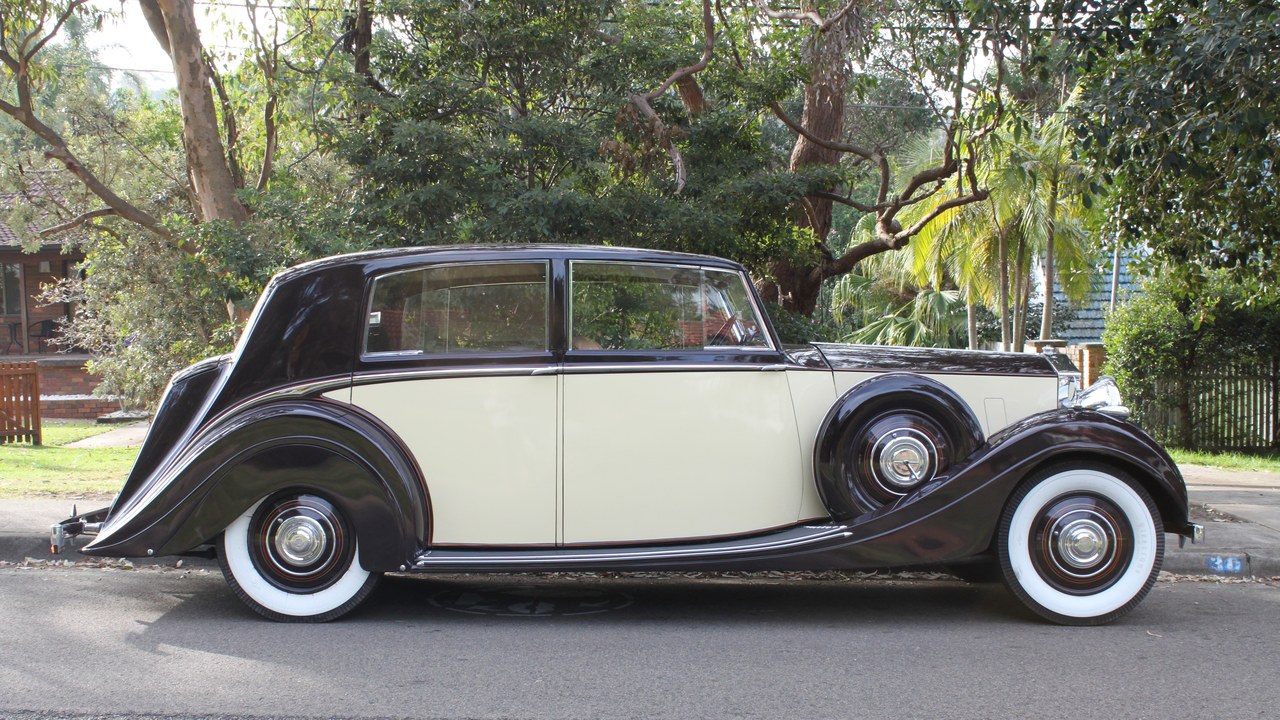
The brand carried its coach-door signature onto a sweeping two-door grand tourer. A fastback coupe built for effortless long-distance driving, the model uses large rear-hinged doors that swing open toward the back, easing entry to a cabin set well behind the long hood. As on the sedans, a powered mechanism draws each heavy door shut, sparing occupants an ungraceful reach.
Rear-hinged doors on a coupe are unusual, and here they reinforce the car’s sense of grand occasion rather than mere practicality. The wide opening also helps passengers reach the rear seats past the tall body sides. The design ties the coupe firmly to the marque’s carriage-inspired identity.
More from Morning Overview
- The FTC is warning about a scam quietly draining thousands from victims
- The NSA is again telling phone owners to switch off one location setting
- A handful of car transmissions are so tough mechanics say they almost never fail
- A handful of SUVs keep hitting 300,000 miles, and they share one engine trait
