
Some cars punish their owners long after the purchase price is paid, and the bill often arrives at the tire shop. Exotic rubber is engineered for extreme speed, crushing weight, or race-grade grip, and that engineering carries a staggering markup over ordinary passenger tires. These nine vehicles show how quickly a routine replacement can rival the cost of a used car.
1. Bugatti Veyron: Rubber Priced Like A Car
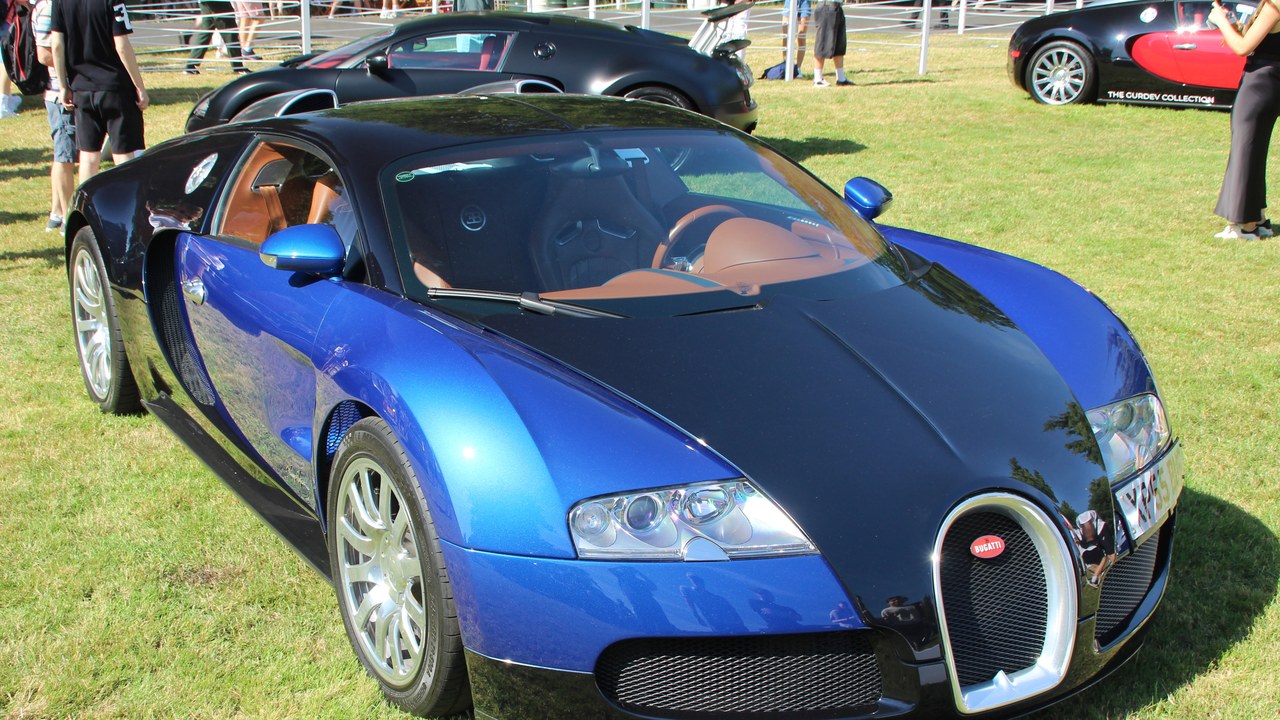
The Veyron sits at the extreme end of the tire market, where a complete set of its specially built Michelin PAX rubber reportedly runs around $42,000. Those tires are bonded to the wheels and rated to survive the car’s 250-plus-mph top speed, which is why the most expensive tires on the road so often wear a Bugatti badge.
The quoted figure covers more than rubber, because the mounting process is specialized and the wheels themselves must be periodically replaced. For an owner, a track-day habit can turn tire maintenance into a five-figure line item every few thousand miles.
2. Bugatti Chiron: A Full Set Rivals A Sedan
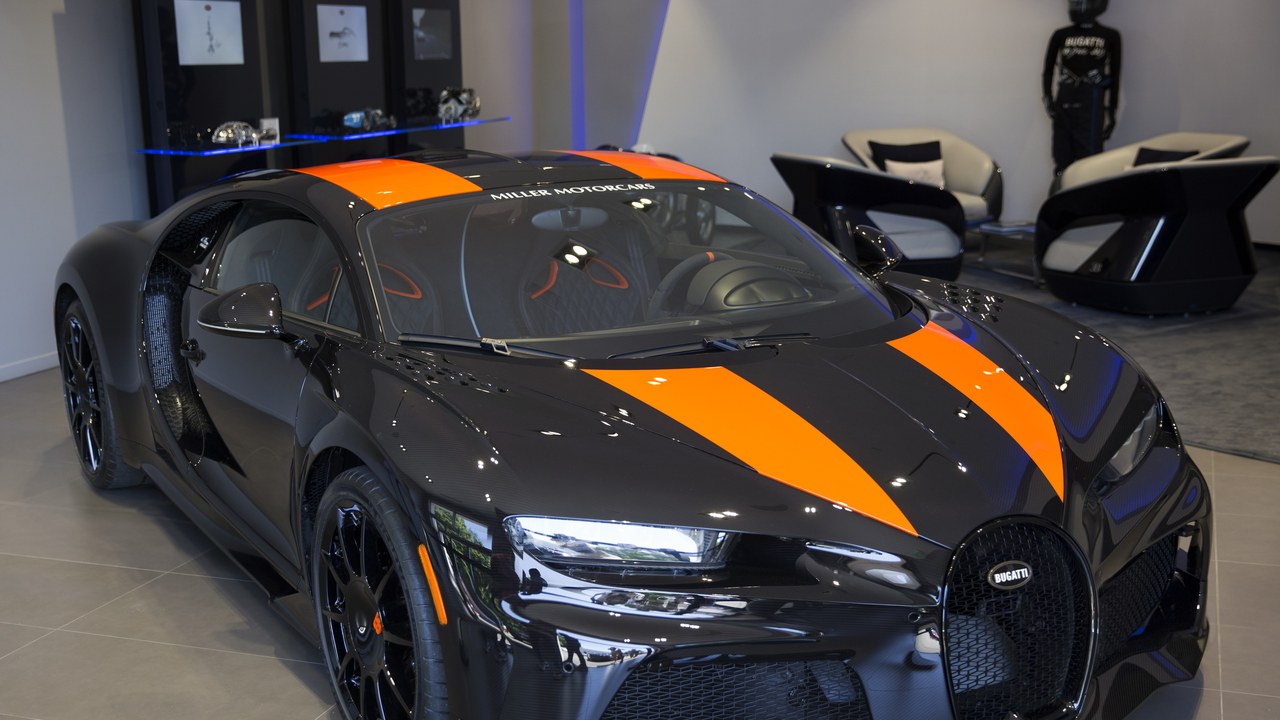
The Chiron raises the bar its predecessor set, wrapping even more advanced bespoke tires around its wheels to handle downforce and heat at more than 260 mph. Reporting on tires that cost more than a new car notes that a single Chiron corner runs into the thousands, and a full set can eclipse the price of an economy sedan.
Development alone is part of the story, as manufacturers spend years validating a compound for a car built in tiny numbers. That exclusivity means there is no discount aisle, and replacements are ordered rather than pulled off a shelf.
3. Tesla Model X: Heavy EVs Chew Through Tires
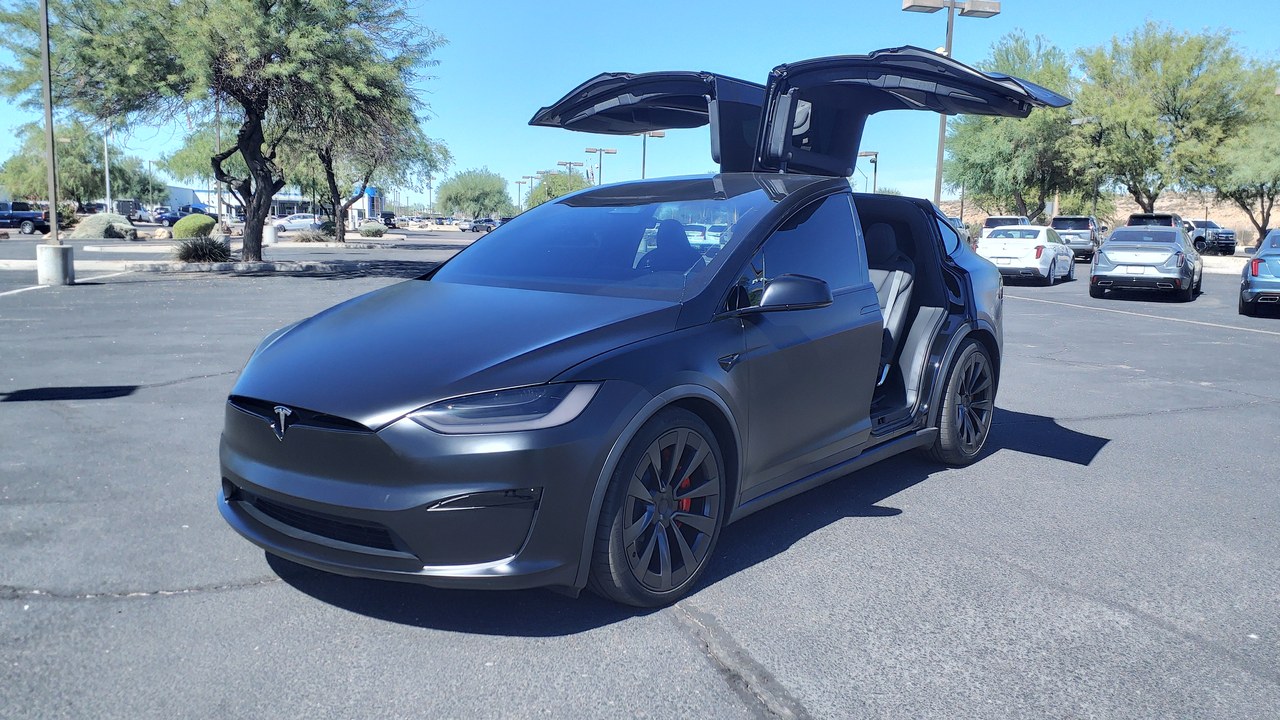
The Model X illustrates a quieter tire problem afflicting heavy electric vehicles, where instant torque and battery weight grind rubber down faster than a comparable gas car. Guidance on replacing EV tires explains that many owners are surprised how quickly the wear bars arrive, and that EV-specific tires often carry a higher price to begin with.
The compounds are tuned for low rolling resistance and reduced noise, adding cost over a standard set. Combine faster wear with a pricier tire, and the per-mile expense climbs well above what most drivers expect from a family SUV.
4. Rivian R1T: Adventure Weight, Adventure Prices
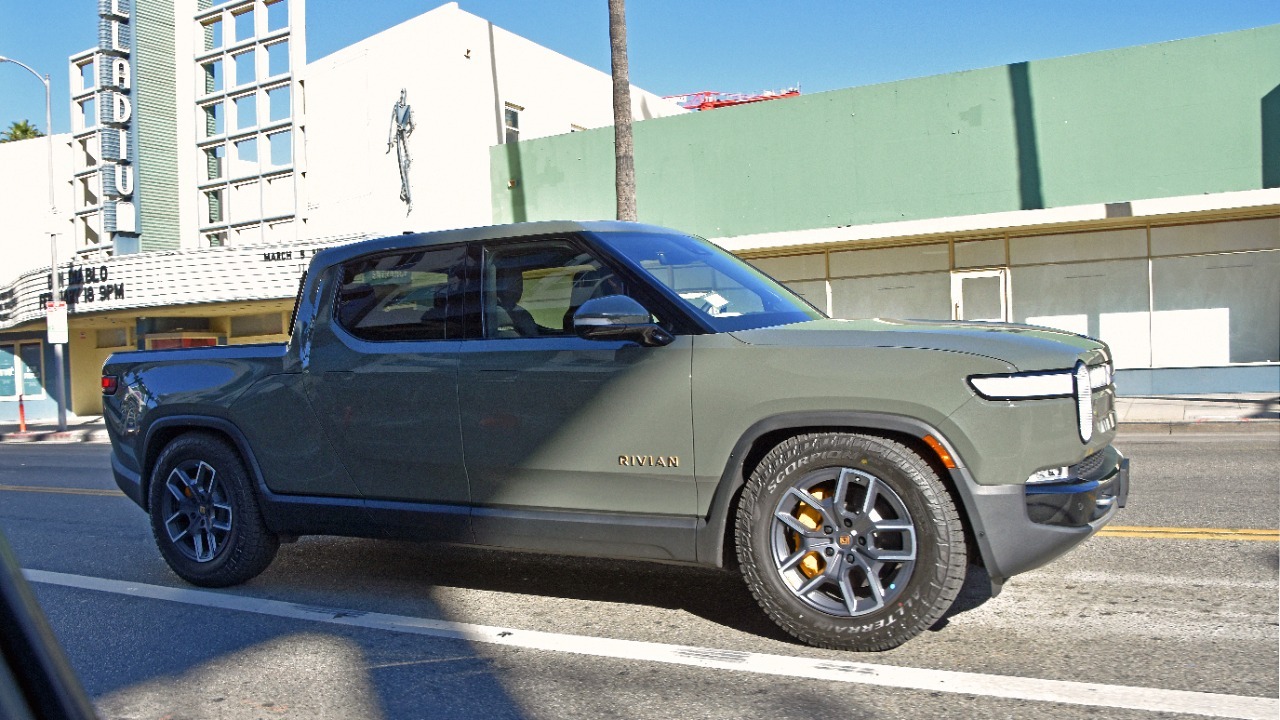
The R1T pairs electric-truck weight with large all-terrain tires, a combination that is expensive to replace when the tread finally gives out. A survey of vehicles with costly rubber places big adventure EVs among the models whose owners face uncomfortable quotes at replacement time.
Off-road-rated tires must carefully balance grip, durability, and range, and only a handful of sizes fit the truck’s oversized wheels. That narrow selection keeps prices firm, and drivers who regularly venture off pavement tend to wear them out far faster than a commuter ever would.
5. Porsche Taycan: Supercar Costs In A Sedan
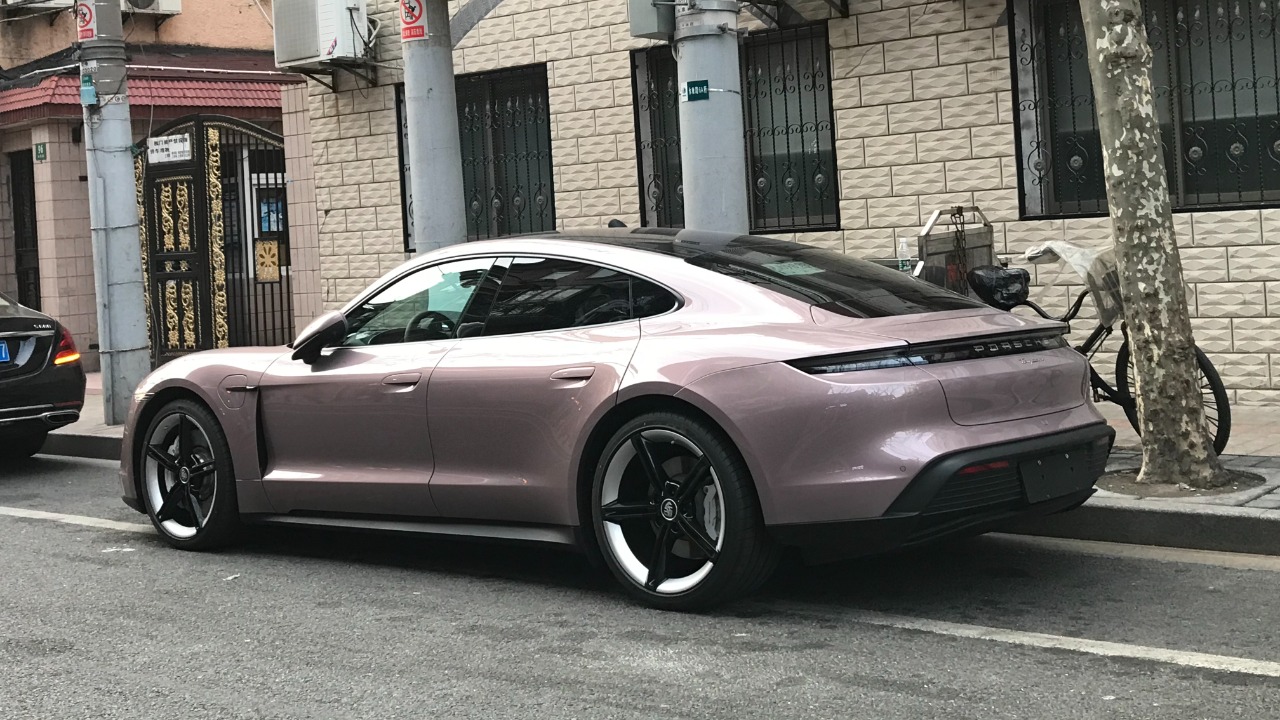
The Taycan brings supercar-adjacent tire costs to a four-door electric car, its staggered performance rubber engineered for both speed and the sedan’s considerable mass. Coverage of surprisingly pricey replacement tires highlights how a performance EV can demand a premium set that few local shops keep in stock.
Wider rear tires and a soft, grippy compound trade longevity for outright cornering ability. Owners who regularly enjoy the car’s brutal acceleration tend to shorten tire life even further, turning replacement into a recurring rather than a rare expense.
6. Lamborghini Aventador: Wide V12 Tires, Wide Bills
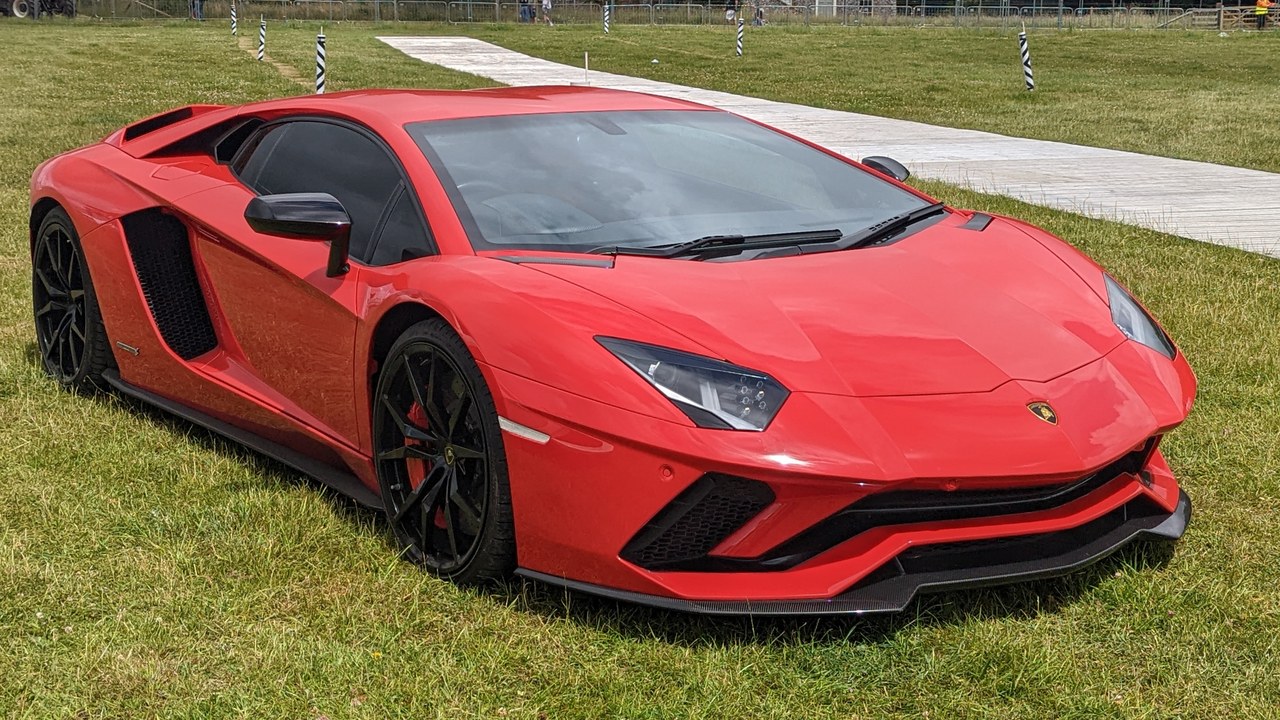
The Aventador wears wide, bespoke tires developed specifically for its V12 chassis, and replacing all four climbs well into the thousands. Automotive guidance on the cost of modern tires underscores that exotic fitments rarely share sizes with ordinary cars, leaving owners with few sources and little bargaining room.
The rear tires in particular are enormous, built to put the engine’s power down without squirming under load. Because Lamborghini validates specific compounds for the car, substituting a cheaper brand is discouraged, which keeps the effective replacement price stubbornly high.
7. Koenigsegg Jesko: Certified For Extreme Speed
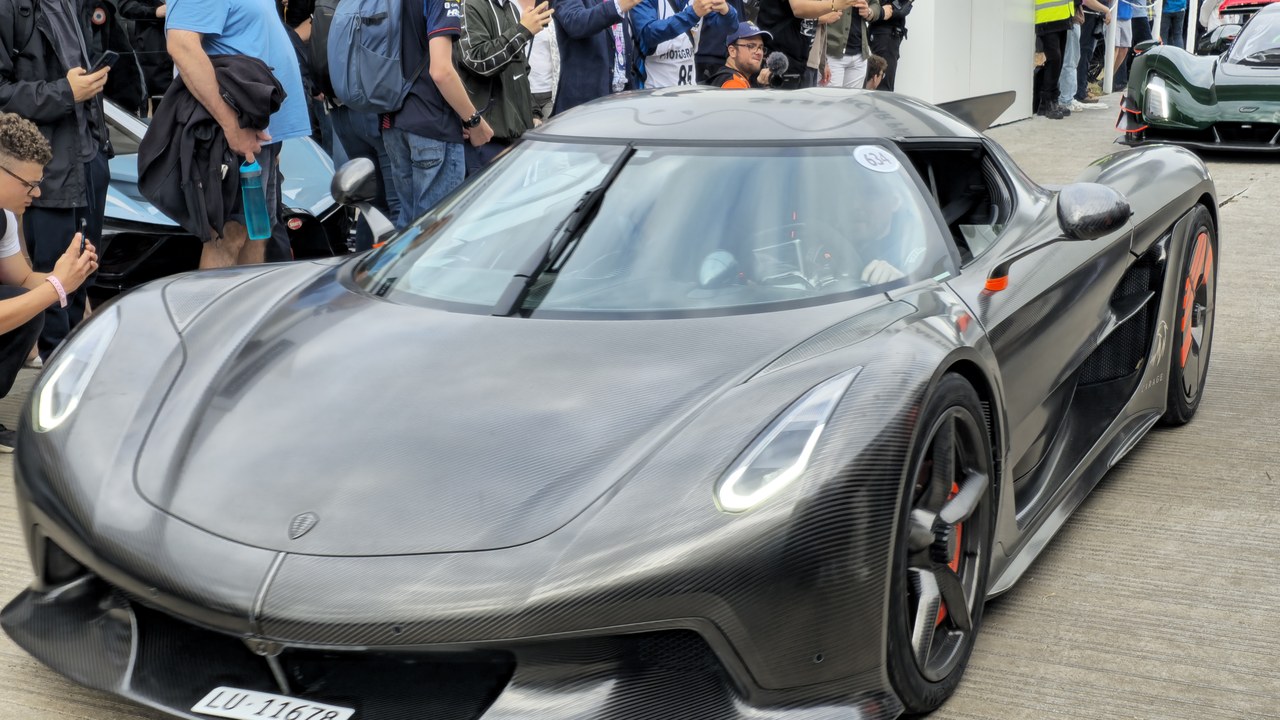
The Jesko is built to chase 300 mph, and its tires rank among the most specialized rubber ever fitted to a road car. A look at cars with staggering tire bills notes that hypercar-rated tires must be individually certified for extreme speed, a process that pushes their price far beyond conventional performance rubber.
Only a handful of tire makers can supply a compound and construction rated for that velocity. With production measured in dozens of cars, economies of scale never arrive, so every replacement reflects boutique engineering costs.
8. Pagani Huayra: Made To Order, Priced To Match
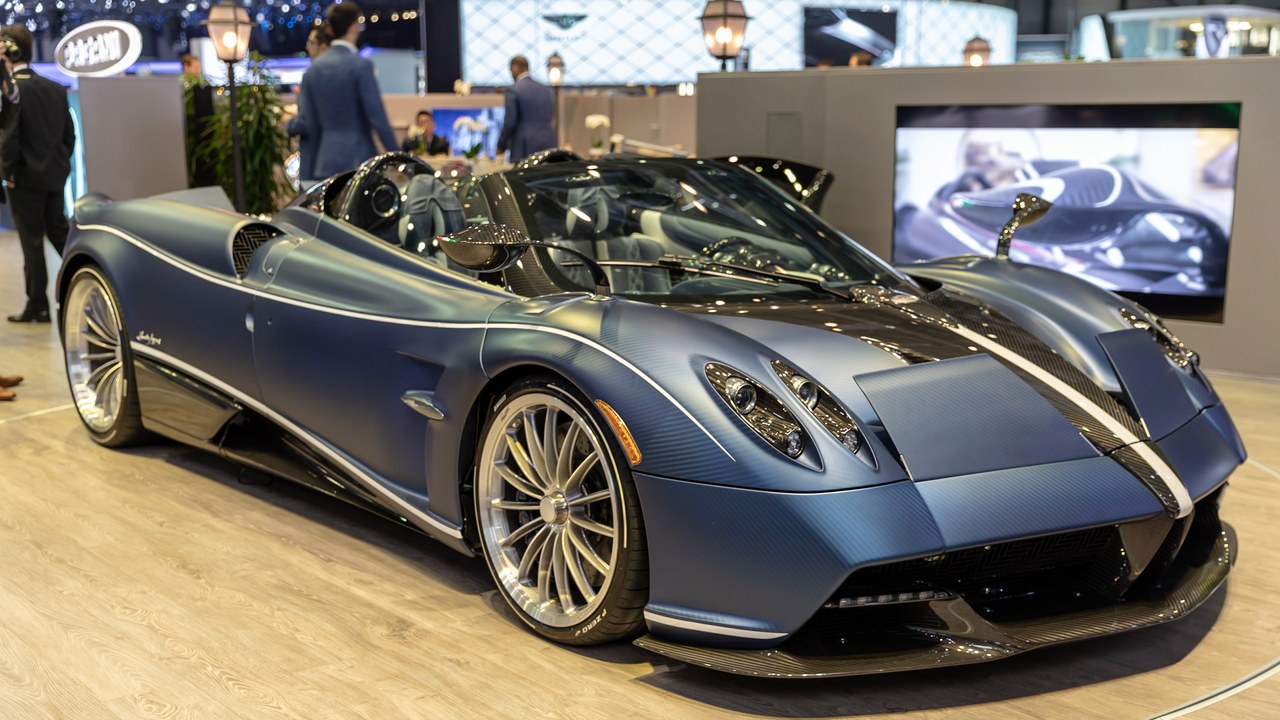
The Huayra rides on custom-developed tires created in partnership with its supplier, tuned to the car’s aerodynamics and hand-built character. Reporting on rubber that outprices new vehicles places Pagani among the marques whose per-corner tire cost reads like a used-car listing rather than routine maintenance.
Because so few Huayras were ever built, tire production runs stay tiny and are effectively made to order. That extreme rarity, combined with the intensive engineering behind each compound, ensures replacements remain a genuine luxury expense long after the original sale.
9. Ferrari SF90 Stradale: Hybrid Weight, Sticky Prices
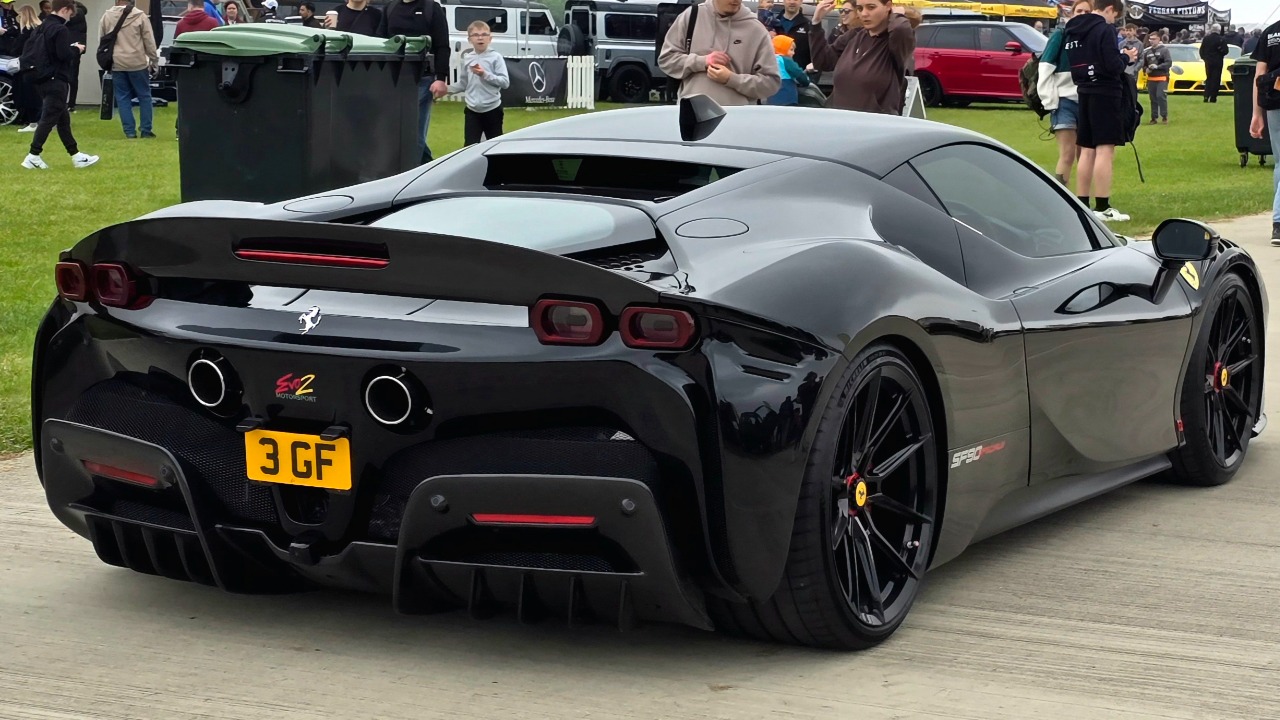
The SF90 Stradale blends a twin-turbo V8 with electric motors, and its plug-in hybrid weight rides on sticky, expensive performance tires. Automotive advice on modern tire replacement costs reflects how added mass and serious grip combine to shorten tire life and raise the bill each time the set is renewed.
Ferrari specifies particular compounds to preserve the car’s handling balance, which narrows the options further. For a flagship built to be driven hard, tires become one of the more frequent and least glamorous costs of ownership.
More from Morning Overview
- The FTC is warning about a scam quietly draining thousands from victims
- The NSA is again telling phone owners to switch off one location setting
- A handful of car transmissions are so tough mechanics say they almost never fail
- A handful of SUVs keep hitting 300,000 miles, and they share one engine trait
