
Cars have shed many once-standard features as technology, safety rules and cost-cutting reshaped what ends up in a showroom. Some departures came with a clear regulatory push, while others faded gradually as buyers stopped asking for them. Here are nine features that automakers quietly dropped over the decades, each with its own reason for disappearing.
Tech news in one quick read: Get the most interesting stories in startups, tech and programming, each with a short TLDR, in one daily email from TLDR.
We may earn a commission if you sign up.
1. Compact cassette deck: Last Tape Standing
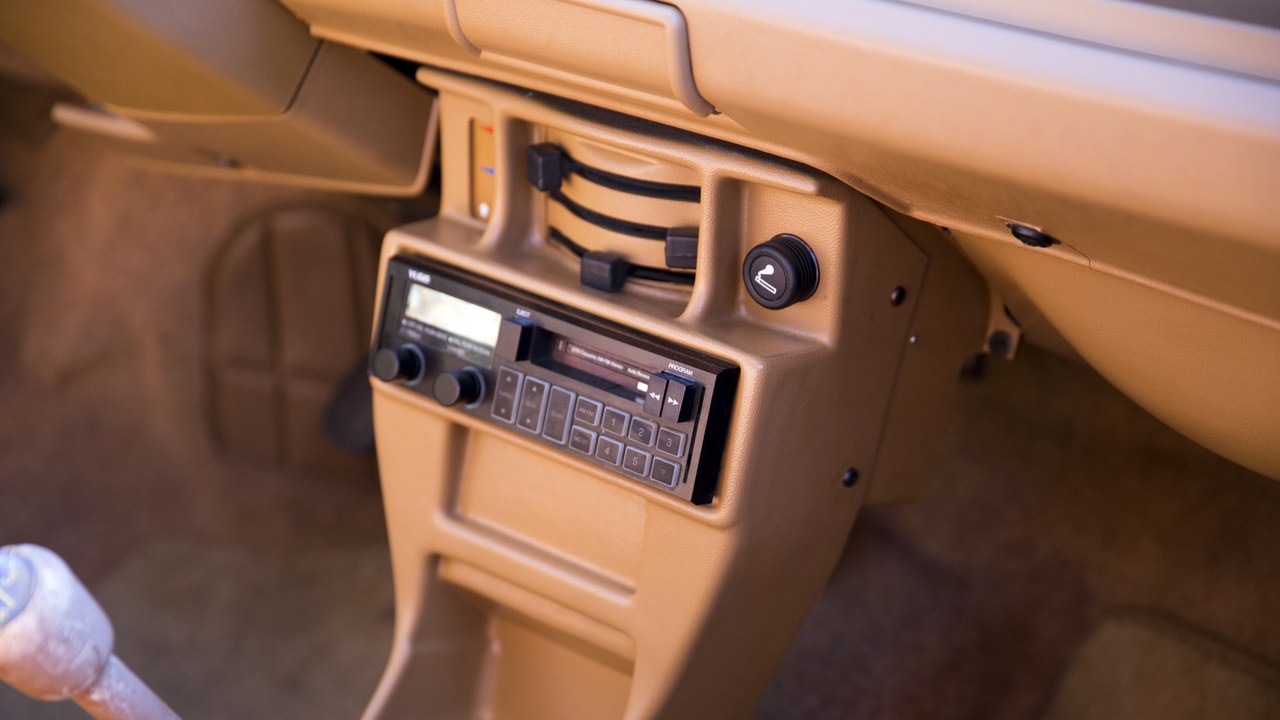
The 2010 Lexus SC430 was the last new car sold in North America with a cassette player as standard, and 2011 was the first model year no American maker offered one, per the Compact Cassette entry. After that, the format vanished from factory dashboards.
Anyone still holding a tape collection now needs an older vehicle or an aftermarket adapter. No current showroom car includes a factory deck, so the format survives only in vintage cars and in the hands of dedicated collectors. Streaming and USB inputs filled the gap.
2. Hood ornament: Mascots Under Pressure
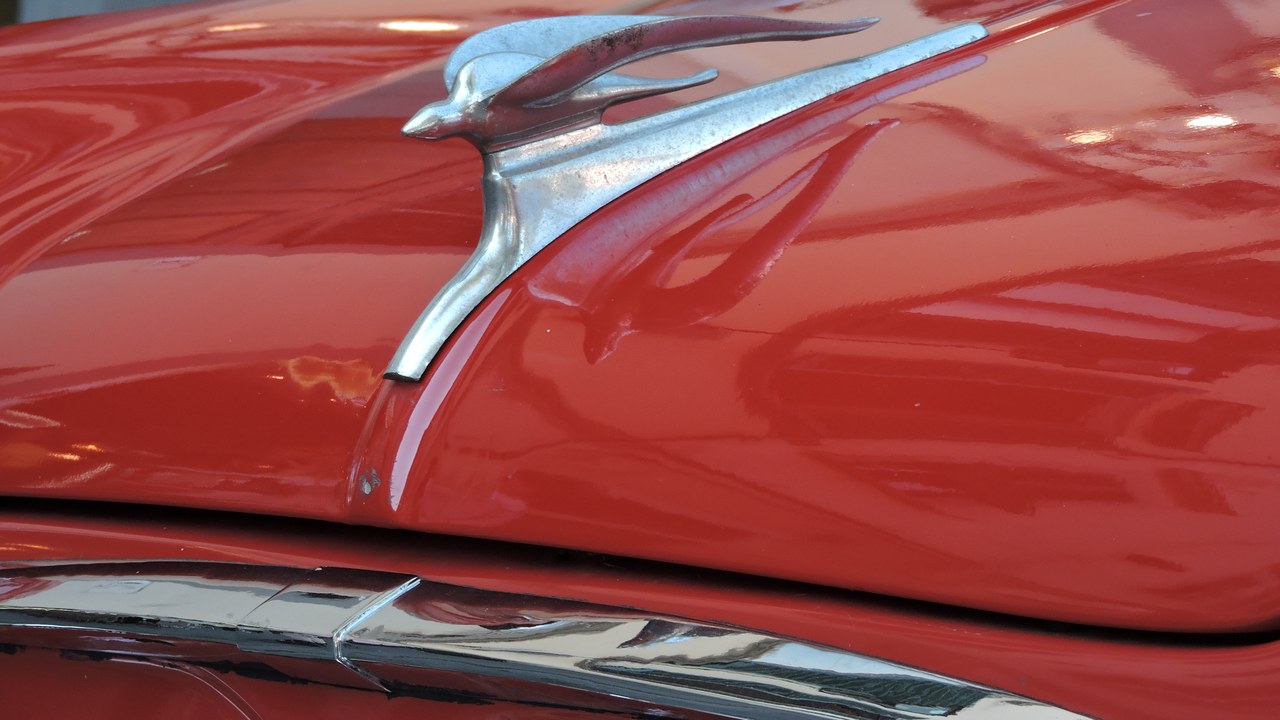
Rules for 1968 model-year vehicles ended fixed stand-up hood ornaments, which were seen as a pedestrian injury risk. Makers then moved to spring-loaded mounts or grille badges, which could give way on impact.
The change shows how safety regulation can erase a styling tradition almost overnight. Collectors of older cars should expect the fixed versions only on vehicles built before the rules took effect, and reproductions may not meet modern standards. Today’s replacements are mostly decorative badges bolted flat to the grille, and they pose far less risk to anyone struck in a collision.
3. Spare tire: Missing From the Trunk
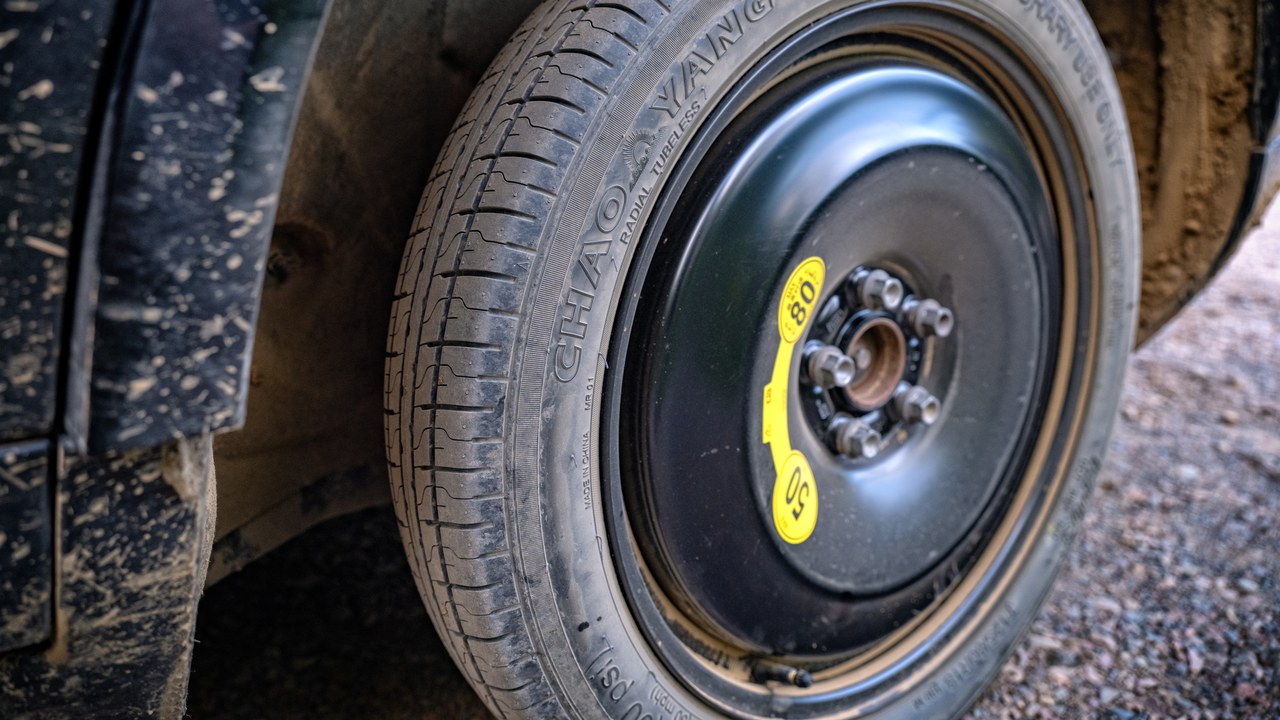
AAA found 28 percent of 2017 model year vehicles came without a spare tire as standard equipment. The same report notes that more than 450,000 members were helped with flats on cars lacking one in a year.
Drivers shopping for a new car should check the trunk floor or the spec sheet before buying. An inflator kit or roadside plan may be the only backup, and a flat can turn into a long wait without a proper spare. Many current models offer a tire-sealant kit or an inflator pump, which saves weight and trunk space but cannot repair a serious sidewall tear.
4. Manual transmission: Stick Shift Fades
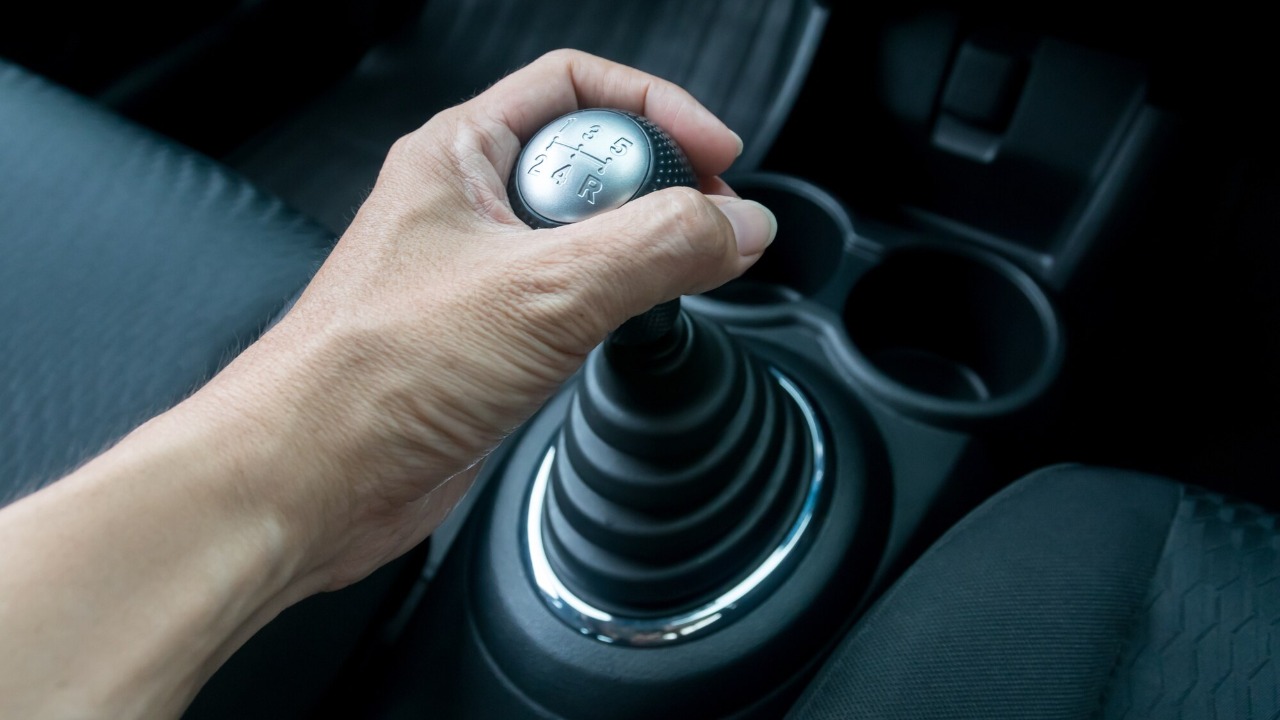
Manual transmissions were in almost 35 percent of new vehicles in 1980, but stick shifts have been under 1 percent of production since the 2021 model year, per the EPA Automotive Trends report. That is a dramatic collapse across four decades.
Enthusiasts wanting a third pedal now have a narrow set of choices. Anyone set on a manual should shop early and confirm availability on a specific trim, since the option is easily missed on order sheets. Automatic gearboxes have also become quicker and more efficient, which removed much of the original case for the clutch pedal.
5. CD player: Discs Lose Their Slot
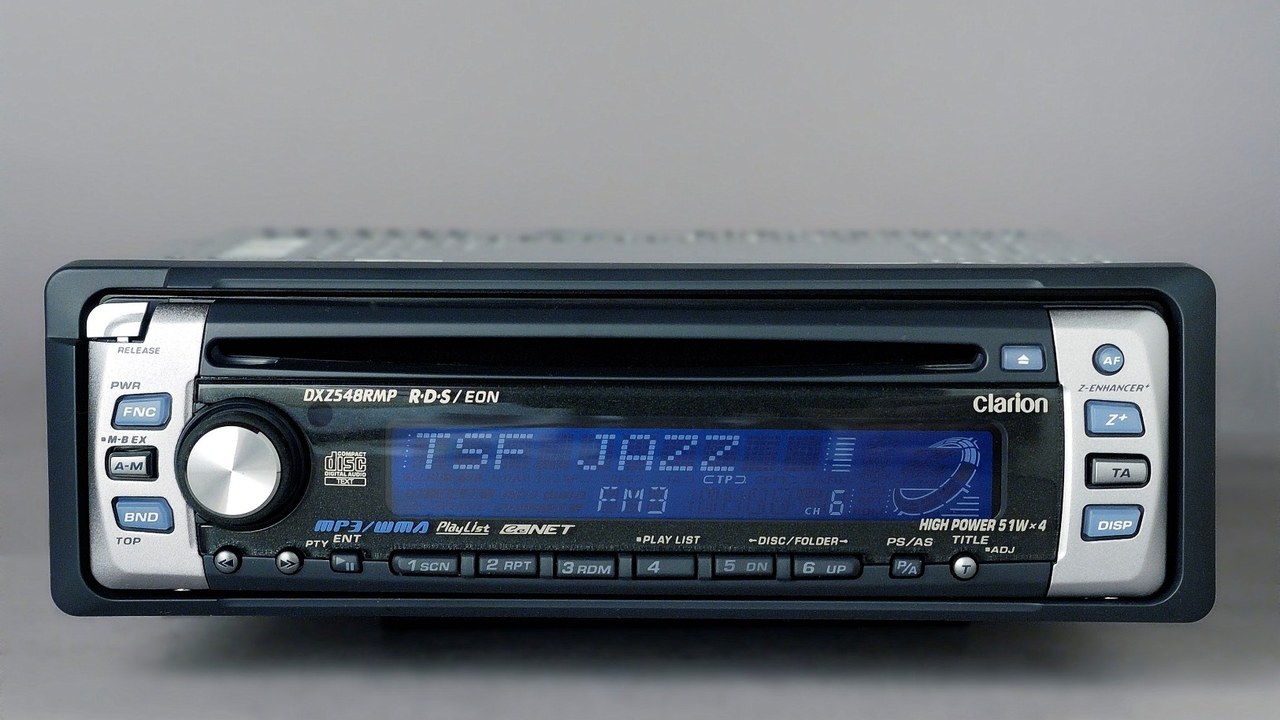
Only eight new cars still offered a CD player in 2025, after Sony built the first car CD player for Mercedes-Benz. Aux cords and Bluetooth then took over the job of playing music inside the cabin.
Owners with a favorite disc collection will find the options limited, and ripping the library to a phone is the practical workaround. Streaming from a handset has become the usual way to fill a new car with sound. Many newer dashboards no longer have the physical slot at all, and the space is now used for storage or extra screens.
6. Front bench seat: Three Across the Front
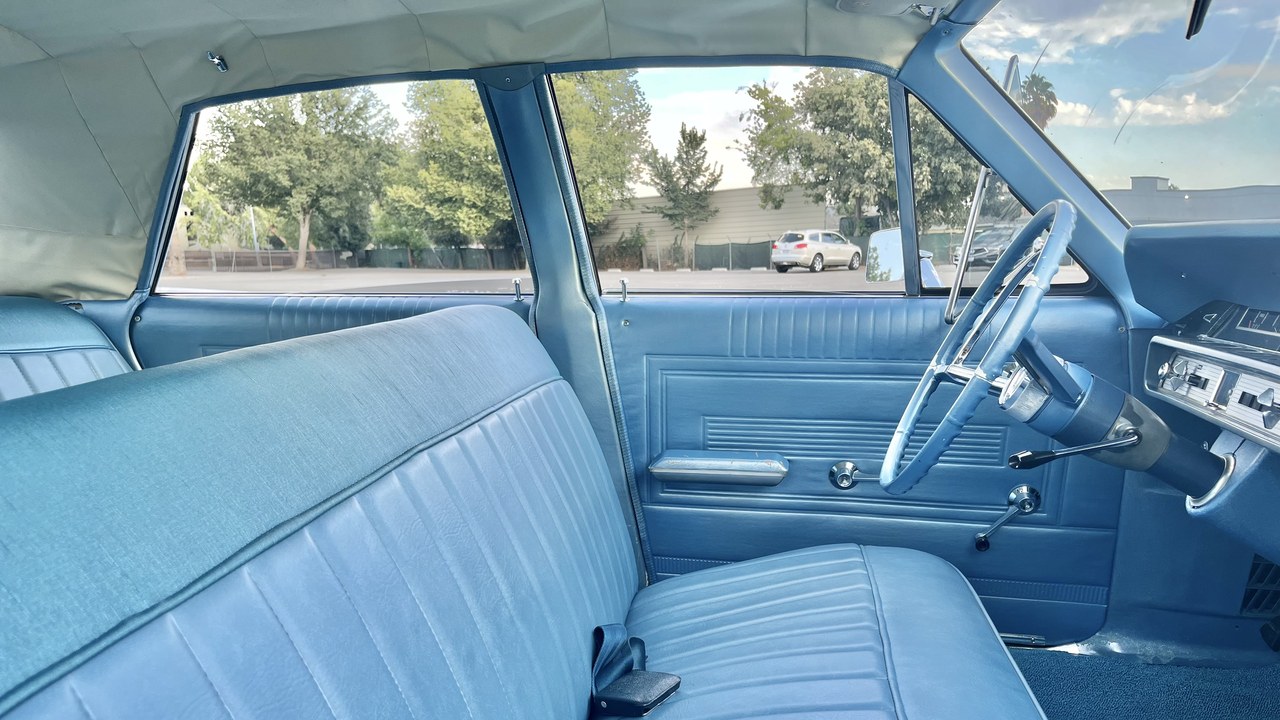
Front bench seats once let three people sit up front in classic American cars, but they are now fitted exclusively to large trucks and SUVs. IIHS does not recommend regular use of the center seat.
Families used to the old arrangement should treat the middle position as occasional seating at best. Most passenger cars now use individual front seats with a console, and a buyer who needs six seats must look at larger vehicles. Automakers favor the layout because individual seats and a console allow more storage and better side protection.
7. Hubcap: Shiny Caps Retire
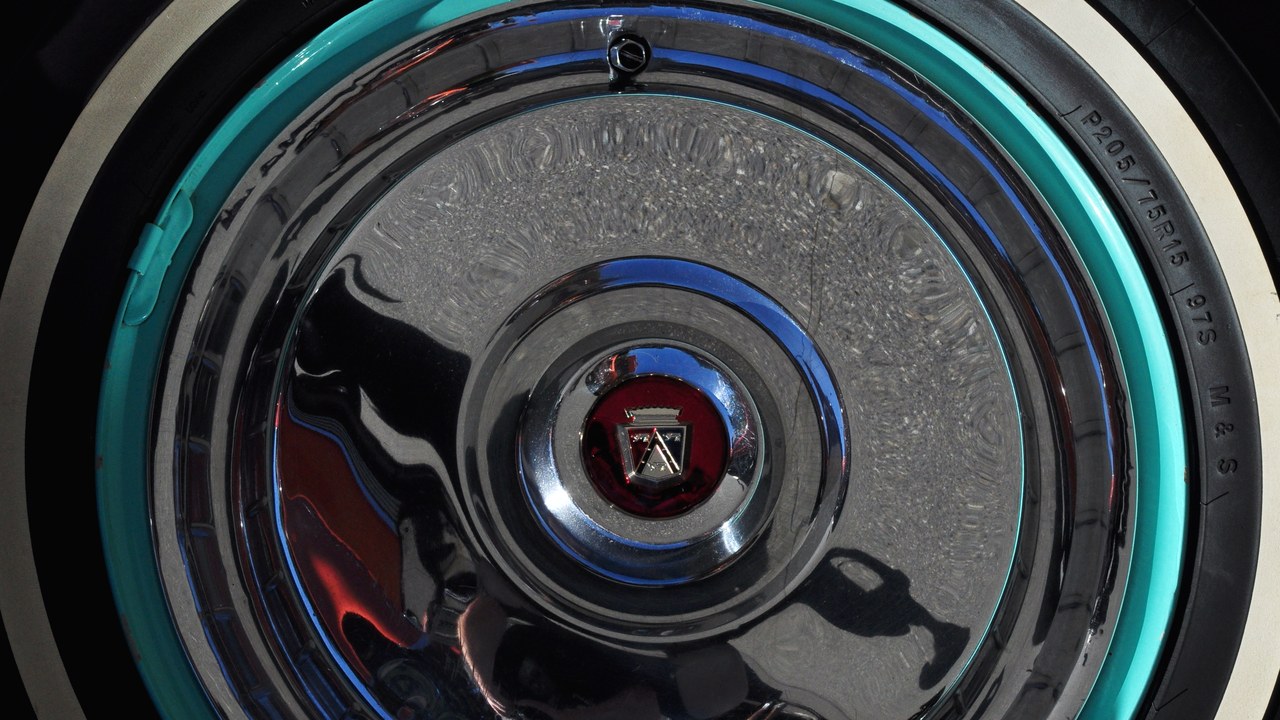
Luxury automobiles ditched the hub cap decades ago, and more affordable models are moving to alloy wheels. The plain steel wheel with a plastic cover is becoming a rarer sight on the road.
Buyers of budget models may still find covers on base trims, though alloys are steadily spreading even into the entry level. Replacement alloy wheels usually cost more to fix or swap than a simple cover, which is worth remembering after a curb strike. Wheel cost is one reason carmakers keep plain covers on the cheapest trims, where every dollar of material counts.
8. Metal ignition key: Keys Go Digital

Keyless entry first appeared around the turn of the millennium, and push-button start is now standard. Some automakers are moving further to NFC cards and smartphone access in place of the old metal blade.
Drivers who lose a phone or let it die may face a more complicated lockout than a dropped key once caused. A backup entry method, such as a card, is worth learning about before it is needed on a cold morning. Digital access also lets automakers offer features such as shared keys and remote unlocking through an app.
9. Carburetor: Fuel Injection Wins
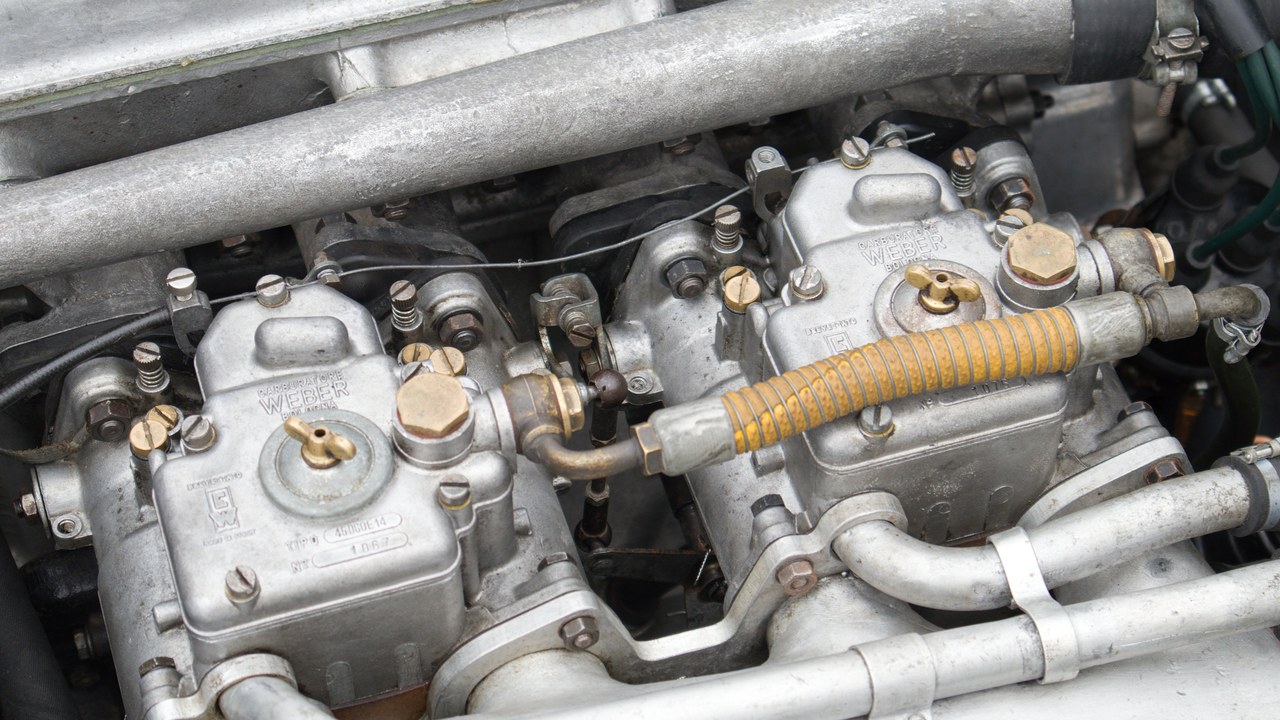
Invented in 1826 by American Samuel Morey, the carburetor was replaced by fuel injection, which lowers emissions. The change retired a mechanical component that fed engines for generations of drivers.
Mechanics who learned on carbureted engines now see them mostly on classic cars. Tuning the old fuel mixer remains a hobbyist skill, and owners of vintage models often rely on a specialist who still understands the adjustments involved. Fuel injection also improved cold starts and reliability, and modern engine computers now manage the mixture automatically.
Tech news in one quick read: Subscribe to TLDR →
We may earn a commission if you sign up.
More from Morning Overview
- Hybrids have 15% fewer problems than gas cars, while EVs and plug-in hybrids have about 80% more, Consumer Reports finds
- Regulators cleared the first U.S. small modular reactor, 4 months early
- Lake Powell sank to a record 3,517 feet, nearing the level that stops Glen Canyon Dam’s turbines
- Seven of Earth’s nine planetary boundaries are breached, and all seven are worsening
