
Snow exposes the difference between a car that merely offers all-wheel drive and one engineered around it. The best winter wagons pair a low center of gravity with extra ground clearance, a torque-shuffling center coupling, and enough cargo room to justify skipping a tall SUV. Nine of them stand out for shrugging off a deep, unplowed morning.
1. Subaru Outback: Standard Grip From The Ground Up
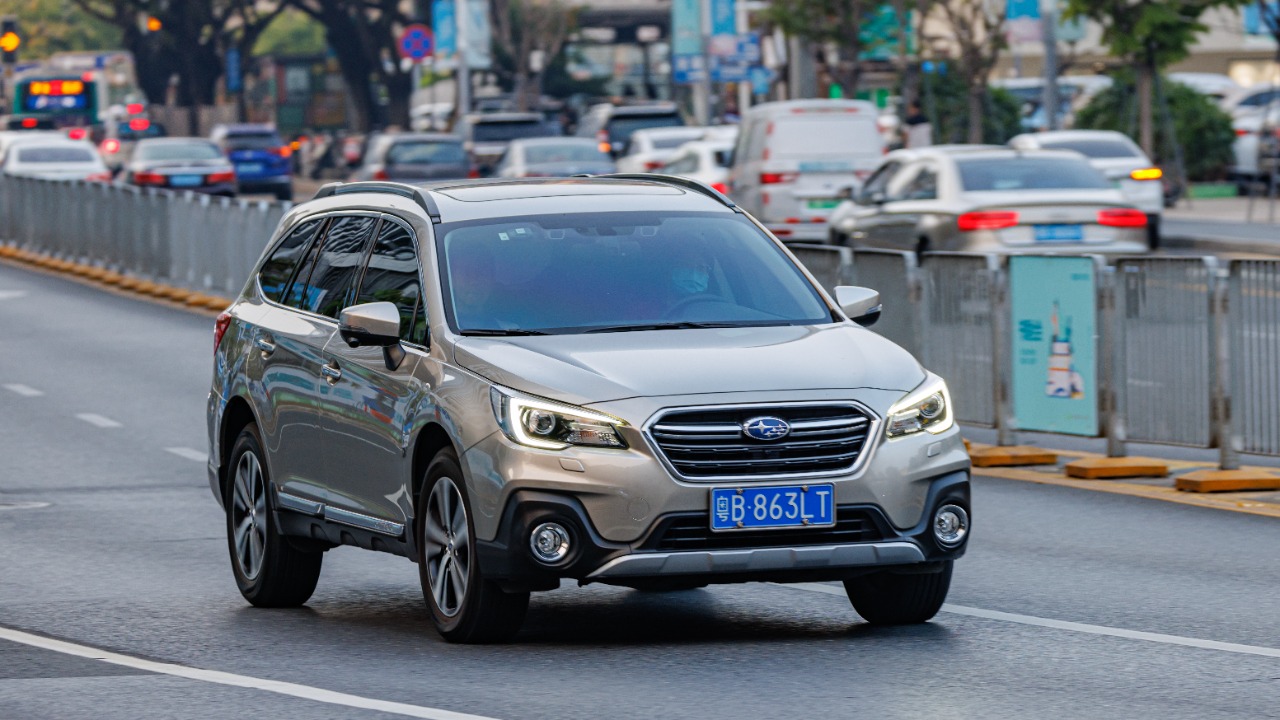
Every Outback leaves the factory with Symmetrical All-Wheel Drive, the permanently engaged system that has defined Subaru’s rugged wagon since the mid-1990s. Continuously variable models add an electronically controlled transfer clutch that shifts torque toward the rear axle before a front wheel can spin, and the X-Mode setting sharpens that response while adding hill descent control on packed snow.
Clearance matters as much as the drivetrain here, and the current generation sits roughly 8.7 inches off the pavement, enough to ride over a plow berm that would beach a low sedan. Worth remembering: all-wheel drive helps a car get moving, not stop. Winter tires do the braking work.
2. Audi A4 Allroad: Quattro That Wakes Up Fast
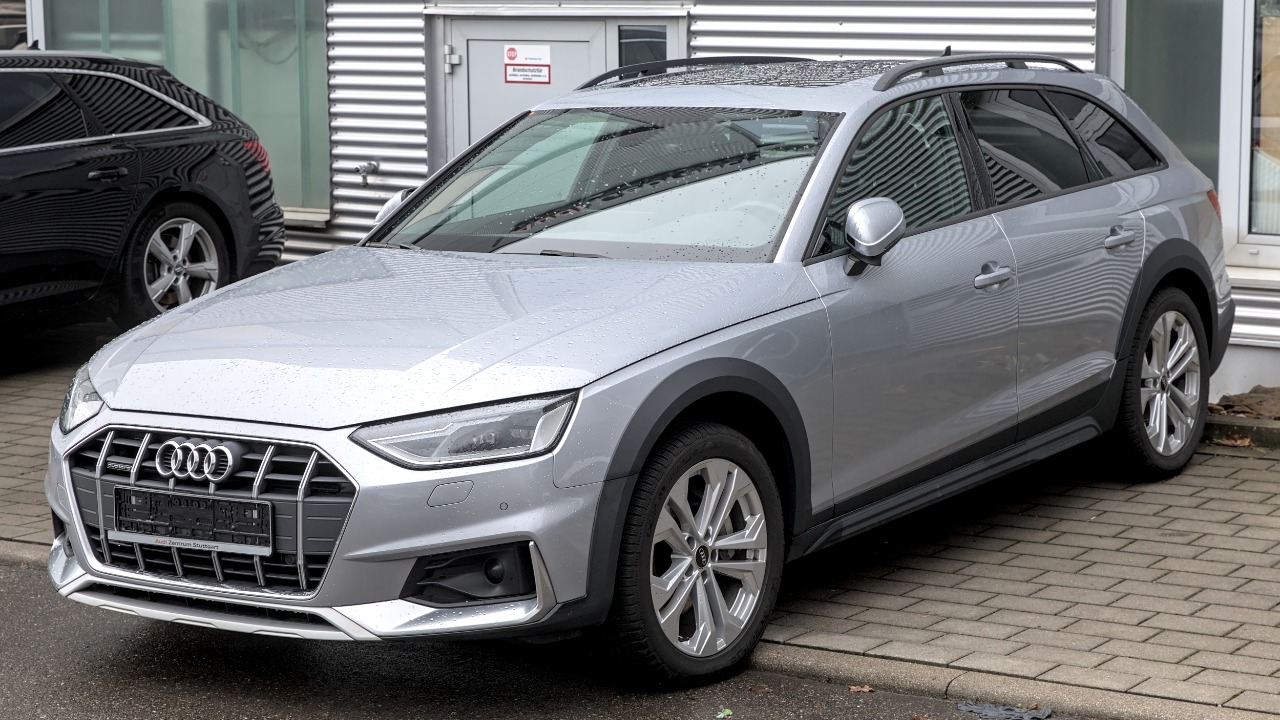
Sold as a lifted alternative to the standard Avant, Audi’s raised A4 wagon rides about 34 millimetres higher and wears protective cladding along the sills. The B9 generation pairs that stance with quattro ultra, a drivetrain that cruises in front-wheel drive to save fuel, then clamps a multi-plate clutch and a rear dog clutch shut in a fraction of a second when sensors detect slip.
Predictive software watches steering angle, throttle and wheel speed, so the rear axle is usually already driven before the driver feels anything go loose. The trade-off is packaging rather than capability: cargo space stays modest next to a crossover, and the low-profile tires many buyers choose blunt the advantage in unplowed snow.
3. Volvo V60 Cross Country: A Wagon On Stilts
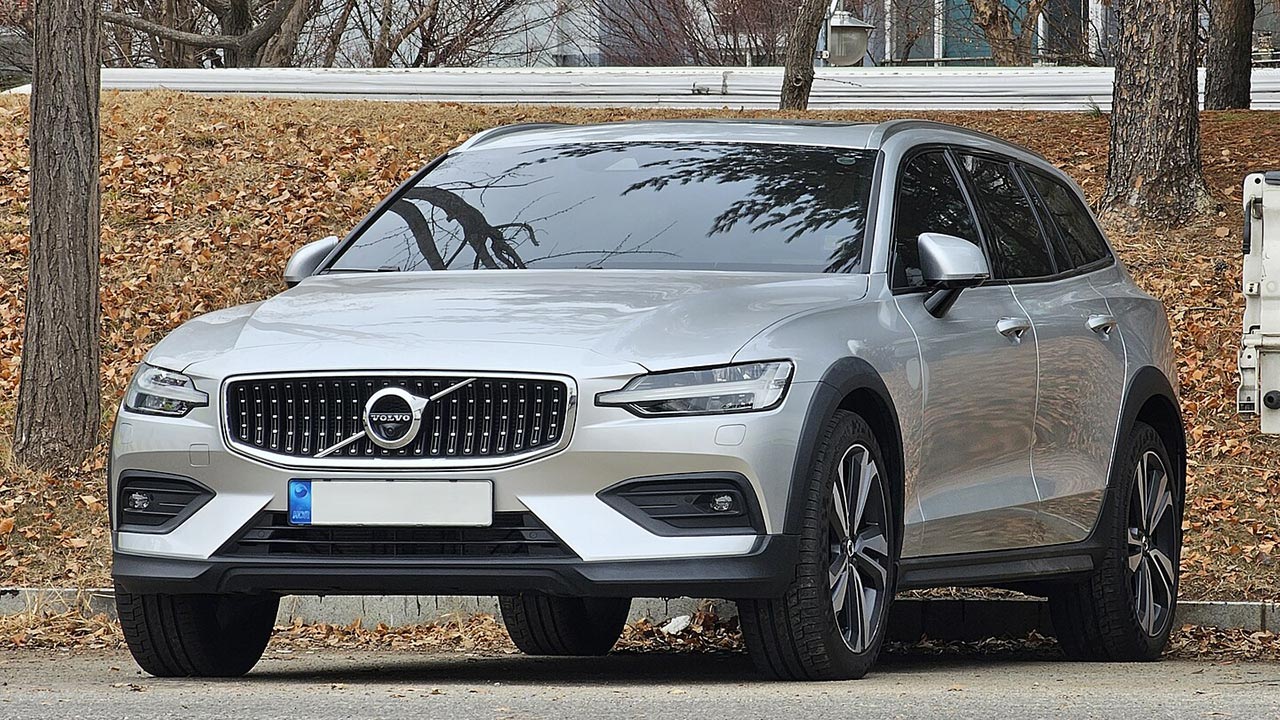
The Cross Country treatment lifts Volvo’s compact estate to roughly 8.3 inches of ground clearance, adds body armour and makes all-wheel drive standard rather than optional. Drive normally goes to the front axle through a transverse layout; an electronically controlled coupling behind the transmission sends torque rearward the instant a sensor sees a difference in wheel speed.
Volvo also fits a hill descent function and softer, longer-travel damping than the standard V60, which keeps the tires loaded on rutted, frozen back roads. Practical result: the extra height clears drifts that would pack under a lowered wagon, while the low roof keeps the center of gravity where a driver wants it on an icy off-ramp.
4. Volvo V90 Cross Country: Flagship Size, Same Playbook
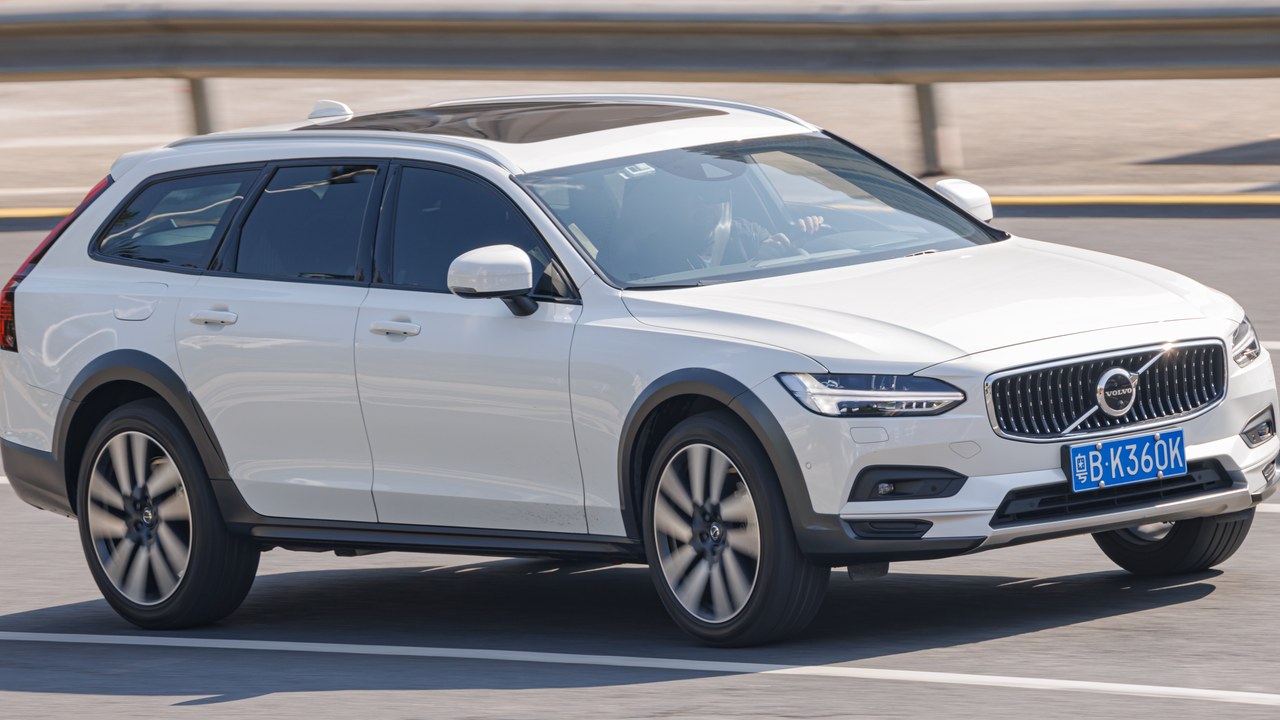
Volvo applies the same recipe to its largest estate, raising the big Volvo wagon to about 8.3 inches of clearance and fitting all-wheel drive as standard equipment across the Cross Country range. Optional rear air suspension lets the tail settle for loading and firm up when the road turns rough, and the longer wheelbase keeps the car settled in ruts that unsettle shorter cars.
Nordic conditions shaped the brief, which shows in the standard hill descent control and the skid protection under the nose and tail. Size cuts both ways, though: a long, heavy estate takes just as long to slow down as anything else on a glazed surface, no matter how many wheels are driven.
5. Mercedes-Benz E-Class All-Terrain: Air Springs Do The Lifting
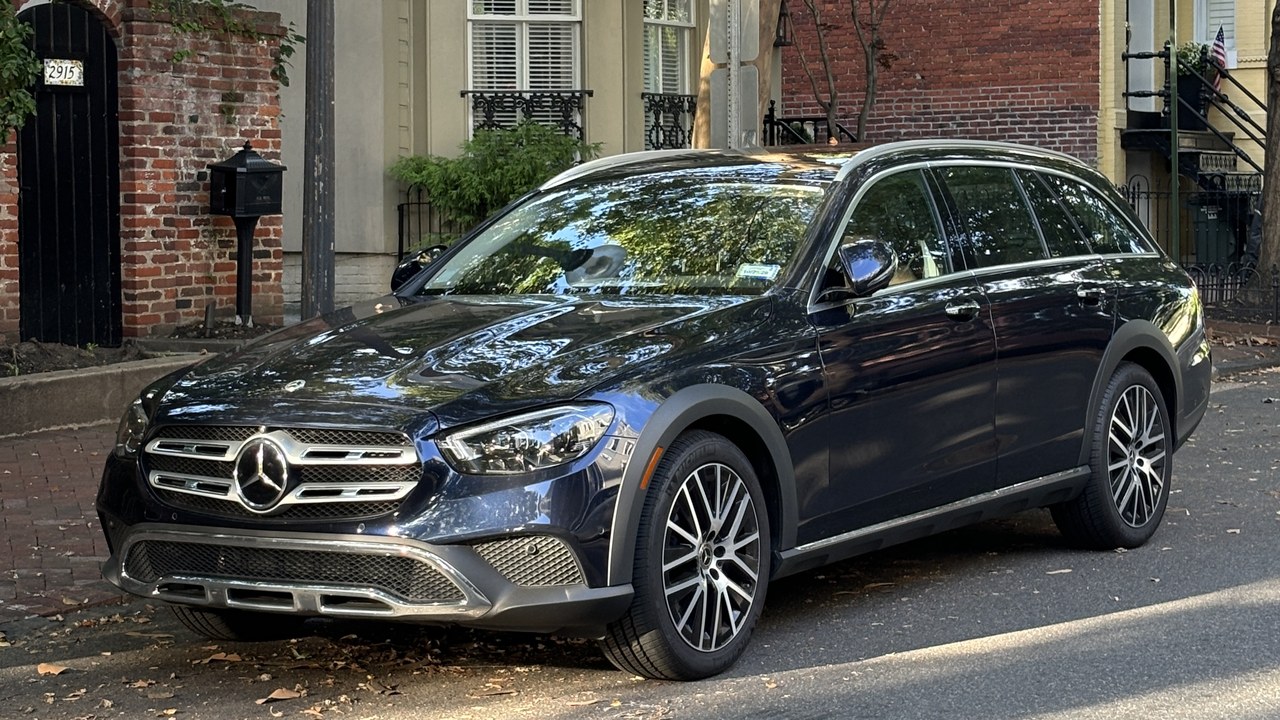
Mercedes builds the All-Terrain on the E-Class estate, then fits permanent 4MATIC all-wheel drive and standard air suspension that raises the E-Class wagon roughly 29 millimetres above the standard car. A dedicated All-Terrain driving mode lifts it further still, remaps the throttle, and holds the extra height until speeds climb back toward highway pace.
Adjustable ride height is the real winter advantage: the car can sit low and stable on a cleared motorway, then rise for an unplowed driveway without any compromise baked into the springs. Cladding and a slightly wider track finish the conversion. The engineering is genuine, even if most of these wagons will never see anything rougher than a snowy car park.
6. Audi A6 Allroad: Torsen Grip And Adjustable Height
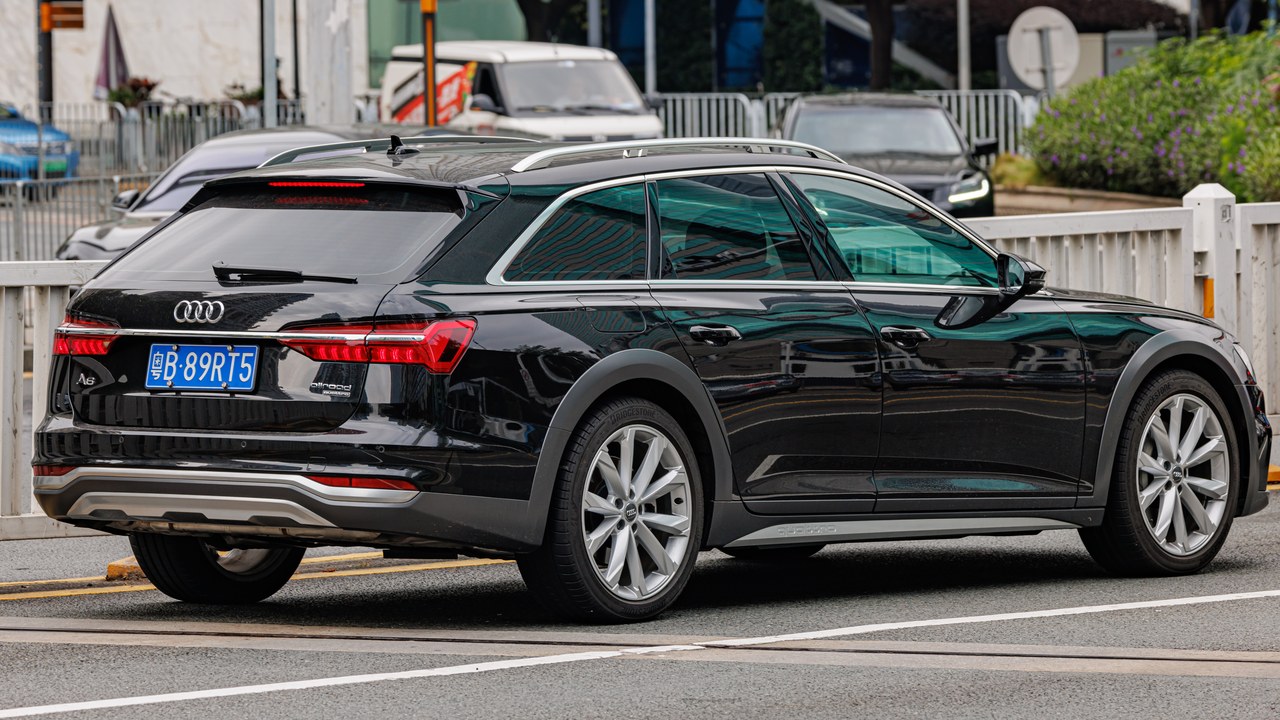
The larger allroad uses a mechanical quattro setup rather than the A4’s on-demand clutch: a self-locking centre differential splits torque between the axles continuously and can shove most of it to whichever end still has grip. Adaptive air suspension gives Audi’s executive estate a ride height that swings through about 45 millimetres, so it can crouch at speed and stand tall on a snow-covered lane.
One caveat for American readers: Audi sold the A6 allroad in the United States only in its earliest, C5-based form in the early 2000s, and later generations stayed a European offering. Buyers who want the same hardware domestically have generally had to shop the A4 allroad or an Audi crossover instead.
7. Volkswagen Golf Alltrack: Small Footprint, Serious Traction
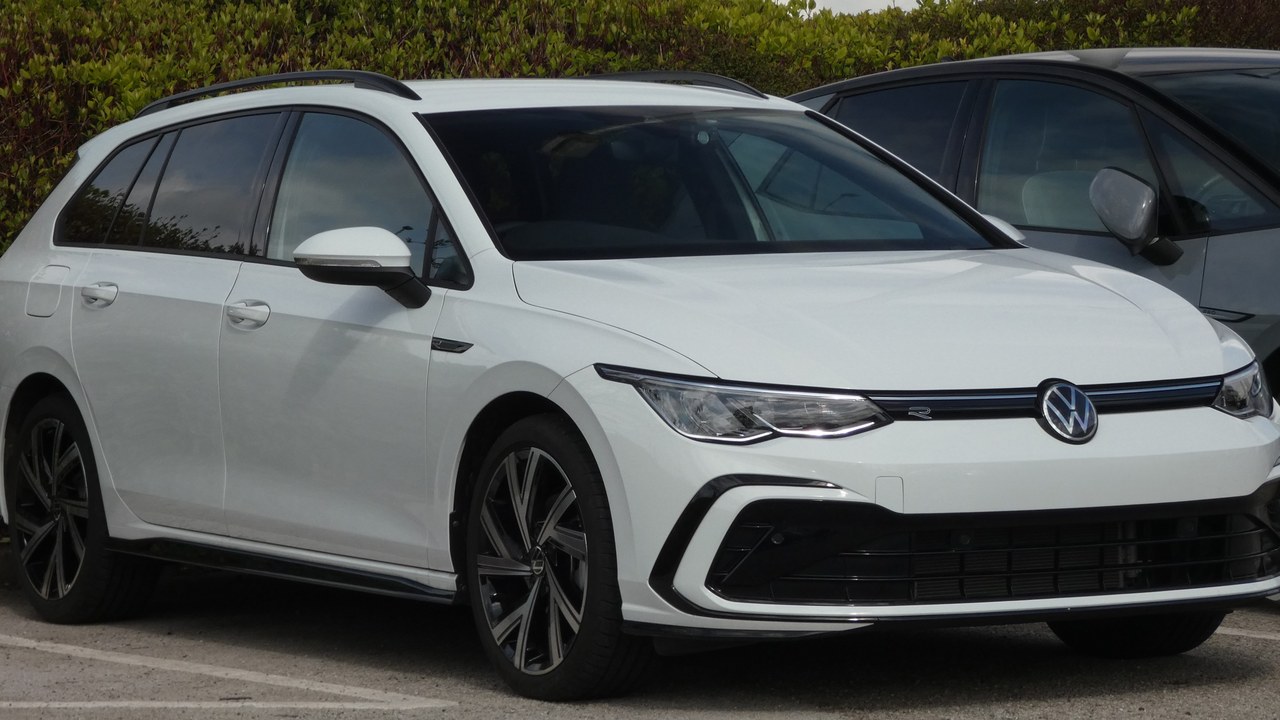
Volkswagen took the Golf SportWagen, lifted it by roughly six-tenths of an inch to about 6.9 inches of clearance, and made 4Motion all-wheel drive standard. That system uses a Haldex-type coupling that normally leaves the Golf-based wagon in front-wheel drive, then pressurises a clutch pack to feed the rear axle within milliseconds of a slip, or preemptively, based on throttle and steering input.
Off-road mode adds hill descent control and retuned traction software. Light weight is the underrated part of the package: the Alltrack is small enough to thread down a narrow, snow-narrowed street and easy to place accurately, which matters more in a storm than raw power. American sales ran only through the 2019 model year.
8. Buick Regal TourX: Detroit’s Odd Snow-Belt Bet
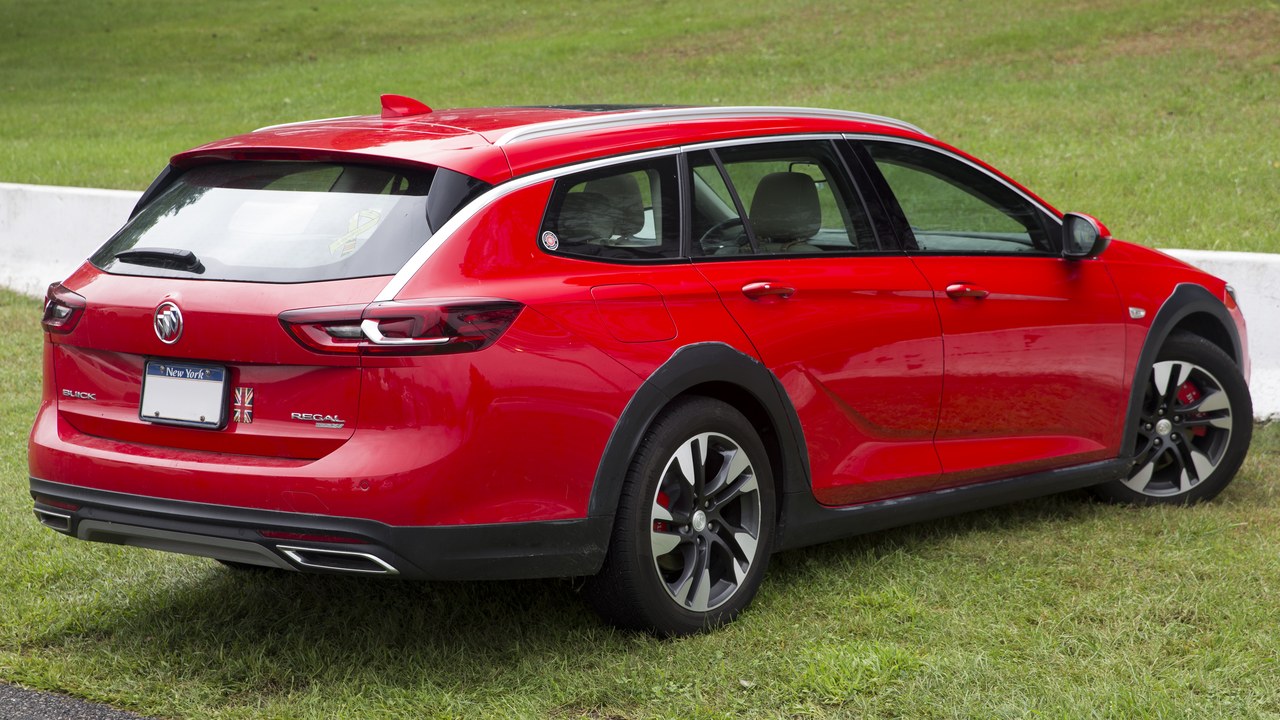
Buick imported the Insignia Country Tourer from Opel, badged it TourX and sold it in North America with all-wheel drive as the only configuration. The twin-clutch rear drive unit does more than split torque front to rear: it can route power to a single rear wheel, which lets the Regal-based wagon pull itself straight when one side of the car is sitting on ice.
Cargo volume rivalled midsize crossovers, yet buyers stayed away and the wagon lasted only three model years before Buick pulled it in 2020. That short run makes it a bargain on the used market for anyone who values torque vectoring over badge appeal.
9. Subaru Crosstrek: Hatchback Height, Wagon Habits
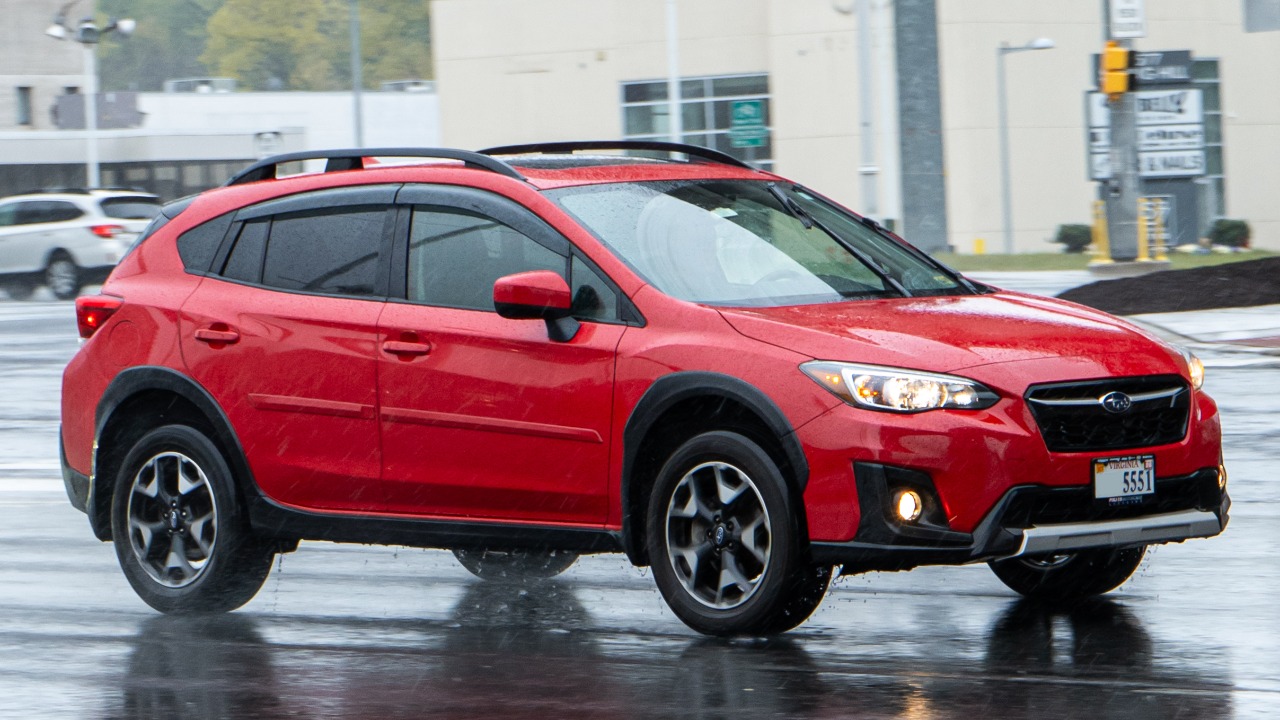
Strictly speaking this one is a raised hatchback rather than a true estate, but Subaru’s lifted Impreza behaves like a tall wagon and matches the Outback’s 8.7 inches of ground clearance. Symmetrical All-Wheel Drive is standard, and dual-function X-Mode on higher trims adds a deep-snow and mud setting that allows more wheelspin to dig toward firmer ground.
Short overhangs help as much as the clearance, since there is less bodywork to bulldoze into a drift at either end. Modest power keeps expectations honest, and no drivetrain rewrites physics: a set of proper winter tires still does more for stopping and steering than any amount of traction hardware.
More from Morning Overview
