
Automakers issue thousands of recalls each year, but a few share one alarming outcome: a wheel that can separate or lock up while the vehicle is driven. The list below spans a compact pickup to a luxury coupe, touching control arms, driveshafts, subframes, wheels, bearings and hub bolts. Here are eight vehicles recalled this year over a wheel defect serious enough to raise the risk of a crash.
1. Ford Maverick: The Loose Control Arm Risk
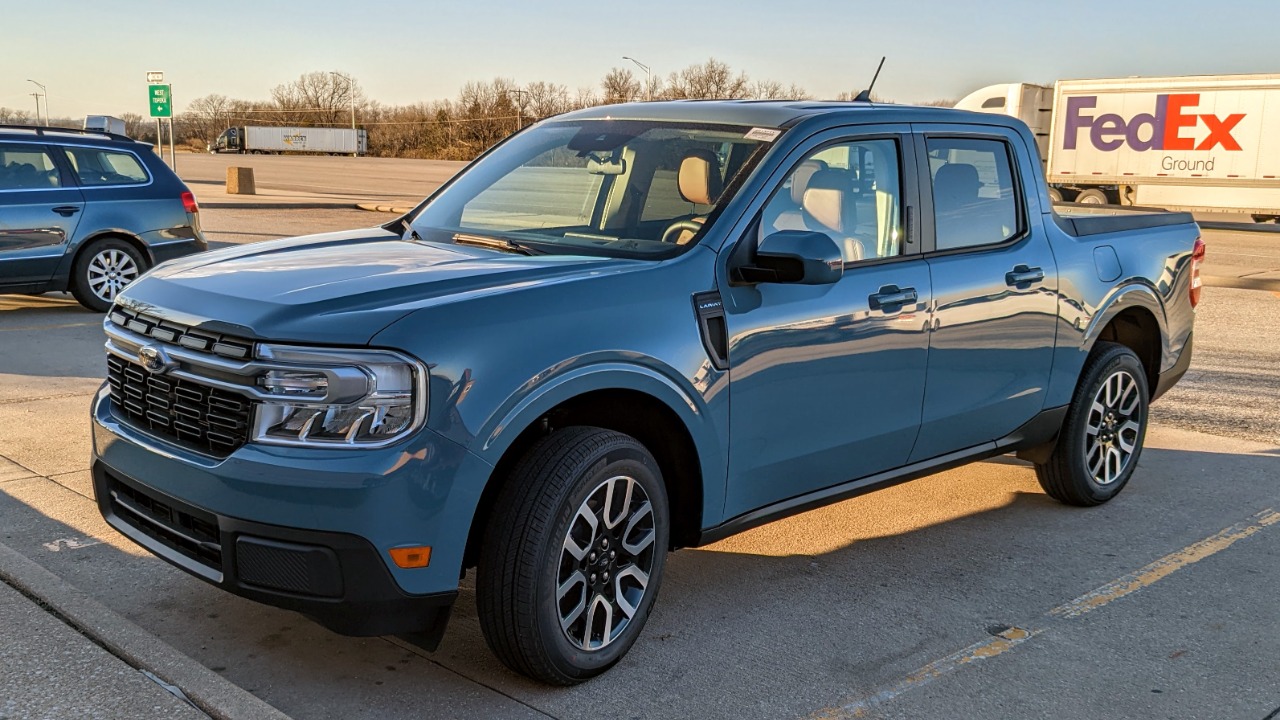
At the factory, front lower control arm ball joints were installed or repaired incorrectly on certain Ford Maverick trucks, and the fault lets the arm disconnect from the front wheel knuckle. Federal regulators describe a failure that can happen without warning while the truck is in motion, since nothing about the incorrect installation is visible from outside the wheel well.
A detached control arm removes the driver’s ability to steer or brake normally on that corner of the truck, and regulators list loss of vehicle control as the direct consequence. Owners are expected to have the joints inspected and, where necessary, replaced at no cost under the recall.
2. Bentley Continental GT: The Driveshaft Mismatch
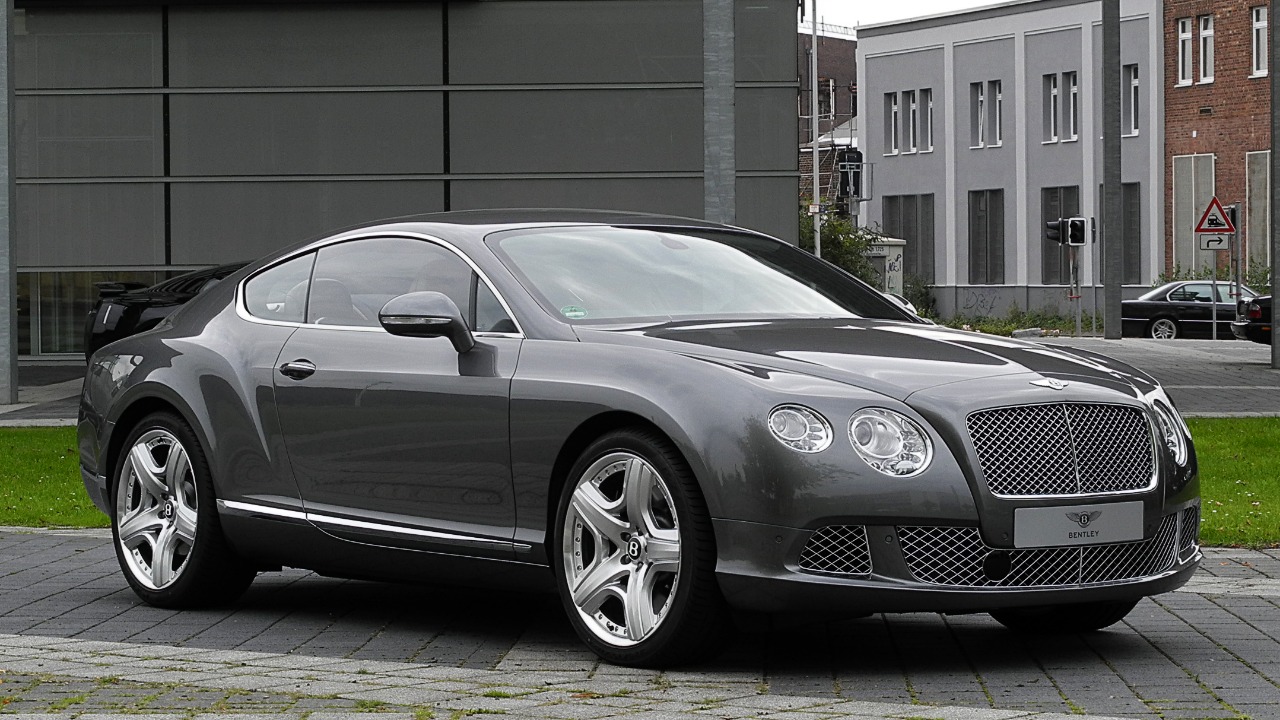
Certain Bentley Continental GT and GTC coupes left the factory with an incorrect, shorter front driveshaft, a mismatch that lets the front hub securing nut loosen gradually as the car is driven. The problem does not announce itself immediately; it builds over time as the undersized shaft works against the nut.
Once the nut loosens enough, the driver feels vibration through the steering wheel, and the filing says the fault can progress to a loss of steering control. Dealers are checking the driveshaft length and correcting the hub assembly under the campaign.
3. Honda Pilot: Rust At The Rear Subframe

On more than 880,000 Honda Pilot SUVs, the rear subframe can corrode at the points where the rear suspension attaches, a failure tied to road salt and moisture exposure over years of use. The filing puts the affected count at 880,514 vehicles, making it the largest recall in this group.
Corrosion at those mounting points can let a rear control arm fail outright, and the automaker warns that the resulting loss of handling raises the odds of a crash. Dealers are inspecting the subframe for corrosion and reinforcing or replacing it where needed.
4. Aston Martin DBX: A Suspension Pin That Slides Free
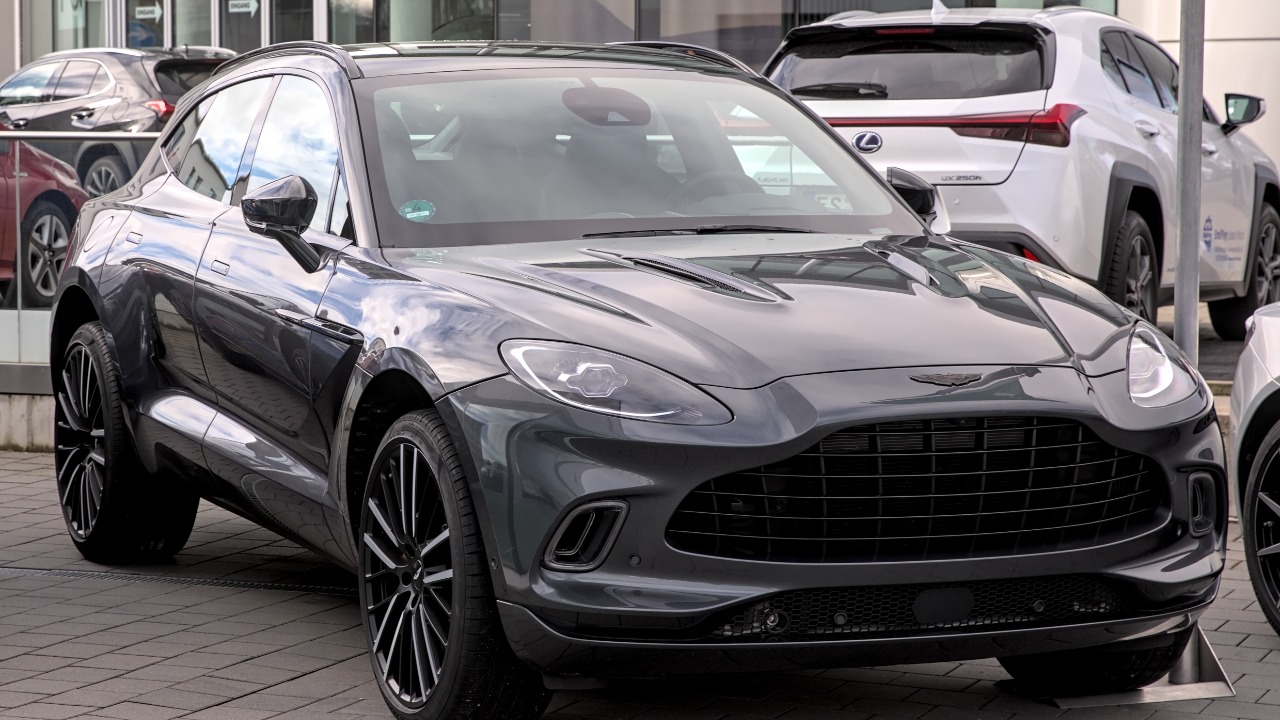
In the Aston Martin DBX, a pin securing the rear torque reaction link can slide out of position, and once it does, the rear lower suspension arm casting is left to crack or shear under normal driving loads. The defect traces to how the pin was retained during assembly rather than to the arm itself.
A cracked or sheared suspension arm can cost the driver control of the car and can also damage a brake line or nearby suspension components in the process. Dealers are replacing the retaining hardware to keep the pin from working loose.
5. Jeep Wrangler: Wheels Too Thin To Hold
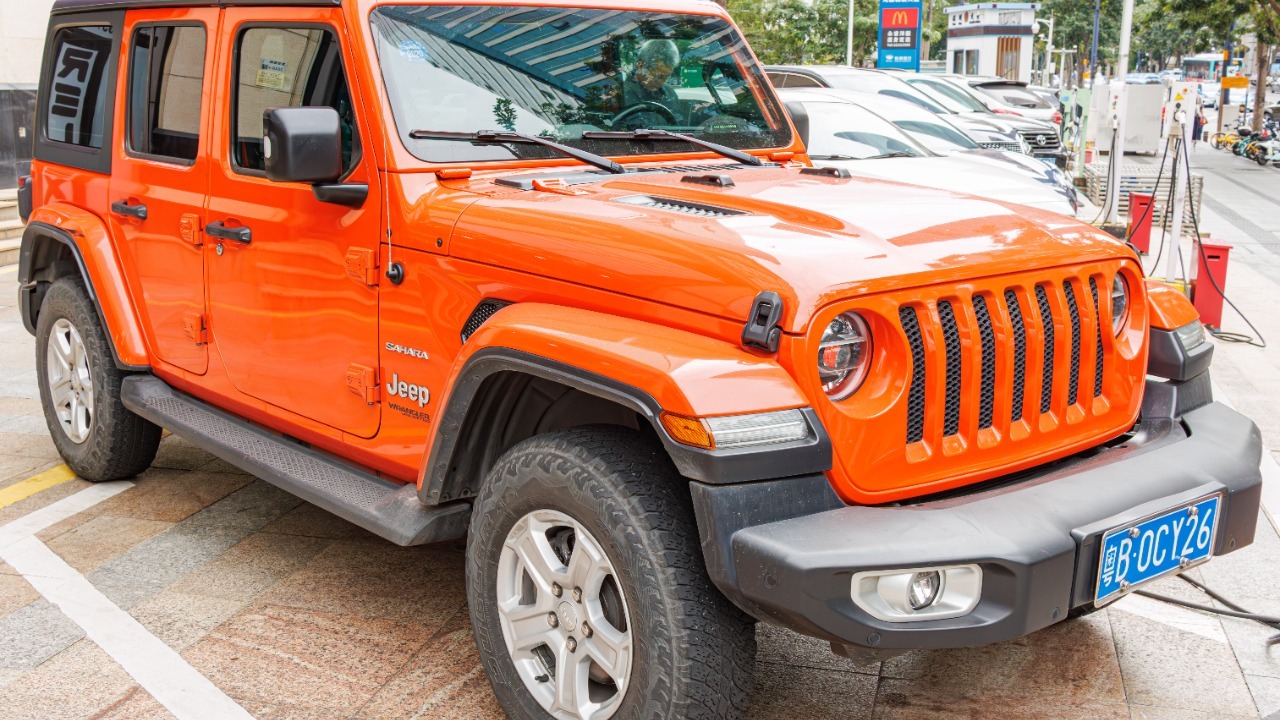
Certain 2026 Jeep Wrangler models were built with steel wheels whose walls are too thin, a manufacturing shortfall that leaves the wheel itself unable to withstand normal driving stress. The campaign is logged under the wheels component code and covers the wheel construction directly rather than a tire or hub part.
Over time, or under a hard enough impact, the thin wheel wall can crack, and in the worst case the wheel can detach from the Wrangler entirely while it is moving. Dealers are replacing the undersized wheels under the recall.
6. Ford F-150: The Wrong Axle Bearings
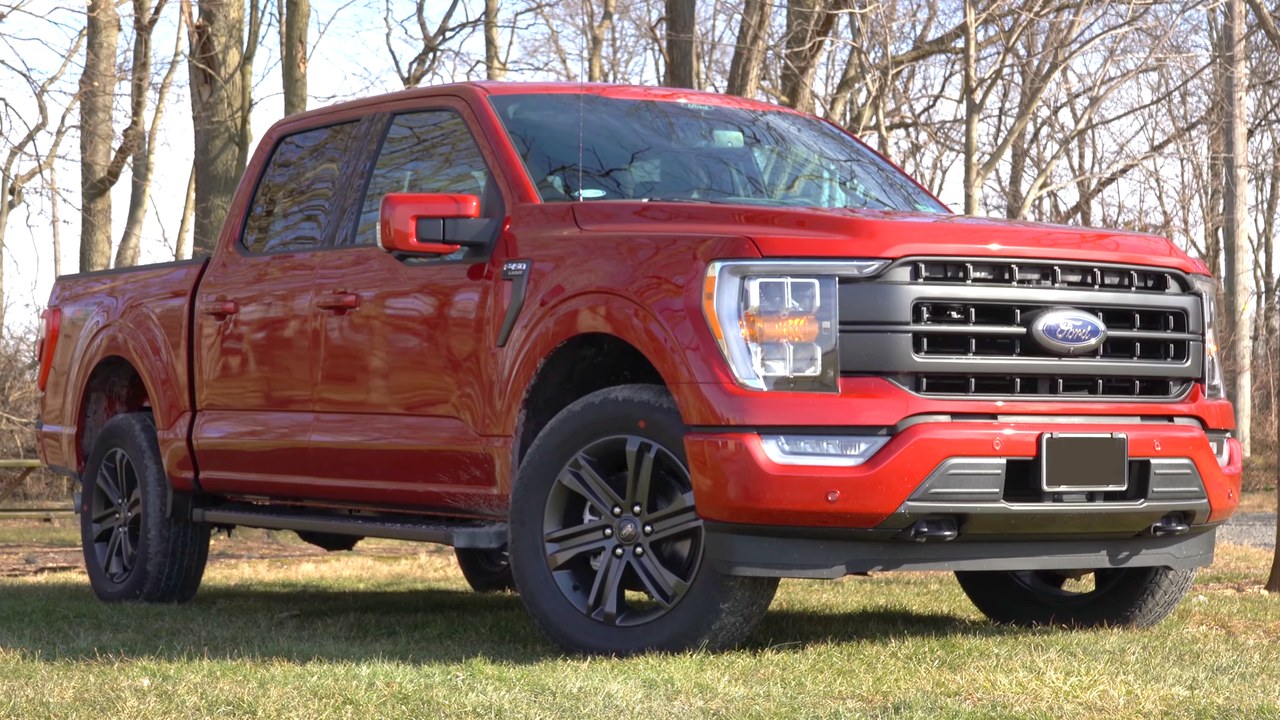
Certain 2026 Ford F-150 trucks left the factory with incorrect rear axle tail bearings, a driveline error filed under the differential unit component code. The wrong bearing can behave normally for a time before the mismatch shows up in how the axle transmits power to the wheels.
As the bearing wears, it can cause a wheel to lock up unexpectedly or let the driveshaft separate from the axle altogether, either of which can produce a sudden loss of vehicle control. Dealers are replacing the tail bearings with the correct part at no cost to the owner.
7. Cadillac Escalade: Hub Bolts On The Big Wheels
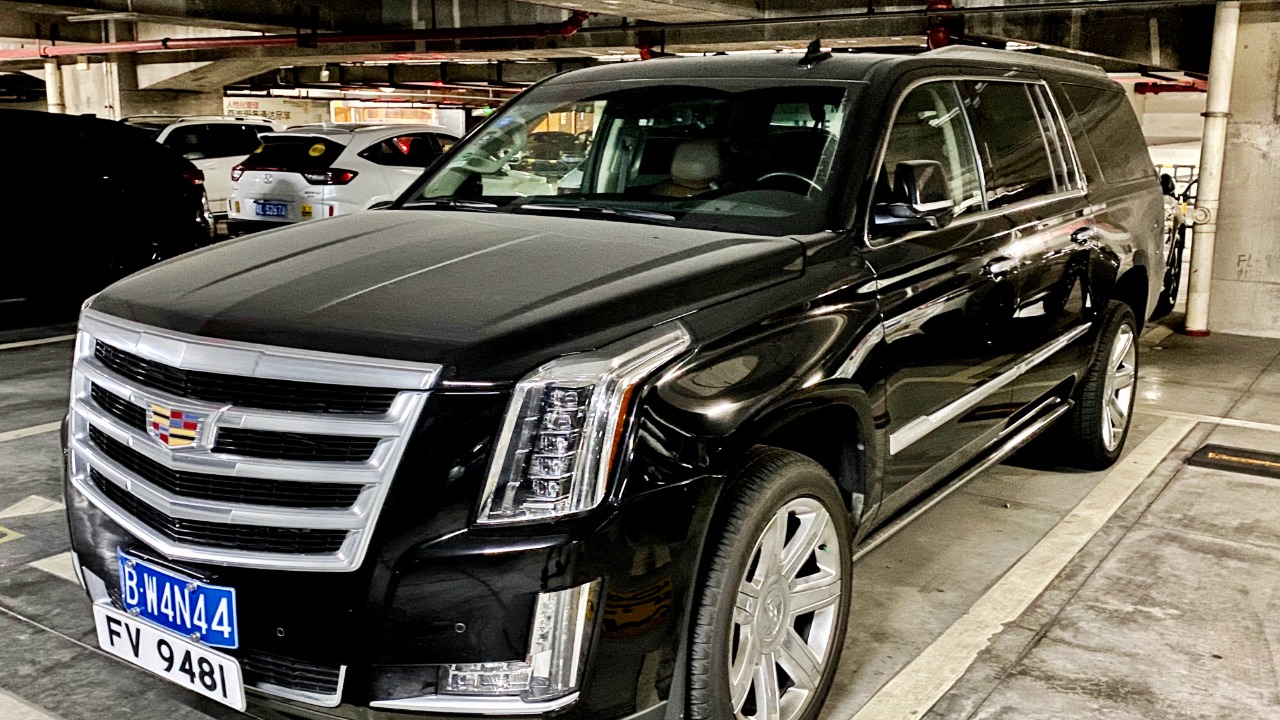
On 2026 Cadillac Escalade SUVs fitted with 24-inch wheels, incorrect bolts were used on the front wheel hubs, and those bolts can loosen or deform as the vehicle is driven. The campaign is filed under the wheels-and-hub component code and is specific to the larger-wheel configuration.
A bolt that loosens or breaks while the Escalade is moving can cause the driver to lose control of the SUV, and the risk is described as rising the longer the vehicle keeps being driven on the affected hubs. Dealers are inspecting and replacing the hub bolts under the recall.
8. GMC Yukon: A Transfer Case Left Incomplete
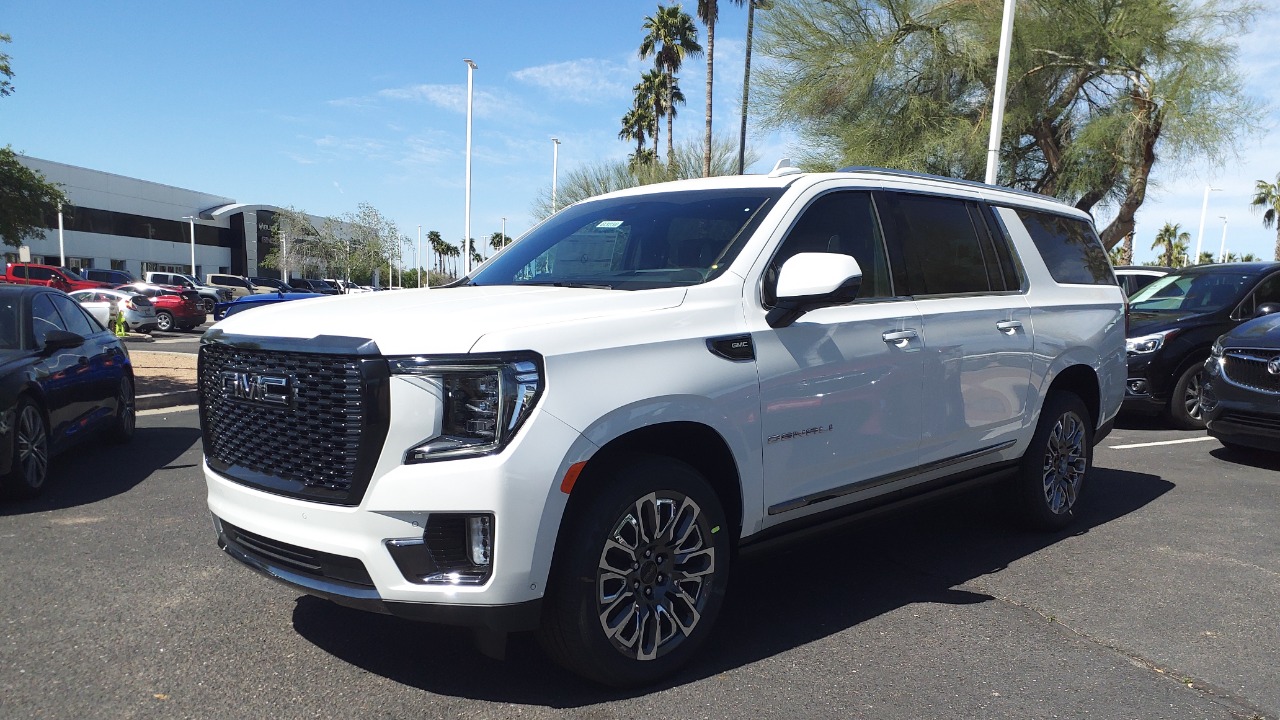
Certain 2026 GMC Yukon SUVs with four-wheel or all-wheel drive were built with a transfer case missing a drivetrain component, a gap that can let a front or rear wheel lock up on its own. The filing notes that the lockup happens without any warning reaching the driver beforehand.
Because the wheel can seize with no alert, the driver has little chance to anticipate the sudden change in handling, and the resulting crash risk is the recall’s core concern regardless of road conditions. Dealers are correcting the transfer case under the campaign.
More from Morning Overview
- Early electric-car owners are hitting battery and screen failures no one warned them about
- A magnitude 5.3 quake struck off the Oregon coast this week
- Amazon’s Prime refunds are rising to $200 as millions more customers become eligible
- A handful of car engines are so tough mechanics say they almost never wear out
